
Multigenerational Japan Trip: Ryokan Rooms for Grandparents

This site uses affiliate links; we may earn a commission on bookings.
Note: Counts such as "more than 500 properties" come from the facility data of hotels listed on Kids Stay (as of October 2026, not the total number of hotels in Japan)
If grandparents are joining your Japan trip, two decisions settle almost everything else: where you base the group, and how you divide the rooms. Choose the base by travel time rather than by place name, keeping each leg to two or three hours. Then choose a ryokan, a traditional Japanese inn, that has a tatami room, a private bath your group can use on its own, and meals served in your room or in a private or semi private dining room, because those three features are what stop six people aged from zero to their seventies from wearing each other out.
Sightseeing, meals, and money all fall into place after those two decisions. Below is how to work through them, with numbers from our listings showing which onsen towns actually have the rooms you need.
Find inns with a private bath
Find inns with a private bath
On Kids Stay you can search only the inns that have a private bath, right from the start. Just choose the area and the number of guests.
hotelOur pick
A riverside resort hotel in the Hanamaki Minami Onsen area with three private baths you can choose from to suit your mood. Dinner and breakfast are buffets, and there is a family area with a kids' room.
A three generation trip, with grandparents, parents, and grandchildren together, puts people with very different stamina and daily rhythms under one roof, so the order in which you make decisions changes how tired everyone gets.
menu_bookContentsexpand_more
- Choose your base by travel time, not by the map
- Onsen towns suit three generations, and the listings show why
- Five ways to split the rooms
- An all in one resort, or an onsen town you can walk
- Celebrating a grandparent's birthday or 60th with the grandchildren
- Settle baths, meals, and money before you book
- Wrapping up
- FAQ
Choose your base by travel time, not by the map
If you start from places you want to see, the plan almost always stretches too far. Grandparents tend to say yes out of politeness, so the strain does not show until the day itself. For a multigenerational trip, filtering by travel time instead of by place name is the single change that keeps the plan realistic.
Keep each leg to two or three hours
Travel guidance for three generation trips generally puts the limit at two to three hours per leg by car. The reason is simple: a long transfer costs a grandparent about as much energy as a full sightseeing stop. Sitting still looks restful, but holding one position is hard on backs and knees.
The awkward part is that travel fatigue usually shows up the next day, not the same day. Grandparents who were cheerful on arrival say "I will take it easy today" on the second morning, and half the trip is gone. Children start to fade after about ninety minutes, so keeping each leg to around two hours, with breaks along the way, is the compromise that works for both.
Draw a two to three hour circle around your arrival point and count how many onsen towns fall inside it. That is enough to start. If you want to go beyond the circle, add a day instead of pushing through. Not counting a travel day as a sightseeing day is the habit that keeps multigenerational trips from collapsing.
Meet at the destination, and let the hotel handle the last kilometer
If the grandparents are arriving separately, from a different city or a different flight, drop the assumption that everyone travels together. Meeting at the destination shortens every individual journey. Grandparents can stay seated on the Shinkansen and local trains while the parents move with the luggage and the stroller, and both groups arrive less frayed.
This is where hotel shuttles earn their keep. Plenty of inns advertise a shuttle from a station or airport. The last kilometer from the station to the inn is the worst stretch when you are carrying bags and a toddler, so handing that stretch to the hotel changes how the whole day feels.
Angel Grandia Echigo Nakazato in Niigata runs a free shuttle bus of about fifteen minutes from Echigo Yuzawa Station. Musubino Yado Airinkan in Iwate runs a shuttle bus from Shin Hanamaki and Hanamaki stations (reservation required; from September 2026, guests aged 3 and over pay a ¥100 contribution each way). In both cases you never have to look for a taxi at the station, which matters most when you have grandparents and luggage in the same group.
One caution: hotel websites almost always list shuttles as reservation required, or running at fixed times. You cannot book a pickup without an arrival time, so the order is to fix the grandparents' train first, then reserve the shuttle to match it. Keep them to one transfer at most, so nobody has to hurry on a platform.
hotelFour inns with station pickup and multigenerational rooms
Each has tatami rooms, a private bath, and in room or private room dining, plus a station shuttle listed on its own website (reservation required, and some charge a fee)
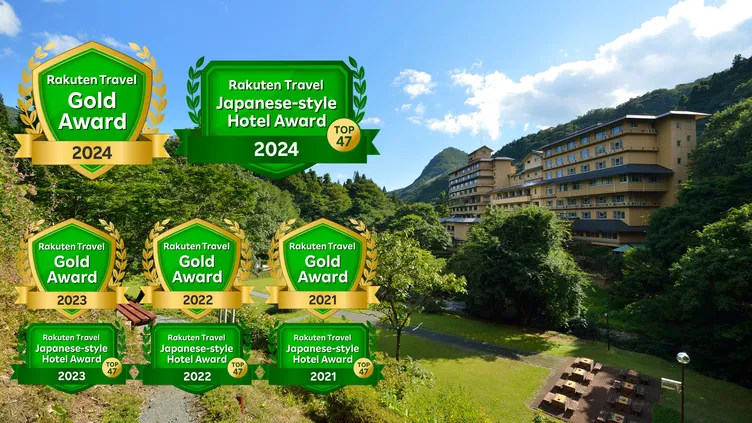
Musubino Yado Airinkan
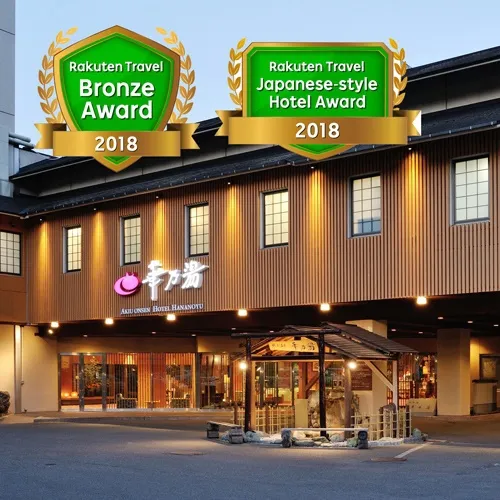
Sendai Akiu Onsen Hananoyu
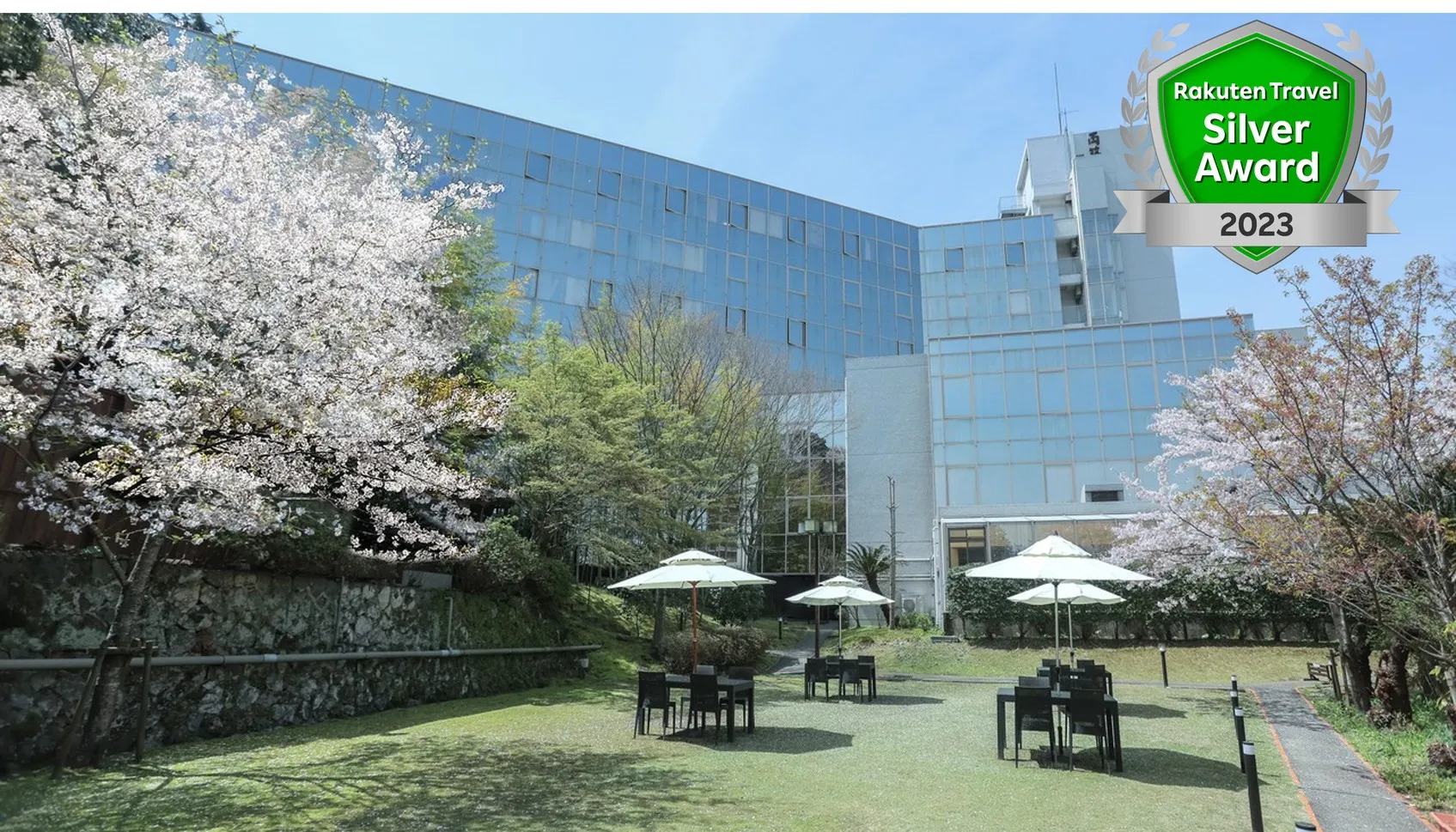
Beppu Onsen Ryochiku Bettei
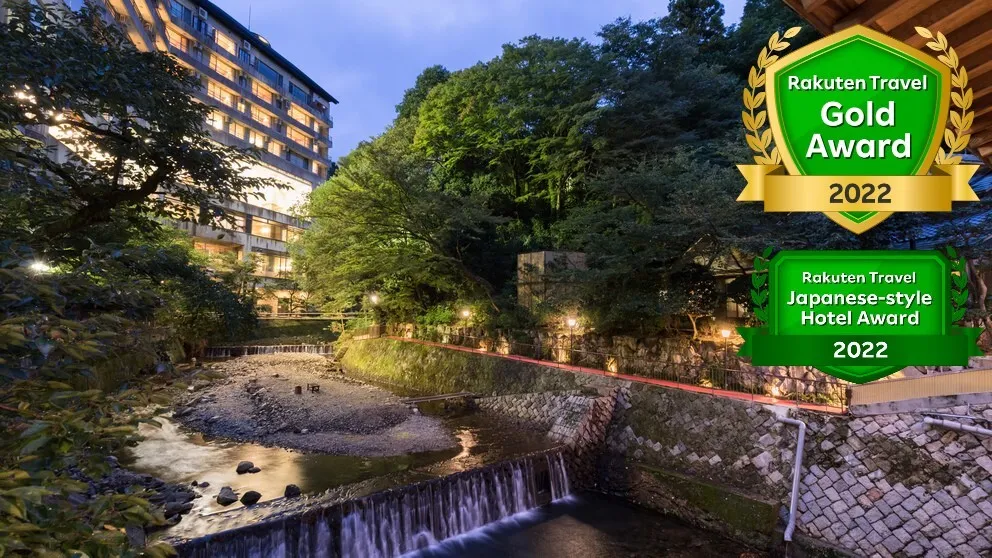
Arima Onsen Gekkoen Korokan
Plan one outing a day, because most of the trip happens inside the hotel
It is tempting to count how many attractions sit near each candidate town, but the opposite approach works better. Plan one outing a day and spend the rest of the time at the hotel, and everyone stays in a good mood through to the last dinner.
Families asking for advice on this online often list "somewhere everyone can enjoy without much walking" as a condition, with a parent in their seventies, a school age child, and a toddler in the same group. Walking tours are too short for children and too long for grandparents, so they satisfy neither. Lengthening the time you spend at the inn is what actually raises satisfaction.
Inns that host multigenerational groups also advise asking the grandparents what they want during the planning stage, not after the destination is locked. Offering two or three candidates and letting them pick gets you an honest answer instead of a polite one.
Check in at 3 p.m. and check out at 11 a.m. and you have twenty hours on the property. On a one night trip, the inn, not the sightseeing, is the center of the stay. That number is the whole argument for judging destinations by what the inn offers.
Two to three hours of travel, one outing a day. Set those two rules first and your shortlist shrinks to a workable size.
Onsen towns suit three generations, and the listings show why
Ask where a multigenerational group should go in Japan and the answer usually lands on an onsen town, a hot spring resort area. It sounds like a matter of taste, but an onsen town is simply the place where three different sets of wishes overlap most. Grandparents want hot spring baths and Japanese food, parents want time sitting down, children want water and a wide tatami floor to roll around on. A ryokan delivers all three in one building.
Three features decide a multigenerational ryokan
Comparing inns feature by feature never ends, so narrow it to three questions: does it have a tatami or Japanese Western room (tatami plus beds), does it have a private bath your group can use on its own, and can you eat in your room or in a private dining room? Each one protects a different generation. Tatami handles toddler tumbles and gives grandparents a place to sit; a private bath removes both the queue and the self consciousness of a communal bath, where bathing is nude and separated by gender; a private dining room absorbs the noise and lets anyone leave the table mid meal.
These three sit on different pages of a hotel website, guest rooms and dining, and booking site filters rarely cover all three at once. Write the three down before you start looking and you will click back and forth far less.
In the Kids Stay listings as of September 2026, out of more than 2,100 properties, over 1,300 have tatami or Japanese Western rooms, over 530 have a private bath, over 480 serve dinner in the guest room, and over 510 have a private or semi private dining room. But the number with all three at once drops sharply. That small overlap is exactly why this search feels harder than a normal hotel search.
What makes an onsen town work for three generations
When qualifying inns are scarce, start with the onsen towns where they are easiest to find. Here are the candidate towns with their listing counts and what suits them (counts as of September 2026).
| Onsen town | Properties listed | Why it suits three generations |
|---|---|---|
| Gero Onsen | 18 | Large ryokan within walking distance of the station, so the whole stay can happen indoors |
| Ikaho Onsen | 12 | A cluster of long established ryokan with wide in room and private dining options |
| Arima Onsen | 13 | About an hour from Osaka and Kobe. The iron rich kinsen baths are a destination themselves |
| Kinosaki Onsen | 12 | The public bathhouse circuit doubles as a stroll. Some inns have two room tatami suites |
| Hakone | 39 | The largest choice overall, so you can pick your price bracket |
| Atami | 21 | Close to a Shinkansen station, which suits meeting grandparents on arrival |
The share of inns with multigenerational features matters more than the raw count. In Ikaho, all 12 listed inns have both tatami rooms and a private bath (as of September 2026), so almost anything you open is a safe bet. Hakone has the most inns but the widest spread, so you have to filter by feature before the list means anything.
hotelRyokan with tatami rooms, a private bath, and unhurried dining
All four have tatami rooms plus a private bath and either in room dining or a private or semi private dining room, so grandparents and grandchildren can bathe at different times
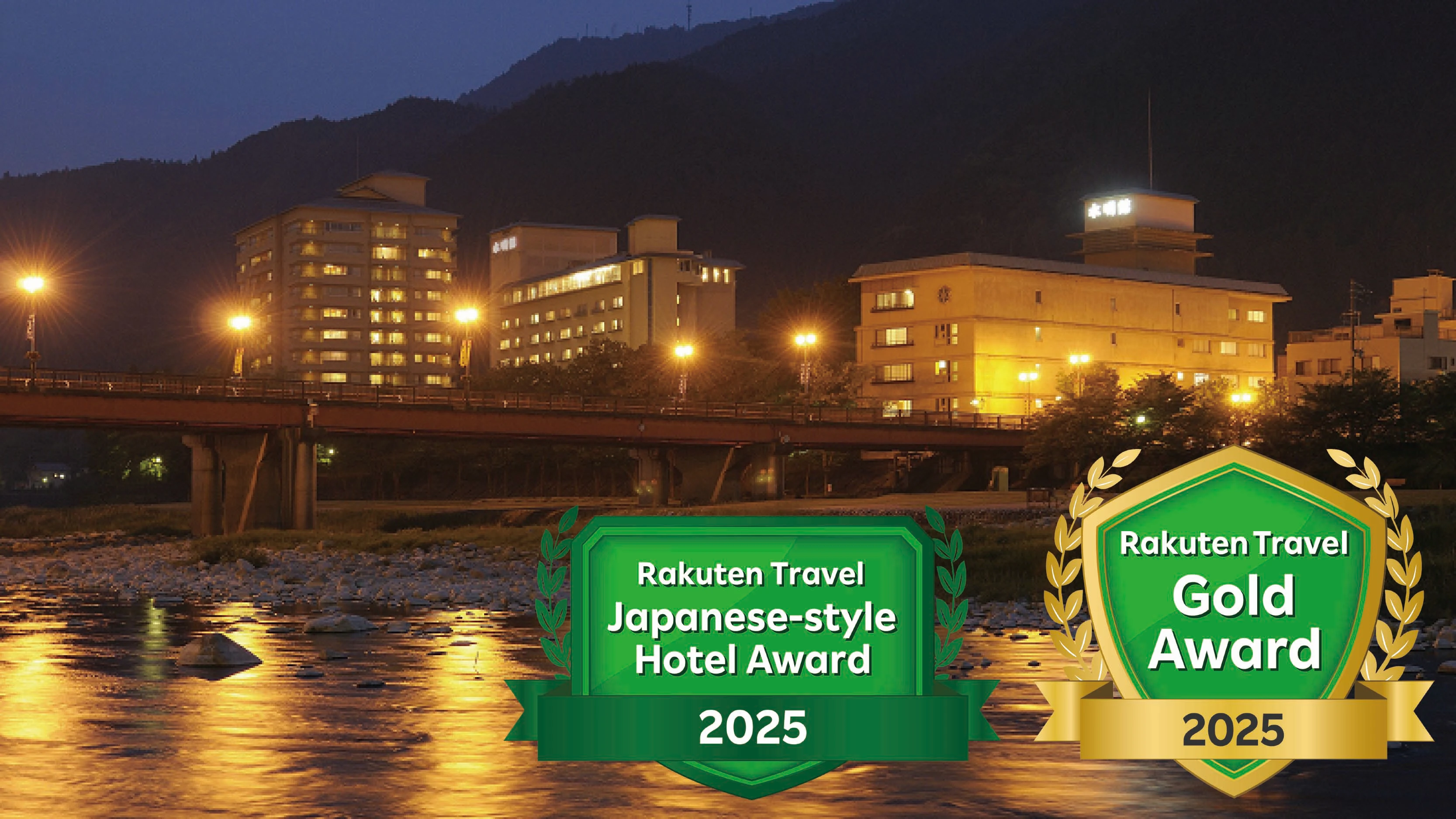
Gero Onsen Suimeikan
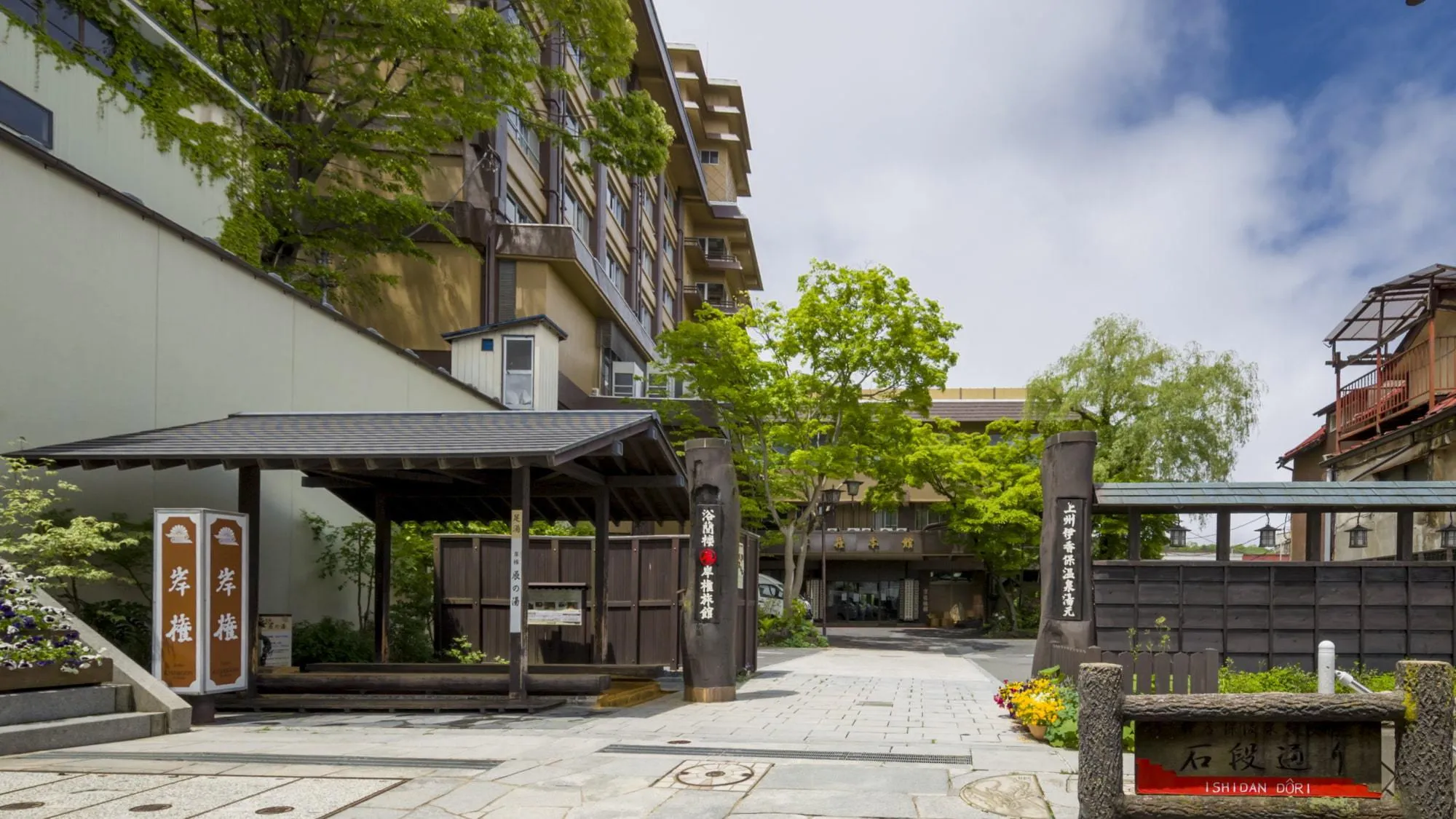
Ikaho Onsen Kishigon Ryokan
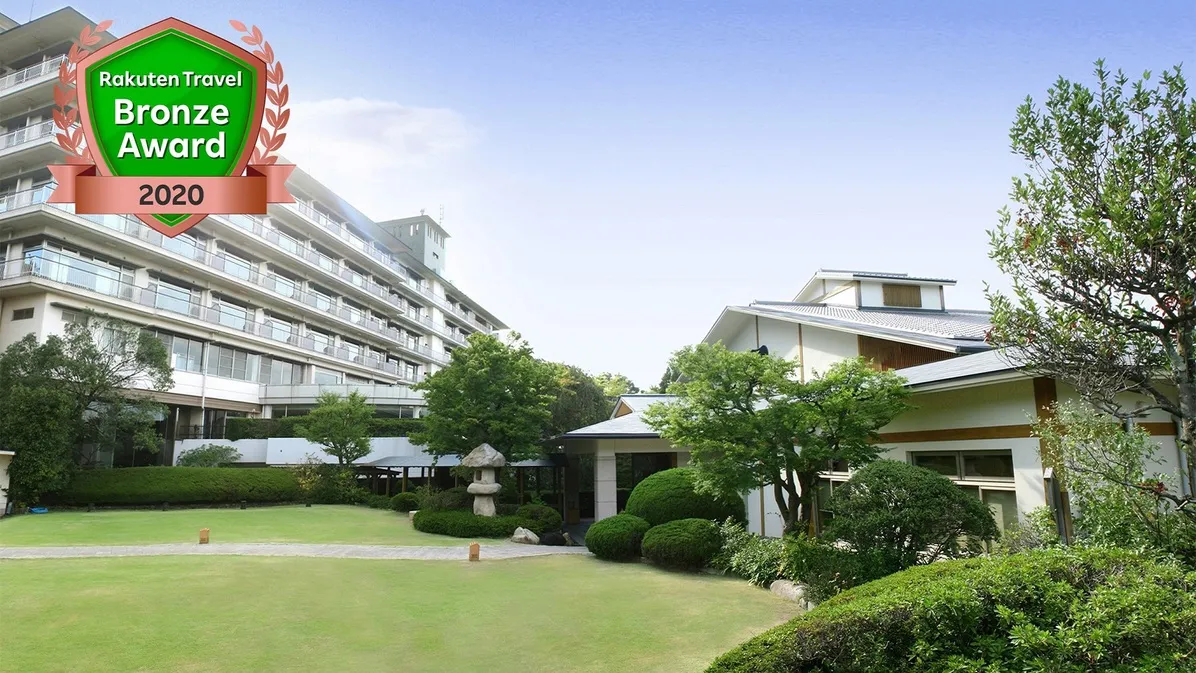
Arima Onsen Hyoe Koyokaku
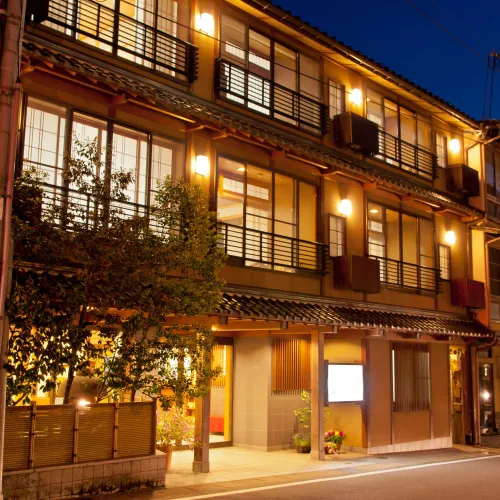
Kinosaki Onsen Okesho
Realistic bases by gateway city
Lay the two to three hour rule over those features and the practical shortlist appears. From Tokyo: Hakone, Atami, Ikaho, Kinugawa, and Minami Boso. From Nagoya: Gero and Ise Shima. From Kansai: Arima, Kinosaki, and Awaji Island. From Fukuoka: Beppu and Kurokawa. Each is a place where inns that welcome families cluster together, and most are within two to three hours by expressway or Shinkansen, depending on exactly where you start.
Of these, Atami and Gero are the easiest places to meet grandparents on arrival, since both have a Shinkansen or limited express station close to the hot spring district and inns that run pickups. Ikaho and Kurokawa, by contrast, assume a bus or taxi at the end, so it is safer to join up at an earlier station and drive in together. When you are narrowing down, picture who travels the last thirty minutes to the inn, and how, and the arrival day stops being stressful.
mapBrowse inns in the onsen towns named above
Family friendly properties in each area
Family-Friendly Hotels in Gero Onsen (Hot Spring): Private Baths for Families
Slow family time at one of Japan's three great hot springs, famous for its beautifying water, with Japanese-style tatami rooms and in-room dining
Family-Friendly Hotels in Ikaho Onsen (Hot Spring): Stone Steps and Baths
A characterful hot spring town of stone steps, with private-hire baths and in-room dining for unhurried family time
Family-Friendly Hotels in Arima Onsen: In-Room Meals and Private Baths at One of Japan's Three Ancient Hot Springs
Kobe's hot spring retreat and one of Kansai's most famous baths, where families can unwind with in-room dining and private baths
Family-Friendly Hotels in Kinosaki Onsen (Hot Spring): Bathhouse Hopping and an Aquarium
Slow down as a family in a charming hot spring town, strolling between public baths in yukata
Family-Friendly Hotels in Hakone: Private Hot Spring Baths, Babies Welcome
A hot spring getaway close to Tokyo, where even a baby's first onsen bath feels easy
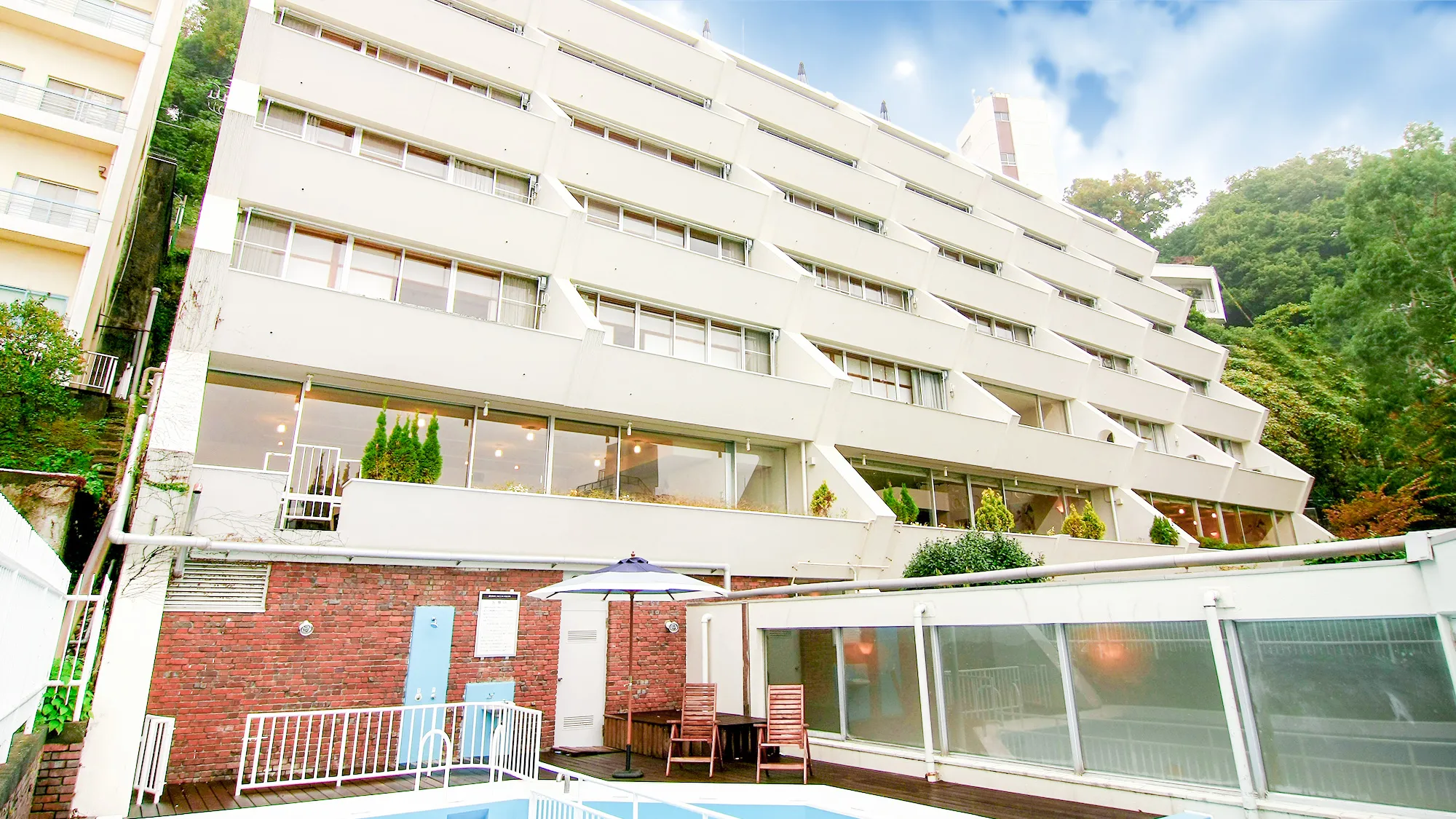
Family-Friendly Hotels in Atami: Hot Springs and Sea by Bullet Train
A classic resort with both hot springs and the ocean, ideal for a child's first hot spring trip
If you would rather compare properties than places, start from the curated collections.
auto_awesomeStart from a collection instead
Multigenerational inns built around tatami rooms, private baths, and in room dining, plus properties where you can happily spend a whole day inside
Three-Generation Family Trips
Japanese-style rooms where everyone sleeps side by side, private baths, and meals served in your room or a private dining room. Hotels where grandparents, parents, and kids can all relax, chosen from real facility data
Hotels You Never Have to Leave
Rain or blazing heat, zero sightseeing, everyone still happy. Hotels with the pool, the play area, the baths and the meals all under one roof, for a trip where you never go out
Five ways to split the rooms
With the destination set, the rooms come next. The most common mistake with a multigenerational booking is two twin rooms on different floors. Grandchildren want to visit the grandparents and end up crossing the corridor all evening. Stepping into the corridor means stepping outside an auto locking door, which is exactly what you do not want after dark.
First decide whether to share one room or split
There are only two questions. Is the group larger than five people, and do bedtimes differ by two hours or more across generations? If the children sleep at 8 p.m., the grandparents at 10, and the parents at midnight, sharing one room means somebody spends the night tiptoeing. If everyone is in bed sometime in the nine o'clock hour, one large tatami room is cheaper and frankly nicer.
Past five people, the number of inns that can take you in a single room drops sharply. If group size is your main constraint, our guide to finding hotels for a family of five covers how to search for rooms that fit larger groups.
| Layout | Best when | Weak point |
|---|---|---|
| One room together (futons side by side on tatami) | Bedtimes are close. Up to five people | Anyone on a different schedule disturbs the rest |
| Two room tatami suite with sliding doors | Six or more. You want to divide only at night | Few of them exist, and they book out early |
| Connecting rooms | Together by day, independent at night | Only some inns have rooms with an interior door |
| Adjacent separate rooms | When neither of the above is available | Somebody has to use the corridor |
| Detached cottage or whole house rental | Crying at night or loud voices are a worry | The bath and dining hall may be an outdoor walk away |
Look for a two room suite, then connecting, then adjacent
If you are splitting, search in that order. Start with the two room tatami suite, two Japanese rooms joined by fusuma sliding paper doors, often listed as something like 10 tatami plus 6 tatami. Open the doors and it is one room, close them and it is two, all with a single set of sliding doors. Divide at night, open up in the morning and eat breakfast together. Inns with two room suites are not common, so book as soon as you find one.
Next, connecting rooms, two rooms joined by an interior door, more common in Western style hotels. They are easier to find than two room suites, but they usually apply to only a few rooms and require a request, so they rarely appear in an online availability search and often need a phone call or email.
When neither is available, take adjacent rooms and explicitly request the room next door, or at minimum the same floor. Saying "if the adjoining room is not free, please keep us on one floor" can change what you get at check in.
A search tip: two room suites are usually identified by their tatami counts in the room name, while connecting rooms are sometimes described only in an FAQ or facility guide rather than the room list. If the website does not say, write to the inn and tell them you want six people in one block. Give the number of guests and everyone's age, and staff will sometimes propose a room combination for you.
hotelInns with two room Japanese or Japanese Western suites for larger groups
Rooms divided into two spaces, so generations with different bedtimes can still sleep within the same suite
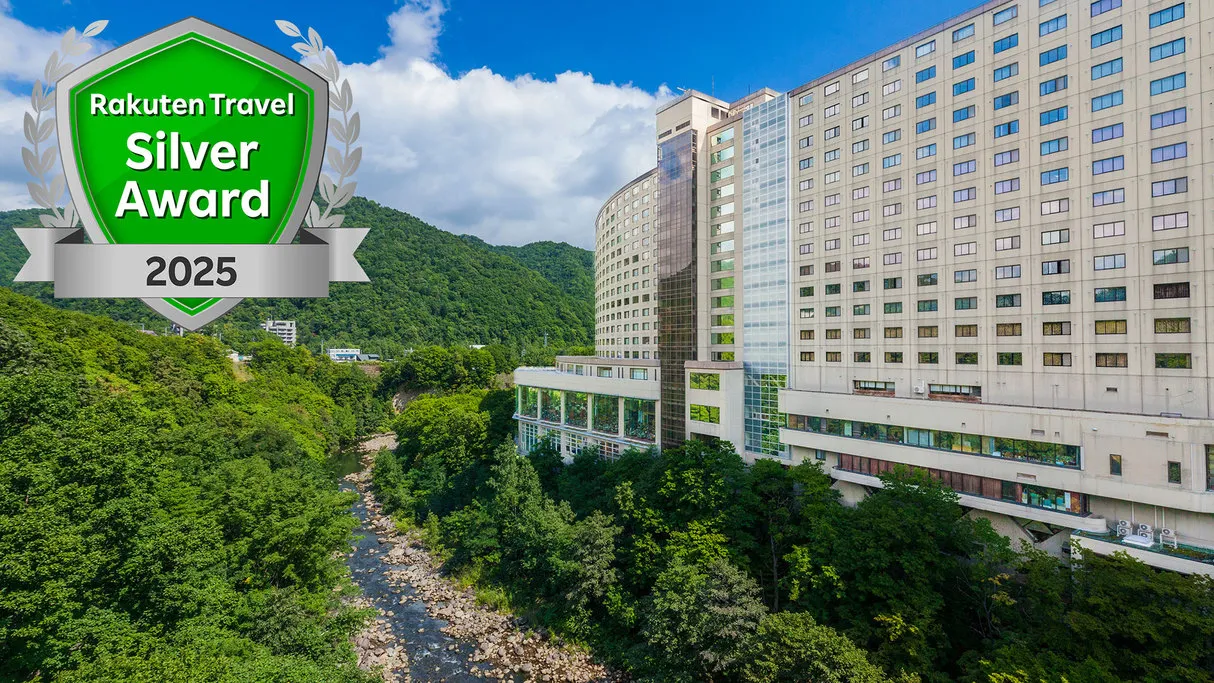
Jozankei View Hotel
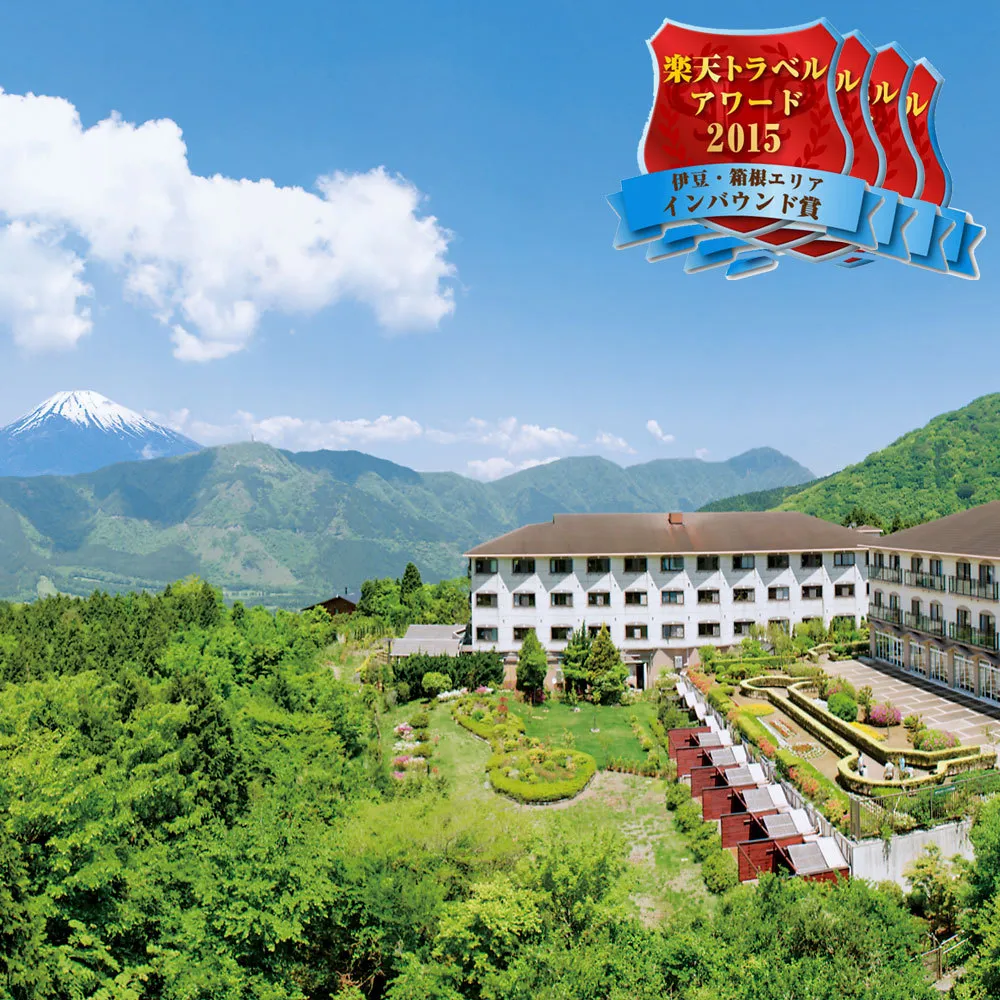
Hotel Green Plaza Hakone
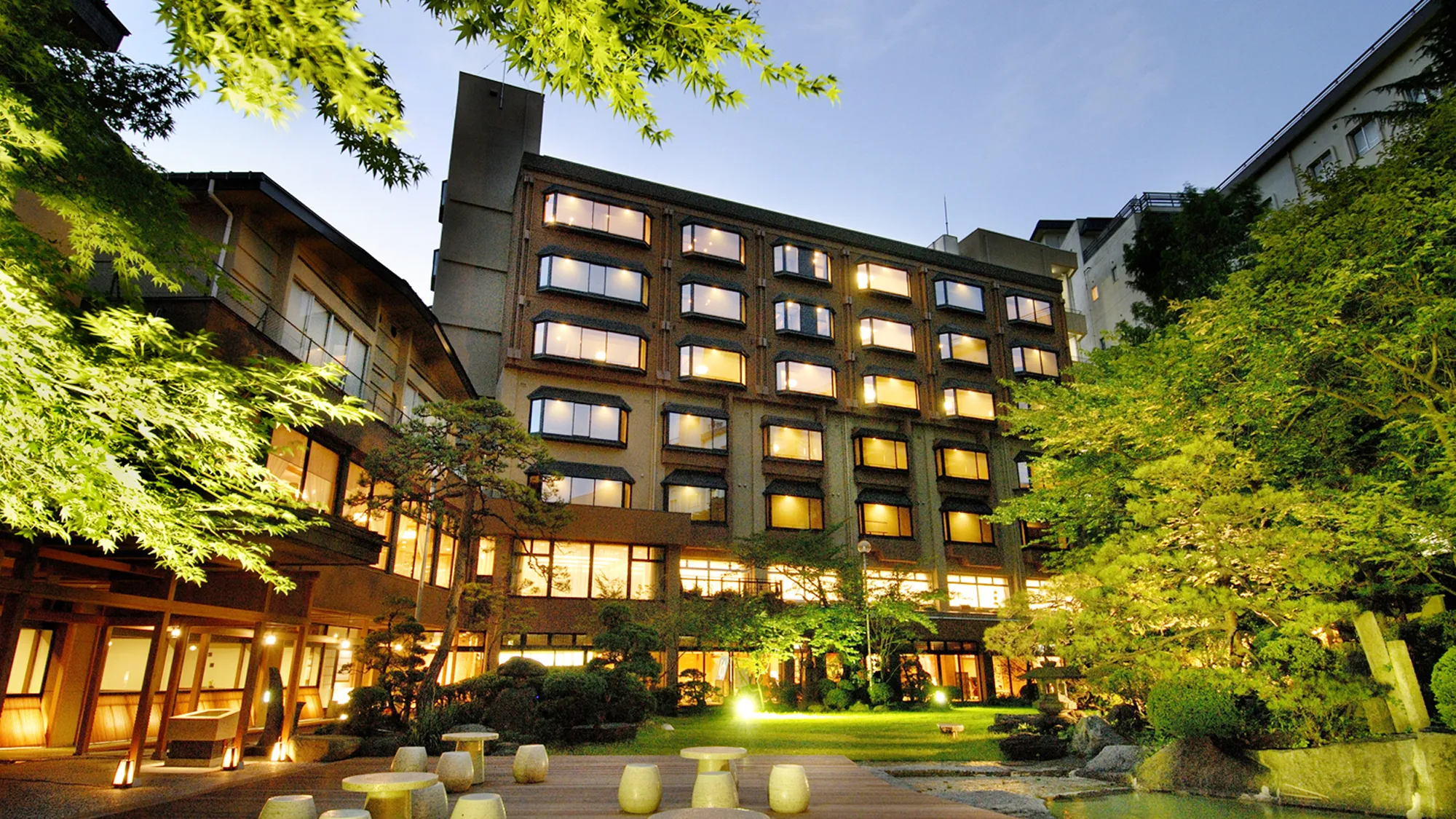
Hohoemino Yado Takinoyu
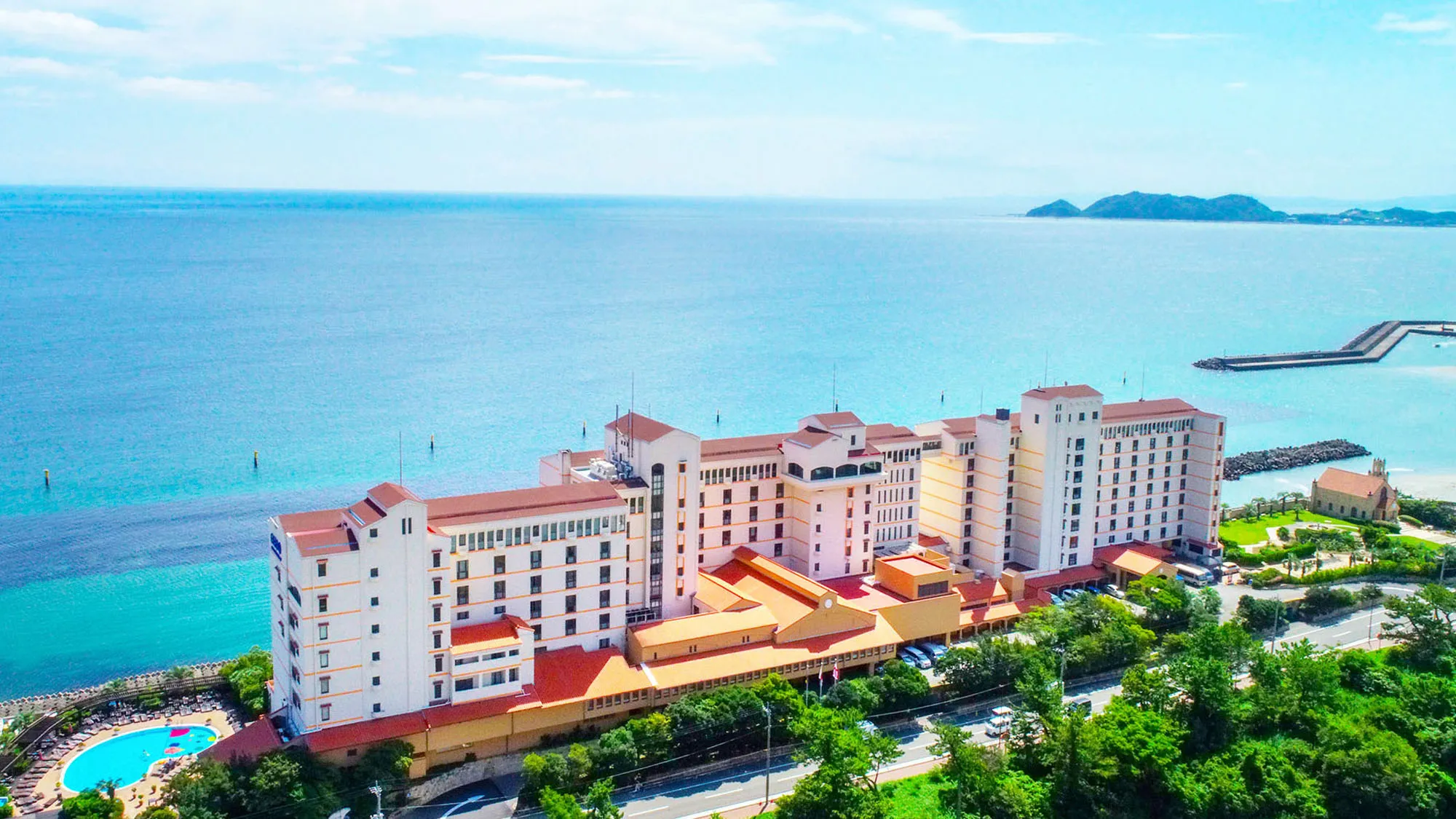
AoAwo Naruto Resort
Detached cottages when you do not want to think about noise
If a grandchild still wakes at night, or the grandparents want an early and undisturbed bedtime, a separate building is the surest answer. The September 2026 listings include more than 470 properties with detached villas, cottages, or whole house rentals. Having nobody in the next room means nobody has to monitor the volume, and for three generations that single point does a lot of work.
The weak spot is the walk. If reaching the communal bath or the dining hall means going outside, rain and winter turn it into a burden for grandparents. Before booking, check the distance from your building to the main house and whether the path is covered.
When splitting, search two room suites, then connecting rooms, then adjacent rooms. All three are scarce, so once the destination is set, lock the room before any other arrangements.
An all in one resort, or an onsen town you can walk
Within the same onsen town, the type of property changes the character of the trip. Decide whose enjoyment leads, and everyone ends up more satisfied. Try to please all three generations equally and everyone compromises a little instead.
All in one resorts when the grandchildren are small
With young children, a property that contains everything is far easier. The play area, the baths, and the restaurants are all in one building, so in the afternoon the grandparents can go to the hot spring, the parents can nap in the room, and the children can play. Being able to create that thirty minutes where everyone does something different is what sets the mood at dinner.
In the September 2026 listings, more than 100 properties have a large bathing complex or water park, and more than 300 have an indoor kids' room or playroom. Rain and cold do not break the plan, which is a serious advantage with three generations.
The one thing to check at a big resort is how far you walk inside it. In some layouts it is about 160 meters from the elevator in the guest wing to the main bath in a separate building. Look at the floor plan for the elevator positions and the route to the baths and dining hall, and you avoid the moment when a grandparent quietly says they will skip the bath tonight.
hotelResorts where you never have to step outside
Large bathing complexes (including ones right next door) plus indoor play areas, so grandparents can soak while the children play
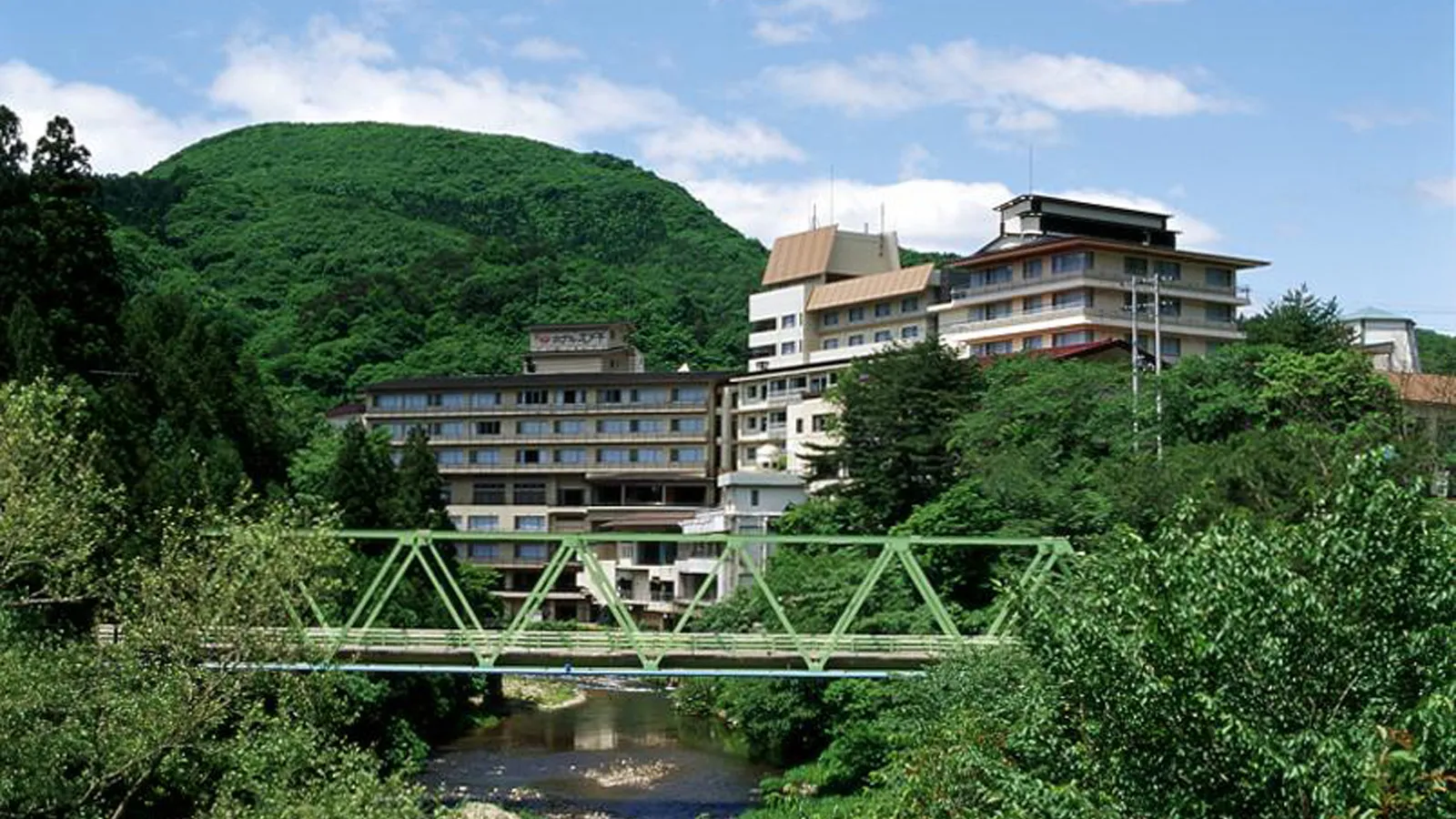
Hotel Shidotaira
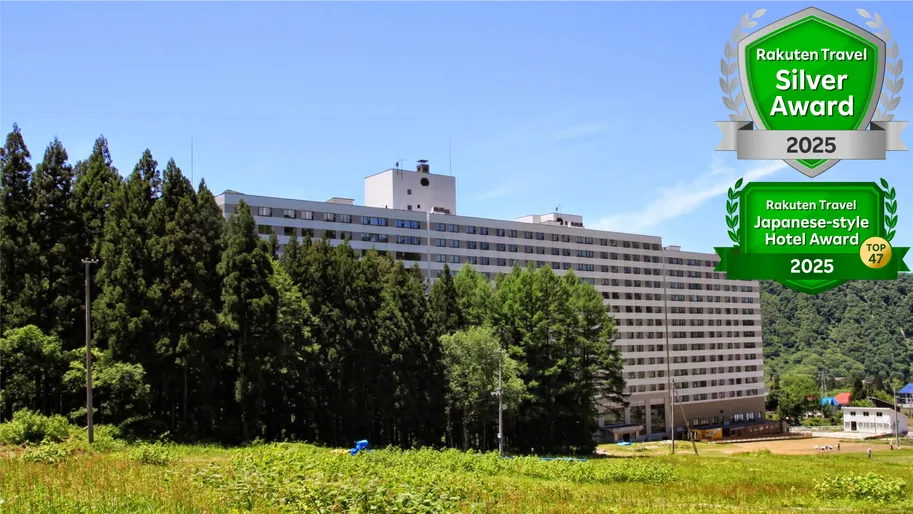
Angel Grandia Echigo Nakazato
Hakone Hotel Kowakien
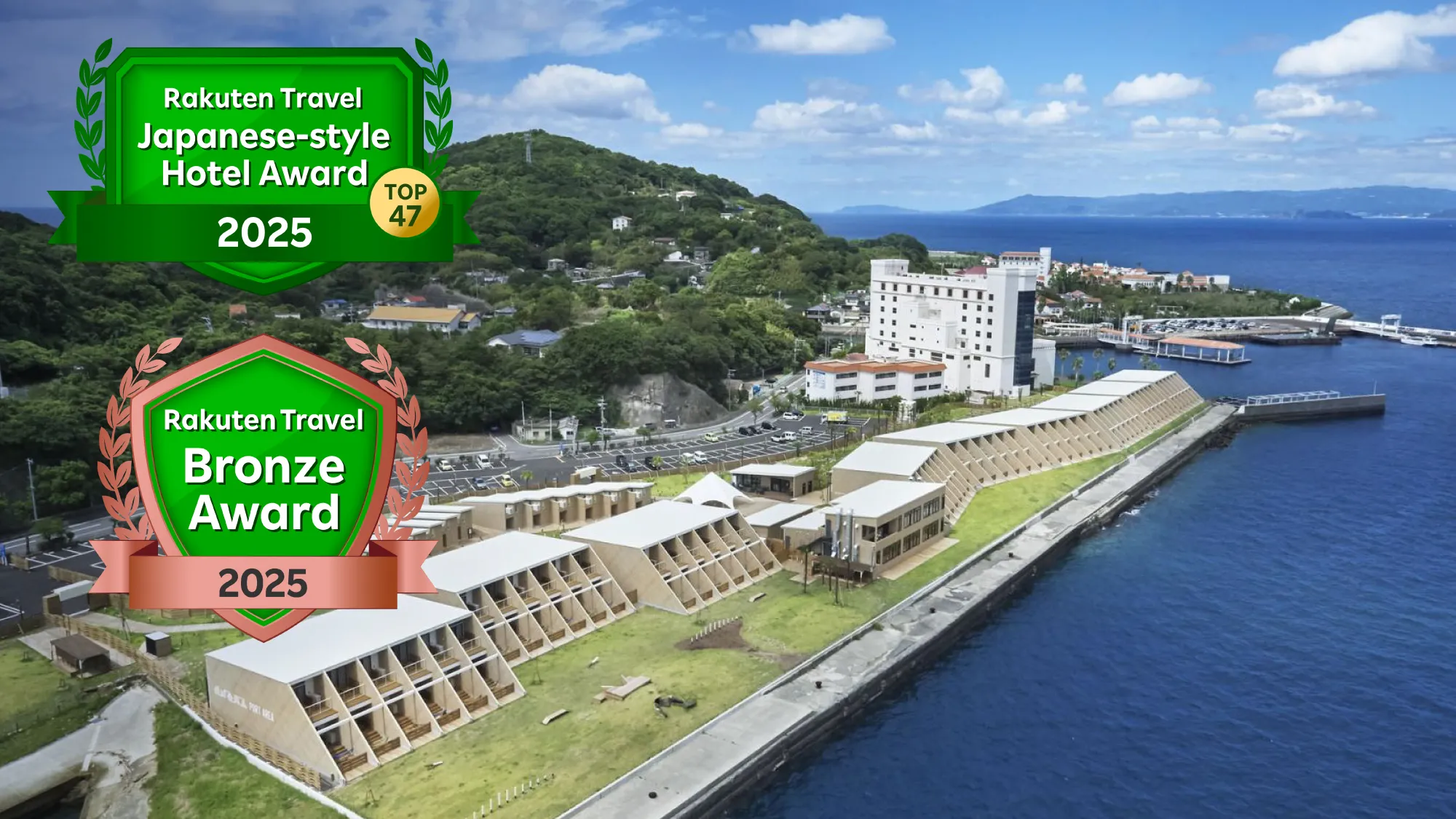
i+Land nagasaki
If you plan to walk the town, look at the steps and the slope first
If the grandparents lead, a town with a bath circuit and streets to stroll is a treat. But the atmosphere of an onsen town nearly always comes with elevation. Ikaho's famous stone stairway and Kinosaki's public bathhouse circuit both hide a step count behind the photographs.
Check three things: the elevation change between the inn and the town, the steps between the parking area and the entrance, and whether the elevator runs from the lobby to your floor. Confirm those before booking and you avoid the grandparents dropping out with "we will wait here." An inn right beside the stone stairway, like Kishigon Ryokan in Ikaho, puts the start of the walk just outside the front door, so anyone who tires can turn back immediately. The stairway itself is all steps, though, so a stroller is hard to use there. To cut down on walking inside the inn, ask for a room near the elevator when you book.
Celebrating a grandparent's birthday or 60th with the grandchildren
Perhaps you want to give your mother a trip for her birthday, or celebrate a parent's kanreki, the traditional 60th birthday, with the grandchildren there. When a multigenerational trip doubles as a celebration, decide where the toast will happen before you choose the inn, and the rest of the plan stays on track. The grandparents are the guests of honor, but the same table will have grandchildren running around it. Whether the celebration feels calm comes down almost entirely to how the inn serves meals.
Hold the toast in a private dining room or in your guest room
The first requirement is a place where nobody minds if a grandchild shouts or leaves the table halfway through. Narrow your candidates to inns with a private or semi private dining room or dinner in the guest room. A private dining room makes group photos easy, while in room dining lets a grandchild who gets sleepy after the meal go straight to bed.
Order the cake from the inn when you book the room
A cake makes it feel like a birthday, but bringing one on the day tends to end in a scramble over keeping it cold and finding somewhere to put it. Whether the inn can provide a celebration cake or a celebration meal, how many days ahead you need to order, and what it costs all vary by property. When you book the room, tell the inn it is a birthday celebration and how many people will be there, and confirm the details then. If the website says nothing about it, one phone call or email now saves a panic on the day.
Ask for a room near the baths and dining room for the guests of honor
Request a room for the grandparents close to the main bath and the dining room, and the walk after bathing or after dinner becomes much easier. Adding one line when you book, such as "this is a grandparent's birthday celebration, so a room without a long walk would be appreciated, " is sometimes enough for the inn to take it into account when assigning rooms.
To find candidates with tatami rooms, a private bath, and unhurried dining, start from our collection of inns that suit three generations.
Settle baths, meals, and money before you book
Destination and rooms are most of the work, but the arguments on the day come from the remaining three. Deciding on baths, meals, and money before you press the booking button changes the mood of the whole trip.
A private bath solves two generations' problems at once
The best value feature for a multigenerational group is a private bath your family can use on its own. Grandparents avoid both the crowd and the self consciousness of a communal bath, and at some inns a grandchild who is not yet toilet trained can get in the water too. When the conditions line up, one facility solves both.
In the September 2026 listings, inns with a private bath number more than 530, and over 120 of those include it at no charge. On top of that, more than 60 properties state on their own site that they accept children who are not yet toilet trained in the bath, whether the communal bath or a private one, which is a narrow field. If this trip is also a grandchild's first hot spring, age rules differ from inn to inn, so read taking a child to their first onsen before you book.
Use it in two slots. Book one for the grandparents with the grandchildren and one for the parents alone, and the grandparents get an unhurried soak while the parents get a bath by themselves for the first time in months. At inns that take bookings on the day, requests pile up at check in and the slots before dinner fill first, so claim your bath time before you unpack.
Inns handle this in one of three ways on their websites: reserve in advance, first come on the day, or free use whenever it is empty. If it can be reserved in advance, you can sometimes lock it in when you book the room, so check the moment your confirmation email arrives.
Meals: in room, private room, or a buffet with a job for the grandchildren
Food is where tastes split hardest. Children want hamburger steak and curry, grandparents want sashimi and simmered dishes, parents just want to stay seated. Accept that no single menu satisfies all three and solve it with the format instead.
The choice comes down to two formats: dinner in the guest room, or a private or semi private dining room. In room dining means zero walking and a grandchild can simply fall asleep where they are, but you are tied to the serving time. A private dining room makes it easy to step out mid meal and suits a celebration.
If you choose a buffet, request a table near the buffet counters and give the carrying job to the grandchildren. The grandparents stop making trips back and forth, and you get the moment where a child brings a plate over saying this is the one grandma likes. That is usually the best face you will see all trip.
Money, and the four questions to ask the inn
One of the top causes of awkwardness is leaving payment vague until the day. The split that tends to stick is grandparents cover the lodging, the parents' generation covers meals out and tolls or fuel, and everyone buys their own souvenirs and snacks. A structure where each side carries something lasts longer than one side refusing to accept anything.
Everything above reduces to four questions to ask before you book. Is there a room configuration that keeps six people in one block, is the private bath reserved in advance or first come, can dinner be served in a private room or in the guest room, and are there steps between the parking area or entrance and the lobby? Ask all four in one message and the rest is just waiting for the day. Include every child's age in the same message so the inn can suggest the right rooms.
For the ryokan stay, one night is the easiest length to keep on track. If you stay two nights or more, put a day of doing nothing in the middle, and on a longer Japan itinerary build in rest days rather than filling every day. And book early: two room suites and connecting rooms are scarce, so for Japanese public holiday periods, move more than a month earlier than you would for a standard room.
Reserve the private bath when you book the room if the inn takes advance bookings, or right after check in if it is first come on the day. Agree the money rules before you even pick the inn.
travel_exploreSearch onsen towns by the features three generations need
See inns with a private dining room or a private bath, town by town, for every onsen area named in this article
Search for inns that work for three generations
Search for inns that work for three generations
Tatami rooms plus a private bath and a private or semi private dining room are already selected. Add the area you want and the list narrows.
Wrapping up
A multigenerational trip to Japan comes down to two decisions. Choose the base by travel time, two or three hours per leg, and inside that range look for an onsen town where inns combine tatami rooms, a private bath, and unhurried dining. Then choose the room layout by group size and by how far apart the bedtimes are: one room, a two room suite, connecting rooms, adjacent rooms, or a detached cottage. Agree the bath, meal, and money rules before you book.
Work in that order and you will be down to a handful of candidates. Start by drawing a two to three hour circle around your arrival point and seeing which onsen towns fall inside it.
articleWhat to read next


FAQ
Where should three generations go in Japan?
Start with the onsen towns within two to three hours of your arrival point. A ryokan is the place where the generations' wishes overlap most: hot spring baths and Japanese food for the grandparents, a wide tatami floor and a bath for the children, and time sitting down for the parents. Among onsen towns, Gero Onsen, Ikaho Onsen, Arima Onsen, and Kinosaki Onsen make it easiest to find inns with tatami rooms, a private bath, and private or in room dining.
What are the best options near Tokyo?
Within two to three hours of central Tokyo, the realistic candidates are Hakone, Atami, Ikaho Onsen, Kinugawa Onsen, and Minami Boso. Hakone and Atami have the most listings and the widest price range, but you need to filter by feature or the list stays too long. Ikaho has long established ryokan clustered around its stone stairway, which makes it easy to find inns with in room or private dining and a private bath.
Should the grandparents have their own room?
Split if bedtimes differ by two hours or more across generations. Ideally that does not mean fully separate rooms: a two room tatami suite divided by sliding doors, or connecting rooms joined by an interior door, lets you open up by day and close off at night. Both are scarce, so if you cannot get either, request adjacent rooms or at least the same floor. The one layout to avoid is anything that has people crossing the corridor after dark.
How long should a multigenerational ryokan stay be?
One night is the easiest length to keep on track. As the nights add up, fatigue accumulates for the grandparents and young children's routines start to slip, so on a longer Japan itinerary build in rest days. If you do stay two nights at an inn, keep the middle day free of outings and spend it on the property, and never pack a travel day with plans.
Who pays on a multigenerational trip?
There is no rule, but splitting by role causes the least friction. A common arrangement is that the grandparents cover the lodging, the parents' generation covers meals out and tolls or fuel, and everyone pays for their own souvenirs and snacks. If the grandparents want to cover everything, taking on one category rather than refusing outright makes it easier to repeat the trip in future years. What sets the mood is not the amount but whether it was agreed in advance, and since transport is a larger share of the budget the farther you go, work out a rough total while you are still choosing the destination.
Find inns with a private bath
Find inns with a private bath
Related articles


Seasonal collections
Winter Onsen With Kids
Winter onsen towns from north to south, where an in-room bath, a reservable private bath and meals in your room mean you never have to go out
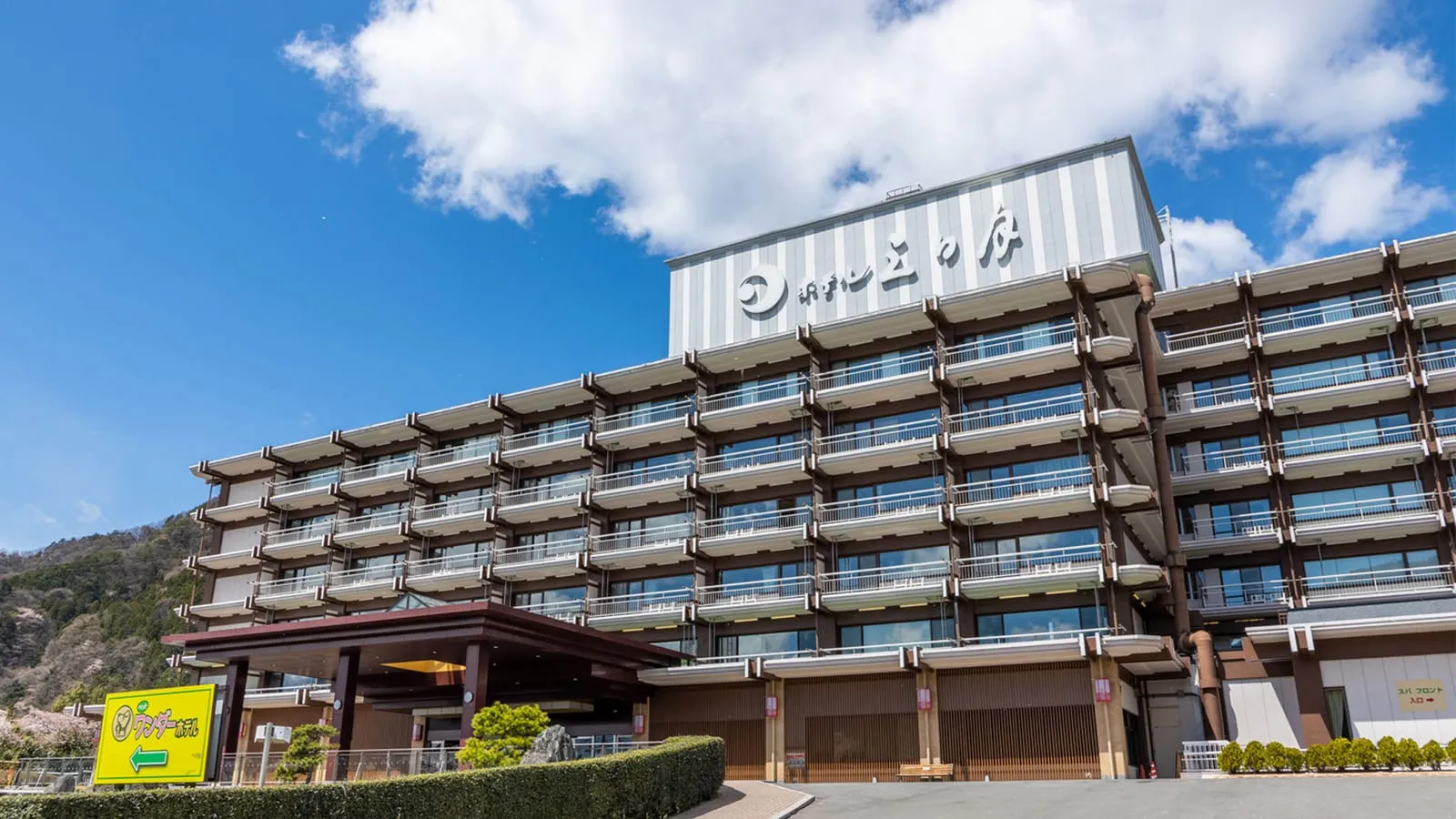
Autumn Leaves With Kids
Peak color timing, plus hotels in autumn leaf areas you can manage with a baby or toddler, from Hokkaido to Kyushu
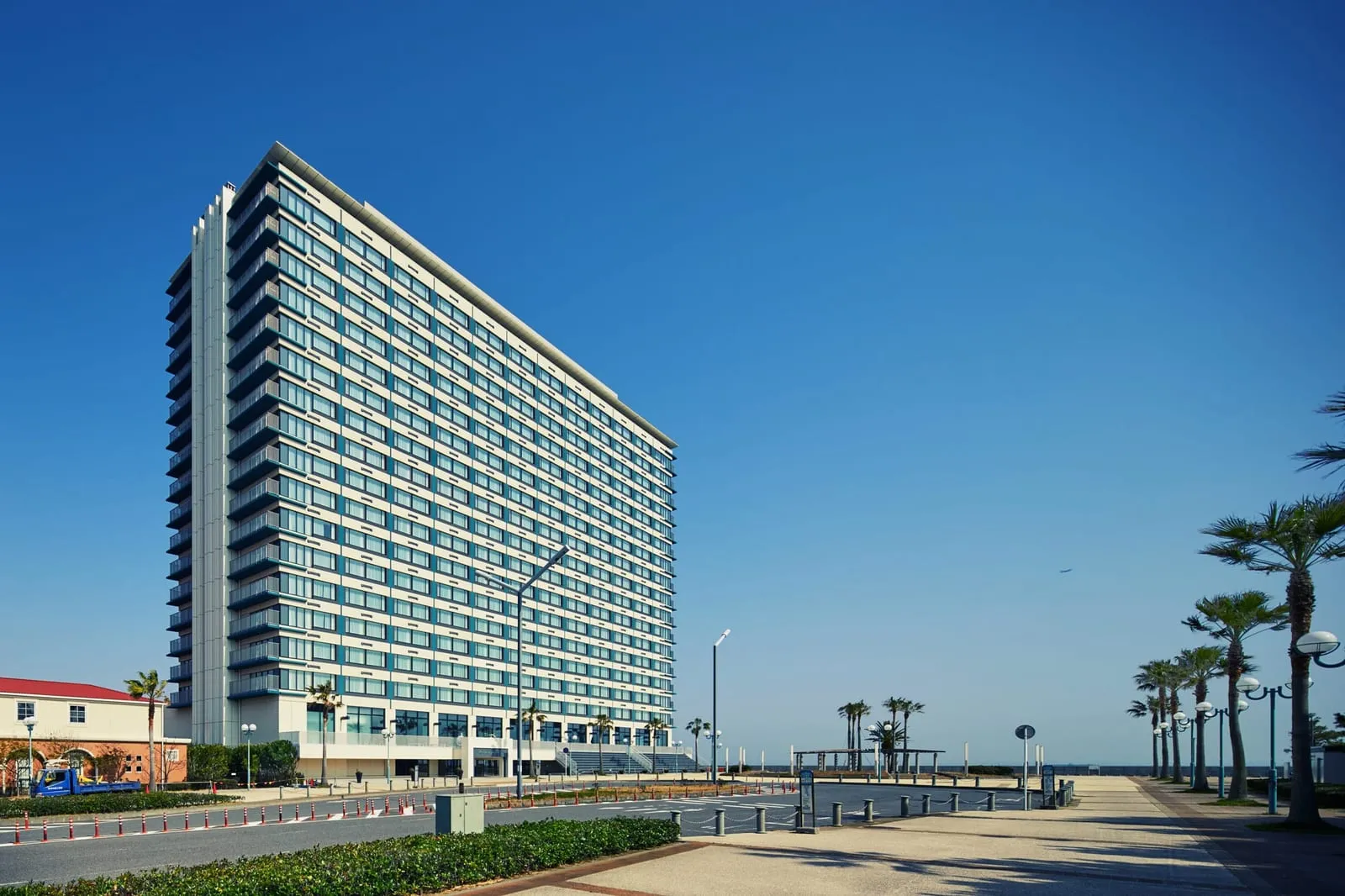
Christmas With Kids in Japan
Book December weekends early. Three ways to spend it: city hotels, dinner-included resorts, or snow and hot springs
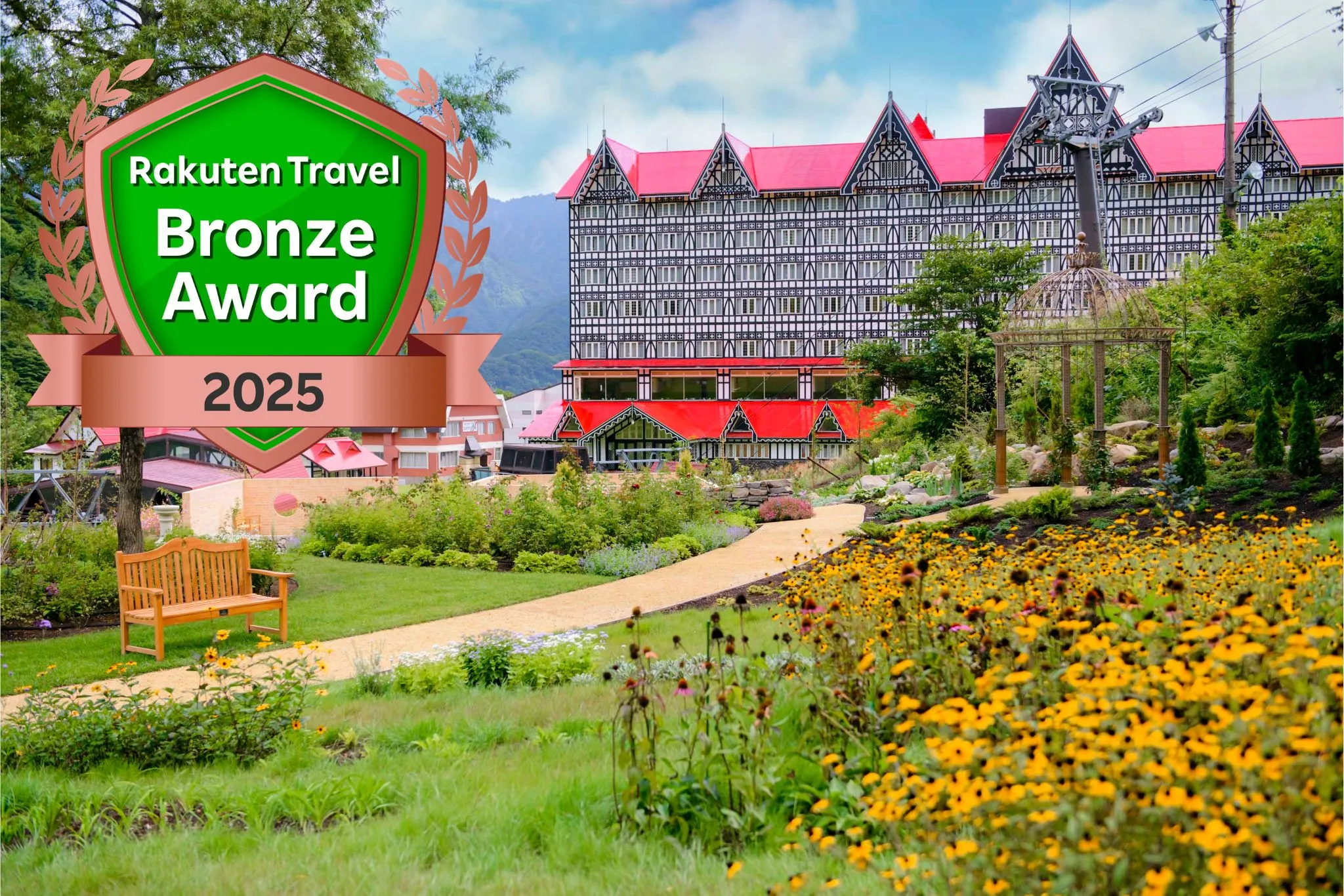
Winter Break With Kids
Travel in the first or second half of winter break and skip the New Year crush. Choose by snow play, hot springs, the warm south, or city playgrounds
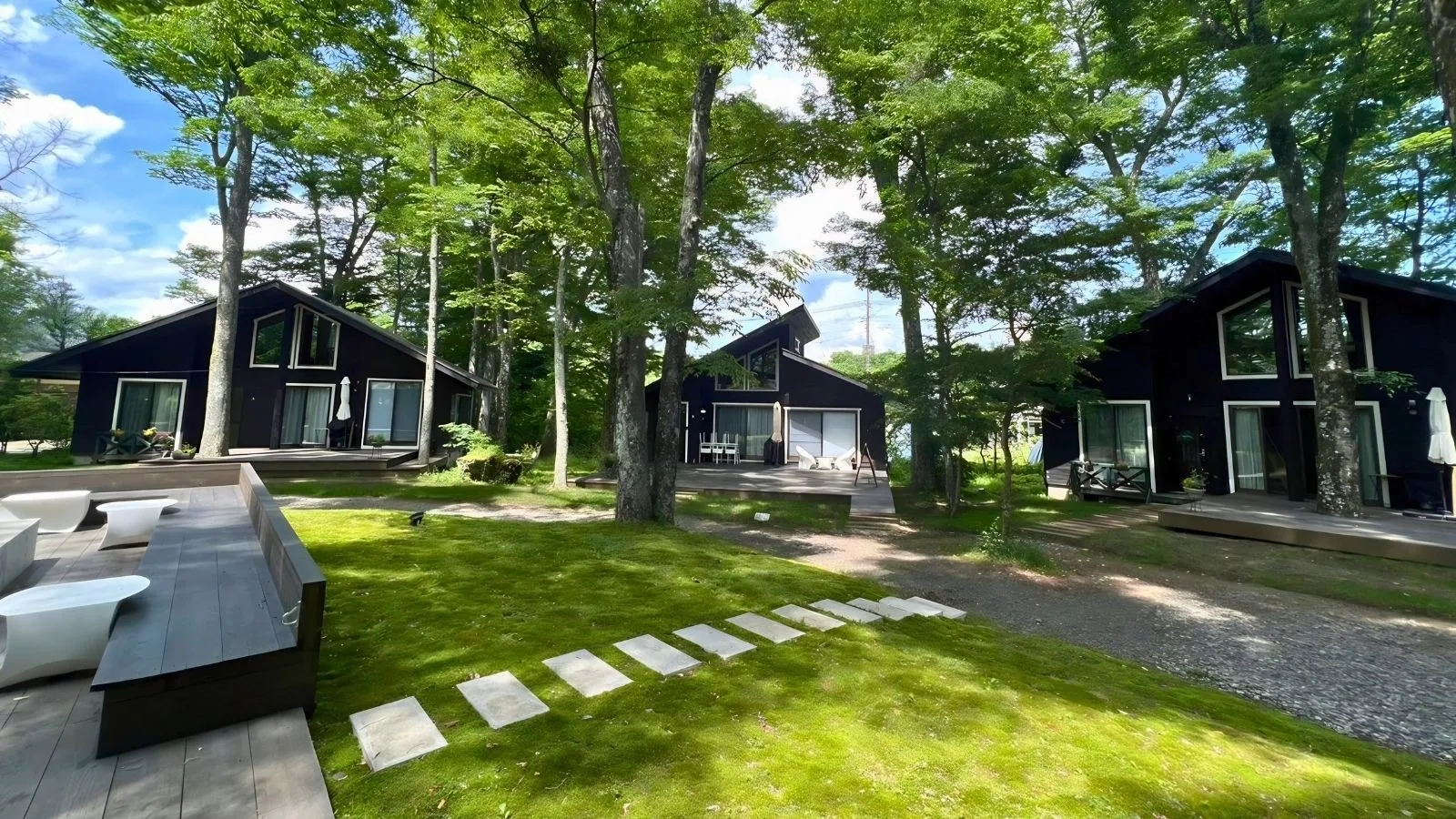
Autumn Cottages and Glamping
No one else to worry about, at your children's own pace. Areas with self-catering villas, cottages, and glamping, from north to south
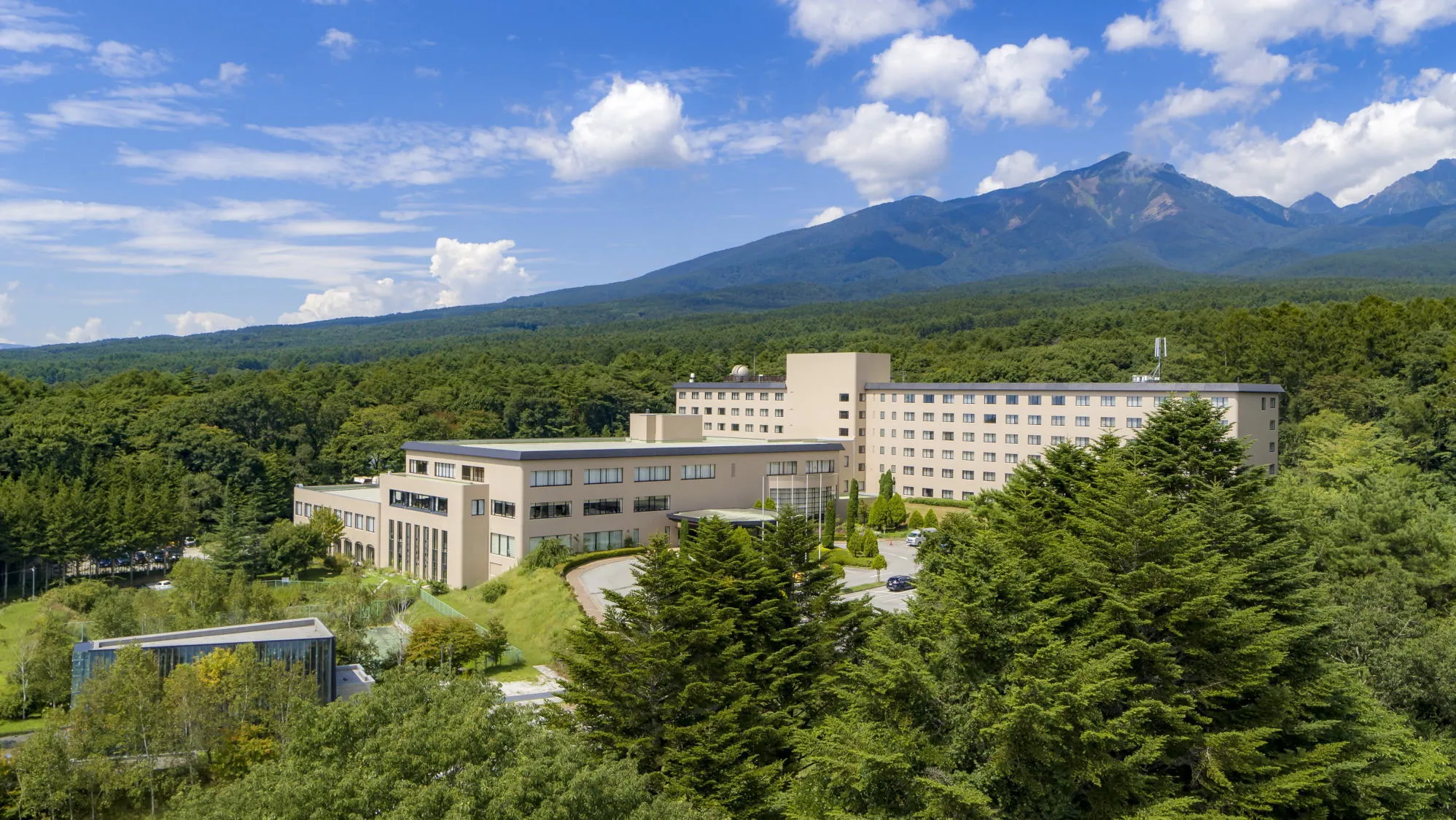
Autumn Highland Play
In the season that is neither hot nor cold, find hotels where kids can run around outside. Highland areas with outdoor play areas and adventure courses, from north to south