
14 Hotels in Japan That Sleep a Family of Five, and How to Find More

This site uses affiliate links; we may earn a commission on bookings.
Note: Counts such as "more than 500 properties" come from the facility data of hotels listed on Kids Stay (as of September 2026, not the total number of hotels in Japan)
It is not that hotels for five do not exist. Most of them simply never surface in your search results. Once you know which room types to aim for, and once you understand how co-sleeping and children's rates actually work, the candidates come flooding back.
The moment you set the guest count on a booking site to two adults and three children, the list that was full a second ago goes almost empty. This is where the hunt for a room for a family of five stalls. While the children are small you can get by with a room built for four and let one of them co-sleep (soine, sharing a parent's bedding), but once the oldest grows up that trick stops working.
Find tatami and Japanese-Western rooms that suit a party of five
Find tatami and Japanese-Western rooms that suit a party of five
On Kids Stay you can narrow the list from the start to properties with tatami or Japanese-Western rooms, where adding futons makes it easy to match your headcount. Just pick your area and party size.
hotelOur pick
A highland resort in Tokamachi, Niigata. Its family rooms pair twin beds with a 6-tatami-mat Japanese-style area and sleep up to five (up to six in the annex), with up to three futons laid out on the tatami.
Hotels for a family of five exist. Your search just is not showing them
When you boil it down, there are only three ways to put a family of five into one room. Book a tatami room (washitsu) or a Japanese-Western room where extra futons can be laid out, book a concept room with bunk beds or a loft, or rent an entire detached cottage or villa. You then combine one of those three with the property's co-sleeping policy to make the numbers work. Put the other way around, if you keep typing five guests into a search box without picking one of these three angles, your list of candidates will never grow.
Let us start with the mechanics of why properties vanish from your search results. Once that clicks, the right way to search follows naturally.
Booking sites cut rooms based on the registered maximum occupancy
The guest-count field on a booking site is matched against the maximum occupancy each property has registered for each room, and any room that does not clear it is hidden entirely. Search for five and every room registered for four or fewer drops out. Even a room where the staff would happily add one more futon if you called and asked simply never appears, because the number on file says four.
One personal blog review described it this way: with two adults and two children the list is packed, but the moment a third child is added the number of results falls to roughly a hundredth of what it was. It sounds like an exaggeration until you have run the search yourself, and then it feels about right.
There is a second effect too. As the guest count rises, the few rooms that do show up skew toward the upper end of the lineup, the family rooms and the suites. A property where a room normally runs about 30,000 yen jumps into a different price band once you need a room that sleeps five. "I cannot find anything" and "everything is expensive" arrive together, and plenty of families give up on the trip right there.
Most Japanese hotel rooms are designed for a maximum of four
The underlying reason is that the great majority of hotel rooms in Japan are built on the assumption of four guests at most. A twin with one extra bed sleeps three; two beds plus two extra beds sleep four. For a very large number of rooms that is the physical ceiling, and there is no space for a fifth person to begin with.
Look at the room-type list for a large resort and you will see it. A superior twin of around 36 m² is typically described as two single beds plus two extra beds for 1 to 4 guests. The floor area itself was designed for four, so adding a fifth set of bedding is asking too much of the room.
Ryokan tatami rooms are a different story. Laying out five futons in a 10-tatami-mat room (about 16 m²) is how those rooms have always been used. The more accurate way to put it is that rooms that hold five people have not disappeared, they have become hard to see because the inventory has shifted toward Western-style rooms.
"Not in the search results" and "cannot stay there" are two different things
On Japan's big question-and-answer sites, the family-of-five accommodation question comes up constantly. To a post along the lines of "out in the countryside there are Japanese-Western rooms for five, but I cannot find any near Tokyo, " the answers nearly all point the same direction. Look for hotels that have tatami or Japanese-Western rooms, use family rooms or connecting rooms, or search for four guests to confirm the room exists and then contact the property directly.
In other words, the more experience people have, the more they settle on a method that does not take search results at face value. A booking site is a machine for selling inventory, not a machine for assembling a room around your family. The final answer on whether five of you can stay is held by the property itself.
Candidates disappear because of a cutoff based on registered room occupancy. Usually the property is not missing, it is just slipping through the net of your search.
14 hotels that sleep a family of five, sorted into three room types
Now for the practical part. Properties that fit five people into one room fall into clear patterns. Searching by pattern finds them faster, and cheaper, than working through hotel names one at a time.
Tatami and Japanese-Western rooms win because futons can be added
The strongest option is the tatami room and the Japanese-Western room. The reason is simple: you adjust the headcount by the number of bedding sets. You cannot add beds to a room, but you can always lay out another futon.
Look at how these rooms are actually configured and the advantage is obvious. A standard 8-tatami-mat to 10-tatami-mat room (roughly 13 to 16 m²) sleeping 1 to 5 guests. For families who would rather sleep on a mattress, a Japanese-Western room pairing a 6-tatami-mat area with a twin bedroom, also for 1 to 5. A 10-tatami-mat room for 2 to 5, or the same room with an adjoining 6-tatami-mat antechamber for 6 to 8. A tatami room with two beds already in it, plus three futons laid out, for a maximum of 5. Configurations like these are ordinary at onsen ryokan and at resorts that kept their Japanese-Western rooms.
Tatami also suits the case where the five of you are three generations. If the grandparents would rather have a bed than a futon, pick a Japanese-Western room with two low beds. The children sleep on the tatami, the grandparents rest on the beds, and everyone gets what they want.
To make the arithmetic concrete, a Japanese-Western room is often built as two beds plus three futons for five guests, so deciding who sleeps where before you book makes choosing the room much quicker. Two grandparents on the beds and one parent plus two children on futons fits a Japanese-Western room. If two parents and one child want to be on the bed side, you need either a room with three beds or a wider tatami room that takes plenty of futons. Every room has its own ceiling on how many futons can go down on the tatami, so judge by how many futon sets can be laid out, not by the floor area if you do not want a surprise.
hotelTatami and Japanese-Western rooms that sleep up to five
Properties with room types where extra futons adjust the headcount. Occupancy differs by room type, so always confirm it on the booking screen
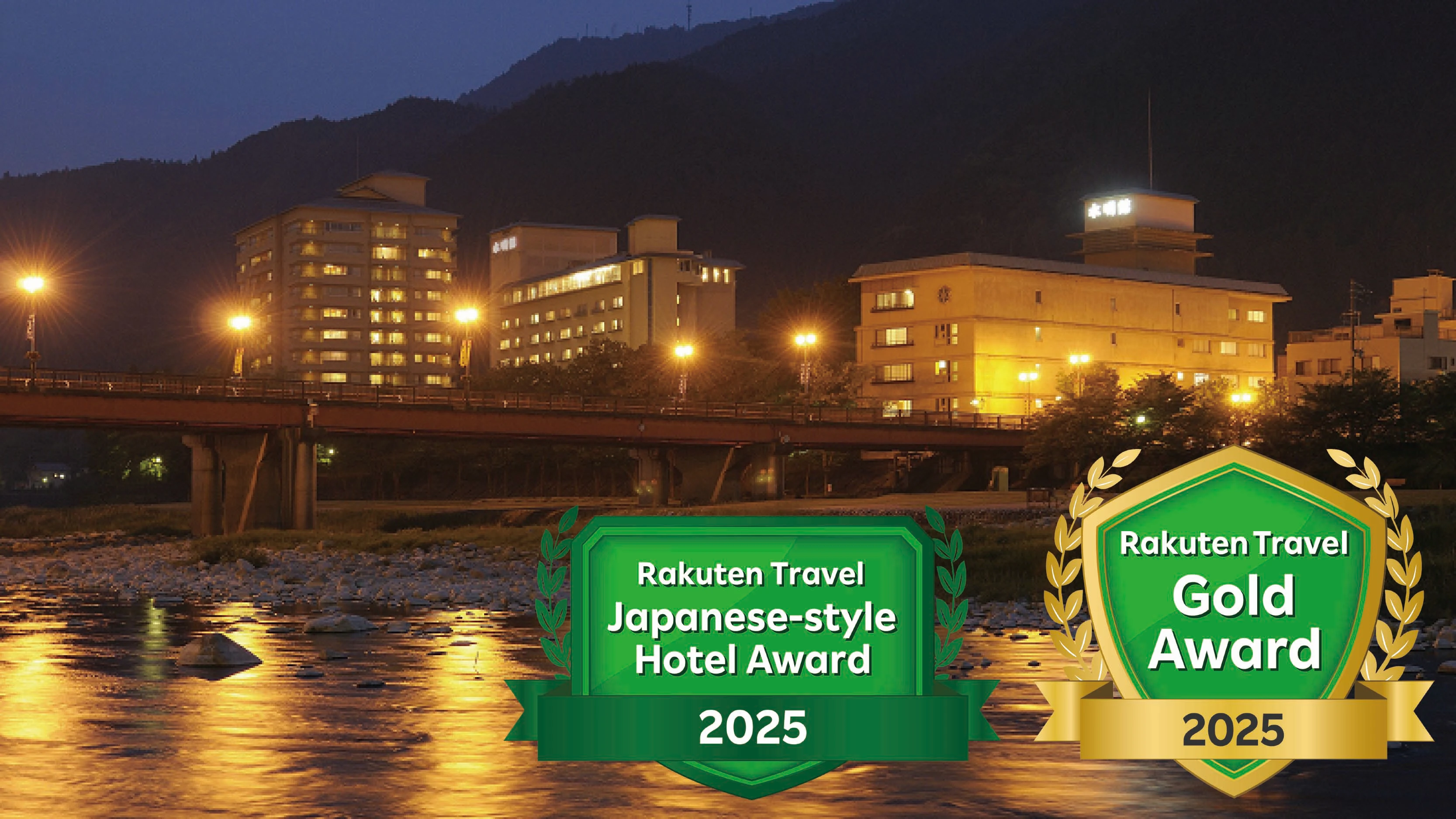
Gero Onsen Suimeikan
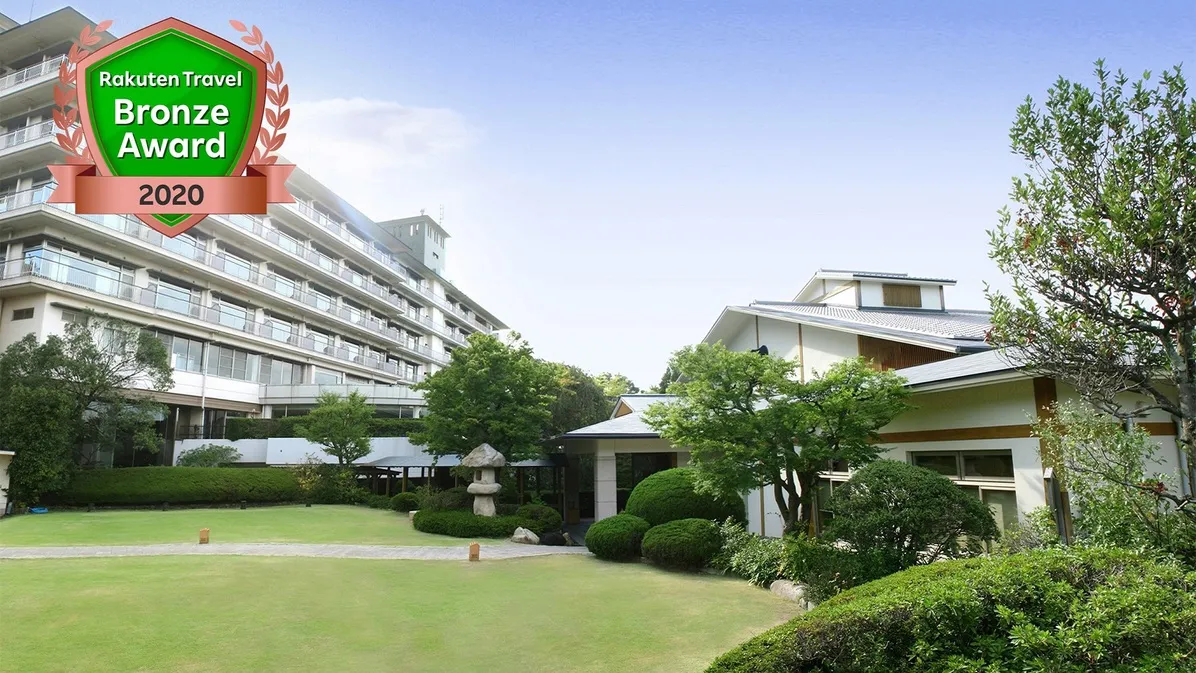
Arima Onsen Hyoe Koyokaku
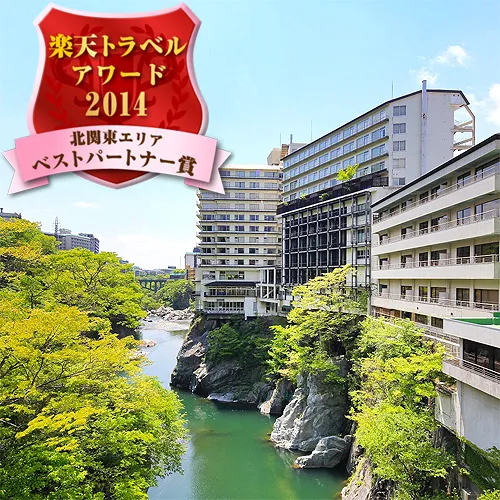
Kinugawa Plaza Hotel
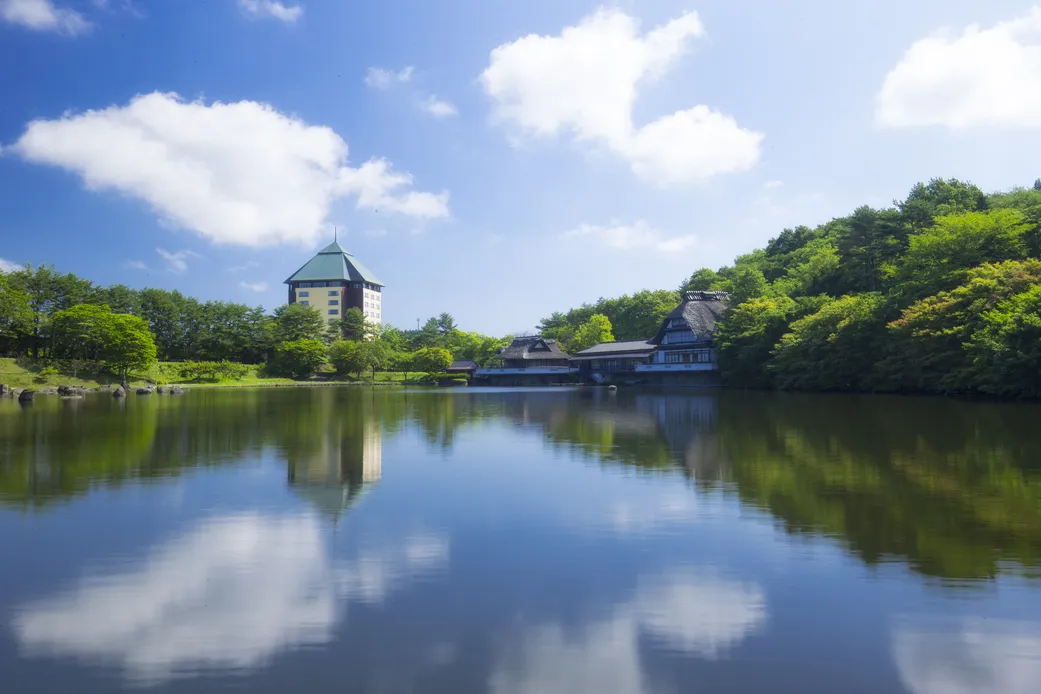
Hoshino Resorts Aomoriya
Suimeikan in Gero Onsen lists both its tatami and Japanese-Western rooms for 1 to 5 guests, and its official site states that co-sleeping is accepted for up to five people on many of its plans. At Arima Onsen, Hyoe Koyokaku offers high-grade 10-tatami-mat rooms in the North Wing for 2 to 5, while the standard 10-tatami-mat rooms in the South Wing add a hiroen sitting area by the window and take 5 guests. Kinugawa Plaza Hotel's renovated 10-tatami-mat tatami rooms come with a washlet (bidet) toilet and sleep 2 to 5, and the Azumashi Japanese-Western rooms at Hoshino Resorts Aomoriya combine a tatami area and a Western area for 1 to 5 guests.
Concept rooms with bunk beds and lofts
The second pattern is the concept room fitted with bunk beds or a loft. Stacking the sleeping surfaces vertically raises how many people fit per square meter. The side effect matters too, because children love these rooms and the property itself becomes part of the point of the trip.
In Osaka, for example, Anda no Mori Osaka Tennoji Tower has rooms for up to five guests with a king bed plus a bunk bed and a hammock chair. The Panorama Premier Family Room at Irago Ocean Resort pairs one 110 cm bed and one 140 cm bed with a bunk bed measuring 100 cm on the upper berth and 180 cm on the lower, for a maximum of six. Over in Maihama, the Sheraton Grande Tokyo Bay Hotel has Treasures Rooms with bunk beds, and its Japanese Suite, a Japanese-Western room, takes 2 to 5 guests.
One warning, though. A room with bunk beds is not automatically a room for five. There are properties whose family rooms have a hideaway-style bunk bed and are still registered for 1 to 4 guests. Do not judge by how the photo looks; check the occupancy shown for that specific room type every time.
hotelProperties that gain capacity with bunk beds and lofts
Rooms that stack the sleeping surfaces vertically. The time children spend in the room becomes part of the fun
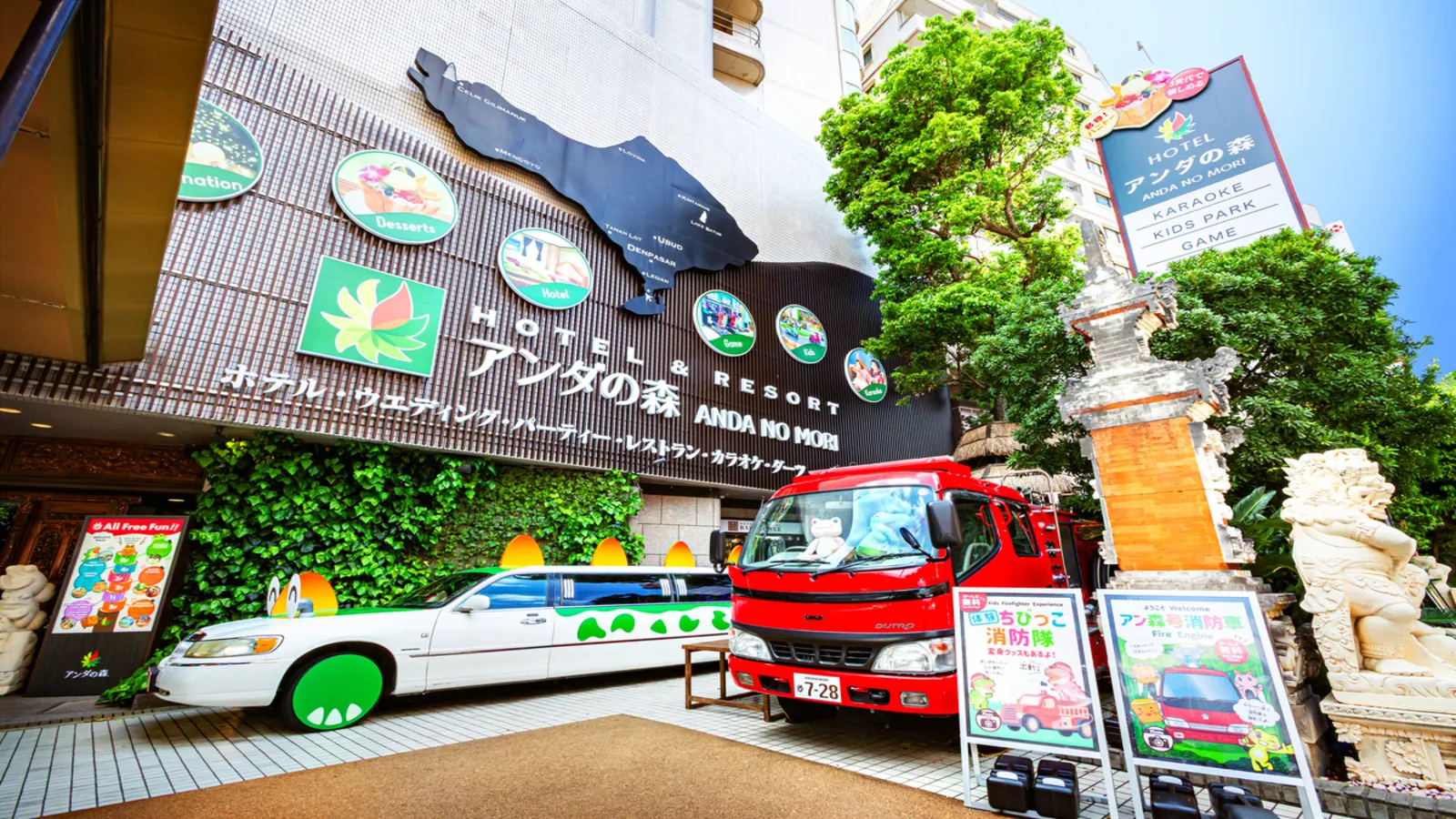
Anda no Mori Osaka Tennoji Tower
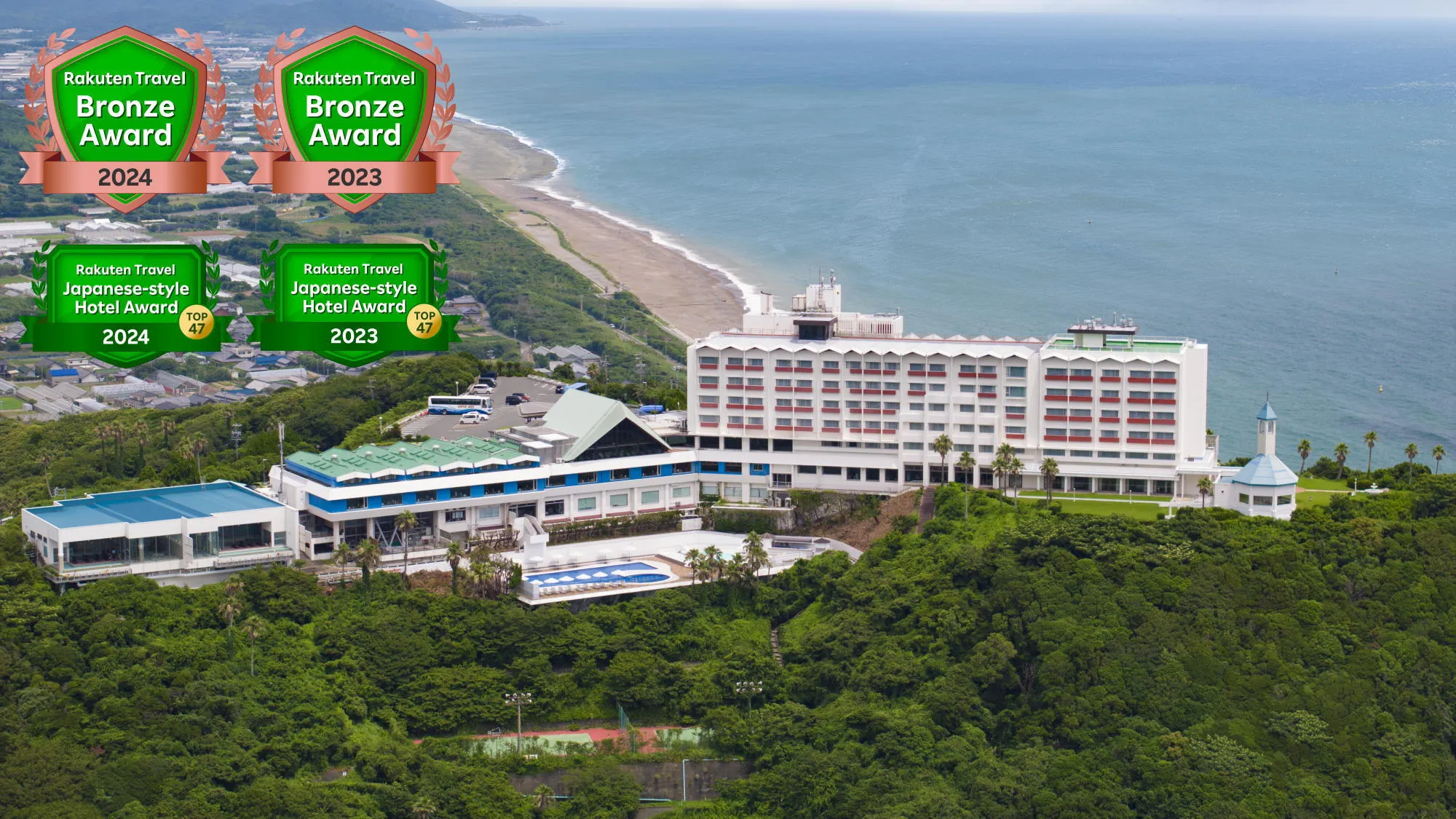
Irago Ocean Resort
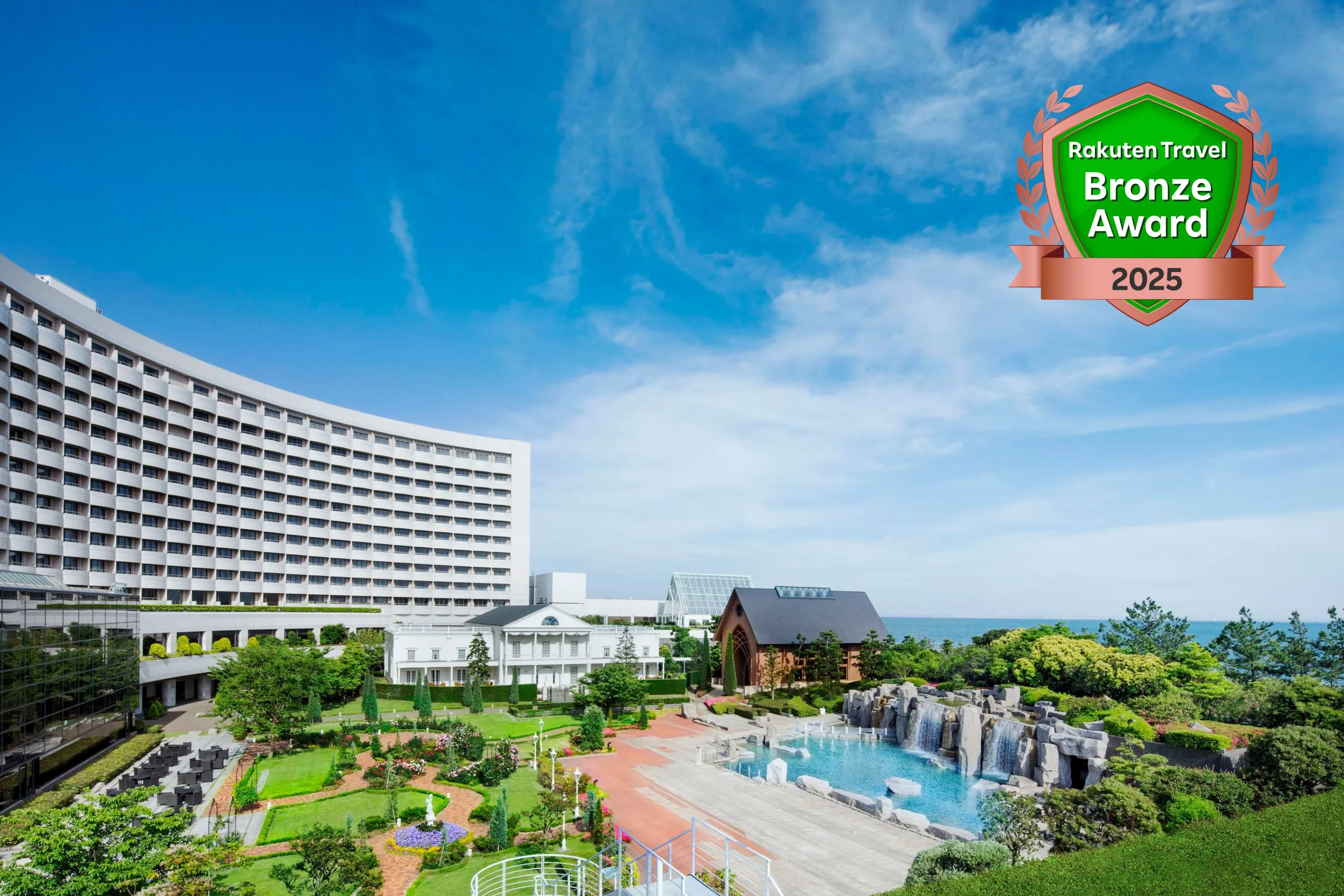
Sheraton Grande Tokyo Bay Hotel
Detached annexes, cottages, whole-house rentals, and rooms with a kitchen
The third pattern is the detached annex, the cottage, and the whole-house rental. You are taking an entire building, so the headcount limits are loose to begin with. Not having to worry about night crying or siblings getting loud is worth a great deal to a family of five.
At O Park OGOSE in Saitama, for instance, the glamping cabins are 30 m² with a shower and toilet, and they hold five guests on five beds arranged on multiple levels. Kyukamura Fuji has twenty cottages with a one-bedroom-plus-living-room layout and a loft, a three-minute to four-minute walk from the main building, and they too sleep up to five. El Monte & Candy House in Tottori has, separately from its themed special rooms, a detached log house that takes up to eight.
The other advantage of the cottage format is the kitchenette. Eating out for five adds up fast, but being able to handle breakfast in the room changes the burden per night completely. Being able to prepare baby food and toddler meals matters a great deal too when the youngest is still small.
On the money side, restaurant meals scale straight with the number of people. Handling five breakfasts in the room is not a small difference per night, and it compounds over a multi-night stay. Before booking, look at whether there is a shop nearby for groceries and how far the cookware and tableware go. Whole-house rentals are also often priced per building rather than per person, which means the cost per head drops as the party gets bigger.
hotelRent the whole building and stop counting heads
Detached annexes, cottages, and whole-house rentals. With a kitchen you also control the food budget and the timing of meals
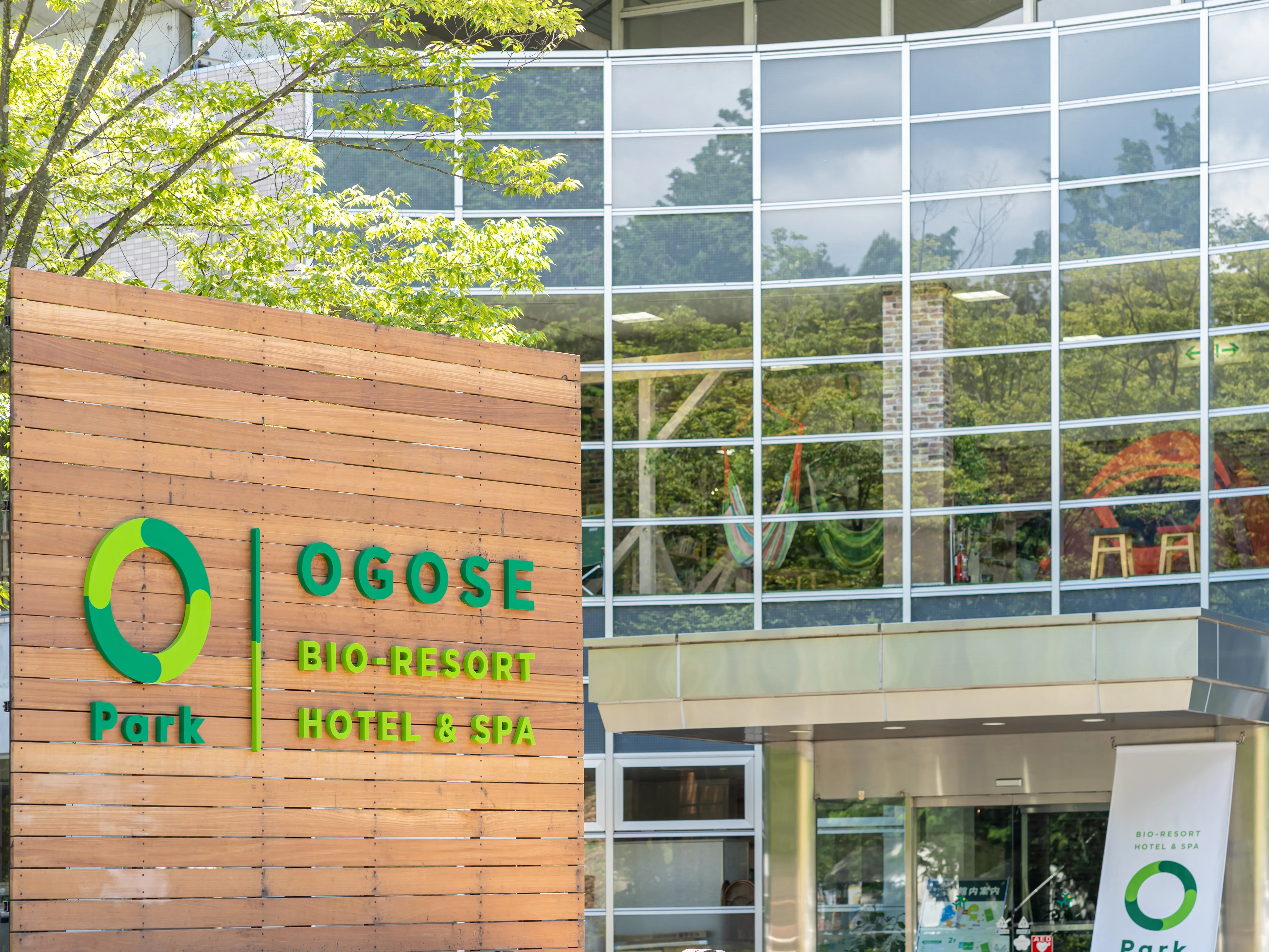
BIO-RESORT HOTEL & SPA O Park OGOSE

Kyukamura Fuji
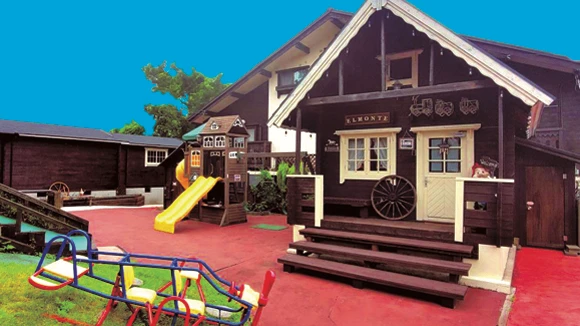
El Monte & Candy House
Do not search by the phrase "room for five." Search by the three patterns, tatami, bunk beds, and cottages, and the candidates multiply.
Understand co-sleeping and children's rates and you will know how to shift your search
The other key, alongside room type, is how children are priced. Once you understand this, the option of not searching for five at all becomes available to you.
Up to what age can a child co-sleep?
Co-sleeping conditions vary from property to property, but the common patterns come down to a handful. Free for ages 0 to 2 if no bedding and no meals are provided. Free co-sleeping for preschoolers at a rate of one child per adult. Free for children under six. Those are the usual lines.
Real examples include properties that accept co-sleeping children up to age six, up to the same number as the adults in the room; properties where co-sleeping is free for children below elementary school age at one child per adult; and properties where co-sleeping is free for ages 0 to 2 but a facility fee applies from age 3. Some cap co-sleeping at three children, while others state up to five on many of their plans.
When a property spells the numbers out, the math gets much easier. A property in Gero Onsen in Gifu states on its official site that co-sleeping is accepted for up to five guests on many plans, and combined with tatami rooms for 1 to 5 guests, a family of five fits as is. At a property like the onsen resort in Aomori that sets the rule as children up to age six, up to the same number as the adults in the room, two adults means up to two co-sleeping children.
The age cutoffs bite for the oldest child as much as the youngest. Plenty of properties drop a child out of co-sleeping eligibility the moment they start elementary school, and junior high age and above is charged as an adult almost everywhere. The same family of five has a completely different set of options when the youngest is two than when the youngest is in elementary school. Go in expecting to recheck the conditions for every trip, and you will avoid the mismatch at check-in.
The tricky part is that the conditions change from plan to plan at the same property. There really are properties where one plan accepts five co-sleeping children while another allows only one, and where Western-style rooms cannot take preschoolers or anyone beyond the registered occupancy at all. Do not judge by the property name; read the conditions on the exact plan you are about to book. For how children's rate brackets work in general, see How Japanese booking sites define toddler and child rates.
Search for four, then talk to the property
The answer that comes up again and again on question-and-answer sites is this: do not search for five, search for four. If one of your children is elementary school age or younger, treat that child as co-sleeping and search for four. Even if a child is junior high age or older and therefore charged as an adult, search for four first to confirm the room exists, and then take it up with the property.
A personal blog review laid out the same procedure concretely. On the booking site, set the guest count lower than your actual party to widen the field, open the detail page of a property you like and read the section on conditions for children, then decide whether those conditions cover you. If you cannot tell, or if different booking sites contradict each other, contact the property directly and confirm.
What matters here is starting from the assumption that booking sites contradicting each other is completely normal. The same property will be listed as charging for children on one site and free for children under six on another. The final call belongs to the property, so when in doubt, an email or a message through the booking site is the fastest route, and writing rather than calling also sidesteps the language barrier.
The contradictions happen because properties register their conditions separately with each booking site, and the updates never land at the same time. As long as the co-sleeping limit differs by plan at a single property, a site's condensed summary is bound to drift from reality. As a rule of thumb, the property's own information is the most detailed, and what you see on a booking site is a shortened version of it. When you write in, include the ages, along the lines of two adults and three children with the younger two aged four and two. That way one reply settles everything. Properties will answer perfectly happily even before you have booked.
When to use extra beds and connecting rooms
For families whose children have aged out of co-sleeping, there are two more tools, the extra bed and the connecting room.
An extra bed is how you turn a room for four into a room for five. There are properties that state it plainly, describing a room with two bedrooms for up to five guests where the fifth guest is accommodated on an added extra bed. It usually costs money, though. One property's official site lists 6,500 yen per night, and another sets 12,650 yen per person per night for certain room types. Some room types cannot take one at all because of the floor space, so always confirm whether an extra bed can be added.
A connecting room is a pair of adjacent rooms joined by an interior door. It is effectively two rooms, so the price goes up, but for a family whose oldest child has grown and made one room feel cramped, it can be the more comfortable answer. Do not over-commit to putting five people in one room; splitting three and two so everyone actually sleeps well is a perfectly good decision.
What the data says about properties that sleep five, and the order to search in
Kids Stay lists more than 2,000 family-friendly properties as of September 2026. Counting across their descriptions and facility data turns the guesswork about room types into numbers.
More than 500 properties sleep five or more, and tatami rooms lead
Start with the denominator. More than 500 properties carry a statement that they can accommodate five or more guests (as of September 2026). That is a very different number from the feeling that hotels for a family of five do not exist.
Pull out those 500-plus properties and look at how their rooms are built, and about 80% of them have tatami or Japanese-Western rooms. There are more than 1,300 properties with tatami or Japanese-Western rooms overall, so having tatami does not automatically mean sleeping five. But viewed from the side of properties that do sleep five, the tatami rate is overwhelming. That skew is the evidence behind putting tatami first.
Dining conditions matter for a family of five as well. More than 470 properties serve meals in the guest room, more than 510 have private or semi-private dining spaces, and more than 520 have a private-use bath (all as of September 2026). The bigger your party, the more you find yourself minding the people around you, so a property where meals and bathing can be handled as a family is worth more than the price difference suggests.
Bunk bed properties number more than 60, cottages more than 150
Here are the counts by room type. As of September 2026, more than 280 properties have concept rooms such as rooms with a slide, bunk beds, or a loft. Of those, more than 60 carry both a statement about sleeping five or more and a mention of bunk beds or a loft.
More than 440 properties have detached annexes, cottages, or whole-house rentals, and of those, more than 150 are cottage or villa types that sleep five or more. More than 400 properties have a kitchenette or let you cook for yourselves.
By the numbers alone, the order is tatami at around 500 properties, cottages at around 150, bunk beds at around 60. Searching in that order is the efficient approach. Start with tatami and Japanese-Western rooms, move to cottages if the conditions do not fit, and aim for concept rooms when the trip is about how excited the children get.
hotelLarge hotels and resorts that take five guests
City hotels and family resorts have room types for five too. Check the room name and its occupancy together
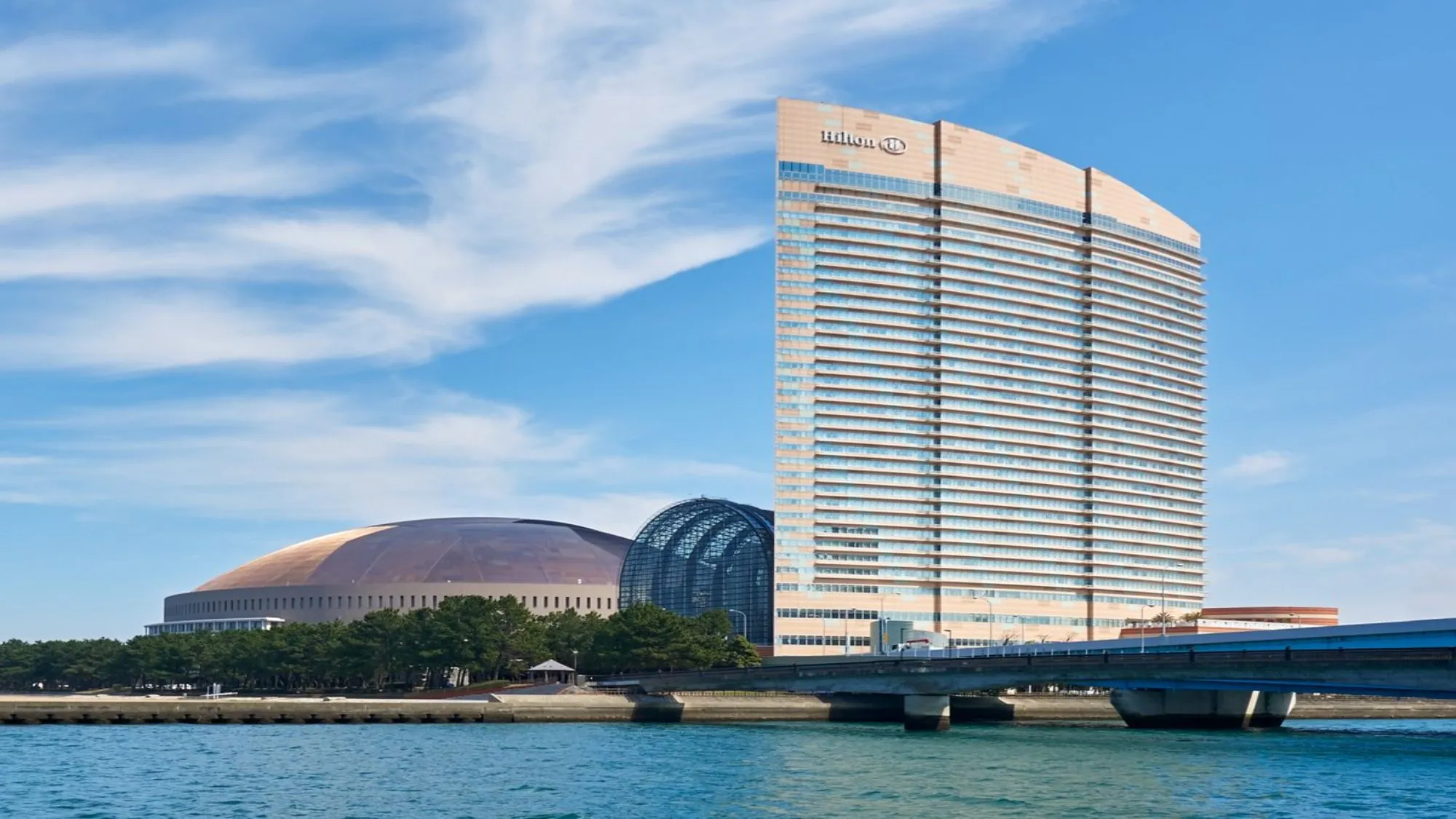
Hilton Fukuoka Sea Hawk
Angel Grandia Echigo Nakazato
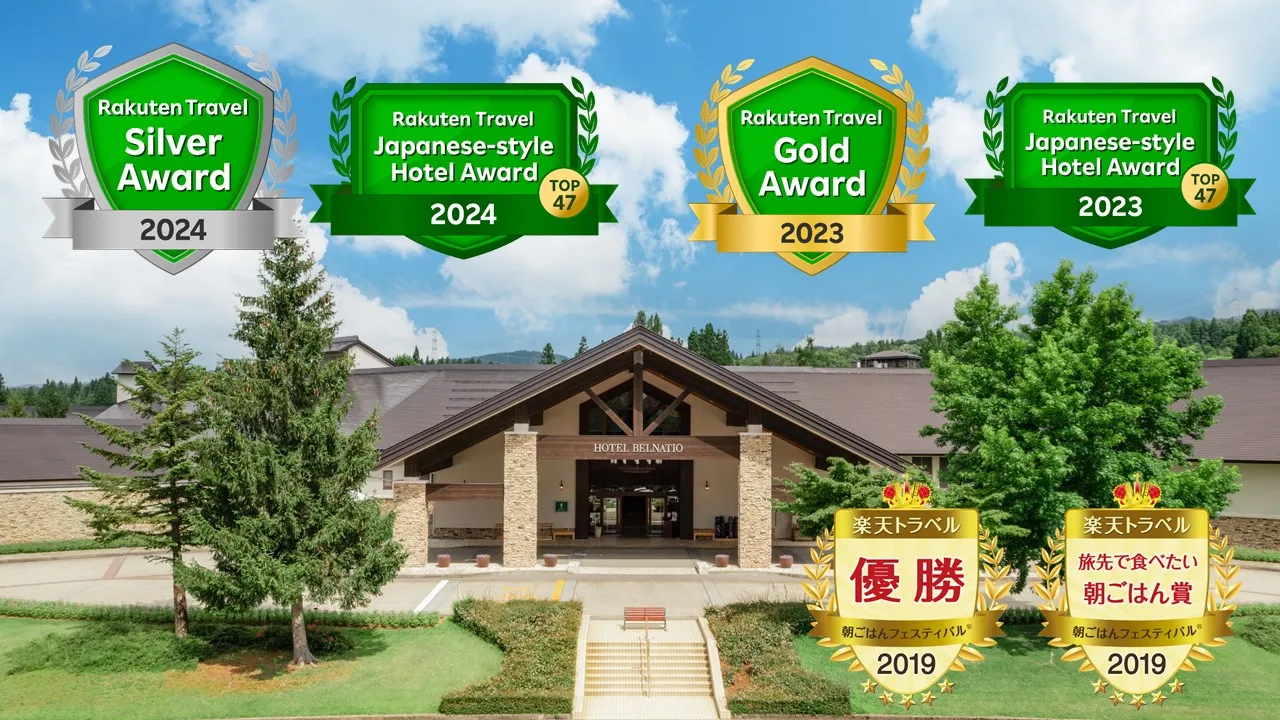
Atema Kogen Resort Belnatio
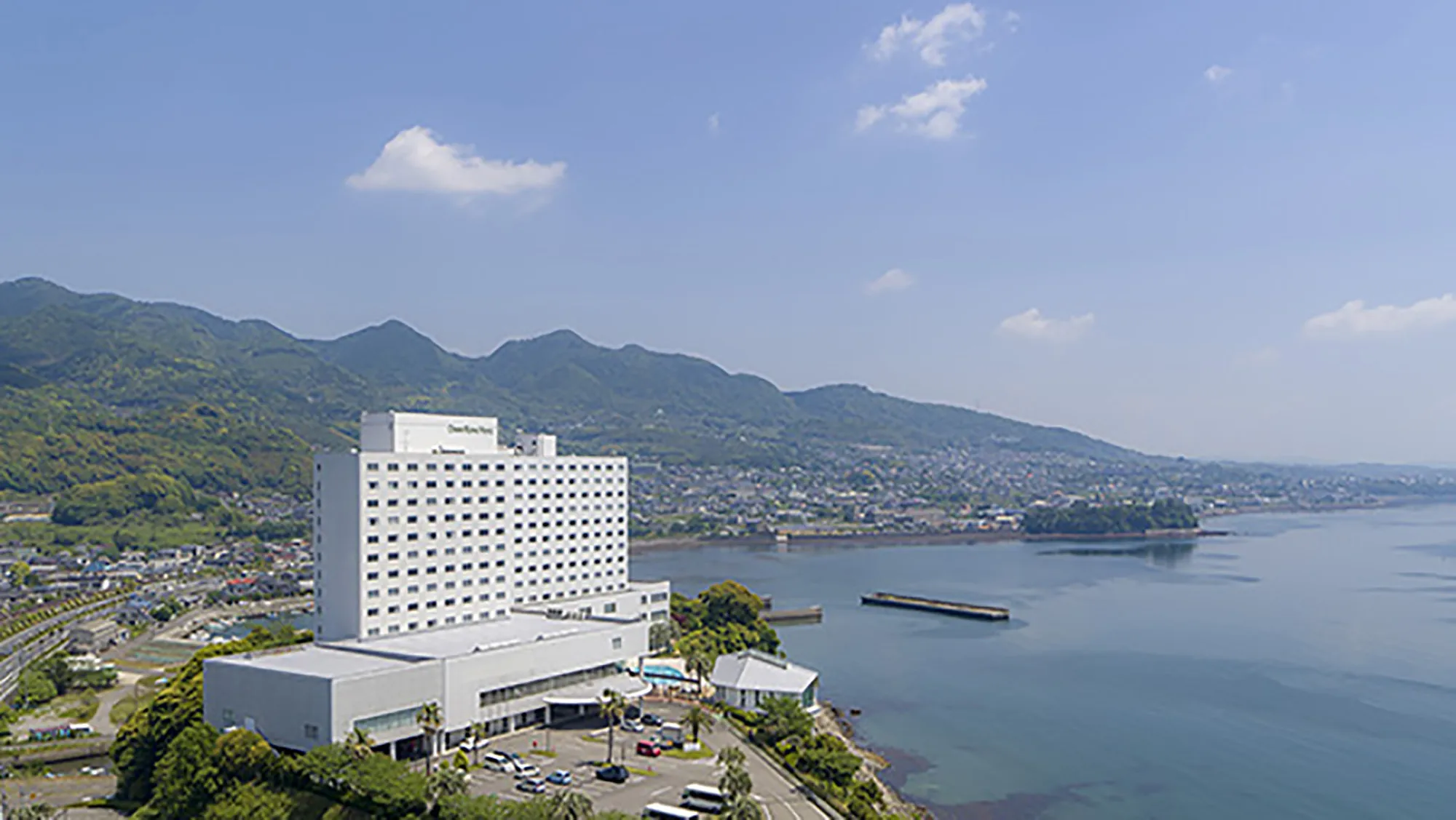
Grand Mercure Beppu Bay Resort & Spa
Why candidates cluster around the Fuji Five Lakes and Maihama
Count the properties that sleep five or more by area and Lake Kawaguchi and Lake Yamanaka stand out, followed by Hakone, Maihama and Urayasu, Atami, and Karuizawa (as of September 2026). There are reasons for the skew. The Fuji Five Lakes region has a deep culture of rental villas, cottages, and pensions, so whole-house inventory was plentiful to begin with. Maihama and Urayasu were built for theme park demand, with large family rooms planned in from the design stage. Hakone and Atami follow because so many of their onsen ryokan still keep their roughly 10-tatami-mat rooms.
By brand, names like Ooedo Onsen Monogatari, Kamenoi Hotel, Grand Mercure, Prince Hotels, and Kyukamura sit at the top of the list. All of them are groups that held on to their tatami and Japanese-Western rooms, which is the strength of tatami showing up once again.
If your five are three generations, building the trip around an onsen property with tatami rooms and a large public bath keeps the grandparents happy at the same time. How to put that together is covered in Choosing a place to stay for a three-generation trip.
Search in this order: tatami and Japanese-Western rooms, then detached annexes and cottages, then concept rooms. Working from the largest pool down is the fastest route.
The mistakes families of five make most often
Finally, the traps worth checking right before you book. Every one of them produces the same moment, the one where you thought you could stay and it turns out you cannot.
Not checking whether children count toward the occupancy
The most common problem is misreading how occupancy is counted. Even when a room says maximum 5 guests, whether that five includes a co-sleeping child or means five people using bedding differs by property. In the first case, two adults and three children fit exactly. In the second, there is room to add a co-sleeping child on top.
Some properties spell it out per room type, saying a 10-tatami-mat room holds five guests including co-sleeping children, while a whole-house villa is described as taking up to eight guests including co-sleeping preschoolers. Plenty of others print only the occupancy number and say nothing about co-sleeping. When it is not written down, that is exactly what to ask about. Something like "can two adults plus a 5-year-old, a 3-year-old, and a 1-year-old stay in a room for five?" leaves the least room for misunderstanding, because you have given the actual ages.
The number of futons and the size of the room do not match
Fitting within the occupancy and actually sleeping comfortably are different things. There is a ceiling on how many futons can go down on the tatami portion, and some rooms are limited to three futons on the tatami. If the configuration is two beds plus three futons for five guests, you want to know how much tatami space there is in square meters.
The same worry shows up in posts to travel question-and-answer sites. One parent wrote that the family had always taken a room priced for four and had the youngest co-sleep, but the youngest had grown and co-sleeping had become difficult, so they wanted space for five to sleep with room to spare. The space a child needs changes as they grow, so the room that worked last year is not guaranteed to be comfortable this year.
Some properties use self-service futons, meaning you lay them out yourselves. It is not much work, but it changes the routine after you arrive, so it is worth knowing in advance.
Dining headcount limits, and the price jump for the fifth guest
Meals are the easy thing to overlook. In-room dining usually has a headcount limit that varies by room type, and there are official sites that spell it out room type by room type, listing up to five in the renovated tatami rooms, up to three in rooms with a private open-air bath, and up to four in the special rooms. Booking for the in-room meal and then discovering that a party of five is not eligible is exactly the sort of mix-up this creates.
The reverse happens too, where a larger party is moved to a different space. One property in Unazuki Onsen in Toyama states that parties of five or more including infants dine in a private dining room rather than in the guest room. Neither arrangement is better than the other; the point is that five is the number at which the format of dinner changes. Some properties count the room's occupancy itself as 2 to 4 guests including infants, and the shared lesson is that the same word, occupancy, is counted differently from place to place.
It is worth organizing the cost side too. Read the bill for a family of five as three separate things: the room charge, the per-person meal charge, and the charge for extra bedding. The question of staying at an onsen property with a buffet on a budget of about 10,000 yen per person is a fixture on question-and-answer sites, and if that is your target band, a one-night plan with dinner and breakfast included is the natural core. Room-only rates that look cheap on the room charge alone can flip once five restaurant meals are added on top.
Children's rate brackets move the total as well. Some properties use brackets like the adult rate from junior high age, 70% of the adult rate for elementary school children, 50% for ages 3 through preschool, and free for ages 0 to 2 when co-sleeping, so the total swings quite a bit depending on how your three children's ages break down. It is worth swapping the children's brackets around on the booking screen to find the cheapest combination that works.
Know how the price jumps, too, before you start. An extra bed at 6,500 yen per night, or 12,650 yen per person per night at some properties, means adding a fifth guest visibly changes the nightly total. Some properties charge a facility fee for co-sleeping children aged 3 and up, so do not assume co-sleeping automatically means free. For the overall order of checks when choosing a place to stay, Five ways to avoid a bad hotel choice with kids is a useful companion.
How occupancy is counted, how many futons fit, the headcount limit for in-room dining, and the surcharge for the fifth guest. Confirm all four before you book.
travel_exploreBrowse by area using the conditions that suit a party of five
Tatami and Japanese-Western rooms and whole-house rentals, area by area, for the places covered in this article
Find detached annexes, cottages, and whole-house rentals
Find detached annexes, cottages, and whole-house rentals
Detached annexes, cottages, and whole-house rentals with loose occupancy limits are already selected for you. Just add your area and party size to narrow it down.
Wrapping up
A family of five struggles to find a place to stay not because such places do not exist, but because a cutoff based on registered room occupancy keeps them out of the search results. Instead of hunting for the phrase "room for five, " attack it through the three patterns: tatami and Japanese-Western rooms where futons can be added, concept rooms with bunk beds or a loft, and detached annexes or cottages you rent whole. The tatami pool is by far the largest, so starting there is the shortcut.
From there, check the co-sleeping and children's rate brackets, and if you need to, search for four and talk to the property. Cover the four points before you book, namely how occupancy is counted, how many bedding sets fit, the headcount limit for in-room dining, and the surcharges, and you will head off almost every unpleasant surprise at check-in. Start with properties that have tatami or Japanese-Western rooms, and narrow down by the area you want to visit.
Frequently asked questions
Which hotels can a family of five stay in?
Searching by room type is the shortcut. Three options are realistic: onsen ryokan and resorts with tatami or Japanese-Western rooms where futons can be added, concept rooms with bunk beds or a loft, and detached annexes, cottages, or whole-house rentals. Of the more than 2,000 properties listed on Kids Stay, more than 500 carry a statement about accommodating five or more guests (as of September 2026), and about 80% of those have tatami or Japanese-Western rooms. Geographically, candidates concentrate around the Fuji Five Lakes, including Lake Kawaguchi and Lake Yamanaka, and around Maihama and Urayasu.
What does a hotel cost on average for a family of five?
The range by grade is so wide that an average is not much use. Lining up what booking sites showed as of September 2026, a feature on onsen properties with buffets listed lowest rates of 6,600 yen to 19,541 yen per room per night, a city hotel showed 40,100 yen per room for five adults, and a feature on rooms for five listed totals from 19,500 yen including tax for five adults in one room for one night. Posts asking for advice often put the budget at around 10,000 yen per person for a one-night trip, so that is a workable starting benchmark for comparison. On top of that sit the extra bed charge for the fifth guest and any facility fee for co-sleeping children aged 3 and up, so comparing room rates alone is not realistic.
Which hotels in Tokyo can sleep five?
Tokyo has few properties with tatami rooms, so rooms for five are genuinely limited. The realistic candidates are apartment-style hotels with a kitchen designed for stays of four or more, ryokan-style properties that kept their tatami and Japanese-Western rooms, and whole-house rentals. Widen the range to Maihama and Urayasu and the number of hotels with large family rooms jumps, so if you are not set on central Tokyo, your options open up considerably.
Which hotels let five people stay in a room for four?
It depends on the co-sleeping conditions. The usual lines are free for ages 0 to 2 with no bedding and no meals, one co-sleeping preschooler per adult, and free for children under six, so if one of your children falls inside that range, five of you may well be able to stay in a room for four. The conditions differ by property, though, and even at the same property the co-sleeping limit can change from plan to plan. Do not decide from the booking site's display alone; confirm directly with the property before you book.
Related articles


Seasonal collections
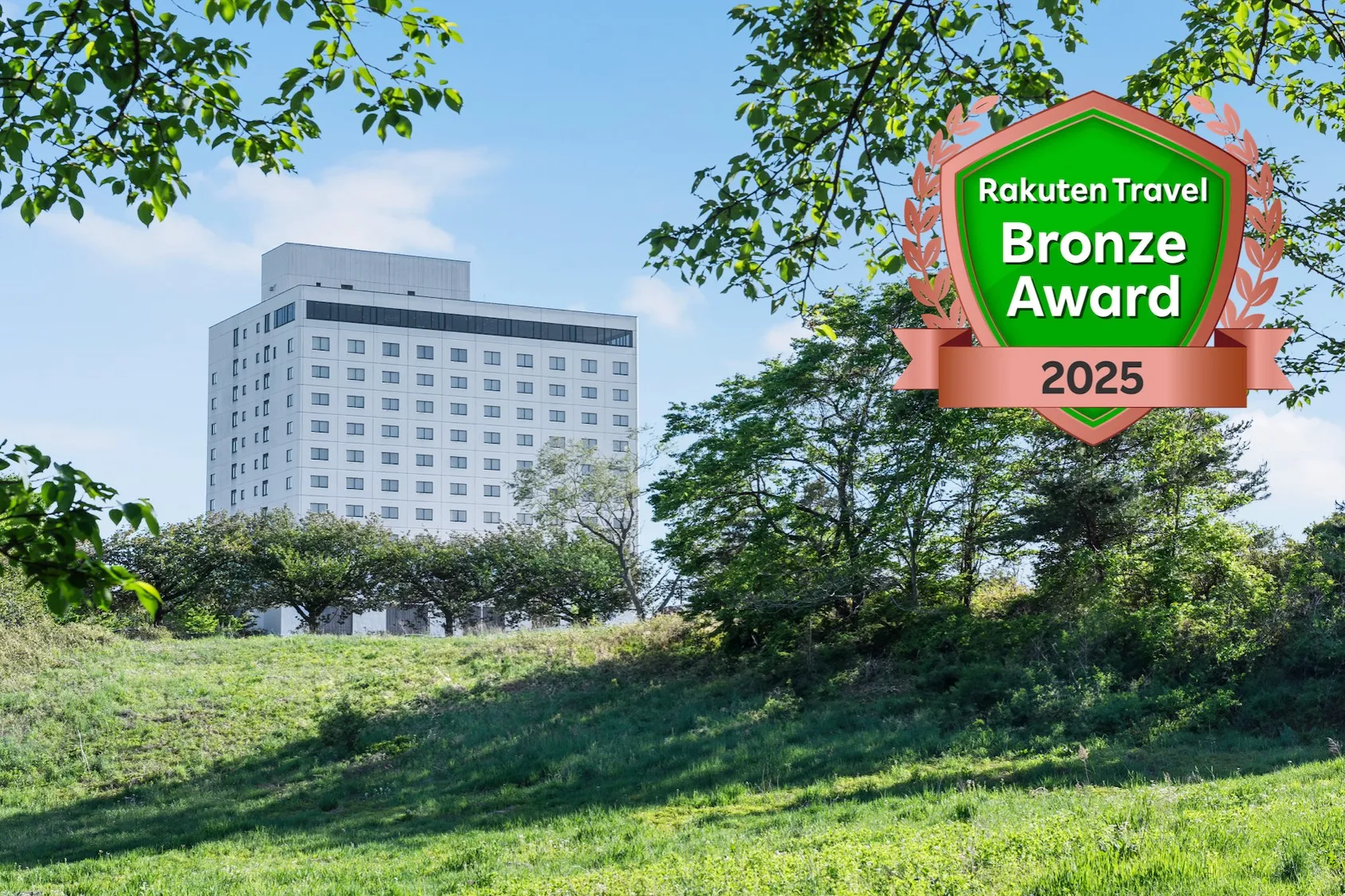
Autumn Long Weekends With Kids
Skip the crowds and traffic with hotels where short travel and on-site or nearby fun are enough. Four ways to spend it: highlands, hot springs, the sea, or a large resort
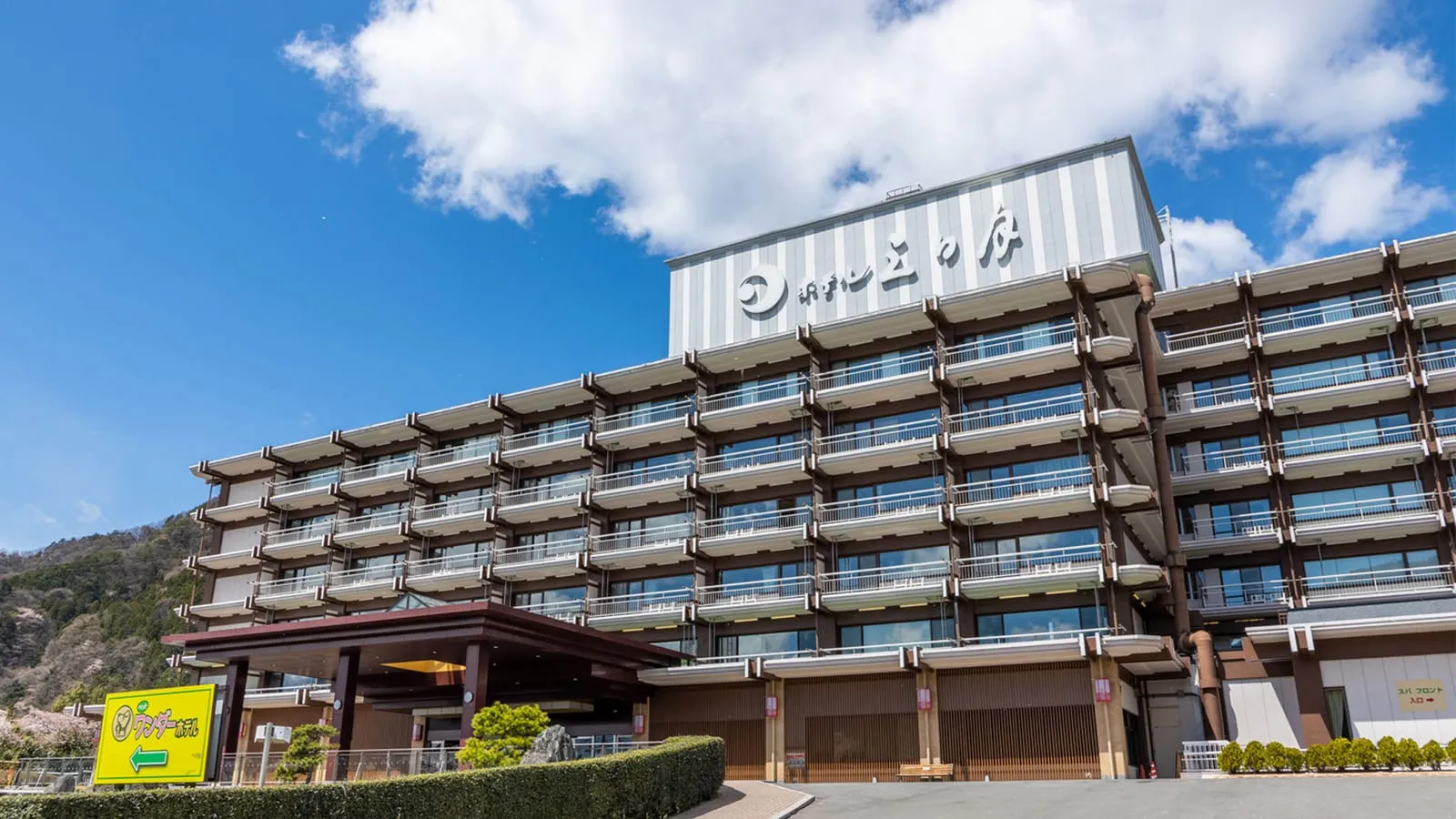
Autumn Leaves With Kids
Peak color timing, plus hotels in autumn leaf areas you can manage with a baby or toddler, from Hokkaido to Kyushu
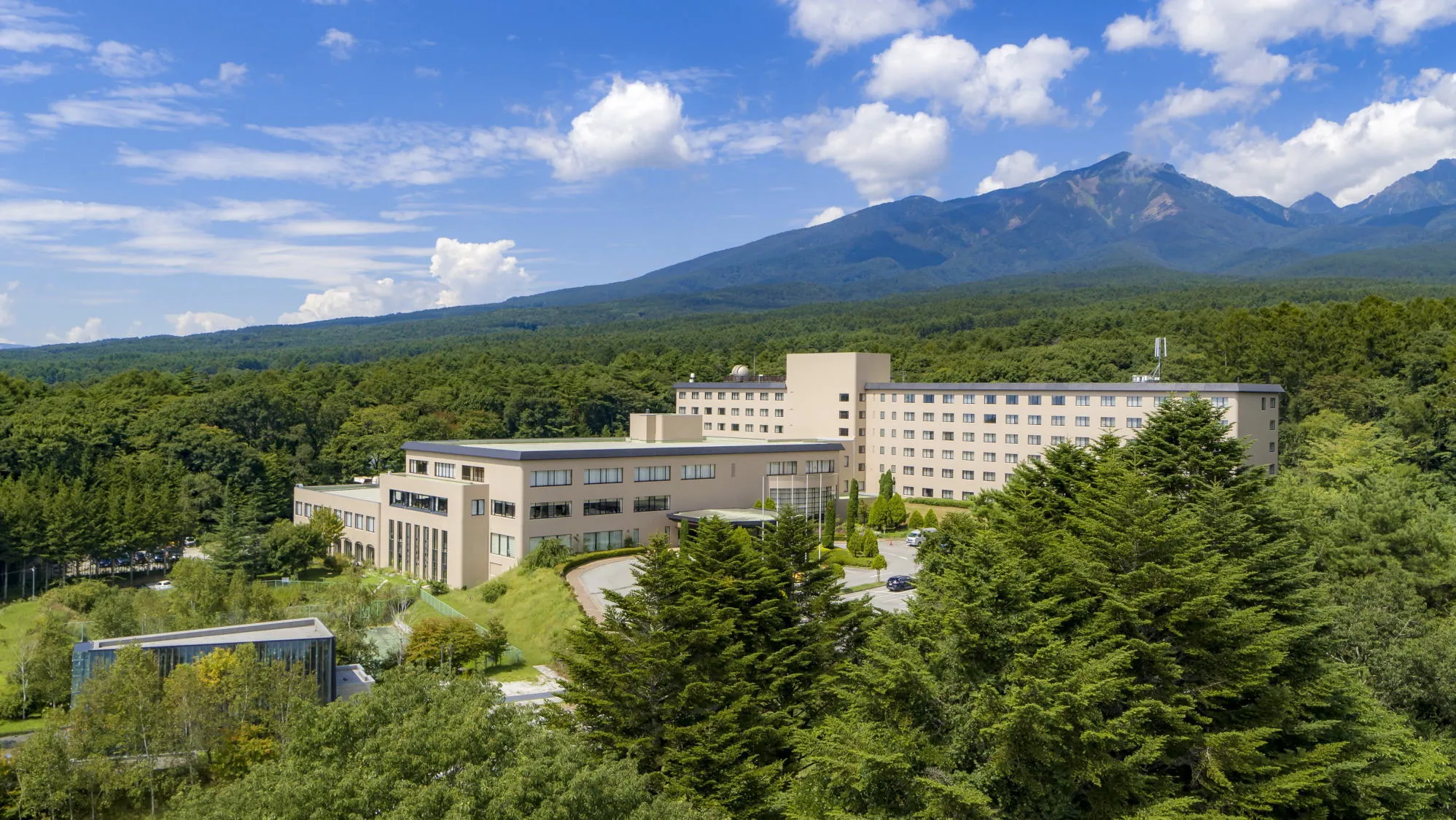
Autumn Highland Play
In the season that is neither hot nor cold, find hotels where kids can run around outside. Highland areas with outdoor play areas and adventure courses, from north to south
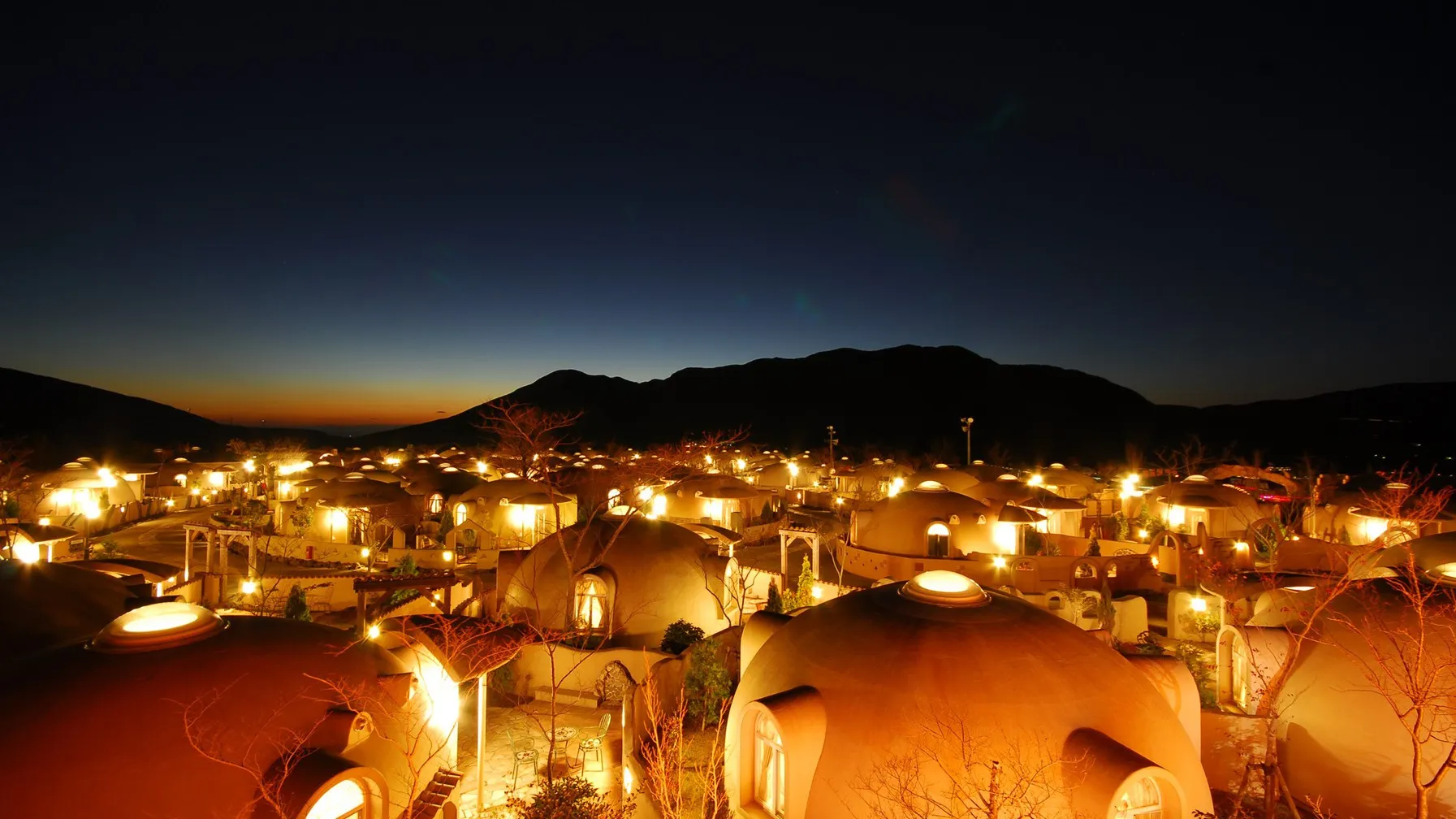
Autumn Farms and Harvest
Hotels with farm activities and animal encounters, plus the areas that make the best base for fruit picking and harvest days, from Hokkaido to Kyushu
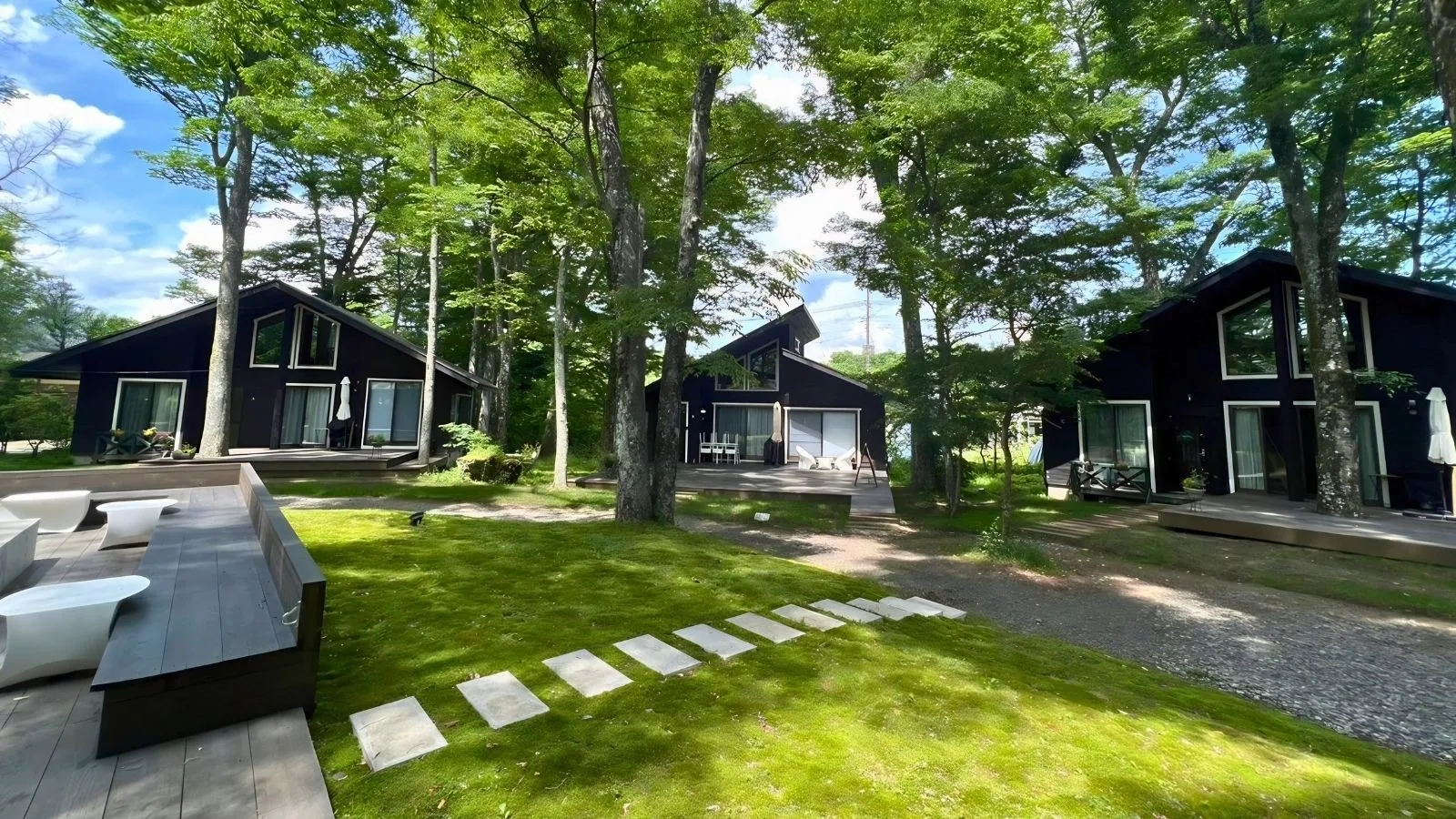
Autumn Cottages and Glamping
No one else to worry about, at your children's own pace. Areas with self-catering villas, cottages, and glamping, from north to south
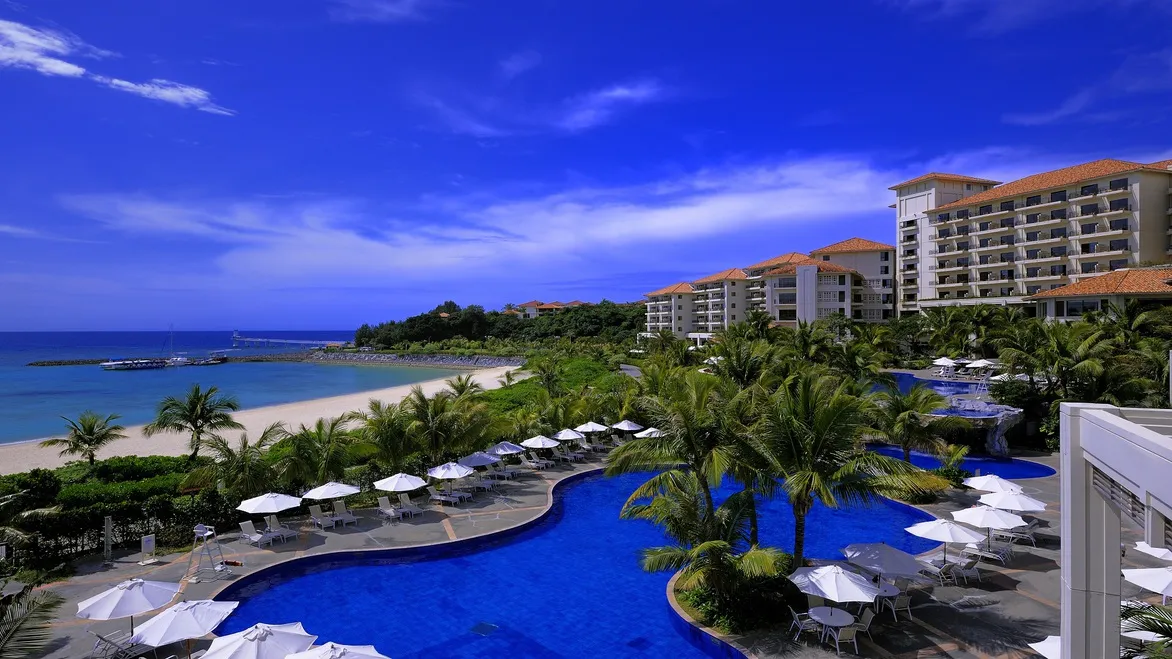
Late-Summer Okinawa Beaches
Fall in Okinawa, Miyakojima, Ishigaki, and Amami, once the crowds and the heat have eased. Stays within walking distance of a beach, or with a kids' pool