
Ryokan or Hotel With Kids in Japan? A Guide by Age and Cost

This site uses affiliate links; we may earn a commission on bookings.
Note: Counts such as "more than 500 properties" come from the facility data of hotels listed on Kids Stay (as of October 2026, not the total number of hotels in Japan)
If you are planning a trip to Japan with young children, the fork in the road usually arrives before you have even settled on a destination: hotel, or ryokan? The short answer is that the right choice moves with your child's age and with what you want most from the trip. For ages 0 to 2 a hotel is usually easier, for ages 3 to 5 either works well, and from age 6 the ryokan experience really starts to pay off. Below we compare facilities, meals, baths and rooms, and then the part most visiting families miss entirely: how Japanese accommodations decide what a child costs.
Find stays with Japanese-style or Japanese-Western rooms
Find stays with Japanese-style or Japanese-Western rooms
On Kids Stay, you can filter from the start for properties with Japanese-style or Japanese-Western rooms only. Hotel or ryokan, you choose from rooms with a tatami floor.
hotelOur pick
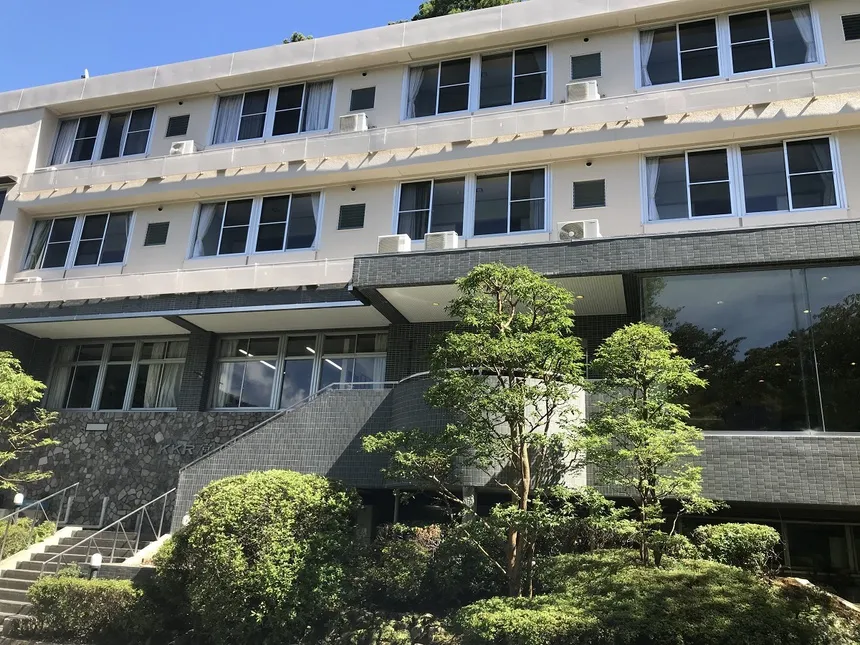
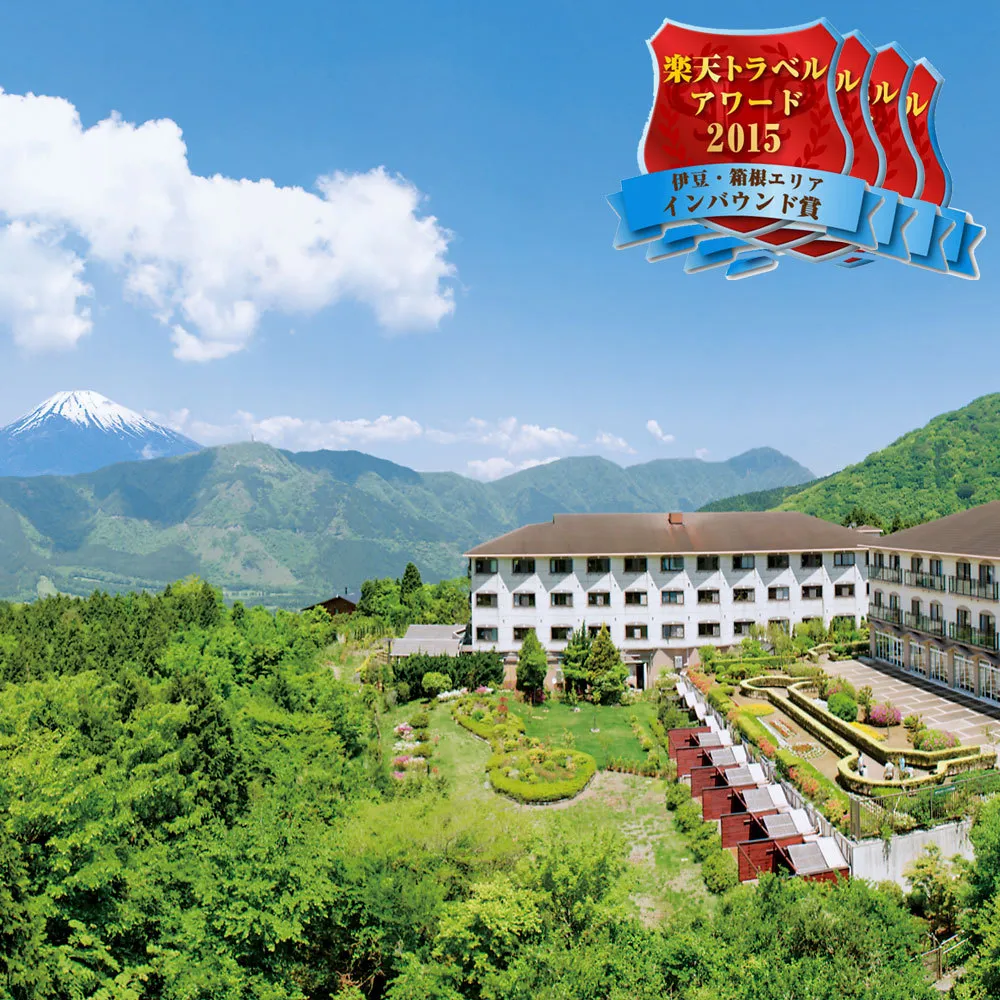
A hot spring inn at Kiga Onsen in Hakone, Kanagawa. It offers Japanese-style rooms and guest rooms with a semi-open-air bath fed by free-flowing hot spring water, a free kids' space on the first floor (7:00 to 22:00), and a baby bath chair and baby bathtub in the bathing area.
menu_bookContentsexpand_more
- What Actually Differs Between a Ryokan and a Hotel
- Why Hotels Work Well With Babies and Toddlers
- Why a Ryokan Works With a Toddler, and Where It Gets Hard
- Your First Ryokan in Hakone, Two Hours From Tokyo
- How Japanese Hotels and Ryokan Price Children
- The Best Choice by Your Child's Age
- What to Confirm Before You Book
- The Bottom Line
- FAQ
What Actually Differs Between a Ryokan and a Hotel
If you have only ever stayed in Western-style hotels, the two words can sound like a matter of decor. They are closer to two different products.
A hotel in Japan gives you what you expect: beds, a private bathroom, a room you enter with your shoes on. Meals are usually optional, often sold as a breakfast or breakfast-and-dinner buffet plan, and the room is priced as a room.
A ryokan is a traditional inn. You leave your shoes at the entrance, the floor of the guest room is tatami, and staff lay out futons directly on that floor at night instead of using beds. Dinner and breakfast are normally included in the rate, most properties in hot spring towns have an onsen (a hot spring bath, shared and taken without swimwear, with separate men's and women's sides), and guests move around the building in a yukata, a light cotton robe the inn provides. The pricing logic differs too: a hotel generally charges for the room, while a ryokan traditionally charges per person with meals included.
That one difference explains why two properties showing a similar headline rate can cost wildly different amounts once your kids are counted. We come back to it in detail further down.
Why Hotels Work Well With Babies and Toddlers
In a word, a hotel's strength is the scale of its facilities and the reassurance that comes from standardized loaner equipment. The bigger the chain, the more systematic the equipment management, so you can walk up to the front desk, ask for a crib, and have the request understood immediately. At a ryokan, if you forget to mention it when booking, they may not be able to produce one on the day, so this ease of a late request quietly matters a great deal when you are jet-lagged and improvising.
Kid-friendly facilities on a different scale
Resort-style hotels typically have a kids' area, an indoor pool and activity programs, which means a rainy day can be spent entirely inside the building. A kids' area on the scale of the one at Grand Mercure Nasu Highlands Resort & Spa is something you rarely find at a ryokan. Plenty of families report that their kids refuse to leave the play area, which gives the parents a little breathing room to watch over a cup of coffee. Hotels invest here because it builds repeat guests: where ryokan compete on tradition, hotels are designed to compete on keeping children occupied.
Loaner gear means you can arrive almost empty-handed
Chain hotels tend to keep a well-organized equipment list, and cribs, bed rails, bottle sterilizers and toilet-training seats are commonly available to borrow. Hotel Epinard Nasu is particularly well stocked in this respect, which lets you travel with noticeably less luggage. When you have already carried everything through an international airport, having the property take that burden off your hands changes the whole quality of the stay.
Loaner items such as cribs are limited in number, so request them when you book rather than at check-in.
At a buffet, nobody has to wait
Hotels frequently offer buffet plans for breakfast and dinner, which is a genuine relief with small children. Parents can choose and carry back exactly what their child will eat, and because the room is full of other families, a bit of noise draws no stares. The pressure of making a child sit and wait for the next course simply disappears, and that is the buffet's single biggest strength. It also solves a real problem for visiting families, since a picky eater can graze on rice, bread, fruit and eggs while the adults work through the Japanese side of the spread.
Where hotels fall short
The drawbacks are just as clear. The larger the national chain, the thinner the sense of place. Rooms built around beds and shoes worn indoors are awkward once your baby starts crawling. And rates spike during the Japanese summer holidays and the New Year period, when domestic demand peaks. With a crawling baby, parents hesitate to set them down on a carpeted floor that strangers have walked on in outdoor shoes, so the baby ends up being carried or parked on the bed for most of the stay.
This is where a Japanese-Western room earns its keep: a Western-style room with a tatami section added, so you get beds for the adults and a shoes-off floor for the baby. Properties such as Grand Mercure Awaji Island Resort & Spa and RISONARE Atami let you book rooms with a tatami area, combining hotel-grade facilities with the reassurance of tatami, which also makes the price easier to swallow. Browsing hotels with Japanese-style or Japanese-Western rooms is the fastest way to narrow down this best-of-both-worlds type.
Why a Ryokan Works With a Toddler, and Where It Gets Hard
A ryokan's strength is the reassurance of the tatami floor itself, plus the psychological relief of eating dinner in your own room. Many parents say a hot spring inn was the first place on a trip where they genuinely relaxed, watching their baby crawl freely across the mats.
Tatami is quietly the best floor for a crawling baby
Tatami is firm but slightly giving, so a minor tumble usually does not end in tears. Because shoes come off at the door, there is no psychological hurdle to putting a child straight down on the floor. And because you sleep on futons laid on that floor, the risk of a child rolling out of bed does not exist in the first place. You can change a diaper sitting on the floor without wrecking your back, and a low table makes spoon-feeding easy. If you are the kind of parent who wakes up over and over checking a rented bed rail, the reassurance of a tatami room is worth choosing on its own.
In-room dining means you are not performing for anyone
At a ryokan with an in-room dining plan, a crying or noisy child bothers nobody. You can nurse naturally between courses, and if your child dozes off halfway through, you lay them down on the tatami right beside you. Being able to actually taste your own dinner is a luxury unique to this format. Musubino Yado Airinkan makes it easy to pair in-room dining with a private bath, so you can eat at a slow pace after the children are asleep. Hotel Shidotaira is another hot spring property with the family logistics well worked out.
Onsen, and why a private bath changes the math
The hot spring is the main event at a ryokan, and the water is genuinely part of the appeal rather than a facility bullet point. But public baths are shared, taken without swimwear, and split into men's and women's sides, which in practice means one parent bathes the kids alone. Choosing a ryokan with a private or family bath removes that problem entirely: you get a time slot to yourselves, close the door, and nobody is watching. A property that keeps a crib in the changing area makes solo bathing with a baby markedly easier, and Awara Onsen Grandia Housen is thoughtful on exactly this point. Whether there is a safe place to set the baby down while a parent changes into a yukata is worth asking about before you book.
Rainy days and the kaiseki dinner are the hard part
A ryokan's weak spots are a shortage of kid-oriented facilities, which leaves you short of options when it rains, and the inflexibility of kaiseki, the multi-course dinner of small seasonal plates that most traditional inns serve. Most kaiseki courses are said to contain very little that a child aged 2 or under can actually eat, and the contents of a children's plate vary enormously from inn to inn. The safe move is to choose a property that shows menu photos in advance, or to confirm that you may bring your own baby food and have it warmed. At a high-end ryokan, a child's voice carries through very quiet rooms and parents end up feeling self-conscious, so a renovated, family-savvy property such as Tamatsukuri Onsen OQOQ is the safer pick.
At a ryokan serving kaiseki, confirm what is on the children's plate and whether you may bring your own baby food and have it warmed.
How to read a ryokan's age restrictions
Inns that turn families away and inns that welcome them describe themselves in remarkably similar language, so the official website alone often does not tell you which one you are looking at. Most refusals come down to two things, keeping the property quiet and the way dinner is served, and there are inns that will accept you if the room you book removes both problems.
Age wording falls into roughly four patterns. "No children aged 12 and under" is a hard line with almost no room to negotiate. "No infants or toddlers" is also firm, but many of these inns do accept children from elementary school age, so a trip with only your older child still qualifies. "Elementary school age and up" often reflects something other than age itself, namely that meals and bedding are only priced from that age.
The one with a different character is "preschoolers by consultation." Being asked to consult is usually not a polite refusal, it is a signal that the inn is prepared to accept you under the right conditions. Whether it works depends on the room type, where dinner is served and how many of you there are, so rather than draw a single line, many inns handle these bookings case by case. If your first message already shows that you meet those conditions, going straight through to a confirmed booking is not unusual at all.
What a "family friendly" label guarantees, and what it does not
If an inn says it welcomes children, can I book with confidence when traveling with a baby?
What that label guarantees is mainly equipment and meals. It means step stools and children's tableware are on hand, and that the kitchen can handle baby food or serve your child portions from the adults' dishes.
Does it also tell me whether I can take my baby into the public bath?
No, that part is not covered. Whether a child who is not yet toilet trained may bathe is decided by the property's hygiene policy, so even an inn that advertises itself as family friendly may say no.
How should I think about the age limit for sharing a futon?
That is a separate question from the welcome label as well. Some inns cap it at age 3 and others at the start of elementary school, and it can vary within the same inn depending on the size of the room. How heads are counted feeds straight into the price.
Four room features that get a family into an upscale ryokan
The reason a formal ryokan turns families away comes down almost entirely to consideration for the other guests. Turn that around and if your family's noise and movement never cross paths with anyone else's, the inn has no reason left to refuse. There are four things to look for.
The first is a detached cottage, where the building stands on its own so that night crying and running feet reach no one. The second is in-room dining, which removes any worry about noise in the dining room and lets you start dinner around your child's bedtime.
The remaining two are a private bath and an open-air bath in the guest room. If there is a way to enjoy the hot spring without using the public bath, the bathing problem disappears even with a child who is not yet toilet trained. Request a room that has all four by name, and the very same inn may come back with a different answer.
When you write, the more complete your first message, the faster the inn can give you a yes or a no. Four points are enough: ages, number of guests, how your child will sleep, and whether a children's meal is needed.
> We are considering a stay on [date]. We are two adults and one 2-year-old. We do not need a futon for our child, who will sleep beside us. Our child will eat from our own dishes, so no children's meal is required, though a small plate and a spoon would be very welcome. Could you let us know whether you are able to accept us on these terms?
Your First Ryokan in Hakone, Two Hours From Tokyo
If everything above has you curious but a little nervous, Hakone is an easy place to try a family-friendly ryokan for the first time. The Odakyu Romancecar runs from Shinjuku to Hakone-Yumoto Station in about 90 minutes, and the Shinkansen takes about 40 minutes from Tokyo to Odawara. That puts a hot spring inn within two hours of the city, so one night is enough, and if the experiment does not suit your toddler you are back in Tokyo the next day. Hakone also has ryokan and hotels in the same town, which makes the split stay described further down simple to arrange.
There are three sensible places to base yourselves.
Yumoto, beside the station
Hakone-Yumoto is where the Romancecar from Shinjuku arrives, and it suits a first night best. Yumoto Fujiya Hotel is a 3-minute walk from Hakone-Yumoto Station, and Hakone Yumoto Kisenso, a 12-room onsen ryokan, is an 8-minute walk, so you can arrive with a stroller and bags and skip the bus. Note that Kisenso accepts only infants aged 2 and under and elementary school children.
Gora and Kowakidani, one more train up
Further up the mountain, Gora and Kowakidani are reached from Hakone-Yumoto on the Hakone Tozan Railway. Several inns here run a free shuttle from the station. At Mizunoto, for example, the shuttle from Kowakidani Station takes about 5 minutes, and its Japanese-Western rooms sleep up to 4.
Sengokuhara, by bus or car
Sengokuhara is reached by bus or car from Hakone-Yumoto and suits families who drive or want a resort-style stay. Hotel Green Plaza Hakone is about 35 minutes by bus from Hakone-Yumoto, and Hakone Susukinohara Ichinoyu has an onsen open-air bath in every room, with twin-plus-tatami and Japanese-Western room types.
Narrow it down in three steps
Once you have a base, filter the inns in this order. First, a Japanese-style or Japanese-Western room, for the tatami floor described above. Second, a private bath or a bath in your own room, so the hot spring can still work with a child in diapers. Some Hakone inns that keep children in diapers out of the communal bath still let them use a private-hire bath, and the wider rules are covered in Onsen With a Baby in Diapers. Third, how the child rate is split between meals and bedding, explained in the next section on how Japanese hotels and ryokan price children.
Three Hakone ryokan that pass the first two steps
These three meet both of the first two steps, based on what each ryokan publishes.
Hakone Shiunso, in Tonosawa, a short distance from Hakone-Yumoto Station, serves meals in your room, has a free private-hire indoor bath and rooms with an open-air bath, and lets preschool-age children co-sleep free.
hotelKids share the bed free
Tatami rooms, in-room dining and a free private-hire indoor bath, with free co-sleeping for preschool-age children.
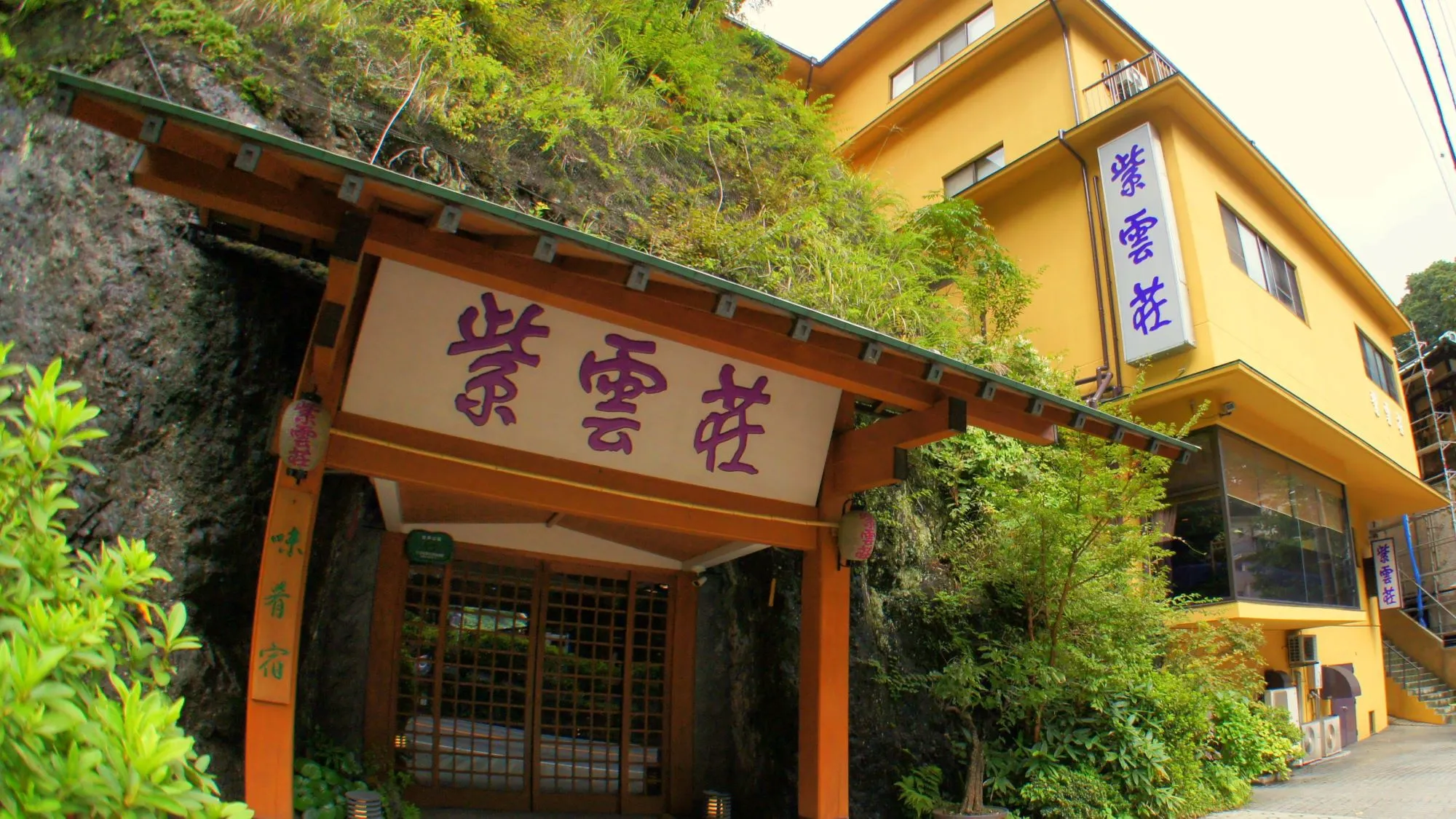
Hakone Gorakan is an 8-room onsen ryokan a 3-minute walk from Gora Station, with tatami rooms and free private-hire open-air baths.
hotelPrivate bath
An 8-room ryokan near Gora Station with free private-hire open-air baths and plans with child rates.
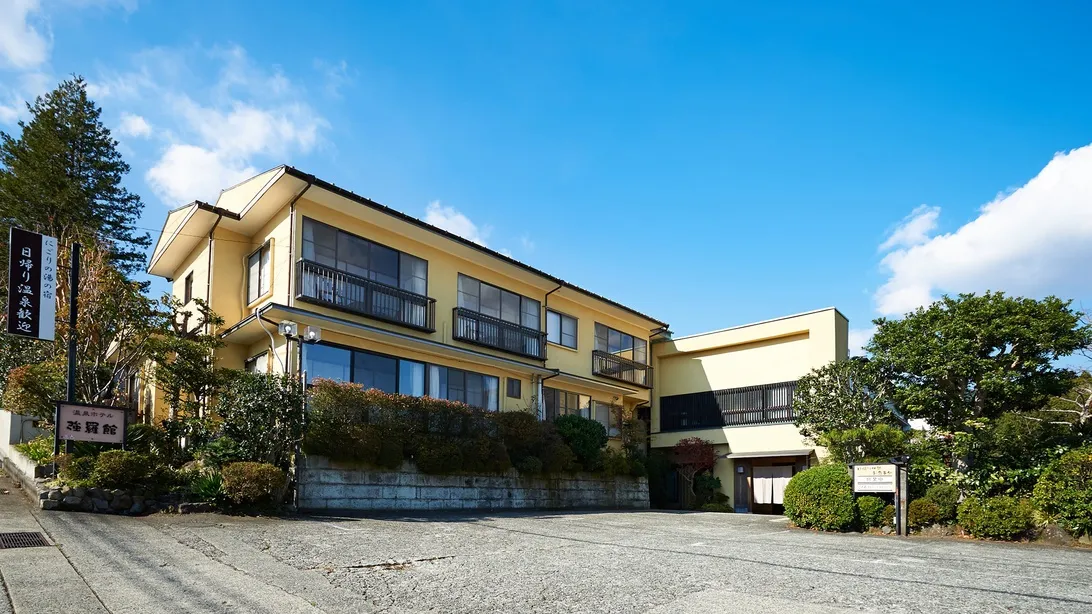
Hakone Sengokuhara Mitake has 8-tatami Japanese-style rooms, in-room dining, and free private-hire open-air and indoor baths.
hotelTatami room
8-tatami rooms, in-room dining and free private-hire baths in Sengokuhara.
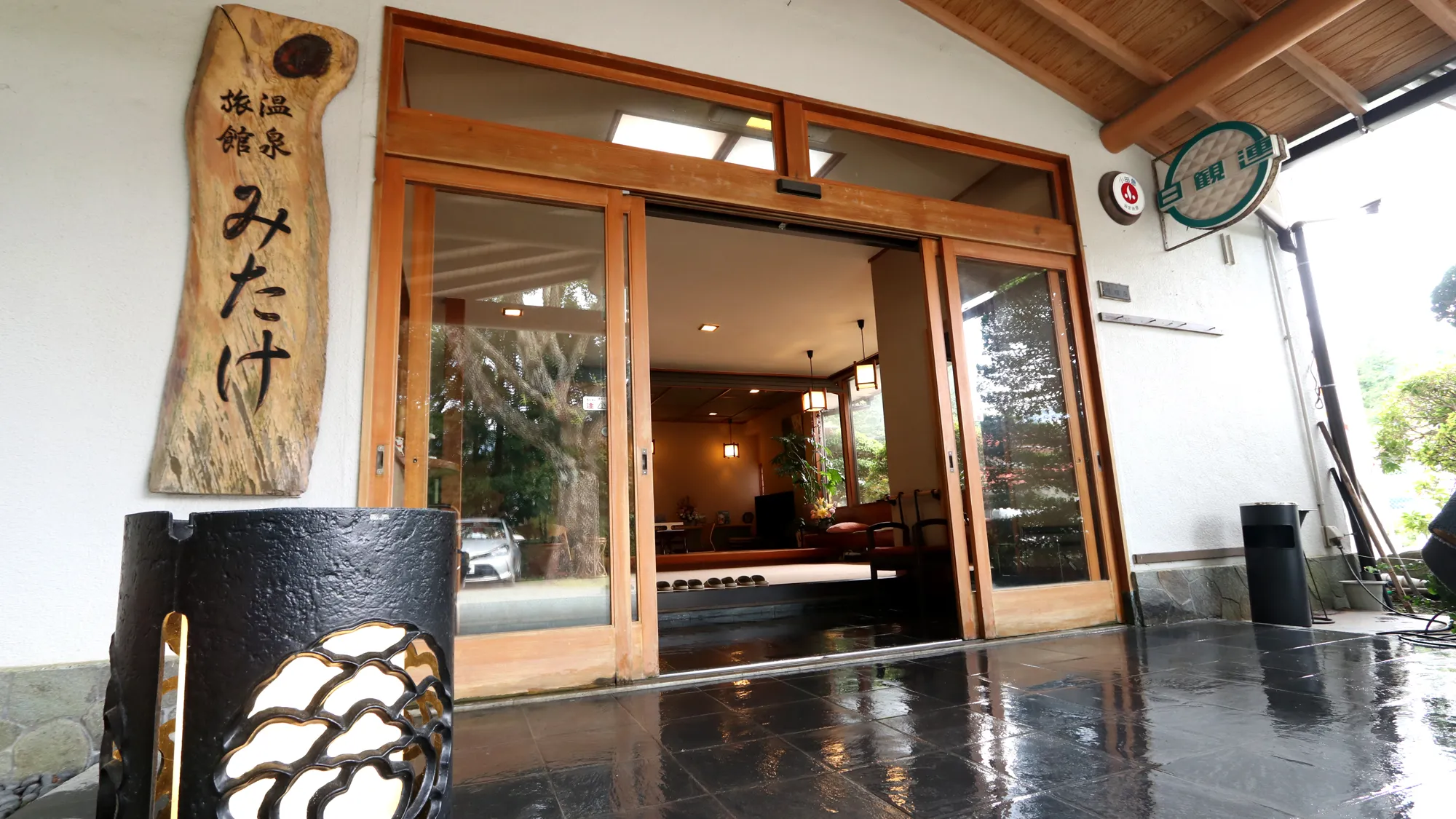
For every property Kids Stay has checked in the area, start from the Hakone area page.
How Japanese Hotels and Ryokan Price Children
This is the part that hides behind all the talk of facilities and atmosphere. With the same group and the same budget, hotels and ryokan use fundamentally different logic to decide what a child costs. Compare them without knowing that, and the headline nightly rate will lead you astray.
Room charge versus per person
Hotels are priced by the room, so as long as you stay within the room's stated capacity, the rate does not change with the number of people in it. It is also common for a preschool-age child sharing a bed with a parent to stay free. In short, a family with a baby or toddler can predict a hotel's total cost far more easily.
Ryokan traditionally set the child's rate as a percentage of the adult rate, since meals and bedding are prepared per person. Lately, though, more properties have moved to a flat child rate: one fixed amount per child. Because that amount does not move when you upgrade the room or travel in peak season, a ryokan can end up cheaper than a hotel precisely during the busiest weeks of the year.
Read two things before you commit
The two details that decide your real total are the age cap for free bed sharing, and whether the child's rate covers meals, bedding, or both. Even under the identical label of "half price for children, " the actual amount differs enormously depending on which of those it includes. Skipping the fine print on the booking page is how families arrive expecting their child to share a futon and discover a separate futon was billed. If you would rather remove the arithmetic entirely, an all-inclusive property, where meals and drinks are bundled into the room rate, is another route worth considering.
A child rate changes enormously depending on whether it includes meals, bedding or both. Read the fine print on the booking page before you commit.
The Best Choice by Your Child's Age
This is the heart of it: which is genuinely easier at each stage. These are general tendencies rather than rules, and your family may sit outside them, but they are a solid place to start.
Ages 0 to 2, hotels have the edge
Counterintuitively, the baby and toddler years favor hotels, and the reason is equipment. Chain hotels commonly stock cribs, bed rails and toilet-training seats, which lets you pack much lighter for a long-haul flight. Tatami still wins on reassurance during the crawling stage, so if you want both, book a hotel with a Japanese-Western room.
Ages 3 to 5, either one works
By this age children can genuinely enjoy both. If you want an active trip, take the hotel's kids' area and pool. If you want a cultural experience, the ryokan's yukata, tatami and hot spring are what your child will remember. Plenty of kids are delighted to wear a yukata for the first time at this age, and it is a great stage for the kind of keepsake photos only a ryokan produces. Decide whether the trip is about playing or about experiencing, and the choice makes itself.
Age 6 and up, the ryokan comes into its own
From around age 6, a ryokan's experiential value climbs steeply. Children can appreciate kaiseki as an actual course rather than a plate of unfamiliar things, and they are old enough to follow bathing etiquette: rinsing off before getting into the water, keeping the towel out of the bath. Learning that hands-on is a lesson that is hard to arrange any other way. For a trip spanning three generations, leaning toward a ryokan tends to make everyone happy, and it creates a natural window for the parents to use a private bath while the grandparents mind the kids.
| Age | Hotel | Ryokan | Easier to lean toward |
|---|---|---|---|
| 0 to 1 | Loaner gear makes it easy | Tatami is reassuring | Hotel (a Japanese-Western room makes a ryokan work too) |
| 2 to 3 | Kids' facilities land well | Meal flexibility is the issue | Hotel |
| 4 to 5 | Activities to burn energy | Thrilled by the yukata | Choose by your goal |
| 6 to 9 | Pools and games | Real exposure to onsen culture | Ryokan gains ground |
| 10 and up | Can choose for themselves | Eats the same meal as the adults | Follow your child's preference |
As a rule of thumb: hotels for the gear at ages 0 to 2, ryokan for the experience from age 6, and choose by your goal in between.
Can't decide? Split the trip across both
The other move worth knowing is to book one night of each and let the trip change character halfway through. It works better than it sounds. A good pattern is to burn off energy at a facility-rich hotel on the first night, then wind down at a quiet ryokan with a hot spring on the second. The reverse also makes sense if arrival day is exhausting: rest at the ryokan first, then let the kids loose at an active hotel once they have recovered.
The trick is keeping the geography tight. Stay within the same hot spring town or two neighboring areas, and changing properties becomes little more than moving your bags. In Hakone, for example, pairing a Japanese-style property such as KKR Hakone Miyanoshita with a facilities-focused resort gives your children a playing day and a resting day in one trip. Heading toward the Hokuriku region, slotting in a buffet-style, family-friendly property like Oedo Onsen Monogatari Awazu Grand Hotel for one of the nights takes most of the worry out of meals. The balance also shifts with the calendar: in winter a hotel where everything happens indoors has the advantage, while in summer an airy tatami room is often the more comfortable place to be.
What to Confirm Before You Book
For a hotel, check whether cribs can be borrowed and how many are available, the age cap for free bed sharing, whether the dining room welcomes children or is adults-only, whether Japanese-Western rooms exist, and the cancellation terms if a child develops a fever. For a ryokan, check whether in-room dining is offered, how the private bath is reserved, whether the changing area is baby-friendly, whether the child's rate covers meals or bedding or both, and what the children's menu and baby-food arrangements actually are. The cost breakdown and the private bath reservation method are the two things most likely to catch you out on the day.
A two-step approach works best. First narrow to three to five candidates using family filters such as crib available or private bath available, then open each property's official site and check photos, reviews and the equipment list. That combination closes most of the gap between what you pictured and what you walk into. The list above doubles as your pre-booking checklist.
The Bottom Line
Neither type wins outright. The best choice shifts with your child's age and with what you are willing to trade away. Hotels take the baby and toddler years on equipment alone, either option works from ages 3 to 5, and a ryokan's experiential value shines from age 6 up. Add an understanding of how children are priced, and you can weigh a room-charge hotel against a flat-child-rate ryokan on your own family's terms rather than on the headline number. If you truly cannot choose, split the stay. And because the answer moves as your child grows, treat your last trip as data rather than doctrine and pick again for the age your child is now.
FAQ
Is a hotel or a ryokan safer for a first trip to Japan with young kids?
For a first trip with a child aged 0 to 2, we would point you to a hotel. Standardized equipment keeps the logistics light on arrival day, and a buffet lets you feed your child on their own schedule while everyone is still adjusting to the time difference. Purely on fall risk, a ryokan's tatami and futons are safer. But for a first visit, packing lighter is easier on the parents. Either works if you pick a hotel with a Japanese-Western room, or a ryokan with in-room dining.
For the same budget, which is better value?
It depends on your child's age. If your child can simply share your bed, a room-charge hotel makes the total easy to predict. If your child is old enough to need their own meal and bedding, a ryokan with a flat child rate can come out cheaper, and the gap widens in peak season. Check the age cap for free bed sharing and whether the child rate includes meals or bedding before you compare, and the nightly headline rate stops misleading you.
Are there upscale ryokan that welcome children?
Yes. More and more ryokan hold Welcome Baby certification, a Japanese accreditation for properties equipped for babies and toddlers, or run family-specific plans. But permitted and welcomed are two different things: the first means they will accept your booking, the second means they have prepared equipment and meals for children. Call and ask about three things, a crib, baby food and a private bath, and how eagerly they answer tells you which kind of property you are dealing with.
Do any ryokan serve buffet meals instead of kaiseki?
Yes. Plenty of hot spring ryokan now offer full or half buffets, and among inns that lean hard into the family market it has become the norm rather than the exception. If a full kaiseki dinner is on your wish list, the realistic plan is to save it for when your children are older and target buffet-style hot spring ryokan during the preschool years.
Can we stay at a ryokan with a baby?
Yes, and the baby years are exactly when tatami pays off most. Confirm three things in advance: whether you can bring your own baby food and have it warmed, whether an extra futon can be added or your child will share yours, and how the private bath is reserved. Where private baths are first come, first served on the day, the rule is to claim a time slot at the front desk the moment you check in.
Find stays with Japanese-style or Japanese-Western rooms
Find stays with Japanese-style or Japanese-Western rooms
Related articles

Seasonal collections
Winter Onsen With Kids
Winter onsen towns from north to south, where an in-room bath, a reservable private bath and meals in your room mean you never have to go out
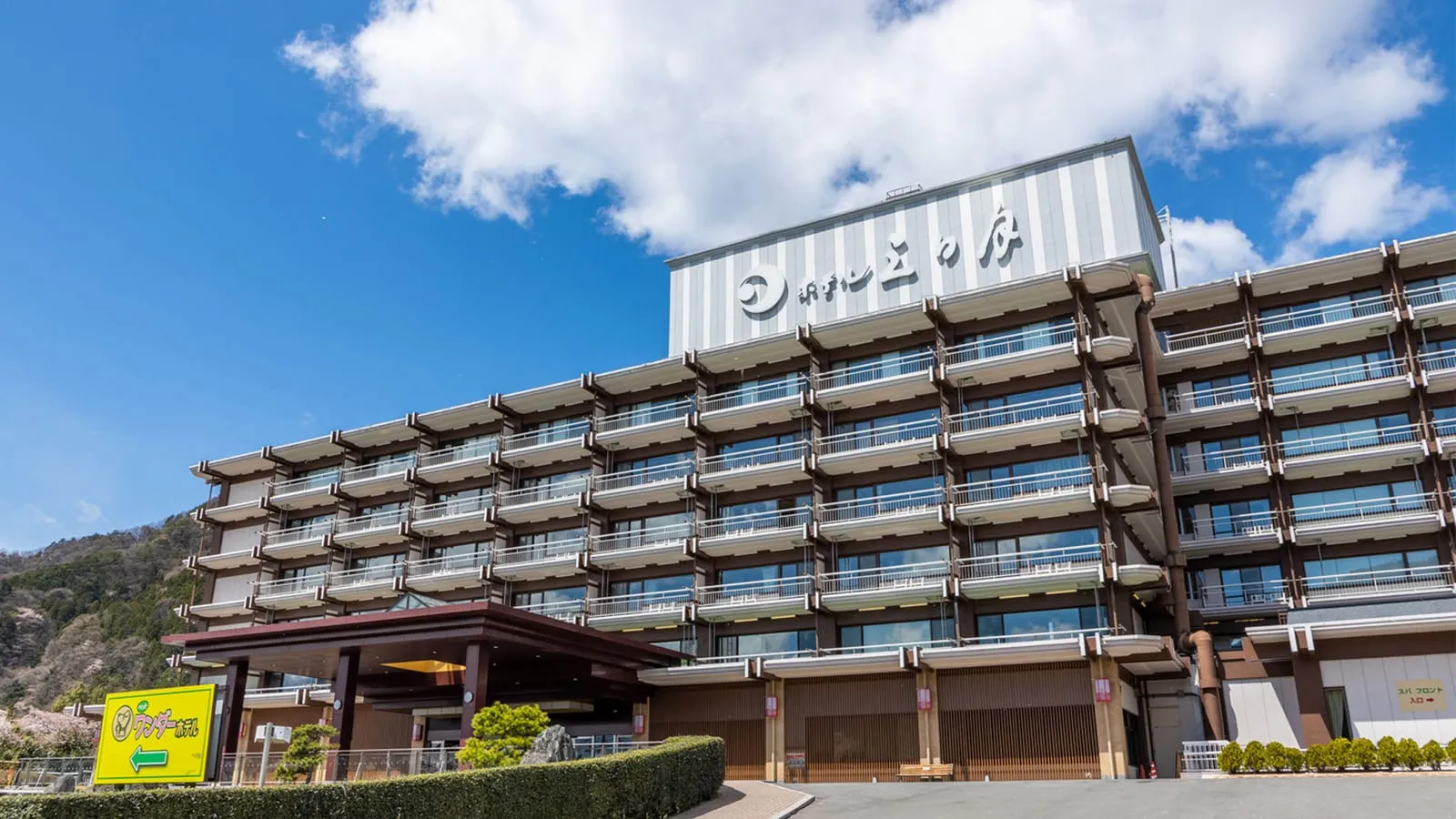
Autumn Leaves With Kids
Peak color timing, plus hotels in autumn leaf areas you can manage with a baby or toddler, from Hokkaido to Kyushu
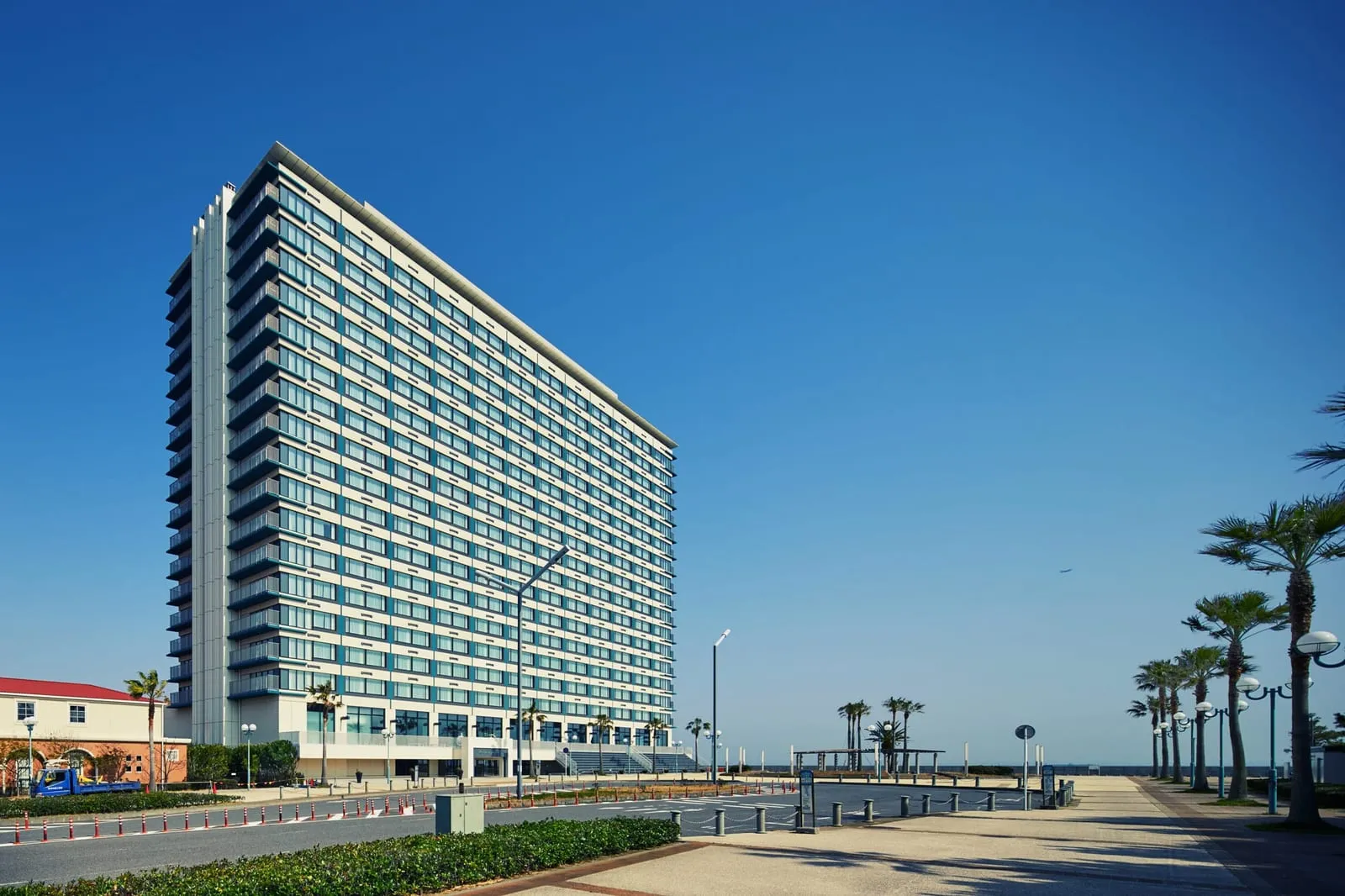
Christmas With Kids in Japan
Book December weekends early. Three ways to spend it: city hotels, dinner-included resorts, or snow and hot springs
Winter Break With Kids
Travel in the first or second half of winter break and skip the New Year crush. Choose by snow play, hot springs, the warm south, or city playgrounds
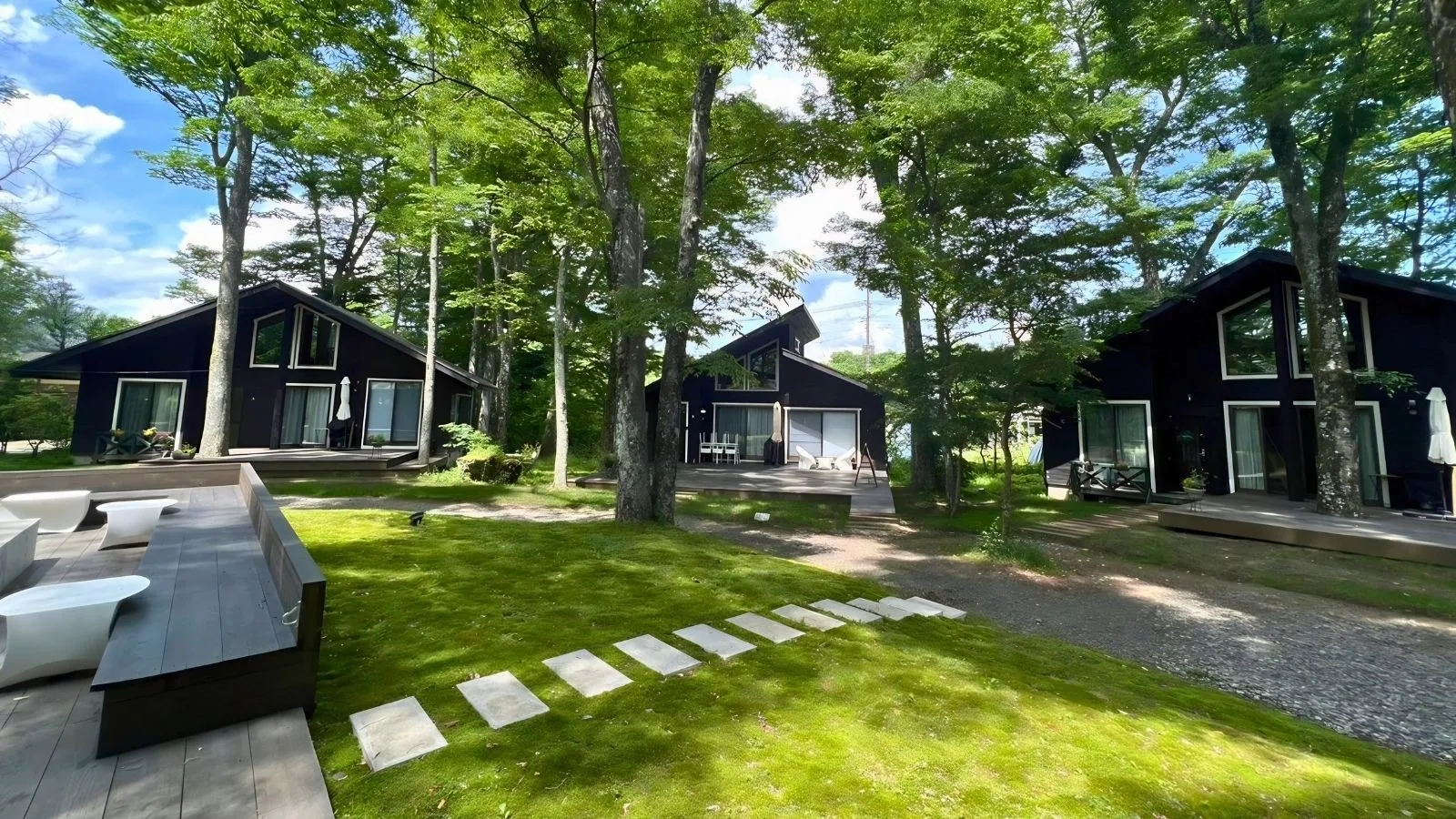
Autumn Cottages and Glamping
No one else to worry about, at your children's own pace. Areas with self-catering villas, cottages, and glamping, from north to south
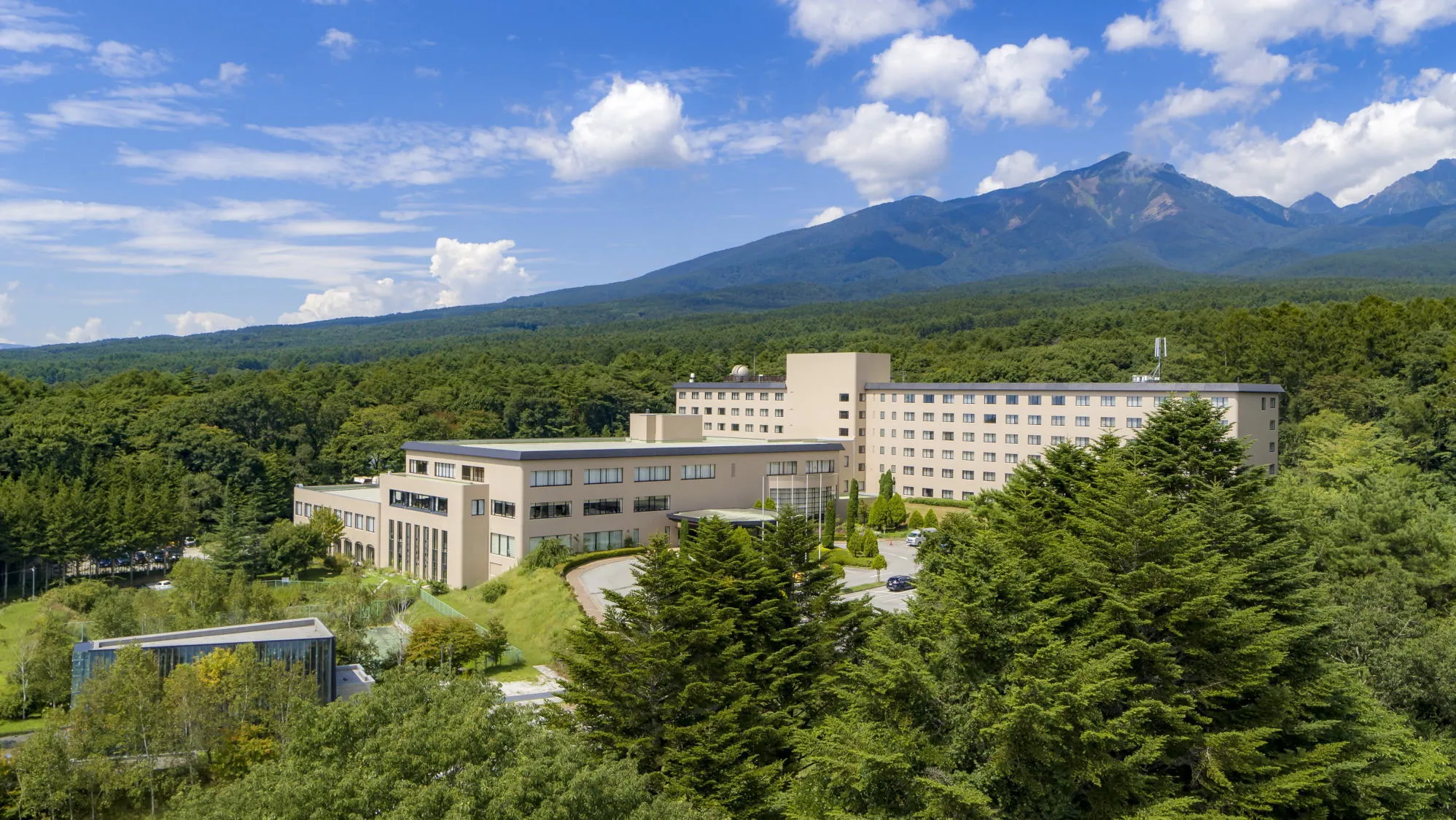
Autumn Highland Play
In the season that is neither hot nor cold, find hotels where kids can run around outside. Highland areas with outdoor play areas and adventure courses, from north to south