

Room & Bedding
Hotels with Japanese / Japanese-Western Room
About "Japanese / Japanese-Western Room"
Many families traveling with babies and toddlers choose a Japanese-style room (washitsu, with tatami mat floors) or a Japanese-Western room (washitsu-style tatami area combined with beds). Even if you worry about a baby tumbling off a Western-style bed, futon bedding laid out on tatami lets crawling and toddling little ones play and sleep right on the floor, so the moments when you look away feel a lot less stressful.
A room with a tatami area is also handy for diaper changes, getting dressed, and baby food time, and you can add a baby futon to sleep side by side as a family. In a Japanese-Western room, beds and tatami are combined, so families with siblings of different ages can choose how everyone sleeps. Adults can also sit on the floor at their children's eye level and spend the time before bedtime on the same level together.
Japanese and Japanese-Western rooms vary quite a bit from one property to the next, in tatami space, number of futons, and whether beds are included. When you book, check how large the tatami area is and whether extra futons can be added, and make sure the layout suits your party size. If you have a child who is just learning to walk, it also helps to ask about any step at the entrance to the tatami area and whether the tatami has raised edges, to prevent trips.
Tatami space matters most when your baby is starting to roll over and crawl, so choose a room with plenty of tatami while your child is young, and a Japanese-Western room if your children's ages are far apart. Either way, setting up sleeping arrangements during your stay should go more smoothly.
What to look for in a hotel with "Japanese / Japanese-Western Room"
- checkWith 1343 properties offering Japanese or Japanese-Western rooms, you have plenty of choices. Yamanashi Prefecture has 139, and the Fuji Five Lakes and Mt. Fuji area, including the Shizuoka side, has 130, clustered in lakeside and highland resort areas.
- checkTatami means little worry about falls, and it is a convenient place for diaper changes and baby food. The size of the tatami area and whether beds are also available vary by property, so checking the floor plan is the quickest way to know.
- checkProperties range from affordable hotels to hot spring inns (ryokan), and prices vary widely by property and season. Setting your maximum budget first makes it easier to compare, even when there are many candidates.
Hotels with "Japanese / Japanese-Western Room" (1343)
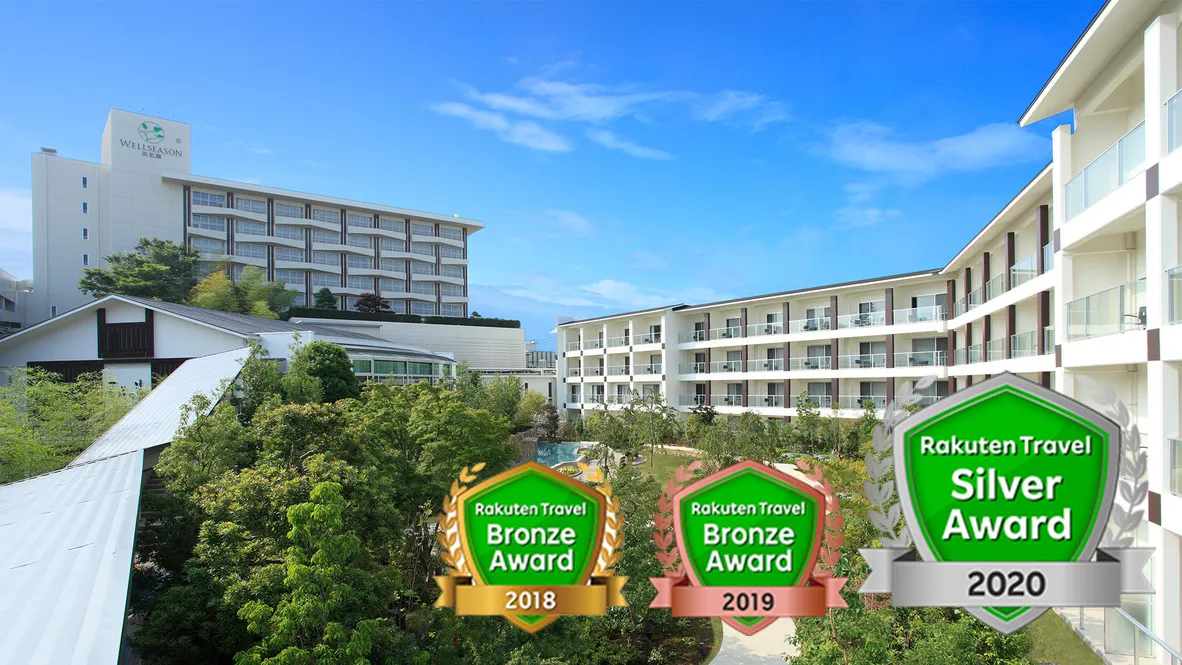
Hotel Wellseason Hamanako
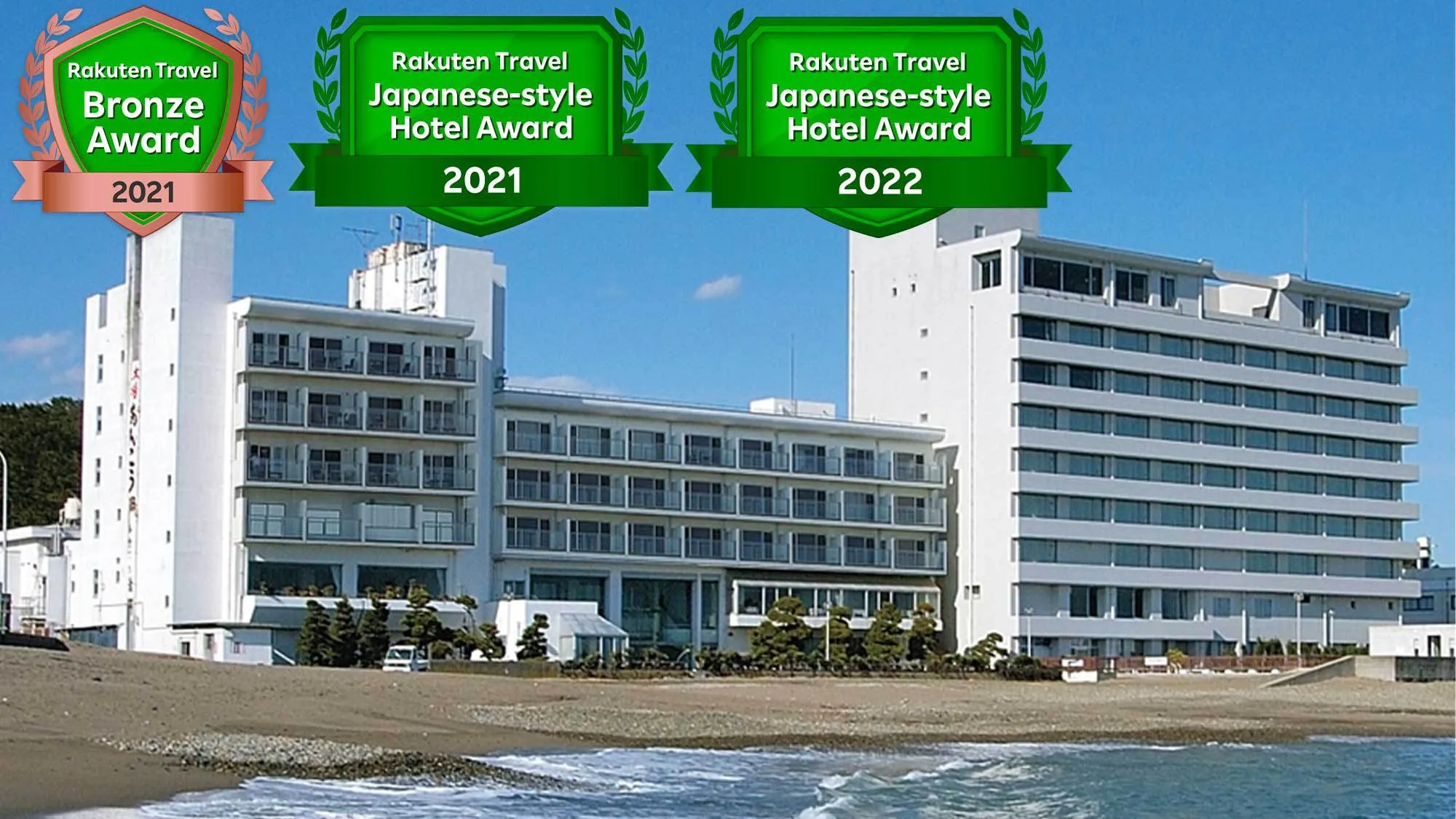
Oarai Hotel
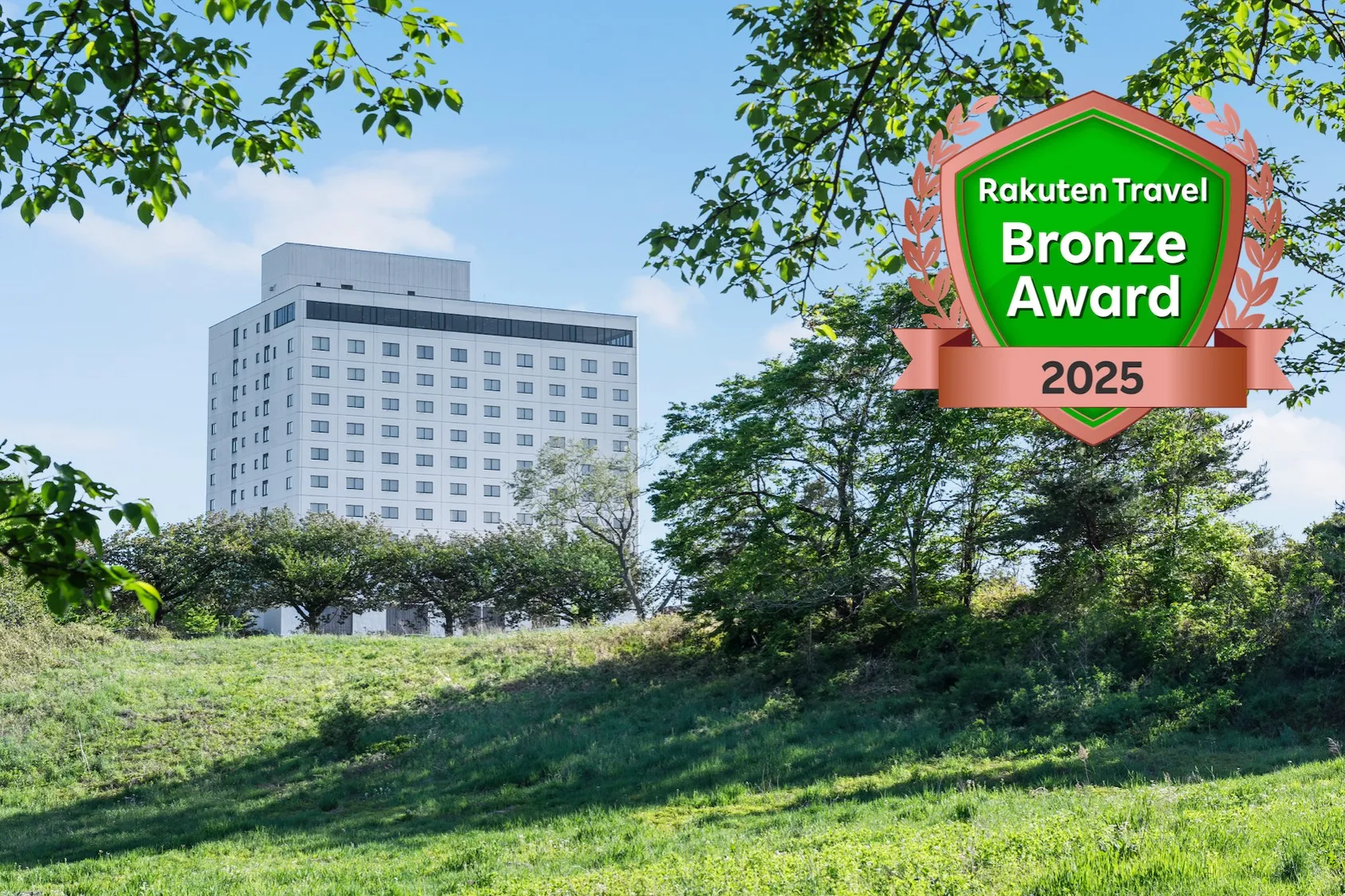
Grand Mercure Nasu Highlands Resort & Spa
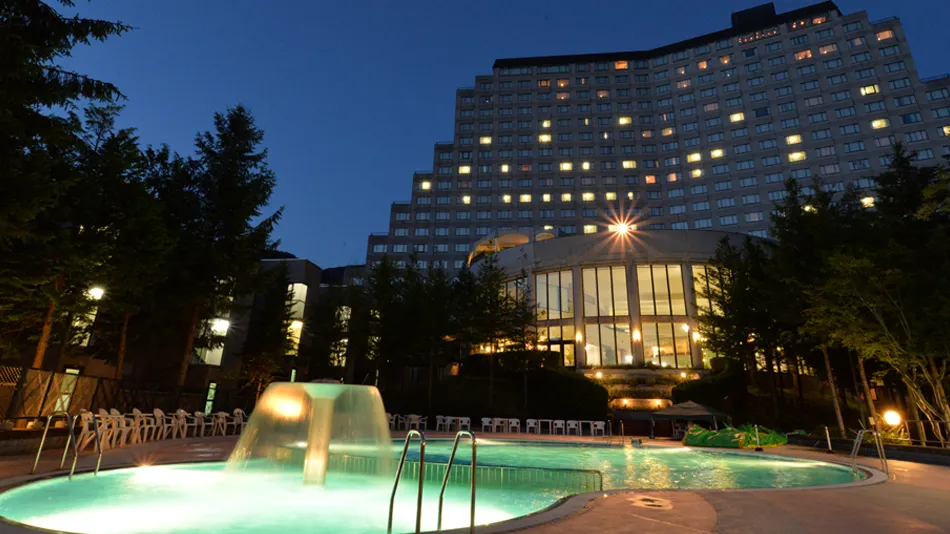
Hotel Listel Inawashiro Wing Tower
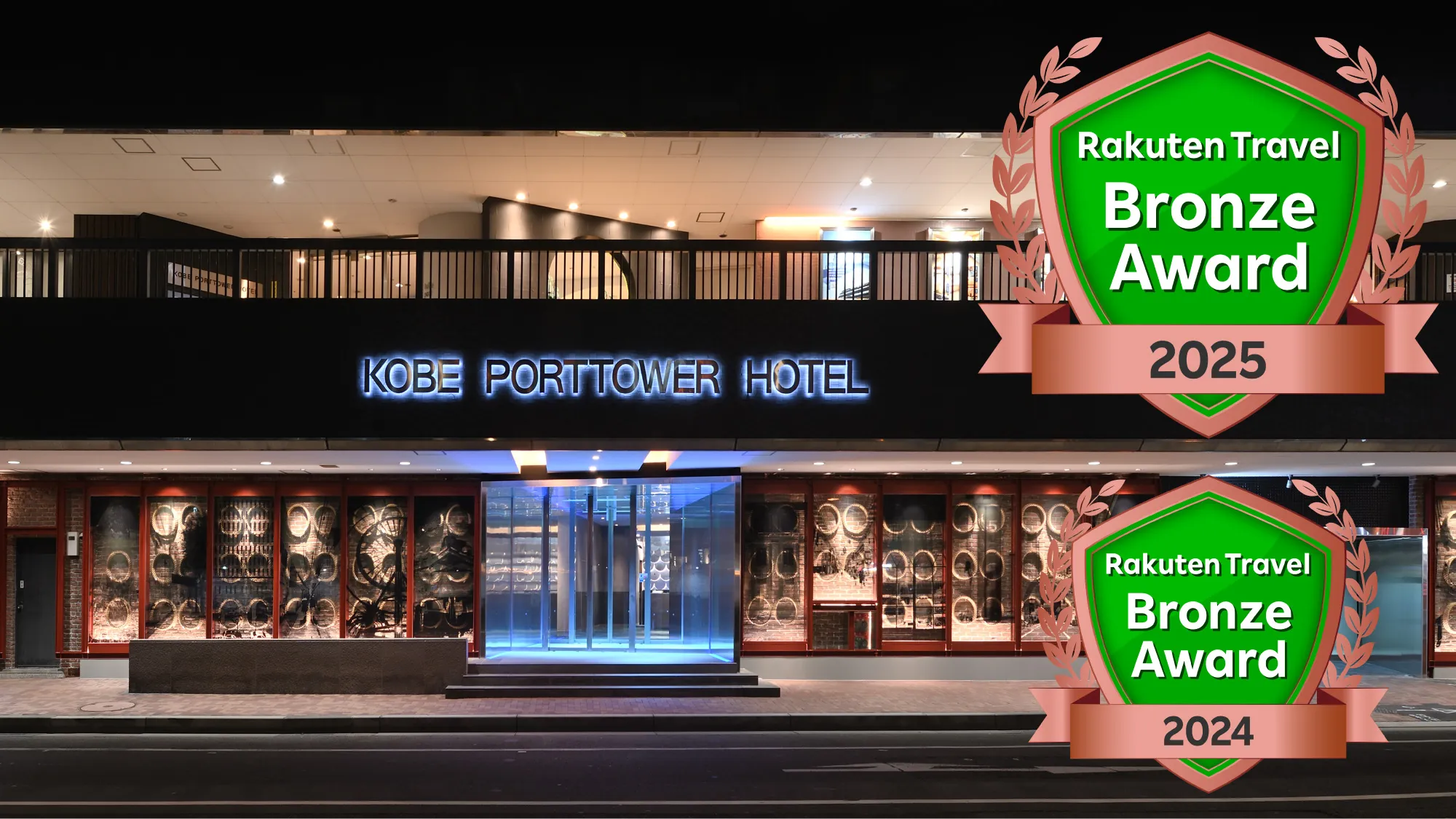
Kobe Port Tower Hotel Nagomi no Yu
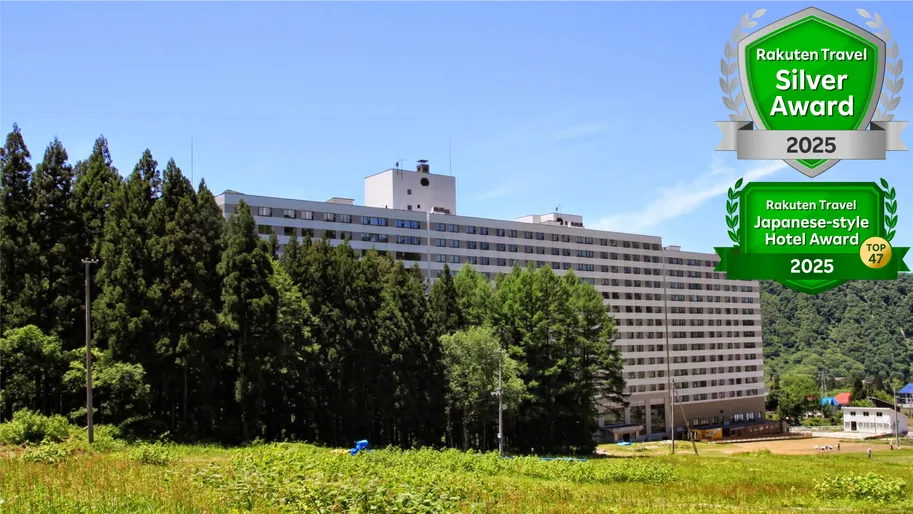
Angel Grandia Echigo Nakazato

Todaya
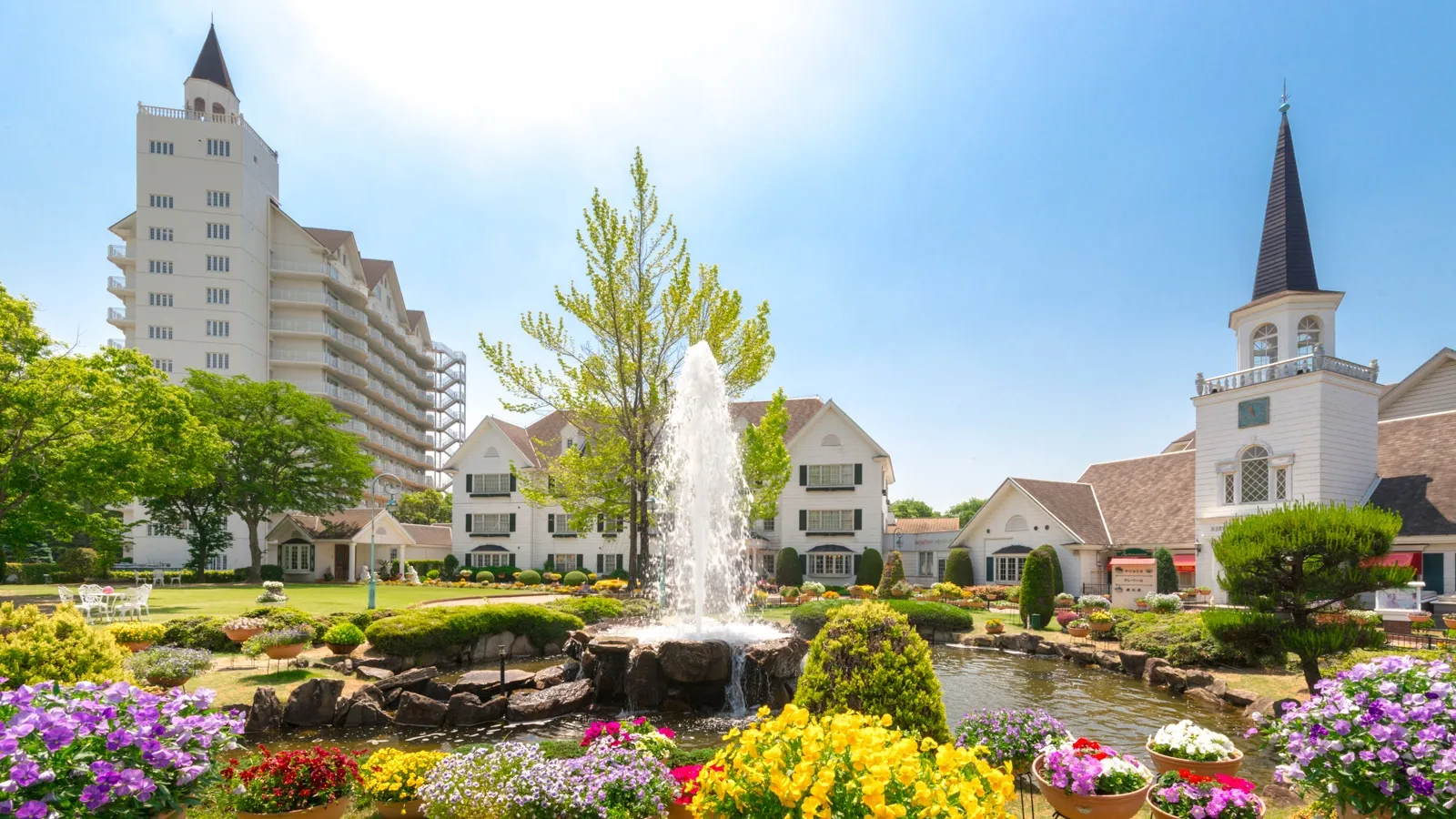
Hotel Green Plaza Tojoko

La Vista Minamiaso
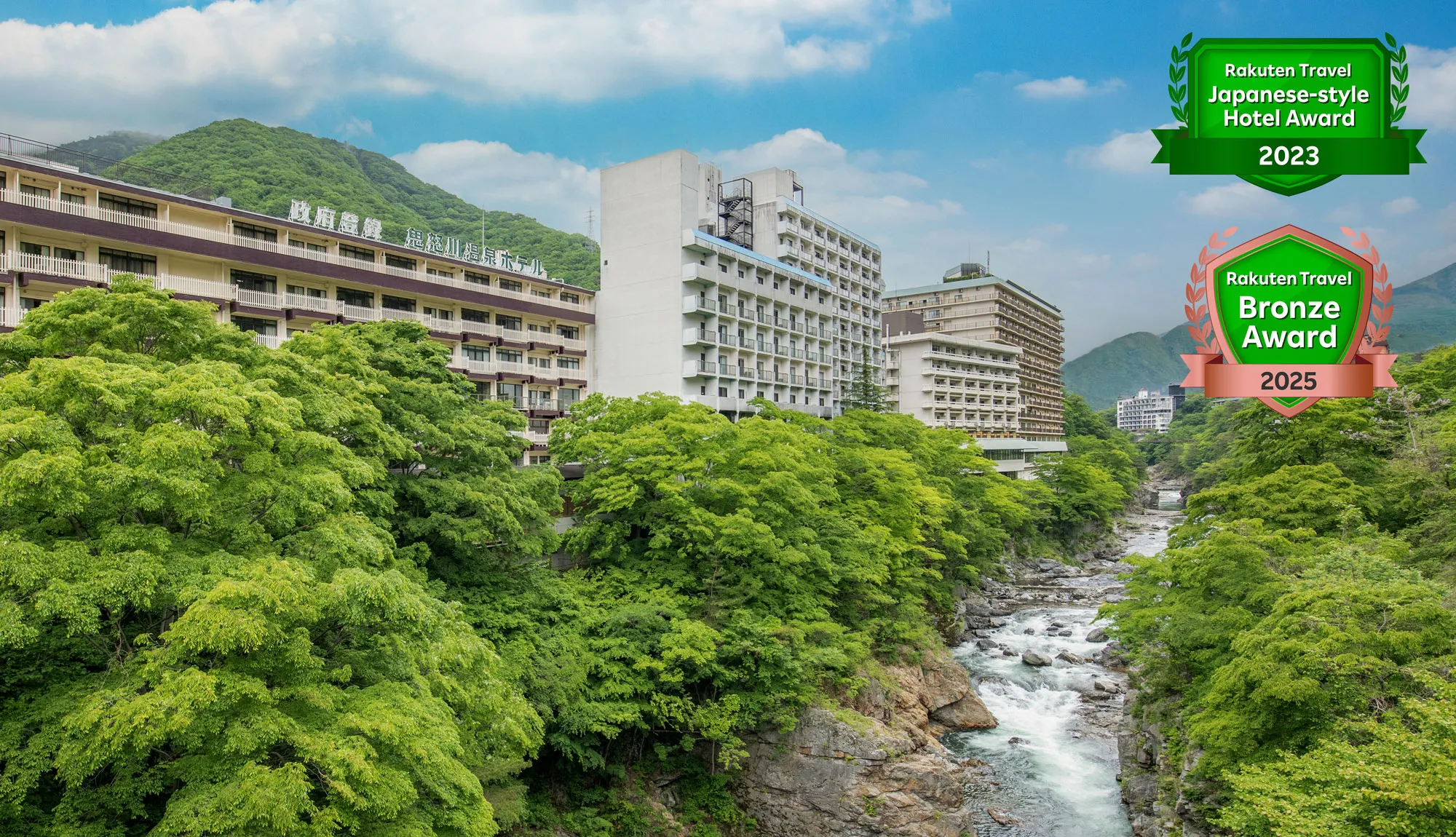
Kinugawa Onsen Hotel
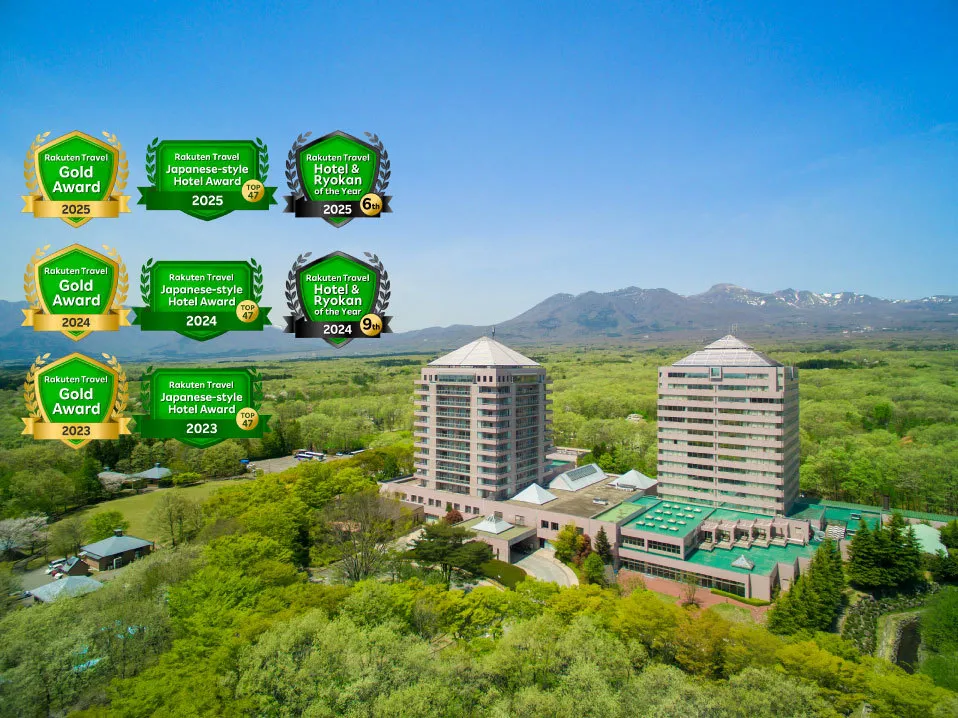
Hotel Epinard Nasu
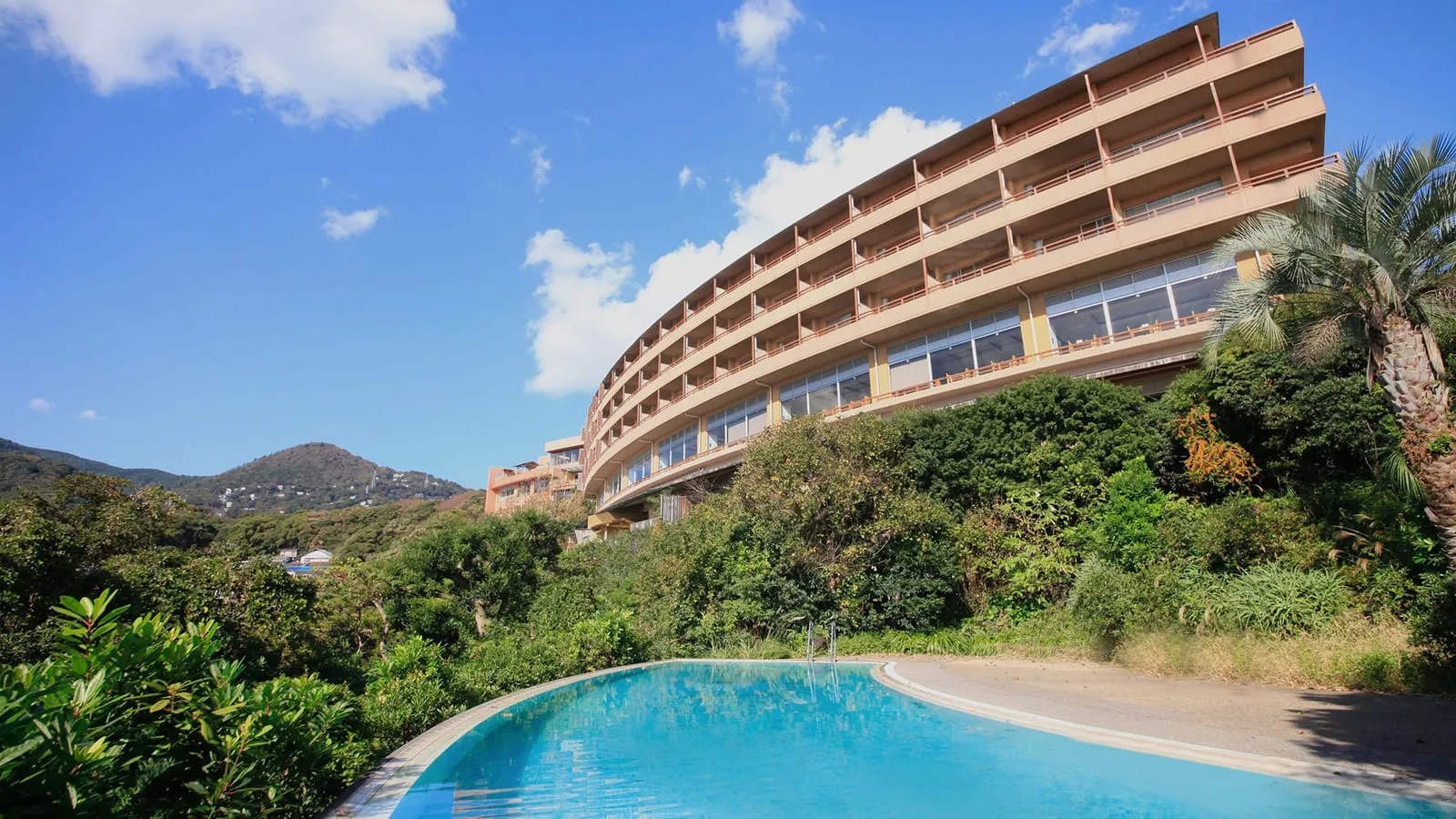
Pleasure Resort Izu Akasawa Onsen (Akasawa Onsen Hotel)
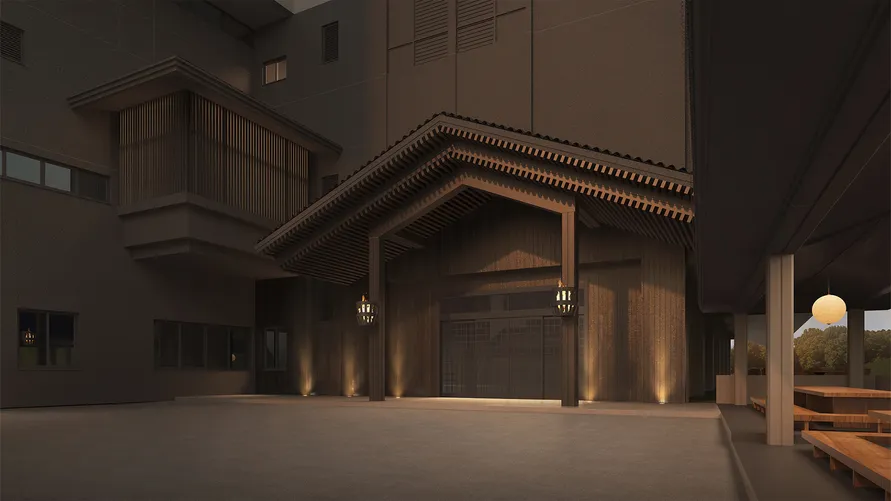
Gensen Itto Iwate Shizukuishi
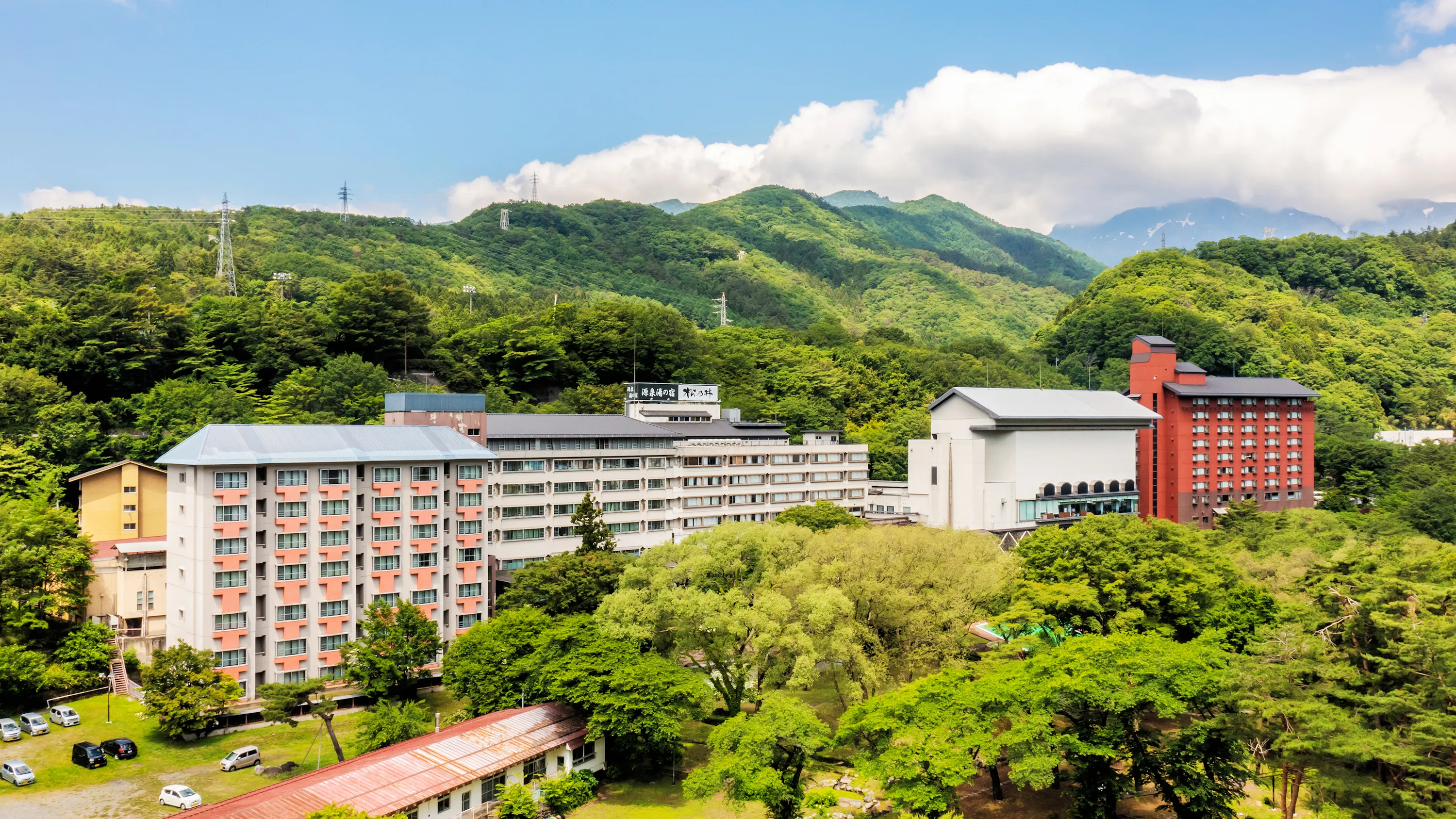
Ooedo Onsen Monogatari Premium Matsunoi
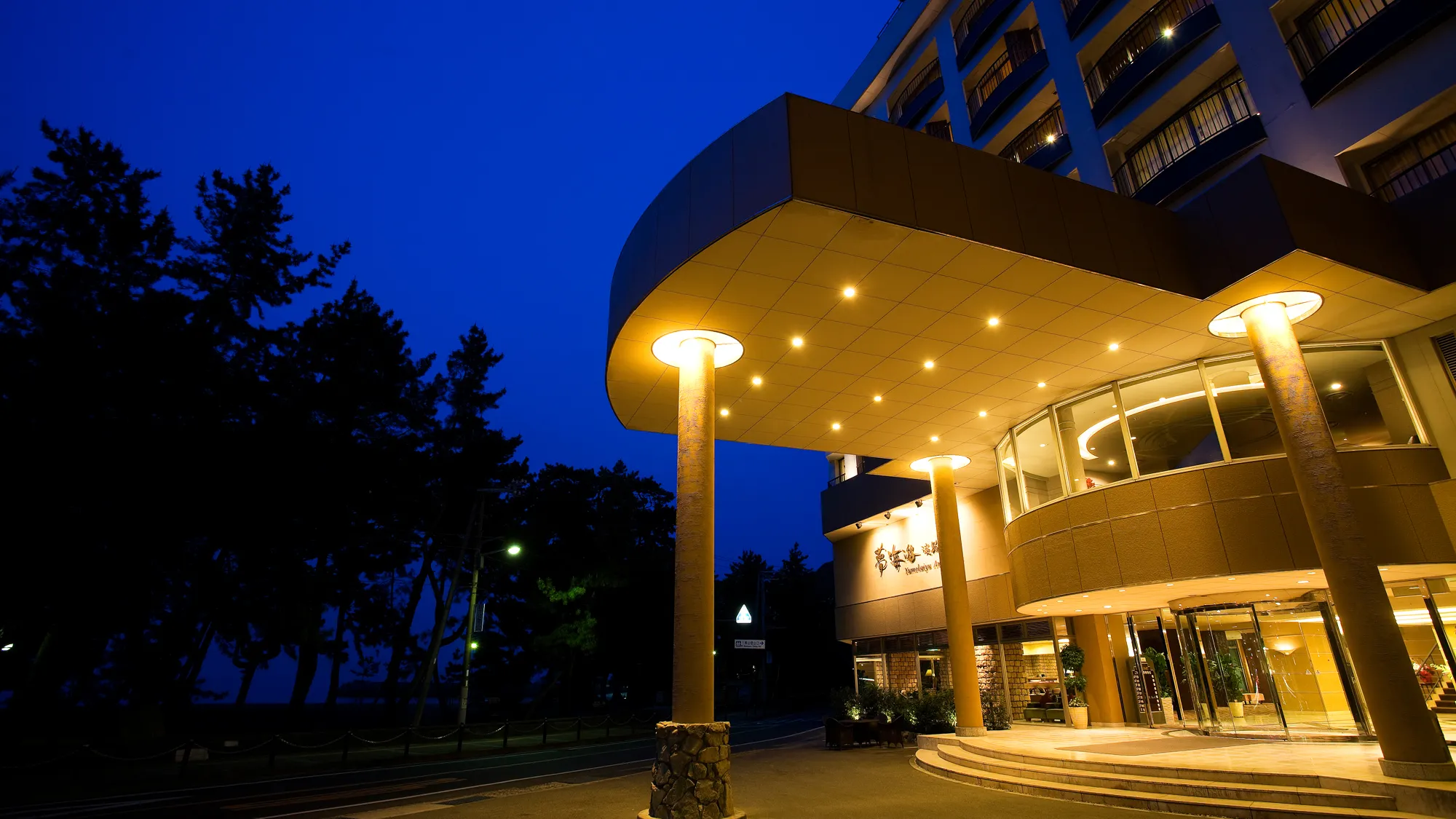
Yumekaiyu Awajishima
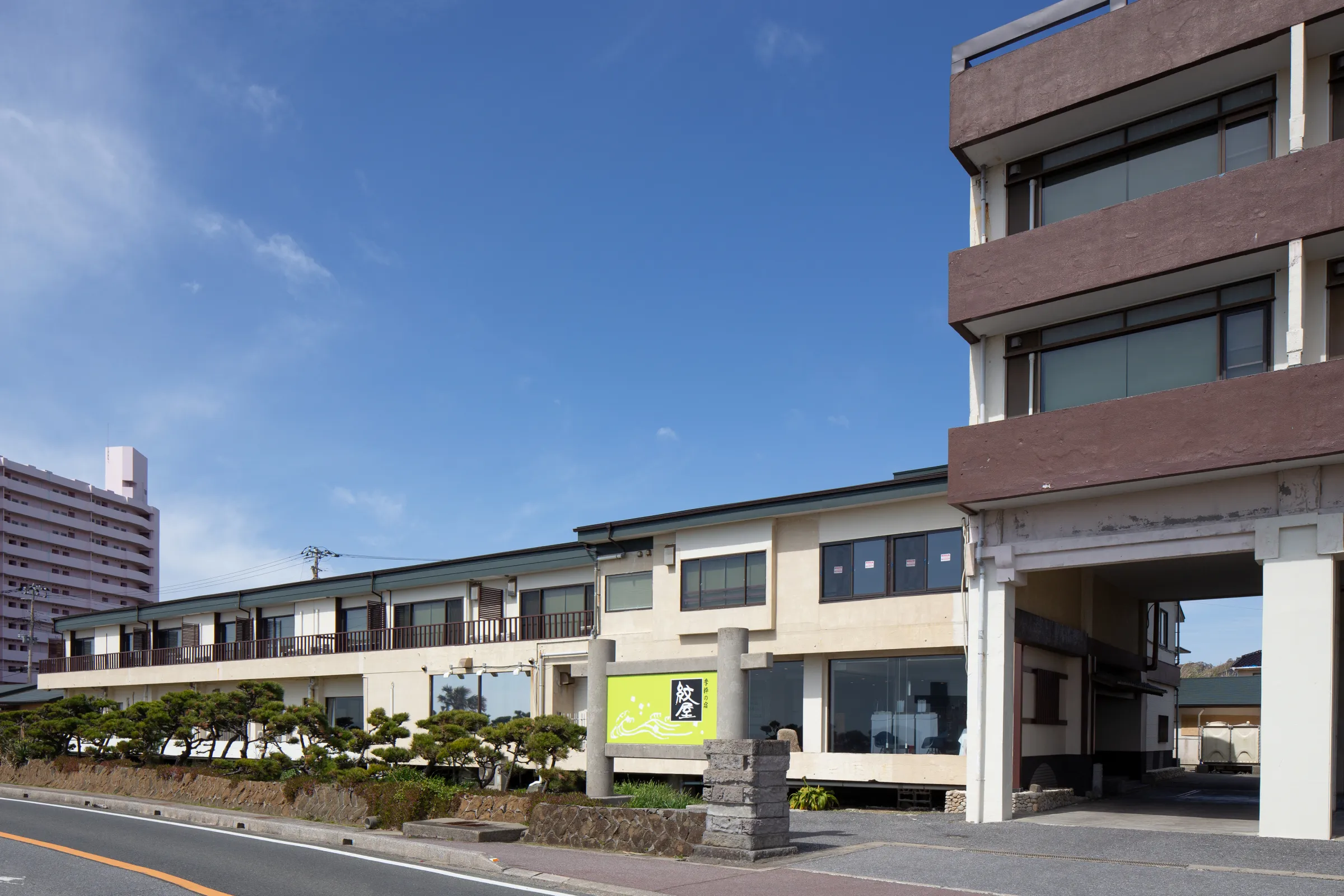
Kisui no Yado Monya
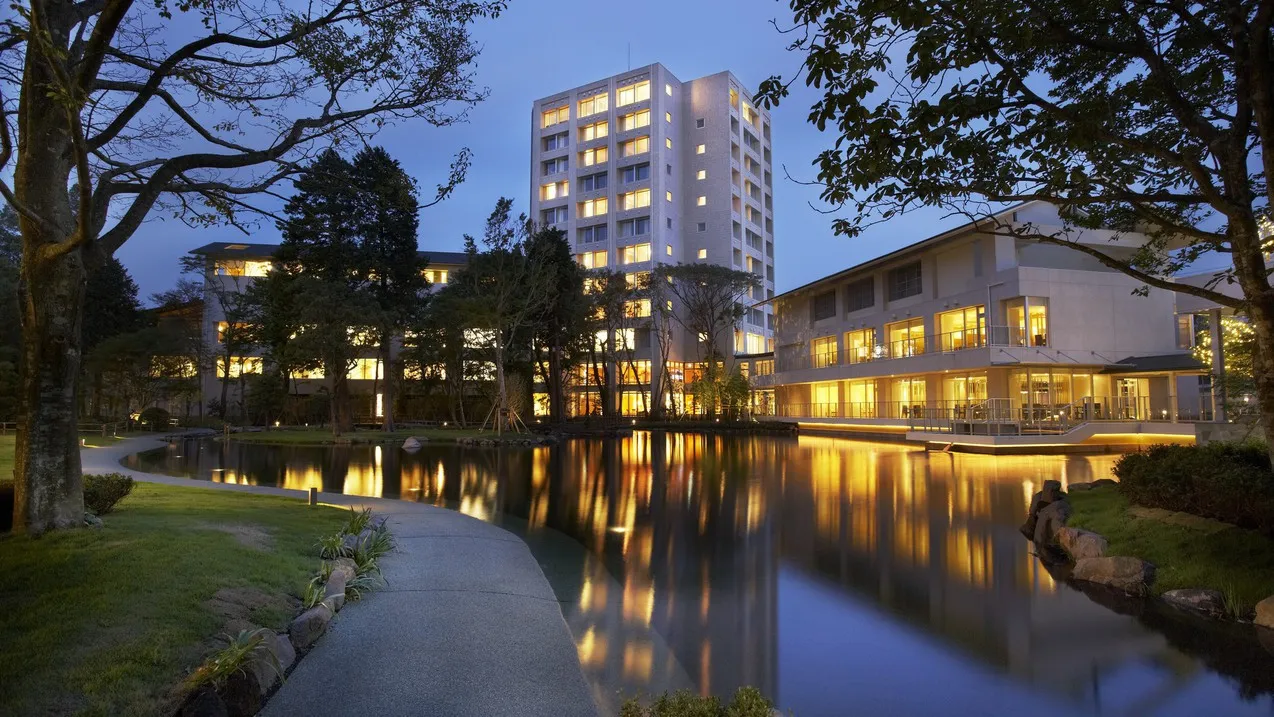
Mars Garden Wood Gotemba
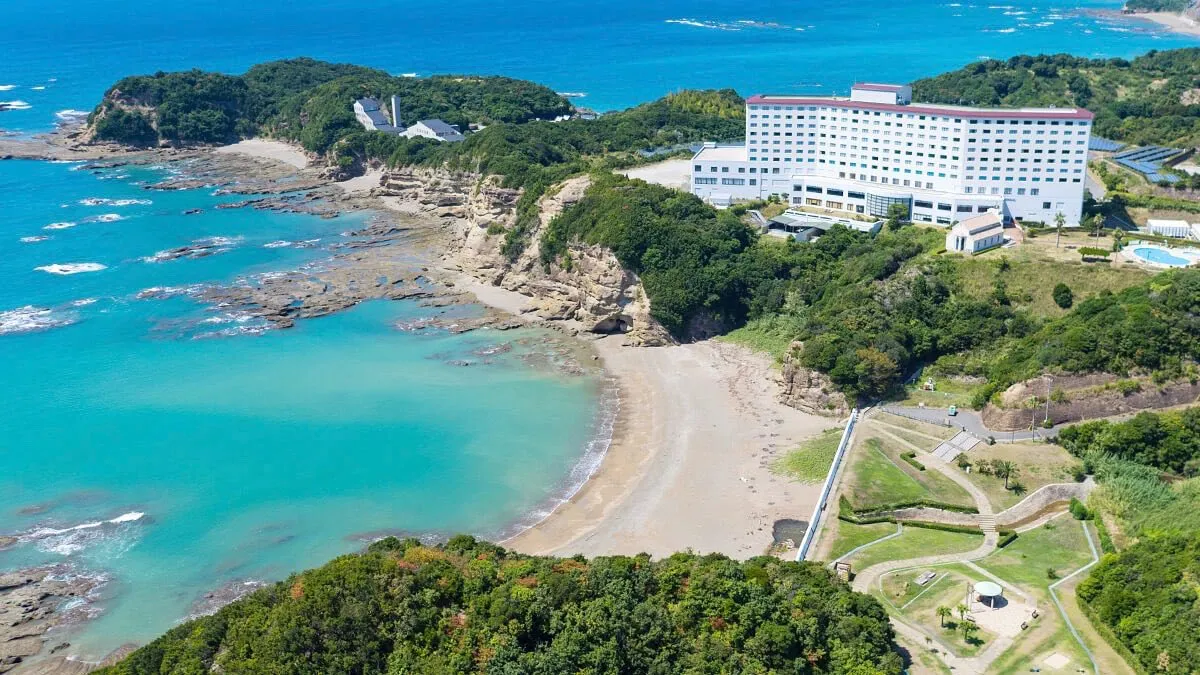
Grand Mercure Wakayama Minabe Resort & Spa
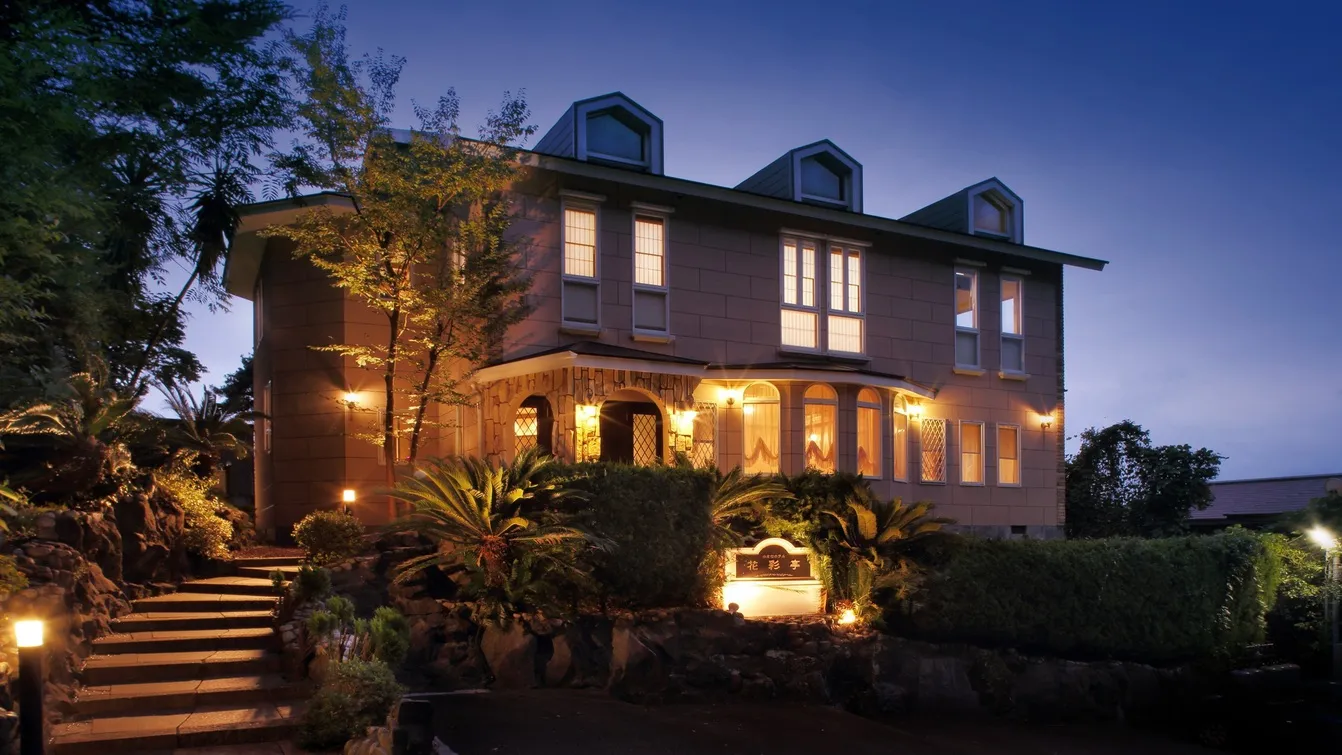
Izu Kogen Hanairotei
Kirishima Bijin no Yu Yuyuan
"Japanese / Japanese-Western Room" hotels by area
Related features
Frequently Asked Questions
What ages are Japanese and Japanese-Western rooms best for?
expand_more
They work especially well for children around ages 0 to 3, including the crawling stage. When a baby has just started rolling over, futons laid side by side make it easy to sleep next to your little one, and once crawling begins, your baby can move around freely on the tatami. For new walkers, tatami cushions a tumble better than a hard floor, and sleeping on a futon means there is no bed to climb up and fall from, which makes these rooms easy to manage.
Will the property provide a futon for my baby in a Japanese-style room?
expand_more
The number of futons and whether extras can be added depend on the property. Some lend out baby futons separately, while others offer adult futons only. If you tell them how many futons you need and whether you want a baby futon when you book, it is easier to picture how your child will sleep that night.
Which is better for families, a Japanese room or a Japanese-Western room?
expand_more
If you want everyone to sleep side by side, a tatami-focused Japanese room is the way to go. If an older child is at the stage of wanting to sleep alone, a Japanese-Western room, where you can separate the bed from the futons, is more convenient. The right choice depends on your children's ages and bedtime routines, so compare the layouts and sleeping setups to decide.
Which areas have the most properties with Japanese or Japanese-Western rooms?
expand_more
The Fuji Five Lakes and Mt. Fuji area has many properties with tatami rooms, and their share within the area is above the national average. They are also easy to find in hot spring towns and seaside resorts such as Hakone, Minami-Boso, Nanki-Shirahama, and Beppu Onsen, and areas with many ryokan (traditional inns) tend to offer an even wider selection.