
Japan Hotel Child Rates and Free Co-Sleeping, Explained
This site uses affiliate links; we may earn a commission on bookings.
Note: Counts such as "more than 500 properties" come from the facility data of hotels listed on Kids Stay (as of September 2026, not the total number of hotels in Japan)
In Japan a young child very often stays free, but free has a narrow meaning: your child shares your bedding, receives no meal, and is not counted as a person in the room. The age at which free ends, and what happens once a meal or a futon is added, is set by each hotel rather than by any blanket rule on the booking sites. This guide explains the categories Japanese hotels price by, so you can read a room description, pick the right line, and arrive with no surprise at the front desk.
The three tiers a Japanese hotel prices by
Japanese hotels start from where a child sits in the school system, then from what they must physically provide.
Age decides only three things
The same three tiers appear across the major Japanese booking sites.
| Tier | Who it covers | How the price is set |
|---|---|---|
| Adult | Junior high school age and above | Adult rate |
| Elementary student | Elementary school age | A child rate set by each hotel |
| Preschool child | Birth up to the start of elementary school | Priced by the services provided, not by age |
Some sites split elementary students into lower and upper grades, others use one line, but the boundary is the same: the line that matters is the first day of elementary school, not a birthday.
Below school age, the services set the price
For a child under elementary school age, the amount changes with whether the hotel prepares a meal and whether it lays bedding. A one year old and a five year old can sit in the same line, or in different lines, depending only on what you ask for. That is why the question of how old a preschool child is has no site-wide answer in Japan.
The age bands you know apply to hotels outside Japan
If you are used to 0 to 1 as an infant, 2 to 11 as a child and 12 and over as an adult, that system does exist on Japanese sites, but it is what they use for hotels abroad. Inside Japan you meet the school-stage system above.
The four preschool categories, and how to choose one
For a child under school age, a Japanese booking page offers four lines. The wording varies, but every version means the same four combinations of meal and bedding.
The four lines
| Category | What the hotel prepares | Who it usually suits |
|---|---|---|
| Meals and bedding | A children's meal and the child's own futon or bed | A child who eats a kids' plate and sleeps in their own bedding, roughly ages 3 to 5 |
| Meals only | A children's meal, no bedding | A child who eats properly but still sleeps beside a parent |
| Bedding only | A futon or bed, no meal | A child who brings their own baby food but needs their own space |
| Neither, co-sleeping | Nothing is added | A child fed by nursing or from a parent's plate, roughly ages 0 to 2 |
The ages are only a guide. Two questions settle it: can your child eat from your plate tonight, and can your child sleep through in your bedding?
How the amount is displayed
The child price for each line appears in one of four shapes: a percentage of the adult rate, a fixed amount off the adult rate, a flat amount, or not accepted, meaning that plan takes no child in that line.
One onsen ryokan listed on a Japanese booking site mixed these shapes in a single price list (as of August 2026, before tax): elementary students at 70 percent of the adult rate, a preschool child with meals and bedding at 50 percent, meals only at 30 percent, bedding only at a flat ¥3,000, and co-sleeping at a flat ¥2,000. Percentages and flat amounts can be mixed inside one hotel, so trust only the total that appears after you enter your dates and party.
Meals follow the adult plan, not the category name
If the adults have a room-only or breakfast-only plan, a child booked in a line whose name includes meals still gets only what the adults get. Check the plan's meal count first, then pick the child's line, or you pay for a dinner nobody is served.
What free actually covers, and why the age line moves
Free co-sleeping is real and common, but it covers the sleeping space and nothing else.
Free means space beside you, not a service
A child in the free line gets no futon and no meal. Amenity sets, breakfast seats and parking guidance are prepared from the number of people you declare, not the number who walk in, so a child you never mentioned may have nothing waiting. Some hotels state plainly that a co-sleeping child gets no amenity set.
The age limit is each hotel's own decision
Across Kids Stay's published data of over 2,000 verified hotels (as of September 2026), the verified description of over 670 hotels mentions free co-sleeping. Among those, over 320 describe the limit as preschool age, meaning up to age 5 or 6, over 200 name a cutoff at age 2 or 3, over 250 allow it up to elementary school age, and over 20 stretch it to under 18. Some texts name two lines, a free band and a paid band above it, so those groups overlap.
Age 3 and the start of school are the pivots
Around age 3 hotels start charging: some from 3, some from 4, some keep 0 to 2 free and treat older preschoolers as paying guests, and at least one judges the age as of the night of the stay rather than at booking. From elementary school, some hotels stop accepting co-sleeping, and some city hotels charge the full adult rate for any child who occupies a bed.
Three hotels in our data draw three different lines. At Hotel Green Plaza Hakone, children ages 0 to 2 stay by co-sleeping, and preschoolers from age 3 pay 50 percent of the adult rate with meals and bedding. At Chateraise Gateaux Kingdom Sapporo, co-sleeping is free for ages 0 to 2, while children from 3 up to school age pay a facility usage fee. At Kafuu Resort Fuchaku Condo Hotel in Okinawa, every child under school age co-sleeps free, one child per adult, and is not counted toward capacity.
hotelHotels whose verified text spells out how co-sleeping works
Conditions differ by hotel, from ages 0 to 2 through to elementary school age, and some set the rule by bedding rather than by age.
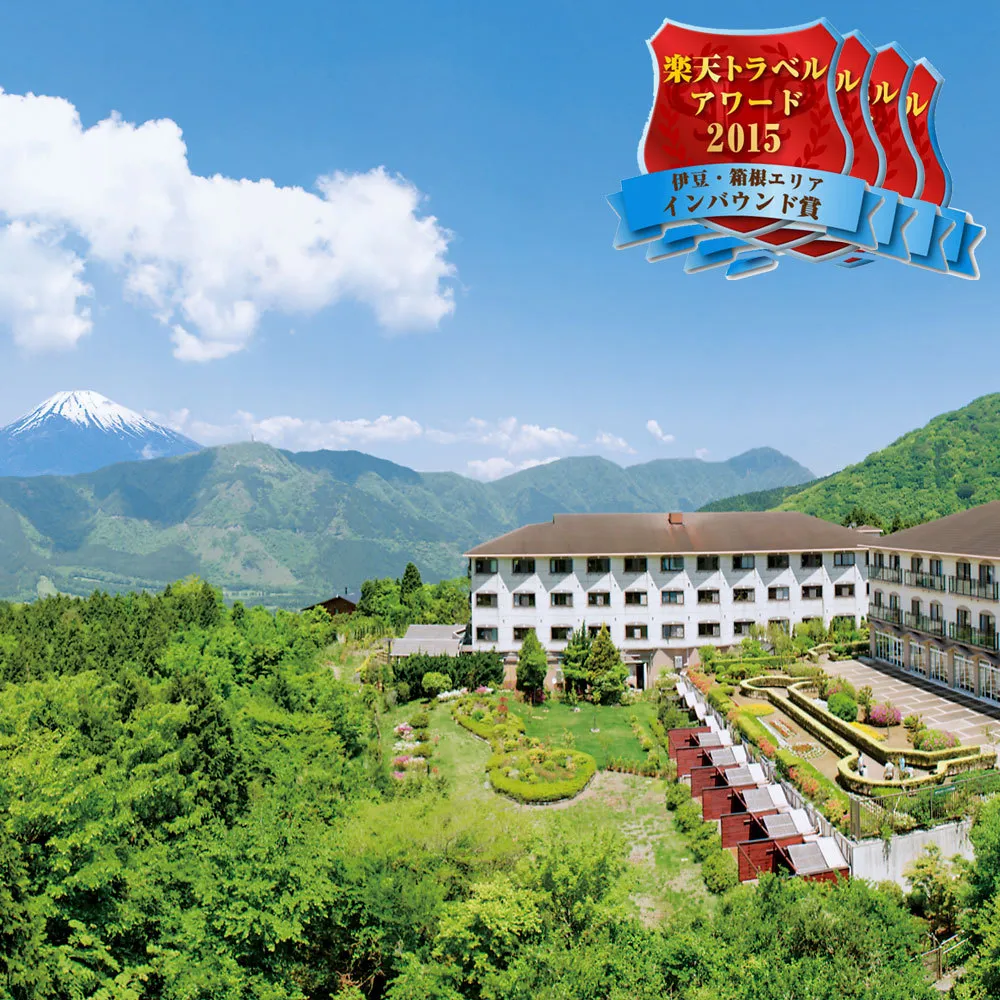
Hotel Green Plaza Hakone

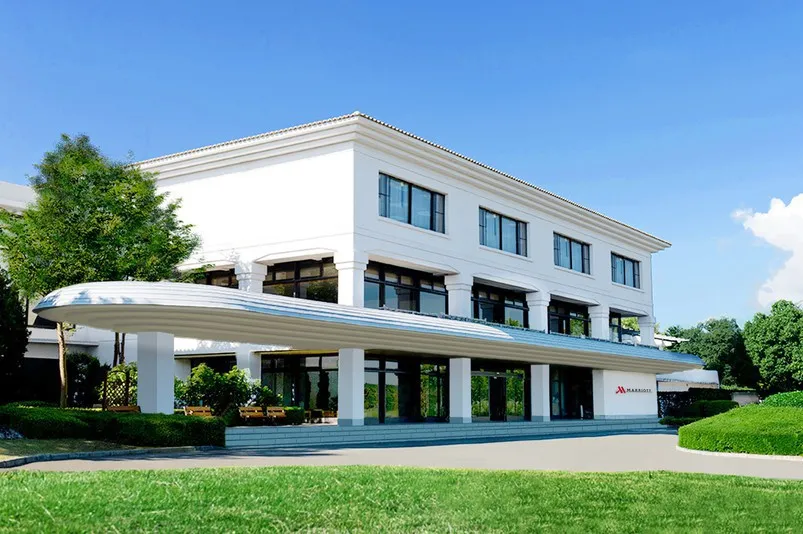
Lake Biwa Marriott Hotel
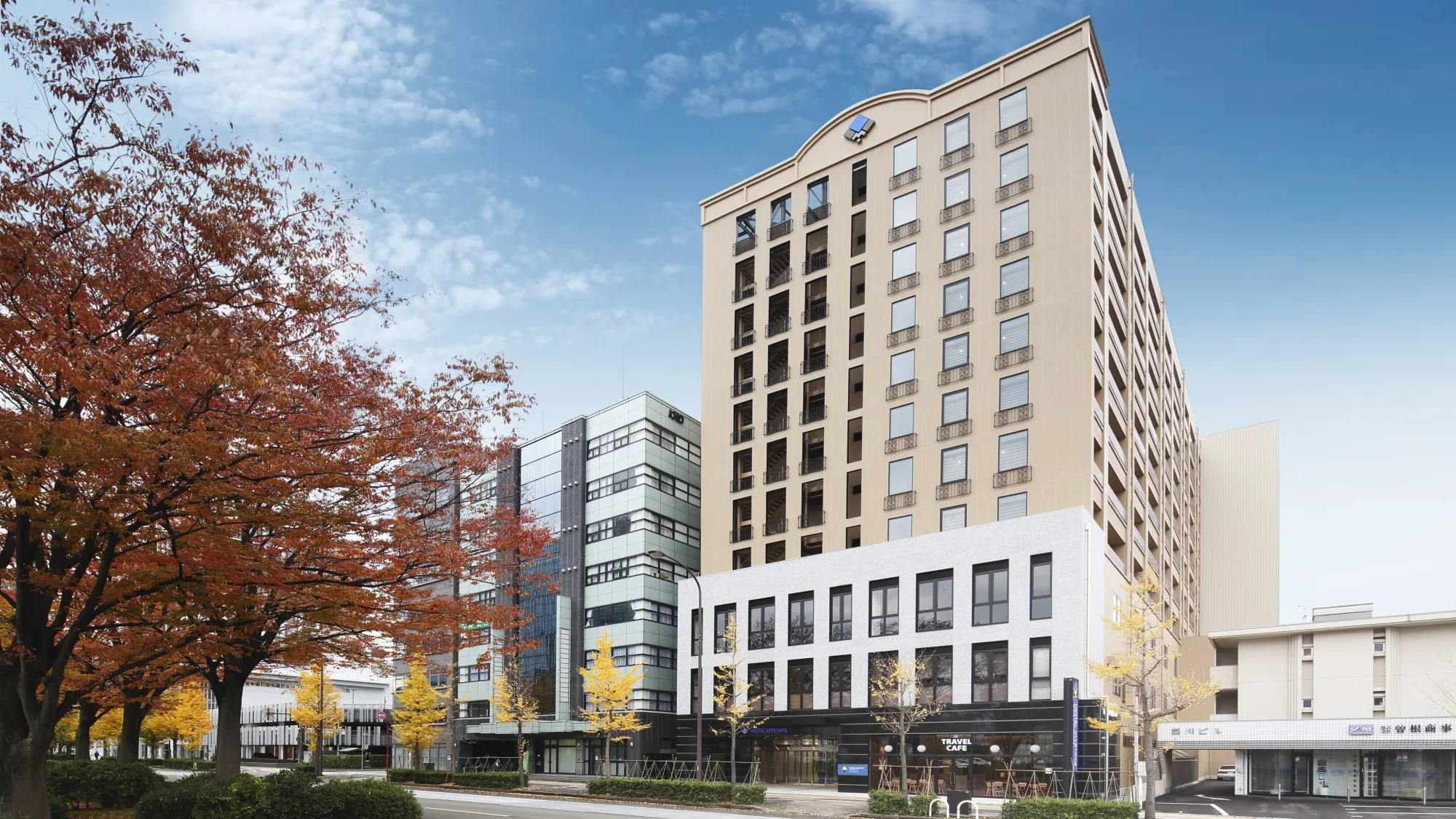
Hotel MyStays Premier Kanazawa
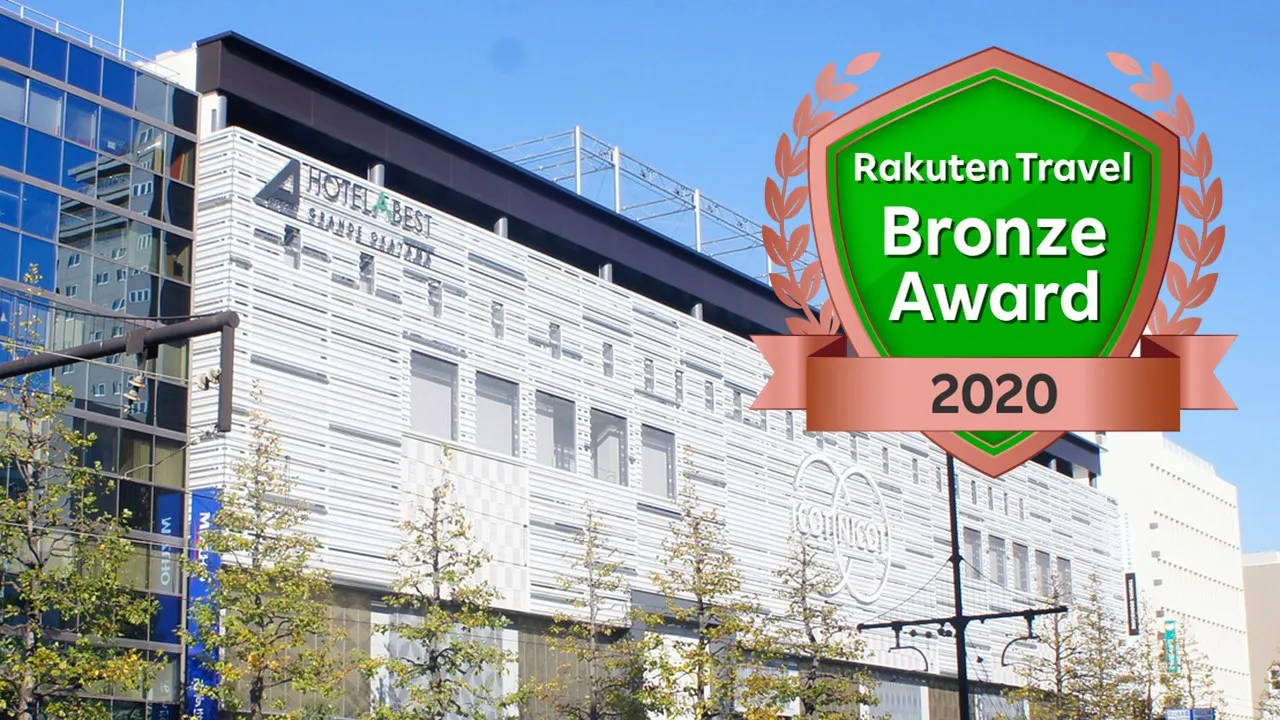
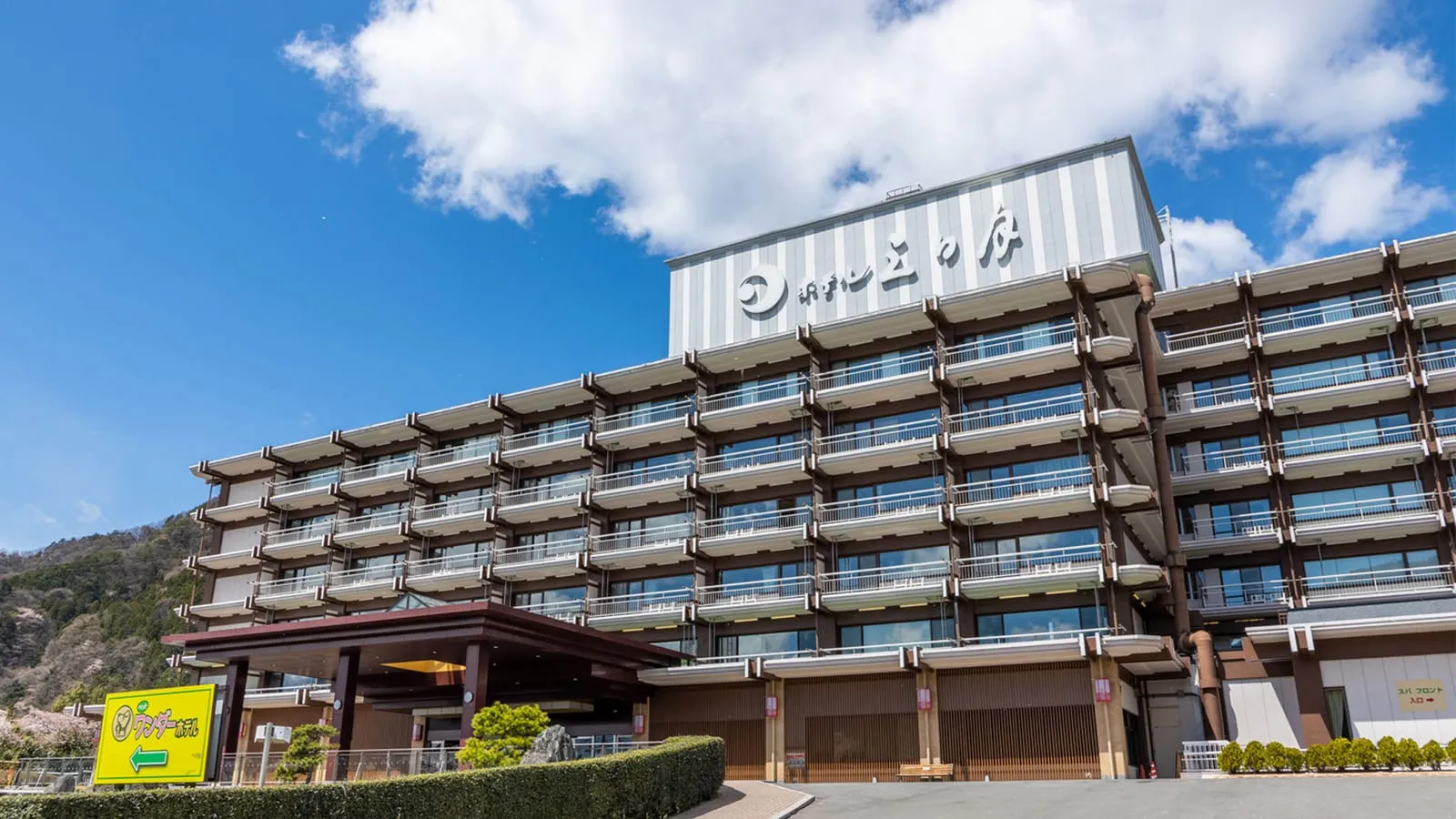
Hotel Abest Grande Okayama Nagomi no Yu
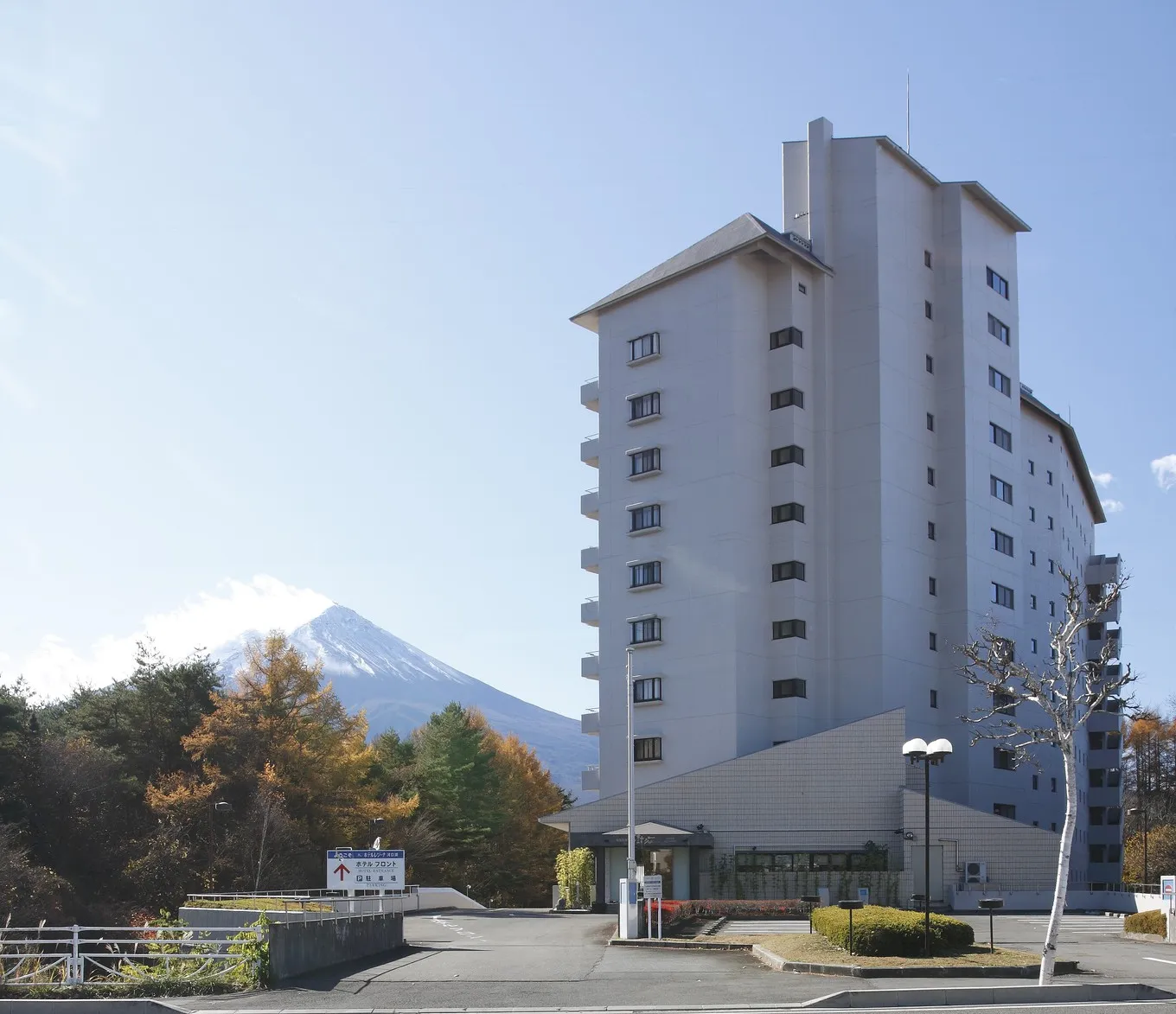
Hotel Regina Kawaguchiko
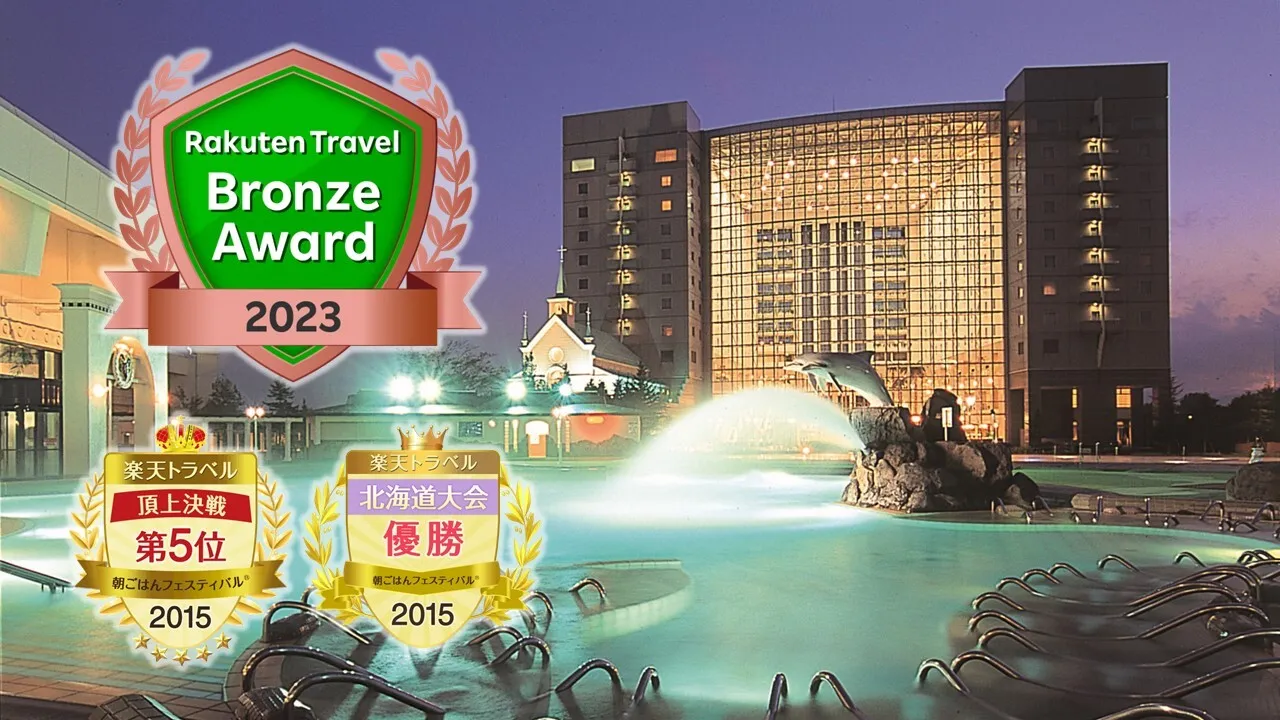
Chateraise Gateaux Kingdom Sapporo

Kafuu Resort Fuchaku Condo Hotel
Read the age line on the exact plan you are booking. One hotel can set different rules on different plans.
Where your child sleeps, and how the room counts heads
Co-sleeping is not the only option, and the choice decides whether a hotel even appears in your search results.
What hotels lend
From the same data, over 600 hotels lend a crib, over 460 lend a baby futon set, over 290 lend a bed guard, and over 190 have low beds. Over 1,200 have a Japanese-style or Japanese-Western room, where futons lie side by side on tatami and there is no bed to fall from. Among the hotels that mention free co-sleeping, over 300 also lend cribs and over 80 lend baby futons, so free and well equipped are not opposites. Borrowed gear is limited and often needs reserving in advance, so ask when you book. The full comparison is in our baby sleeping arrangements guide.
A futon counts as a person, a co-sleeping child does not
Capacity on a Japanese booking site is set as the number of futons or beds that can be laid out. A child who uses bedding counts as one person even when the child pays nothing, and a child who co-sleeps with none is not counted. That is why a room listed for four can host two adults and three children, and it explains the commonest booking failure: enter a party over capacity and the hotel vanishes from the results, so the hotel looks unavailable when a room was there.
The limit that is not written as an age
Where hotels set no age they set a bedding rule: one co-sleeping child per futon, per bed, or per adult. Two adults with two co-sleeping children usually clears it. A room also has a legal capacity under fire safety rules, and a hotel may contact you after a confirmed booking to ask you to take a second room, so message the hotel first if you are planning three or more children co-sleeping.
articleRead next
Where the baby sleeps, how a family of five fits into Japanese rooms, and how hotel and ryokan pricing differ.


Three worked examples
No prices here, because the amounts are each hotel's to set, but the logic holds everywhere.
A baby aged 14 months
Book the co-sleeping line, neither meal nor bedding. At most hotels this is free or a small flat amount, and the baby adds nothing to capacity, so a room for two adults works. Declare the baby anyway and request a crib in the same message. If you would rather the baby had a separate surface, the bedding only line makes the baby count as one person in the room.
A four year old
All four lines are genuinely open at this age. Eating a kids' plate and sleeping in their own futon means meals and bedding, the most expensive line. Eating well but still sleeping against you means meals only, a lower percentage in the ryokan example above. Bringing their own food but needing space means bedding only, a flat amount in that example, so it did not rise in high season. Adding bedding is a statement that you are not sharing your futon, and adding it later at the desk is not always possible.
Two children aged 3 and 7
The seven year old is an elementary student, so the preschool lines do not apply: that child goes on the hotel's elementary scale, 70 percent of the adult rate in the ryokan example, and counts as one person once a bed or futon is used. The three year old sits on the pivot, still free where the line is school age, already charged where it is age 2. Count capacity as two adults plus one child with bedding, with the three year old adding none if co-sleeping.
Booking a Japanese hotel from overseas
International sites rarely show these four lines, so describe the child in plain words and let the hotel place them.
Declare the child even when the child is free
Some hotels ask you not to enter a free child in the headcount field, because a line with no price set breaks their search, and to write the age and number in the free-text field instead. The field changes, the obligation does not: the hotel has to know a child is coming.
The words to write
Five words cover almost every request, and staff recognize them in Japanese even when the reply comes back in English.
| Japanese | Romaji | Meaning |
|---|---|---|
| 添い寝 | soine | Co-sleeping, sharing an adult's bedding, none of the child's own |
| 幼児 | yōji | A child below elementary school age |
| 小学生 | shōgakusei | An elementary school student |
| 食事 | shokuji | A meal |
| 布団 | futon | The bedding laid out on the floor |
A request that works: we are two adults and one child aged 1 year and 8 months, the child will be 添い寝 (soine) with no 食事 (shokuji) and no 布団 (futon), please include the child in your room total, and we would like to borrow a crib if one is available. Add allergies and any baby food you plan to warm to the same message.
What to confirm before and on arrival
Confirm in writing which category the hotel has placed your child in, and what that includes.
Ask whether the crib, baby futon or bed guard is reserved for your dates, not merely available in general.
Check the cancellation deadline at the same time. Cheaper plans carry the strictest terms, and children get fevers.
On arrival, check the child count on your registration card so the final bill holds no surprises.
Find hotels for this article's conditions
Find hotels for this article's conditions
Hotels that lend a crib or a baby futon set, already filtered. Add your area and party size to narrow it to verified hotels.
The short version
- Japanese hotels price by school stage first, then by what they physically provide
- Below elementary school age the four lines are meals and bedding, meals only, bedding only, or neither
- Free almost always means co-sleeping with no meal and no bedding of their own
- The age at which free ends is the hotel's choice: most often preschool age, sometimes 2 or 3, sometimes school age
- A child with bedding counts as one person toward capacity, a co-sleeping child does not
- Declare every child, ask for the crib or baby futon when you book, and read the small print on the plan
FAQ
Do children really stay free in Japanese hotels?
Often yes, in the specific sense that a child who shares a parent's bedding and takes no meal is charged nothing or a small flat amount. In our data the verified description of over 670 hotels mentions free co-sleeping. No booking site sets a blanket rule, so read the age limit on the plan you are booking.
Up to what age is co-sleeping free?
Each hotel sets its own line. In our data over 320 hotels describe the limit as preschool age, over 200 name a cutoff at age 2 or 3, over 250 allow it up to elementary school age, and over 20 go as high as under 18. Some judge the age as of the night of the stay rather than the booking date.
My child is free, so should I leave them out of the booking?
No. Even where a hotel asks you not to enter a free child in the headcount field, it asks you to write the age and number in the free-text field. Amenities, breakfast seats and parking guidance come from the declared party, and adding a child after confirmation often means canceling and rebooking.
What is the difference between the meals only and bedding only lines?
Meals only prepares a children's meal but no futon, so your child sleeps beside you. Bedding only lays a futon or bed but serves no meal, which suits a child who brings their own food and needs their own space. The second makes your child count as one person toward capacity, the first does not.
Can I add a futon at the hotel if co-sleeping does not work?
Sometimes. Some hotels take a request on arrival for a fee, and one onsen hotel listed on a Japanese booking site quoted ¥1,100 including tax for a futon for a child aged 1 to 3. Others cannot add bedding once the room is assigned. If you are unsure your child will settle in your bedding, book the bedding only line from the start.
Related articles

Seasonal collections
Autumn Leaves With Kids
Peak color timing, plus hotels in autumn leaf areas you can manage with a baby or toddler, from Hokkaido to Kyushu
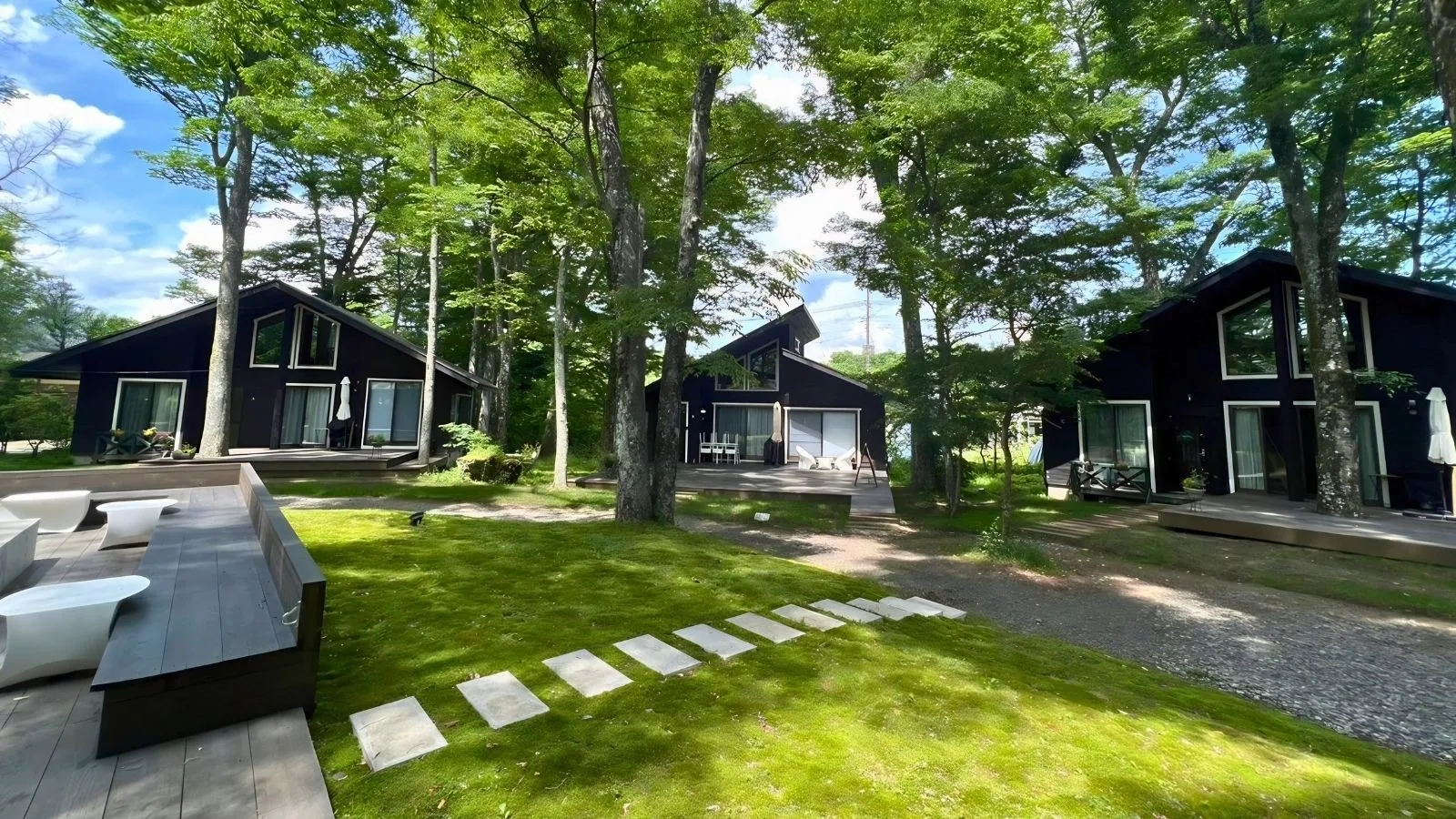
Autumn Cottages and Glamping
No one else to worry about, at your children's own pace. Areas with self-catering villas, cottages, and glamping, from north to south
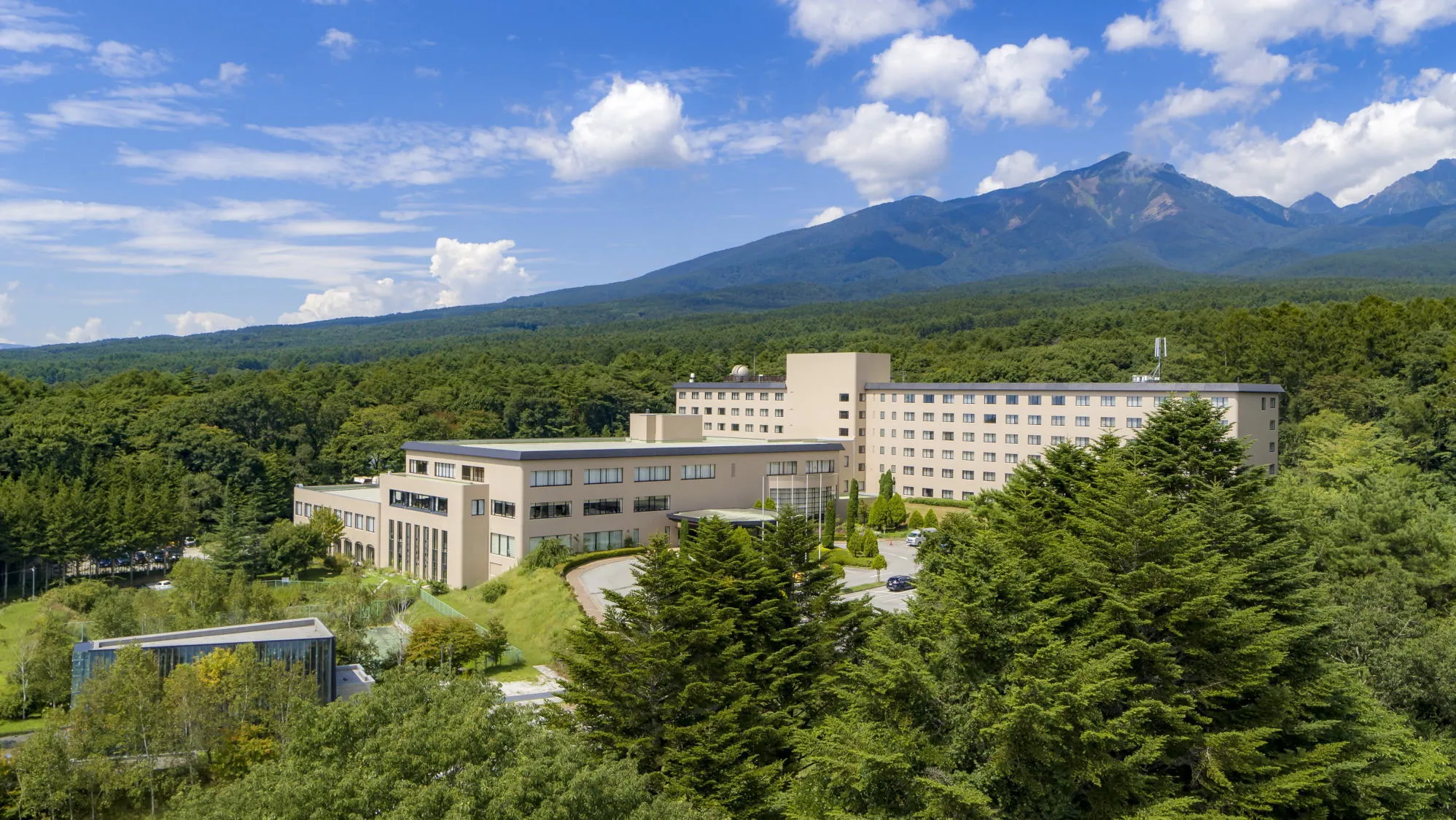
Autumn Highland Play
In the season that is neither hot nor cold, find hotels where kids can run around outside. Highland areas with outdoor play areas and adventure courses, from north to south
Autumn Long Weekends With Kids
Skip the crowds and traffic with hotels where short travel and on-site or nearby fun are enough. Four ways to spend it: highlands, hot springs, the sea, or a large resort
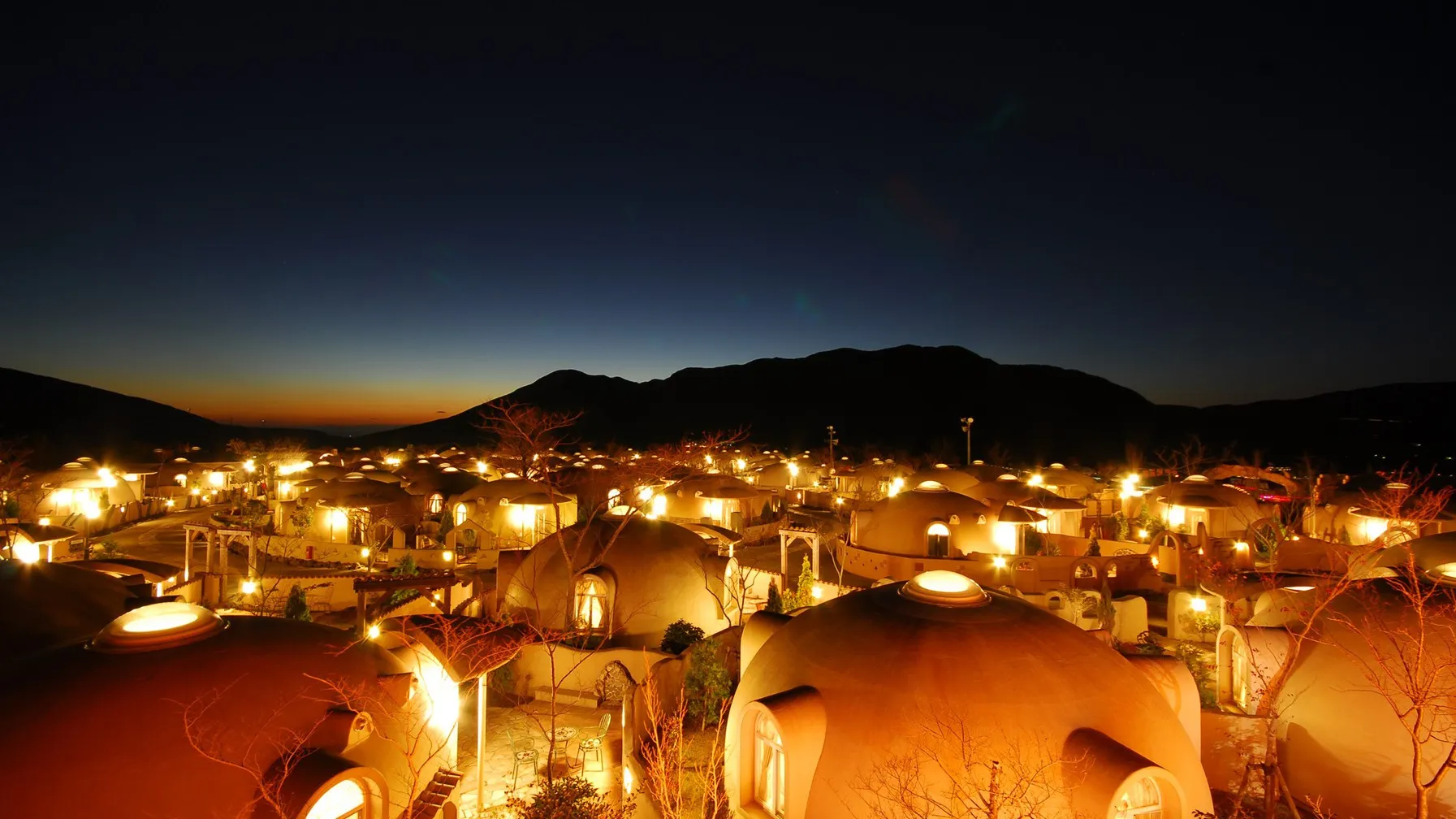
Autumn Farms and Harvest
Hotels with farm activities and animal encounters, plus the areas that make the best base for fruit picking and harvest days, from Hokkaido to Kyushu

Late-Summer Okinawa Beaches
Fall in Okinawa, Miyakojima, Ishigaki, and Amami, once the crowds and the heat have eased. Stays within walking distance of a beach, or with a kids' pool