
All-Inclusive Resorts in Japan: A Family Guide

This site uses affiliate links; we may earn a commission on bookings.
Yes, Japan has all-inclusive resorts, and a small but growing group of them is built squarely around families with young children. They do not look like the Caribbean version: a Japanese all-inclusive stay usually means breakfast and dinner buffets, a free lounge pouring beer, wine, and soft drinks, a late-night snack such as ramen, and some of the kids' activities, all folded into one room rate. The style spread quickly here from around 2020, and Accor's Grand Mercure brand rolling it out across eight properties in Japan was one of the biggest drivers.
For a family flying into Japan, that matters more than the discount. The part of a trip that quietly wears parents down is the loop of moving somewhere and paying for something, over and over: pool fees, an activity, drinks, a late snack, ice cream for the kids, and then a checkout total that makes your eyes go wide. All-inclusive removes both halves of that loop for a night. The catch is that some properties advertise everything included while quietly charging for certain things, so choosing well takes a particular kind of care.
Find all-inclusive stays
Find all-inclusive stays
On Kids Stay you can filter from the start to hotels that offer all-inclusive stays. Just choose your area and the size of your group.
hotelOur pick
A family resort in the Nasu highlands of Tochigi. On the all-inclusive plan, dinner and breakfast, lounge drinks and snacks, the communal bath, and activities are all included.
menu_bookContentsexpand_more
- How All-Inclusive Works in Japan
- Where the All-Inclusive Resorts Are
- What "Included" Actually Covers, Property by Property
- A Night at Grand Mercure Nasu, Hour by Hour
- What It Costs, and Which Families Come Out Ahead
- Choosing by Your Child's Age, and Traveling With Grandparents
- Booking From Overseas Without Surprises
- FAQ
How All-Inclusive Works in Japan
All-inclusive is the general term for a plan that bundles meals, drinks, and some activities into the room rate. Overseas, in the Caribbean or the Maldives, it usually means a full-scale beach resort with several restaurants to choose from and a luxury price to match. In Japan the shape is different and simpler: think of it as the standard Japanese half-board stay, meaning one night with breakfast and dinner included, plus a free lounge, plus a late-night snack, plus some of the on-site activities. The price range is considerably lower than the overseas version, which makes it an easy thing to try once rather than a whole vacation you have to commit to.
Two strengths that only show up with kids
From a family's point of view there are two advantages here that no other style of stay offers.
A beer without leaving the building
The first is being able to have a drink without going anywhere. At a property with a free lounge next to the lobby serving draft beer, wine, and soft drinks, a parent can sit with a beer while their child plays in the ground-floor play area, and go back and forth every five minutes if they want. At a typical resort, whoever is driving cannot drink at all, and a beer ordered in the restaurant runs about ¥800. The "let's skip it, it's expensive" moments disappear entirely.
Saying yes at no extra charge
The second is being able to keep saying yes. Small children want that food and that drink on a loop, and knowing there is zero extra charge lets you answer instantly with "sure, as much as you like." Removing the few seconds of mental arithmetic before each answer visibly changes how relaxed parents look for the rest of the trip.
| Stay style | A parent's typical thought | Response to the child |
|---|---|---|
| Room only | "Eating out will run over ¥4,000" | "Let's grab something at a convenience store" |
| Half board (breakfast and dinner) | "Anything off the set dinner menu costs extra" | "Let's skip the late-night snack" |
| All-inclusive | "It's all included, so it doesn't matter" | "Sure, go ahead and have a third one" |
If you want to compare properties side by side, the list of all-inclusive hotels in Japan is the fastest place to start.
Where the All-Inclusive Resorts Are
Grand Mercure runs all-inclusive plans across eight properties in Japan, including Grand Mercure Nasu Highlands Resort & Spa in the Nasu highlands north of Tokyo, Grand Mercure Okinawa Cape Zanpa Resort in Okinawa, Grand Mercure Minami-Boso on the southern Boso peninsula in Chiba, and Grand Mercure Yatsugatake Resort & Spa in the mountains of central Japan.
hotelGrand Mercure and Mercure resorts with all-inclusive plans
Family resorts from Nasu and Boso to Awaji Island, Lake Biwa, Beppu Bay, and Okinawa. Each listing shows the verified kids' facilities and the booking sites that carry the property.
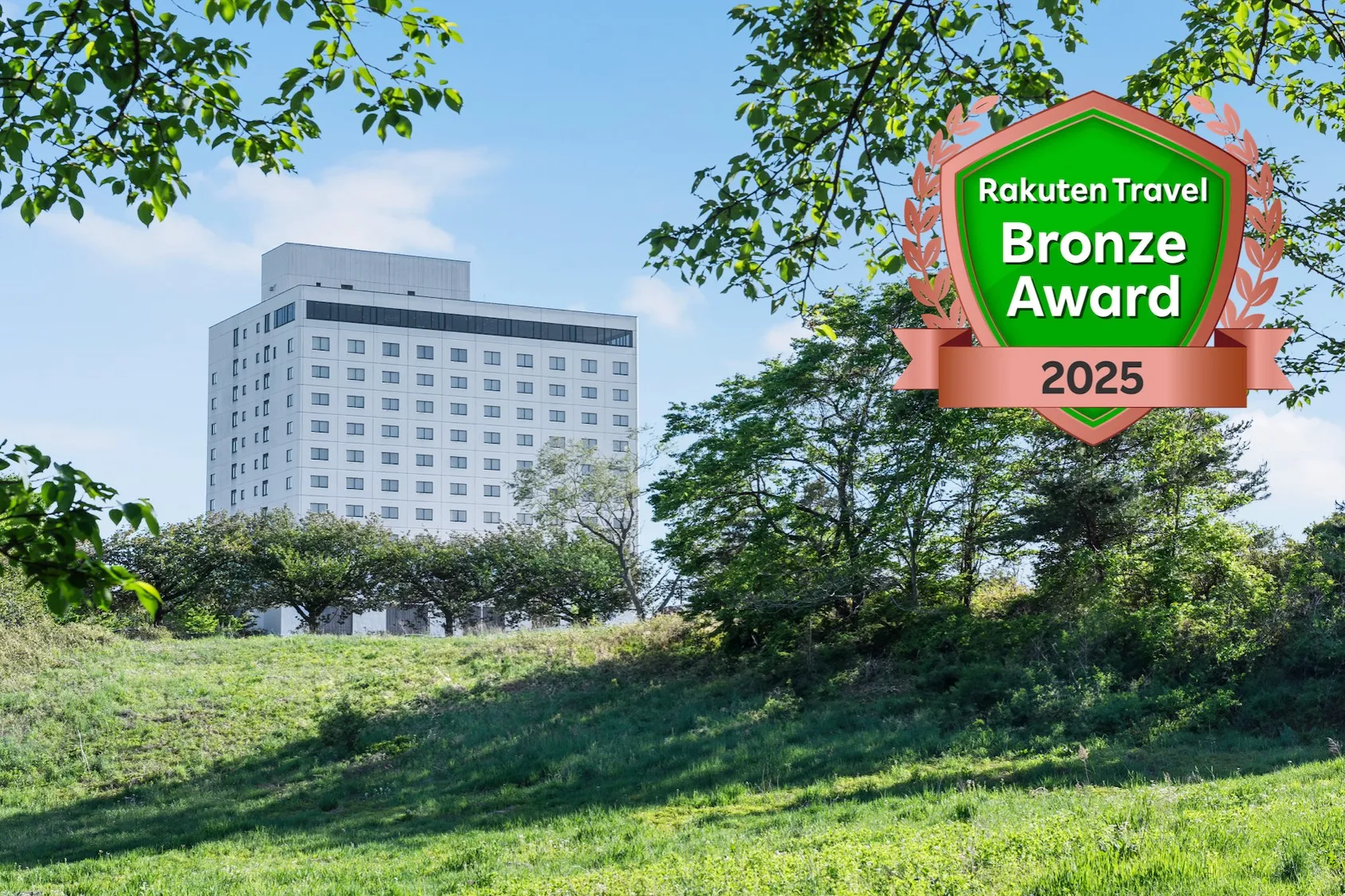
Grand Mercure Nasu Highlands Resort & Spa
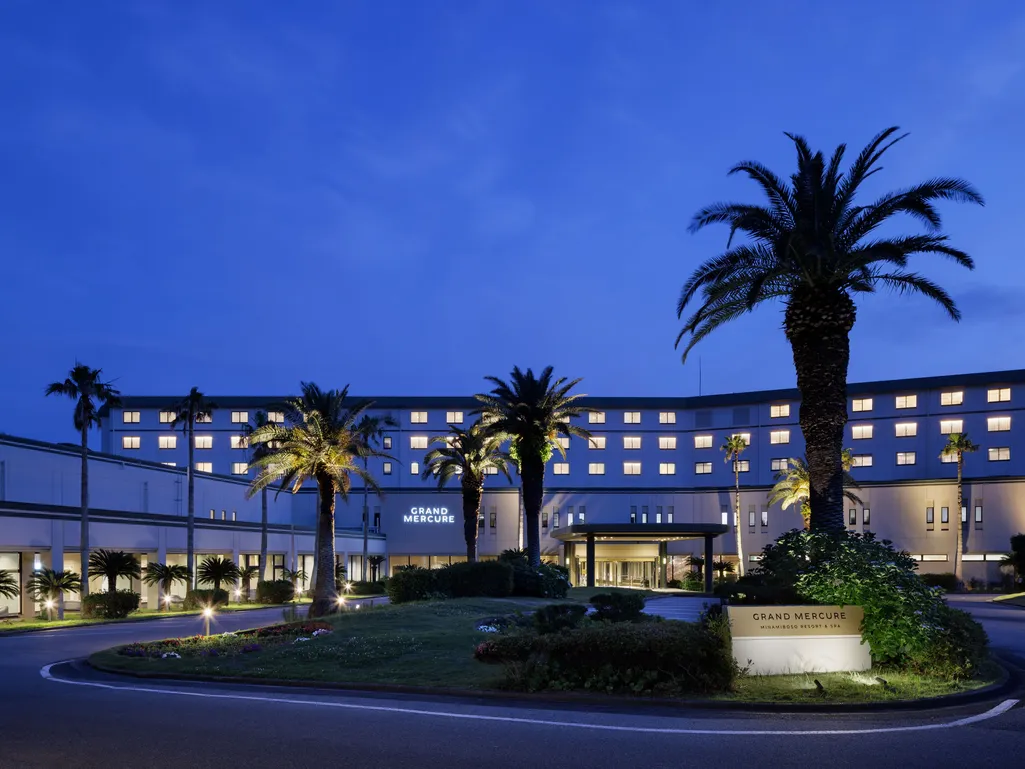
Grand Mercure Minamiboso Resort & Spa
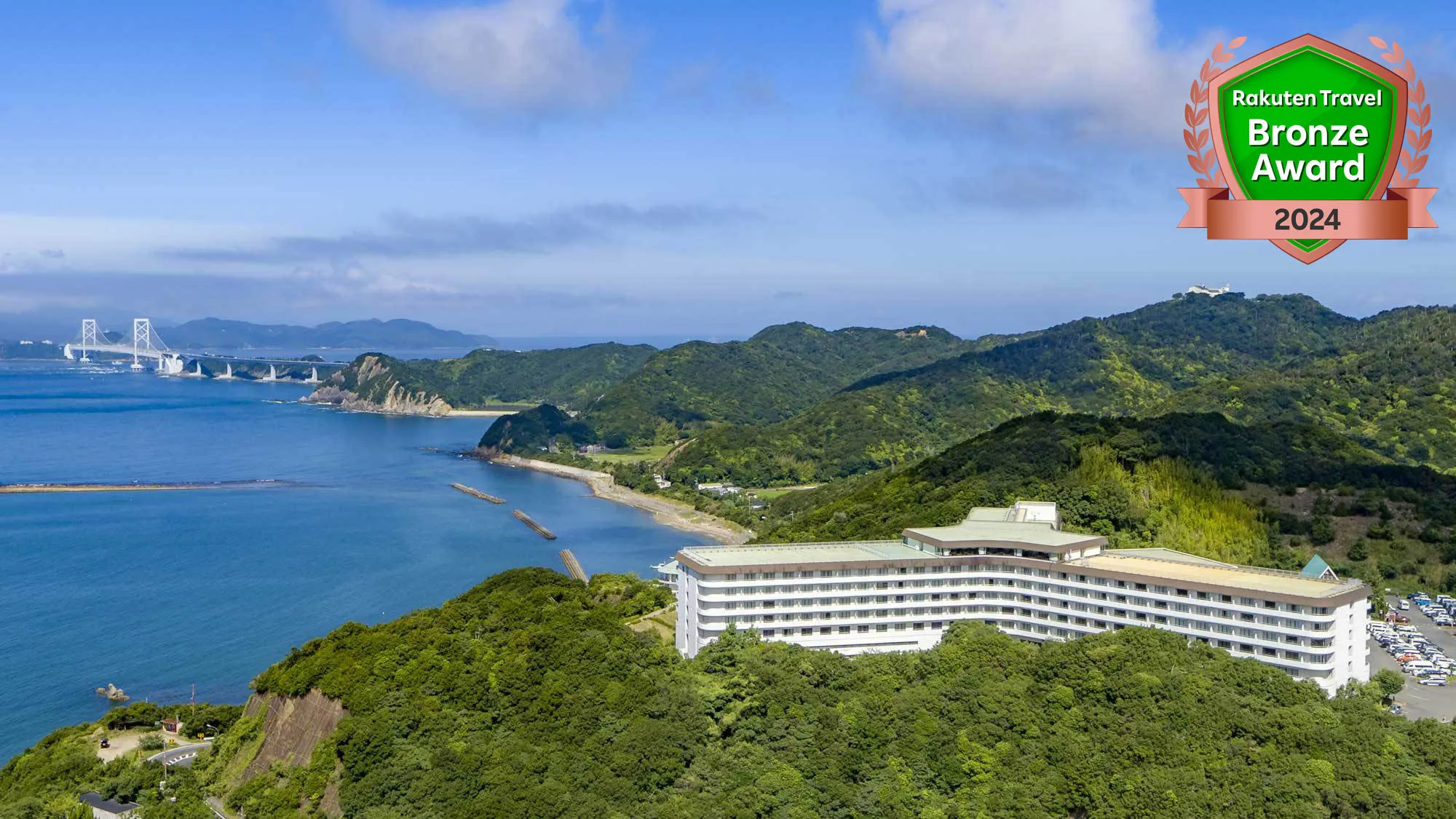
Grand Mercure Awaji Island Resort & Spa
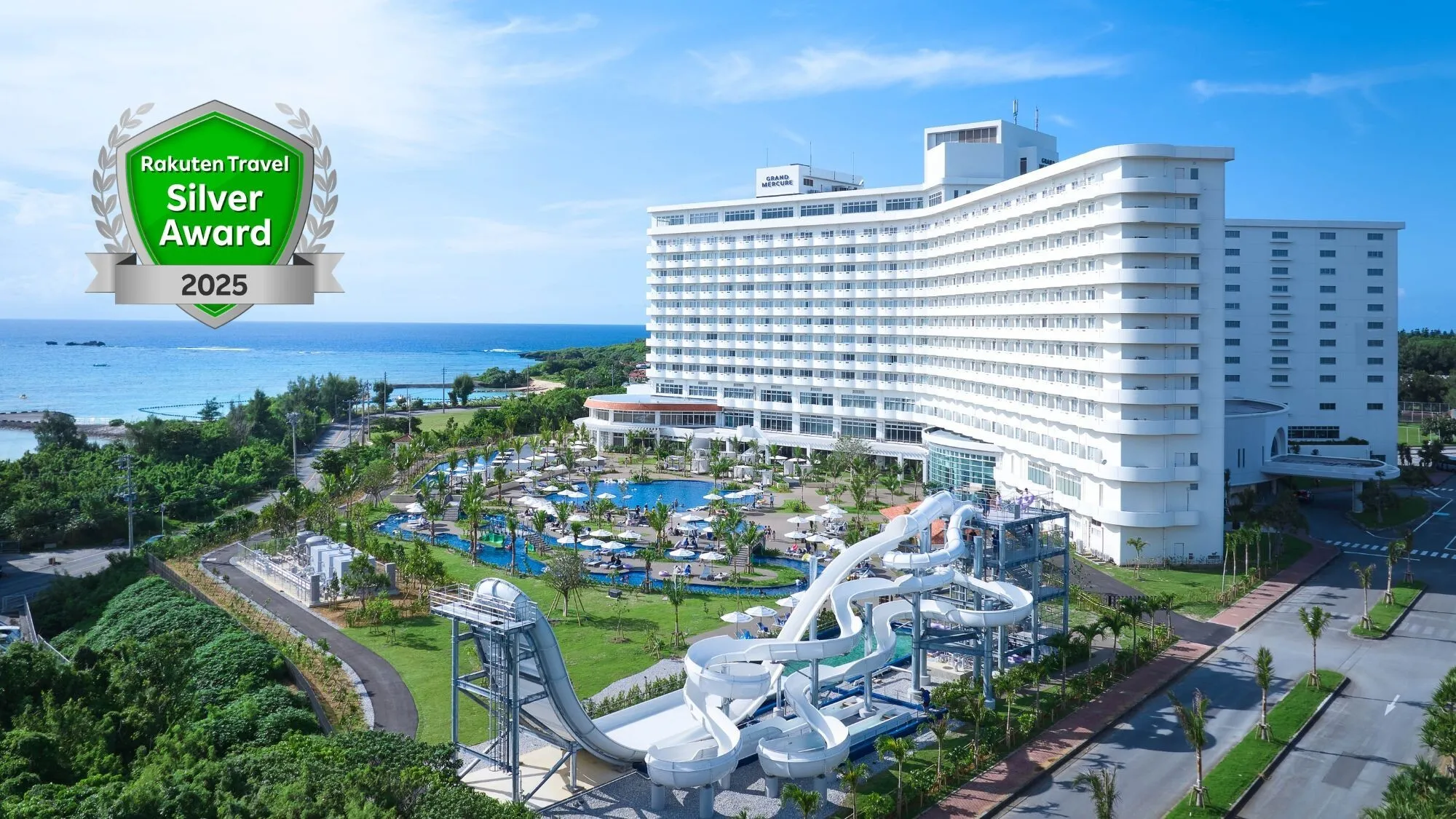
Grand Mercure Okinawa Cape Zanpa Resort
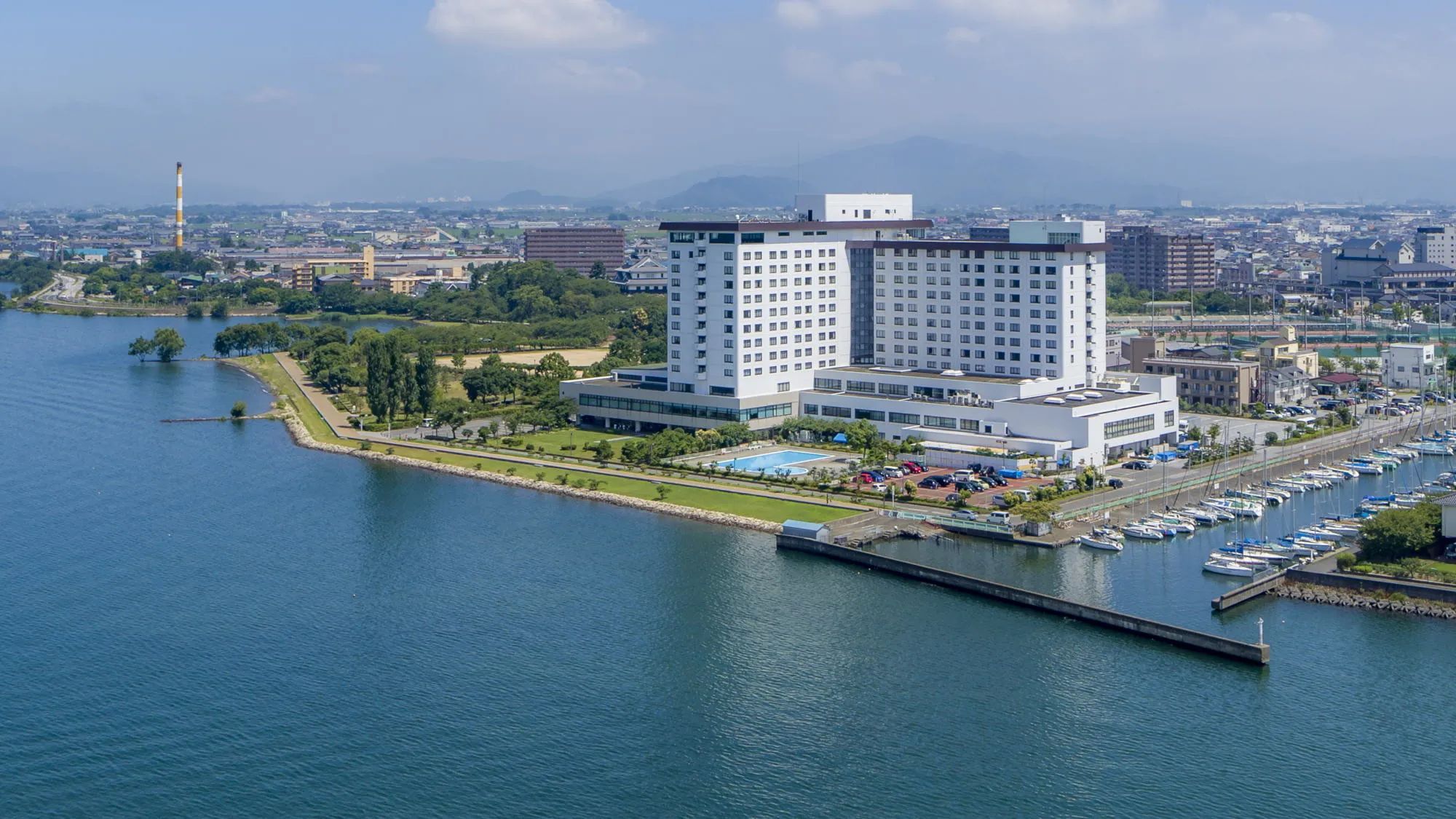
Grand Mercure Lake Biwa Resort & Spa
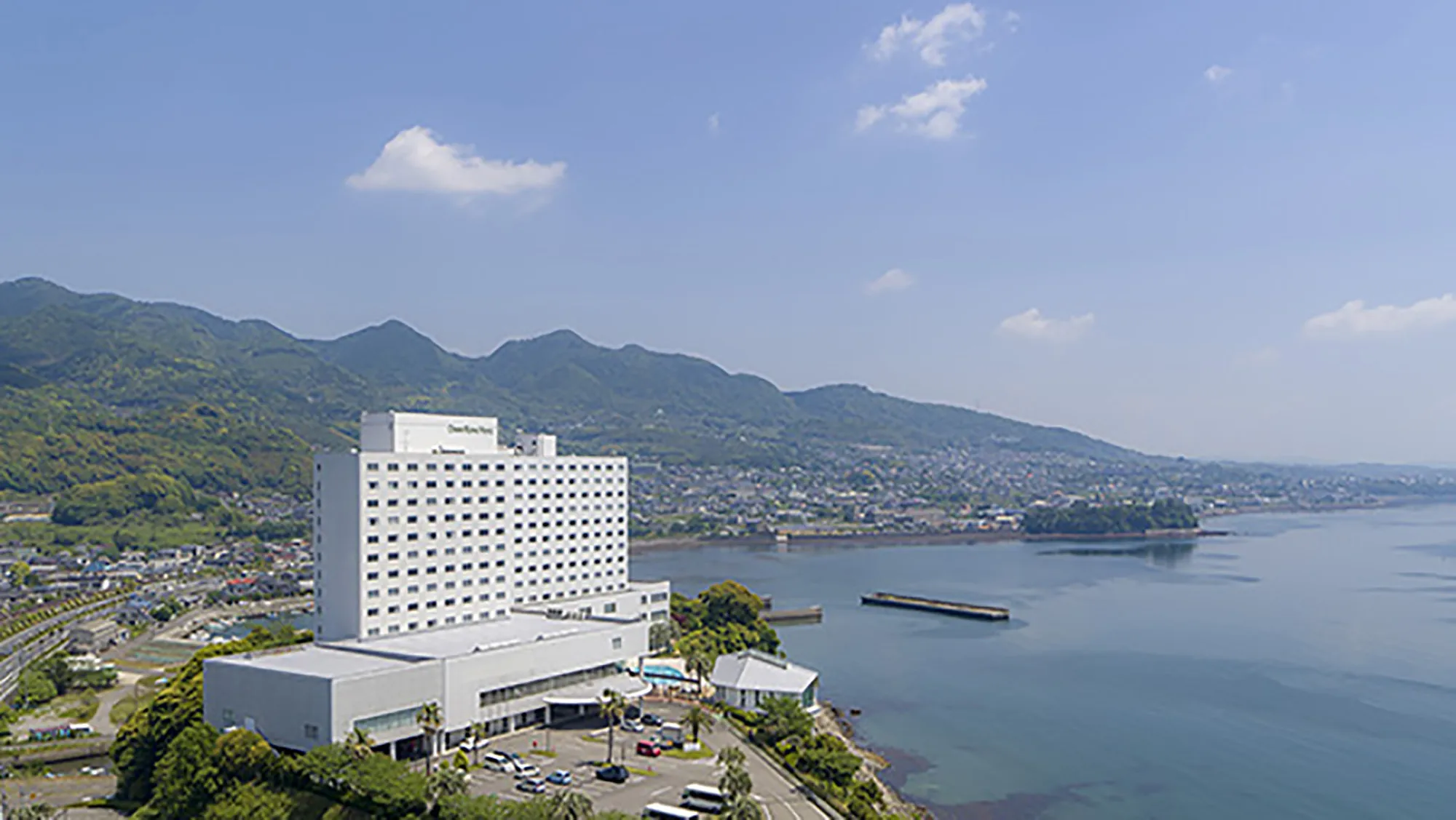
Grand Mercure Beppu Bay Resort & Spa
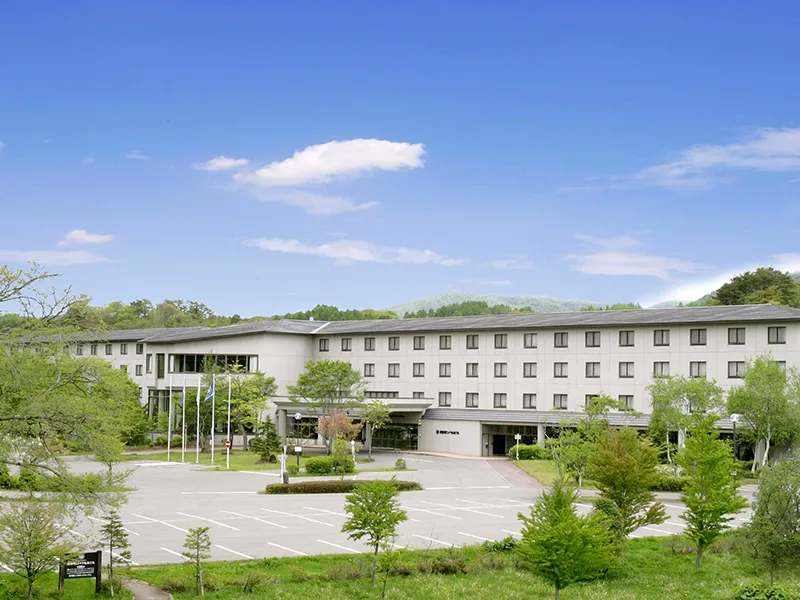
Mercure Urabandai Resort & Spa
hotelOther family resorts with all-inclusive stays
Seaside and highland resorts outside the Grand Mercure group that also offer all-inclusive stays. What the plan covers differs by property, so check each listing.
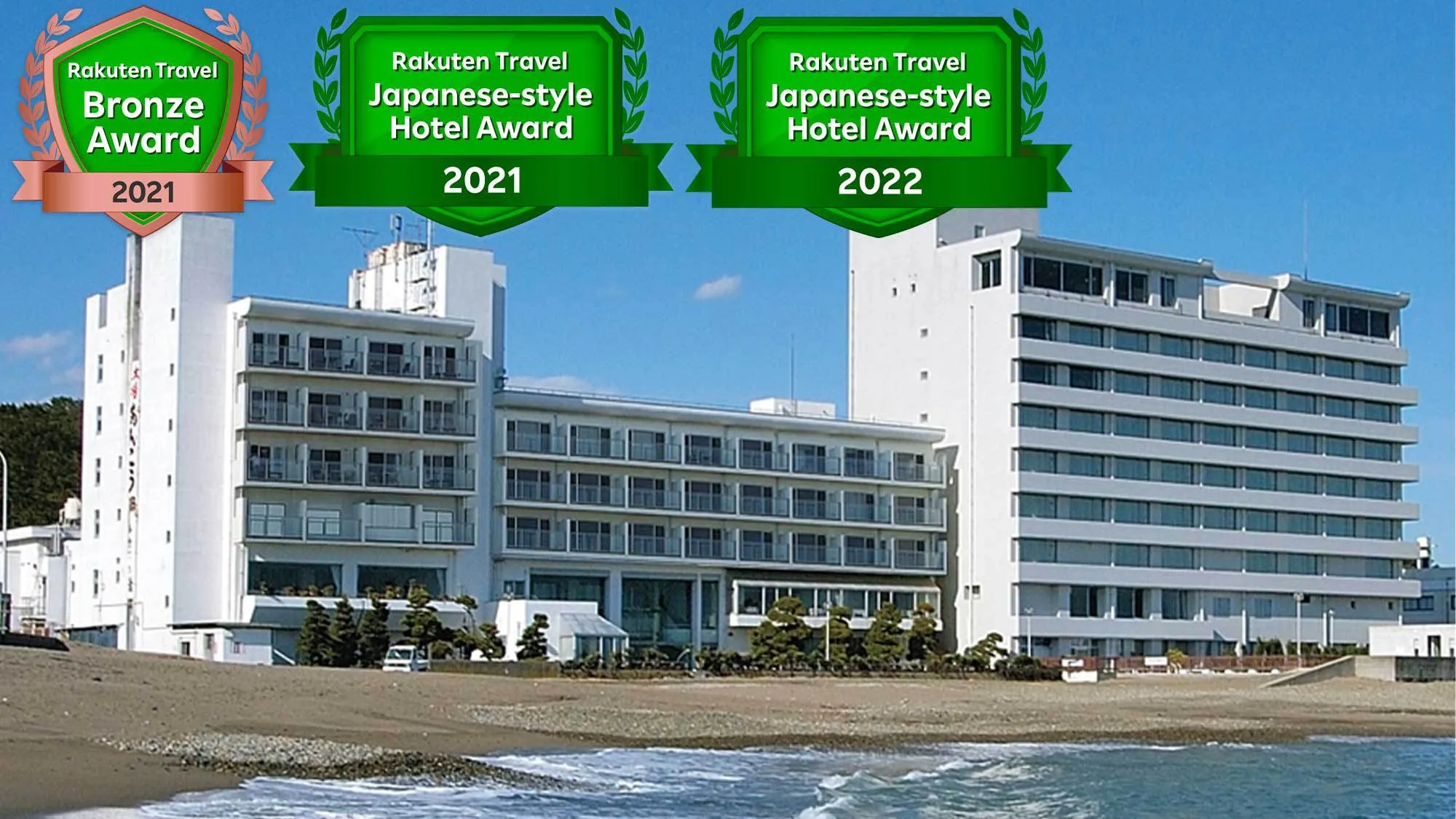
Oarai Hotel
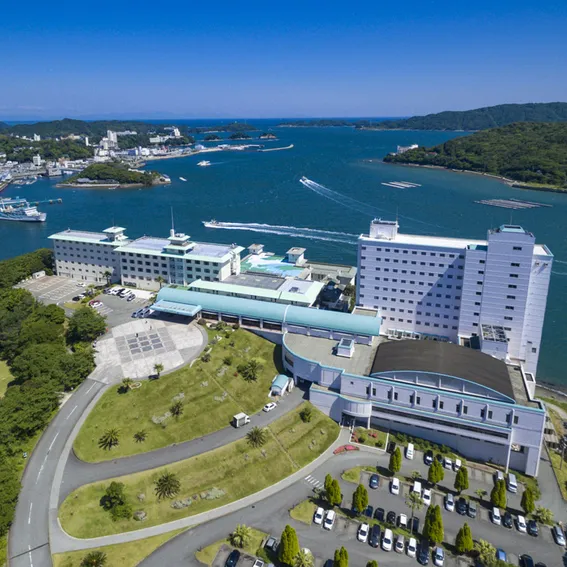
Toba Seaside Hotel
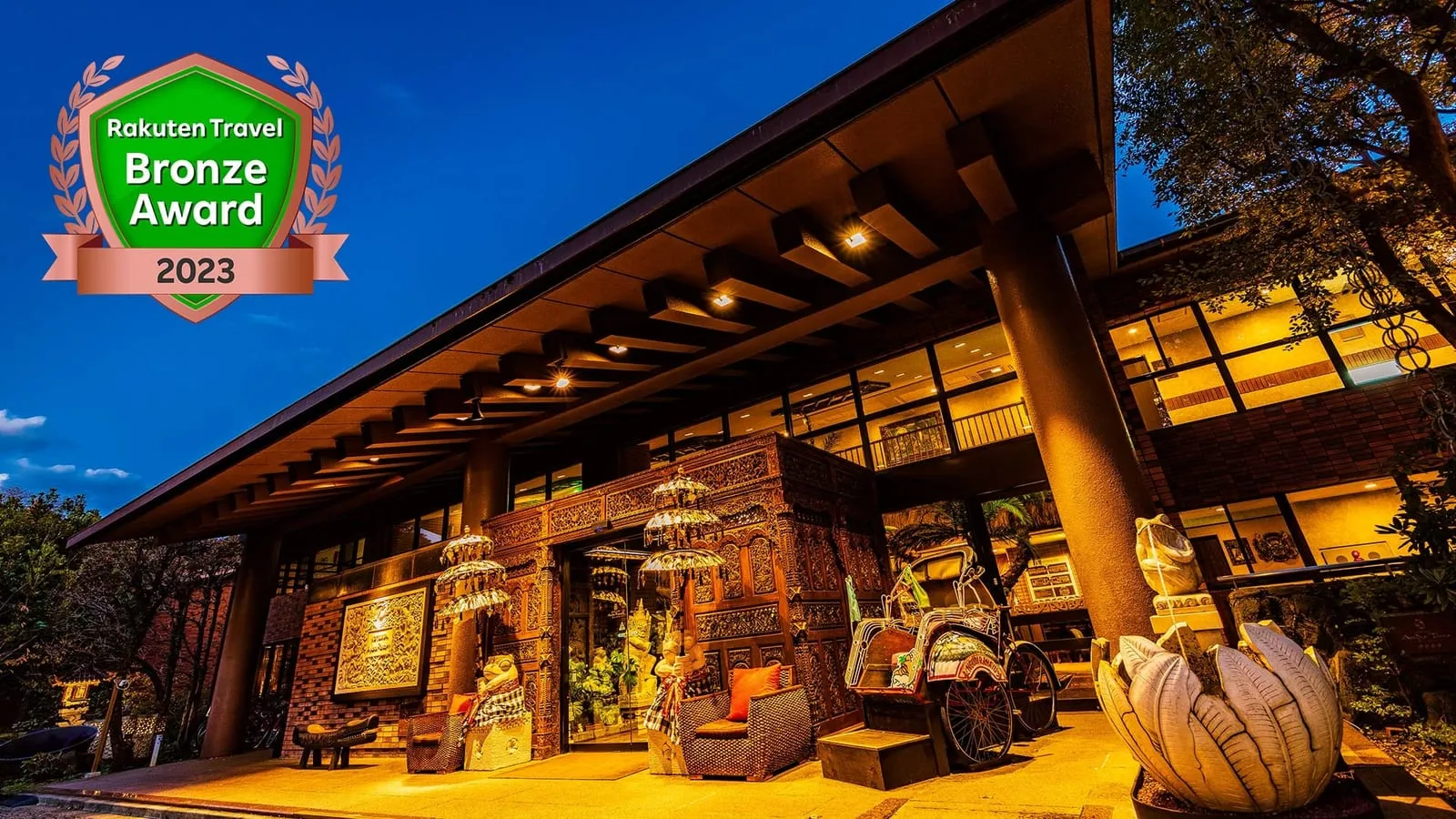
Hotel & Spa Anda Resort Izukogen
hotelOnsen inns with all-inclusive plans
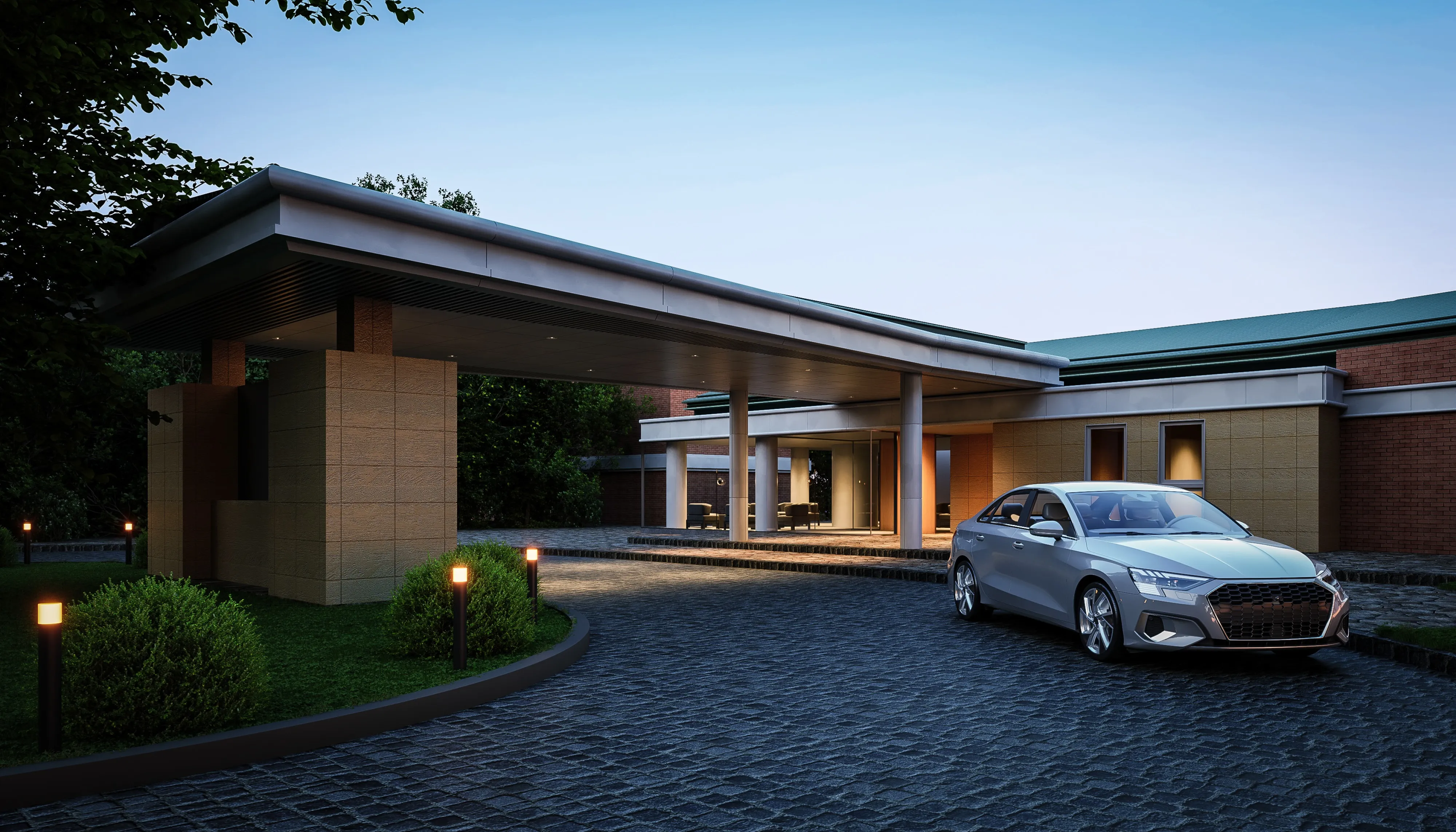
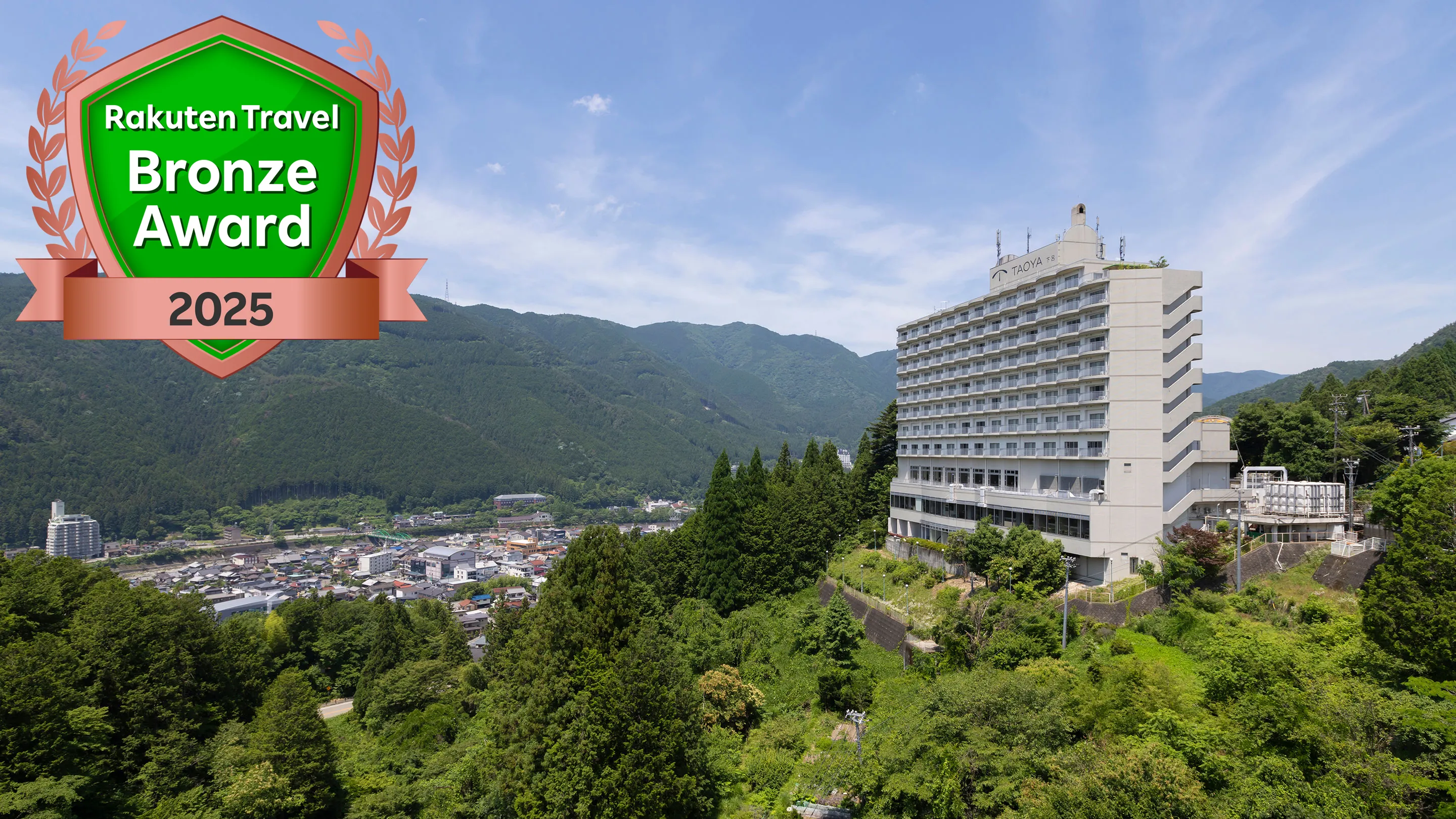
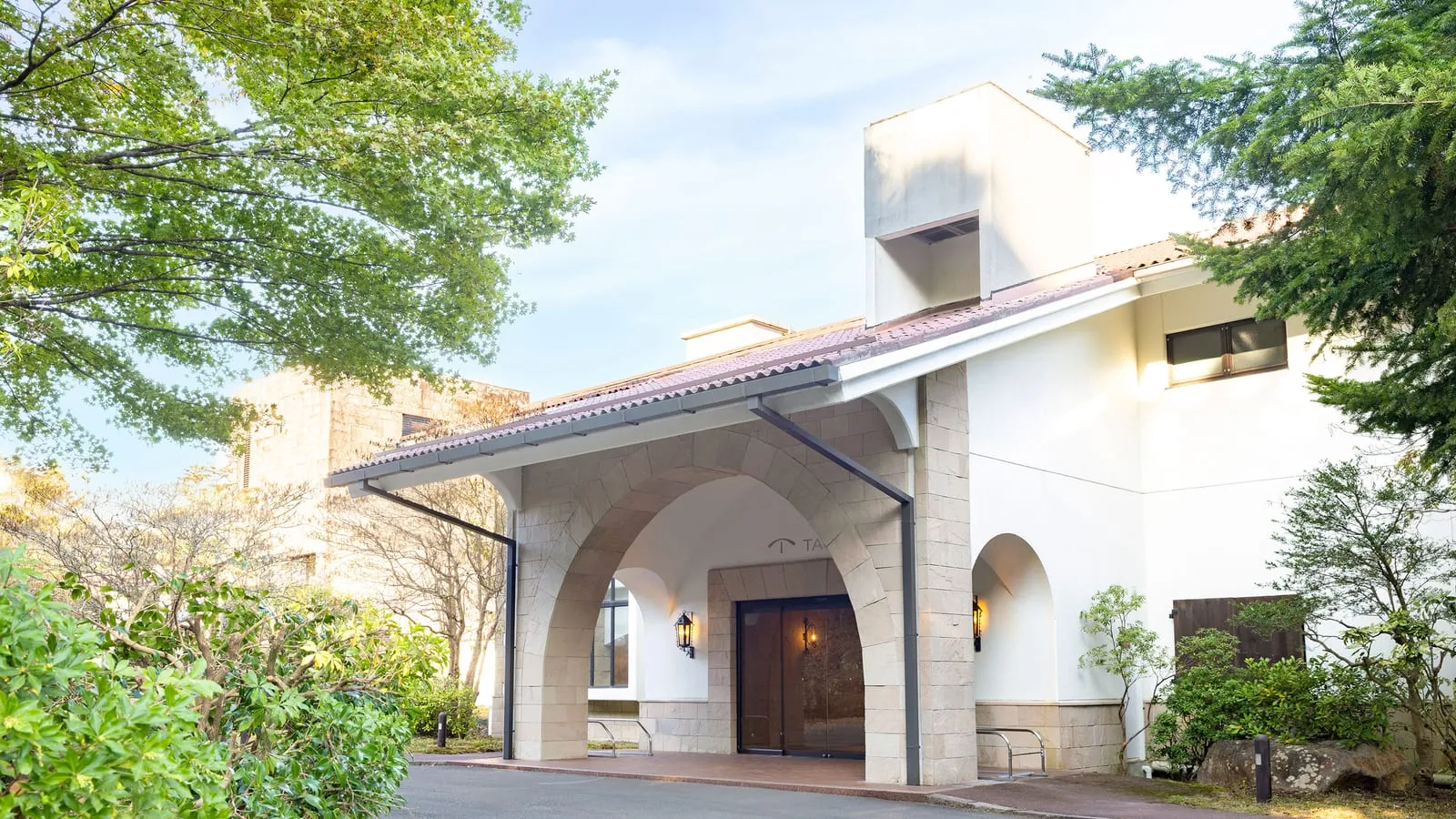
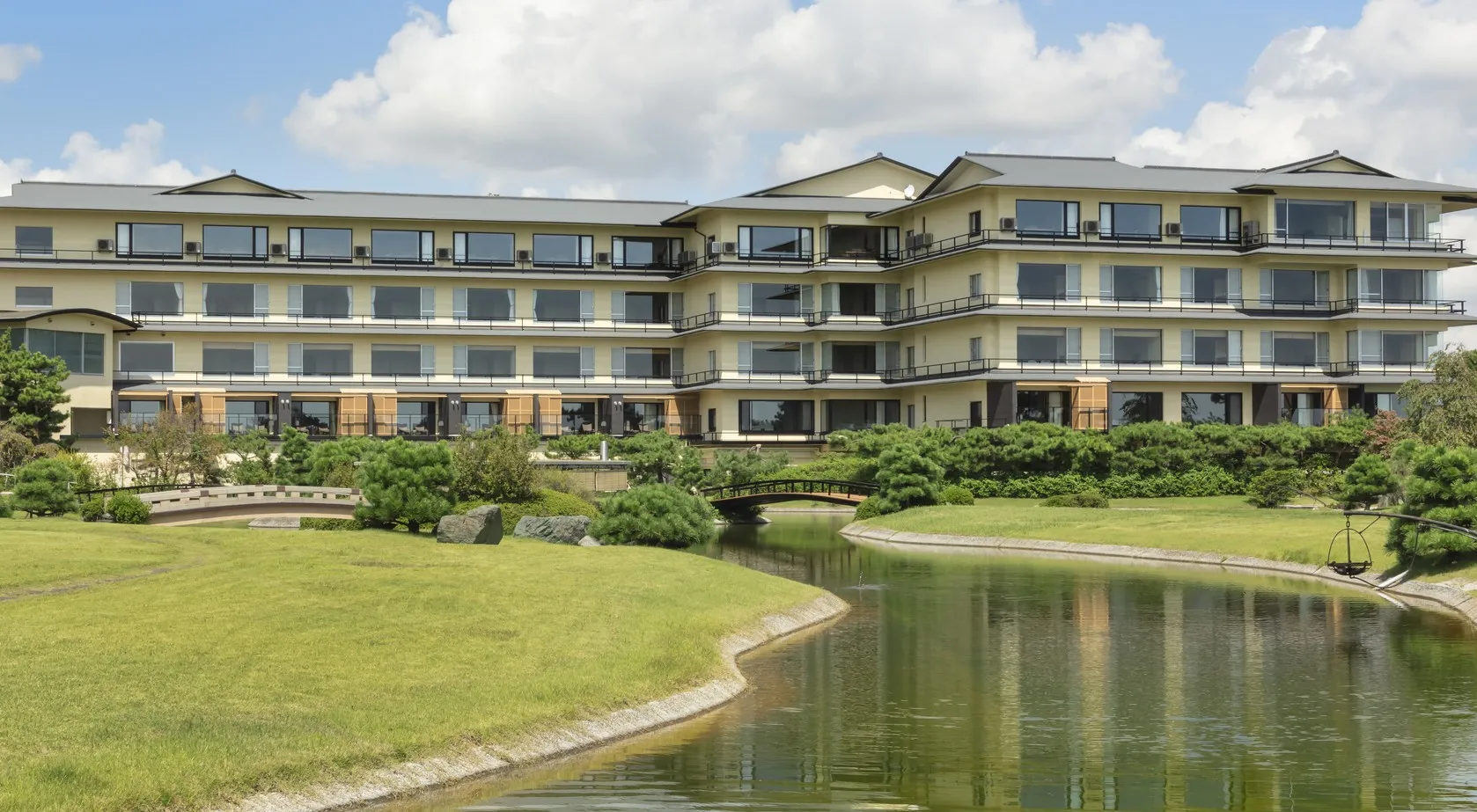
Hot-spring inns with all-inclusive plans, including the TAOYA brand in Atami, Aso, Gero, and Hakone. What the rate bundles differs by inn, so check each listing.
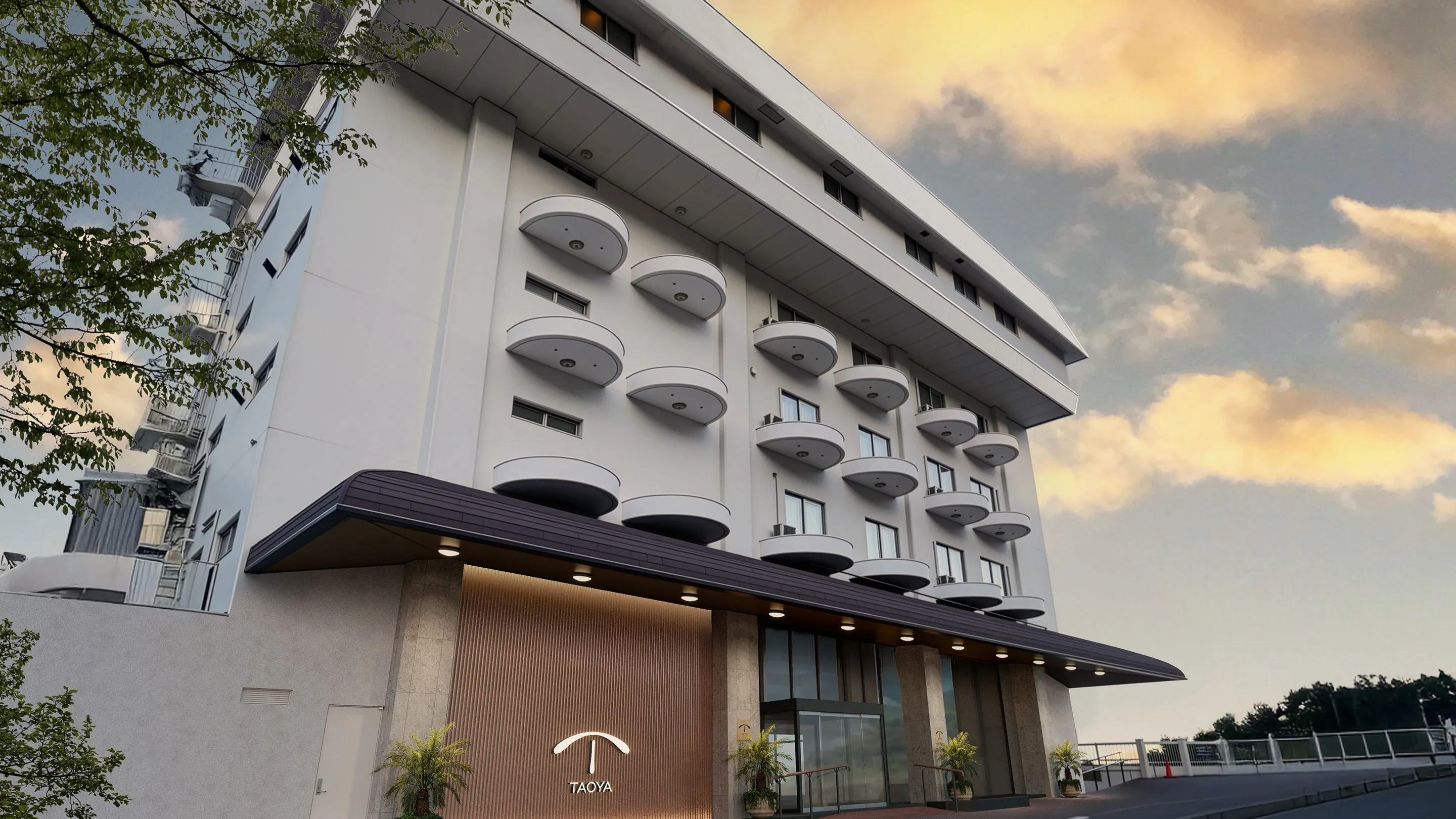
TAOYA Atami
TAOYA Aso
TAOYA Gero
TAOYA Hakone
Matsushima Onsen Matsushima Ichinobo
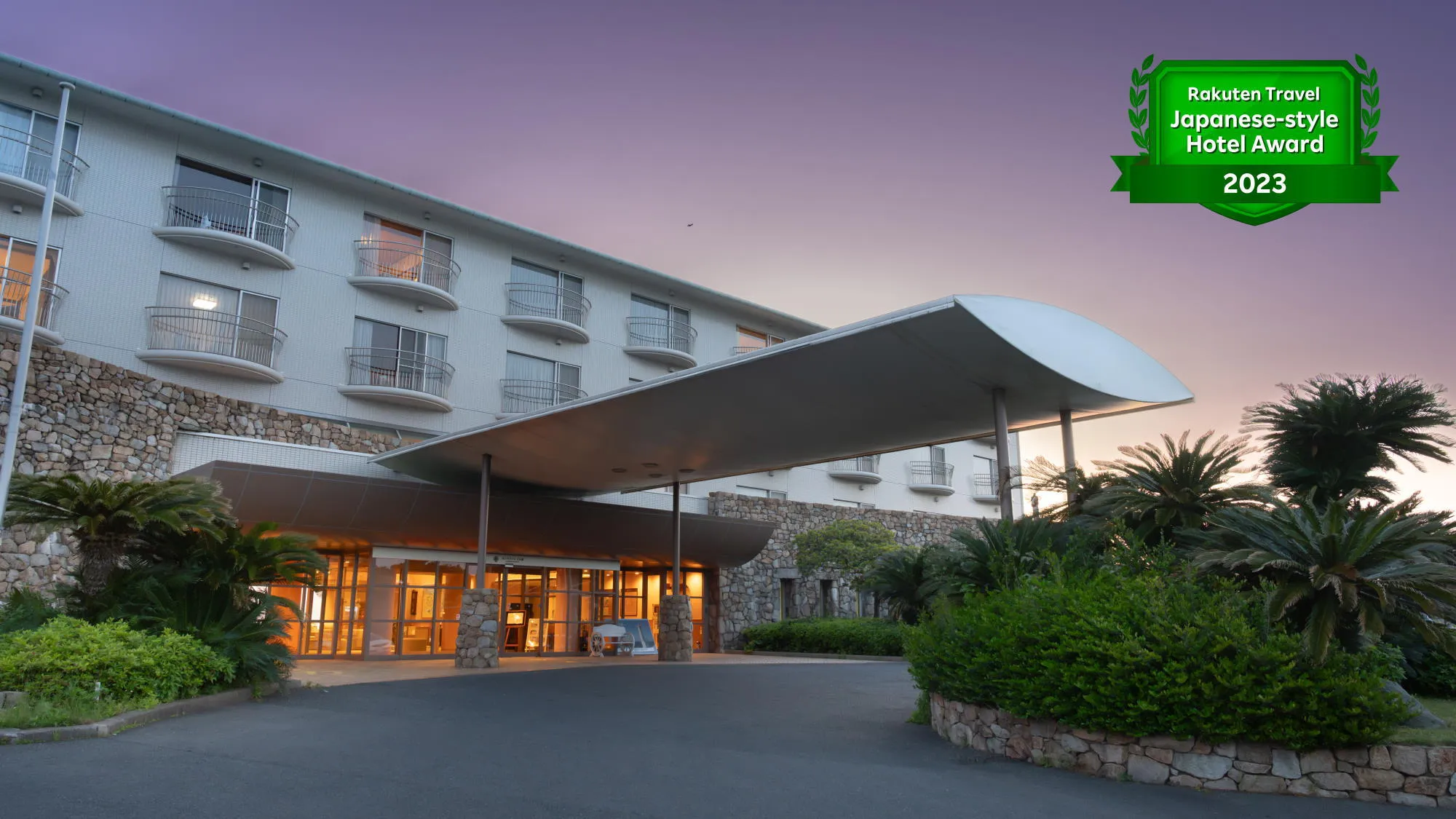
Kamenoi Hotel Genkainada
Which one suits you depends heavily on the season, because the season decides how much of the resort you can actually use.
| Season | What to look for | Type of property that fits |
|---|---|---|
| Spring | Outdoor activities reopening | Highland resorts |
| Summer | Pools and summer festival events | Okinawa, Awaji Island, southern Boso |
| Fall | Fall foliage from the lounge, onsen | Nasu, Yatsugatake |
| Winter | Strong indoor facilities, onsen, late-night snacks | Nasu, Beppu Bay, Ise-Shima |
Winter is when all-inclusive pays off most, simply because you spend more hours inside the building. The same logic applies to rain: if anything, a rainy forecast is a good reason to book one of these, since you end up using the lounge, the kids' space, the onsen, and the late-night snack where one is offered, instead of going out.
One planning note for visitors. These resorts are destinations in themselves rather than city hotels, so they work best as a deliberate pause in the middle of a Japan itinerary rather than as a base for day trips.
What "Included" Actually Covers, Property by Property
This is the part that catches people out. Even under the same all-inclusive label, what is actually included varies completely from one property to the next. A late-night bowl of ramen can be free at Hotel A and cost ¥1,200 at Hotel B, with both calling themselves all-inclusive. Even when you have read the official information carefully, you will usually still hit one service on the day and think, oh, that one is extra.
What two major properties include
Japan's major all-inclusive properties each publish their own list of what is included on their official sites. Here is a rough comparison of that information as of April 2026.
| What's included | Grand Mercure Nasu | Grand Mercure Okinawa Cape Zanpa |
|---|---|---|
| Breakfast and dinner buffet | Yes | Yes |
| Lounge drinks, including alcohol | Yes, 3 to 6 p.m. and 9 to 11 p.m. | Yes, limited hours |
| Late-night snack such as ramen | Not listed on the official site | Yes |
| Kids' activities | Partial | Partial |
| Pool | Yes | Yes, outdoor pool is seasonal |
| Communal bath or onsen | Yes | No |
| Room service | No | No |
The spa and paid activities that usually cost extra
Three categories are extra almost everywhere:
- Spa and treatments, at nearly every property
- Paid activities such as pottery workshops or boat rides, and the more popular the activity, the more likely it costs extra
- Anything from the shop, which is billed separately from the room rate
One easy example to miss: even the official Nasu information notes that some drinks and activities are paid, and that some special menus, experiences, and shop purchases are charged separately. The NASOBIBA kids' space itself is free for guests. Finding out what costs extra after your child has already announced "I want to do that" is a scramble, so it pays to know in advance.
What to confirm before you book
Here is the minimum to check before you book.
- The lounge's hours and what it actually pours (all day, or a narrow window)
- Whether there is a late-night snack or a bar time, which decides what the evening looks like
- Whether kids' activities cost extra, which is usually buried in the fine print
- The terms for the onsen or communal bath, meaning included, capped, or extra
- How the in-room minibar is treated
The official page for the specific property you are booking is the only reliable source for this, and it is worth reading rather than skimming. If the page is only in Japanese, a browser translation is enough to get the list right.
Same label, different contents. The property's own list of inclusions is your primary source, not the word all-inclusive.
A Night at Grand Mercure Nasu, Hour by Hour
To see how this works in practice, here is a one-night model schedule for a family with a three-year-old at Grand Mercure Nasu Highlands Resort & Spa. The all-inclusive rate with breakfast and dinner runs about ¥35,000 per adult as of January 2026, in the busy winter season. That is not cheap, but the shape of the day is where the value sits.
3 p.m., straight to the lounge after check-in
On arrival, go to the lounge first. Draft beer, craft beer, white wine, red wine, and highballs are self-serve whenever the lounge is open, with nuts and cheese alongside. Get an orange or apple juice for the kids and take a sofa. The layout also makes it easy for one parent to handle check-in while the other keeps a toddler occupied.
4 p.m., ninety minutes in the kids' space
While your child works through the ball pit and the magnetic blocks at NASOBIBA, the indoor kids' space, parents can sit on a sofa nearby or have a drink at the lounge next door. Note that lounge drinks cannot be carried out of the lounge. That is a full ninety minutes without reaching for your wallet once.
6 p.m., dinner buffet
Roast beef, sushi, Western dishes, Japanese dishes, and desserts, all buffet-style. There is a separate kids' corner built at child height, so even a small child can serve themselves. Drinks including draft beer are unlimited, so the roughly ¥3,000 you would spend on alcohol at dinner in a typical ryokan is zero here.
8 p.m., taking turns at the lounge
Once the kids are asleep, parents can go down to the lounge one at a time for another drink, and 9 p.m. is still no problem. That tag-team arrangement only works because everything happens under one roof. Going out to drink always brings the same constraints: someone has to drive, and nobody wants to leave a sleeping child behind.
10 p.m., a nightcap at the lounge
The lounge runs its nightcap hours from 9 to 11 p.m., so a last drink before bed is included in the rate as well. The official site does not mention a late-night snack, so if that is something you are counting on, confirm it before you book.
7 a.m. to 10 a.m., breakfast buffet and onsen
The breakfast buffet is just as varied, and you can smile through a second helping of French toast and an added scoop of ice cream. Checkout is 11 a.m., so there is time for a morning soak in the onsen first. If it is your first onsen, these are naturally heated mineral baths, communal, separated by gender, and entered without swimwear after washing at the shower stations.
What the timeline shows is that parents get their downtime in the same place their kids are being active. At a normal hotel, a parent resting usually means retreating to the room with the children in tow. A longer write-up is in the Grand Mercure Nasu Highlands stay review.
The more of the stay you keep inside the property, from check-in to checkout, the more this structure pays back.
What It Costs, and Which Families Come Out Ahead
The idea that all-inclusive is expensive is half right. Against a room-only stay or a business hotel, it clearly is. But compared with a half-board resort of the same caliber, once you add back the food and drink you would have bought anyway, all-inclusive often lands at about the same level or lower.
The numbers for a family of three, one night
Here is a rough comparison for a family of three, two adults and one toddler, for one night, based on published rates as of April 2026.
| Item | Room-only resort | Half-board resort | All-inclusive |
|---|---|---|---|
| Room rate, three people | ¥35,000 | ¥60,000 | ¥90,000 |
| Dinner, eating out or separate | ¥12,000 | ¥0 | ¥0 |
| Breakfast | ¥4,500 | ¥0 | ¥0 |
| Alcohol, both parents | ¥6,000 | ¥5,000 | ¥0 |
| Soft drinks and snacks | ¥2,500 | ¥2,000 | ¥0 |
| Kids' space fee | ¥2,000 | ¥1,500 | ¥0 |
| Late-night snack | ¥1,500 | ¥1,500 | ¥0 |
| Total | ¥63,500 | ¥70,000 | ¥90,000 |
On raw numbers, all-inclusive comes out about ¥20,000 higher. What sits on top of that gap is hours when nobody has to think about the cost of anything. Families who value that at more than ¥20,000 tend to book this style again and again.
One thing to know when you compare rates: hotels in Japan usually price children by age band, and whether a child counts as free, as a discounted rate, or close to an adult depends on whether they eat and whether they need their own bedding. Always enter your children's actual ages when you search, or the quote you see will not be the quote you pay.
When room only or half board fits better
These families are better off with room only or half board:
- Families whose child is still mainly on baby food, so the buffet does little for them
- Families where the parents barely drink
- Very short stays, arriving late and leaving early
- Sightseeing-led itineraries where you will be at the hotel 12 hours or less
Eighteen hours or more on site and a family that eats and drinks in the building is where the math turns positive.
Choosing by Your Child's Age, and Traveling With Grandparents
How much value you feel changes sharply with your child's age.
For ages zero to one, the buffet does almost nothing for you, so the lounge carries the whole value. Check whether you can move around the property with a stroller, whether the route from the room to the lounge makes a parent swap easy, and where the nursing room and formula-preparation facilities sit relative to everything else. Whether baby food is provided varies enormously by property, so confirm it on the official information rather than assuming. Worth knowing before you travel: trains and stations in Japan get crowded and stroller space is not guaranteed, so a compact folding stroller earns its keep on the way there.
Ages two and three are the golden window, because the joy of serving yourself at a buffet and the benefit of parents resting at the lounge land at the same time. This is the age that gets the most out of doing it themselves, right down to scooping their own ice cream cone. By ages four to six, how much they eat at the buffet jumps, which sharpens the value, and the pool and the kids' programs start to carry real weight.
Three-generation trips
This angle gets talked about least and matters most. When grandparents come along, what each generation eats and drinks is so different that a pay-as-you-go system turns the bill into a negotiation. The conversation of "another drink, Dad?" answered with "no, that one costs extra" simply never happens. When choosing with grandparents in mind, look at the type of chairs and sofas, the route to the onsen, and how much Japanese food the buffet actually offers.
A refresh cycle for the parents
The quiet win is flipping the assumption that traveling with kids means exhausted parents. After dinner, one parent puts the kids down while the other takes 30 minutes at the lounge, then they swap. That costs nothing extra only because it is all-inclusive. Going out to a bar would cost money, time, and the walk back.
Booking From Overseas Without Surprises
- Read the property's own list of what is included before anything else. It is the only source that settles the ramen, onsen, and kids' program questions.
- Price the same dates on the hotel's own site and on whichever booking sites you already use. The official site is sometimes the cheapest of them, which surprises people.
- Build your travel day around the property's check-in time. Arriving in time for the 3 p.m. check-in rather than in the evening is ideal and buys you several extra hours for the same rate, so do not stack this night on top of a long transfer day.
- Confirm early check-in in advance if you want it. If a phone call in Japanese is not practical, ask through the booking site's message thread or by email.
- Check the official information again about a week before arrival, since rate plans and inclusions get updated.
On the day itself, the golden rule is to commit to not leaving the property. Treat it as a stay rather than a base, and the value changes completely. Four small things to note on arrival: the lounge's last call, which is often 10 p.m.; the busiest breakfast window, usually 7:30 to 8:30 a.m., with after 9 a.m. much calmer; the onsen's last entry time; and whether the kids' space takes reservations or runs first come, first served.
The real value of a Japanese all-inclusive resort is not that everything is included, it is that parents get to rest without leaving the building and never have to say no over money. What is included differs by property, so the official list is always your primary source. If your Japan itinerary has a point where the kids are worn out and the parents could use a reset, one fully used night at one of these resorts is worth building the route around.
Lounge hours, late-night snack, and whether kids' programs cost extra: the three things to settle before you book.
FAQ
Q. Are Japan's all-inclusive resorts like the ones in the Caribbean or the Maldives?
Not really. Overseas all-inclusive tends to mean a full beach resort with several restaurants to pick from and a luxury price. In Japan the standard shape is breakfast and dinner, plus a lounge, plus a late-night snack, plus some activities, at a noticeably lower price. That makes it a low-stakes thing to try for a single night.
Q. How much do we actually save?
For a family of three staying one night, a family that drinks beer and uses the lounge often would otherwise run up ¥10,000 to ¥20,000 in food and drink. Whether you come out ahead depends on how many hours you spend on site. It pairs best with itineraries where you are at the hotel for 18 hours or more, and it feels overpriced on a sightseeing-heavy day.
Q. Are kids' drinks and desserts really unlimited?
It depends on the property, but at Grand Mercure Nasu, for example, soft drinks and ice cream for young children are included with no cap. Allergy accommodations and baby food are handled separately, so if you are traveling with a preschooler, confirm those directly before you book.
Q. Is one night enough to feel the benefit?
One night is plenty. Some children get bored with the same property on a second night, so up to around ages three to five a single, fully used night is often the better call. Use the place from just after check-in to just before checkout and the satisfaction is high even on a single night.
Q. Is it worth it for families who don't drink alcohol?
There is still value, since soft drinks, coffee, and juice are unlimited in the lounge too. You just lose the biggest single saving, so the numbers look tighter. It comes down to how you price a space where parents can rest without going anywhere.
Find all-inclusive stays
Find all-inclusive stays
Related articles


Seasonal collections
Christmas With Kids in Japan
Book December weekends early. Three ways to spend it: city hotels, dinner-included resorts, or snow and hot springs
Winter Onsen With Kids
Winter onsen towns from north to south, where an in-room bath, a reservable private bath and meals in your room mean you never have to go out
Winter Break With Kids
Travel in the first or second half of winter break and skip the New Year crush. Choose by snow play, hot springs, the warm south, or city playgrounds
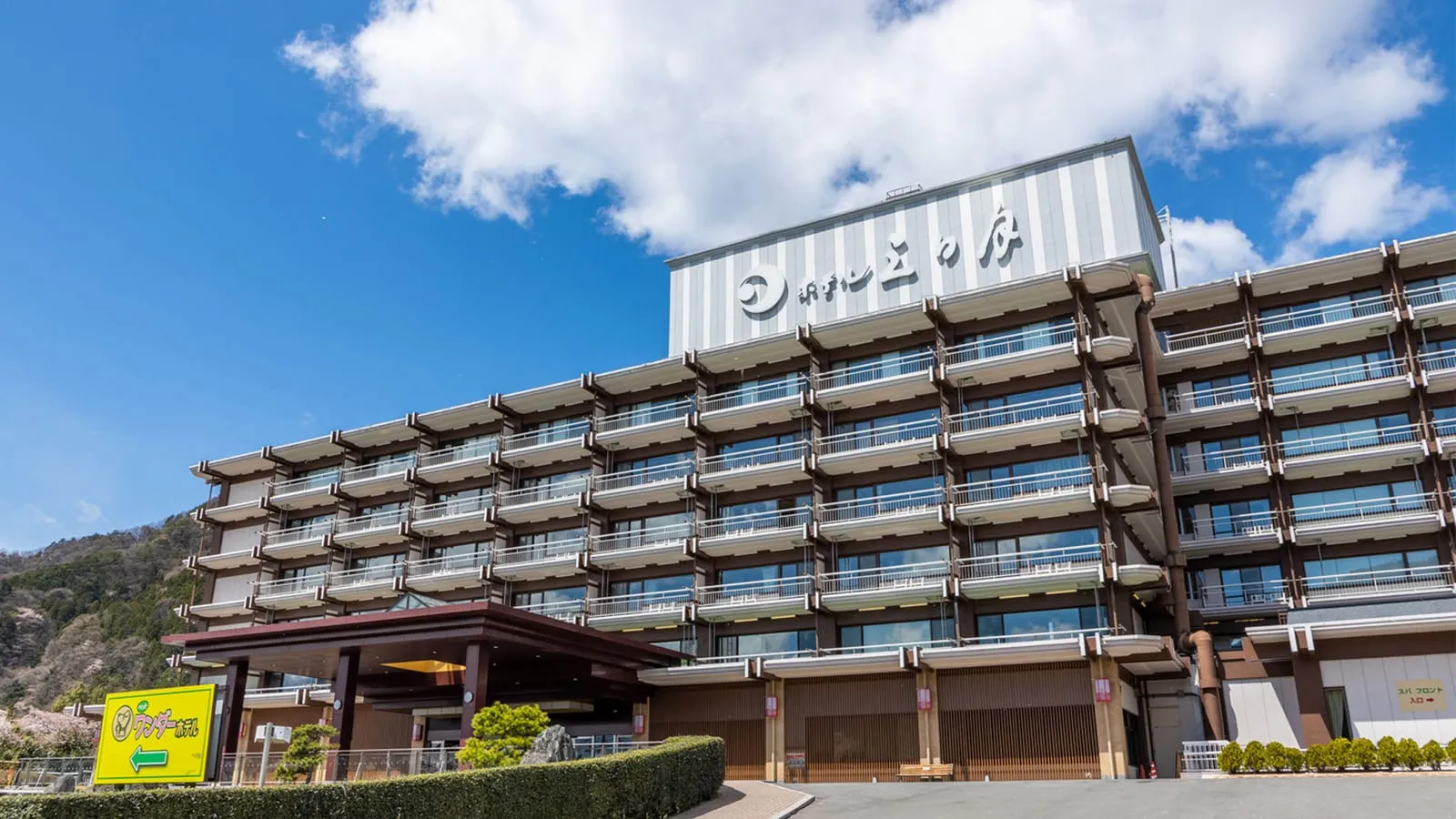
Autumn Leaves With Kids
Peak color timing, plus hotels in autumn leaf areas you can manage with a baby or toddler, from Hokkaido to Kyushu
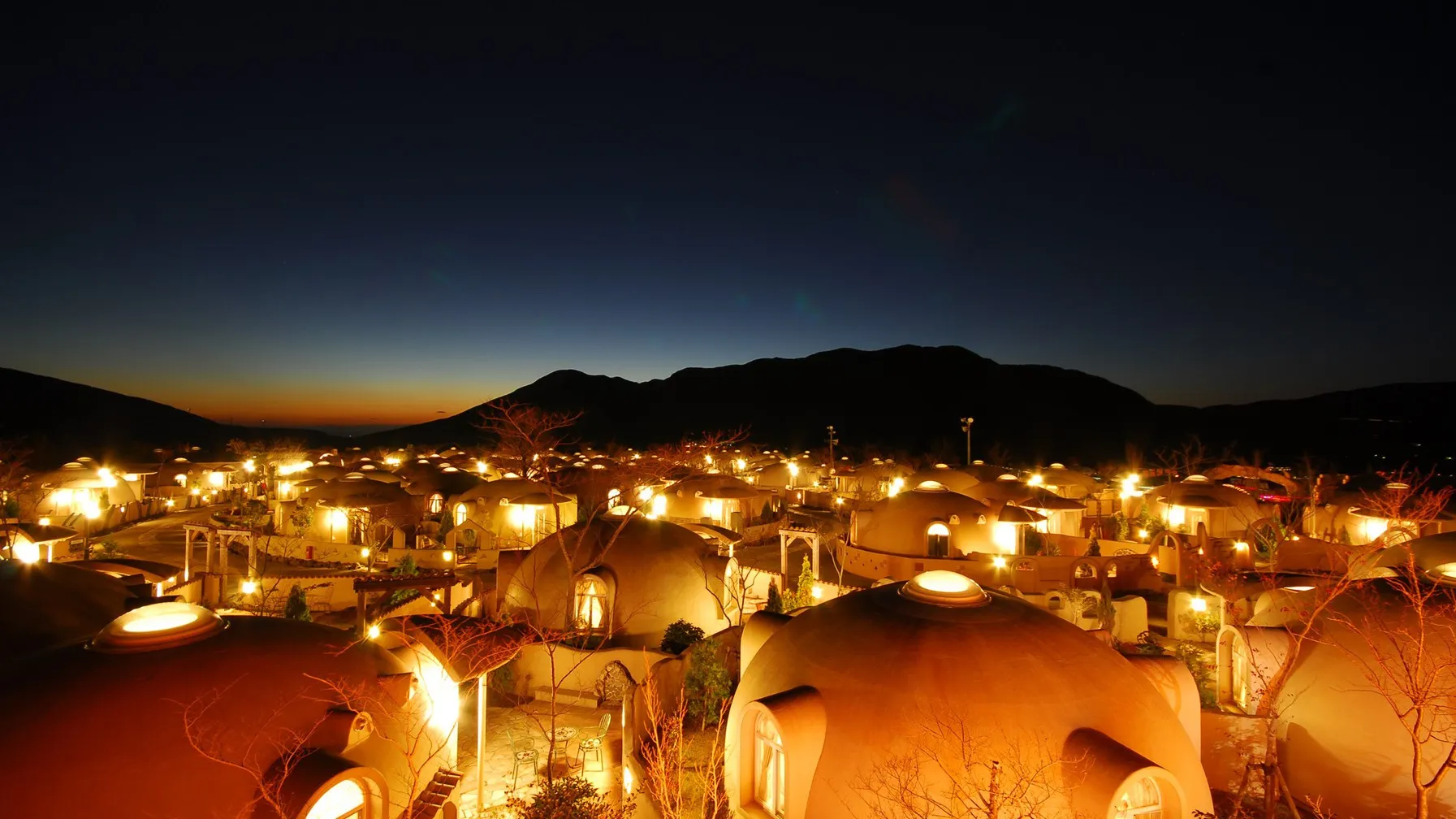
Autumn Farms and Harvest
Hotels with farm activities and animal encounters, plus the areas that make the best base for fruit picking and harvest days, from Hokkaido to Kyushu
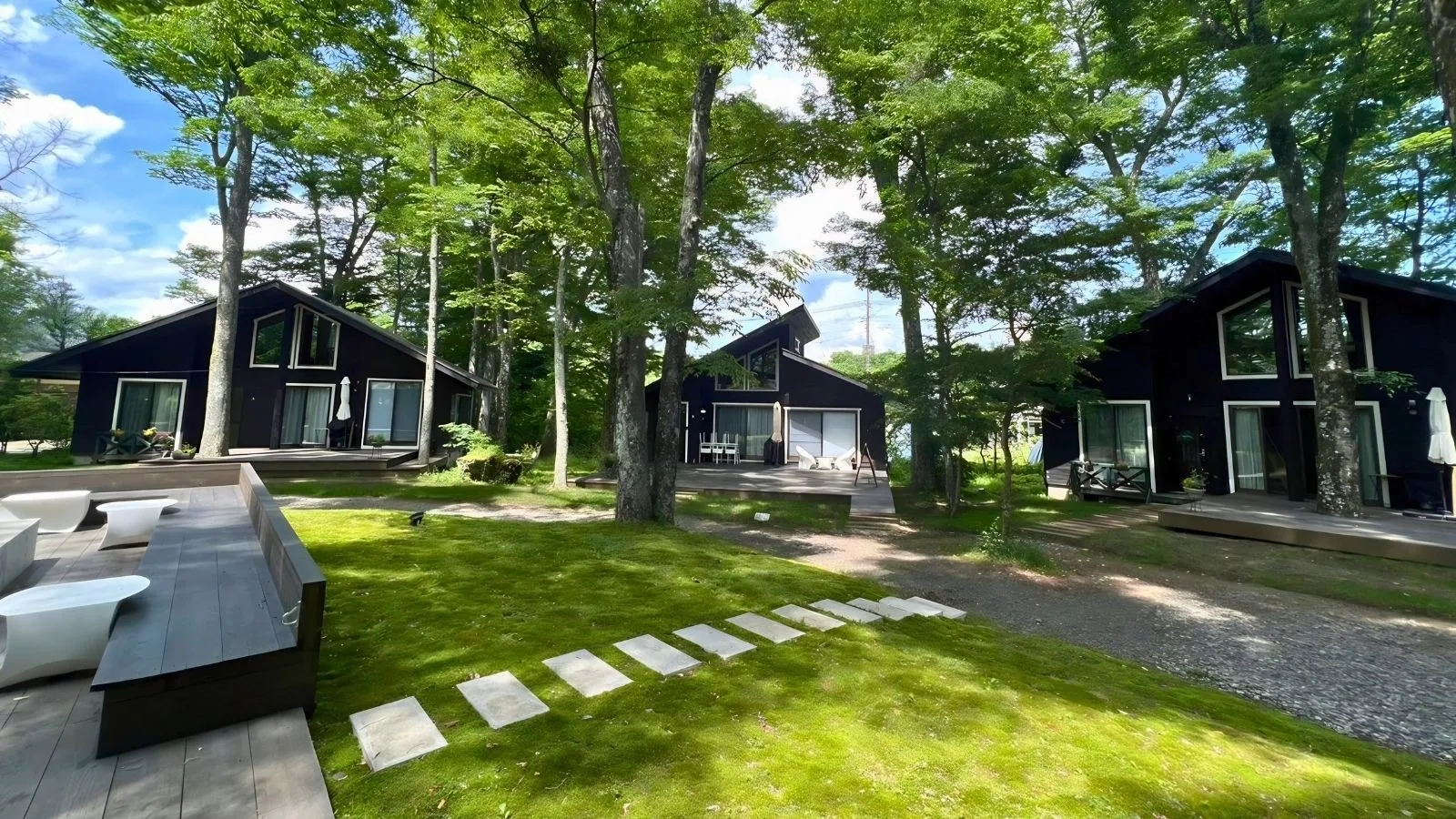
Autumn Cottages and Glamping
No one else to worry about, at your children's own pace. Areas with self-catering villas, cottages, and glamping, from north to south