
Do Japanese Hotels Have Cribs? Baby Beds, Futons, and Ryokan Rooms

This site uses affiliate links; we may earn a commission on bookings.
Note: Counts such as "more than 500 properties" come from the facility data of hotels listed on Kids Stay (as of September 2026, not the total number of hotels in Japan)
Yes. Japanese hotels do have cribs, and there are more of them than most visiting parents expect. In the Kids Stay database, more than 600 properties lend a baby crib, more than 490 lend a baby futon set, and more than 300 lend a bed guard rail that clips onto an adult bed. The catch is that most of them keep only a limited number of units, so a crib in Japan is something you reserve in advance, not something you ask for at the front desk. And if your baby is already pulling up to stand, the best answer in Japan is often no bed at all: a tatami room where the whole family sleeps on futons laid on the floor.
This guide covers all three ways to solve the problem, which one fits your baby's age, and the exact wording to use when you book.
Why a Japanese hotel bed is trickier than the one at home
The two real risks
Japanese city hotel rooms are compact, and the beds are usually tall, pushed close to a wall, and dressed with a soft duvet and large pillows. For a baby, that creates two hazards: rolling off the edge, and soft bedding or a gap between the bed and the wall. Japan's Consumer Affairs Agency has issued repeated warnings about infant accidents on adult beds. The younger the baby, the more clearly "just put the baby on the adult bed" is the option to rule out.
One thing overseas parents often misread
Many Japanese hotels price children by age band, and small children who share a parent's bed frequently stay free. Booking sites show this as co-sleeping at no charge. It is genuinely generous, but read it precisely: it means the child is not charged, not that the hotel will bring a separate mattress or bedding. A sleeping surface for the baby is a separate request, and often a separate line item.
Decide before you arrive, not after
This is why the sleeping arrangement is a booking decision, not an arrival decision. If you start thinking about it once you are standing in the room with your luggage, there is almost nothing left to choose from. Rental units are already out, and the room type is fixed.
What to do at each age
The right answer changes with your baby's stage, so here is the conclusion for each one first.
0 to 4 months, before rolling over
This is the stage with the widest range of options, because the baby stays where you put them. A hotel crib is the most reassuring choice, and a portable in-bed sleeper you bring from home works well too. Even placing the baby in the middle of an adult bed with a parent on each side is workable at this age. Watch the softness of the mattress and the bedding: keep the heavy duvet and the large hotel pillows a clear distance from the baby's face.
5 to 8 months, rolling and shuffling
Fall risk appears almost overnight, and this is the age band where accidents most often happen. Sleeping the baby directly on an adult bed is off the table. Use the hotel's crib with the side rail raised, or a bed guard rail combined with a bed pushed against a wall, or book a tatami room from the start. Most in-bed sleepers reach their upper age limit right around here, so rather than buying more gear, it becomes more sensible to solve the problem with the hotel's equipment.
9 to 18 months, pulling up and walking
Babies at this stage start trying to climb over crib rails, which makes a crib itself less useful. The strong choice here is a Japanese-style tatami room, or a room with a low bed or a tatami platform bed. If the floor is the bed, a baby who wakes and starts moving at 2 a.m. cannot fall from a height. If only a standard bed room is available, layer your defenses: push the bed to the wall, put the baby on the wall side and the adult on the outside, and lay cushions on the floor as backup.
Once your child is past the first birthday and walking, a sleeping surface close to the floor ends up safer than one surrounded by rails. Treat this as the point where you stop searching for a crib and switch to booking a tatami room or a low-bed room instead.
18 months and older
Sharing a bed becomes stable, and the equipment question mostly retires itself. What remains is simple arithmetic: is the bed wide enough for two adults plus a child? At this point you are choosing rooms by bed width, or rooms where the twin beds can be joined into one wide surface.
Portable and improvised setups that actually work
Bring an in-bed sleeper
A small padded sleeper that sits on top of the adult bed gives the baby a defined space and a low edge. Folding travel versions fit in a suitcase, and as a sleeping surface that does not depend on what the hotel has, it is the most versatile option around the rolling-over stage. Check the product's upper age limit, which is often somewhere near the first birthday.
Push the bed against the wall and sleep on the outside
This is the standard move in a twin room. Slide the bed against the wall, put the baby on the wall side and the adult on the open side. Whether you can also push the two beds together to close the gap between them depends on whether the frames are fixed to the floor or movable, which varies by hotel. Ask when you book. Some Japanese hotels list a "Hollywood twin" layout, which simply means two beds already placed side by side as one wide surface, and in those rooms the gap problem is solved before you arrive.
For a long stay, have a travel crib delivered
For a stay of a week or more in one place, baby equipment rental services in Japan will deliver a folding playpen-style or floor-level crib to your accommodation, so you carry nothing and still get a dedicated sleeping space. For one or two nights it is overkill, but for a week-scale stay it is a serious option. Arrange it with the property in advance so the front desk expects the delivery.
Cushions on the floor as insurance
Padding the floor beside the bed is widely done, but be honest about what it does: it reduces injury, it does not prevent a fall. In winter, air conditioning also tends to leave the floor colder than the bed, so check the temperature down there before you commit a baby to a floor-level sleeping spot.
The two setups worth relying on are a packed in-bed sleeper and the bed-against-the-wall layout, and both get more reliable if you ask one question at booking: can the beds be pushed together?
What Japanese family hotels actually lend
The numbers
Across the properties listed on Kids Stay:
- Over 600 hotels and ryokan lend a baby crib
- Over 490 lend a baby futon set, meaning a small firm mattress and light cover sized for an infant
- Over 300 lend a bed guard rail that attaches to an adult bed
- Over 200 have rooms with low beds or tatami platform beds
So the premise that you cannot bring a crib to Japan is correct, but the conclusion that you therefore have to improvise is wrong. At family-friendly properties, the sleeping equipment is more often already there. Better still, 47 properties lend all three items, crib, baby futon, and bed guard rail, and at those properties you can sort out the sleeping arrangement on site whatever stage your baby is at.
Limited units, advance reservation expected
One practical warning. Rental items are limited in number and normally require a reservation. Seeing "crib available" on a facility page and assuming it is guaranteed is how families end up hearing "they are all out tonight" at check in. Say at the time of booking that you want to use a crib or a bed guard rail, and get it confirmed in writing.
hotelHotels that lend both a crib and a bed guard rail
Five well-reviewed properties from the group that stocks both

Sheraton Grande Tokyo Bay Hotel
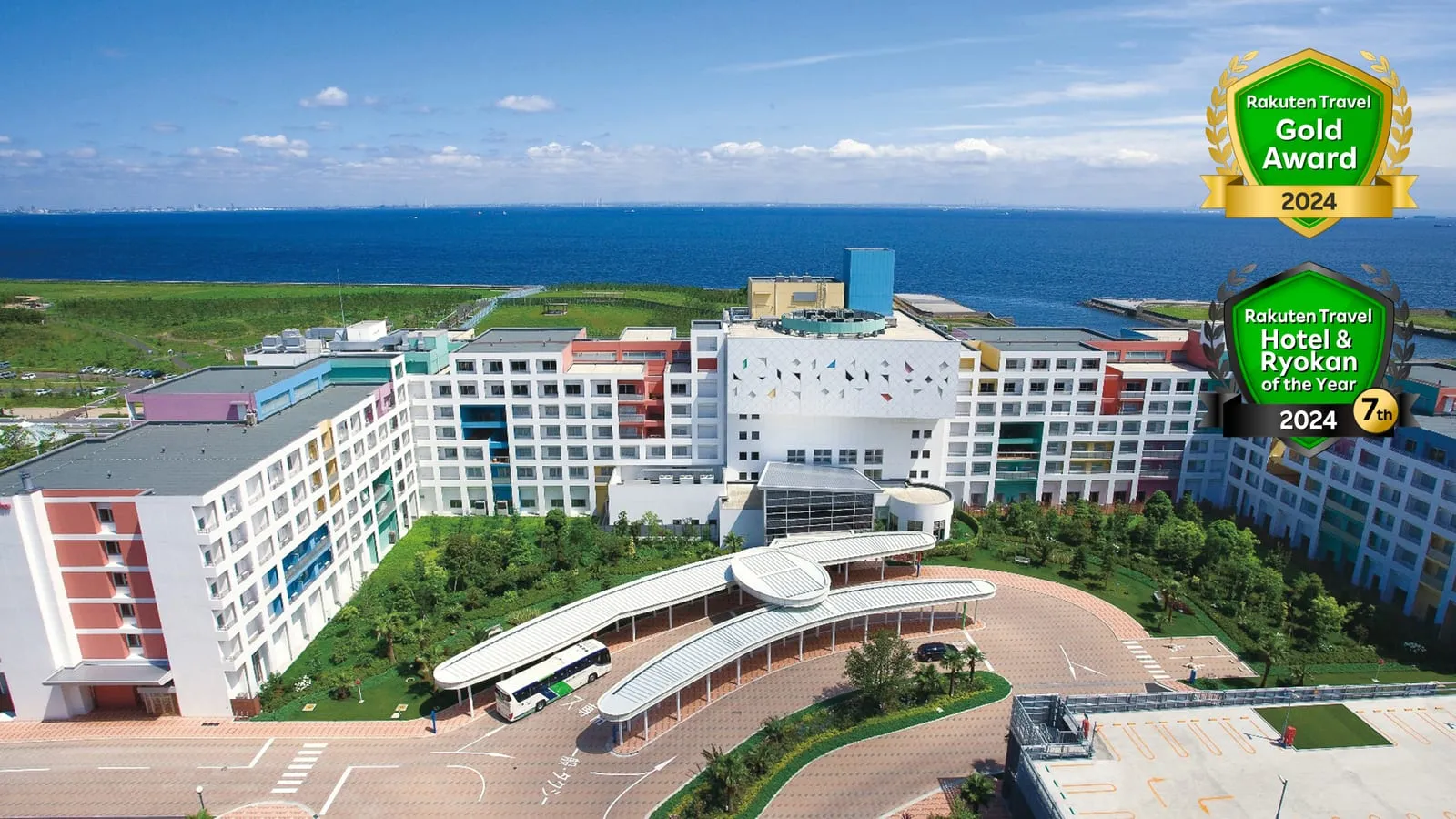
Mitsui Garden Hotel PRANA Tokyo Bay

Hilton Tokyo Bay

Hotel Emion Tokyo Bay

Shinagawa Prince Hotel
Find hotels that lend baby sleeping gear
Find hotels that lend baby sleeping gear
Narrow your search to properties in your destination that lend cribs and bed guard rails
The simplest answer of all is a tatami room
Everything above is about beds, but in a Japanese-style room where everyone sleeps on futons, falling is structurally impossible. A washitsu, the traditional room type found in ryokan and in many hotels, has a tatami mat floor and no fixed bed. Futon mattresses are laid out side by side in the evening, and the family sleeps in a row on the floor. For the crawling and cruising months, a room where everything is low and soft is dramatically easier, and it is the setup many families end up calling the best part of the trip.
How to find one
Japanese-style and hybrid Japanese-Western rooms are one of the main search filters on this site, and you can browse them in the list of hotels with Japanese-style rooms. If you are staying at a city hotel where only bed rooms exist, a room with a low bed or tatami platform bed gives you effectively the same peace of mind, because the mattress sits close to the floor.
How to ask when you book
With rental equipment, whether it exists matters less than whether it is held for you. Cover three points in the notes field of your reservation or in an email, and nothing important is missing.
The three things to tell them
- Your baby's age in months, since it changes the size and type of bedding they prepare
- Which item you want: a crib, a bed guard rail, or a baby futon set
- For a bed room, whether the beds can be pushed together with no gap
A message you can copy
Something this short is enough. "We will be staying with our 7-month-old baby. Could we reserve a baby crib, or a bed guard rail if a crib is not available? Also, is this a room where the two beds can be pushed together with no gap between them?" The reply tells you both the availability and the bed layout, so if the cribs are booked out, you can switch to plan B before you fly, whether that means packing an in-bed sleeper or changing the room type. That margin of time is the whole difference between asking at booking and asking at the front desk.
Practical notes for sleeping on futons
Since tatami rooms are the recommendation, here is how to run the futon setup well.
- Move the baby's futon to the wall side. Babies roll on tatami too, so a position with something solid on one side is calmer.
- Give the baby separate covers. Sharing a heavy adult futon quilt risks it coming over a young baby's face. Use the hotel's baby futon set if they lend one, and more than 490 properties do, and if not, a bath towel or a wearable sleep sack does the job. Packing one sleep sack from home removes this problem entirely.
- Keep your home lighting habit. If you sleep in full darkness at home, turn off the small night lamp here too. On a night when a new environment is already disrupting sleep, matching one familiar variable helps.
- Clear the room at check in. The low table and legless floor chairs that come with a tatami room are hazards for a baby who is learning to pull up. Push them into a corner as soon as you arrive; staff expect this request.
Putting it together
The sleeping problem splits by age. Up to around the rolling-over stage, use a packed in-bed sleeper or the hotel's crib. Through the riskiest window of 5 to 8 months, rule out the bare adult bed. From the crawling stage onward, the strongest answer is to remove the height altogether with a tatami room or a low bed. Whatever you choose, the real safeguard is telling the property at booking time so the equipment is held in your name.
And if you filter for hotels that lend baby cribs or hotels with Japanese-style rooms while you are still choosing where to stay, the improvising never has to happen at all.
For planning a first trip with an infant more broadly, see the complete guide to your first hotel stay with a baby, and for cutting your luggage down, see choosing accommodations that halve what you pack.
FAQ
Will a hotel add bedding if our child stays free by sharing our bed?
Usually not for free. The free co-sleeping rate assumes the child shares an adult's bedding, so extra bedding is a paid item at many properties. Check the facility page for whether a baby futon set is available for loan, since some charge and some do not, and request it when you book.
Up to what age is a hotel crib actually useful?
Most rental cribs at Japanese properties are rated for babies up to around 12 months, but in practice about 8 months is the realistic limit for comfortable use, because once a baby starts pulling up to stand there is a risk of climbing over the rail. After that, a tatami room, or a low bed combined with a guard rail, is the workable setup.
Can a baby simply sleep on a ryokan futon?
Adult futon mattresses can be too soft for an infant. If the ryokan lends a baby futon set, use it. If not, place the baby on the firmer mattress layer and keep the adult quilt and pillows a clear distance from the baby's face.
From what age can we use a bed guard rail?
This one gets overlooked: most bed guard rails are rated for children 18 months and older. Below that age there are reported accidents involving babies becoming trapped in the gap between the rail and the mattress, and Japan's Consumer Affairs Agency has warned about it. It is tempting to buy a guard rail for the rolling-over months, but that is exactly the age the product is not designed for. Under 18 months, solve it with the hotel's crib or with a tatami or low-bed room instead.
Where in the room should the crib go?
Ask for a spot out of the direct air conditioning airflow, and out of reach of curtains, cords, and cables. Requesting that the crib be moved at check in is a completely normal thing to ask, so do not hesitate.
Related articles


Seasonal collections
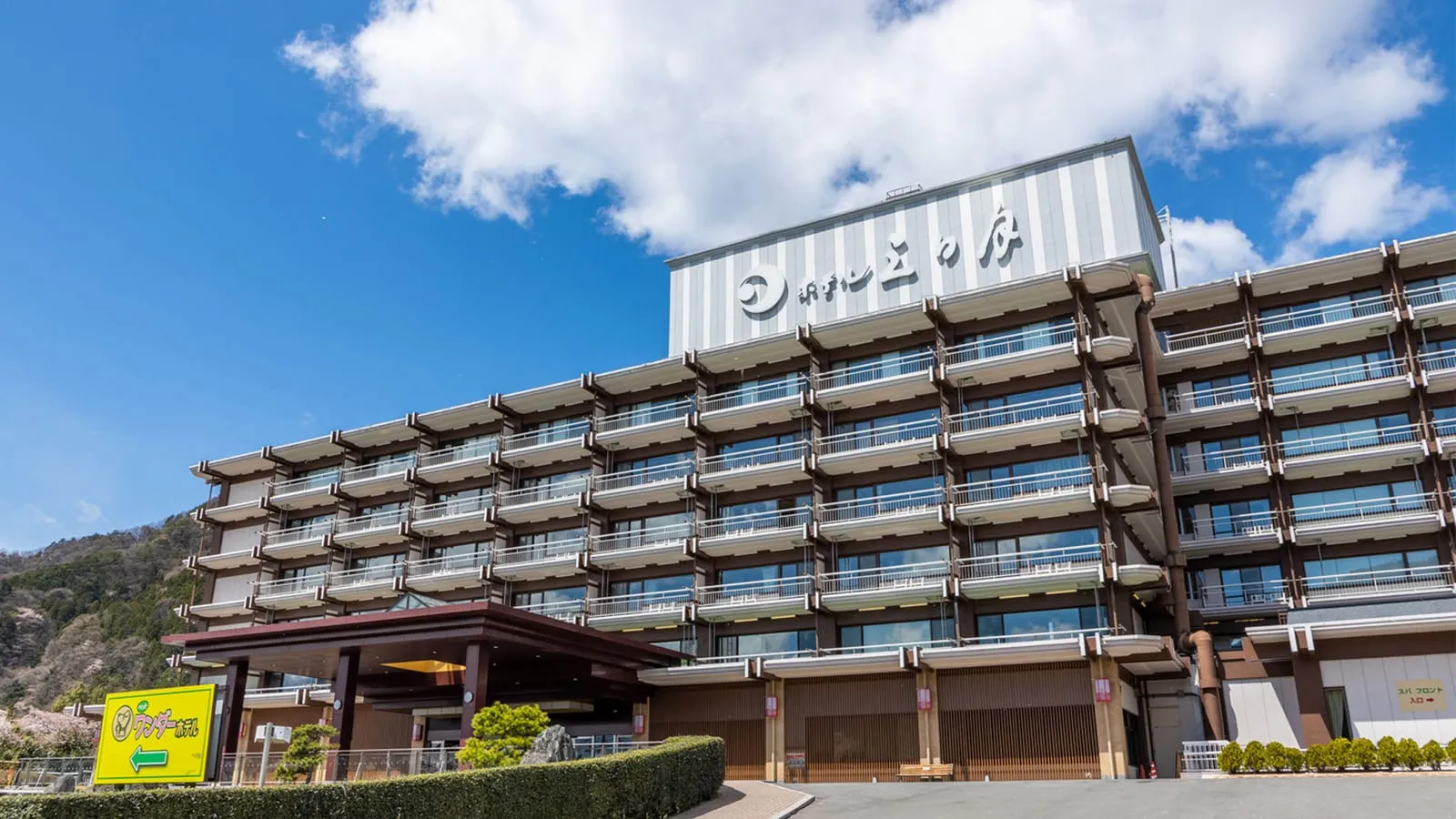
Autumn Leaves With Kids
Peak color timing, plus hotels in autumn leaf areas you can manage with a baby or toddler, from Hokkaido to Kyushu
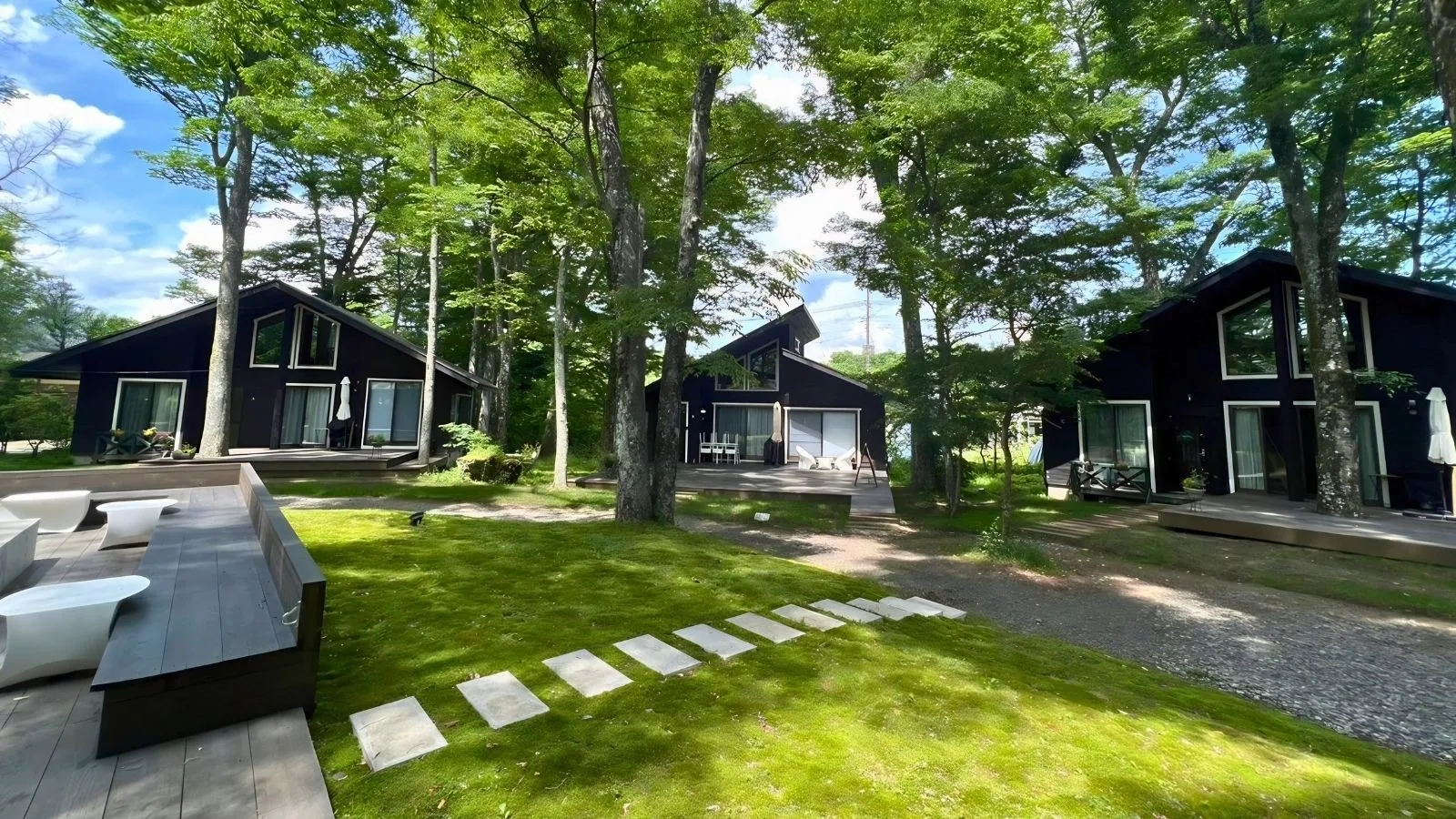
Autumn Cottages and Glamping
No one else to worry about, at your children's own pace. Areas with self-catering villas, cottages, and glamping, from north to south

Autumn Highland Play
In the season that is neither hot nor cold, find hotels where kids can run around outside. Highland areas with outdoor play areas and adventure courses, from north to south
Autumn Long Weekends With Kids
Skip the crowds and traffic with hotels where short travel and on-site or nearby fun are enough. Four ways to spend it: highlands, hot springs, the sea, or a large resort

Autumn Farms and Harvest
Hotels with farm activities and animal encounters, plus the areas that make the best base for fruit picking and harvest days, from Hokkaido to Kyushu

Late-Summer Okinawa Beaches
Fall in Okinawa, Miyakojima, Ishigaki, and Amami, once the crowds and the heat have eased. Stays within walking distance of a beach, or with a kids' pool