
Can a Baby or Toddler Go in a Japanese Onsen? Age, Diaper and Tattoo Rules

This site uses affiliate links; we may earn a commission on bookings.
Note: Counts such as "more than 500 properties" come from the facility data of hotels listed on Kids Stay (as of October 2026, not the total number of hotels in Japan)
Yes, babies can go into a Japanese hot spring, and no, there is no law that sets a minimum age. The age rule is set by each individual property, and by your own child's development. In practice, most Japanese families wait until after the one month health checkup before their baby goes into a real tub, and hotels most often point to around six months before a baby joins the big shared bath.
An onsen is a naturally heated mineral spring, and at a hotel it usually means a large gender separated communal bath where everyone bathes without swimwear. That format is exactly where the three questions overseas parents ask most often come from: how young is too young, what happens if our child is still in diapers, and what about tattoos. All three have concrete answers, and two of them usually come down to the same booking decision.
Find hotels where children in diapers can get into the bath
Find hotels where children in diapers can get into the bath
Kids Stay lets you search only the hotels that officially state a child who is not yet potty trained may get into the water. Just choose an area and the number of guests.
menu_bookContentsexpand_more
- Can babies go in an onsen in Japan? It depends on which bath
- Still in diapers? Three ways into the water
- Tattoos at Japanese hot springs, and the workaround
- How old can a parent take an opposite-sex child into the bath?
- Spring type, water temperature, and how long to soak
- Booking checks, and how the evening actually runs
- FAQ
- The short version
Can babies go in an onsen in Japan? It depends on which bath
The reason you find "from six months, " "after one year" and "only once potty trained" all at once is that they are answers to different questions. A private in-room tub and a shared bath used by dozens of strangers are not the same thing in terms of hygiene, water temperature, or safety. Here is the realistic pairing of age and bath type.
| Age | Bath that works without strain | Why |
|---|---|---|
| Under 1 month | Baby bath at home | Newborn period. Skip the onsen trip itself |
| 1 to 3 months | In-room bath | Tub debut comes after the one month checkup |
| 4 to 6 months | In-room bath or private bath | Head control and temperature regulation are developing |
| 6 months to 1 year | Private bath, communal bath if conditions allow | A short soak in the communal bath becomes an option |
| 1 year to out of diapers | Communal bath, depending on the hotel's rule | This is exactly where properties split |
| Out of diapers | Communal bath | Age based restrictions largely disappear |
The tub debut comes after the one month checkup
In the newborn period a baby is washed in a small baby bath rather than a shared tub, and most families wait until the one month checkup confirms everything is fine before using a full tub. One Japanese hot spring information site advises avoiding hot spring bathing entirely for babies under 28 days old.
That guideline assumes a bath at home. Onsen water is usually hotter than home bath water and its minerals can be more irritating, so it is safer to treat the checkup as permission for a tub, not permission for a hot spring. Babies born with low birth weight may have less resistance, so the child in front of you matters more than the number of months.
Whether to make the trip at all is a separate decision from whether to get in the water. The official column of one onsen ryokan, a traditional Japanese inn, advises against traveling with a baby between one and six months old and begins its baby friendly guidance from around six months, because mountain and seaside inns can be an hour's drive from a hospital, and because a baby who gets run down by the change of environment is easy to miss. For a family arriving from overseas and adding jet lag to that, getting to the inn comfortably matters more than getting into the water.
The communal bath from around six months
For the big shared bath, six months is the figure many properties and guides settle on. By then neck and back control makes a baby easier to hold, the skin is a little more robust, and temperature regulation has developed.
Other guidance takes the immunity side and suggests waiting until two years old for shared baths. The numbers disagree because the answer changes depending on whether you weight hygiene or physical development more heavily. The practical compromise is a staircase: in-room bath at three to six months, private bath from six months to one year, communal bath after one year. A ryokan that regularly hosts babies lays out exactly that progression, and the point is not to change hotels as your child grows but to change which bath you use inside the same hotel. Book the plan one step above what you think you need, and you can always step down on the day.
One ryokan that has welcomed more than 40,000 families with babies over 25 years writes that there is no absolute "safe from X months" answer, and that judging by the month count alone is actually the dangerous approach. Head control, no fever or diarrhea, no runny nose or cough, no drop in feeding: today's condition outranks the calendar.
There is no nationwide age limit, so ask the hotel directly
This surprises most visitors: there is no age restriction common to all bathing facilities in Japan. Each property writes its own policy on infants and on children in diapers. That is why one hotel's FAQ says "no particular restrictions" while another hotel's says "we ask that children who are not yet potty trained refrain from using the baths."
Booking sites almost never carry this detail in their facility lists. The reliable move is to ask the hotel, and the phrasing matters. Instead of "what age can children use the bath?" write or say "our child is X months old and still in diapers, which of your baths can we use?" That gets you an answer that names a specific bath. Even when the answer is no for the communal bath, a private bath or an in-room bath is usually offered as an alternative, so the question is always worth asking. If you are booking from overseas, send that same question as a short email in English before you decide.
Before you research "what age," open the official website of the hotel you actually want and read its infant bathing rule. It is faster.
Still in diapers? Three ways into the water
Diapers are the single biggest wall at an onsen. Plenty of properties post a notice asking that children who are not yet potty trained stay out of the communal bath. That is not a reason to give up on hot springs, because changing the type of bath opens three separate routes into the water.
Route 1: Book a private bath
The most reliable option is a kashikiri buro, a bath your family reserves and uses alone. With no other guests in the room, the hygiene concern disappears and nobody minds if your baby cries. In the Kids Stay listings as of September 2026, more than 530 hotels have a private bath, and more than 120 of those let you use it free of charge.
One trap: even at a hotel with a private bath, whether children in diapers may use it is decided separately. Booking site facility lists will not tell you, so check the official FAQ or ask after you book. Where it is paid, listed examples include ¥3,300 for 45 minutes or ¥4,000 for 50 minutes (listings as of September 2026). A few thousand yen to make the whole "one parent bathes while the other waits" problem vanish is good value.
Reservation systems differ. Some hotels let you lock a slot online at the time of booking, some take first come sign ups at check in, and some let you use the bath freely whenever it is empty. First come properties can be fully booked for the day if you arrive late, which is a real risk when your arrival depends on a connecting train, so if a private bath is the point of the trip, choose a hotel that takes advance reservations. Slots before dinner fill first, and those are exactly the ones that fit a baby's bedtime.
Route 2: Book a room with its own bath
Next is the in-room bath. There is no walk down a corridor and no time limit, which makes it the safest choice of all for a trip with a baby under six months. The listings show more than 630 hotels with an in-room bath or a room with a private open-air bath (September 2026).
Note that some of these rooms are plumbed with real hot spring water and some simply have a regular heated tub. If the point of the trip is a hot spring debut, confirm which you are getting before you book. A regular heated tub has its own advantage though, since you control the temperature yourself, which is easier to manage with a very young baby.
Route 3: Choose a hotel that says yes to the communal bath
The third route is to find a hotel that states publicly that children in diapers may get in. More than 60 properties in the listings do (September 2026), which is under ten percent of the total, so you will not stumble on one by accident.
Read a few official FAQs and you see the range. Some answer "no particular restrictions" outright. Some say "we do not restrict this" and add a caution about water temperature. Some say infant bathing is left to the parents' judgment. Some keep a baby bath or a baby bath chair in the bathing area itself, and more than 240 listed properties do that.
The easy thing to miss is that "diapers are fine" comes in two shapes. Some hotels allow the communal bath itself. Others say "please avoid the communal bath and use the private bath instead, " which means you have to reserve that private bath or you are not getting into any water at all. Check which bath the yes applies to, not just whether it is a yes.
Also understand that nobody bathes in a regular diaper. Even at hotels that welcome children in diapers, the everyday diaper comes off before entering the water, and some make a swim diaper a condition instead or sell them on site. It is completely normal for two inns in the same hot spring town to give opposite answers. Mention at booking that you have a child who is not yet potty trained, and the hotel will tell you which bath to use.
hotelHotels that publicly allow children in diapers into the water
Five properties whose official FAQ or facility guidance confirms no age restriction on infant bathing
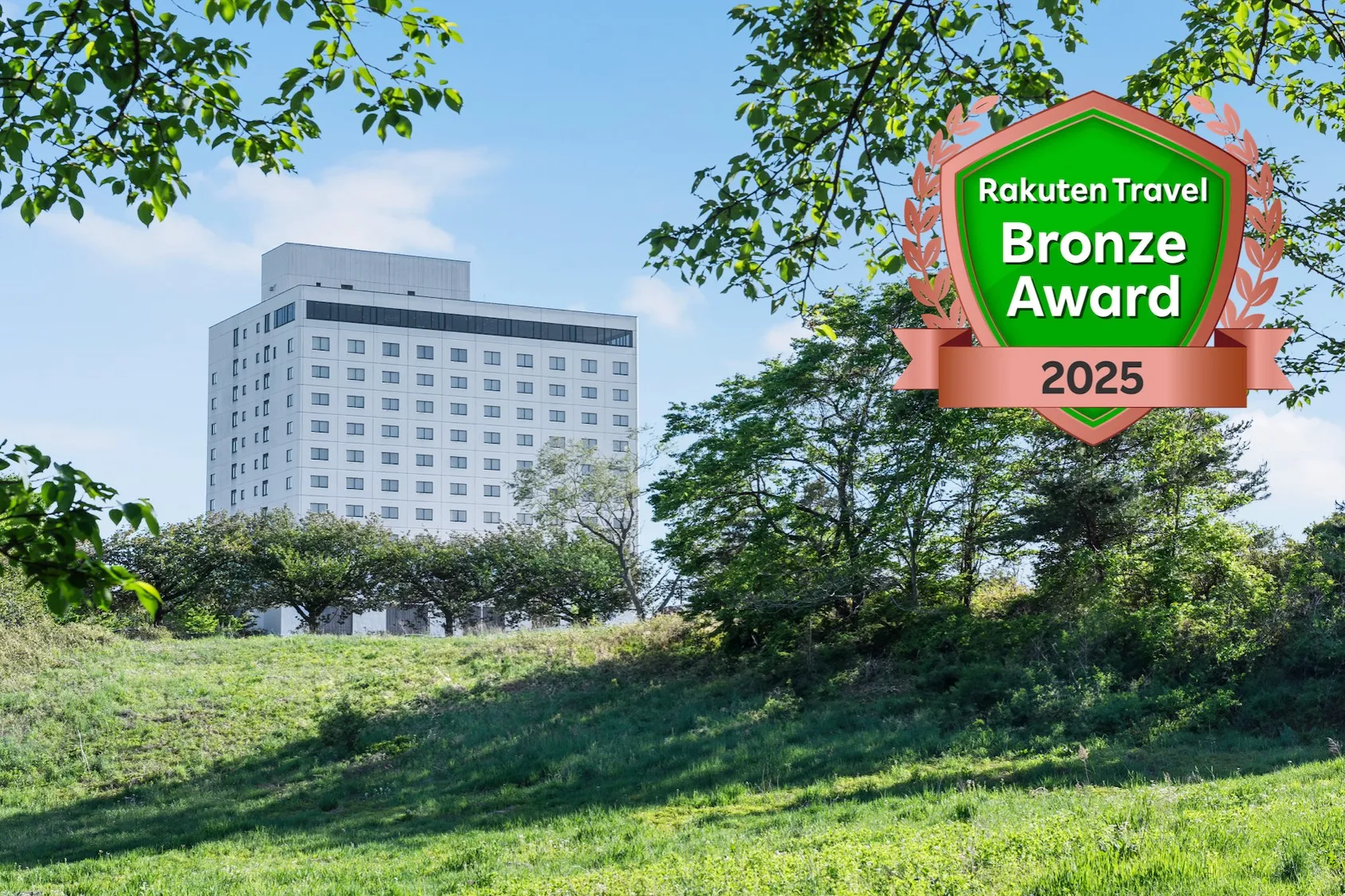
Grand Mercure Nasu Highlands Resort & Spa
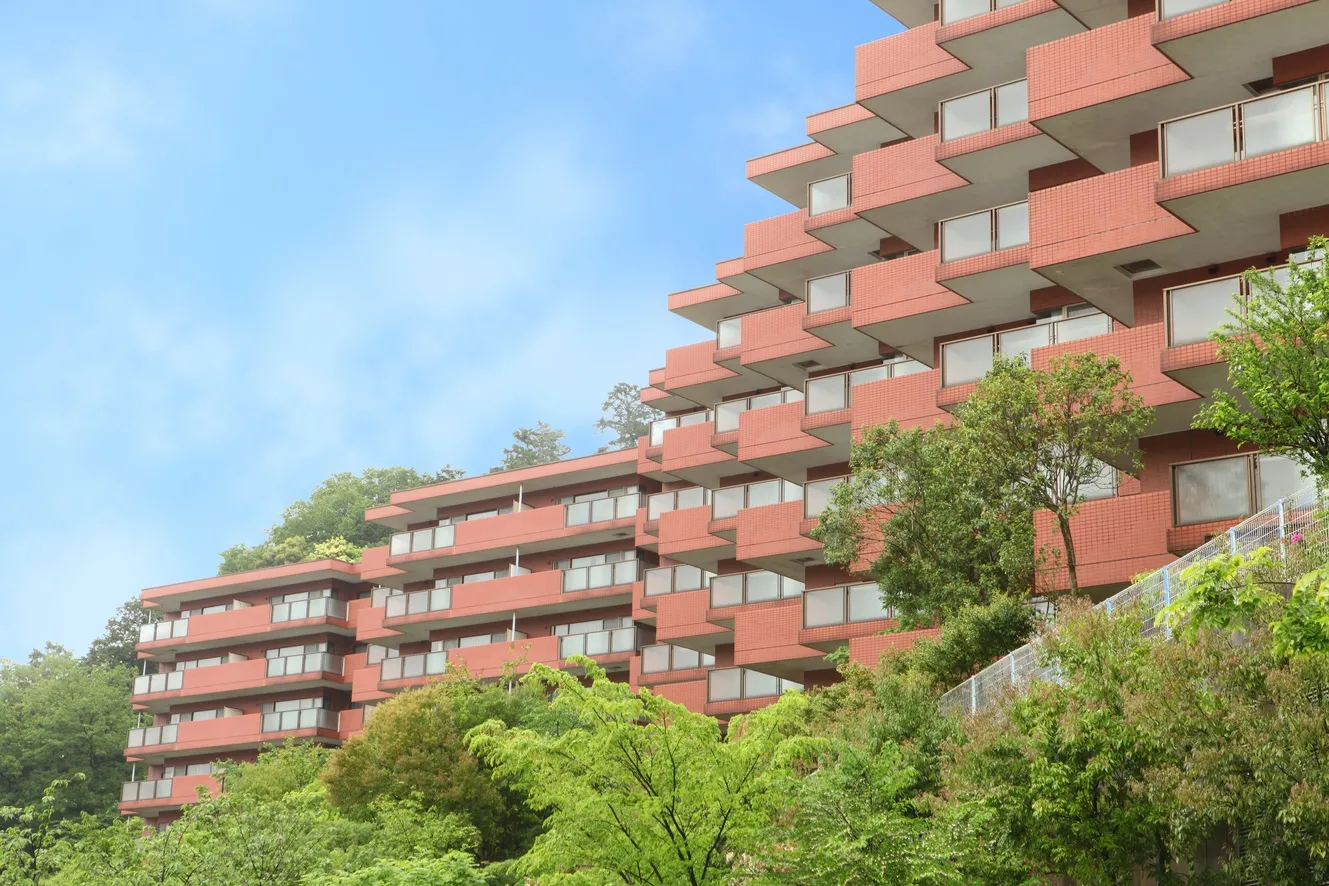
Wellness no Mori Ito
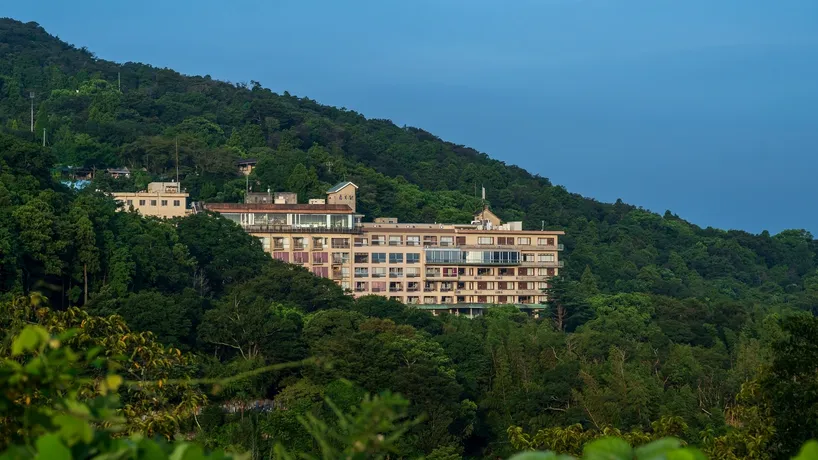
Senpokaku
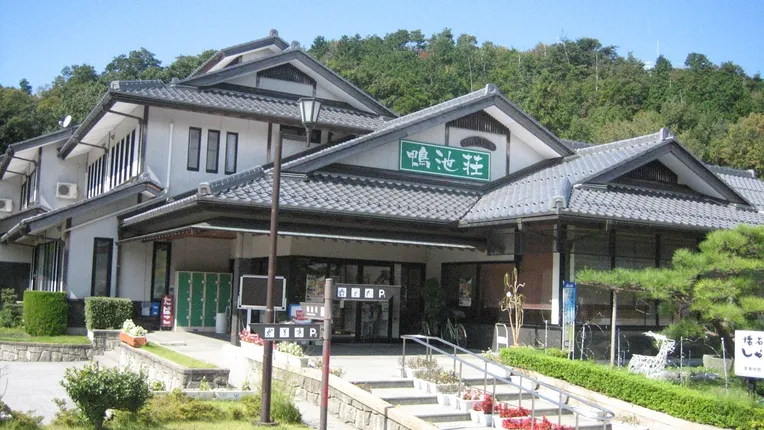
Green Park Santo
Pension Troll's Forest
For a longer walk through the pre booking questions and real examples, see how to choose a hotel where a child in diapers can share the bath.
Tattoos at Japanese hot springs, and the workaround
This one is not about children, but it decides many family trips. Many hotel communal baths in Japan still ask guests with tattoos to cover them with a waterproof patch or to use another bath. Policies vary widely by property, so the answer for your specific hotel is on its own website or one email away, and it is worth settling before you arrive rather than at check in.
The good news is that the fix is usually the same booking decision this article already recommends. A private bath you reserve for your family, or a bath in your own room, has no other guests in it, so the communal bath rule usually does not come into it. A few properties apply their tattoo policy to every bath, though, so confirm it when you ask about the bath. If large communal baths are what you came to Japan for, check the property's tattoo policy before booking; if they are not, a private bath usually settles the tattoo question along with the diaper question.
Tattoo rules and infant rules are both property by property. Check the official website, or ask both questions in the same email.
How old can a parent take an opposite-sex child into the bath?
As children grow, the question shifts to how long a father can take a daughter, or a mother a son, into the gender separated bath. The standard changed recently, so old information circulates widely.
The national guideline says roughly age seven
The Ministry of Health, Labour and Welfare's hygiene management guidelines for public baths were revised in December 2020, lowering the age at which boys and girls should not bathe together from "roughly ten and over" to "roughly seven and over." The reasons given were earlier physical development and trouble prevention.
What confuses people is that a hotel's sign may read "not permitted from age seven" or "permitted up to age six." Both say the same thing, and the boundary sits around the start of elementary school. Some facilities add a separate height criterion of 125 cm.
The actual age is set by prefecture
The national guideline is technical advice to local governments, so the enforceable age is set by each prefecture's ordinance. Adoption dates differ: Osaka moved in 2021, Tokyo in January 2022. Some prefectures name the age in the ordinance, some leave the judgment to each facility. So it is entirely normal to bathe together at one hot spring town and be turned away in another region the following year. When you change destinations, check the hotel's website or the sign at the bath.
The other thing worth knowing is that this only applies to gender separated communal baths. A private bath your family uses alone, or the bath in your room, has nothing to do with mixed bathing rules, so a father and daughter or a mother and son can bathe together at any age. For families with mixed sex siblings, this is often the deciding factor in choosing a hotel.
The child's own feelings come before the number
When the change was reported in Japan, viewer comments raised the obvious worry: sending a seven year old into a bath alone is uncomfortable when you think about slipping or drowning, and some parents felt safer keeping a child on the same sex parent's side regardless of the stated limit. Plenty of families separate earlier, as soon as the child starts feeling shy.
For families uneasy about sending a seven year old into the bath alone, a private or in-room bath removes that worry at the root. The mixed bathing problem does not exist if you book a bath your family uses alone. Around the time a child starts elementary school, what you look for in a hotel naturally shifts from baby equipment to "a bath we can use as a family." If one adult is traveling with an opposite-sex child, plan from the start on not using the communal bath at all, and reserve an in-room or private bath instead. Then no sign at the entrance can derail your evening.
Spring type, water temperature, and how long to soak
Once the bath is settled, the water itself is next. The relationship is simple: the richer and more "effective" a spring feels to an adult, the more irritating it tends to be for a young child's thin skin.
Simple springs are the safe default
The type most often recommended for babies is the simple spring, tanjun-sen, which is clear, odorless, soft on the skin and low in irritating minerals. Chloride springs also suit babies, since the minerals coat the skin and slow heat loss after the bath.
The pH value matters too, and the low irritation range is roughly pH 6.0 to 7.5, close to human skin. The listings include more than 340 hotels with a low irritation spring type such as a simple spring (September 2026). Spring type is usually stated on the hotel's own hot spring page, so it is something you can check before booking, not after arriving. You can browse hotels with a gentle simple spring by area.
Look for the onsen analysis sheet posted in the bathing area. Besides the spring type it gives the source temperature and whether water is added or heating applied. A very hot source usually means the tub is diluted, so do not judge from the source number alone. When you get there, put a hand in the water first. That one small step is what keeps your child from being startled.
Strong springs mean short soaks or skipping
What to be careful with: acidic springs that tingle, and sulfur springs with their distinctive smell. Both are popular with adults for their antibacterial effect, and both are too strong for a baby. Strongly alkaline water above pH 8.5 can strip too much of the skin's natural oil, and its slippery feel also makes the bathroom floor more treacherous.
This does not mean skipping famous strong springs altogether. Keep the soak short and rinse off in the shower afterward, and the destination stays open to you. One property's official guidance notes that its free flowing source can cause a skin reaction, and that it has baby baths and similar items available to lend. For a child with sensitive skin or eczema, ask your own doctor before the trip.
38 to 40 degrees, a few minutes, then water and moisturizer
Aim for 38 to 40°C, the same as a bath at home. Hot spring tubs often run a little hotter, and 42°C and above can cause overheating or make a child unwell. If a hotel has several tubs, just reading the temperature displays and picking the cooler one noticeably reduces the load on your child.
A few minutes in the water is plenty. A flushed face or fussing is the signal to get out. If you want a longer session, get out, rest, then go back in. Hydrate afterward, and mind the temperature difference between the changing room and the lobby. Keeping the soak short is the safety margin itself.
The transitions matter as much as the soak. Instead of lowering your child straight in to shoulder height, ladle water over their feet and work upward so the temperature stops being a surprise. After a strong spring, rinse in the shower and apply the moisturizer your child already uses. Hotels stock toiletries, but for sensitive skin bring your own.
Water at 38 to 40°C, a few minutes in the tub, a drink afterward. Those three alone remove most of what goes wrong on a first visit.
Booking checks, and how the evening actually runs
The last part is logistics. A first onsen is decided at the booking stage far more than on the night itself. There are not many things to check.
Five things to confirm before you book
- Whether infants may use the communal bath, and how children in diapers are handled
- Whether there is a private bath, its price, how it is reserved, and whether children in diapers may use it
- Spring type and water temperature, and whether the water is a strong type
- Whether the changing room has a baby bed or a changing table
- Whether the bathing area has a baby bath, a bath chair, and gentle soap
The last two get overlooked, but whether there is somewhere safe to put your baby down decides how hard it is for a parent to wash at all. The listings show more than 200 hotels with a baby bed or changing table in the changing room, and more than 170 stocking low irritation baby soap (September 2026).
Accidents happen in the changing room, not the tub
The near misses cluster on wet floors in the changing room and the washing area rather than in the water. The further you have to carry a child, the higher the risk, which is why a changing table in the changing room transforms the whole routine.
Fix the order in advance. Wash yourself first, then your child, then a short soak last. On the way out, dry and dress your child first and deal with yourself afterward. Assuming from the start that you come second removes most of the panic. One property notes that it keeps a baby basket in the changing room for exactly this, and small equipment like that is what actually determines the effort involved.
hotelHotels with both a private bath and a baby bed in the changing room
Five properties confirmed to have a family only private bath plus a baby bed or changing table in the changing room
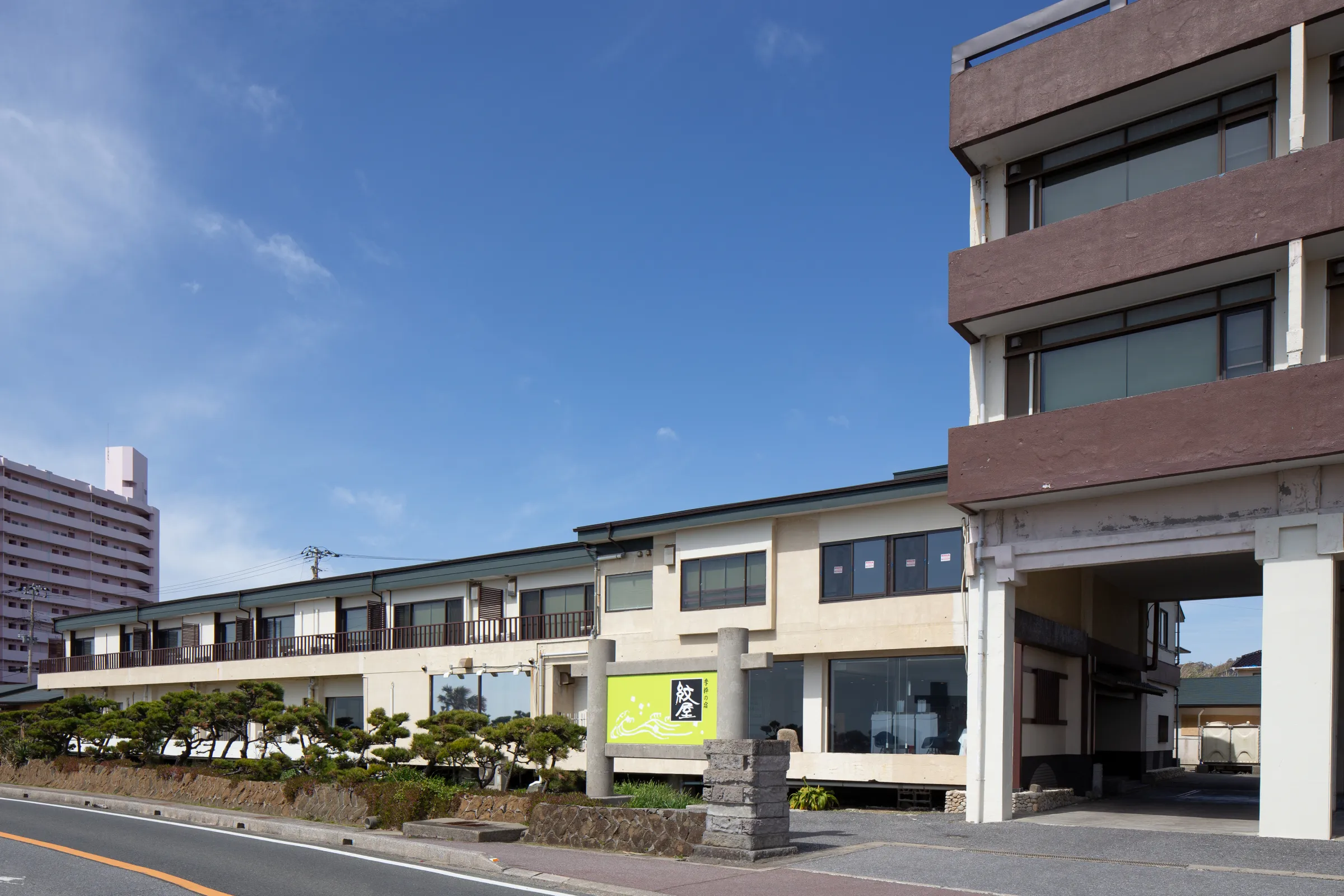
Kisui no Yado Monya
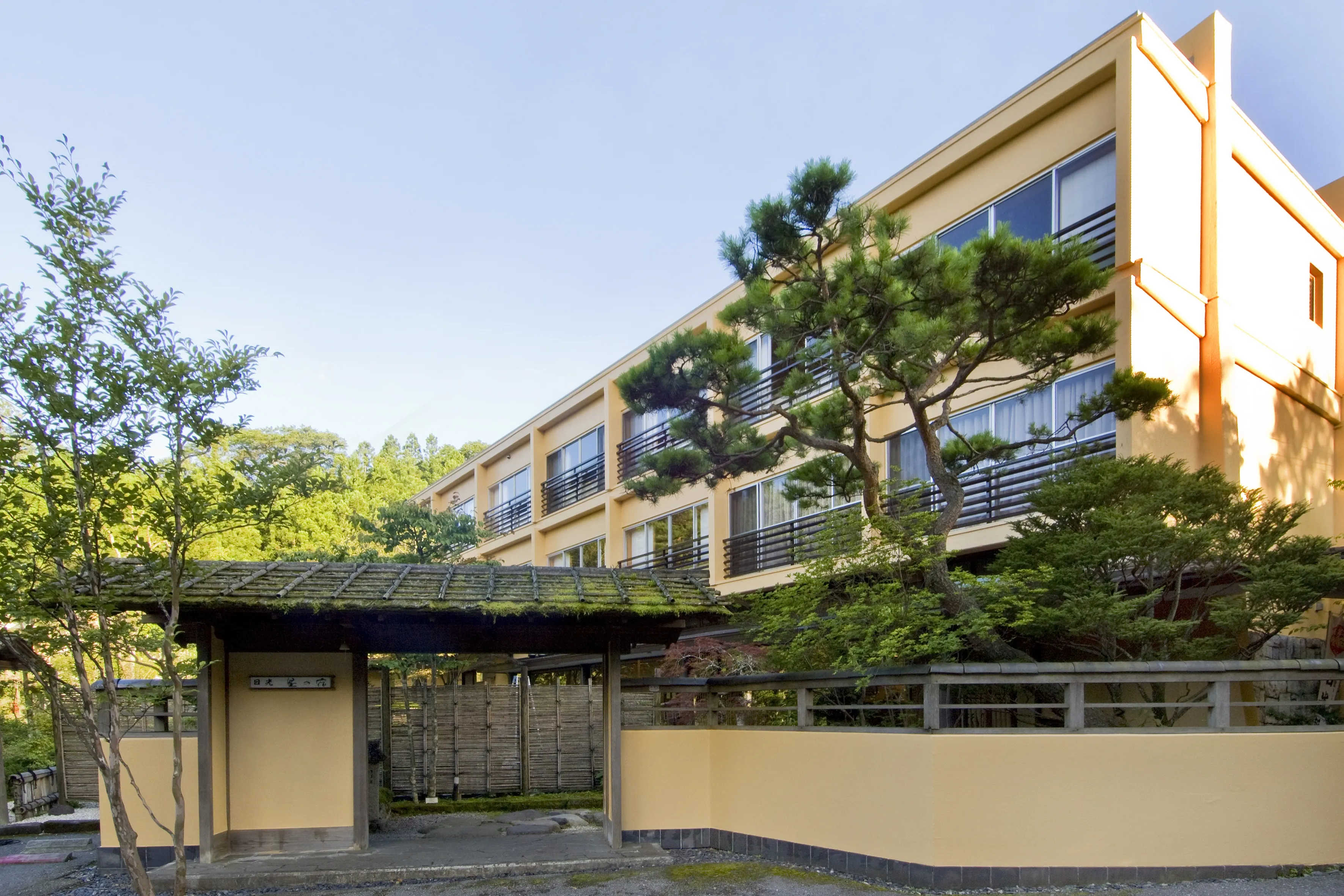
Nikko Hoshi no Yado
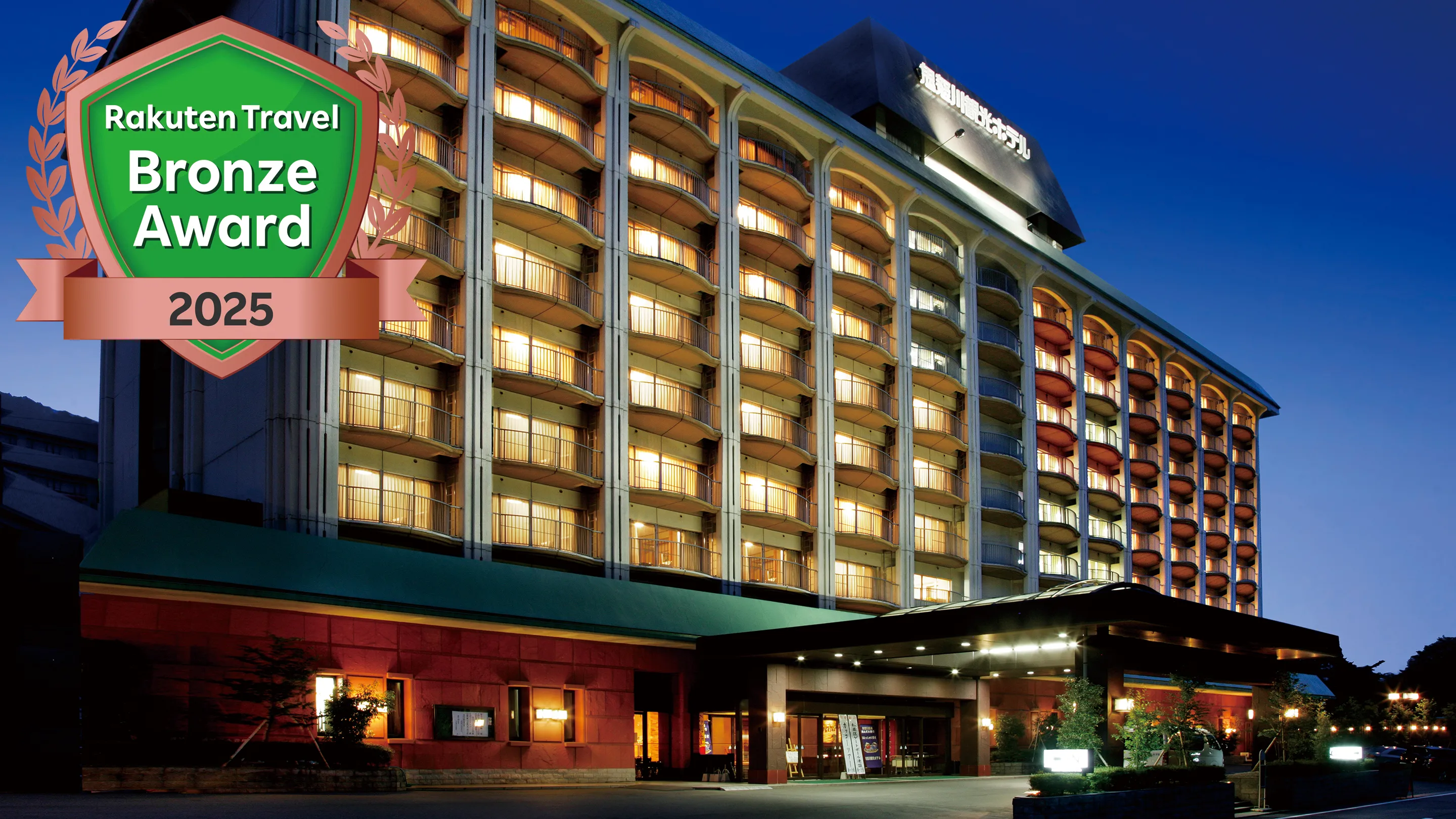
Ooedo Onsen Monogatari Premium Kinugawa Kanko Hotel
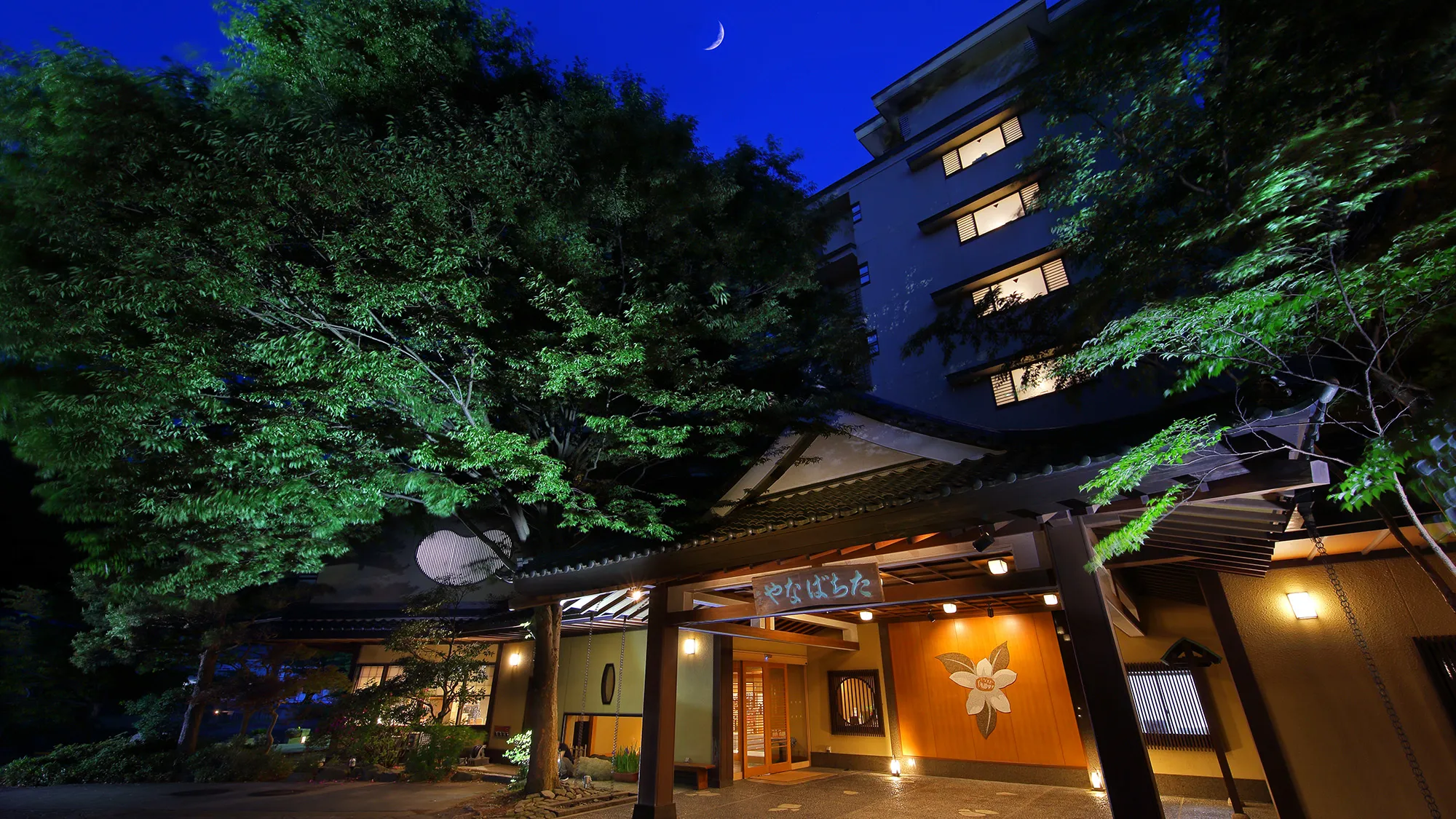
Atsumi Onsen Tachibanaya
Forest Resort Conifer Iwabitsu
When you search by facilities, starting from hotels with a baby bed in the changing room narrows things down to properties where the bathing routine does not get stuck.
Shift your timing, and pack less
If you use the communal bath, going at a quiet hour is the single most effective courtesy. The hour before dinner, around 5pm, and the dinner service window around 7pm are the busy times. Between 3pm and 5pm right after check in, and early in the morning, the bath is quiet enough that a child's voice does not carry.
If your hotel serves dinner at a fixed time, bathe before dinner rather than after. Afterward, sleepiness arrives and it collides with the window where you want your child warm and in bed. A 6am bath can be close to having the place to yourself. Moving one hour away from the peak lowers the difficulty considerably.
Decide what to pack only after you know what the hotel already has. Baby soap, baby baths, bath chairs and diaper bins are lent or installed at many properties, and not carrying what is already there visibly lightens your bags. Even a potty trained child can have an accident in a strange room, so ask whether overnight diapers or a waterproof sheet can be borrowed.
Worth bringing:
- The moisturizer and baby soap your child already uses (do not rely on hotel supplies for sensitive skin)
- A light layer to put on after the bath (for the gap between changing room and lobby)
- A drink ready to hand over immediately
- Overnight diapers or a waterproof sheet, after checking what can be borrowed
What you can leave at home is the baby bath or bath chair. More than 240 hotels have them installed in the bathing area, and more than 200 lend a baby bath for use in your room (September 2026). Count what the hotel already has before you decide what to pack.
travel_exploreBrowse first onsen conditions by area
Hotels with a private bath or a gentle spring type, narrowed down inside Japan's most popular hot spring areas
articleRead next
Children in diapers and the communal bath, a first hotel stay with a baby under one, and sleeping arrangements on the road


FAQ
At what age can a baby go into an onsen in Japan?
There is no age limit that applies nationwide. A tub at home is generally fine after the one month checkup, and for shared hotel baths the most common guidance points to six months and up, though some sources recommend waiting until two on immunity grounds. Before that, short soaks in an in-room bath or a private bath are possible. The final answer is set by each property, so check the hotel's own website.
Our toddler is still in diapers. Can we use a hot spring at all?
Yes. More than 60 listed properties state in their official FAQ that they place no restriction on infant bathing (September 2026). Elsewhere, a private bath or an in-room bath is the usual way in, though whether children in diapers may use a private bath is also decided property by property, so confirm it with the hotel. Read carefully whether the permission covers the communal bath or only the private bath, and note that some hotels require swim diapers, which are also sold on site at some properties. A regular diaper always comes off before entering the water.
How old can a father take his daughter into the communal bath?
The national guideline was revised in December 2020 to say boys and girls should not bathe together from roughly age seven, down from roughly ten. The enforceable age comes from each prefecture's ordinance, and adoption dates differ, with Osaka from 2021 and Tokyo from January 2022. Signs reading "not from seven" and "up to six" mean the same thing. None of this applies to a private or in-room bath, where any combination of family members can bathe together.
Which spring type is safest for a baby's skin?
Simple springs and chloride springs are the gentle choices, with pH 6.0 to 7.5 the low irritation range closest to human skin. Acidic springs, sulfur springs and strongly alkaline water above pH 8.5 are worth avoiding, or limiting to a very short soak followed by a shower rinse. Keep the water at 38 to 40°C, since 42°C and above can cause overheating.
Do children pay for the bath and for the room?
Pricing is set property by property. Some day-use bathhouses charge a child rate for elementary school age and below and make children three and under free. For overnight stays, infant pricing usually depends on whether meals and a futon are included, and plenty of hotels charge nothing when a small child shares the parents' bed and takes no meal. Because the total shifts with the number of people, tell the hotel your children's ages before you book.
The short version
There is no nationwide age limit for children at a Japanese hot spring, and the real answer depends on which bath you use. A tub after the one month checkup, the communal bath from around six months, and an in-room or private bath for anything earlier. A child still in diapers has three routes into the water: a private bath, a room bath, or one of the properties that says yes in writing. Keep the water at 38 to 40°C for a few minutes and pick a gentle spring type. Mixed bathing separates at roughly age seven, with the exact age set locally. A family only bath makes that rule irrelevant and usually settles the tattoo question too, though it is worth confirming with the hotel. Start by opening the official website of the hotel you want and reading its infant bathing rule.
Find hotels where children in diapers can get into the bath
Find hotels where children in diapers can get into the bath
Related articles


Seasonal collections
Winter Onsen With Kids
Winter onsen towns from north to south, where an in-room bath, a reservable private bath and meals in your room mean you never have to go out
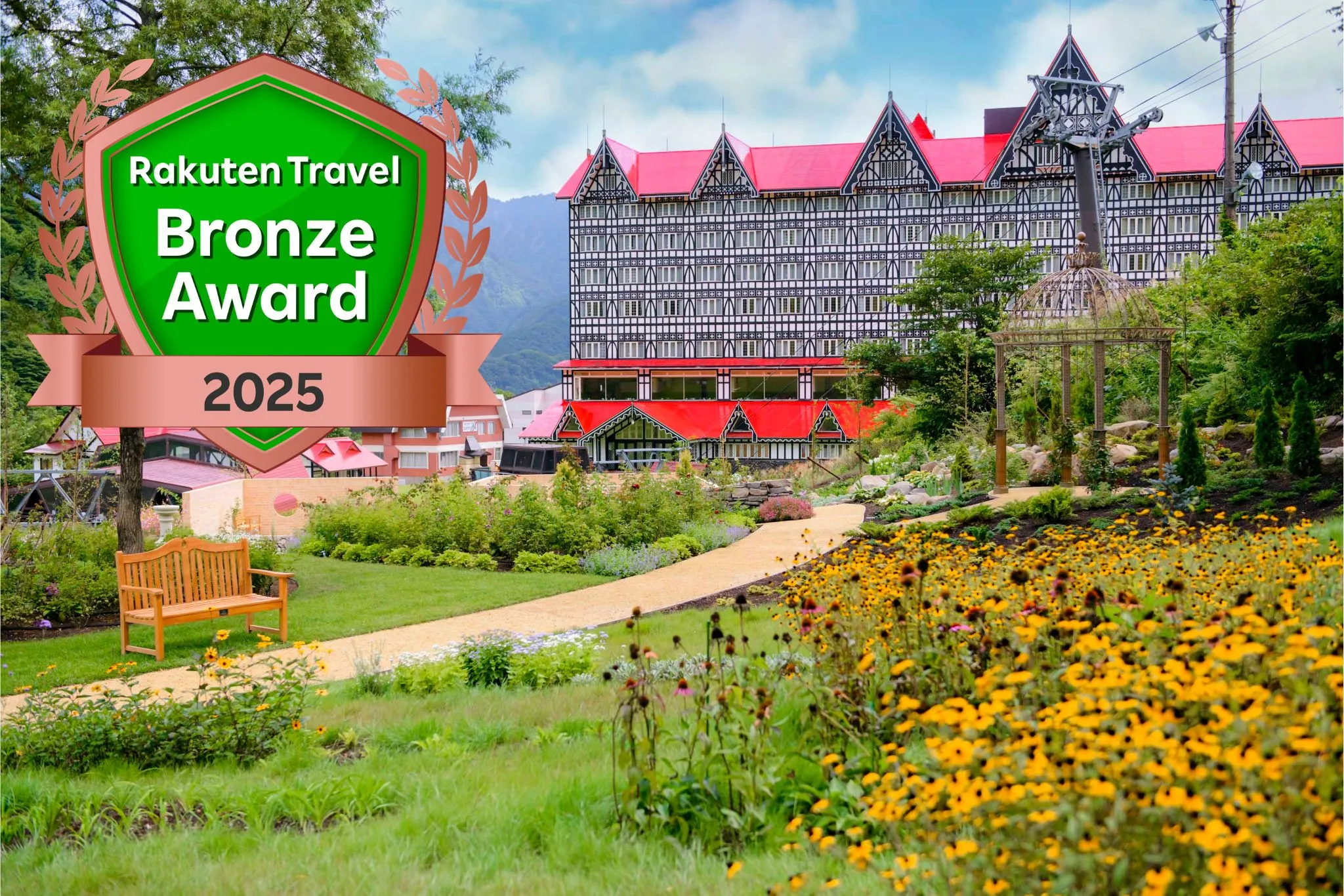
Winter Break With Kids
Travel in the first or second half of winter break and skip the New Year crush. Choose by snow play, hot springs, the warm south, or city playgrounds
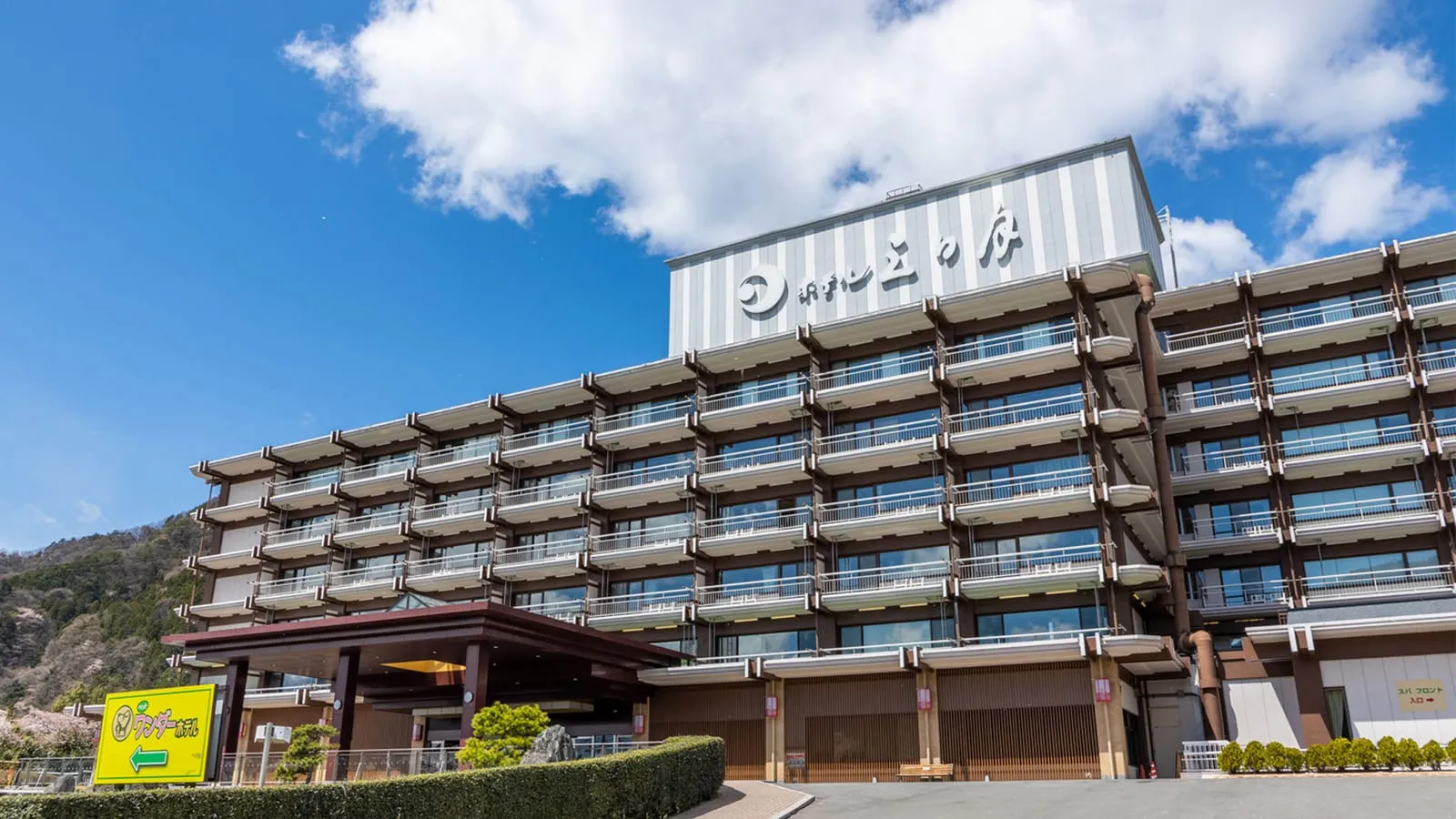
Autumn Leaves With Kids
Peak color timing, plus hotels in autumn leaf areas you can manage with a baby or toddler, from Hokkaido to Kyushu
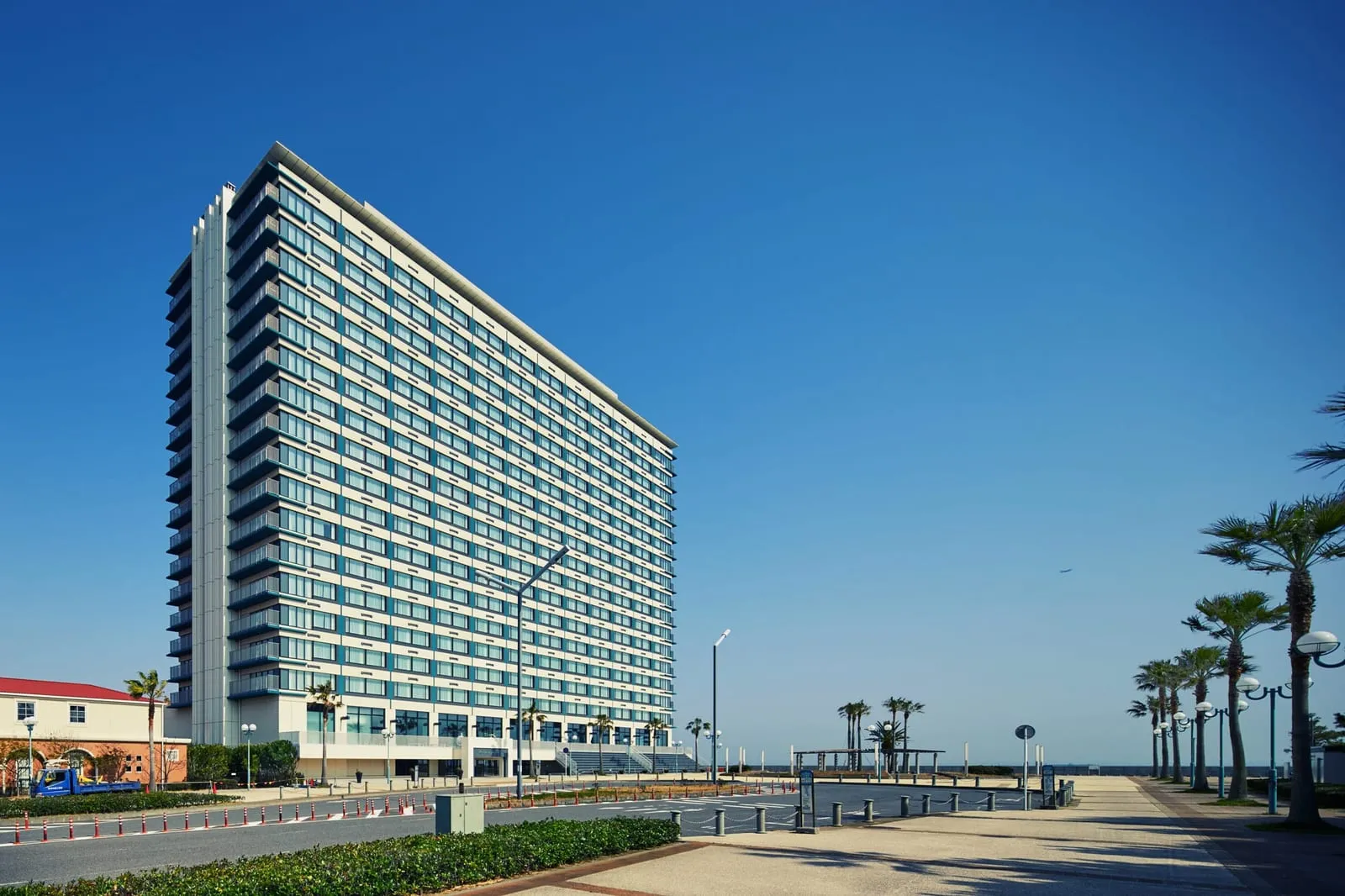
Christmas With Kids in Japan
Book December weekends early. Three ways to spend it: city hotels, dinner-included resorts, or snow and hot springs
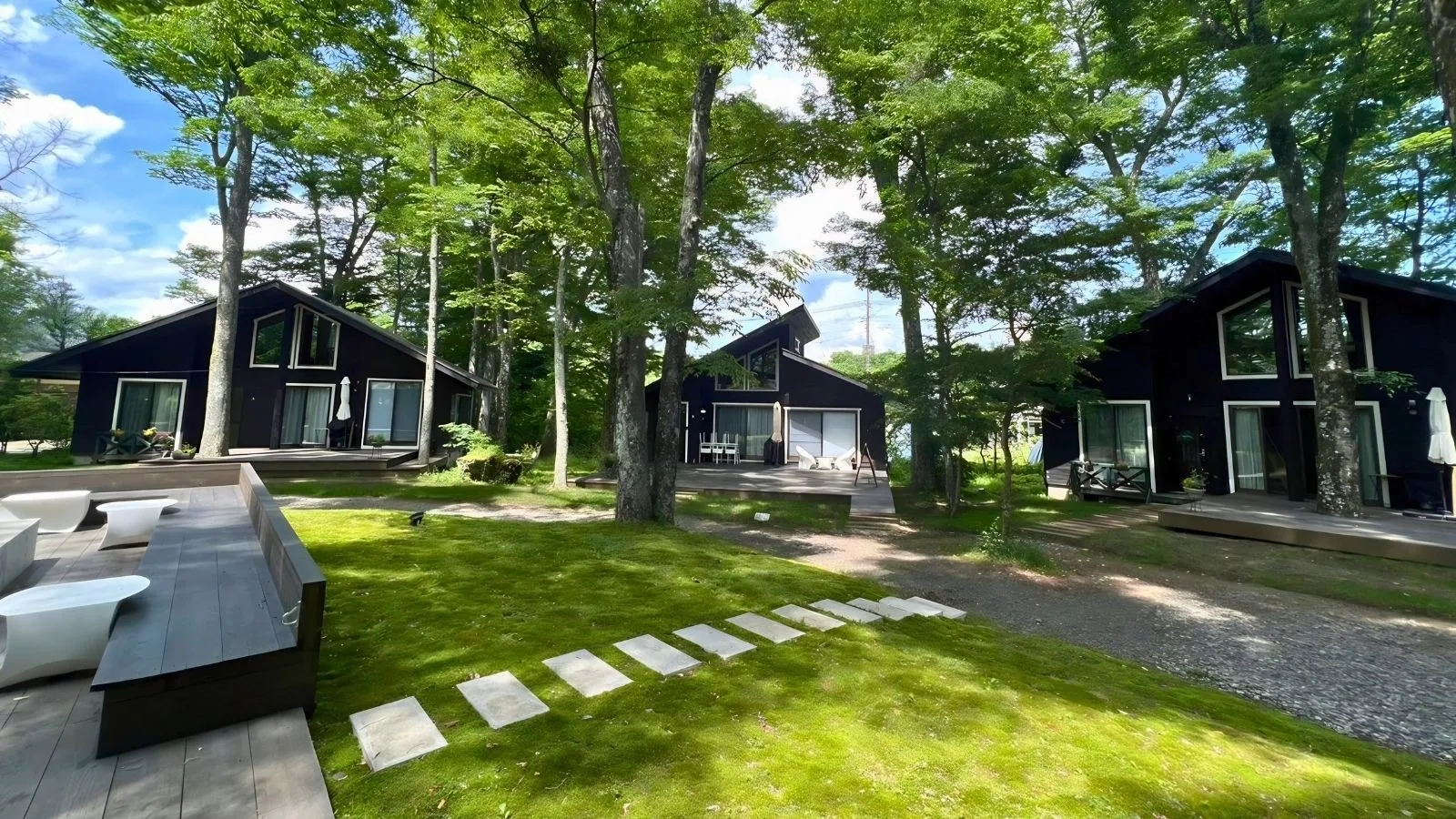
Autumn Cottages and Glamping
No one else to worry about, at your children's own pace. Areas with self-catering villas, cottages, and glamping, from north to south
Autumn Farms and Harvest
Hotels with farm activities and animal encounters, plus the areas that make the best base for fruit picking and harvest days, from Hokkaido to Kyushu