
When to Book a Family Hotel: Complete Timing Guide

This site uses affiliate links; we may earn a commission on bookings.
"The hotel we wanted was already fully booked..." Almost every family that travels with kids has felt that particular disappointment at least once. Falling behind in the booking rush and ending up with no rooms available anywhere near your first, second, or even third choice is a common story. On the flip side, once you know the tricks, you really can land the plan you want at a popular welcome-baby certified hotel (a Japanese certification for baby-friendly hotels). This article covers when to start booking by season, whether early-bird deals or last-minute booking suit families better, and how to choose between Rakuten Travel, Jalan, and a hotel's own website.

Find welcome-baby certified hotels
Find welcome-baby certified hotels
Kids Stay lets you search only welcome-baby certified hotels, filtered from the start. Just choose your area and number of guests to spot popular hotels that fill up fast, early.
menu_bookContentsexpand_more
- When to Book, Season by Season: The Annual Calendar
- Early-Bird vs. Last-Minute Booking: Why Families Come Out Ahead With Early-Bird Deals
- Booking Strategy Shifts Completely Between Peak Season and Regular Season
- Cancellation Policies and Choosing a Booking Channel: The Lifeline of Family Bookings
- Frequently Asked Questions
- Conclusion: Make Booking Timing Part of Your Family's Annual Routine
When to Book, Season by Season: The Annual Calendar
The rules for when to book a family trip are completely different during peak season versus regular times of year. If you go by the "two to three months ahead is plenty" instinct that works for a childless trip, you'll almost certainly miss out on hotels properly set up for families. Let's start with the basic annual booking calendar.
Peak-Season Booking Windows: Golden Week, Summer Break, New Year's
In reality, if you want a popular hotel during peak season, you need to move on the following schedule.
| Season | When to start booking | When it typically fills up |
|---|---|---|
| Golden Week (late April to early May) | January to February | Major hotels full by mid-March |
| Summer break (Obon, Japan's mid-August holiday, around Aug. 10) | March to April | Obon dates full by May |
| New Year's (Dec. 29 to Jan. 3) | September to October | Nearly full by November |
| Silver Week (autumn holidays) | May to June | Major hotels full by July |
Take Golden Week as an example: if you wait until March to look for a popular hotel like Hotel Epinard Nasu, a signature property in the Nasu area, its welcome-baby certified Japanese-Western rooms are typically fully waitlisted across every date, and even the Western-style rooms are left with only scattered openings. Holding a family meeting the very first weekend of January and booking on the spot is the kind of speed that keeps you in safe territory.
For popular hotels during peak season, the moment bookings open is the moment to act. Move in January for Golden Week, March to April for Obon, September to October for New Year's.
Regular-Season Booking Windows: Long Weekends and Ordinary Weekends
Even outside of peak season, it pays to stay alert. Aside from June, popular hotels are typically nearly full a month out for any weekend, especially the three-day weekend in November during the fall foliage season. Here's the rough guide for regular season:
- Three-day weekends: 1.5 to 2 months ahead
- A regular Saturday night: 1 month ahead
- Sunday or weekday nights: relatively easy to book even 2 to 3 weeks out
- The rainy season (June) and late January through February: openings even last-minute
Outside of peak season, opening the booking site the same day you decide to go is usually fast enough to get what you want. On the other hand, taking a relaxed "maybe next weekend" approach tends to leave you with only rooms built for two adults, because the family rooms get booked up first. The rooms families with kids actually want are always the first ones to disappear.
Track Booking-Open Dates on Your Calendar
The single most reliable way to avoid falling behind is to set recurring "booking opens" reminders in your calendar app. Something like the following schedule lets you spring into action without having to think about it.
- First week of January: Check whether your Golden Week candidates have opened for booking
- First week of March: Start researching hotels for summer break and Obon
- First week of September: Check whether New Year's plans have opened
- The 25th of every month: Check availability for next month's long weekends and regular weekends
Pairing this with our guide to choosing a family hotel without regrets and building it into your annual schedule will reliably cut down on the "wait, it's already full" surprise.
Early-Bird vs. Last-Minute Booking: Why Families Come Out Ahead With Early-Bird Deals
This is where family travel diverges most sharply from a childless trip. For families, the best approach is generally to lock in an early-bird rate, then switch things around last-minute only if you need to. Here's why, step by step.
The Benefits of Early-Bird Deals, and Why They Matter Even More With Kids
Many hotels offer early-bird plans in three tiers, 60, 45, and 30 days out, with discounts of 10 to 25% off the standard rate. For a childless trip, the main appeal is simply the discount, but for families, there's more to gain than just a lower price.
- You get first pick of family rooms and connecting rooms
- You can lock in a spot on plans with free bed-sharing or discounted child rates
- Welcome-baby certified rooms fill their early-bird allotment first
- Combined with a multi-night discount, the total savings can exceed 30%
Spacious family-oriented rooms, like the terrace family rooms at Grand Mercure Nasu Highlands Resort & Spa, are a classic example of a room type whose price climbs the closer you get to your stay. Because there are relatively few of them to begin with, prices swing harder whenever demand spikes. Booking early avoids that price risk while also securing a rare room type, which makes early-bird deals a genuine two-for-one for families.
Where Last-Minute Booking Specifically Doesn't Work in Your Favor
For a childless trip, last-minute flash sales can turn up genuine bargains, but families are at a structural disadvantage here.
| Comparison point | Childless trip | Family trip |
|---|---|---|
| Room type options | Plenty of singles and doubles | Rooms for 4 or fewer sell out early |
| Meal plan flexibility | Room-only or breakfast-included plans tend to remain | Kids' dinner plans sell out early |
| Bed-sharing / child rates | Not applicable | Last-minute may leave only standard-rate plans |
| Cancellation risk | Only your own schedule | A child's sudden illness is a real, common risk |
Last-minute sale inventory tends to skew toward adult-oriented rooms like singles and twins, so a classic family-booking mistake is thinking "what a deal!" only to discover the child's rate was charged in full separately, ultimately costing more. An early-bird plan is far more likely to already bundle in family-friendly terms.
Last-minute sale inventory tends to skew toward adult-oriented rooms. Locking in a family room with an early-bird deal is the basic move.
Welcome-Baby Certified Hotels: Book 3 to 6 Months Out, No Exceptions
"Welcome Baby" certified hotels, a designation from Japan's Miki House Child-Rearing Research Institute, meet a set standard for family-friendly facilities, equipment, and service. These certified hotels have their own quirk: they're hard to book even outside of peak season, as a matter of course. The reason comes down to a fundamental mismatch between supply and demand.
- Only hotels meeting at least 70 of the 100 criteria are certified, so the options are limited
- Demand concentrates heavily among families with children aged 0 to 2, who specifically seek these out
- At many hotels, baby-friendly plans are allotted to only a fraction of total rooms
- Repeat-guest rates are high, and plenty of families book their next stay before checking out
Many families choose a welcome-baby certified hotel for their child's very first hotel stay, somewhere between 6 months and a year and a half old, which makes this a fiercely competitive category relative to its small size. During peak season, certified hotels tend to fill up on roughly this timeline:
- 6 months out: The official site's calendar opens. A handful of families who specifically wanted this hotel grab dates here.
- 4 to 5 months out: Inventory starts flowing to Rakuten Travel and Jalan.
- 3 months out: The popular room types are nearly full.
- 2 months out: Only weekday or Sunday nights remain.
- 1 month out: You're relying on a cancellation waitlist.
In other words, if it's already March by the time you think "I want a welcome-baby certified hotel for summer break, " it's more realistic to let go of your first choice and start thinking about alternatives. Browsing our list of welcome-baby certified hotels and shortlisting about three backups (a family resort or all-inclusive property in the same area, or a hot spring ryokan with a spacious Japanese-Western room) takes a lot of the pressure off.
Booking Strategy Shifts Completely Between Peak Season and Regular Season
What makes booking a family trip tricky is that the right strategy flips 180 degrees depending on the season. It helps to think of peak season as a game of securing inventory, and regular season as a game of optimizing price.
Peak-Season Strategy: Just Secure the Room
During Golden Week, Obon, and New Year's, there's no room for haggling over price or comparison shopping. Securing the room comes first.
- Book your first choice the moment reservations open (price is a secondary concern)
- Prioritize plans with a longer free-cancellation window
- If you can't book two consecutive nights, consider one night plus a different hotel for the second
- Check both the official site and Rakuten Travel (inventory can differ between the two)
It's not unusual for a hotel like Hoshino Resorts RISONARE Atami to fill its Golden Week dates almost the instant bookings open. The standard move for a hotel like this is to book directly through the official site the moment reservations open. It's entirely normal to open a booking site in March and find every room already marked full.
Regular-Season Strategy: Optimize Price and Rewards
Outside of peak season, availability is less of a worry, but price and point rewards can differ significantly. Here's a concrete comparison worth making.
| Where to check | What to look for |
|---|---|
| Rakuten Travel | The Rakuten Super Sale, and bonus point multipliers on "days ending in 5 or 0" (a recurring Rakuten promotion) |
| Jalan | Jalan Special Week, and its point-boost campaigns |
| Official hotel site | Best-rate guarantees and site-exclusive perks |
| Ikyu.com | Ikyu-exclusive plans and flash sales |
*(A note for overseas readers: these campaigns are aimed at Japan-based accounts and mostly run in Japanese, so they may not apply to you when booking from overseas. We include them so you can see how Japanese families book; comparing the hotel's own official site works from anywhere.)*
It's common for the effective cost to differ by 5 to 8% at the exact same hotel depending on which channel you book through. During the regular season, it's worth taking the time to compare.
During regular season, compare Rakuten's sale periods, its "days ending in 5 or 0" point bonus, and the official site's best-rate guarantee before deciding.
Recovering Through Cancellation Watching and Shifting Your Dates
Even if you fall behind during peak season, a "fully booked" notice isn't the end of the road. There's a clear pattern to when cancellations tend to appear.
- 30 days out (when cancellation fees start at many hotels)
- 14 days out (when a steeper cancellation fee kicks in)
- 7 days out (when families who'd been waiting to decide finally commit)
- 3 days out through the day before (cancellations from a sick child or bad weather)
- Around 10 a.m. on the day itself (rooms free up after multi-night guests check out)
Making it a routine to check the booking site for just five minutes every morning lets you keep watching for cancellations without much effort. It's entirely possible for a hotel that showed "full" early on to open up two weeks before your date. On top of that, simply shifting from a Saturday night to a Friday or Sunday night often cuts the price by 30 to 40% and dramatically improves availability. As a general pattern, Saturday nights draw the heaviest concentration of families, making pools and kids' areas more crowded, while Sunday onward can even mean a more relaxed play experience.
Cancellation Policies and Choosing a Booking Channel: The Lifeline of Family Bookings
When booking a family trip, choosing the right cancellation policy and booking channel matters just as much as choosing the hotel itself. Kids can easily come down with a fever the day before a trip. The risk of a child getting sick between when you book and when you actually stay is nowhere near comparable to a childless trip. At the same time, price and cancellation terms vary a lot by booking channel, so you need to weigh both together.
5 Things to Check in a Cancellation Policy
Here are five things worth checking at booking time, as a checklist.
- How late free cancellation is allowed (ideally, still free within 7 days)
- The cancellation-fee tiers (what percentage at 30 days out, 14 days out, the day before)
- What percentage is charged for a same-day cancellation (80% or 100%)
- Whether special circumstances, like a child's fever, qualify for a fee waiver
- Whether payment is charged instantly to a credit card or paid on-site
Point 4, fee waivers for special circumstances, is something some hotels have spelled out explicitly since the pandemic, so it's worth scrolling all the way through the official site's terms and conditions to check. Early-bird plans often start charging cancellation fees earlier than standard ones, and hotel vouchers from furusato nozei (Japan's hometown-tax donation program, which gives donors local gifts such as hotel stays) are generally non-cancelable and locked to fixed dates, which makes them a poor fit for families. The risk of losing an entire voucher to a sudden fever isn't one families can afford to ignore. Furusato nozei is open only to Japanese taxpayers, so overseas visitors can't use it; we mention it so you can see how Japanese families book. At a more basic level, choosing a schedule, distance, and mode of travel that doesn't push your limits is itself a way to lower cancellation risk from the start.
Price Differences Between Rakuten Travel, Jalan, and Official Hotel Sites
"So where's actually the best place to book?" is an eternal question for family travel. The short answer is that the right choice depends on the hotel, so the only real answer is to always compare all three channels.
| Booking channel | Strengths | Weaknesses | How family-friendly |
|---|---|---|---|
| Rakuten Travel | Best point rewards, tied to Rakuten's SPU loyalty tiers, "days ending in 5 or 0" bonuses | Some hotels don't list inventory here | Excellent (unbeatable if you're already in the Rakuten ecosystem) |
| Jalan | Ponta points, plenty of exclusive plans | Cancellation terms vary hotel by hotel | Good |
| Ikyu.com | Focused on upscale properties, flash sales | Limited lineup of family-friendly hotels | Fair to good |
| Official hotel site | Best-rate guarantees, exclusive perks, flexible cancellation | No point rewards, or only the hotel's own points | Excellent (favored for higher-priced hotels) |
| Furusato nozei (hometown-tax donation) | Effective out-of-pocket cost of ¥2,000 | Non-cancelable, locked to fixed dates | Poor (not recommended for families) |
More hotels have rolled out best-rate guarantees in recent years, and for hotels over ¥50,000 a night, welcome-baby certified properties, and all-inclusive resorts, booking directly through the official site tends to win out overall. At a higher-end resort like Hoshino Resorts RISONARE Tomamu, official-site-only perks like early check-in sometimes come bundled in, which can make the official site the better deal even beyond the price difference. On the other hand, for a mid-range hotel under ¥30,000 a night, a family with a Rakuten SPU point multiplier of 3x to 5x will often come out clearly ahead using Rakuten Travel.
When you compare the three channels, set the same number of children and the same child age categories on each one before you look at the prices.
A Hybrid Strategy and an Efficient Comparison Workflow
Taking it a step further, a hybrid strategy also works well: make a provisional early-bird booking through the official site, then switch over if a better Rakuten sale shows up closer to your stay. As long as you're still within the free-cancellation window, switching the moment a cheaper channel appears is simple, and it significantly reduces the "risk of committing too early" that comes with early-bird deals. Spending too much time comparing is itself a burden for a busy family, so we'd recommend a workflow like the one below to decide within 30 minutes.
- Narrow it down to three candidate hotels
- Check each hotel's official site for its cheapest plan plus any perks
- Check Rakuten Travel and Jalan for the cheapest plan under the same conditions
- If you have time before the next "day ending in 5 or 0," favor Rakuten; if not, favor the official site's best-rate guarantee
- Do a final check that the cancellation policy is acceptable, then book immediately
Here's a slightly unexpected angle: having your own gear ready actually widens your booking options. Hotels where reserving a loaner crib or bed rail is a prerequisite tend to get more competitive, but a family that can bring their own bed rail or a compact travel crib can still book a room even after a hotel's loaner stock runs out. Stocking up on compact travel gear like the items listed in our family travel packing checklist frees you from the constraint of waiting on loaner inventory, which in turn opens up more booking options. It's a neat, family-specific way in which your booking strategy and your packing strategy end up linked together.
Checking the cancellation policy is part of the booking process itself. Always note the free-cancellation deadline and the same-day charge percentage.
Frequently Asked Questions
Which ends up cheaper, an early-bird deal or a last-minute sale?
A. When you're comparing a spacious family room with a free bed-sharing plan, early-bird deals usually end up cheaper overall. Last-minute sales tend to skew toward adult-oriented rooms like singles and twins, and sale inventory for family rooms rarely shows up. The right way to judge is to compare the total cost, including room size, bed-sharing terms, and the child's rate.
Specifically, how far ahead should I book a welcome-baby certified hotel?
A. During peak season, 3 to 6 months out is non-negotiable, and even off-peak, 2 months out is the safe zone. Demand concentrates heavily among families with children aged 0 to 2, and many hotels allot only a limited number of rooms to baby-friendly plans, so they fill faster than standard rooms. It's realistic to assume your first choice might not be available and keep two or three backup hotels in the same area ready to go.
If I have to cancel because my child suddenly gets a fever, what happens to the fee?
A. In general, you'll be charged exactly according to the hotel's cancellation policy. Some hotels do waive fees specifically for a child's fever, but this is rarely written down explicitly, so don't count on it. For a higher-priced booking over ¥50,000 a night, or an early-bird plan with a long cancellation-fee window, it's worth considering a trip cancellation insurance add-on, typically ¥500 to ¥1,500.
Which is the best deal: Rakuten Travel, Jalan, or the official site?
A. The answer depends on the hotel's price point and which points program you're already in. As a quick rule of thumb: book direct for hotels over ¥50,000 a night with a best-rate guarantee and generous official perks; use Rakuten Travel if the hotel is under ¥30,000 and your household has a Rakuten SPU multiplier of 3x or more; and otherwise, check whether Jalan has an exclusive plan worth comparing.
Are there any surprisingly easy-to-book "hidden gem" dates for last-minute booking?
A. The three big hidden gems are the rainy season in June, mid-January through February right after New Year's, and weekdays in September. A hotel with a solid indoor pool or hot spring is less affected by weather, and rates run 20 to 40% cheaper. Families in particular tend to get more value out of weekday, off-peak stays, since the facilities are less crowded and easier to actually enjoy.
Is it realistic to wait months on a cancellation waitlist?
A. If you're flexible on the exact date and room type, you can often land something within 2 to 3 weeks. If you're set on your absolute first choice, you'll need the patience for 1 to 2 months. Turning it into a routine of checking the booking site for five minutes every morning makes it sustainable without much effort. Pairing this with a strategy of keeping three backup candidates ready is the realistic approach.
Conclusion: Make Booking Timing Part of Your Family's Annual Routine
The tried-and-true pattern for booking a family trip is to lock in availability with an early-bird deal, protect yourself with the cancellation policy, and optimize price at the last minute. Act 3 to 6 months out for Golden Week, summer break, and New Year's, and 1 to 2 months out even in the regular season. For a scarce category like welcome-baby certified hotels, you need to move six months ahead to have any shot at your first choice.
Above all, turning family booking into a fixed part of your household's yearly routine is what works best. Set calendar reminders for Golden Week in January, summer break in March, and New Year's in September, and check next month's long-weekend availability on the 25th of every month. That alone dramatically cuts down on the "wait, it's already full" surprise. If you're stuck putting together your candidate list, start by narrowing your criteria, picking three candidate hotels, and comparing their cancellation policies and rates across all three booking channels. A good booking is half of a good trip.
Find welcome-baby certified hotels
Find welcome-baby certified hotels
Related articles


Seasonal collections

Winter Onsen With Kids
Winter onsen towns from north to south, where an in-room bath, a reservable private bath and meals in your room mean you never have to go out
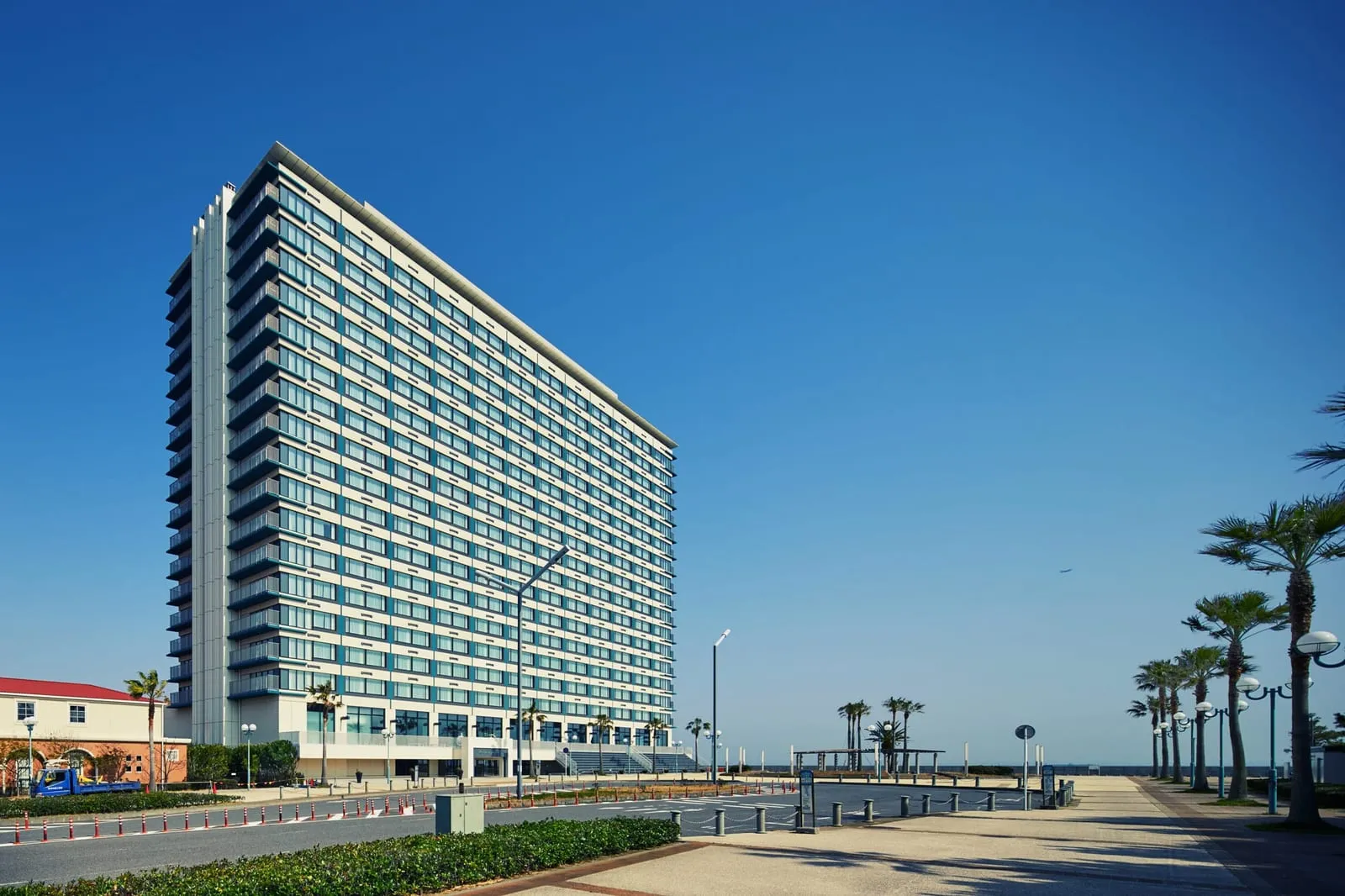
Christmas With Kids in Japan
Book December weekends early. Three ways to spend it: city hotels, dinner-included resorts, or snow and hot springs

Winter Break With Kids
Travel in the first or second half of winter break and skip the New Year crush. Choose by snow play, hot springs, the warm south, or city playgrounds
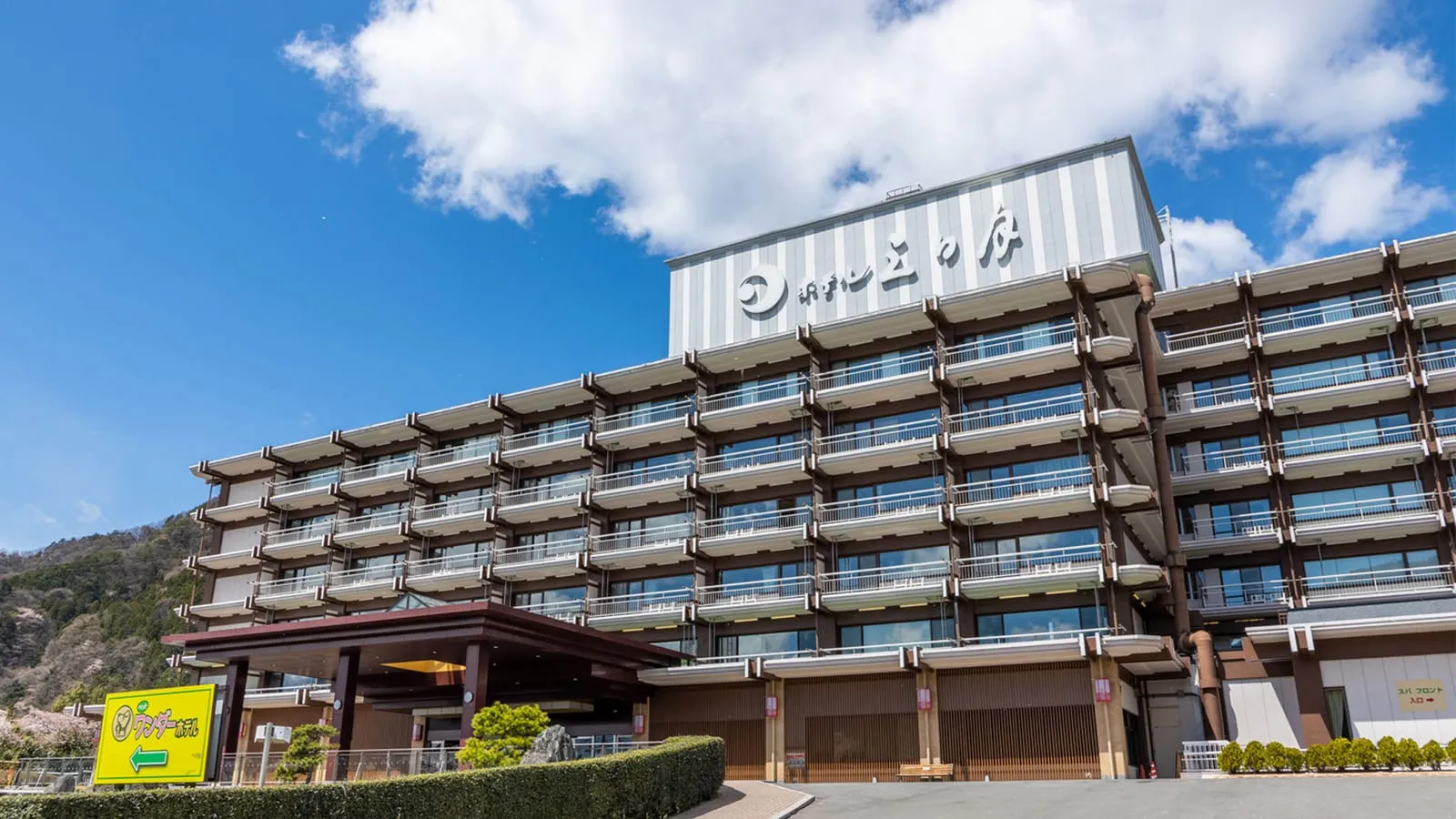
Autumn Leaves With Kids
Peak color timing, plus hotels in autumn leaf areas you can manage with a baby or toddler, from Hokkaido to Kyushu

Autumn Farms and Harvest
Hotels with farm activities and animal encounters, plus the areas that make the best base for fruit picking and harvest days, from Hokkaido to Kyushu
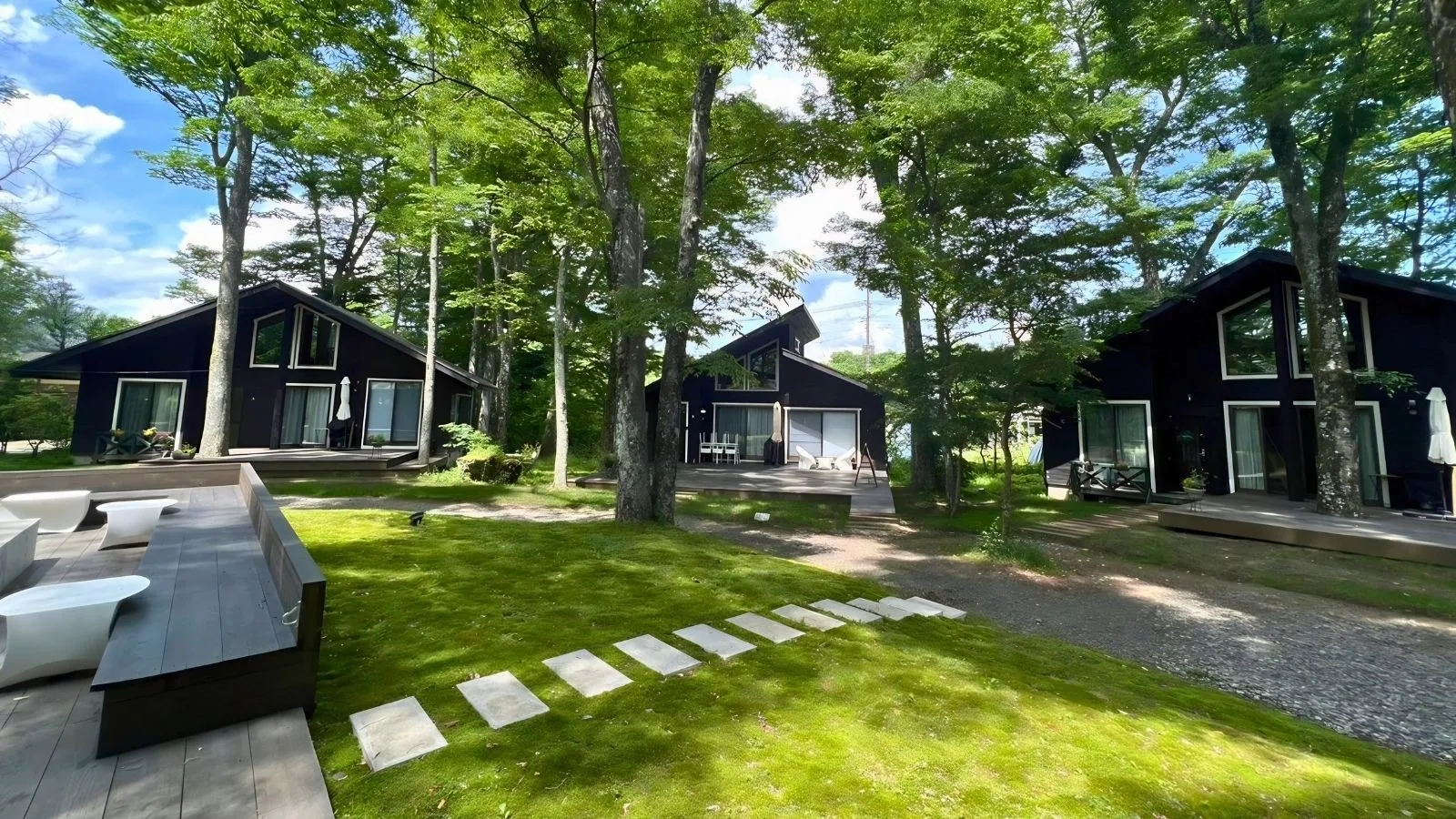
Autumn Cottages and Glamping
No one else to worry about, at your children's own pace. Areas with self-catering villas, cottages, and glamping, from north to south