
Shinkansen Day Trips from Tokyo with Kids: Where to Stay

This site uses affiliate links; we may earn a commission on bookings.
Note: Counts such as "more than 500 properties" come from the facility data of hotels listed on Kids Stay (as of September 2026, not the total number of hotels in Japan)
Most families plan a shinkansen trip out of Tokyo around one number, the ride time, and that is the wrong number to plan around. A place an hour away can still put you in your room two hours after you leave your Tokyo hotel, because the leg after the ticket gate ranges from a 3 minute shuttle to a long drive up into the highlands. This guide ranks the popular destinations by total door to room time, says which ones survive as a day trip and which need a night, and points to where to stay at each one.
Plan around door to room time, not shinkansen minutes
Every list of shinkansen destinations gives you the same figure, the ride time from Tokyo Station. With small children, that is the easy part. The hard part starts at the ticket gate: finding the shuttle stop, waiting for the next departure, riding it, and finally getting the bags down in the room. What you should be comparing is not the ride, it is the total time from leaving your Tokyo hotel to walking into your room.
A 60 minute ride can still be a two hour trip
Two places can both be "about an hour from Tokyo" and feel nothing alike. Echigo-Yuzawa has hotels roughly 3 minutes from the station by shuttle bus, so you can browse the station shops first and still be unpacked early. Karuizawa, by contrast, includes highland hotels that list Karuizawa Station as their nearest stop but are a fair drive away by car (check the official page for the travel time and whether pickup is offered).
Written out, the difference is obvious. Counted from your Tokyo hotel: 40 minutes to the station, a 70 minute ride, a 3 minute shuttle, and you are at about two hours. Same ride with a long drive at the end and the total keeps stretching from there. That gap is the difference between a trip where your toddler arrives cheerful and one where everyone is finished on arrival.
One warning about those shuttle figures. The minutes printed on a hotel's website are driving time only. They do not include waiting for the bus to depart or hunting for the stop in an unfamiliar station. Add about 15 minutes to whatever the hotel quotes and you will not be rushing.
Re-rank your shortlist by ride time plus the leg from the station, never by ride time alone.
How long each age can actually sit
Tolerance for travel changes sharply with age. From newborn to about 18 months, a baby who sleeps in a carrier can handle a surprisingly long ride, though feeding and diaper changes make the timing unpredictable. From about 18 months to 3 years is the hardest stretch, when sitting still is impossible and roughly one hour each way is the realistic ceiling. From 4, children enjoy the view and eating on board, and rides in the two hour range work fine. Age by age tactics are in tips for traveling with a 1, 2 or 3 year old.
Official family guidance for shinkansen packages suggests timing the ride to your child's nap and choosing a car near the multipurpose room used for nursing and diaper changes. If you expect to leave your seat, that car makes the trip easier (check the car numbers on JR's official train layout guide).
Seat choice matters too. For a family of three, take the two seat side of the aisle so a child cannot bolt into the walkway. Book the back row of a car when you can: the gap behind those seats usually takes a folded stroller and saves you lifting it overhead.
Peak weeks change the rules. On the Tokaido and Sanyo Shinkansen, Nozomi trains become fully reserved during Golden Week in late April and early May, Obon in mid August, and the New Year period, so there is no unreserved car to fall back on. In those weeks, book the seats first and let the seats decide the destination.
Transfers cost more than the clock says
The other thing families underestimate is the number of transfers. Hauling a stroller and luggage up stairs and along moving walkways drains far more than 30 minutes sitting still. Given the same two hours, a direct 2 hour 20 minute run is easier with kids than 2 hours with one change.
A single connection onto a local line adds three things: the walk between platforms, the wait, and another boarding with all your bags. When you compare candidates, write the number of transfers next to each travel time.
Elevators matter if you have a stroller. Large stations often have exactly one elevator, at the far end of the platform, so you walk to the end, go up, then walk all the way back. A direct train erases that unpredictable time entirely.
Shinkansen destinations from Tokyo, ranked by the leg after the station
Trains from Tokyo and Ueno stations split into two families: the Tokaido line running west, and the Tohoku, Joetsu and Hokuriku lines running north. The family sweet spot is a ride of about an hour with a short second leg at the other end. The figures below are rough guides as of September 2026 and shift with the train you take, your connections, and shuttle availability.
| Destination | Shinkansen ride | Leg from the station | Easiest from |
|---|---|---|---|
| Odawara | about 35 min | free shuttle or taxi depending on the hotel | newborn |
| Atami | about 40 to 50 min | some hotels about 15 min by free shuttle bus | newborn |
| Nasushiobara | about 70 min | a fair ride by shuttle or taxi (check the official page for time and whether booking is needed) | age 1 |
| Karuizawa | about 60 to 80 min | from hotels near the station to highland hotels a fair drive away (check the official page for time and pickup) | age 1 |
| Echigo-Yuzawa | about 70 to 85 min | from hotels about 3 min by shuttle to hotels reached by reservation only pickup | newborn |
| Sendai | about 90 to 100 min | Akiu Onsen adds a pickup or bus ride | age 2 |
| Nagoya | about 100 min | hotels connected to the station, waterfront needs a change to a local train | age 2 |
| Kyoto and Shin-Osaka | about 135 to 150 min | many hotels within walking distance of Kyoto Station | age 3 |
For destinations over an hour, such as Echigo-Yuzawa, children from 18 months to 3 years do better if you time the ride to their nap.
How you build the trip follows from that distance. Inside the one hour ring, you can leave Tokyo around 9 am and be playing near your hotel by early afternoon. Put one sightseeing stop in the plan and spend the rest of the day at the hotel, and the trip still works even when a tired child derails the schedule. Once you are two hours out, day one is mostly travel and check in, so two nights with a real middle day balances far better than one.
The one hour ring: Atami, Odawara, Nasushiobara, Karuizawa, Echigo-Yuzawa
Atami combines a very short ride with the sea and hot springs, which makes it the classic first shinkansen trip. An onsen is a natural hot spring bath, usually communal and taken without swimwear in separate men's and women's baths, and many family hotels also offer private or in-room versions. There are hotels about 15 minutes from the station by free shuttle bus, so "off the train, into the room" happens fast. Guest reviews single out a hotel with all ocean view rooms, tatami style Japanese and Western rooms, a year round indoor heated pool, baby gear to borrow, and baby food matched to a child's age in months.
Odawara is about 35 minutes, among the shortest rides out of Tokyo. The station itself is built into a shopping complex, so bad weather has an easy answer without leaving the station. Some coastal resort hotels run free shuttles from Odawara or from nearby Nebukawa Station, which lets you pair a very short ride with a stay that never needs you to go out again.
Nasushiobara has a longer second leg by shuttle or taxi (check the official page for the time and whether booking is needed), but the payoff sits at the other end. Animal encounters and large bathing complexes are inside the hotels, so you can build the kind of trip where you arrive and then never move again. Reviews also praise one hotel there for children's buffets and baby food offered by age band. Whether the shuttle requires a reservation varies by hotel, so confirm it on the official page once you pick one. With kids, a long transfer and a stay that requires no further travel are two halves of the same judgment.
Karuizawa has the widest spread of any destination on this list. Some hotels run a free shuttle roughly every 30 minutes from the station's south exit, while others carry the Karuizawa name but sit a fair drive away up in the highlands (check the official page for the travel time and pickup). The highland side buys you richer nature and animal experiences in exchange for that drive, so let your child's age settle it.
Echigo-Yuzawa is unusual in that the station itself holds plenty of places to eat and buy souvenirs, so a connection wait costs you nothing (check the official page for what is inside the station). Reviews mention families using the hotel's indoor play area before check in, and clean, well kept communal baths.
hotelAbout an hour from Tokyo, with strong family facilities
Hotels about an hour from Tokyo that are well set up for children
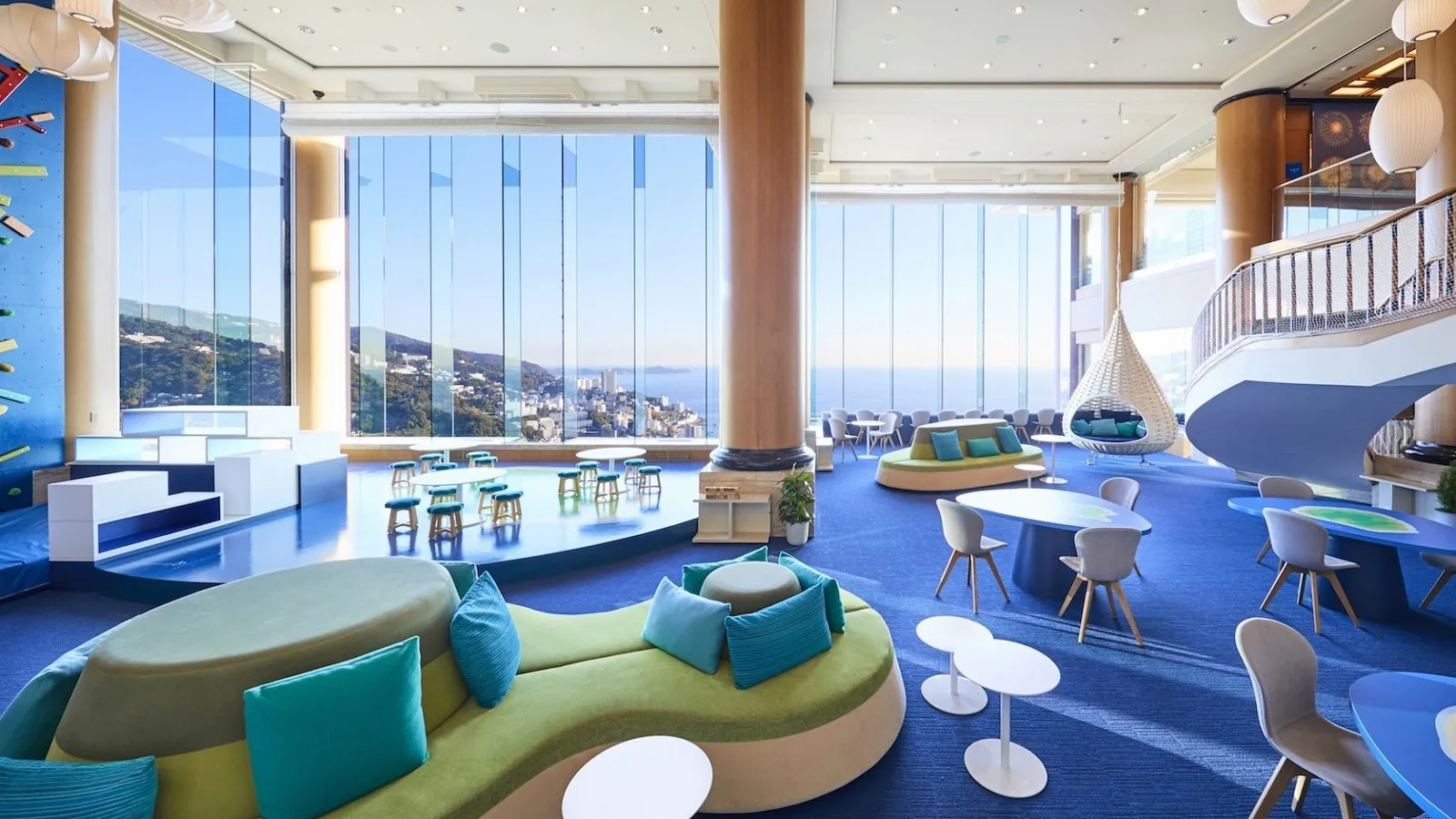
Hoshino Resorts RISONARE Atami

Hotel New Akao
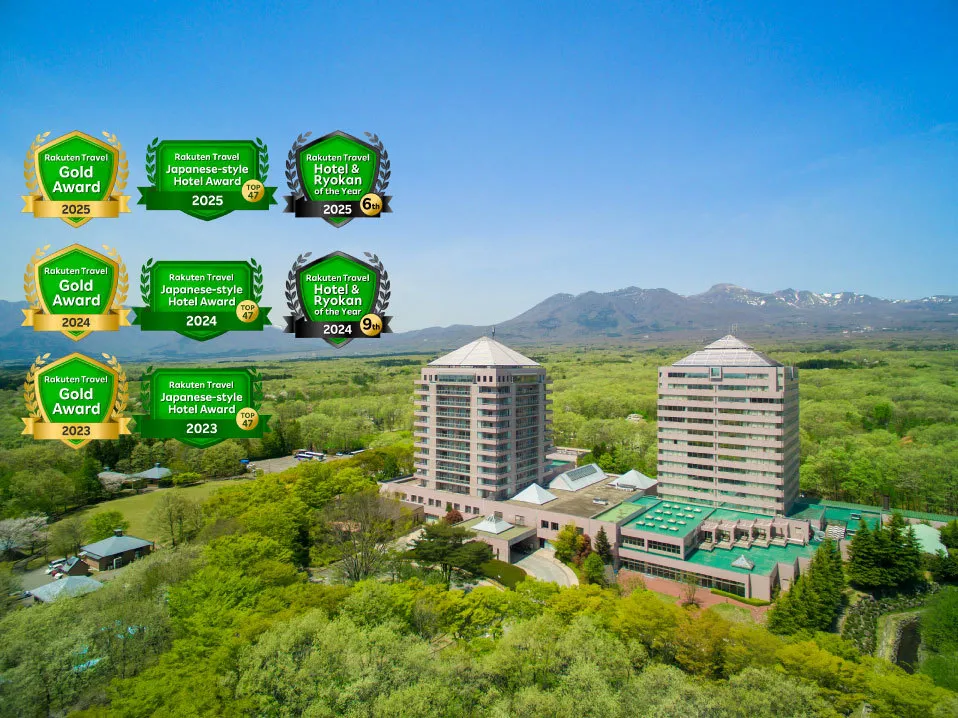
Hotel Epinard Nasu
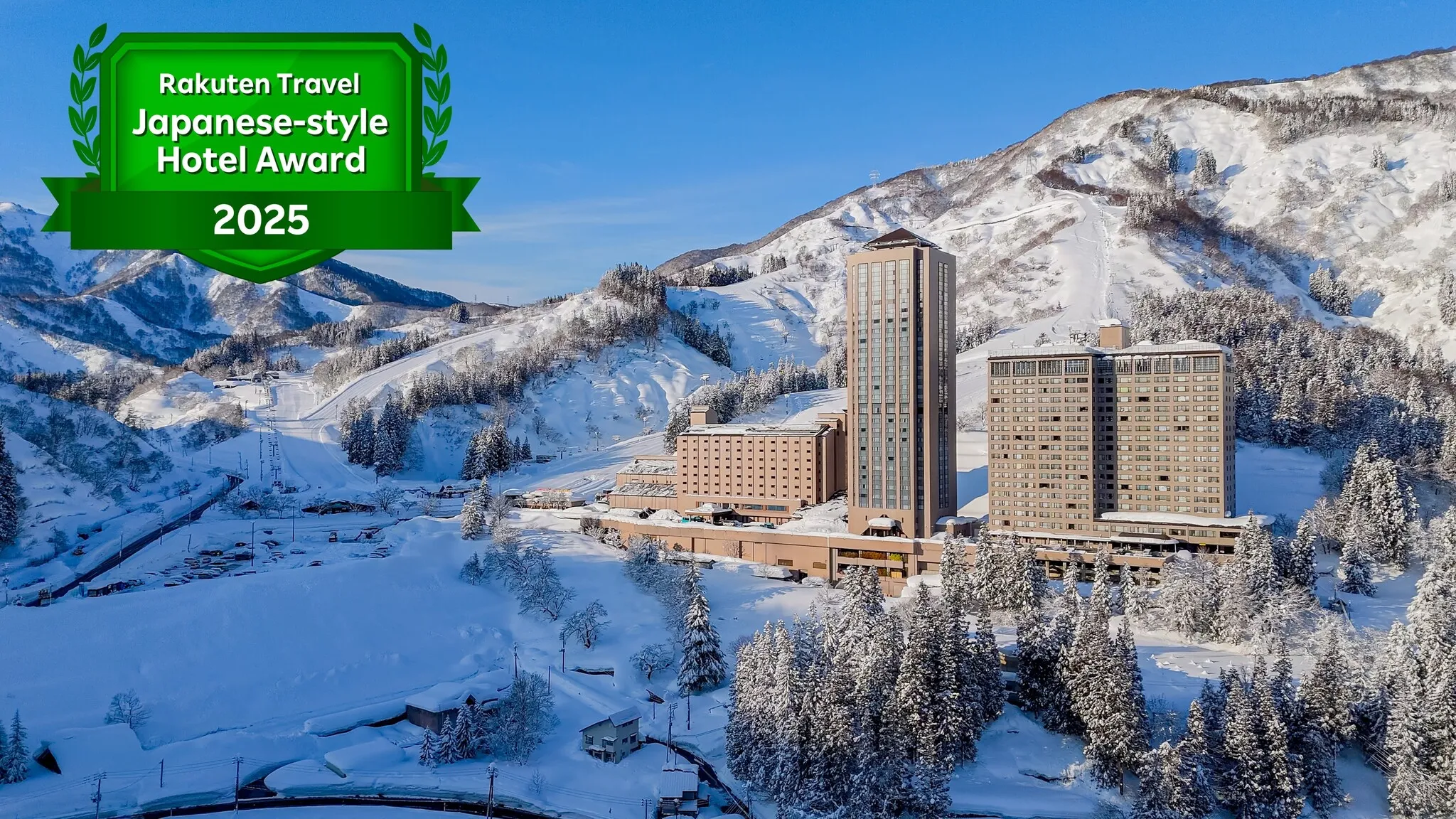
Echigo Yuzawa NASPA New Otani
One and a half to two hours: Sendai and Nagoya
Sendai is about 90 to 100 minutes. Stay in the city and you are done at the station. Push on to Akiu Onsen and a pickup or bus ride gets added on top. Check the hotel's official page for whether pickup exists and how to book it as soon as you choose the room.
Nagoya lands well with children who love trains, because there are hotels connected directly to Nagoya Station and the transfer is close to zero. If you are heading to the theme park hotel on the waterfront instead, you need to change to a local line, so add that to your total.
If a shuttle is described as capacity limited or reservation required, book it at the same time as the room.
Over two hours: Kyoto, Shin-Osaka, Kanazawa
Kyoto and Shin-Osaka run about 2 hours 15 to 2 hours 30. That becomes realistic once a child is past 3 and can settle in with a screen and snacks. There are hotels about a 2 minute walk from the Hachijo exit of Kyoto Station, which keeps the arrival short.
Kanazawa is about 2 hours 30, then a bus or taxi from the station depending on where you are headed. A ride that long is an argument for adding a night, not for rushing home. Two nights instead of one puts the travel and the staying back in proportion.
The further you go, the more your satisfaction depends on how little you have to move once you arrive. In Kyoto, stay by the station and keep day one to the immediate area. In Kanazawa, stay central enough to walk to the market and the parks. If you are going to spend two hours on the train, stay somewhere that does not ask you to walk all day afterward.
Crowds are worth planning around. Under a family travel video, a former theme park staff member commented that weekends outside the long holidays are quiet, while the Obon period produced five hour waits. The longer the journey, the more you gain by shifting your dates. For luggage, the family packing checklist will trim what you carry.
Day trip or one night, and what changes
A genuine day trip works where the ride is about an hour each way, which in practice means Odawara or Atami. Leave your suitcases at your Tokyo hotel, travel light, and you can be at the sea by late morning.
The cost is time on the ground. With both legs in the same day, a family realistically gets three to four hours at the destination once you account for lunch and a nap that runs long. If the point of the trip is a hot spring bath or letting the kids loose in an indoor play area, one night beats a day trip by a wide margin, because you also get the hours before check in and after checkout. Once you are two hours out, two nights work better than one.
Starting from Osaka or Nagoya changes the whole list
Almost every shinkansen article is written from Tokyo, but change your departure city and the one hour ring is a completely different set of places. From Osaka or Nagoya, chase your own ring rather than Tokyo's classics and you will decide much faster.
From Osaka, the one hour ring is Kyoto, Kobe and Okayama
From Shin-Osaka, rough ride times as of September 2026 are about 15 minutes to Kyoto, about 13 minutes to Shin-Kobe, about 45 minutes to Okayama and about 1 hour 25 minutes to Hiroshima. Kyoto and Kobe sit exactly where Atami sits for a Tokyo family.
Kyoto is the closest destination that still feels like a real trip. About a 2 minute walk from the Hachijo exit of Kyoto Station, there is a hotel with a mini kitchen for warming baby food. At 15 minutes you arrive before anyone melts down, which makes it an ideal practice run for a first hotel night.
Shin-Kobe has a hotel connected directly to the station, so you can check in almost the moment you step off. Continue to Arima Onsen and you find a hotel that bills itself as an in-room dining inn babies can enjoy too, with an indoor heated pool, a kids corner and baby set meals.
Okayama has hotels connected to the station, so you do not even need an umbrella between train and lobby. It also works as a base for Shikoku and the Setouchi coast.
One note on Kinosaki Onsen and the other hot spring towns on the Sea of Japan side: they are reached by limited express train, not shinkansen. The ride is longer but direct, which is the point. Judge candidates by whether the train is direct, not by whether it is a shinkansen, and your options widen.
hotelWestern Japan: near the station or serving meals in the room
Hotels close to a shinkansen station, and hotels where in-room dining keeps things calm
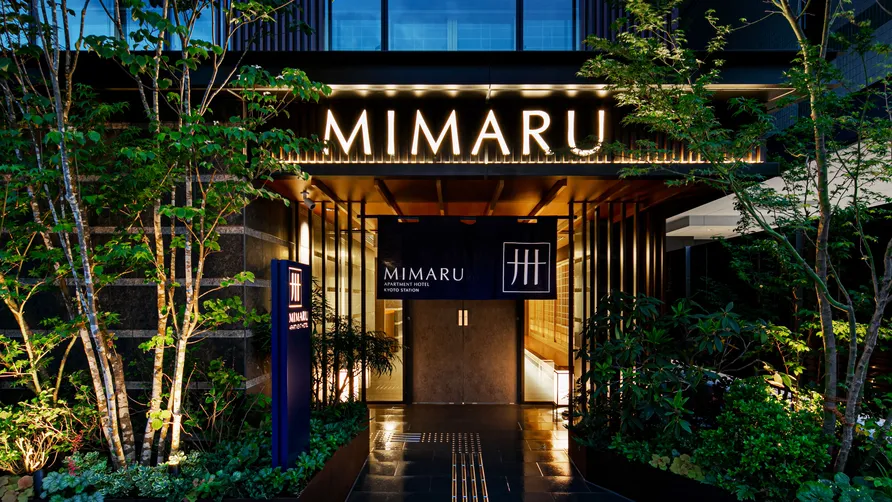
MIMARU Kyoto STATION
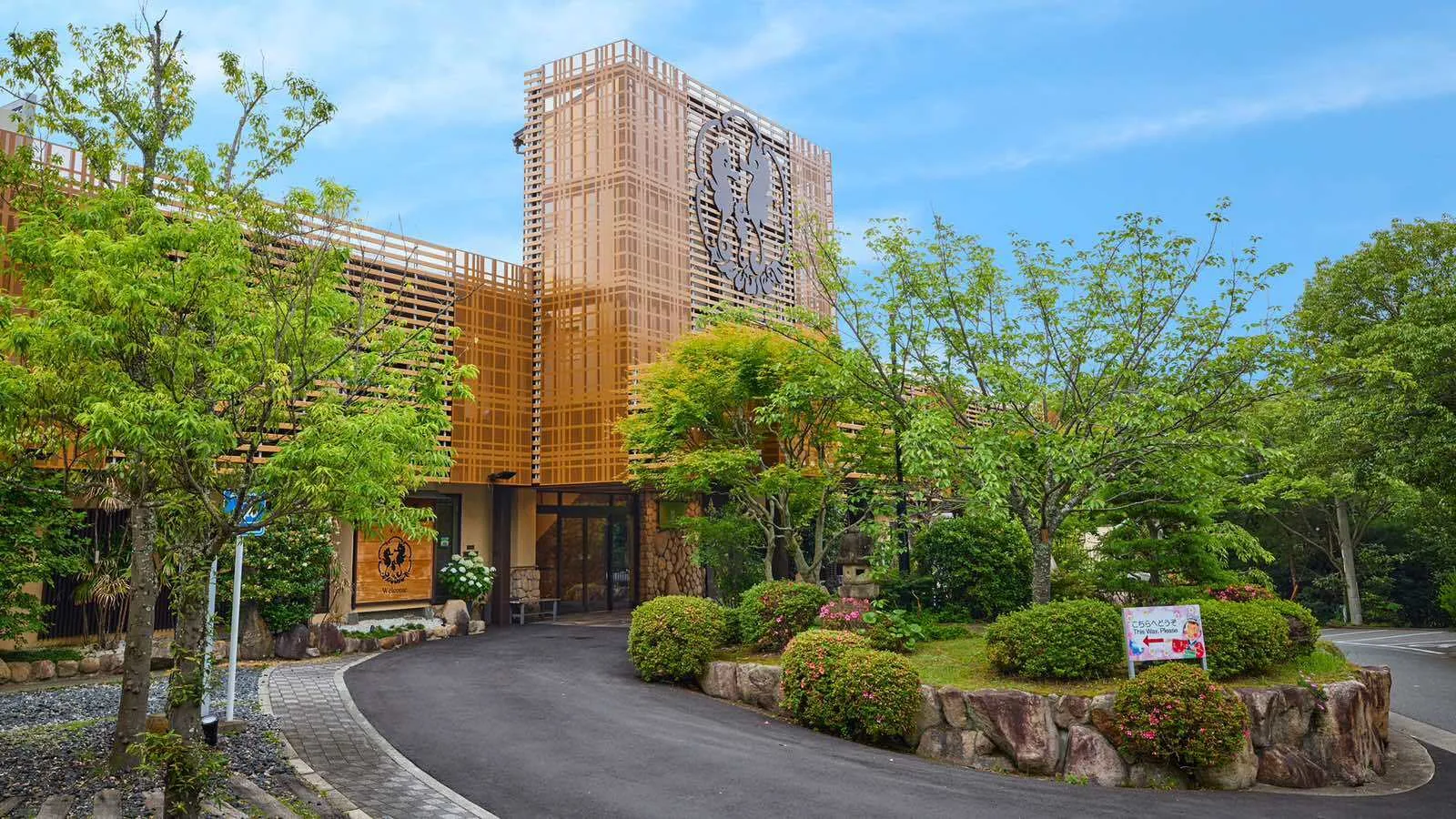
Kobe Arima Onsen Motoyu Ryusenkaku

HOTEL GRANVIA OKAYAMA
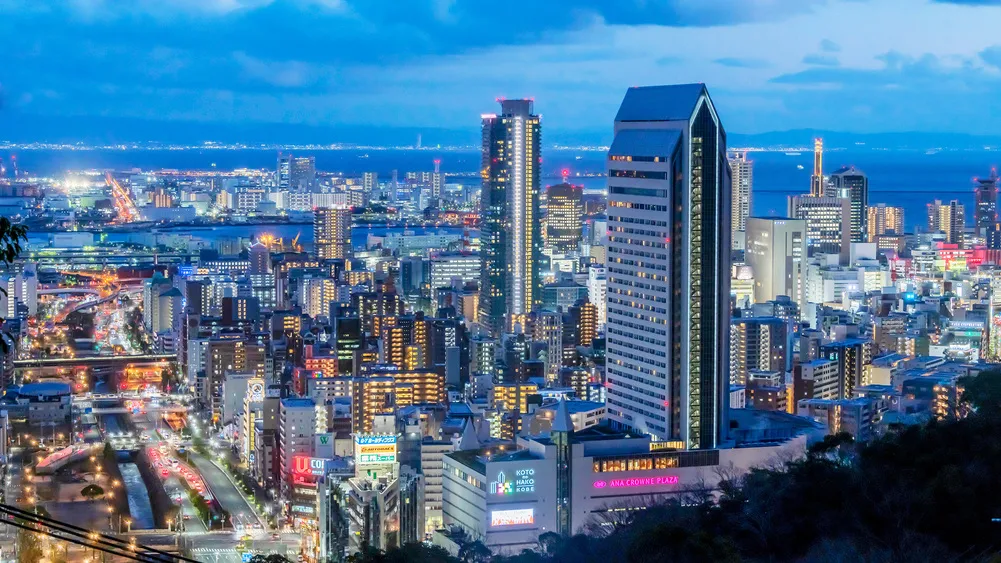
ANA Crowne Plaza Kobe
From Nagoya, both directions are within an hour
From Nagoya it is about 35 minutes to Kyoto, about 50 minutes to Shin-Osaka and about 100 minutes to Tokyo as of September 2026. Being within an hour of both directions is the Nagoya advantage: west gets you Kyoto and Osaka, east gets you Shizuoka and Atami.
With a very small child, spend the first night somewhere within an hour toward Kyoto or Osaka, learn how your family handles the train, then stretch toward Tokyo later.
Nagoya is a destination in itself. The waterfront has a building block theme park with an attached hotel where the room themes and layouts are aimed squarely at children. For a child who loves trains and bricks, the travel is part of the trip rather than a tax on it.
Riding back east toward Tokyo
Osaka to Tokyo is about 2 hours 30. The move that saves the day is getting off partway. The Tokaido line is lined with family friendly stops: Nagoya at about 50 minutes, then Shizuoka and Atami. Splitting the journey with one night keeps the total distance identical and halves what the child has to endure.
The return leg works the same way. If a long ride on your final day looks brutal, stay one more night at a stop along the way and finish with a short morning run. The extra night costs money, but the days after you get home are much calmer than they would be after keeping an exhausted child in a seat for two and a half hours. On busy return days, it pays double.
Snow trips are where the shinkansen makes life easier
Winter is where the train earns its keep. Taking the shinkansen removes snow driving, and with it winter tires, chains, mountain traffic and shoveling out the parking lot, from the parents' job list entirely. You sit down at Tokyo Station and stand up in snow country about 90 minutes later.
For a snow trip by train, narrow the hotels by how you get there from the station first. Whether you can walk from the station or ride a shuttle changes how much effort it takes between stepping off the train and actually playing in the snow.
- Yuzawa Grand Hotel in Echigo-Yuzawa Onsen is about a 2 minute walk from Echigo-Yuzawa Station, and the slopes of Ipponsugi Snow Park are a 2 minute walk from the hotel.
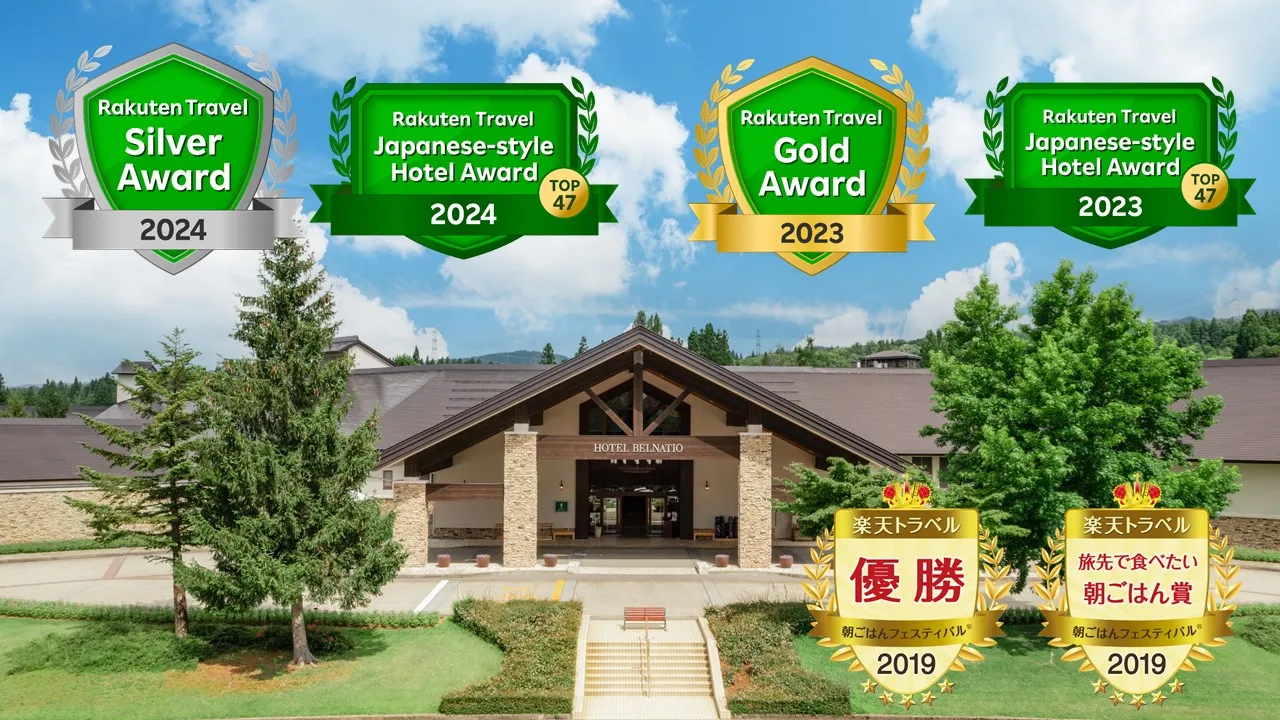
- Atema Kogen Resort Belnatio in Tokamachi runs a free shuttle bus from Echigo-Yuzawa Station and Tokamachi Station (reservations required by 5 pm the day before your stay). The Snow Land connected to the hotel has a snow play area just for small children.
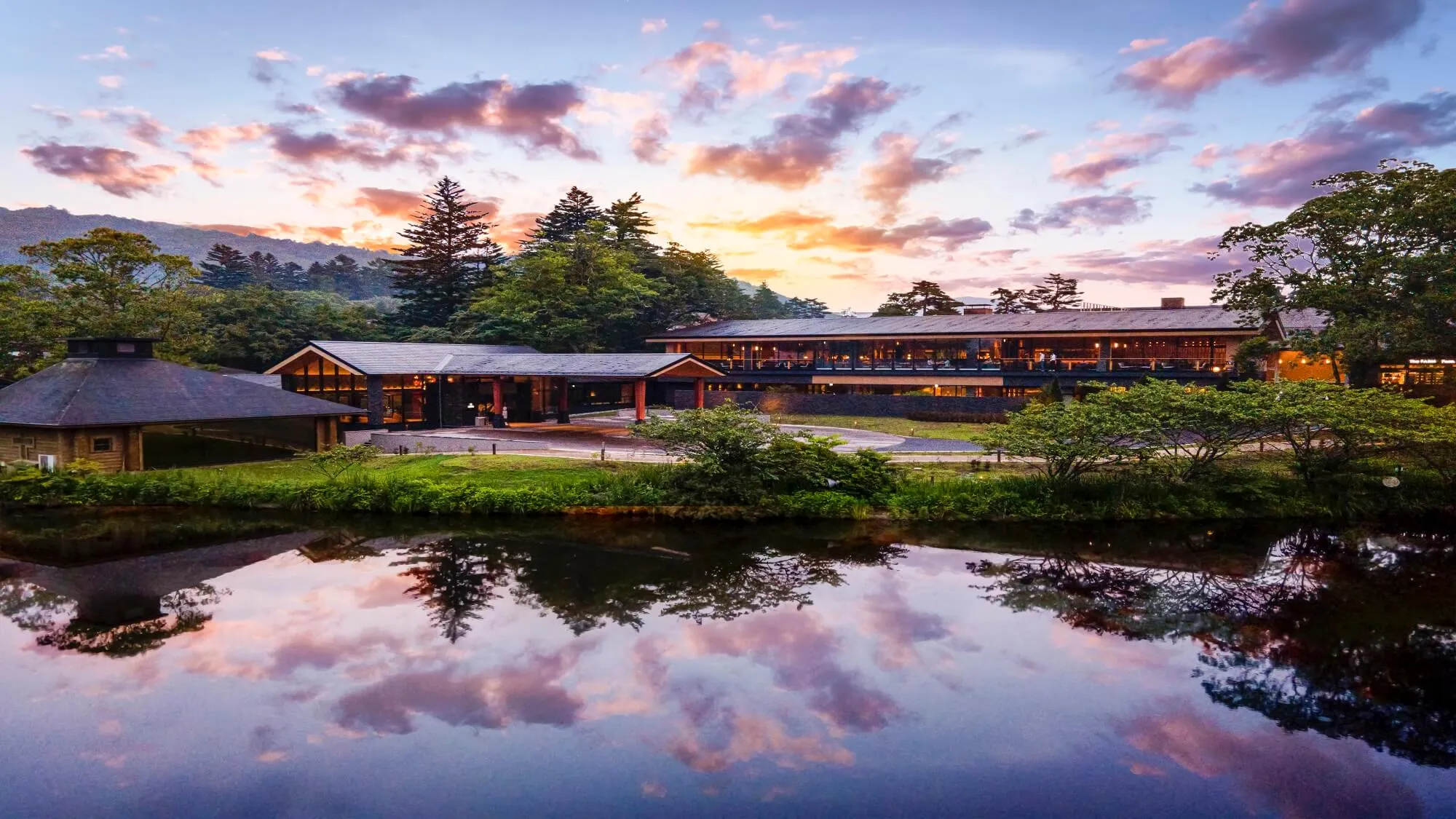
- Karuizawa Prince Hotel West runs a free shuttle bus about every 30 minutes from the south exit of Karuizawa Station, and in winter the ski area is a 2 minute walk away.
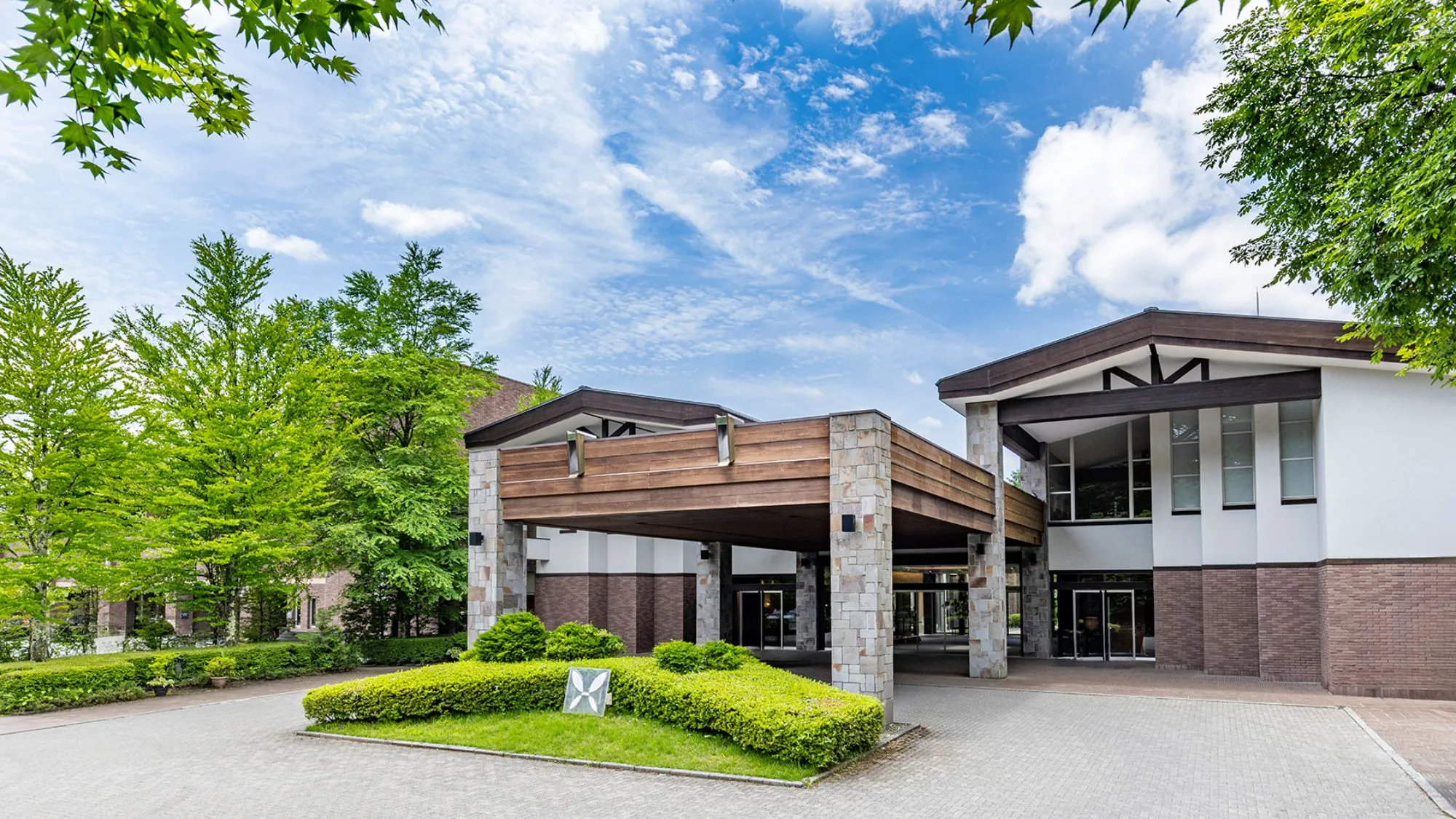
- Hotel Harvest Kyu-Karuizawa is an 11 minute walk from Karuizawa Station. The hotel says Karuizawa Prince Hotel Ski Area is a 15 minute walk (5 minutes by car), with no shuttle.
hotelSnow hotels you can reach on foot or by shuttle from Echigo-Yuzawa Station
Hotels with a clear route from the station
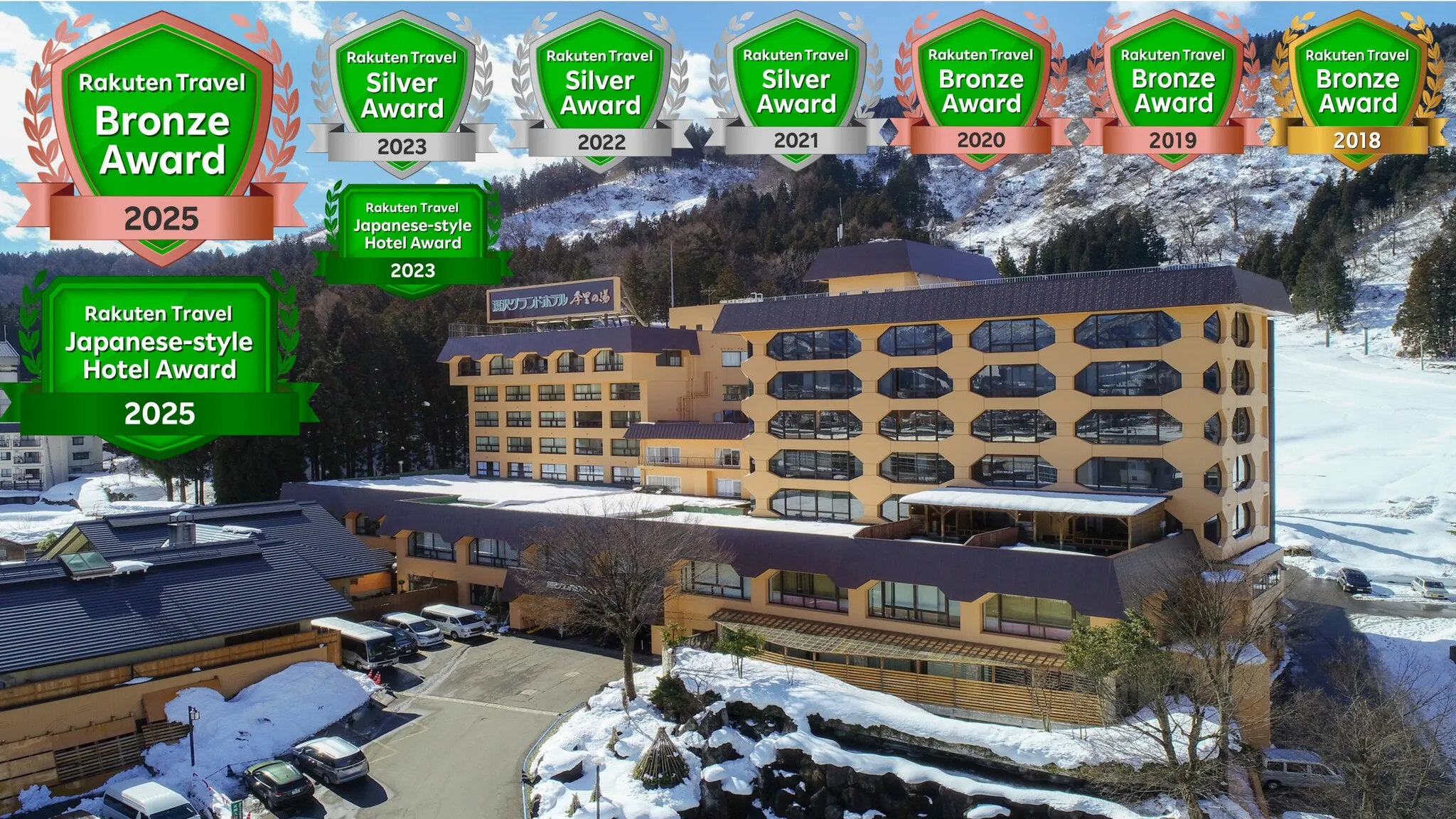
hotelSnow hotels reachable by shuttle or on foot from Karuizawa Station
Hotels where the route from the station and the distance to the slopes are clear
To compare snow destinations side by side, see the snow play hotels feature. To see only Echigo-Yuzawa hotels close to snow play, use Echigo-Yuzawa hotels near snow play and ski areas.
Echigo-Yuzawa puts snow right outside the station
Echigo-Yuzawa on the Joetsu Shinkansen is unusual in that you are in snow country the moment you leave the station. The options line up neatly by distance: hotels about 3 minutes away by shuttle, hotels about 15 minutes by free shuttle from the information desk at the west exit, and a hotel running a free shuttle bus from Echigo-Yuzawa and Tokamachi stations if you reserve by 5 pm the day before.
Reviews praise a hotel with Japan's Welcome Baby certification, an industry scheme that vets hotels on how well they are set up for babies and toddlers, with a children's buffet corner, baby gear to borrow, an indoor pool and seasonal events, all of which mean a whole day works inside the building. On a day when the snow is too heavy to go out, that is real insurance for a family trip.
If snow play is the point, measure the slopes on the same ruler. Whether you can walk to the snow or need a shuttle decides how painful the changing and toilet round trips become. Half an hour in the snow and the gloves are soaked and somebody needs a bathroom, so being able to get back to the room quickly beats any list of facilities.
Rent the gear and ship the bags
Carrying a full set of ski equipment on the shinkansen is not realistic. Rent the wear, skis and boots at the destination and your luggage collapses into a backpack and one duffel bag. Hotels on the slopes often have the rental counter inside, so a pair of boots that does not fit your child can be swapped on the spot.
Reviews also mention craft workshops keeping children happy on days when rain or snow closed off the outdoors. In a season you cannot forecast, a hotel with an indoor program is worth choosing. Clothing and gear thinking is covered in the winter family travel guide.
If the bags still will not shrink, send the big ones ahead to the hotel using Japan's door to door delivery services, which will forward a suitcase and send it back afterward. Carry only changes of clothes, diapers and what you need on board, and stairs and transfers stop being a problem.
Get winter luggage down to what leaves both hands free, using local rentals and forwarded bags.
Kids Stay lists more than 190 hotels near snow play areas or ski slopes as of September 2026, but only a handful of areas, Echigo-Yuzawa and Minamiuonuma among them, cluster hotels you can reach by shuttle from a shinkansen station. When you narrow the field, cut first on whether a pickup exists.
hotelSnow hotels around Echigo-Yuzawa and Minamiuonuma
Snow play hotels you can head to from the Echigo-Yuzawa Station side of the Joetsu Shinkansen
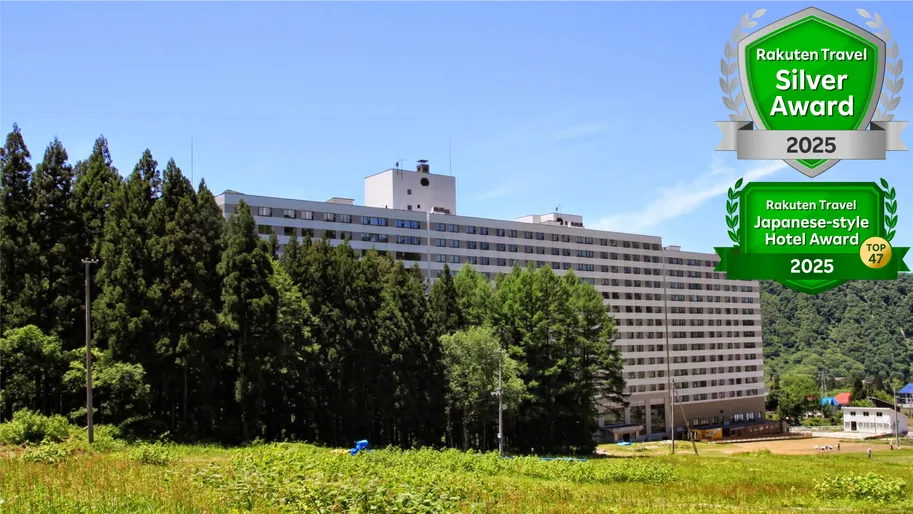
Angel Grandia Echigo Nakazato
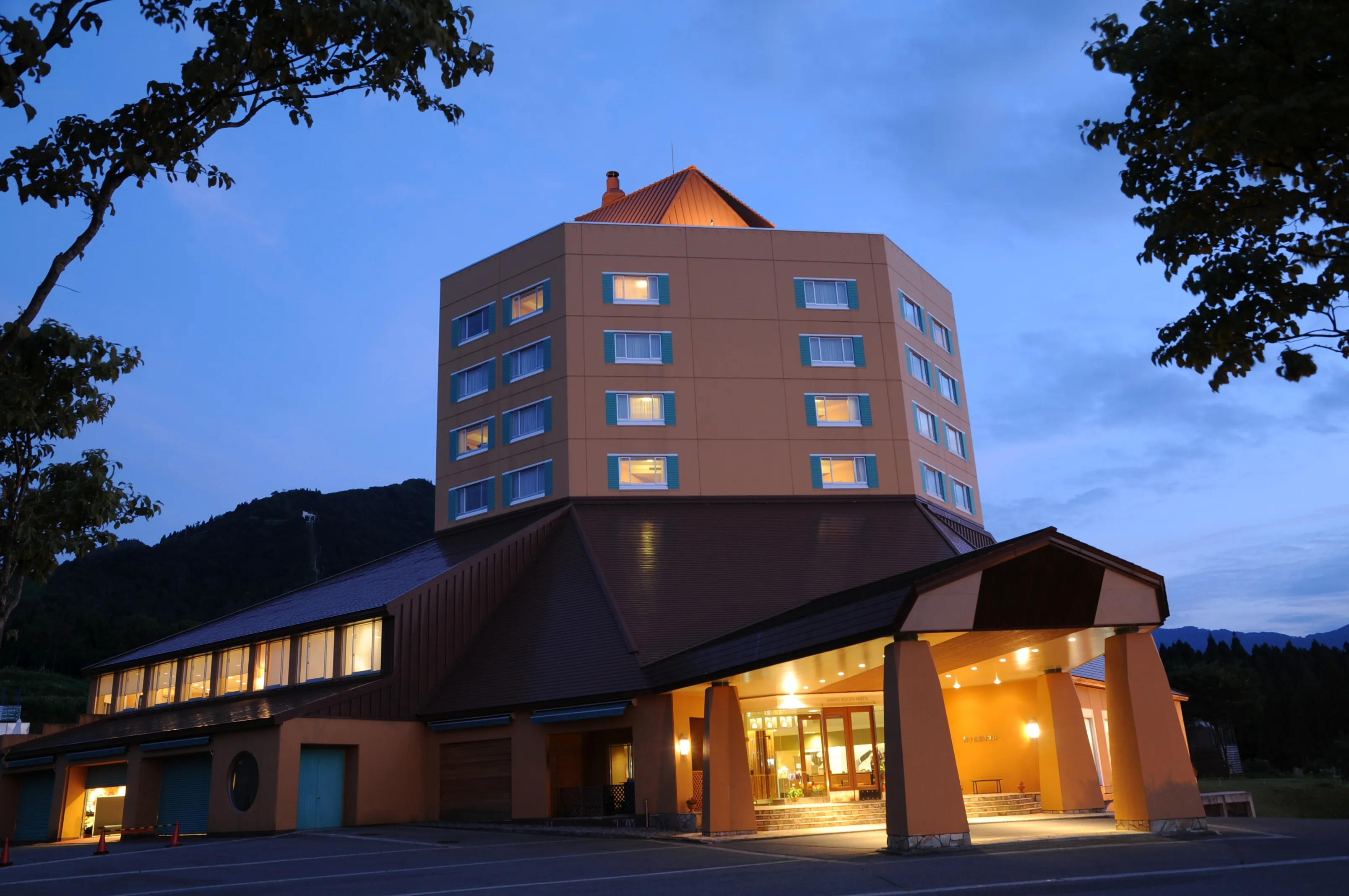
Maiko Onsen Iishi no Yu Maiko Kogen Hotel
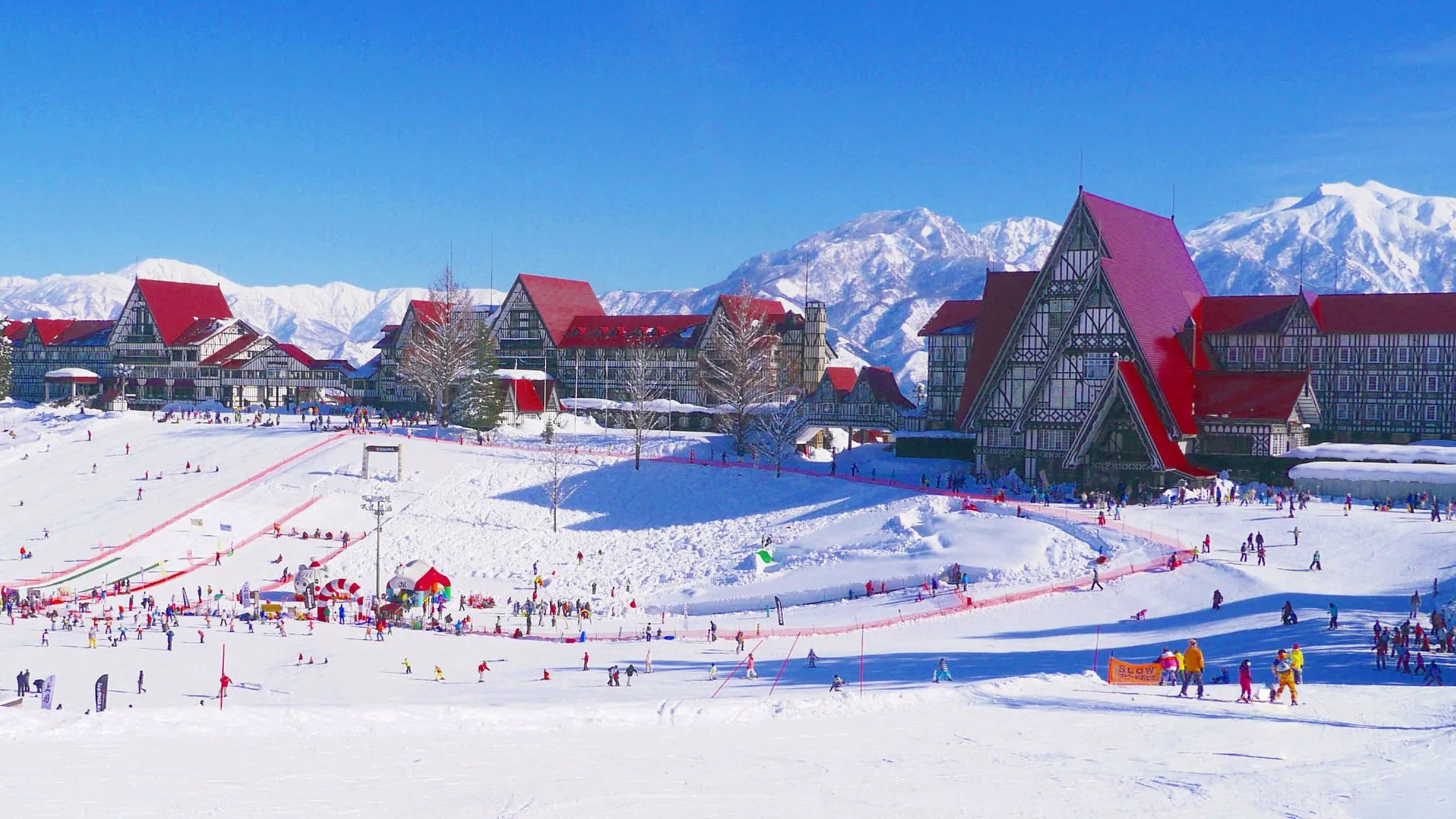
Hotel Green Plaza Joetsu
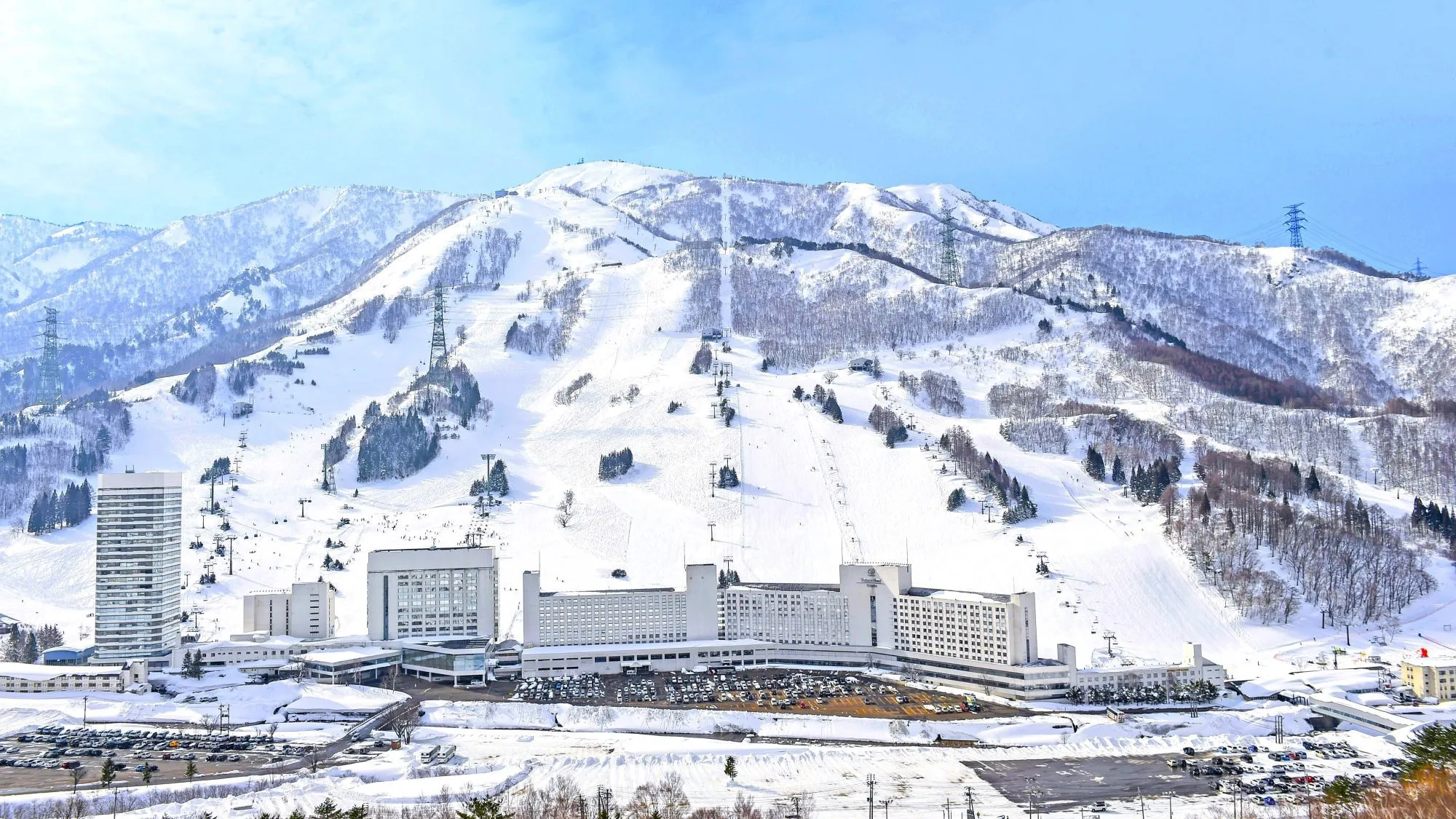
Naeba Prince Hotel
Picking a hotel by the route from the ticket gate
Once the destination is settled, the hotel choice follows the same logic. What matters is not how luxurious the facilities are but the route from the ticket gate to your room.
Is the shuttle reservation only?
Shuttle descriptions have a house style. A page may say only "free shuttle bus available" when the reality is capacity limited, reservation required, with a call needed by a set hour the day before. Conditions like a 5 pm deadline the previous day, or only three departures, often appear in small print underneath.
Miss a shuttle that needed booking and a taxi fare lands straight on top of your costs. The safe habit is to check the reservation rules and the deadline immediately after you book the room.
Check the frequency too. A hotel running three departures, morning and evening only, forces you to work backward from the bus to your shinkansen. One running roughly every 30 minutes means a late connection just puts you on the next bus, and you can stop worrying about the clock.
Never plan off the phrase "free shuttle available" alone. Read the official page for reservation rules, frequency and deadlines.
Somewhere to leave your bags and rest around check in
Arrive in the morning by shinkansen and you have hours before check in. Whether the hotel has an answer for those hours decides how day one feels. Hotels with an indoor play area, a kids room, or a play zone open before check in let you drop the bags and turn the children loose immediately.
Checkout works the same way. If you can leave your luggage and keep playing afterward, you are not killing time at the station until your train. A hotel that offers late checkout also gives you an unhurried morning, which stops day one's fatigue carrying over.
What is actually open in the morning varies a lot. Some hotels open the play areas before check in, some let arriving guests use the large baths under their day visitor scheme, some open only the restaurant. Booking sites rarely spell this out, so one email or phone call makes your first afternoon much easier to plan. It doubles as your bad weather fallback, which matters most in the rain and snow seasons.
Shinkansen trips tend to shrink the hours you actually spend at the hotel. Whether you can use the time before check in and after checkout changes what a one night trip feels like by roughly half a day. Ask about luggage storage and the hours the indoor facilities are open at the same time, and the plan comes together far more easily.
Will you need a car once you are there?
Some destinations get you to the hotel fine but require a car for anything beyond it. Areas where highlands and farms are spread out over a wide area are the usual offenders, and hotel shuttles do not always cover them.
If you are coming by train, check first whether the hotel grounds and what is within walking distance can carry two days. A hotel with hot springs, play areas and meals inside means no rental car at all. Some also give guests a local bus pass, which widens your range considerably.
A quick test: open the hotel's own "things to do nearby" page and count how many entries are given in walking minutes. If nearly everything is quoted in driving minutes, you will need wheels. If walking and shuttle destinations dominate, the train alone will do.
Booking order has a right direction too. In peak weeks, seats first. Off season, hotel first. Around Golden Week and New Year the trains fill before the hotels, so hold seats and then look for a room. The rest of the year, hotels with real family facilities are the scarcer item, so book the room first. Get that order backward and you lose one of the two, and the whole destination has to be redone.
travel_exploreNarrow the shinkansen areas down by what you need
See hotels with kids rooms or stroller rental in each of the areas covered here
Find hotels where you can travel light and stay in
Find hotels where you can travel light and stay in
Filter by stroller rental and indoor play areas
articleRead alongside this guide
Winter destinations, what to pack, and moving around with toddlers


The short version
Choose a shinkansen trip on ride time alone and you will pay for it on arrival. Re-rank your candidates by the total that includes the leg from the station and the list narrows itself. From Tokyo, the one hour ring is Atami, Odawara, Nasushiobara, Karuizawa and Echigo-Yuzawa. From Osaka it is Kyoto, Kobe and Okayama, and from Nagoya you can reach both directions in about an hour. In winter, the train's advantage is at its largest, because the driving disappears completely. Narrow the field to two or three destinations, then start by checking whether their shuttles need to be reserved.
FAQ
Which shinkansen destinations from Tokyo are best with young children?
It depends on their age. From newborn to age 2, stay inside the one hour ring where the transfer is short, which means places like Atami or Odawara. Past age 3, when a child can occupy themselves on board, Nagoya, Kyoto and Osaka come into range. Starting from Osaka, Kyoto, Kobe and Okayama fill the same role.
Can we do it as a day trip from Tokyo?
Yes, where the ride is about an hour each way, so Odawara and Atami work. Be realistic about the payoff: with both legs in one day, a family usually gets only three to four hours on the ground. If you want an onsen bath or time in an indoor play area, one night gives you far more, because the hours before check in and after checkout count too.
How far is each destination from Tokyo Station?
As rough guides for September 2026: on the Tokaido line, Odawara is about 35 minutes, Atami about 40 to 50 minutes and Nagoya about 100 minutes. On the Tohoku, Joetsu and Hokuriku lines, Nasushiobara is about 70 minutes, Karuizawa about 60 to 80 minutes, Echigo-Yuzawa about 70 to 85 minutes and Sendai about 90 to 100 minutes. Among those, pick the ones with the shortest leg from the station.
From what age can children ride the shinkansen?
There is no minimum age and newborns can travel. What changes is difficulty: babies up to about 18 months often sleep in a carrier, 18 months to 3 years is the hardest stretch because sitting still is impossible, and from 4 children enjoy the scenery and eating on board. While you still need nursing and diaper changes, book seats in a car near the multipurpose room.
Should we book the train and the hotel together?
Packages that bundle the round trip with the room are easy to handle and can be cheaper. The catch is that family specific hotel plans, the ones with baby food or kids room access included, are sometimes not included in those bundles. If family facilities are your priority, choose the hotel first, then see whether it can be packaged.
Related articles


Seasonal collections
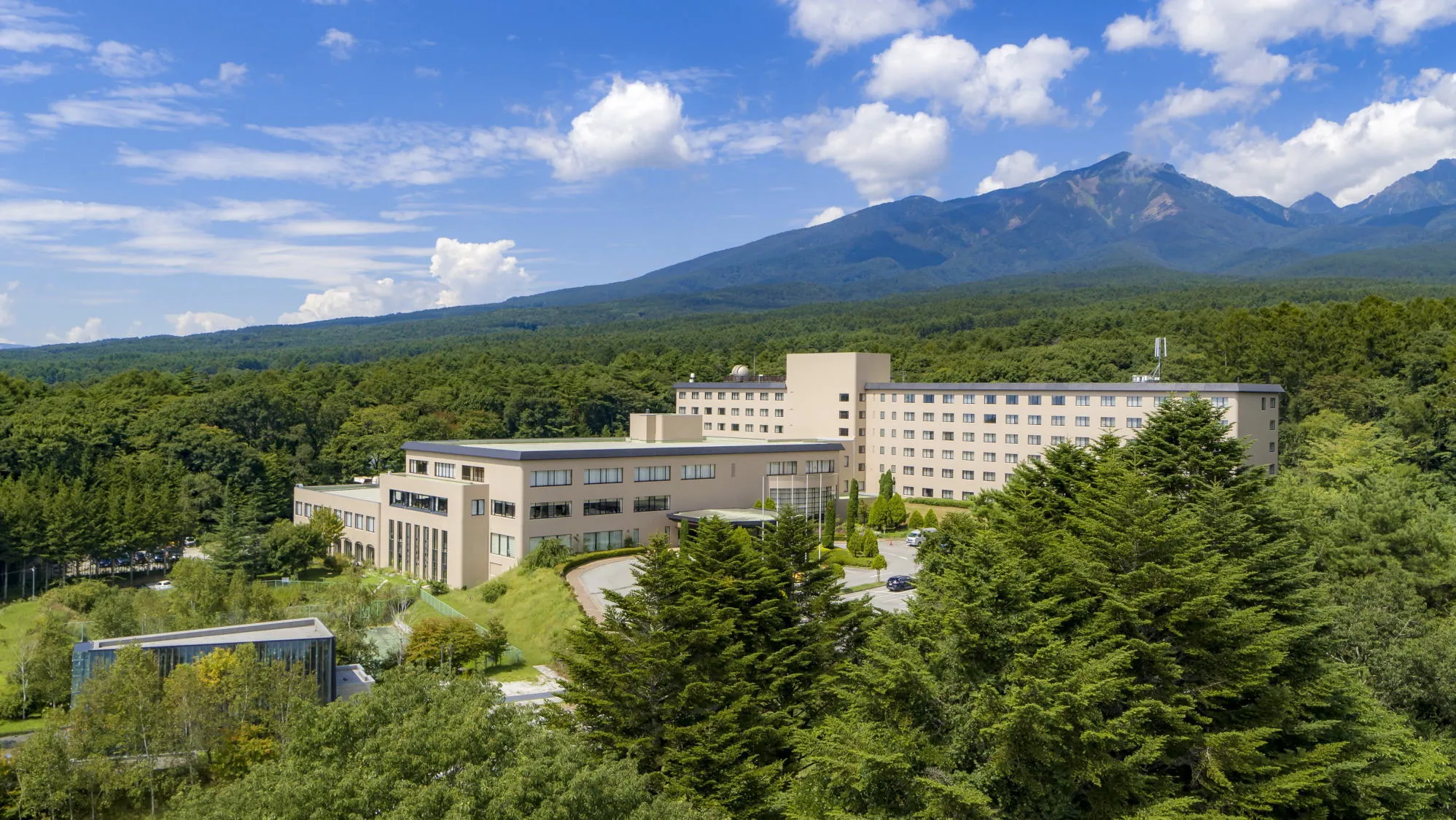
Autumn Highland Play
In the season that is neither hot nor cold, find hotels where kids can run around outside. Highland areas with outdoor play areas and adventure courses, from north to south
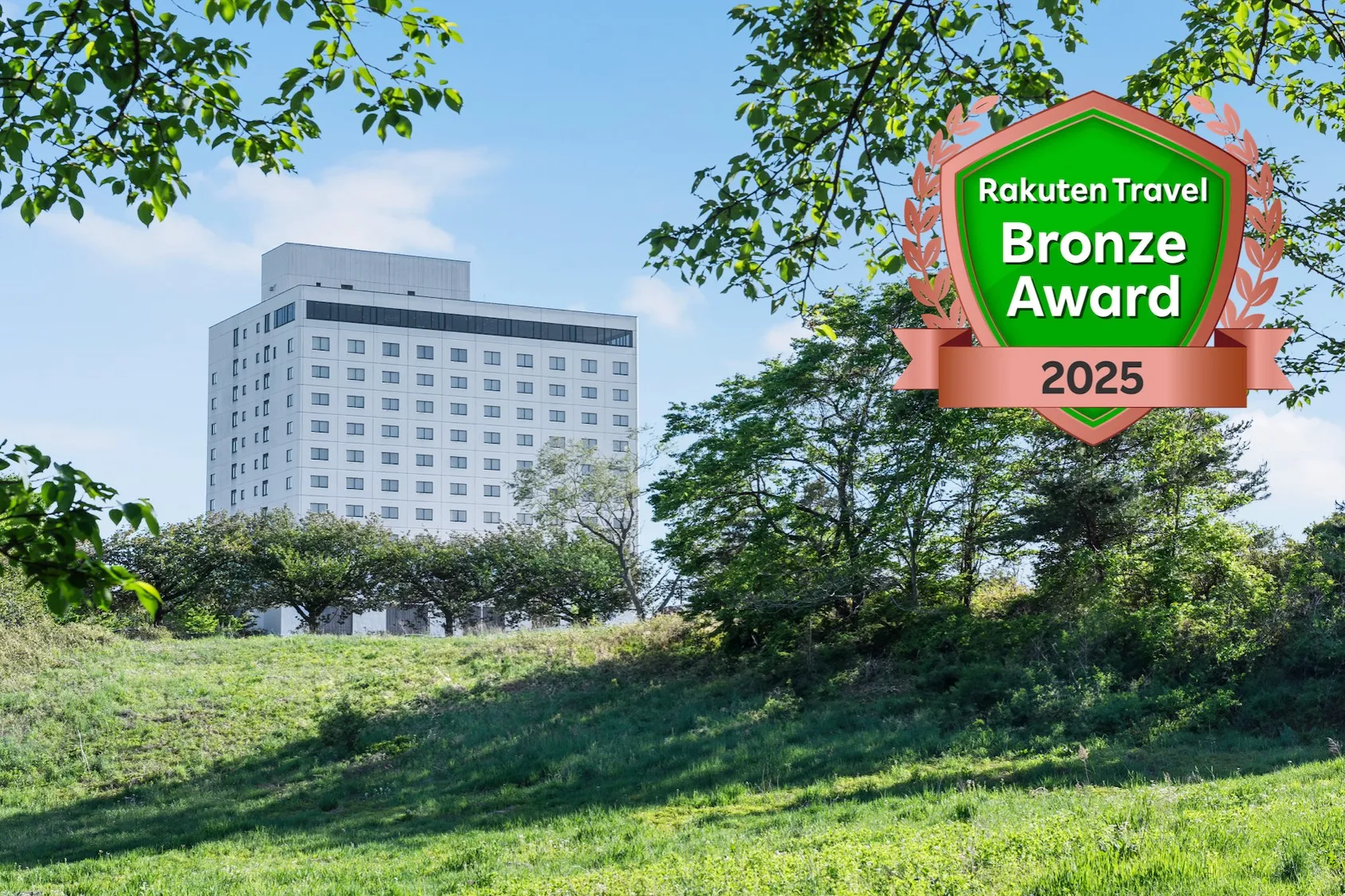
Autumn Long Weekends With Kids
Skip the crowds and traffic with hotels where short travel and on-site or nearby fun are enough. Four ways to spend it: highlands, hot springs, the sea, or a large resort
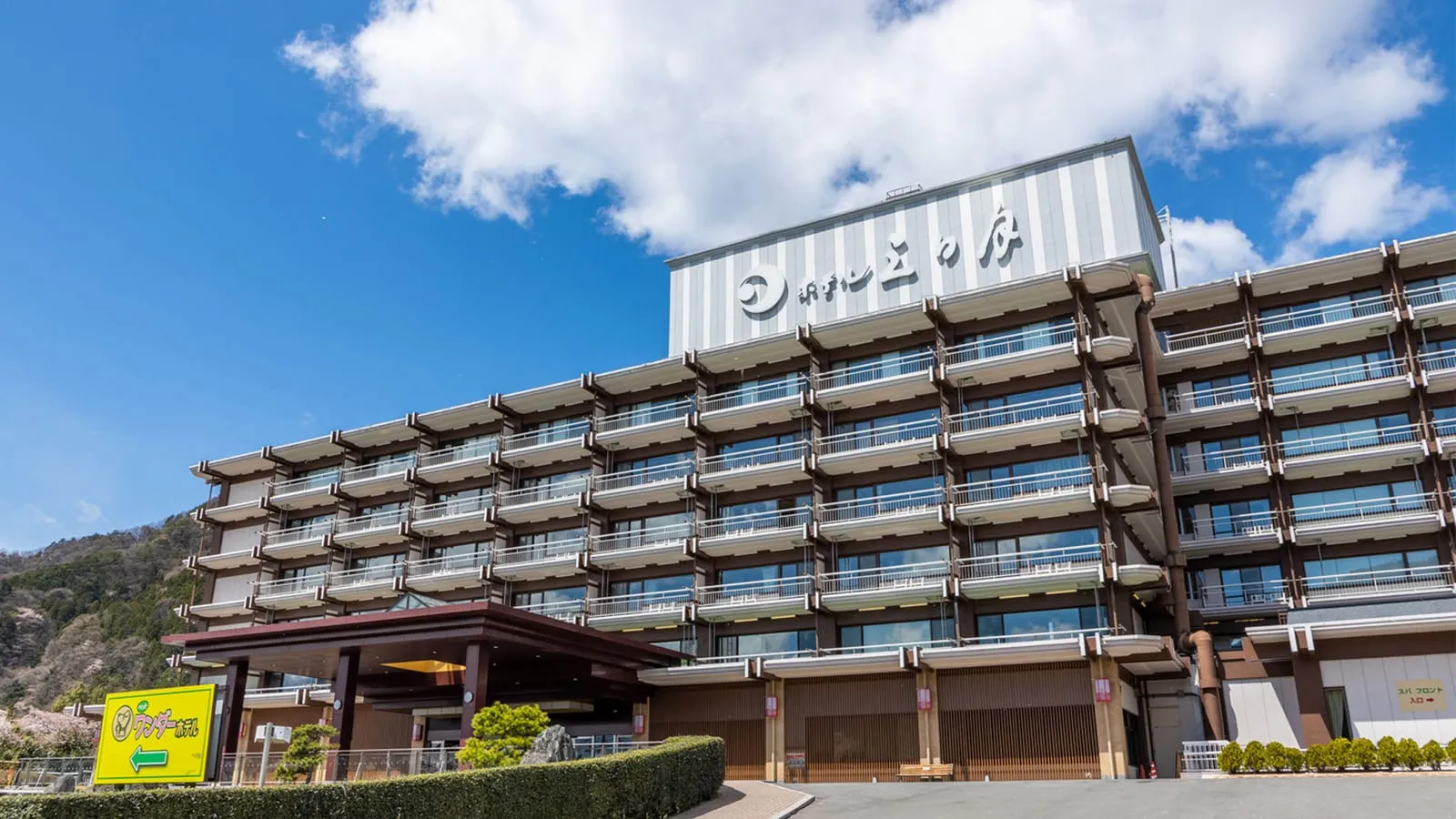
Autumn Leaves With Kids
Peak color timing, plus hotels in autumn leaf areas you can manage with a baby or toddler, from Hokkaido to Kyushu
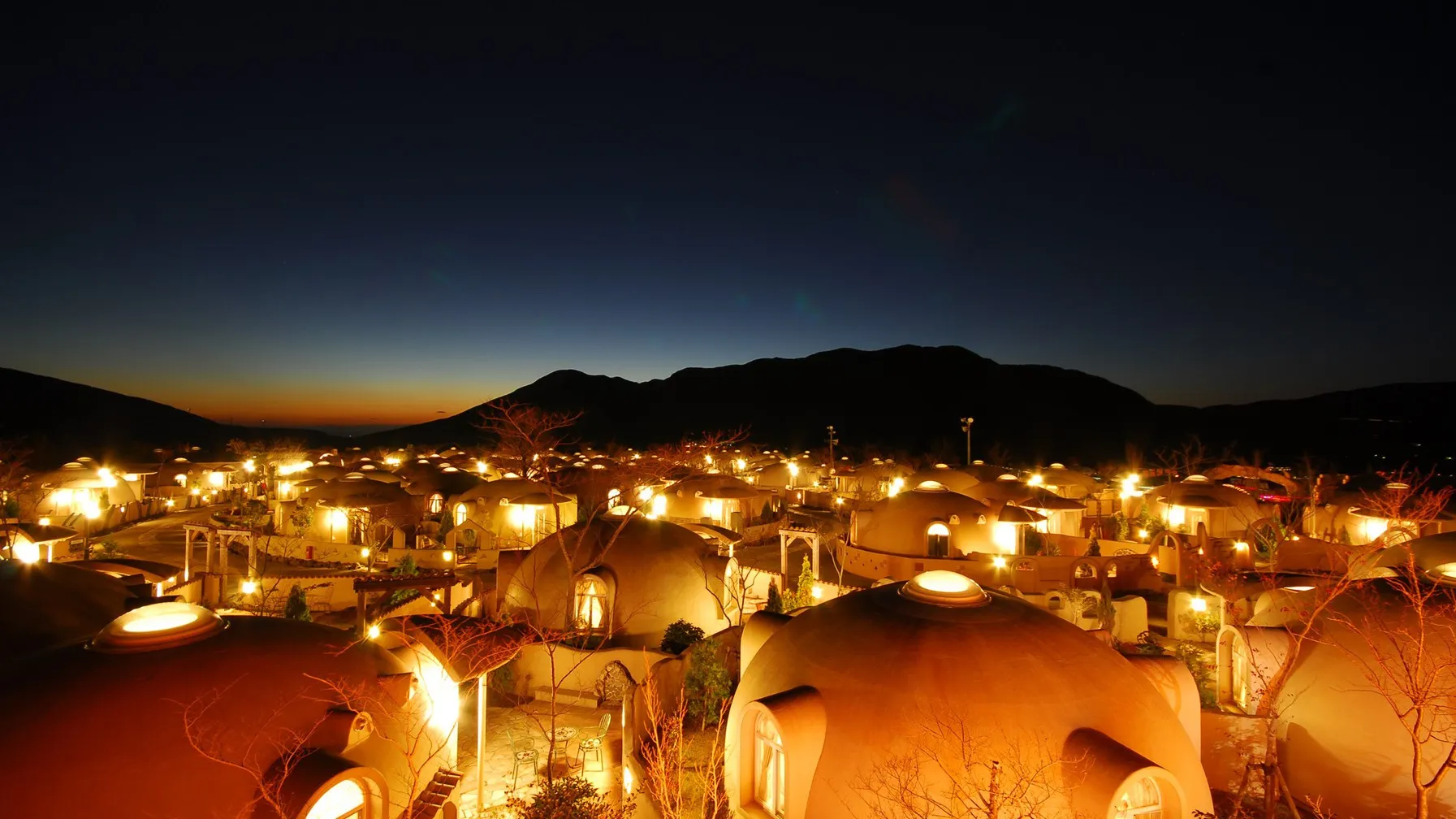
Autumn Farms and Harvest
Hotels with farm activities and animal encounters, plus the areas that make the best base for fruit picking and harvest days, from Hokkaido to Kyushu
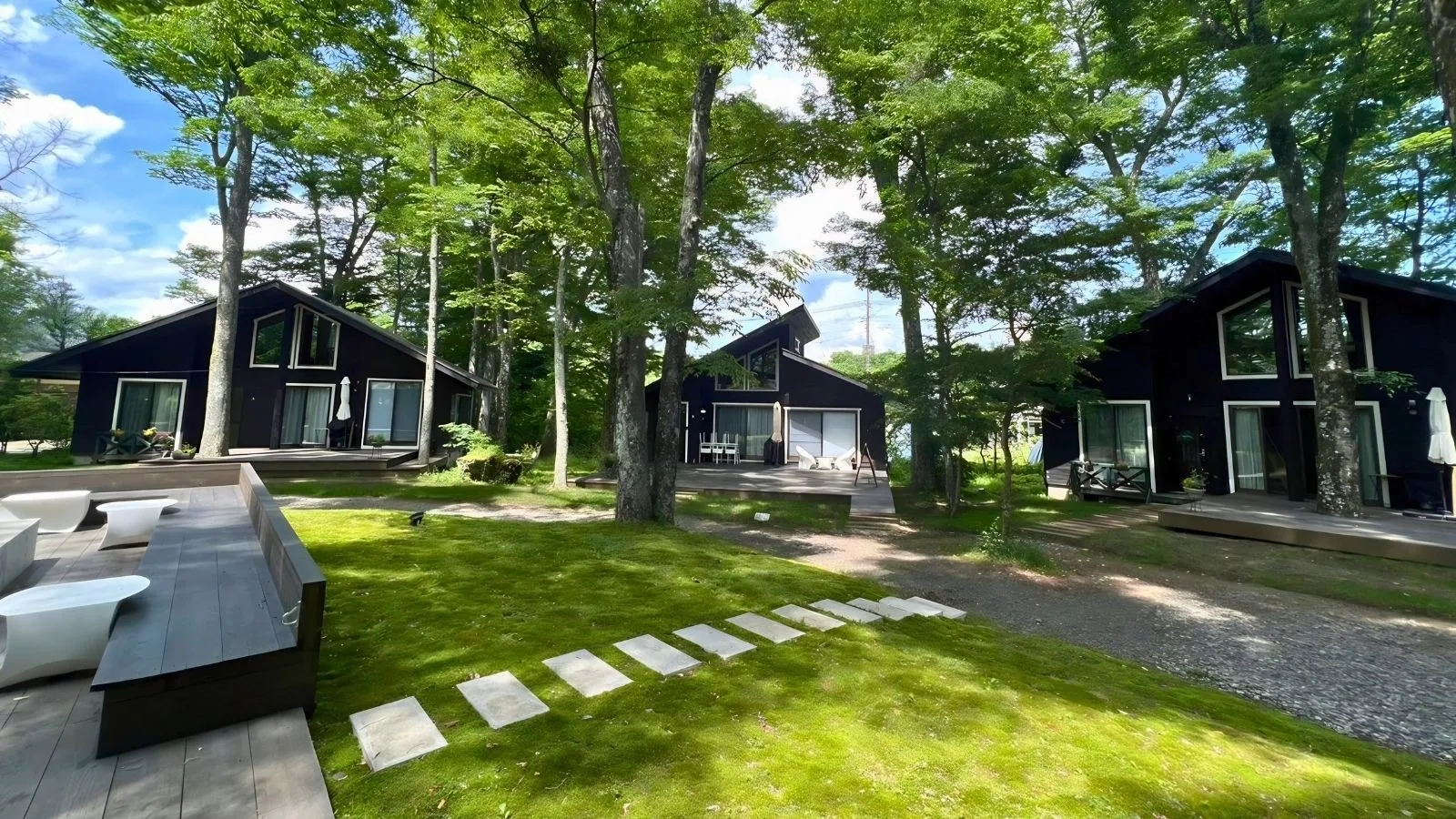
Autumn Cottages and Glamping
No one else to worry about, at your children's own pace. Areas with self-catering villas, cottages, and glamping, from north to south
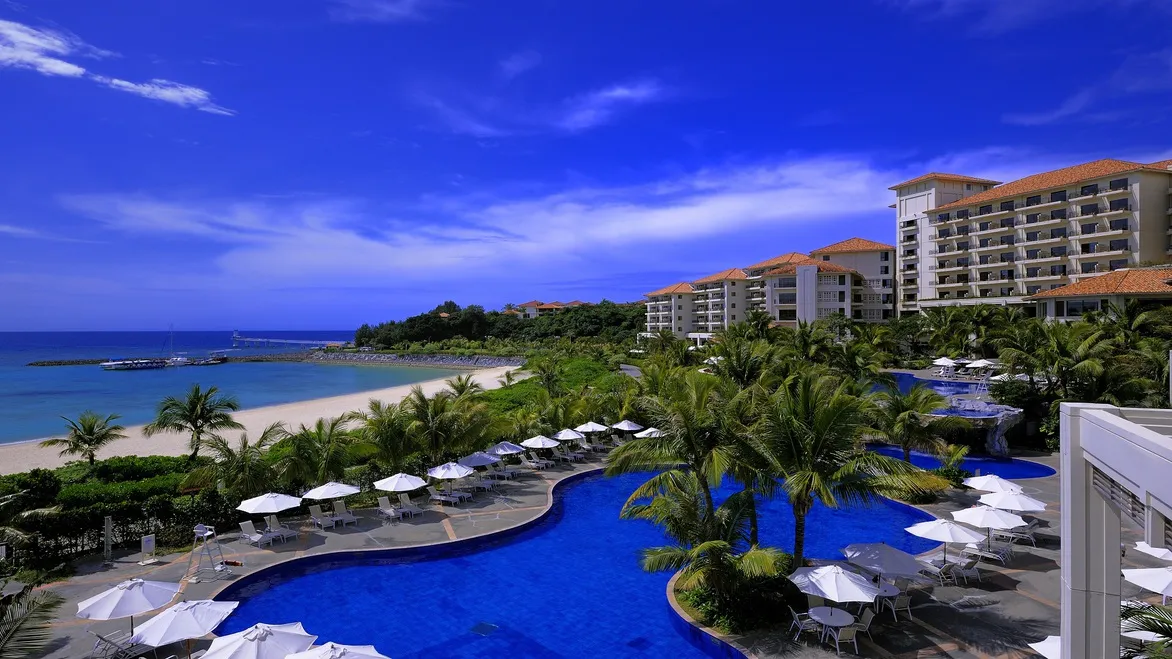
Late-Summer Okinawa Beaches
Fall in Okinawa, Miyakojima, Ishigaki, and Amami, once the crowds and the heat have eased. Stays within walking distance of a beach, or with a kids' pool