
Shinkansen With a Baby: Which Car and Seat to Book

This site uses affiliate links; we may earn a commission on bookings.
If you are staring at a Shinkansen seat map with a baby on your lap, the answer is short. Book the car that holds the multipurpose room, or the car right next to it: car 11 or 12 on a 16 car Tokaido or Sanyo train, car 5 on the Tohoku E5, car 7 on the Hokuriku E7 and W7. Then, inside that car, take a seat in the very first row or the very last row, because those are the only rows where a stroller can stay unfolded, and only if you have booked two seats side by side, and because the vestibule is a few steps away. Everything else, the distance to a wide toilet with a changing table, the luggage space, the escape route for a crying toddler, follows from those two decisions.
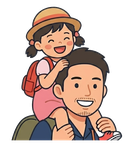
Which Shinkansen car should you book with a baby?
Aim for the car with the multipurpose room and the car next to it. Next to that room there is a wide toilet you can enter with a wheelchair, and it has a diaper changing table. The vestibules in that part of the train tend to be roomier too, which gives you somewhere to take a child who will not settle. Choosing a car really comes down to one question: how close to that corner of the train can you get a seat?
The complication is that the multipurpose room sits in a different car on every line. Read advice written for the Tokaido Shinkansen, then board a Tohoku train, and you will book completely the wrong end of the train.
Tokaido and Sanyo: cars 11 and 12
On the N700 series and N700S trains that run Tokyo to Nagoya, Kyoto and Shin-Osaka, the multipurpose room is in car 11. The vestibule between cars 11 and 12 holds the wide wheelchair accessible toilet, and that is the most generous space on the whole train for changing a diaper.
The closest ordinary seats to that corner are the row at the end of car 12 nearest car 11. Family guides and personal blog reviews name both the two seat side and the three seat side of that row. Check the seat map for the train you are taking to confirm the seat numbers. It is popular, but it is not fought over the way the rear of car 11 is, so it can still be available even if you are not booking the moment seats go on sale.
One caution. The wheelchair accessible seats at the rear of car 11 could once be booked by anyone when they were free, but since 2023 they have been operated as seats for passengers who use wheelchairs. They are not a seat to target because you want somewhere to park a stroller.
On the Sanyo Shinkansen, sixteen car formations follow the Tokaido pattern with car 11, but on eight car formations the multipurpose room sits somewhere else. The car depends on the rolling stock you happen to board, so check where the room is on the seat map when you book.
On a 16 car train, start with the seats closest to the boundary between cars 11 and 12.
Heading north, the room moves
The car holding the multipurpose room changes with both the line and the rolling stock. Pulling together the equipment information published by the railway companies for the main lines, the picture as of September 2026 looks like this.
| Line and rolling stock | Car with the multipurpose room |
|---|---|
| Tokaido and Sanyo, N700 series and N700S (16 cars) | Car 11 |
| Sanyo and Kyushu (8 cars) | Car 7 |
| Tohoku, E5 and H5 series (10 cars) | Car 5 |
| Joetsu and Hokuriku, E7 and W7 series (12 cars) | Car 7 |
| Akita Shinkansen, E6 series (7 cars) | Car 12 |
Watch out for services such as the Hayabusa and Komachi, two trains coupled together for part of the route, where the car numbers run straight through. The Komachi portion is numbered cars 11 to 17, so car 12 on that train has nothing in common with car 12 on the Tokaido.
Formations can also change from day to day even under the same train name. Booking sites draw the multipurpose room and the toilets onto the seat map, so hunting for the symbols on the map is more reliable than memorizing car numbers.
When the car you want is already full
In peak season the end rows of the best car go first. If you miss them, work down this list rather than settling for whatever is left.
- The other end of the same car, so the last row if the front row is gone
- An end row in the car beside the multipurpose room car, then the car after that
- An end row near any toilet that has a diaper changing table
On the Tokaido Shinkansen, among the Western style toilets in the Tokyo end vestibule of the odd numbered cars, the one marked with a baby symbol is the one fitted with a fold down changing bed, according to travel agency guidance current as of March 2026. So even without the multipurpose room corner, an end seat in an odd numbered car gives you a plan for diapers.
What stays available longest is the middle of the car, and that is the hardest place in the train to travel with a child. Do not take a middle seat just because it is the one left; switching to a different departure usually costs you less in the end.
Front row or back row matters more than the window
Once the car is settled, the next question is the row. For families, whether you sit by the window or the aisle matters far less than which end of the car you are in, because an end row is a short walk from the vestibule and sits next to space you can put things in.
Which end suits you flips depending on your child's age and whether you have a stroller.
If the stroller is luggage, take the last row
On the Tokaido and Sanyo Shinkansen, the last row of each car is sold as an oversized baggage area seat. There is space behind the seat backs where a stroller and suitcases can go together.
Two things to know. First, that space is sometimes shared with other passengers. One family who booked the last pair of seats ended up splitting the area with another group. Second, once the space is packed, your seat may not recline.
There is a more practical objection too. Parents reviewing family rides have asked whether a baby parked in a stroller behind the last row is simply out of sight, since the stroller ends up behind the adults' backs. If you want your child to stay in the stroller where you can see them, the last row is not automatically right. Think of it as the last row for the stroller as luggage, the front row for the stroller as a bed.
The last row is a seat for stowing things. If you want to keep watching your child in the stroller, book the front row.
Ages 2 and up: the wall in front of the front row
The first row of each car faces a wall, and that wall does a lot of work once a child is past two.
- The tray table, which folds out of the armrest, opens and closes freely because there is nobody in front, so snacks and drawing things come out whenever you need them
- Legs can stretch without kicking a seat, so shoes can come off and a child can stay comfortable much longer
- A folded stroller can sometimes stand against the wall, in your line of sight rather than overhead
- The vestibule is a few steps away when a toddler announces they want to get off
Adults lose the tray table on the back of the seat in front, which makes the row slightly less convenient for working or eating. With a child, the trade goes the other way: not having to worry about the person in front is worth more than a slightly better table.
Traveling alone with a small child, the aisle seat on the three seat side is the easiest thing to book. Window seats on the two seat side are popular and fill up, while the middle seat of a three is the last thing anyone chooses, so you often get extra room by accident. Getting bags out and walking a child to the vestibule are both far easier from an aisle seat, with nobody to climb over.
Seats to skip, and how unreserved cars work
The seat to actively avoid is a three seat row in the middle of the car. The vestibule is far, and every toilet trip means threading a child past standing passengers. In peak weeks, people who could not find an unreserved seat stand in the aisle, and at that point the middle of the car is effectively sealed.
Green cars are wider and more comfortable, but they are quiet, which means a child's voice carries. Family travel guides tend to leave them off the list for exactly this reason: you can end up paying extra for the privilege of feeling self conscious.
Unreserved seating is where the fare rules get misread. Preschool age children can ride free in the unreserved cars, up to a set number per adult, but that is a fare rule and nothing more. Reviews from families come back to the same reminder: once the train fills, you give the seat up. Riding free is not the same as having a seat waiting for you. Plan around whether you can secure a seat rather than around what it costs.
Queueing for unreserved seats with a stroller and then boarding without a seat is a rough way to start a trip. If your dates allow a reserved seat, booking one is the surer choice.
The multipurpose room, diaper changes, and nursing
The multipurpose room is the single most reassuring facility on a Shinkansen for a family. It is also not a room you can simply walk into. Knowing where it is, how to ask, and what your fallback is keeps the day calm.
Who the room is for and how to ask
The multipurpose room is a private compartment for passengers who are unwell or have a disability. It is normally locked, and the way in is to ask a conductor to open it. As a rule it cannot be reserved in advance.
The priority order is clear. Wheelchair users and passengers who feel ill come first. If it is free, crew will let you use it for nursing, a diaper change, or settling a child who will not stop crying. It is a room you borrow when it happens to be available.
On the Tokaido Shinkansen there is a QR code posted by the door that lets you tell the onboard crew you would like to use the room, according to guidance current as of March 2026. That saves standing in the vestibule looking for a conductor, so it is worth locating the door once you board.
Some trains have no multipurpose room at all. The shorter the train, the more a check before you travel is worth.
The multipurpose room is locked. Asking a conductor is the only way in.
Diaper changes: look for the baby symbol
Even when the room is occupied, you are not stuck. As noted above, on the Tokaido Shinkansen the odd numbered cars have a toilet marked with a baby symbol, and that is the one fitted with a fold down changing bed.
The catch is size. An ordinary train toilet is more or less full with one adult inside, so changing a diaper while holding your bags is genuinely cramped. The wheelchair accessible toilet between cars 11 and 12 is dramatically bigger, with room to change clothes or for two people to go in together. That gap is the reason to settle the car question first.
One habit shows up in nearly every family review: change once on the platform or in a station restroom before boarding. On a two or three hour ride, one change before and one after arrival is often enough, which keeps onboard changes to a minimum.
Plan nursing as if the room were unavailable
Shinkansen trains have no dedicated nursing room. The multipurpose room is the only enclosed option, and you are low in the priority order. If you can predict roughly when your baby will feed, build a plan that does not depend on the room.
Three things make that workable. Carry a nursing cover. Carry one serving of ready to drink liquid formula rather than powder, which removes the need for hot water entirely; it is easy to find in drugstores and baby goods shops in Japan. And line your departure up with your feeding rhythm.
Timing the ride to overlap a nap is a standard suggestion in Japanese family travel guides, and it works: if your child sleeps through half the journey, the other half becomes easy. Families also report that a child who has moved around before boarding sleeps better on the train. Walk the station concourse, stand on the platform and watch a train or two go through, and leave home with enough margin to do it.
Strollers on the Shinkansen: fold or not?
Whether you push a stroller to the station or wear your baby in a carrier is the biggest fork in the road before a Shinkansen trip. Getting the rules straight removes the whole question of whether to fold.
Strollers are outside the oversized baggage rules
The Tokaido and Sanyo Shinkansen treat baggage as oversized once its three dimensions add up to more than a set size. Bringing that on board requires a reserved seat with a baggage space, and boarding without that reservation costs a fee. Check JR Central's official guidance for the size that applies and the current amount.
Strollers are exempt from this scheme. No reservation, no extra charge, whatever the size, according to travel agency guidance current as of March 2026. That is the starting point: the fee is not something you need to worry about.
What exemption does not buy you is a guaranteed place to put it. Because no reservation is required, space ends up close to first come, first served. Which is exactly why it pays to book a seat that comes with somewhere to stand it.
When it can stay unfolded
Out of consideration for other passengers, folding is the default. On top of that, two positions are described as places a stroller may stay open.
- Behind the last row of the car, the oversized baggage area seats, when you have booked two or more seats side by side
- In front of the first row of the car, again with two or more seats booked side by side
Either way, a larger stroller may still have to be folded, and at the last row your seat may lose its recline. The real condition is whether you booked two or more seats next to each other.
One adult with one child on their lap, holding a single seat, falls outside that condition. In that case plan to fold before boarding and stow the stroller at your feet or in the overhead rack. A folded stroller stands more securely at the front row, where there is a wall to lean it against.
Double strollers are bigger than the usual kind, so booking the last row with its oversized baggage space is the realistic choice.
The station is harder than the train
The difficult part is usually not on board. Getting from the ticket gates to the platform means elevators, and at large stations such as Tokyo and Shin-Osaka the queue can be long enough that several elevators come and go before you fit into one.
Three things help. Check the station maps for both your departure and arrival stations and find the elevators. Note the number of the stairs or escalator nearest your car. And leave home early enough to be standing on the platform 30 minutes before departure.
Families also mention that Shinagawa involves much less walking inside the station than Tokyo does. For the same train, shifting your boarding station by one stop can change how much energy you have left when you sit down.
You can also travel lighter and pick the stroller up at the other end. Choosing a hotel that lends strollers for use in the building or for days out means one less thing on the train, so it is worth looking at hotels that lend strollers before you decide to bring your own.
A stroller needs no reservation and no fee. Whether it can stay unfolded depends on having two or more seats side by side.
What to pack and how to spend the ride
With the seat settled, the rest is how you divide up the hours. On a Shinkansen with small children, what matters is not how much you bring but how easily you can reach it, because anything you lift into the overhead rack is effectively gone until you arrive.
Put everything you will actually use into one tote and keep it at your feet. That single habit shapes the whole journey. The full age by age list lives in the family packing checklist, so what follows is only what earns its place on a train.
Set up the floor and the seat area first
As soon as you sit down, turn the footwell into a floor your child can sit on. Legroom on the Shinkansen is more generous than most people expect, and a picnic mat or thin sheet spread across it doubles as a play area and a catcher for dropped toys. Shoes come off, small things stop rolling under the seat in front, and at the end you roll the sheet up and go. Three minutes of setup before the train moves buys you an easier two hours.
The other quiet winner is a clip hook. Shinkansen seats give you almost nowhere to hang anything, so drinks, wipes and a trash bag end up on your lap. Stroller hooks clip onto the seat back in front or the edge of the tray table, and if you are pushing a stroller to the station they are already working for you on the way in. Gather your own bags onto the stroller hooks and you can walk all the way to the platform with both hands free, which makes a real difference to how much you have left in the tank at boarding time.
Ages 0 to 1: play, eat, settle
The standard approach for babies and one year olds is to pack three categories, play, eat and settle, and hand them out one at a time. Japanese family travel guides suggest fine motor toys, magnet books, sticker books, edible teethers, and one or two familiar favorites from home.
Produce everything at once and you have nothing left for the second half. One new item every 15 to 20 minutes is about the right pace, and it covers a two hour ride comfortably.
Things that make no noise and can be played with seated, using only hands, suit a train. Sticker books and magnet books can be peeled and re-stuck endlessly and land silently when they fall. They also stay interesting from about one year old to four, which makes them efficient to carry.
One more trick: keep something the child has never seen before. Buy one new item and keep it hidden until you board. It comes up again and again in family travel writing, and it buys far more minutes than an old favorite.
Ages 2 to 5: ration the ride
By two to five, the problem is boredom with sitting itself. Coloring books, mazes, seek and find books, drawing boards, origami and card games all work because the child finishes them with their own hands. Put the snacks in one bag and let them draw one out without looking, and you have turned ten minutes into an event.
Then there is video. Watching something on a tablet is a perfectly reasonable plan on a train, but the sound cannot come out of a speaker. Children's headphones with a volume limit solve both problems at once, protecting the people around you and your child's ears. Wired or wireless matters less than matching whatever device you brought.
On a long ride, decide in advance when screen time happens. Hand the tablet over as soon as you board and you have nothing left for the difficult stretch near the end, so hold it back for the second half.
For drinks, use a cup with a lid or a straw. Tray tables slide when the train sways, so an open paper cup is not worth the risk.
Booking, peak weeks, and the family car
The last decisions are when to book and which date to travel. On the same route, the date you choose can double or halve how hard the ride is.
Cars set aside for families in Japan's busiest weeks
The Tokaido Shinkansen designates cars for passengers traveling with young children on some services during parts of Japan's peak domestic travel periods, such as Golden Week in early May and the Obon week in August, when almost the entire country is on the move. Which periods are covered changes from one year to the next.
The car number and the number of services vary by season as well, so check JR Central's official announcement for that year's trains and dates before you book.
Inside, everyone around you is traveling with children, so a bit of crying or chatter is simply what the car is for. If your dates are flexible, moving by a day to catch one of these cars changes the atmosphere completely.
If you are traveling in a Japanese holiday week, pick your date from the family car schedule first.
Book about one month ahead, then move seats
Reserved seats go on sale, as a rule, on the morning of the same date one month before you travel. The exact hour sales open and how bookings are accepted depend on the reservation service you use, so check its official guidance. In Golden Week, Obon and the New Year period, the seats you want can disappear that same morning, so if the exact seat matters to you, set an alarm.
Booking online lets you choose from the seat map, which means you can see the multipurpose room and the toilets while you pick an end row. Better still, as long as you have not passed through the ticket gate or collected your paper tickets, and the train you booked has not departed, you can change your seat or your train. How many changes are allowed and whether a fee applies depend on the reservation service, so check that before you count on it. Book whatever is available first, then move to the seat you actually wanted when a cancellation appears.
Changing the departure or arrival station is a different matter. That counts as cancelling and rebooking, and a fee may apply. Lock in the route first and fix the seat later and you will not get caught out.
Why the train tends to suit families
Infants pay neither the base fare nor the express fare. Preschool age children ride free in the unreserved cars up to a set number per adult, and the child fare applies beyond that. If a preschooler uses a reserved seat or a Green car seat, the child fare applies, and elementary school children always pay it. Check the JR companies' official guidance for the age brackets and how many children ride free. On a long ride where you want your child to lie down, buying a reserved seat for a preschooler so the three of you sit in a row is often the better trade.
A train also leaves your hands free in ways other transport does not. Luggage has no practical weight limit, a folded stroller comes on board with you rather than being checked at a gate, and if your train is delayed, connecting to the next service is straightforward. Above all, you can get up and leave your seat whenever you need to, not only when a sign allows it. The difference between enduring a meltdown in your seat and being able to stand up and walk is exactly the difference in how tired you arrive. For anywhere within about two and a half hours of Tokyo, most families find the train easier to handle than the alternatives. If you have not settled on a destination yet, Shinkansen destinations for families from Tokyo and Osaka sorts trips by total travel time including the leg from the station to the hotel.
Put all of it together and the Shinkansen with a small child is less about memorizing car numbers than about one question: how close to the multipurpose room and the wide toilet can you get an end row seat? Start at car 11 and 12 on a 16 car Tokaido or Sanyo train, car 5 on a Tohoku E5, car 7 on a Joetsu or Hokuriku E7 or W7. Then choose the last row if the stroller is luggage, the first row if your child is riding in it. Open the seat map for your train and see whether an end row is still free.
travel_exploreAreas near Shinkansen stations, filtered by condition
Hotels with late checkout or a stroller to borrow, listed area by area
Find a hotel at the other end of the line
Find a hotel at the other end of the line
Filter for hotels that lend strollers and let you take your time in the morning
articleRead next
Choosing a destination, what to pack by age, and travel tips for toddlers


FAQ
Which Shinkansen car is best with a baby?
The car containing the multipurpose room, or the one next to it. On a 16 car Tokaido or Sanyo train that means cars 11 and 12, with the wide wheelchair accessible toilet and the diaper changing space in the vestibule between them. On the Tohoku E5 it is car 5, on the Joetsu and Hokuriku E7 and W7 it is car 7, and on an eight car Sanyo or Kyushu train it is car 7. Formations change, so the surest method is to look for the multipurpose room symbol on the seat map when you book.
Which seat should we choose on the Shinkansen with a small child?
An end row of the car. If you have a stroller or large bags, take the last row, which is sold as an oversized baggage area seat. If you want to keep your child in the stroller where you can see them, or use the tray table freely, take the first row. One adult traveling with a toddler is usually most comfortable in the aisle seat of the three seat side. Avoid a three seat row in the middle of the car, where the vestibule is far and every toilet trip means walking past standing passengers.
Should we avoid car 4 on the Nozomi?
There is no particular reason you have to. That said, which cars are unreserved on the Nozomi changes with the train and the season, and where unreserved cars exist they sit toward the front, while in some peak periods every car is reserved. Car 4 can therefore end up right beside them, and in busy seasons passengers who could not find a seat stand in the vestibules and the aisle. Check which cars are unreserved on your train on the booking site or at the station. Car 4 is also a long way from the multipurpose room and the wide toilet, so with a small child you get more out of sitting toward cars 11 and 12.
Can I take a stroller on the Shinkansen without folding it?
Strollers need no reservation and no extra fee, since they fall outside the oversized baggage rules that apply once an item's three dimensions add up to more than a set size. Keeping one unfolded is a different question: the recognized spots are behind the last row of the car, the oversized baggage area seats, and in front of the first row, and both require you to have booked two or more seats side by side. With a single seat, fold before boarding and stow it at your feet or overhead. A double stroller effectively means booking the last row.
Do we have to pay for a toddler on the Shinkansen?
Infants pay neither the base fare nor the express fare. Preschool age children ride free in the unreserved cars up to a set number per adult, and the child fare applies beyond that number. If a preschooler uses a reserved seat or a Green car seat, the child fare applies, and elementary school children always pay it. Check the JR companies' official guidance for the age brackets and how many children ride free. On a long ride where you want your child to lie down, deliberately buying that extra reserved seat is often worth it.
Can we use the unreserved cars with a baby?
You can, but only if there is room. Infants ride free, and preschool age children ride free too in the unreserved cars, up to a set number per adult. Once the train fills, though, you give the seat up. If you have a stroller, choose dates where a reserved seat is available and book one.
Can we get a family car over the New Year holidays?
Some years a car for passengers traveling with children is designated over the New Year period, but whether it runs at all, how many services carry it, which sections it covers and how it is sold all change from year to year, so the reliable move is to check the New Year announcement from the relevant JR company for that season. If you cannot get one, three things help. Book an ordinary reserved seat the moment sales open, about one month before your travel date. Avoid the peak days, the outbound rush at the end of the year and the return rush after New Year; the JR companies publish the expected busy dates for each season. And board at the station where the train starts, so you can settle in before it fills.
Related articles


Seasonal collections
Autumn Leaves With Kids
Peak color timing, plus hotels in autumn leaf areas you can manage with a baby or toddler, from Hokkaido to Kyushu
Autumn Farms and Harvest
Hotels with farm activities and animal encounters, plus the areas that make the best base for fruit picking and harvest days, from Hokkaido to Kyushu
Autumn Cottages and Glamping
No one else to worry about, at your children's own pace. Areas with self-catering villas, cottages, and glamping, from north to south
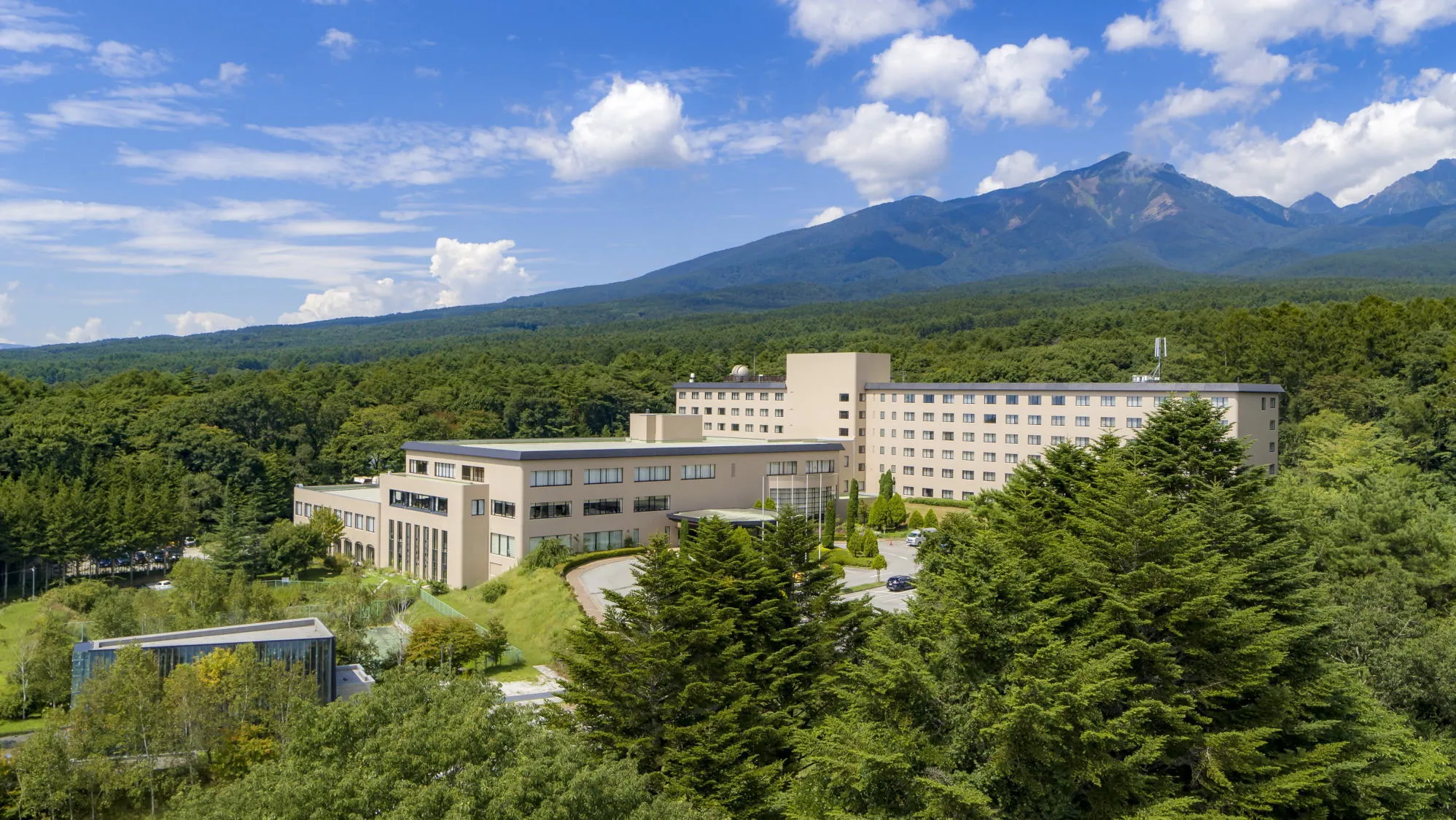
Autumn Highland Play
In the season that is neither hot nor cold, find hotels where kids can run around outside. Highland areas with outdoor play areas and adventure courses, from north to south
Autumn Long Weekends With Kids
Skip the crowds and traffic with hotels where short travel and on-site or nearby fun are enough. Four ways to spend it: highlands, hot springs, the sea, or a large resort
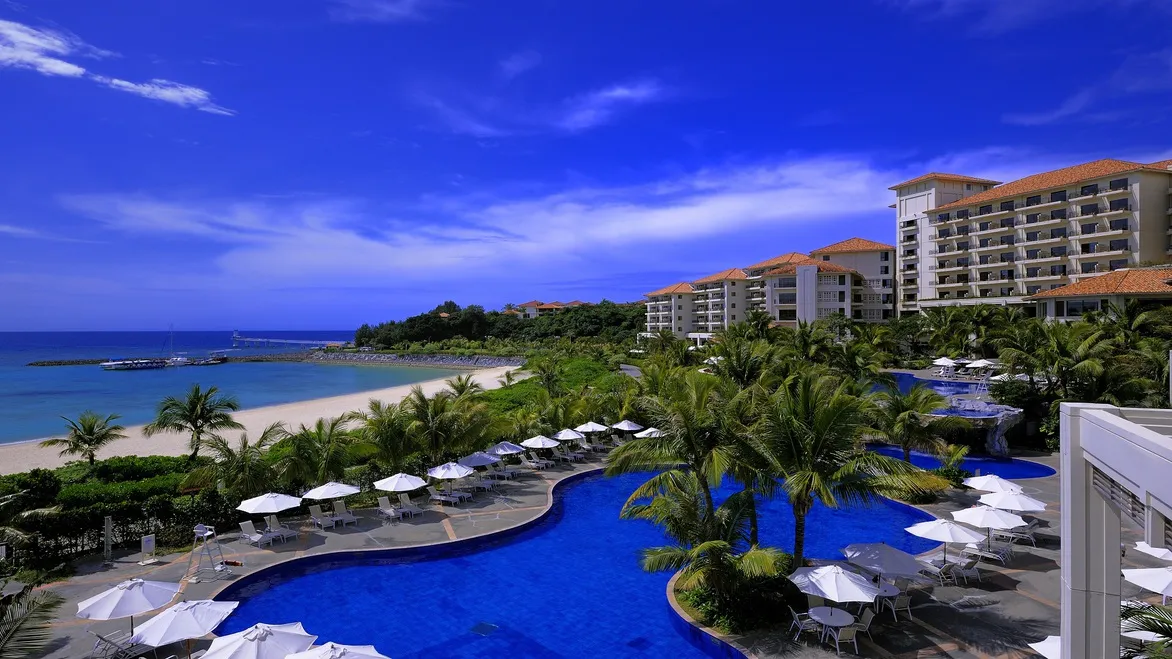
Late-Summer Okinawa Beaches
Fall in Okinawa, Miyakojima, Ishigaki, and Amami, once the crowds and the heat have eased. Stays within walking distance of a beach, or with a kids' pool