
What to Pack for Japan With a Toddler (and What to Buy There)

This site uses affiliate links; we may earn a commission on bookings.
Note: Counts such as "more than 500 properties" come from the facility data of hotels listed on Kids Stay (as of October 2026, not the total number of hotels in Japan)
If you are flying to Japan with a toddler, the short answer is that your suitcase splits into three columns: what has no substitute and must come from home, what you can buy at a drugstore after you land, and what the hotel will simply lend you. Diapers, wipes, and snacks are easy to buy once you are in Japan, and far more toddler gear is available to borrow than most visiting parents expect. Of the more than 2,100 hotels listed on Kids Stay, more than 760 serve a dedicated toddler meal, more than 300 lend a bed guard, and more than 160 lend a stroller (figures as of September 2026). Sorting each item into one of those three columns cuts more weight than any folding technique.
menu_bookContentsexpand_more
Pack These From Home: The Things Japan Cannot Replace
Packing lists disagree with each other because the people writing them have children of different ages. Neither one is wrong. Think of your bag as two layers instead: a foundation that every family carries regardless of age, and a small set of items that swap in and out depending on how old your child is. Once you separate those two layers, the list gets short fast.
Medical records and medicine
The items you cannot obtain on the road are the ones that matter most, and for a family flying in, that means anything a clinic in Japan would want to see. Bring a written record of your child's vaccination history and past illnesses, along with any prescription medicine and the medicines your child is already used to taking, plus a thermometer you trust. If carrying originals makes you nervous, photographing the relevant pages and keeping them on your phone is genuinely useful. Small children get sick more easily than adults do, so this pouch deserves the highest priority in the bag, not the last spot.
One more step belongs here, and it takes two minutes: at the time you book, look at the map around your hotel and check that there is a pediatric clinic or an emergency department within reach. Doing that before you leave is worth more than any item you could pack for it.
Clothes, toiletries, and the quiet workhorses
A reliable baseline for clothes is one set per day of the trip plus one or two spares. The reason is simple: dropped food, knocked over drinks, and water play. Japanese hotels are generally well stocked with adult amenities, but children's toiletries are usually not provided, so plan to bring your child's toothbrush and any wash products they use.
The rest of the foundation is small and light:
- Plastic bags, several of them, since they serve as laundry bags, diaper bags, and wet swimsuit bags all at once
- Wet wipes or baby wipes, which stay useful long past the diaper years for hands, mouths, and restaurant tables
- Your usual moisturizer, decanted small, because changes in water and air dry out skin quickly
- A wide brimmed hat and children's sunscreen, in any season
- Bandages, antiseptic, and insect repellent if there is any outdoor play in the plan
What to Buy in Japan Instead of Carrying It
Diapers are the single biggest volume item in a toddler's luggage, and they are also the easiest thing to buy in Japan. Drugstores in Japan stock diapers along with wipes. That means you do not need to fly a week of diapers across the ocean.
How many do you need? Checklists commonly quote around ten per day plus spares, but that figure includes babies. Once a child is past one and the frequency has settled down, six to eight per day is usually enough, which works out to roughly fifteen plus a few spares for a one night trip. Carry the first day's worth in your bag and restock after you land.
The useful rule is not what you could theoretically buy. Draw the line at whether an item has a substitute, not at whether a store sells it. A familiar spoon and fork belong in the suitcase because some toddlers refuse to eat with an unfamiliar shape in their mouth. Prescription medicine, your child's usual moisturizer, and whatever they need in order to fall asleep, a specific towel or a specific stuffed animal, all belong in the same category. Sleep items are worth their bulk every time, because a child who cannot sleep in a new room takes the whole next day down with them.
Buy diapers, wipes, and snacks in Japan. Bring the familiar spoon, the medicine, and the sleep items, because nothing on a shelf replaces those.
What Japanese Hotels Will Lend You
This is where the real weight comes off. Family oriented hotels in Japan keep a surprising amount of toddler equipment behind the front desk, and asking for it when you book is the first step. Counted across the more than 2,100 hotels listed on Kids Stay, the picture looks like this (as of September 2026).
| What the hotel has | Hotels with it | What you can leave at home |
|---|---|---|
| Toddler meal on the menu | 760+ | Packed food and the tools for sharing from adult plates |
| Children's tableware and aprons | 330+ | The whole mealtime kit |
| High chairs | 200+ | Anything you would bring to seat a toddler |
| Bed guards | 300+ | Fall prevention gear |
| Japanese style or mixed style rooms | 1,300+ | The sleeping problem itself |
| Diaper bins | 350+ | Most of your odor sealing bags |
| Humidifiers or air purifiers | 1,500+ | Anything for dry air |
| Allergy accommodation | 800+ | Safe food carried from home |
| Mini kitchen | 400+ | Heating and cooking equipment |
| Strollers | 160+ | The bulkiest item you own |
A hotel that covers all three of a toddler meal, children's tableware, and a high chair is a smaller group, but they do exist if you keep looking. Sleeping is the easier story. More than 1,300 hotels have a Japanese style room or a mixed style room (Western beds plus a Japanese style sleeping area) and more than 300 lend a bed guard, so the choice is wide and sleeping is the one worry you can settle at the booking stage.
If you have never stayed in a Japanese style room, this is the part worth understanding before you book. Futons are laid directly on the tatami, the woven straw matting that covers the floor, so there is no height to fall from, which solves the problem that keeps parents awake on the first night in a new room. It is the single most useful thing about staying Japanese style with a toddler.
hotelFamily hotels to start your search
Five listed properties to start with. Check each hotel page for the exact toddler equipment before you book
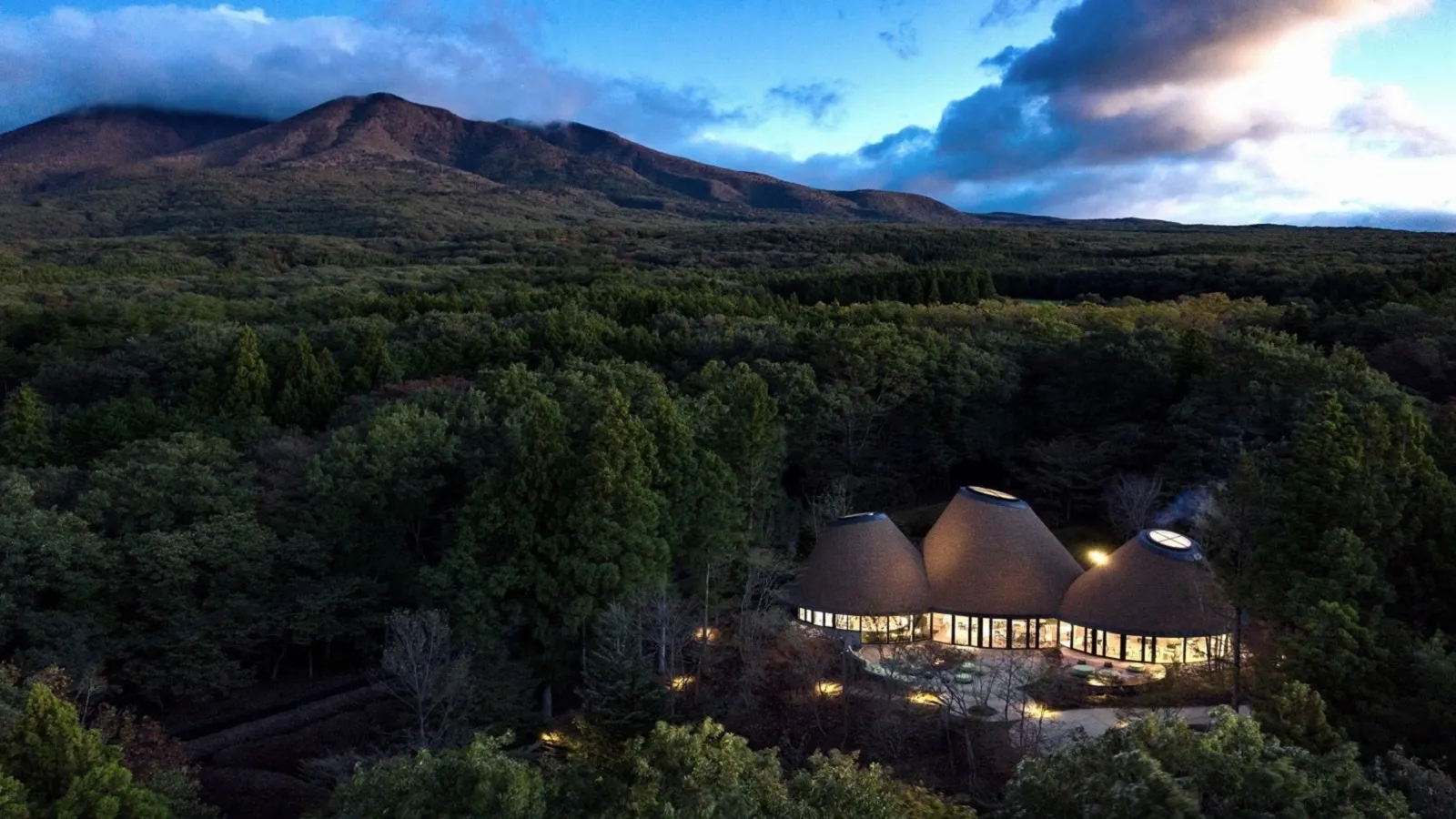
Hoshino Resorts RISONARE Nasu
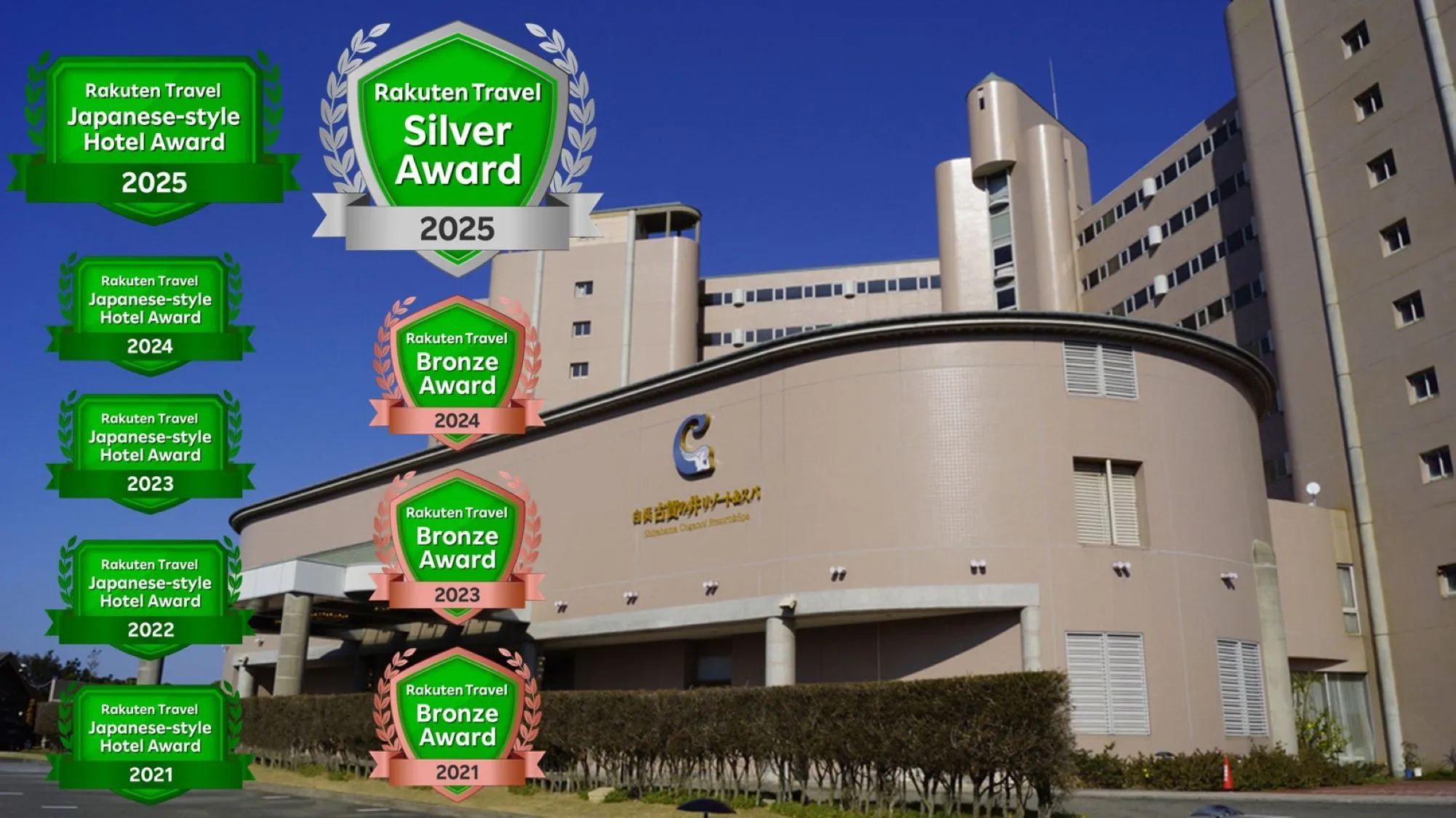
Shirahama Coganoi Resort & Spa

Ala Mahaina Condo Hotel
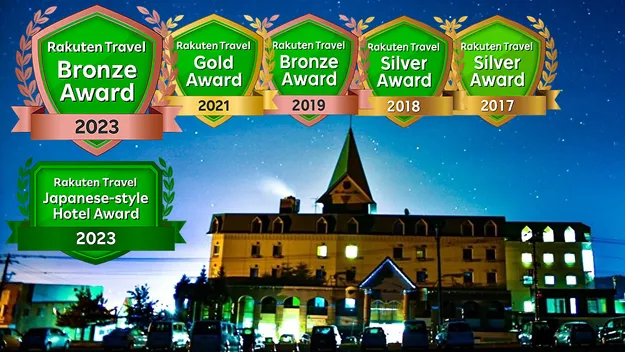
Hotel Naturwald Furano

Kamogawa Grand Hotel
Two cautions. First, loan stock is limited, so reserve the item separately from the room by phone or email. Being told on arrival that the last bed guard is already out is not something you can improvise around. Second, and this catches a lot of visiting families: many Japanese hotels let a young child stay free when sharing a parent's bed or futon, and on those plans the towels and amenities may be provided for the number of adults only. Free for the child and provided for the child are two different things, so ask specifically whether a towel, pajamas, and an amenity set are included for your child.
What Changes Between Ages 1, 2, and 3 to 5
A good part of the bag swaps out between age one and age three, and the biggest changes are always in the same three categories: mealtime, toilet, and keeping a child occupied while you travel. On top of those three, how you get your child around and where they sleep also shift with age.
| What to look at | Age 1 | Age 2 | Ages 3 to 5 |
|---|---|---|---|
| Meals | Entering toddler food. Bib, familiar spoon, spare clothes | Can eat from adult plates. The bib stays | Nearly the same as adults. A small plate is enough |
| Toilet | Diapers, six to eight a day | Potty training gear appears, diapers taper off | Mostly none. Nighttime diapers if needed |
| Boredom | Sticker books and other hands-on activities | One favorite plus one new thing | Coloring, books, a tablet, anything that lasts |
| Getting around | Carrier or stroller | Some children start refusing the stroller | Can walk, but not all day |
| Sleeping | Needs fall protection | Restless sleep and bedwetting | An adult futon is fine |
The heaviest bag is between age one and the first half of age two, and it gets lighter from there.
Age 1: meals and where they sleep
Once your child is off formula, bottles and sterilizing gear drop out, and mealtime gear comes in. The portable changing mat can usually go as well, since by this age it is quicker to use the changing tables that hotels and public facilities in Japan provide. Bring a bib and the spoon and fork your child already uses, and expect to change clothes at least once per meal while they insist on feeding themselves. Ask the hotel whether the dinner is easy to share from, because hotel meals are not always something a toddler can eat as served.
Seating is the hidden problem at this age. In a restaurant with no high chair you end up feeding a child on your lap and eating nothing yourself, so a portable chair belt that straps a toddler onto an adult chair makes every meal out far easier. A thin blanket is also worth its space, since naps happen in transit and the air conditioning in a car or on a plane can run cold. If the nap is meant to happen at the hotel instead, choosing a property with an early check-in or a late checkout does more for you than anything you could pack for it.
For the night itself, the room does more than any item you could pack. Alongside the 1,300 or more hotels with a Japanese style or mixed style room, more than 200 have rooms with low beds that a child is unlikely to fall from, and more than 300 lend a bed guard.
Age 2: the toilet and the meltdowns
At two the food worry mostly disappears, and toilet training and a newly assertive toddler take its place. During travel it is safest to move one step backward from where you are at home: underwear during the day, diapers for long journeys and for sleeping. Even children who finished training have accidents in a new environment, so bringing what they are used to is the calmer choice.
There is not much to add. A folding portable toilet seat, odor sealing bags for soiled underwear, extra underwear, and a waterproof sheet for the bed. Public toilet seats in Japan are adult sized, and a toddler who is frightened of the gap will not use them at all, so the portable seat is less an accessory than the thing that makes the toilet work. A hotel that provides a diaper bin (350+ properties) removes the question of where used diapers go.
For meltdowns in transit, the reliable combination is one beloved item plus one thing your child has never seen before. A familiar toy will not hold an hour, but a new sticker book holds attention in a way an old favorite cannot. Choose travel snacks and a bottle your child can open alone, because the real test of any travel item is whether it frees up an adult's hands.
Ages 3 to 5: give them their own backpack
From three to five, what decides the packing is less how much you cut and more what your child carries themselves. The portable toilet seat and nighttime diapers stay in the bag, the same measures as at age two, until your child no longer needs them.
Once daytime diapers are behind you, a single portable toilet covers the toilet side of things on the move. By five, a child can pack their own backpack, choosing a water bottle and something to pass the time by themselves.
Carrying their own things also gives children a reason to look forward to the trip itself. Into a child's backpack go only light things that would not be a disaster to lose: a favorite toy, a book or coloring pad, a handkerchief, a water bottle, and snacks. Clothes and medicine stay with the adults. Having a bag of their own visibly changes a child's mood in a queue.
The classic misjudgment at this age is walking distance. Plenty of families leave the stroller behind because their child can walk, then find themselves stuck halfway through a full day of sightseeing. A hip seat, or seating a tired child on a rolling suitcase, covers the gap, and more than 160 listed hotels lend a stroller. Above all, travel in shoes your child has already broken in, and bring extra socks.
If your child is under one, the list works differently again, because the gear changes a great deal between the formula only months and the months after solid food begins.
Getting Around Japan: What Lives in the Bag at Your Feet
Once the age layer is settled, the next things to look at are how you travel, the weather, and the type of place you are staying. The same two year old needs a completely different day bag for a two hour drive than for a three hour flight, so add this layer on top of the age layer and take only the parts that fit your own itinerary.
Planes and the shinkansen
On a seat you cannot leave, anything in checked luggage may as well be back home. Everything must be in the bag at your feet: diapers, one change of clothes, drinks, snacks in a container that will not spill, and quiet toys. Have a drink or a candy ready for takeoff and landing if your child complains about ear pressure.
It also helps to plan the flight by the clock rather than by its length. On a daytime flight, pack for keeping a child occupied. On an overnight flight, pack for helping them sleep. Either way, download videos onto your device before you leave home, since nothing can be added to the bag once the doors close.
The shinkansen, Japan's bullet train, is more forgiving, because you can stand up and walk out to the deck between the cars when a toddler has had enough. Before boarding, find out which car has the multipurpose room and which has the changing table, so you are not searching with a crying child in your arms. Keep your bags at your feet rather than on the overhead rack, so you can reach what you need without standing up.
Driving
A car removes the weight limit and replaces it with mess. What helps is a small trash bag for the back seat, a towel, and one change of clothes kept in the cabin rather than in the trunk, so you are not unpacking everything in a rest area parking lot. Some children start getting motion sick around age three, so carry motion sickness medicine and plastic bags. Break every hour to ninety minutes: cutting the time strapped into a car seat is the most effective meltdown prevention there is.
Weather
Rain is better handled with a raincoat or poncho than with an umbrella, because small children cannot manage an umbrella and you want their hands free. Add a plastic bag for wet shoes and a spare pair of socks, so nothing soaked goes into the room with you. In summer, a wide brimmed hat, sunscreen, and a cooling towel, since overheating ends a day's plans early. In winter, dress in thin layers that can come off indoors. If dry air worries you, more than 1,500 listed hotels lend a humidifier or air purifier, so check before you pack one.
The day bag and a few small extras
For a one night trip, eight things in the day bag are enough: diapers or toilet supplies, wipes, drinks, snacks, something to keep your child occupied, one change of clothes, plastic bags, and your medical pouch. Everything else goes in the big bag and stays closed until you are in the room. Keep a separate plastic bag for each day's dirty clothes, too. A toddler changes several times a day, and the moment soiled clothes mix with clean ones, the whole bag turns into chaos and the laundry takes longer when you get home.
A few more small items earn their place at the hotel. An extension cord solves the shortage of outlets when a family charges several devices, and a few sachets of detergent with a folding hanger let you wash a stained shirt the same evening. Cutting one day's clothes out of the bag changes its weight noticeably.
Hokkaido in winter: pack the plane clothes and the snow gear separately
A winter flight to Hokkaido means preparing for two very different places at once: a warm cabin and a snow covered arrival. The cabin is heated, so dressing your child lightly for the flight keeps them from getting sweaty. In exchange, keep the down jacket and hat they will need on arrival in your carry-on rather than in checked luggage. Checked bags stay out of reach until baggage claim, so pack those layers where you can put them on your child before you leave the airport.
On snowy streets, ordinary sneakers slip and let snow in, so bring snow boots for your child too. Strollers struggle on snow covered roads because the wheels sink in, and they get little use in a Hokkaido winter. Even with a one or two year old, make the carrier your main way of getting around, and either leave the stroller at home or plan to use it only in the airport and inside buildings. You will travel much lighter.
Choose waterproof gloves and pack a spare pair. Fabric gloves soak through and turn cold almost as soon as a child touches snow. Stick-on disposable heat packs are the easiest kind to handle. Place them somewhere like an adult's lower back, a spot that will not touch your child's body even when they are in the carrier. For the hours in your seat on the plane, one quiet sticker book keeps a toddler focused.
For choosing the season, the area, and how many nights to stay, see the family guide to Hokkaido.
Glamping nights: add four things
Packing for a glamping night with a toddler is easiest to picture as your usual hotel bag plus four items, in this order. The first is insect repellent, and if your child's skin is sensitive, try it once at home before you travel. The second is an LED lantern for after dark. The third is warmth: something to throw on, plus one blanket. The fourth is a picnic mat. The balance shifts with the season, with more repellent and shade in summer and more warmth in winter.
For choosing the property itself, see hotels with cottages and glamping and glamping in the Kanto region.
What you carry is set by how you travel, what you wear is set by the weather, and what you add for outdoor hours is set by the type of place you stay. All three are independent of your child's age.
Before You Book: Check in Order of Bulk
Work through the hotel's facilities starting with the biggest items, so that if you run out of patience you have still covered what matters.
- Sleeping: is there a Japanese style room, can you borrow a bed guard, will they lay out futons
- Meals: is there a toddler menu, is the dinner easy to share from, can they accommodate allergies (800+ hotels do, with advance notice)
- Equipment: children's tableware and aprons, a high chair, a diaper bin
- Amenities: are a towel and pajamas included for your child, especially on a plan where the child stays free
Allergies are a booking time conversation, not a packing problem. Tell the hotel when you reserve and more than 800 properties will remove the allergen or prepare an alternative, which is a far better outcome than discovering on the night that there is nothing your child can eat.
If you are staying at a ryokan, a traditional Japanese inn, expect yukata robes and slippers in adult sizes but often nothing sized for a child, so pack one set of pajamas your child can wear around the building and one pair of sandals they already walk comfortably in. Whether a meal apron is provided varies from property to property, so before you book, check whether the hotel provides children's tableware and aprons. If it does, that is one more thing you can leave at home. If you are still deciding on the type of stay, how hotels and ryokan differ is a helpful read.
Find hotels that carry the gear for you
Find hotels that carry the gear for you
Filter by area for hotels that serve a toddler meal, stock children's tableware and aprons, and lend a bed guard
The Short Version
Bring what has no substitute: medical records and medicine, the familiar spoon, your usual moisturizer, and whatever your child needs to fall asleep. Buy the bulk consumables in Japan, where drugstores make diapers and wipes a non-issue. Then subtract everything the hotel will lend, which is more than most visitors assume: 760+ hotels with a toddler meal, 300+ with bed guards, 1,300+ with Japanese style rooms. Do that subtraction before you book rather than after, and you will land in Japan with one fewer bag than you expected to carry.
articleMore age by age guides

FAQ
How many diapers should I bring to Japan, and can I buy them there?
Yes, drugstores in Japan sell diapers, so pack the first day or two and restock after you land. As a baseline, checklists quote about ten per day plus spares, but that number includes babies. Past age one, six to eight per day is usually enough, or roughly fifteen plus a few spares for a one night trip. Travel days are unpredictable, so lean generous on the day you fly and buy the rest locally rather than filling a suitcase. If your hotel provides a diaper bin, you can also cut back on the bags you would otherwise carry used diapers home in.
Will a Japanese hotel really lend toddler gear, or should I bring my own?
Often, if you choose the hotel with that in mind. Across the more than 2,100 hotels listed here, more than 300 lend bed guards, more than 200 have high chairs, more than 160 lend strollers, more than 350 provide a diaper bin, and more than 1,500 lend a humidifier or air purifier (as of September 2026). Stock is limited, though, so reserve the item by phone or email separately from your room booking. Properties that cover a toddler meal, children's tableware, and a high chair all at once are a smaller group, so check rather than assume.
What should I do about meals if my toddler is a picky eater?
Bring the spoon and fork they already use, since some children will not eat with an unfamiliar utensil, and bring a bib. Then let the hotel do the rest: more than 760 listed hotels serve a dedicated toddler meal and more than 330 provide children's tableware and aprons, which removes almost the entire mealtime kit from your bag. A small pair of scissors for cutting noodles and meat is the one extra worth carrying when you are eating out repeatedly. If there is an allergy involved, tell the hotel at the time of booking.
Do I need to bring a stroller to Japan?
It depends on how much your child can still walk in a full day of sightseeing. More than 160 listed hotels lend one, so ask your hotel before deciding to bring your own. For children of three to five who can walk but will not last the full day, a hip seat or seating them on a rolling suitcase works well.
What cannot be replaced once I am in Japan?
Prescription medicine, your child's medical and vaccination records, the moisturizer their skin is used to, the spoon they will actually eat with, and whatever object they need in order to sleep. Everything else, including diapers, wipes, snacks, and most gear, is either purchasable at a drugstore or available to borrow at the hotel. The line to draw is not whether a store sells it, but whether anything else would do.
Find hotels that carry the gear for you
Find hotels that carry the gear for you
Related articles


Seasonal collections
Winter Onsen With Kids
Winter onsen towns from north to south, where an in-room bath, a reservable private bath and meals in your room mean you never have to go out
Christmas With Kids in Japan
Book December weekends early. Three ways to spend it: city hotels, dinner-included resorts, or snow and hot springs
Winter Break With Kids
Travel in the first or second half of winter break and skip the New Year crush. Choose by snow play, hot springs, the warm south, or city playgrounds
Autumn Leaves With Kids
Peak color timing, plus hotels in autumn leaf areas you can manage with a baby or toddler, from Hokkaido to Kyushu
Autumn Highland Play
In the season that is neither hot nor cold, find hotels where kids can run around outside. Highland areas with outdoor play areas and adventure courses, from north to south
Autumn Farms and Harvest
Hotels with farm activities and animal encounters, plus the areas that make the best base for fruit picking and harvest days, from Hokkaido to Kyushu