
Japan in Winter with Kids: Snow, Onsen, Where to Stay

This site uses affiliate links; we may earn a commission on bookings.
If you are coming to Japan in winter with young children, the stay that works best is a hotel where snow play happens just outside the door and an onsen is waiting inside. That combination, snow in the morning and hot spring water in the afternoon, is the single thing Japan does better than almost anywhere else for families with small kids. You do not need a ski trip, and you do not need to reach Hokkaido: several snow resorts are within easy reach of Tokyo, and much of the bulky gear can be rented locally.
An onsen, if the word is new to you, is a bath fed by natural hot spring water, usually around 40°C (104°F).
Find hotels with snow play right nearby
Find hotels with snow play right nearby
On Kids Stay you can search only the hotels with snow play close at hand, filtered from the start. Just choose an area and the number of guests.
hotelOur pick
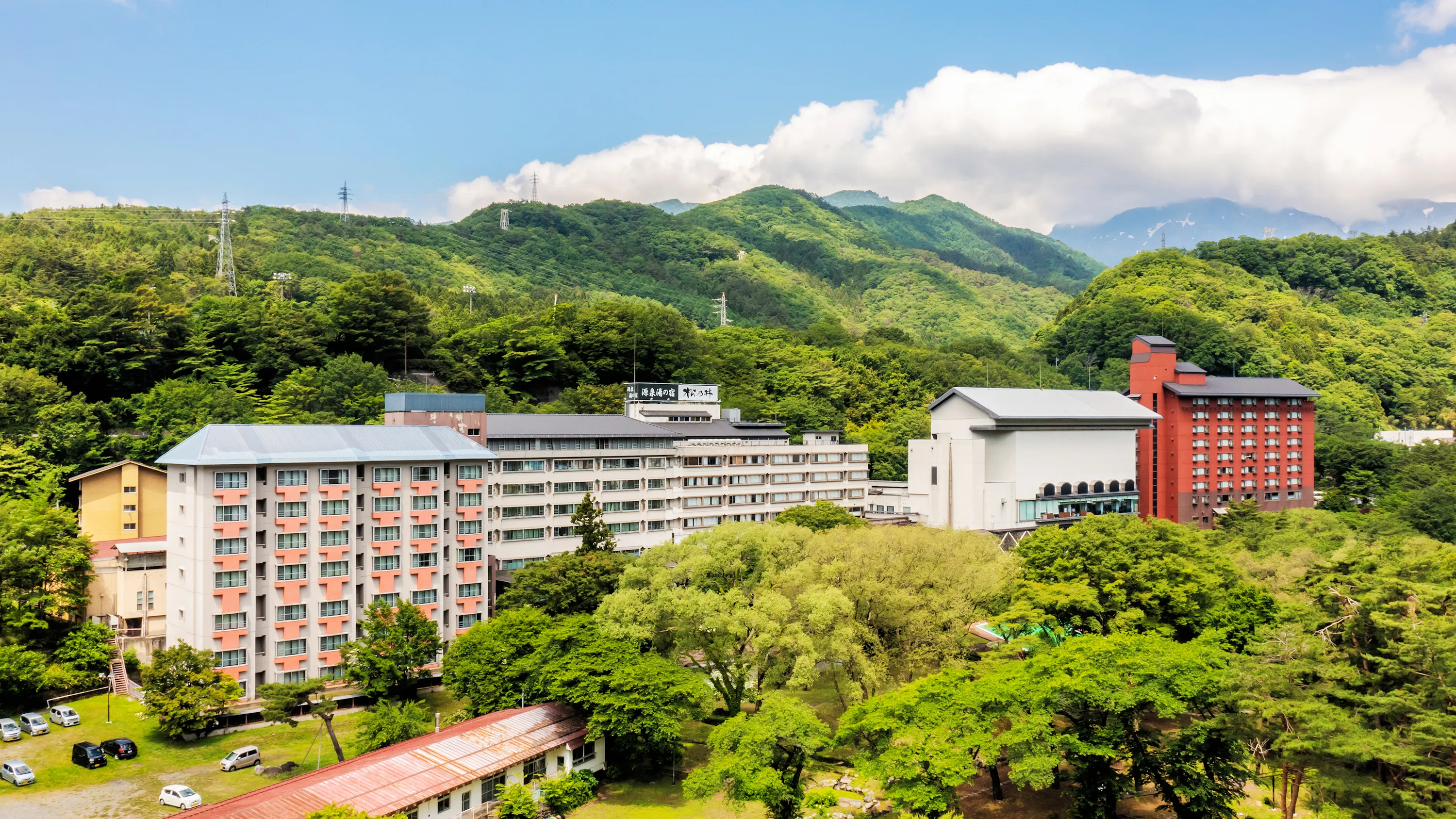
A hotel in Minakami Onsen, Gunma, close to Norn Minakami Ski Resort. Inside there is a kids park with a large climbing structure, and the restaurant provides baby food and children's tableware.
If your trip falls over the winter holidays, our winter vacation feature brings together destinations and how to choose a hotel for that period, which makes it easier to narrow down your options.
menu_bookContentsexpand_more
Where to Stay: Four Kinds of Winter Property
Japanese winter family properties fall into four broad types, and picking the right one matters more than picking the right region.
Type 1: Ski-in hotels where the slope is the property
These are hotels built into a ski area, and once you have stayed at one it is hard to go back. Getting a 3-year-old into base layers, snow pants, and boots, then walking to a parking lot, driving, and unloading at a slope is simply too many steps. A ski-in property removes about half of them.
- Straight outside after changing: 5 to 10 minutes from your room to the snow
- A fast retreat when it gets cold: if your child says they are done, you can be in the lobby in three minutes
- Lunch back in the room, so you never have to hunt for a restaurant with a stroller
- Easy to run back for the spare gloves you forgot
Type 2: Snow resorts without a big ski mountain
A property with wide snowy grounds but no serious slope is often the better first trip. Nasu, an easy drive from the Tokyo area, is the clearest example of this kind of snow resort: even on a day when snow is falling, you can build the stay around a young child's pace. Choose a hotel where you can touch snow on the grounds or in the garden, and you can start on a snowman as soon as you step out of your room. A place that is not a full ski destination suits a child of about three far better than a mountain resort does. Boots, gloves, and a warm coat are enough. In roughly 20 minutes you have a knee-high snowman, and throwing snowballs and rolling in the snow fills an entire afternoon.
Highland resorts that fill with families over the summer break tend to be quiet in winter, which for a family is a feature rather than a drawback. At a hotel where you can see the snow from the lobby or your room window, warming up indoors does not mean losing the view, which makes life easier with a toddler.
Type 3: Onsen hotels where the bath is the main event
If your child is under two, or if you are nervous about cold, book for the bath and the warm interior and treat snow as a bonus. Watching snow fall through a window is genuinely enough of an experience at that age.
Type 4: Winter glamping in a heated dome
"Won't we freeze?" is the first question most parents ask about glamping in winter, and it comes down to two things you can check before booking. Dome tents that stay open year round are built on the assumption that heating and cooling are installed: Gransia Beppu Kannawa, in Kannawa Onsen, Oita, describes a double-layer insulated structure with heating and cooling in every cabin.
The clearer test is whether you can bathe and use the toilet without stepping outside. All 14 cabins at that property come with a semi-open-air natural hot spring bath, a toilet, and a dining space. BIO-RESORT HOTEL & SPA O Park OGOSE in Ogose, Saitama, works the same way if you book the dome cabin themed on a local character (36 m², bath and toilet, one to three guests), while the 24 m² family tents have no bath or toilet. With the bath inside, you can get all the way through the evening and bedtime on a cold night without taking your child back out into the air.
One safety note: an adult should stay with the fire the entire time you are enjoying the bonfire or the barbecue, and children should never be left beside it alone. For options around Tokyo, our Kanto glamping feature is a good starting point, and the cottage and glamping feature covers whole-cabin stays more broadly.
Ski-In Properties Worth Knowing by Area
| Area | Property | Highlights |
|---|---|---|
| Tomamu, Hokkaido | Hoshino Resorts RISONARE Tomamu | Mid-slope location you can reach with skis on, snowfield sled park, childcare from 5 months old |
| Lake Shirakaba, Nagano | Shirakaba Resort Ikenotaira Hotel | Slope at the property, indoor playground, works in bad weather |
| Echigo-Nakazato, Niigata | Angel Grandia Echigo Nakazato | Slope right outside, welcome-baby certified |
| Minakami, Gunma | Minakami Kogen Hotel 200 | Welcome-baby certified, plenty of on-snow activities |
Angel Grandia Echigo Nakazato stands out for its distance: the slope is right in front of the hotel, zero minutes on foot. That is short enough for a 3-year-old to walk, so you can leave the stroller and the pull-sled behind entirely.
"Welcome-baby certified" is a Japanese certification given to properties that provide things like a nursing room, a crib, and baby food. It is a useful shorthand when you cannot read a Japanese hotel page in detail.
Ski-in properties are worth it before your child can ski
It is easy to assume a ski-in hotel is wasted on a child too young to ski. In practice preschoolers benefit the most. Almost every ski area has a children's snow-play zone next to the slope, where sledding and tubing can fill a whole day. Some hotels take children for ski lessons from age 3: the Piyokko Kids Lesson at Angel Grandia Echigo Nakazato is for hotel guests aged 3 to 5, costs extra, and has to be booked by the day before. Until your child is ready for that, the play zone is plenty.
The second benefit is rotation. One parent skis in the morning while the other plays in the snow with the child, then you swap after lunch. Parents traveling with a young child often give up skiing altogether; a ski-in property lets you trade off in 30-minute blocks.
A ski-in property benefits preschoolers most: a dedicated snow-play zone plus a parental ski rotation.
When to Come: The Off-Peak Weeks
This is where visiting families lose or save the most money. Japanese hotel rates swing hard by date, and the swings do not line up with Western school holidays.
| Season | Price trend | Ease of booking |
|---|---|---|
| Summer break (July to August) | High | Book early |
| New Year period | Highest | Fills up early |
| Late January to mid-February, weekdays | Tends to drop | Openings often appear even last minute |
| December, weekdays | Tends to drop slightly | Relatively easy to book |
Late January through mid-February on a weekday is the sweet spot for snow, price, and availability at once. If you target January weekdays, rates tend to come in below peak season. The New Year period is the most expensive time of the year and extremely crowded, so if this is your first winter trip with kids, plan around it rather than through it.
Two more cost levers. Some ski-in hotels offer early-booking plans. And because a snow-play trip largely stays inside the property, you spend very little on eating out.
Winter events are densely packed
Illuminations, Christmas markets, New Year mochi pounding, and the setsubun bean-throwing festival in early February all land in a short stretch. Many hotels run their own evening programs too: fireworks over the snow, stargazing sessions, snow sculpture contests. Nights are long, so even a small event in the lobby after dinner is enough to delight a child. Some hotels hold a tree lighting ceremony in the Christmas season, and younger kids in particular cannot look away.
Which month to pick
The best timing for a winter family trip shifts from month to month. December is when the Christmas events begin, and on weekdays before Japanese schools break for winter vacation you can get around without the crowds. In January, once the winter break is over and from mid-month onward, weekdays that avoid the three-day weekends are when hotel availability comes back, and it is a relaxed time to stay. February is when the snow lies steady and deep, and weekdays away from the long weekends tend to bring the lowest rates. If your dates are already fixed over the New Year period, our New Year holidays feature is the place to start for destinations and hotels.
Gear: What to Rent in Japan, What to Pack From Home
The basic snow-play kit is four things: snow wear, snow boots, waterproof gloves, and a sled. Rely on the hotel's rentals first and bring only what they cannot cover, and if you are still choosing where to go, our snow play feature is the place to start.
This is the part most overseas families get wrong, usually by overpacking. Ski wear and snow boots are bulky, and buying them at home for one trip is a poor investment.
Rent it at the hotel or nearby
Some ski-in hotels, and some rental shops near them, keep children's outerwear on hand. Check which sizes are available and what they cost on the official site before you book. Renting keeps your suitcases usable for the rest of your Japan itinerary.
- Ski wear, jacket and pants. Renting is the right call for fast-growing preschoolers. The sizes on offer vary from property to property.
- Snow boots. If a property carries sizes from about 14 cm (around US toddler 7), renting beats packing them.
- Helmet and goggles. Worth renting even for a sled-only area if there is any real slope.
- Sleds and snow tubes. Check whether each property lends them and what it charges. If yours does, that covers it. If you also plan to stop at a snow-play area with no rentals, one lightweight sled is handy to have.
Pack it from home, or buy it on arrival
Anything that touches skin or gets used up is almost never in the rental package.
- Thermal base layers, two sets. Base layers are essentially never available to rent. Japanese clothing chains sell excellent thin thermal underwear in children's sizes, and it is easy to buy on your first day in Tokyo or Osaka if you would rather not pack it.
- Waterproof gloves, two pairs. After 30 minutes in snow, gloves are soaked. Avoid knitted fabric ones.
- A neck warmer rather than a scarf, which can catch on play equipment.
- At least four spare pairs of socks. Snow gets into boots. This is not preventable.
- A knit hat. Head warmth changes how cold the whole body feels.
The spare pair of gloves is the one item to treat as non-negotiable. Wet gloves will not dry the same day, surprisingly few hotels keep loaners, and "we cut snow play short because we had no dry gloves" is a classic winter regret. Disposable hand and toe warmers, lip balm, and moisturizer are all easy to buy at any Japanese drugstore; for toe warmers look for the flat adhesive pads sold for shoes, and for lip balm the plain unscented sticks in the skincare aisle.
Drying wet gear sets the tone for the next day
A single hair dryer cannot handle the volume of wet clothing a snow day produces. Check these four things on the hotel's own site before you book.
- A bathroom drying function. The single best amenity here if your room has one: everything dries overnight.
- Heating type. Underfloor heating plus a panel heater dries clothes faster than air conditioning alone.
- Changing room location. A changing room near the snow area removes real stress.
- A drying room. Most ski-in hotels have one. If not, hanging things in the room works.
If your room has no bathroom drying function, hang gear on hangers in front of the heater overnight and add a fan if one is available. If it is still damp by morning, fall back on your spare gloves and neck warmer. A coin laundry dryer after checkout is another option, and coin laundries are widespread in Japan.
Rent the bulky items kids outgrow. Pack or buy locally anything that touches skin or gets used up.
Getting There Without Driving on Snow
Most visiting families should not rent a car for their first Japanese winter trip. Choose a snow area you can reach by shinkansen or limited express, and let the hotel shuttle handle the last leg. Echigo-Yuzawa in Niigata has its own shinkansen station, and some hotels, such as Angel Grandia Echigo Nakazato, run a free shuttle bus from the station (about 15 minutes). A compact folding stroller or a baby carrier is easier to handle on a shinkansen platform in winter than a bulky stroller.
If you do drive, Nasu is easy to reach by car from the Tokyo area. Snow areas deeper in Niigata or in Hokkaido take much longer to reach, and with a 3-year-old the travel alone can consume a full day, so the shorter trip to Nasu keeps the strain on a young child small. Travel times vary a lot with road conditions, so check before you set off. At that distance it is easy to leave in the morning, play in the snow that afternoon, and check out around noon the next day.
If you are flying to Hokkaido for a winter trip, our family packing checklist has a Hokkaido winter section on how to split what your child wears on the plane from the warm layers for after landing.
If you rent a car, do not cut corners
- Studless winter tires are treated as mandatory in snowy regions and can be requested when you book a rental car.
- Tire chains can become compulsory on expressways when snow regulations are in effect.
- A snow shovel and brush for clearing a parked car.
- Two blankets, in case you are stuck.
- A power bank. Cold cuts phone battery life roughly in half.
According to JAF, the Japan Automobile Federation, a dead battery is the most common reason for roadside assistance calls on ordinary roads over the New Year period, and a wheel dropping off the road edge or into a ditch also ranks near the top (source: JAF official statistics). Winter tires on rental cars from urban branches sometimes have shallow tread, so check the tires before you set off rather than after.
Find hotels near snow play areas
Find hotels near snow play areas
Filter by properties with snow play or a ski area within easy reach.
Health, Dry Air, and the 4 p.m. Problem
Winter is peak season for colds in Japan, and hotel rooms are dry. Humidity in a winter hotel room can easily drop below 30 percent, which is enough to leave a child with a sore throat by morning. Ask whether a humidifier can be borrowed when you book. If not, wetting a bathroom towel and hanging it by the bed genuinely helps.
The bigger surprise for visitors is daylight. It is dark by around 4 p.m. in a Japanese winter and it feels earlier still in snow country. Keep outdoor activity to the morning through 3 p.m., then switch to the onsen and indoor spaces. That one rule goes a long way toward keeping a child's mood steady.
| Time | Activity | Changing and rest |
|---|---|---|
| 9:00 to 11:30 | Snow play, morning peak | Start drying gear |
| 11:30 to 13:00 | Lunch, first onsen | Change clothes |
| 13:30 to 15:30 | Snow play, afternoon peak | Start drying gear |
| 15:30 to 17:00 | Snack, indoor play | Change clothes |
| 17:00 to 19:00 | Second onsen, dinner | Relax |
Children of one and two, still finding their footing, lose their balance easily in snow, so keep their sessions short and alternate with indoor play. Slipping an adhesive toe warmer inside each boot cuts down cold feet noticeably, but never stick one directly on a child's skin. If you are outside for more than 20 minutes, put lip balm on your child: the glare off snow is stronger than you expect and lips chap fast.
Why the onsen makes the whole trip work
A hot spring after snow play is nothing like a shower after a summer swim. Frozen hands and feet slowly thawing in hot water is enough to make even adults sigh out loud, and even 3-year-olds tend to linger. The gap between air below 5°C (41°F) and water around 40°C (104°F) tends to stay in children's memories long after the trip.
The real luxury of a Japanese winter stay is that this cycle runs twice in a day: snow play, onsen, meal, onsen again. A beach or pool day tops out at one round. Depending on how you pace your child's energy, snow and onsen can be scheduled as a morning set and an afternoon set. For hygiene, water temperature, and how long a young child should stay in on a first visit, our complete guide to a child's first onsen visit covers the details.
FAQ
At what age can kids enjoy snow in Japan?
Children can touch and play in snow from about age one, when they start walking. Around age 3 they can join in building a snowman or sledding, and there are ski lessons for young hotel guests too, such as the Piyokko Kids Lesson at Angel Grandia Echigo Nakazato for ages 3 to 5 (paid, reservation required by the day before). Even a 10-minute snow session at one or two years old has real value, as long as you plan for a short session rather than a long one.
Can I visit snow country with a baby?
Yes, but build the trip around the onsen and the warm interior rather than around snow play. Look for a welcome-baby certified property that has the things you need among a nursing room, a crib, and baby food. Angel Grandia Echigo Nakazato has a nursing room in its kids corner, and its buffet has a permanent baby food corner. Minakami Kogen Hotel 200 rents cribs for babies under one (¥1,980, certain rooms only) and serves baby food matched to your baby's age in months. Watching snow through a window is already an experience at that age.
Do I need to reserve rental gear in advance?
During the New Year period and three-day weekends, certain sizes sell out. Reserve through the hotel's official site or by email at least a week ahead. Children's snow boots in 14 to 16 cm and ski wear in 100 to 110 cm (Japanese children's clothing is sized by the child's height) are the most competitive sizes. On a weekday after mid-January you can usually rent on the spot, but confirm anyway.
How much snow gear should I actually bring from home?
Base layers, two pairs of waterproof gloves, at least four pairs of socks, a neck warmer, and a knit hat. The bulky items, meaning jacket, snow pants, boots, helmet, goggles, and sleds, can often be rented at the property or a nearby rental shop, but check sizes and prices on the official site before you book. Warmers, lip balm, and moisturizer are easy to buy at Japanese drugstores after you land.
What is the cheapest week to book?
Weekdays from late January to mid-February. Staying clear of the New Year period and Japanese national holiday weekends tends to bring lodging costs down, and some ski-in hotels offer early-booking plans. Because a snow-play trip largely stays inside the property, you will also spend very little on eating out.
Find hotels with snow play right nearby
Find hotels with snow play right nearby
Related articles


Seasonal collections
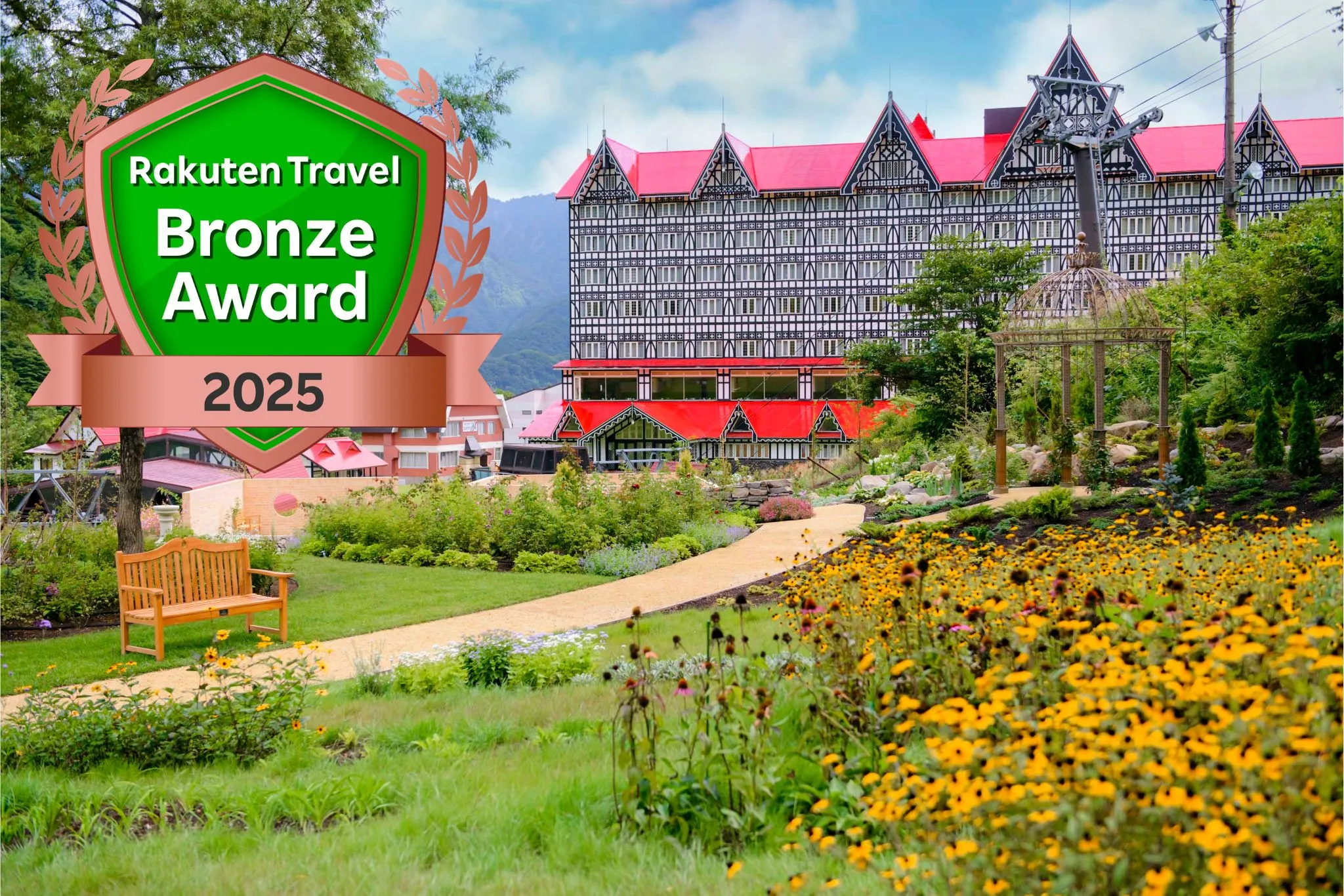
Winter Break With Kids
Travel in the first or second half of winter break and skip the New Year crush. Choose by snow play, hot springs, the warm south, or city playgrounds
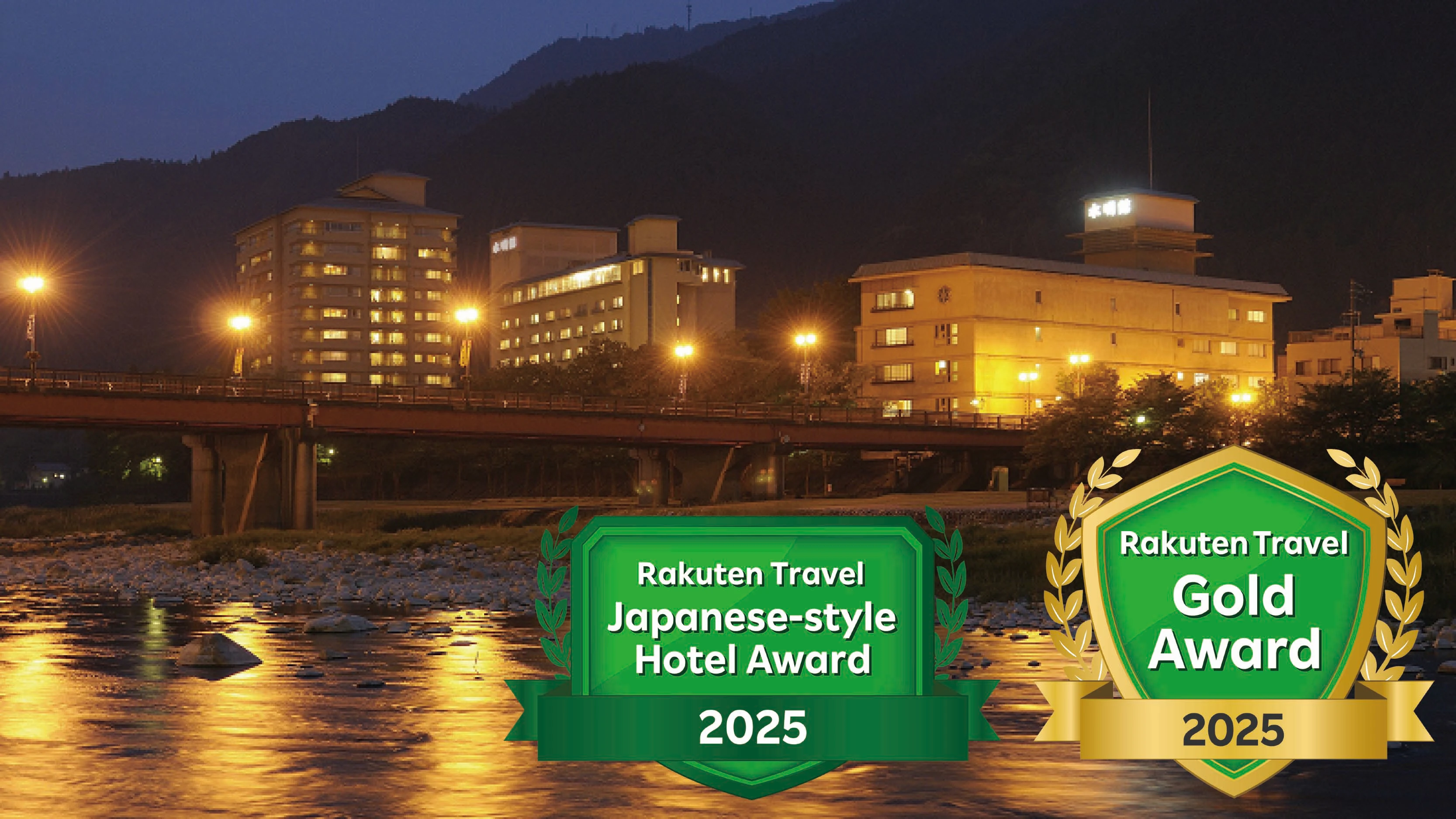
Winter Onsen With Kids
Winter onsen towns from north to south, where an in-room bath, a reservable private bath and meals in your room mean you never have to go out
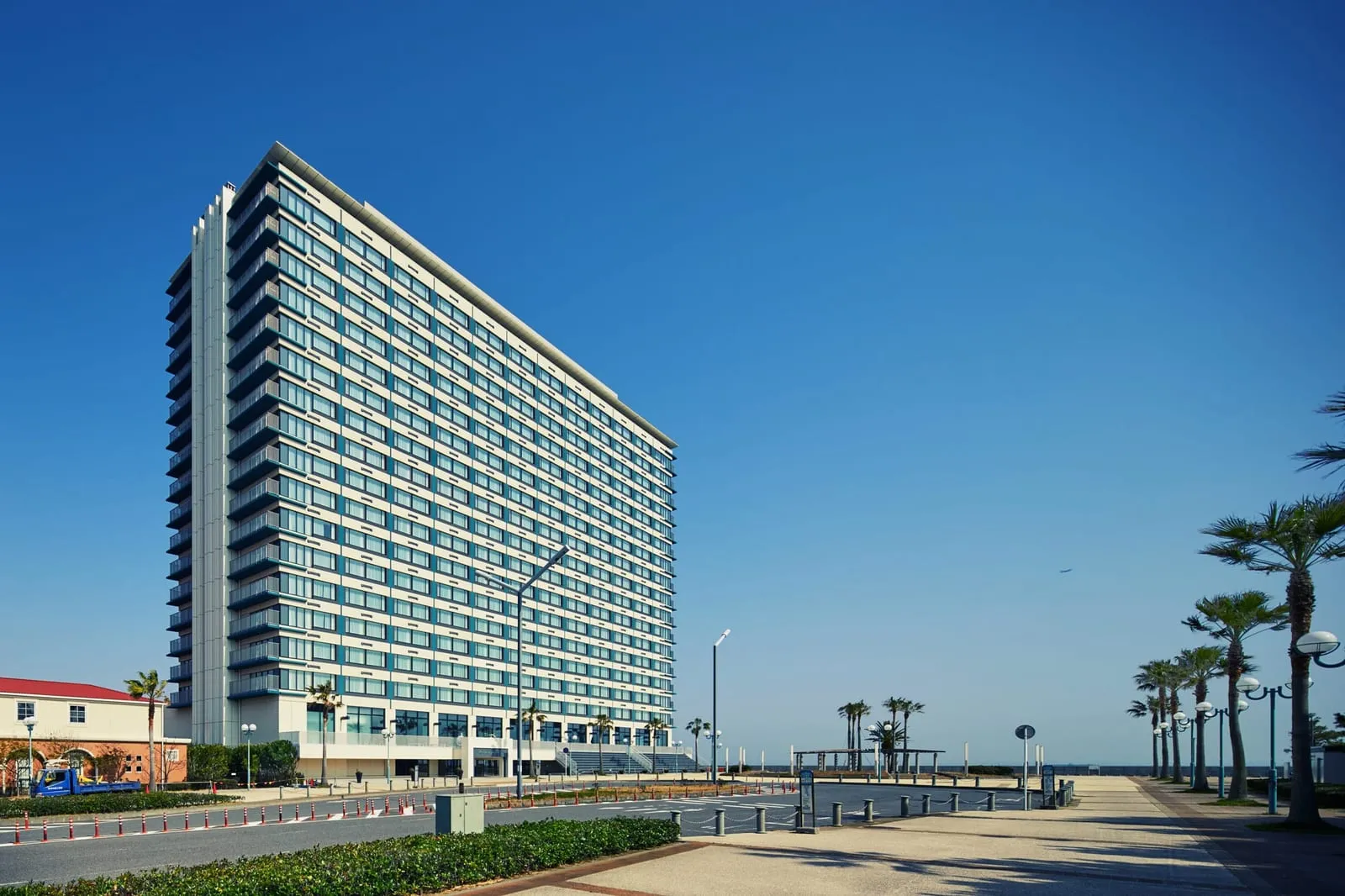
Christmas With Kids in Japan
Book December weekends early. Three ways to spend it: city hotels, dinner-included resorts, or snow and hot springs
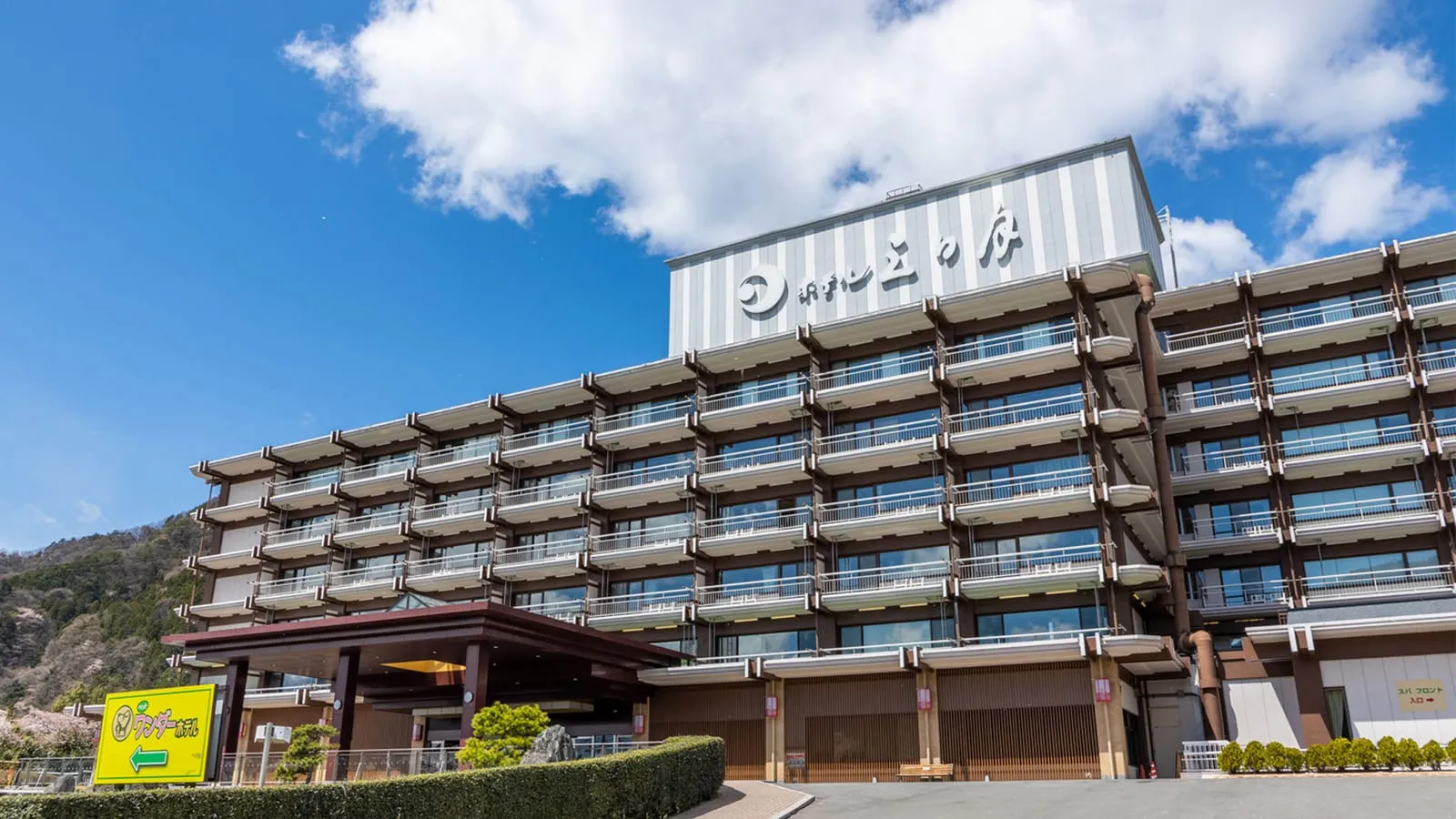
Autumn Leaves With Kids
Peak color timing, plus hotels in autumn leaf areas you can manage with a baby or toddler, from Hokkaido to Kyushu
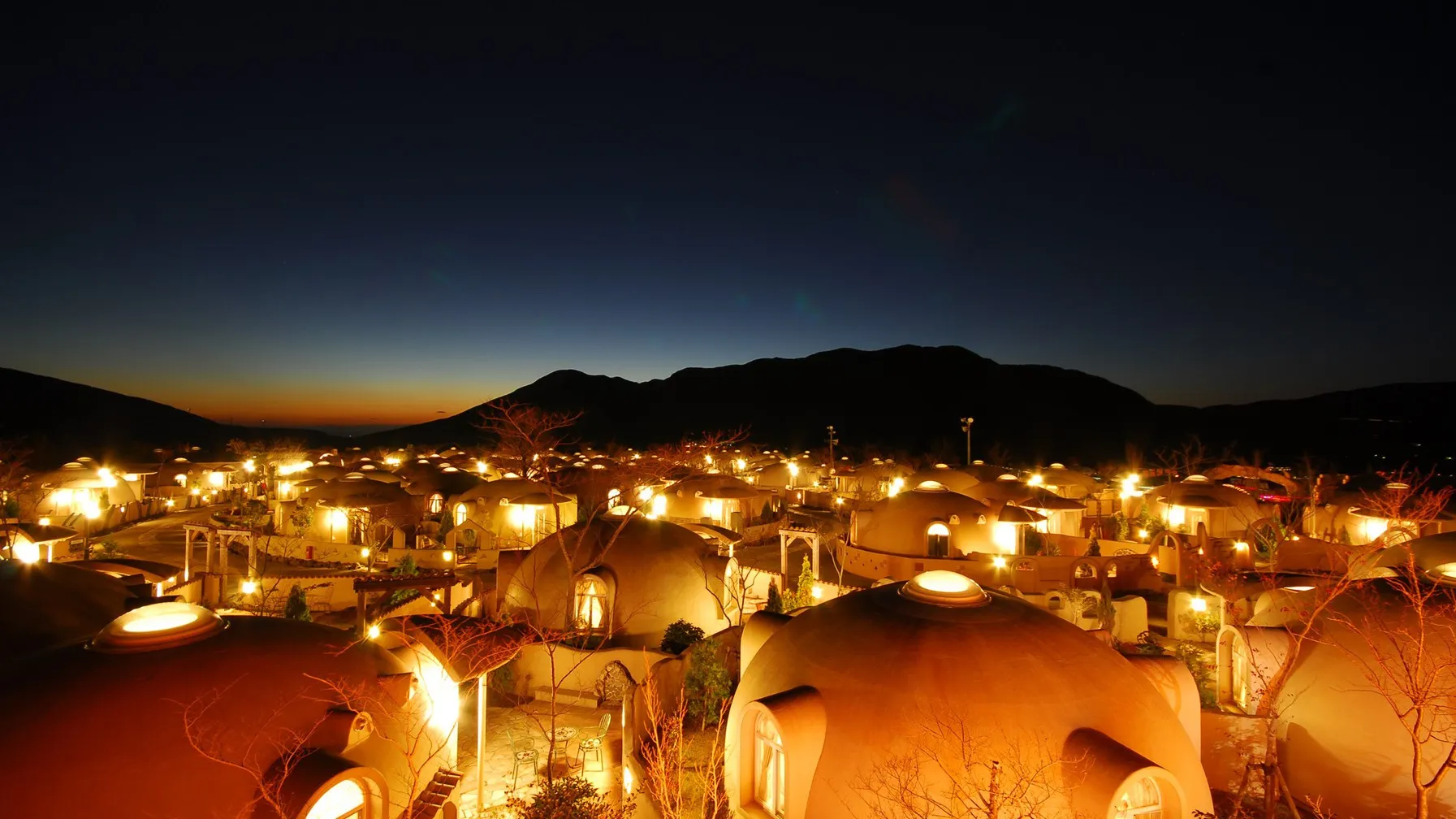
Autumn Farms and Harvest
Hotels with farm activities and animal encounters, plus the areas that make the best base for fruit picking and harvest days, from Hokkaido to Kyushu
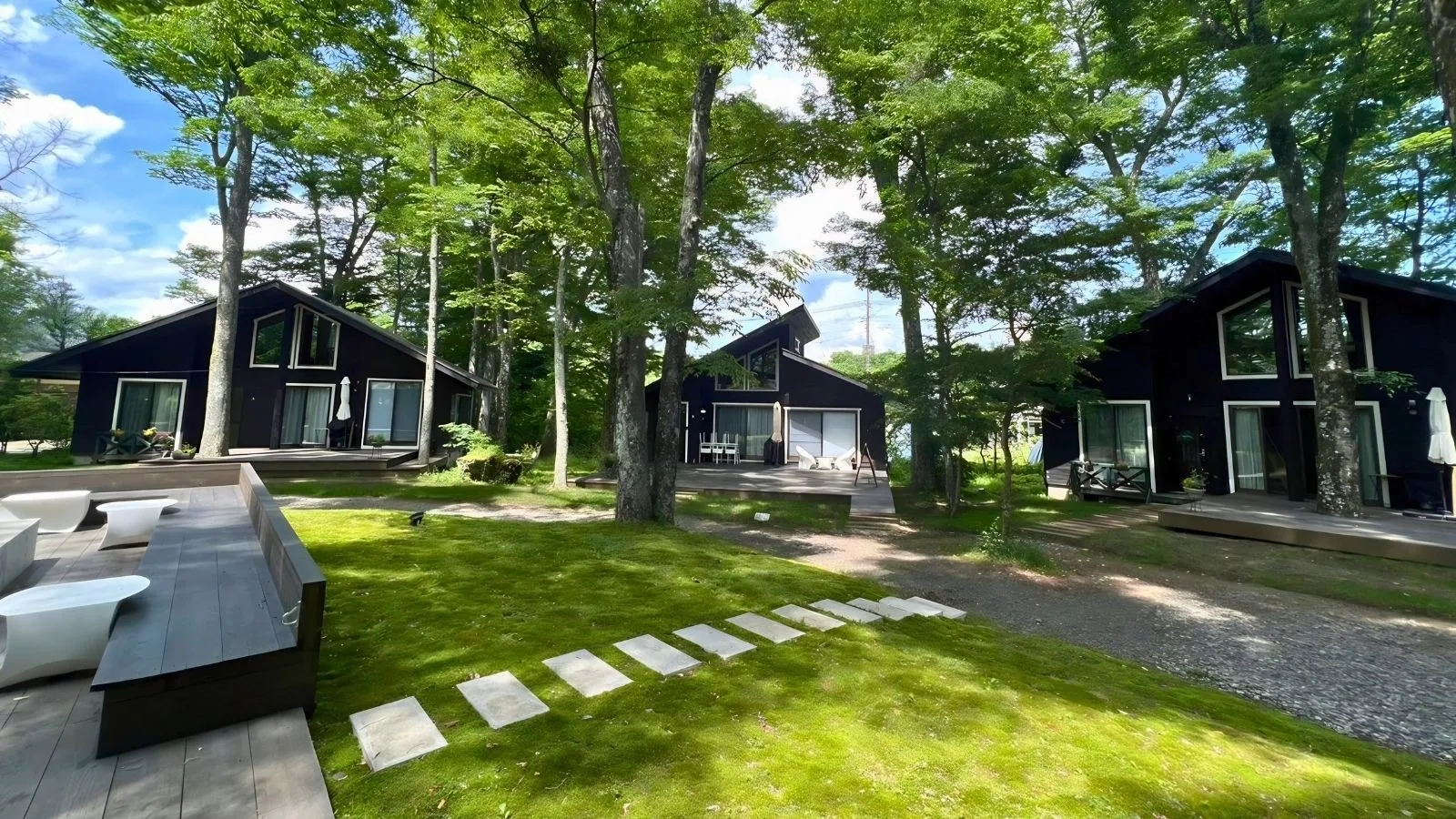
Autumn Cottages and Glamping
No one else to worry about, at your children's own pace. Areas with self-catering villas, cottages, and glamping, from north to south