
Japan With a Baby: Where to Go and Where to Stay

This site uses affiliate links; we may earn a commission on bookings.
Note: Counts such as "more than 500 properties" come from the facility data of hotels listed on Kids Stay (as of September 2026, not the total number of hotels in Japan)
Search for where to go in Japan with a baby and you get aquariums, theme parks, and temple lists. Under one year old, your baby is not going to enjoy any of that. What decides the trip is how much travel a baby can take, and whether a whole day can finish inside the hotel, not how famous the destination is. So the short answer looks like this: pick the city you land in as your base, choose a place within roughly two hours of it, and put your money into a hotel that solves the bath, the meals, and the sleeping.
Where to go with a baby in Japan starts with a two hour circle
The first thing to settle is not where you want to go. It is how far you can actually get. Skip that and the travel time comes back to punish you on day two.
One to three hours in one direction is the realistic ceiling
Japanese parenting resources put the ideal one way travel time with a baby at one to three hours (as of September 2026). That is a limit on the baby's stamina and on yours at the same time.
While you are moving, feeding, diaper changes, and the need to be held can arrive at any moment and you cannot choose where you are when they do. On a one hour leg you can tell yourself you will deal with it after you arrive. On a four hour leg it happens two or three times en route. That lack of control is what drains a family with a baby, far more than the distance itself.
Whatever a map app tells you, plan on 1.5 times that number. Breaks, traffic, a slow transfer. If this is your first trip together, build a two hour journey as though it will take three.
Turn that around and the destination question answers itself. Draw a two hour circle around your base city and only look inside it. From Tokyo that means Hakone, Atami, Lake Kawaguchiko, and Minami-Boso. From Osaka it means Arima Onsen, Nanki-Shirahama, and Awaji Island. From Nagoya it means Toba and Gero Onsen. Every one of those areas has a cluster of hotels with real baby facilities.
If you are flying into Japan, keep your first night close to the airport city and treat the arrival day as a day with nothing else in it. Then move outward on day two. Counting the travel day as a whole day, rather than trying to squeeze sightseeing into it, is the single change that makes a baby trip work.
Is a trip with a baby even worth it
A baby will not remember the trip. That much is true. But the point of traveling at under one year old is not only the child's memories. It is keeping your family's life moving during the months when it is easiest to stay shut inside. A survey run by a Japanese parenting information site found that the most common age for a baby's first trip was four to six months old, at 35.7%, and that 76.0% of babies had traveled at least once before their first birthday. Going is normal.
What makes a trip miserable is not the traveling, it is the cramming. Three stops in one day, a long transfer, and a bedtime two hours later than usual. Stack those three and everyone falls apart.
The fixes are all in the schedule, not the map. Travel on weekdays rather than public holidays, book two nights in one hotel instead of moving every night, and pick a place with a late checkout so nobody is rushed in the morning. You do not have to change the destination to make the trip lighter, only the shape of the days.
Decide what happens inside the hotel before you decide the city
A day with a baby mostly ends inside the hotel. Check in is usually 2:00 p.m., dinner is served at 5:00 or 6:00 p.m., and bedtime lands at 7:00 or 8:00 p.m. In practice you get the first morning and the second morning for anything else.
So the hotel is not just somewhere to sleep. It is where most of your holiday actually happens. The bath, the meals, and the bed. Whether those three are solved inside the building matters more to how the trip feels than the destination does.
Reviews on Japanese booking platforms follow the same pattern: parents traveling with babies write about the size of the room, how usable the bath was, and where they were able to eat, far more than about the sights nearby.
Keep sightseeing to one thing per day. Aquarium day is the aquarium. Farm day is the farm. Add a second stop and the nap slides, the meal slides, and the back half of the day collapses.
Build your shortlist from inside the two hour circle. If you want to go beyond it, add a day and count the travel day as a day.
What changes between a newborn and a one year old
Two months old and eleven months old are two completely different trips. What the baby drinks changes, how the baby moves changes, and what you have to worry about changes. Where you can go is set by the stage your baby is at.
Before the neck is steady, around three months, go close and stay one night
Before a baby rolls over, the traveling part is easier than you would think. They sleep in the carrier, they stay where you put them, and your bag holds feeding gear only, with none of the solid food equipment.
The trade off is that temperature regulation is immature and vaccinations are not finished. The assumptions here are that the one month checkup is done and your baby is well. A word with your own doctor before you commit gives you something to base the decision on.
Go one to two hours in one direction, for a single night. Onsen towns suit this stage. An onsen is a communal hot spring bath, shared and bathed in unclothed, and at this age most properties will not let a baby into the big shared baths at all. That problem disappears entirely if you book a room with its own bath, or a hotel with a private bath you can reserve for your family.
Four to seven months is when most families take their first trip
The neck is steady and solid food is starting. This is where that 35.7% figure sits. The daily rhythm is becoming readable, so a morning journey, a nap at the hotel, and an afternoon indoors is a shape you can actually plan.
It is also the heaviest luggage month of the whole year, because the solid food kit arrives before the formula kit leaves. The hotel can take a lot of that off you. Properties that serve baby food matched to a baby's age number more than 210, and properties that let you bring your own baby food or will warm it for you number more than 290 (Kids Stay listing data, September 2026).
Your transport options widen too. With a steady neck you can hold a baby in a shinkansen seat, and a flight to a farther region becomes reasonable. This is also the window before stranger anxiety sets in, which quietly makes restaurants and trains less risky.
From eight months, choose the room, not the view
Once crawling and pulling to stand begin, the worry moves from where you are going to what is inside the room. A room with only high Western beds becomes a fall risk, and table corners and cables start to matter.
Properties with a tatami area, meaning a Japanese style or mixed Japanese and Western room, number more than 1,300. Properties with low beds or tatami platform beds number more than 200, and properties that lend bed guards number more than 300 (September 2026). At this stage it is faster to filter by room type than by area.
Stranger anxiety and night waking often overlap here too. Detached cottages and whole house rentals, where nobody is on the other side of the wall, number more than 470, which is the escape route if a crying night is what you dread most. What to check before a first hotel stay is laid out step by step in Baby's first hotel stay in Japan.
| Age | How far to go | What to look for in the hotel |
|---|---|---|
| Up to about 3 months | An onsen town one to two hours away, one night | A room bath or a reservable private bath |
| 4 to 7 months | Up to three hours. Shinkansen becomes an option | Baby food served, or bring your own and have it warmed |
| 8 months to around 1 year | Two nights at a highland or island resort, or a detached unit | Tatami rooms, low beds, bed guards |
The right hand column is your hotel filter. Work left to right and the shortlist drops to a few dozen properties, at which point dates and budget can finish the job.
How far you can get by car, shinkansen, and plane
Two hours in a car and two hours in the air are not the same two hours. Your realistic map changes with the mode you pick.
By rental car, two hours out, with a break every one to two hours
A car buys you freedom over luggage and timing. The stroller, the spare clothes, and the baby food all come along, and you can stop the moment a feed or a diaper is needed. For a first trip with a baby, this is the option with the fewest ways to go wrong.
Time strapped into a car seat should be as short as possible, and a break every one to two hours is the widely given advice. At each stop, take the baby out, hold them, change them, and feed them. Assume that turns a two hour drive into close to three.
Once you arrive, a car keeps the days predictable. You can tour with the stroller still in the trunk, and when the rain starts you have somewhere to retreat to. With a baby, whether you have an escape when the weather turns is what decides how tired you are that night.
The weakness is traffic. Caught on an expressway during a holiday weekend, you are stuck in a box with a baby. Leave early in the morning and travel midweek, and driving gets much easier on both counts.
By shinkansen, the seat you book changes everything
Preschool age children generally travel free on a lap (as of September 2026). Holding a baby for two straight hours is harder than it sounds, though, and plenty of families book one extra reserved seat so the bags and the baby have somewhere to go.
Book the last row of the car and you get the space behind the seats for a stroller or a suitcase. Book the aisle and you can get out to the vestibule quickly when the crying starts. Those two choices alone change how the ride feels. There is also a multipurpose room intended for unwell passengers, which staff can sometimes let you use for feeding if it is free, so it is worth asking a conductor when you need it.
Keep it to one transfer at most. Japanese stations are large, and with a stroller you can lose a lot of time simply finding the elevator. One useful trick from a parent's travel diary: switch your map app to wheelchair accessible routing, which surfaces the step free path you actually need.
By plane, from eight days old, with ears and timing to manage
Airlines flying domestic routes in Japan commonly accept infants from eight days old (as of September 2026), so the minimum age is rarely the obstacle. Ear pain and departure times are the real issues.
Feeding or offering a pacifier during takeoff and landing creates the swallowing motion that eases the pressure. For timing, the standard approach is to overlap the flight with the usual nap. Very early flights mean waking a baby who is not ready, and evening flights wreck the bedtime routine.
Most airlines let you use your stroller right up to the boarding gate before checking it, and on some routes it comes back to you as you step off. Declaring it in advance makes the day much smoother.
Some routes let you request an infant bassinet that attaches in front of the seat, with the eligible seats and weight limits published on the airline's site. There are only a limited number available, so ask immediately after booking.
One rule if you are flying: a single night is not worth it. Make it three days and two nights or longer, and count the flying day as a day with no sightseeing in it. Framed that way, Okinawa and the southern islands come back onto the list.
Car, two hours out. Shinkansen, one transfer maximum. Plane, two nights minimum. Change the mode and you change the map.
The best places in Japan for a baby, area by area
Here is how the areas sort out by how you travel. When you are judging an attraction rather than a hotel, the four things Japanese family guides consistently list are a nursing room, a diaper changing table, stroller rental, and whether you may bring your own baby food. Check those four and you rarely get it wrong.
Family guides note these facility by facility. Mother Farm in Boso has a baby room with a hot water dispenser for making formula, and sells diapers and wipes on site. The Hakone Open Air Museum has outdoor paths that are almost entirely paved, so a stroller works, plus a giant hammock with cushions made for babies and sculptures that even a baby can touch. The pirate ship on Lake Ashi can be boarded with a stroller, so you never have to switch to a carrier. In the first year, choose by how easy the place is to move through, not by its headline attraction.
Onsen towns near Tokyo, about two hours out, with in room dining and private baths
Hakone, Atami, Minami-Boso, Lake Kawaguchiko. All of them are around two hours from Tokyo, by car or by train. Onsen towns have an unusually high share of properties serving dinner in your room or offering a bath attached to the guest room, which is exactly the "the day finishes inside the hotel" requirement.
Minami-Boso is close to central Tokyo thanks to the Tokyo Bay Aqua-Line, which makes driving realistic. Lake Kawaguchiko is a straight run on one expressway, and by train there are plenty of hotels that will collect you from the station. In Atami most hotels are around ten minutes from the station by car, so with a pickup you barely have to carry anything.
hotelBaby friendly stays about two hours from Tokyo
All four hold Japan's Welcome Baby certification. You can borrow cribs and formula making equipment, and several handle baby food or serve dinner in your room
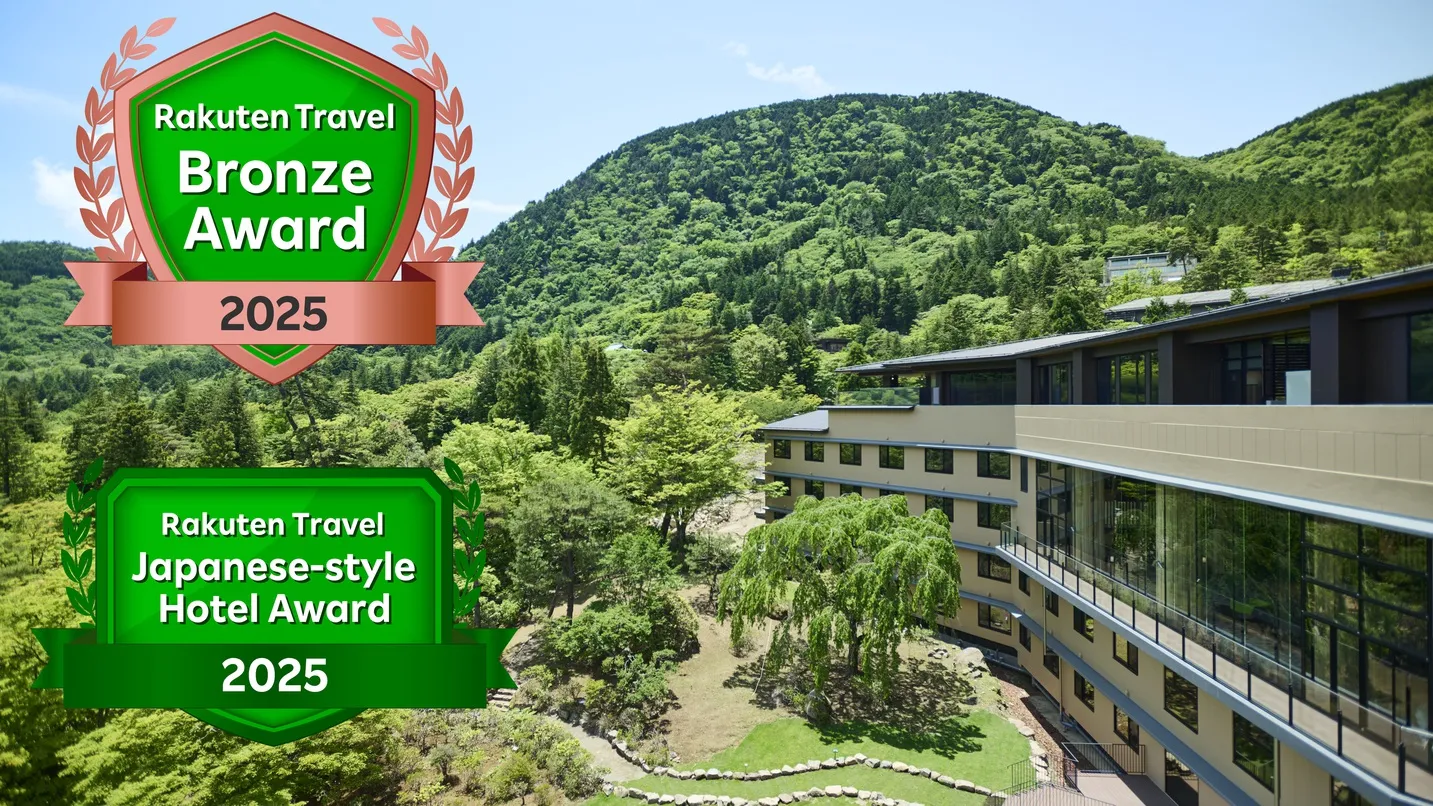
Hakone Hotel Kowakien
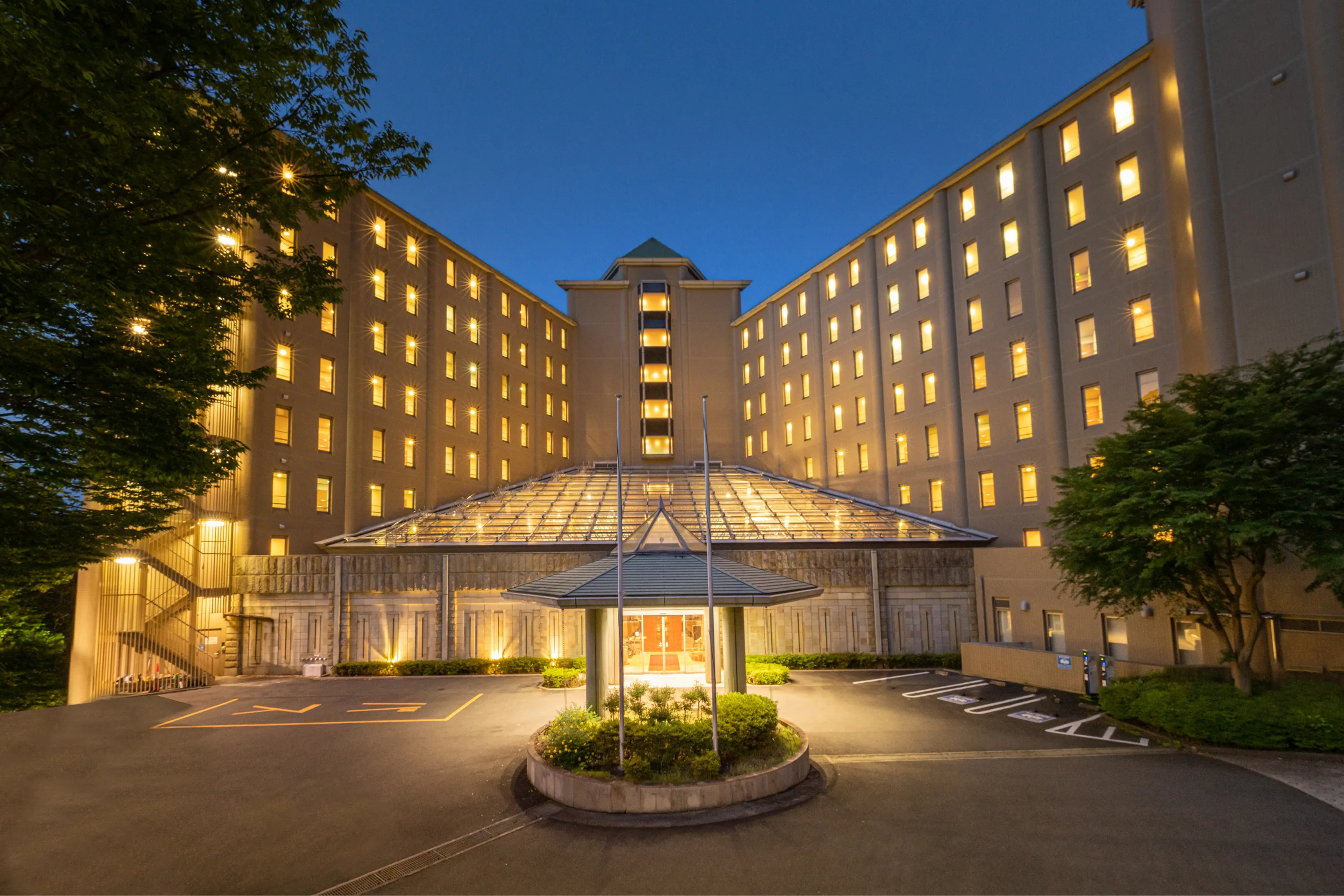
Kamenoi Hotel Atami
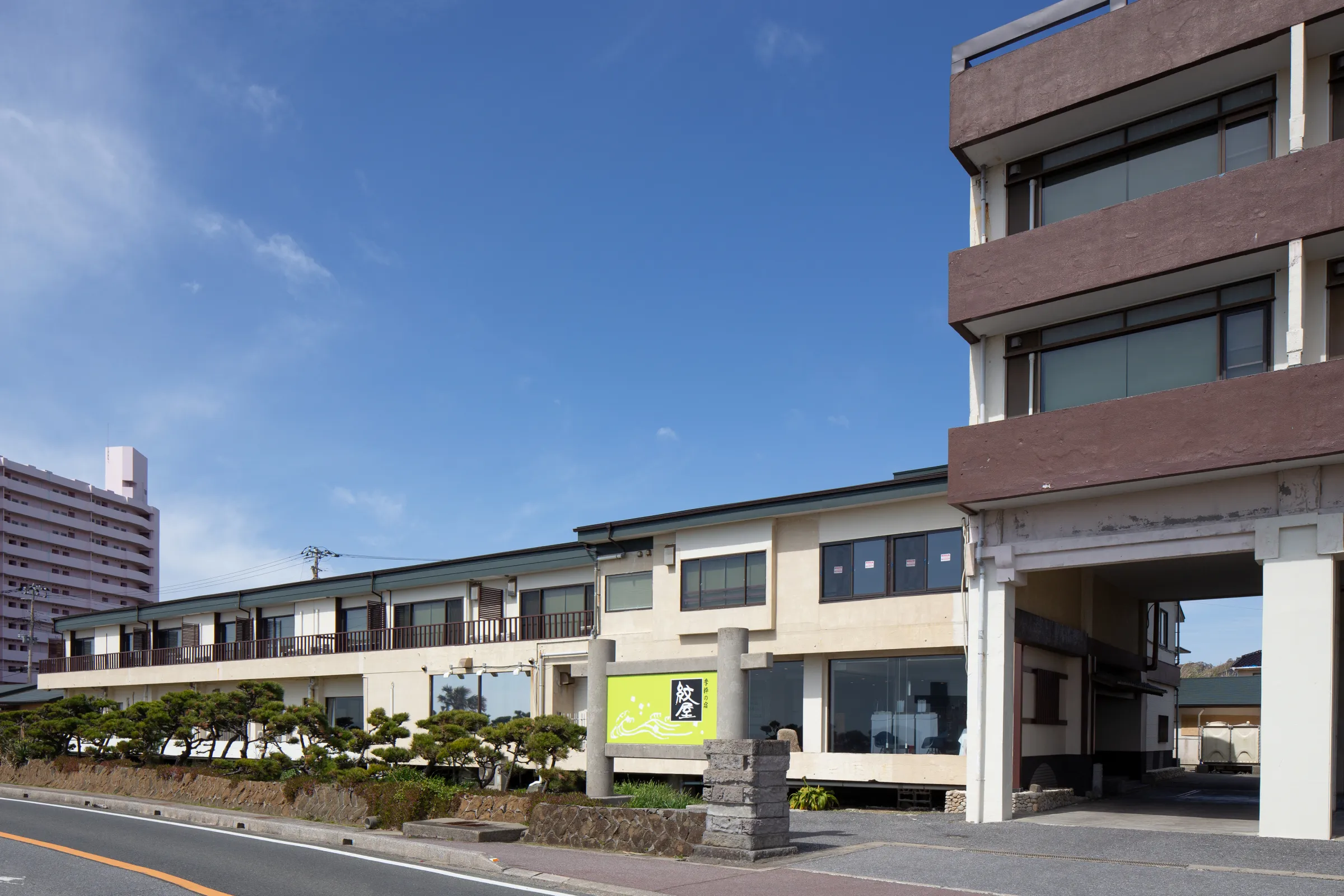
Kisui no Yado Monya
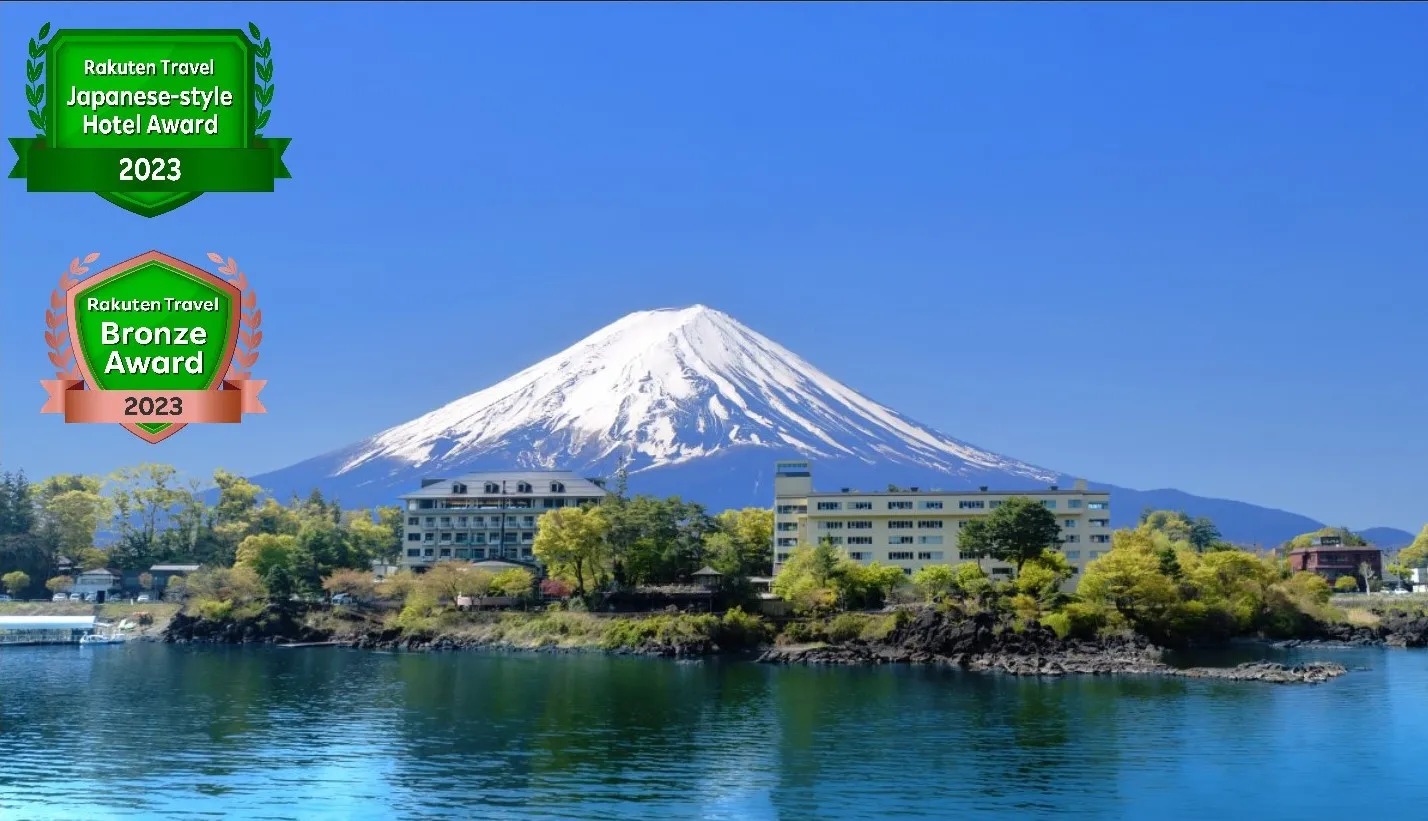
Fujilake Hotel
Highland resorts, for two nights where you barely leave the building
Nasu Kogen, Yatsugatake, Karuizawa. The altitude keeps them cool even in midsummer, which suits a baby who tires quickly in heat. These areas are full of large resorts with indoor kids' spaces and bathing facilities, so you can build a day where nobody goes outside at all.
Nasu Kogen is about three hours by car from Tokyo, or by shinkansen to Nasushiobara station and then a hotel shuttle. Yatsugatake and Karuizawa likewise have many properties running station pickups. An all inclusive hotel, where meals and drinks are already in the rate, removes the awkward business of getting a wallet out while holding a baby. There are more than 120 properties in this format (September 2026).
One family travel video features a hotel with a roughly 400 square meter indoor kids' park that guests can use across both days of their stay, and also notes a baby area inside the nursing room and guest rooms set up for families with infants. Across many reviews the pattern holds: having somewhere to play inside the building is what makes a stay weatherproof.
hotelHighland resorts built for two nights indoors
Kids' spaces and play areas inside the building, so you can have a day without leaving. Some of these also state that children not yet out of diapers may enter the baths
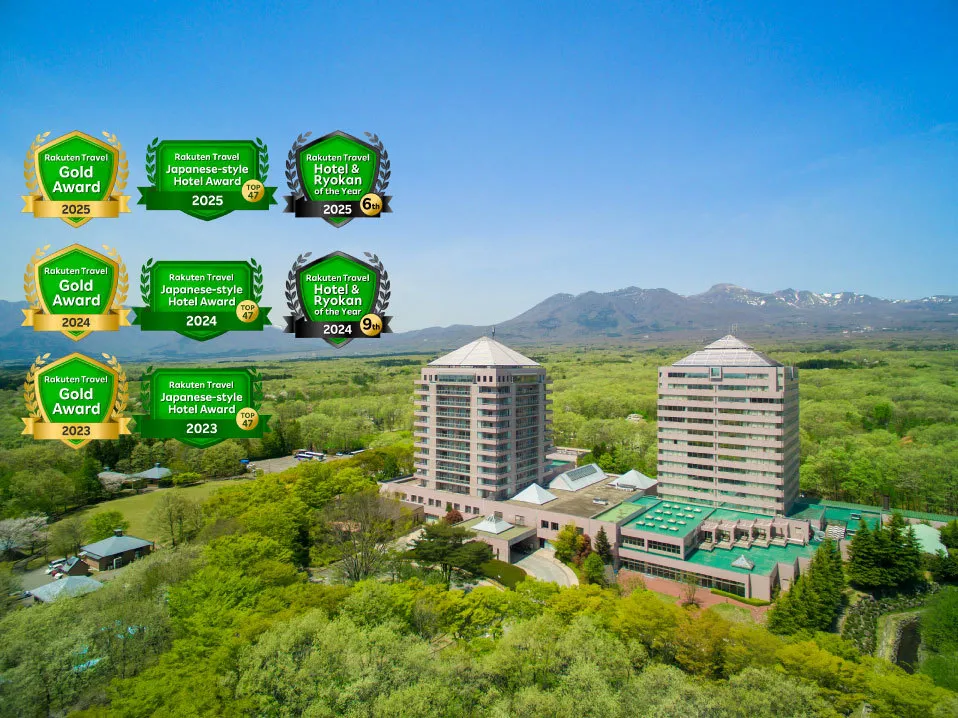
Hotel Epinard Nasu
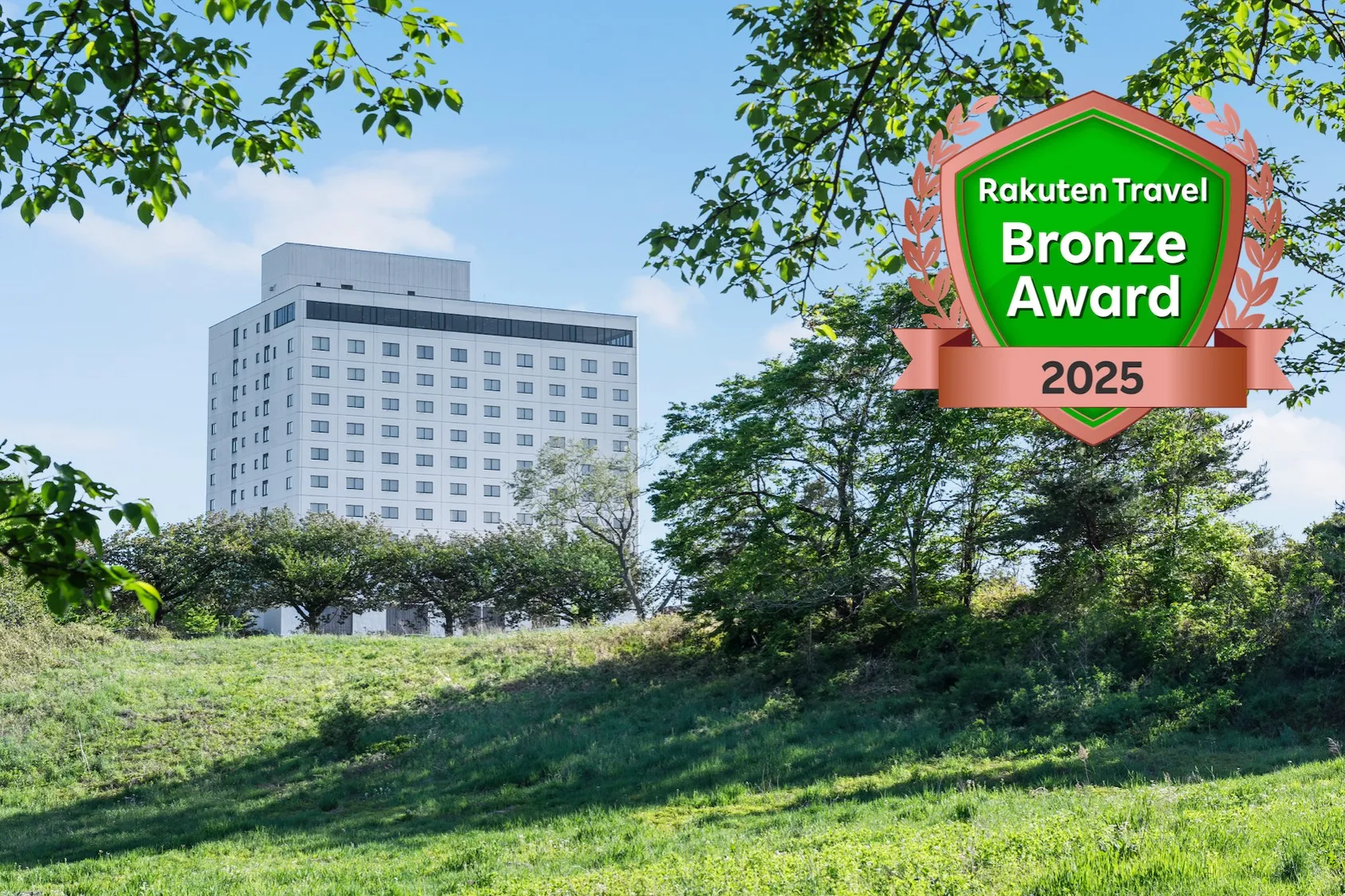
Grand Mercure Nasu Highlands Resort & Spa
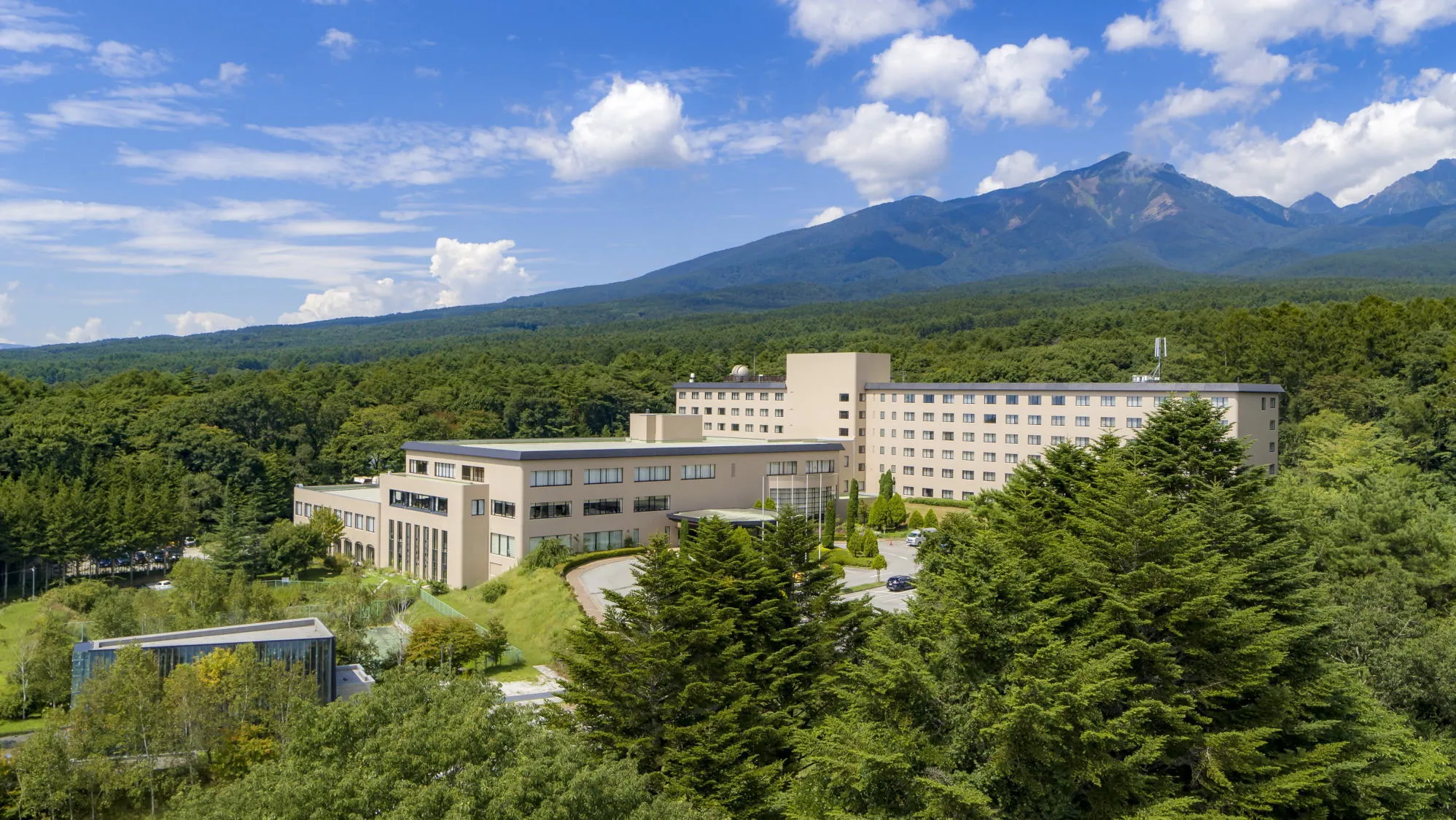
Grand Mercure Yatsugatake Resort & Spa
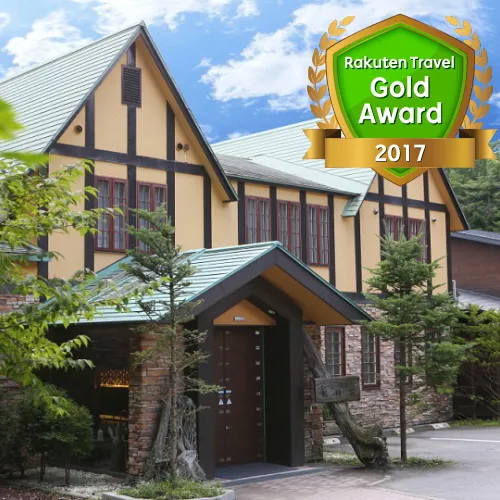
Dormy Club Karuizawa
Fly south, then stay put and let the days absorb the travel
Okinawa's main island, Miyakojima, Ishigaki. The journey is long, but once you are there you stay in one place, which suits a baby better than you would expect. It is warm even in winter, so you carry fewer layers.
The feature that earns its keep here is a guest room with a small kitchen. Warming baby food, washing bottles, and eating your own meal in the room all become possible without leaving. Properties with a mini kitchen or cooking equipment number more than 400 (September 2026). Pick one with an airport shuttle and the first hour after landing stops being a problem.
hotelSouthern island resorts for a stay put trip
Large resorts that lend cribs and formula making equipment. The ones with mini kitchen rooms let you warm baby food in the room
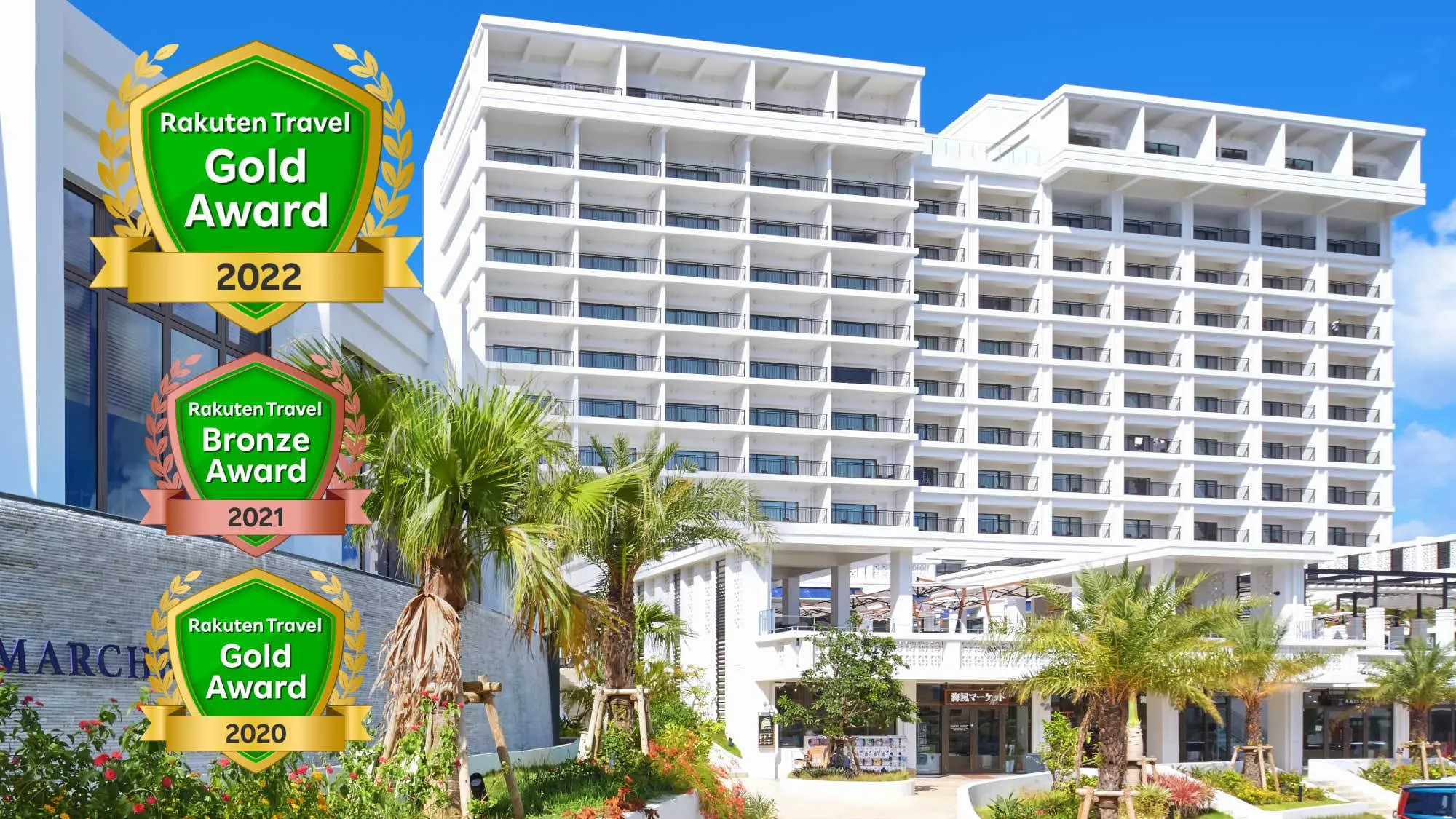
Ala Mahaina Condo Hotel
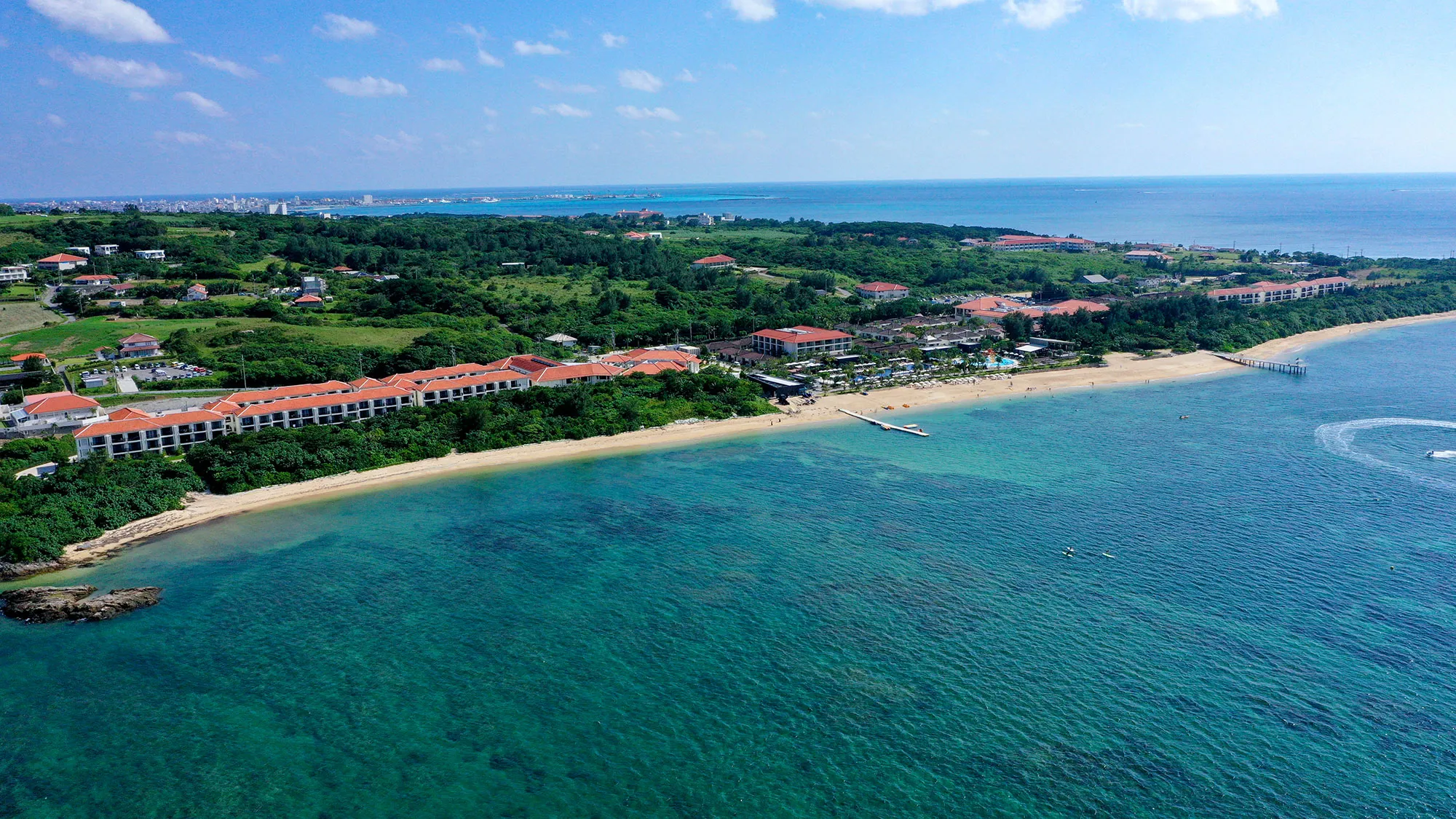
Fusaki Beach Resort Hotel & Villas
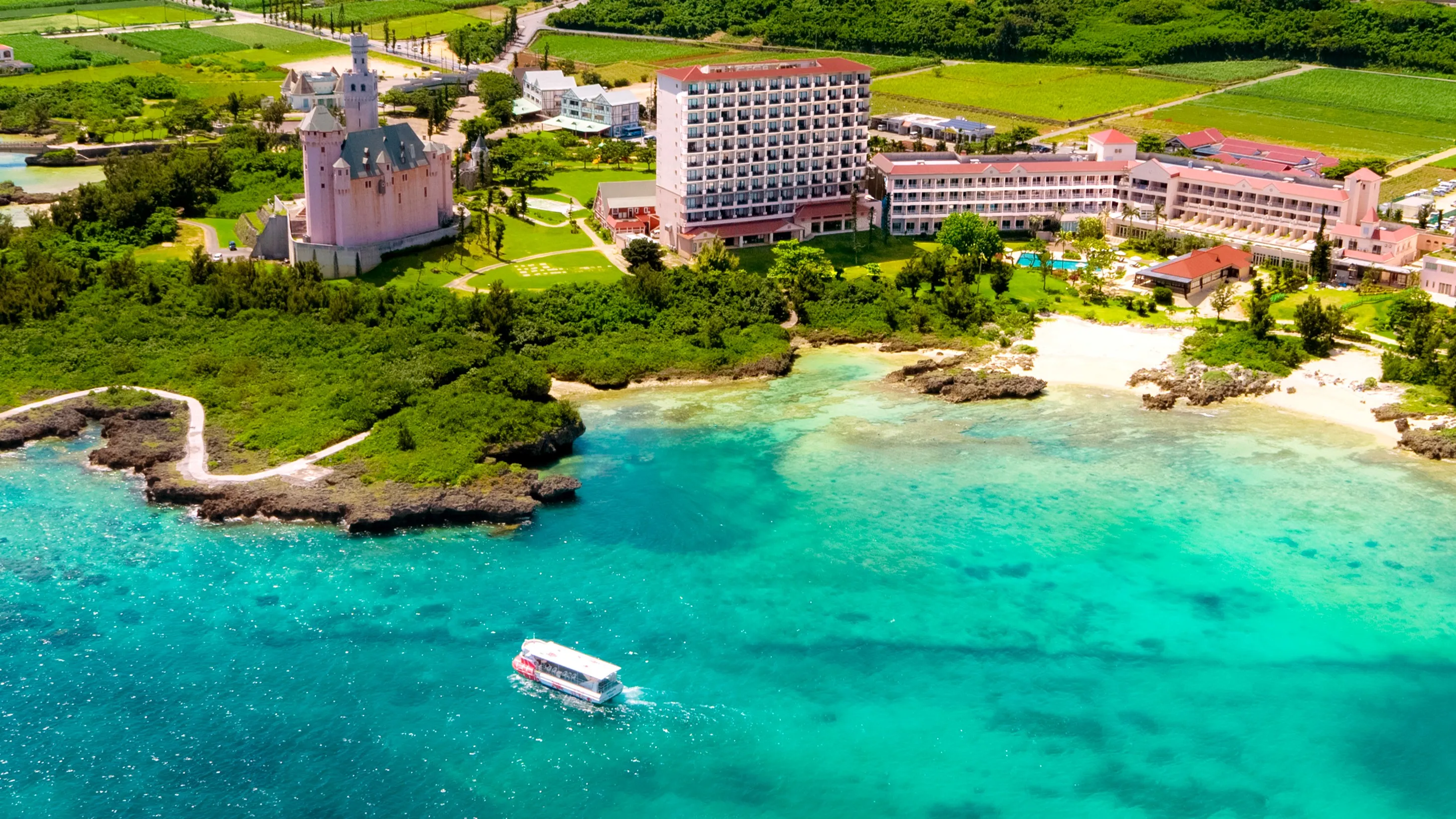
Hotel Breezebay Marina
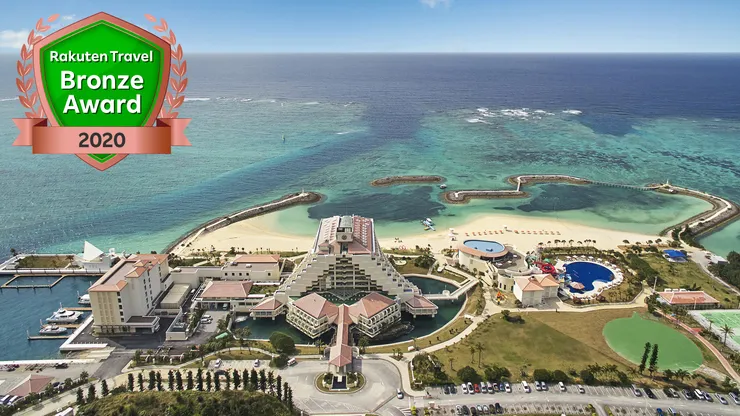
Sheraton Okinawa Sunmarina Resort
mapSee hotels in the areas mentioned here
Family friendly stays in each area
Family-Friendly Hotels in Hakone: Private Hot Spring Baths, Babies Welcome
A hot spring getaway close to Tokyo, where even a baby's first onsen bath feels easy
Family-Friendly Hotels in Nasu Kogen: Private Baths, Indoor Play
A highland resort that works in the rain and with a baby in tow
Family-Friendly Hotels in the Fuji Five Lakes: Lakeside Resorts with Mount Fuji Views
Make family memories on lakeshores with Mount Fuji in view
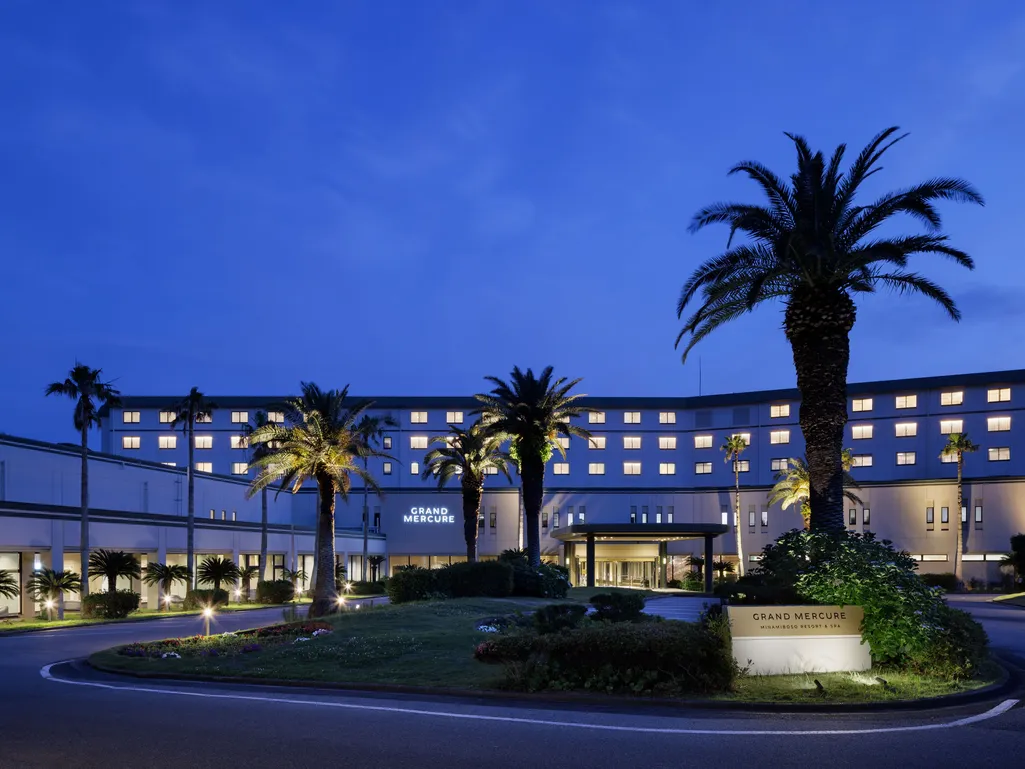
Family-Friendly Hotels in Minami-Boso: 10 Private Baths, 9 Indoor Play Areas
An hour and a half from central Tokyo via the Aqua-Line, with Boso's baby-friendly coast and hot springs
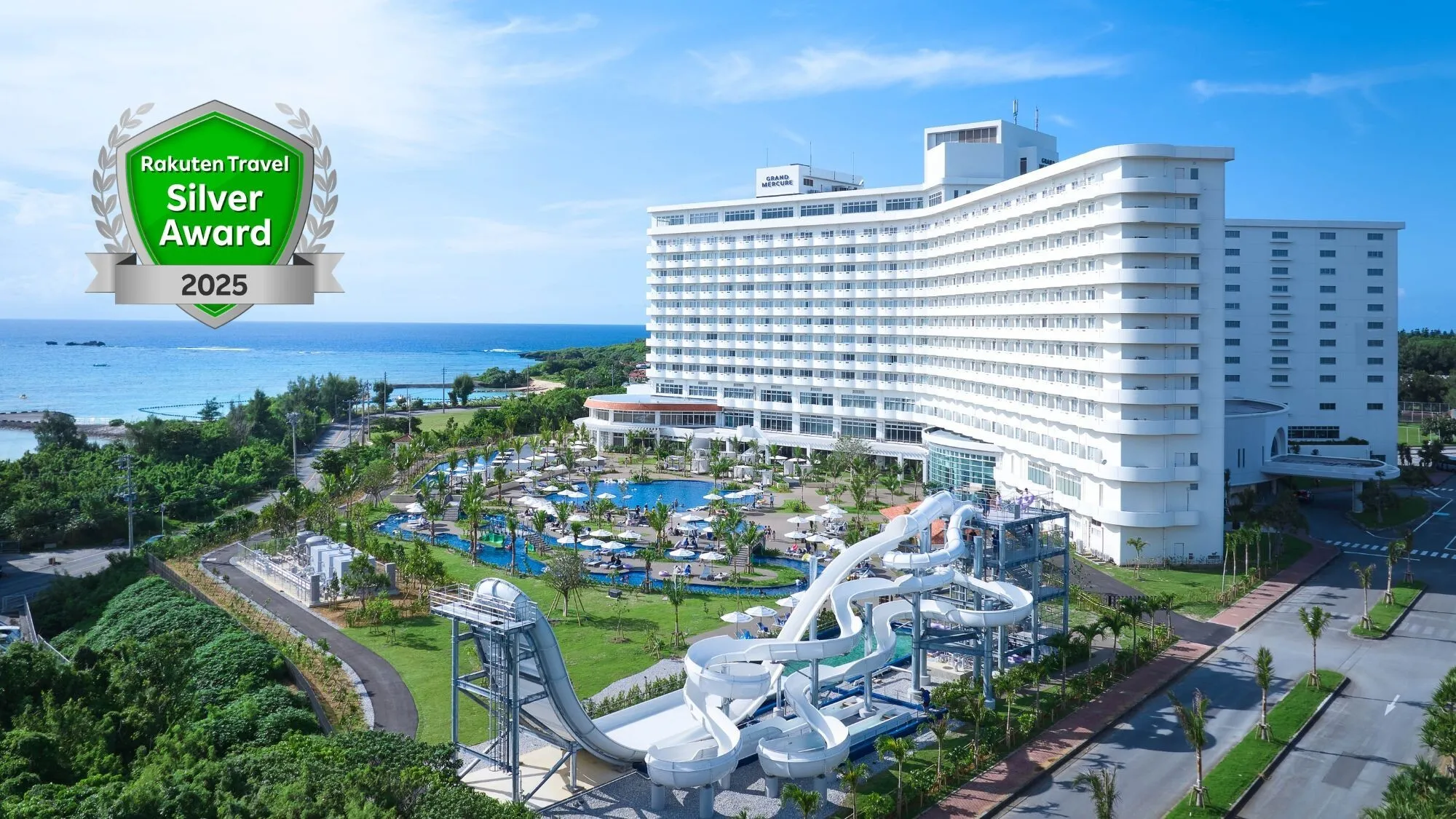
Family-Friendly Hotels in Okinawa: Tropical Resorts by Beautiful Seas
Warm climate and beautiful beaches for a resort feel all year round
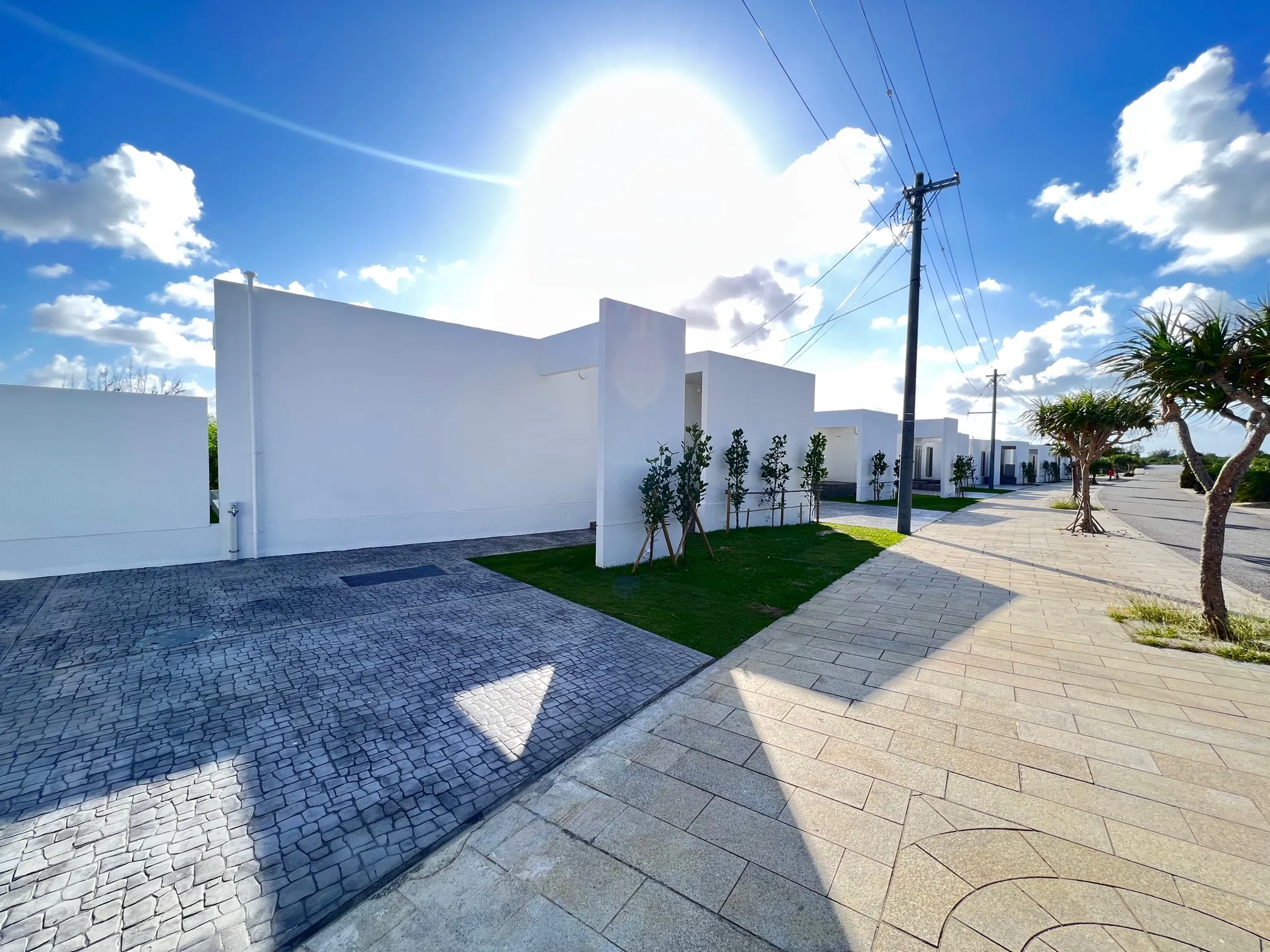
Family-Friendly Hotels on Miyako Island: Miyako Blue Sea and Beaches
Family island time on white sand beaches and the water they call Miyako blue
We also keep collections filtered on baby specific facility data, sorted by region of Japan.
auto_awesomeChoose by region of Japan, filtered on baby facility data
Kanto Trips With a Baby
One night just 1 to 2 hours from central Tokyo by car. Cribs to borrow, private baths and baby food by age in months, drawn from real amenity data.
Kansai With a Baby
One to two hours by car from Osaka, Kyoto, or Kobe. Cribs, private baths, baby food, and dinner in your room. Hotels that suit a baby's first trip, chosen from real facility data
Hokkaido With a Baby
Bases close to New Chitose Airport, resorts made for multi-night stays, and a step further out to Hakodate and Asahikawa. Search by real amenity data, crib rentals, private baths and baby food, to find hotels that work with a baby under one.
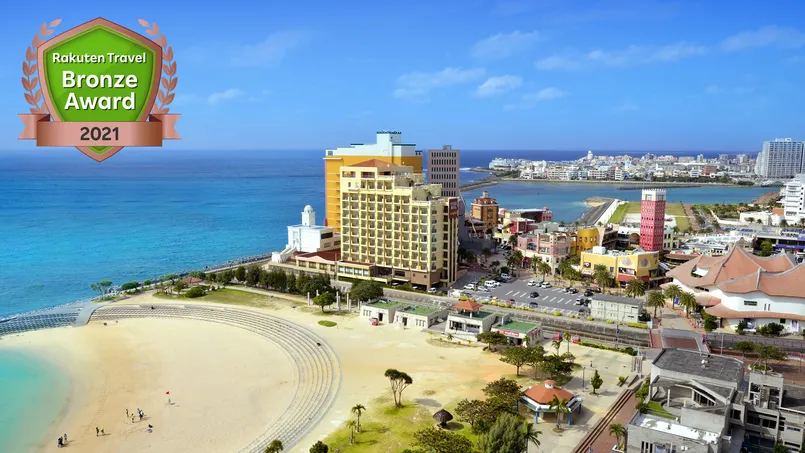
Okinawa With a Baby
Babies under one can't swim yet, so what matters is whether you can spend a whole day inside the hotel. We've organized crib rentals, baby food, in-room baths, and private baths from real amenity data.
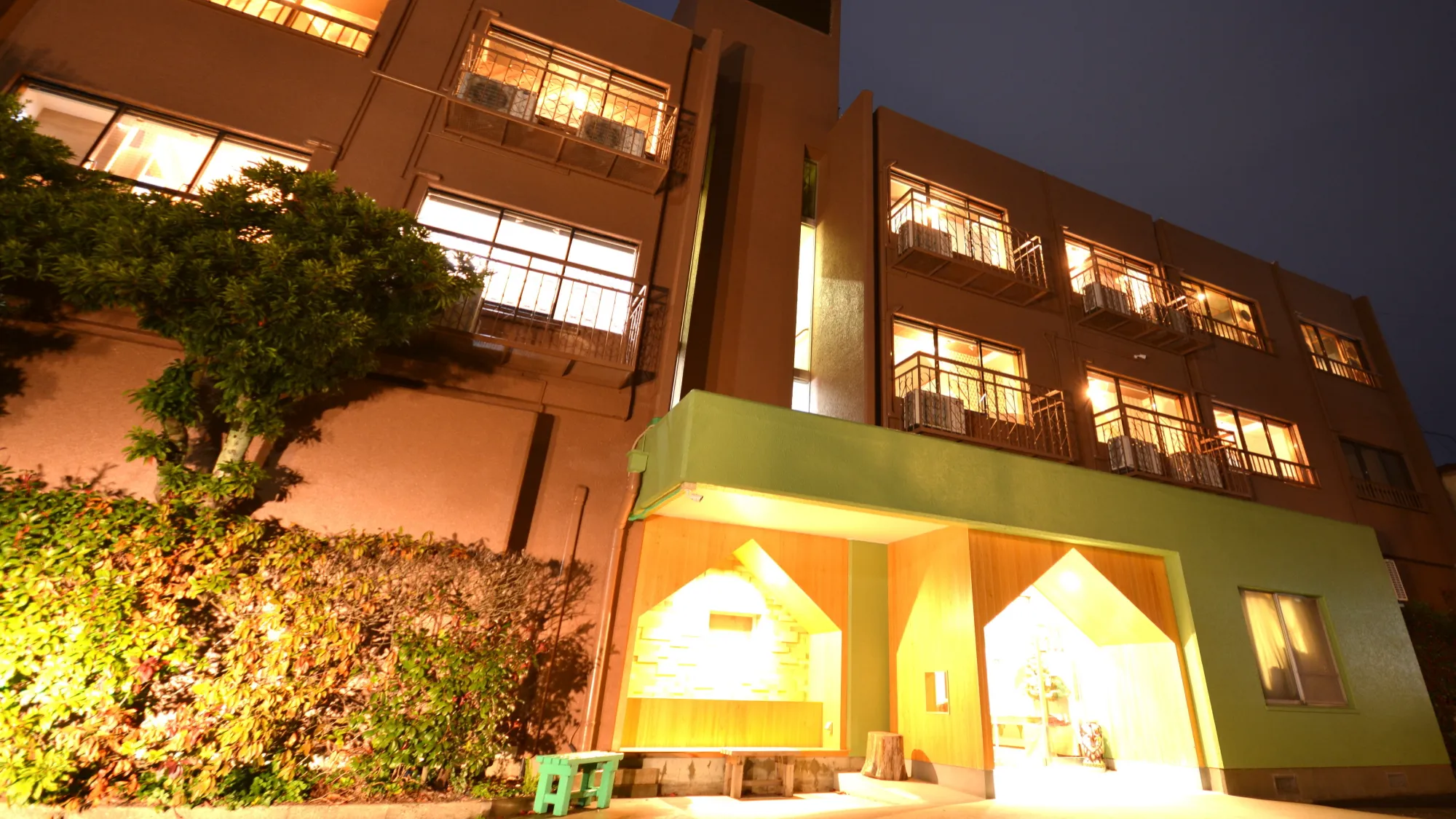
Kyushu With a Baby
Baby beds, private baths you can reserve, baby food, and Japanese-style rooms with futon. Search Kyushu hotels that work for families with a baby under one, area by area, using real amenity data
Choose the area by what your chosen transport can reach, not by what you would like to see. The list shrinks to a realistic size on its own.
Once the area is set, filter hotels in this order
After the area, look at the bath, then the meals, then the bed. That order exists because it is the order in which trips with a baby go wrong.
The bath question is whether a baby in diapers may get in
Even in an onsen town, most properties do not allow children who are not yet toilet trained into the large shared baths. Some say so on their website and some let you find out on arrival, so this is worth confirming before you book.
Official sites split into those that state the rule plainly and those that say nothing. When nothing is written, the answer is usually no, so if it matters to you, a phone call or an email in advance saves an unpleasant surprise.
Properties that publicly state that children still in diapers may enter the baths number more than 60 (September 2026), which is a small share of the total. That is why the realistic answer is a bath in your own room, or a private bath you reserve. Properties with an indoor or open air bath in the guest room number more than 620, properties with a family bath you can book privately number more than 520, and of those, more than 120 include the private bath at no extra charge.
If you do want to use the large baths, look for a property with a baby cot or changing platform in the changing room, of which there are more than 200. That is what buys you the few minutes you need to dry off and dress yourself. How to think about a child's first onsen, and how to ask a hotel about it, is set out in The complete guide to a child's onsen debut.
For meals, check for in room dining or private dining rooms first
With a baby, what you need at dinner is not the cooking, it is a place where crying does not matter. Properties that serve dinner or breakfast in your guest room number more than 510, and properties with private or semi private dining rooms number more than 510 (September 2026).
The dinner time slot is worth checking too. If you can take a 6:00 p.m. seating, the run from the end of the meal to bedtime stays close to your normal rhythm. Where the time is fixed, bedtime can drift by more than an hour.
Buffets mean carrying a baby while you fetch food. That works if there are two adults free. Where there are not, a seated menu or in room dining is plainly easier. Japanese booking site reviews repeatedly mention baby food being warmed on request and children's tableware and bibs being brought out, and all of those go more smoothly the earlier you ask.
More than 210 properties serve baby food matched to a baby's age, and more than 290 accept your own or will warm it. The more of the feeding you can hand to the hotel, the lighter your bag and your day.
For sleeping, borrow what you can and carry less
Your luggage shrinks fastest by subtracting whatever the hotel will lend. Properties that lend a crib number more than 600, baby futons more than 490, baby baths more than 250, mild soap and shampoo suitable for babies more than 160, and formula kettles or bottle sterilizing more than 240 (September 2026).
Bring only the consumables that no hotel will supply for you.
Be aware that loan items exist in small numbers and generally have to be requested when you book. Having them listed and having one free on your date are two different things, so after booking, contact the hotel once, give your baby's age, and name the items you want.
Pricing is worth confirming in advance as well. Many properties let a baby stay free when sharing your bedding, but an infant charge applies once bedding or meals are added. If the guest count is entered wrongly you can arrive to find there is no futon for your child, so make sure the number of infants and your co-sleeping preference are reflected in the booking itself.
What to borrow and what to bring, broken down by age, is listed in Packing list for traveling with a baby.
Filter on bath, meals, then bed. If all three are solved inside the hotel, the trip works even with almost no sightseeing.
travel_exploreBrowse baby friendly features area by area
See the hotels that lend a crib or serve dinner in your room, in each of the areas covered in this guide
Search hotels that work with a baby
Search hotels that work with a baby
We have pre selected properties that lend a crib and can serve dinner in your room. Add the area you want and the list narrows immediately.
The short answer
Choosing a destination first is what makes a trip with a baby painful. Decide the travel time first and build your shortlist inside a two hour circle. Then apply your baby's age: before the neck is steady, one night close to home, and once they are moving, a room with tatami or low beds. Finally filter the hotel on bath, meals, and bed, in that order.
Even with a thin sightseeing list, if the day ends well inside the hotel, a trip with a baby has succeeded. Pick one area within two hours of where you are staying, and start from there.
Traveling as a solo parent, traveling with an older sibling in tow, and packing by age each have their own guide.
articleRead more on traveling with a baby

FAQ
Where should we go in Japan with a baby?
An onsen town or resort roughly two hours from your base city is the realistic choice. From Tokyo that means Hakone, Atami, Minami-Boso, Lake Kawaguchiko, or Nasu Kogen. From Osaka it means Arima Onsen, Nanki-Shirahama, or Awaji Island. You will be happier choosing on whether the hotel has a room bath and in room dining, so the day can finish indoors, than on how famous the destination is.
How old should a baby be before traveling?
There is no fixed rule, but most Japanese guidance points to three to four months and older, after the one month checkup and once the neck is steady. In one parenting site survey, the most common first trip was at four to six months, at 35.7%. Vaccination schedules and general health vary, so it is worth talking to your own doctor before you commit.
Can a baby go into a Japanese onsen?
Usually not in the large shared baths. Most properties do not admit children who are not yet toilet trained, and while more than 60 properties do state publicly that they allow it, that is a small share of the total. The workable answer is a guest room with its own bath, of which there are more than 620, or a private family bath you reserve, of which there are more than 520, with more than 120 including it free of charge.
Do we need a rental car, or is the train enough?
A car gives you the most freedom over luggage and timing, and it is the option with the fewest ways to go wrong on a first trip, as long as you break every one to two hours and travel midweek to avoid traffic. By shinkansen, book the last row and an aisle seat, and keep it to one transfer at most, because large stations cost real time with a stroller.
Is a trip to Japan with a baby actually worth it?
Your baby will not remember it, but memories are not the only purpose. There is value in eating a meal somebody else cooked and sleeping without washing up. A survey found 76.0% of babies had traveled before their first birthday, so the decision itself is not unusual. The condition for it being worthwhile is simply not cramming the schedule: one thing a day, and two nights in one place where you can.
Related articles


Seasonal collections
Autumn Long Weekends With Kids
Skip the crowds and traffic with hotels where short travel and on-site or nearby fun are enough. Four ways to spend it: highlands, hot springs, the sea, or a large resort
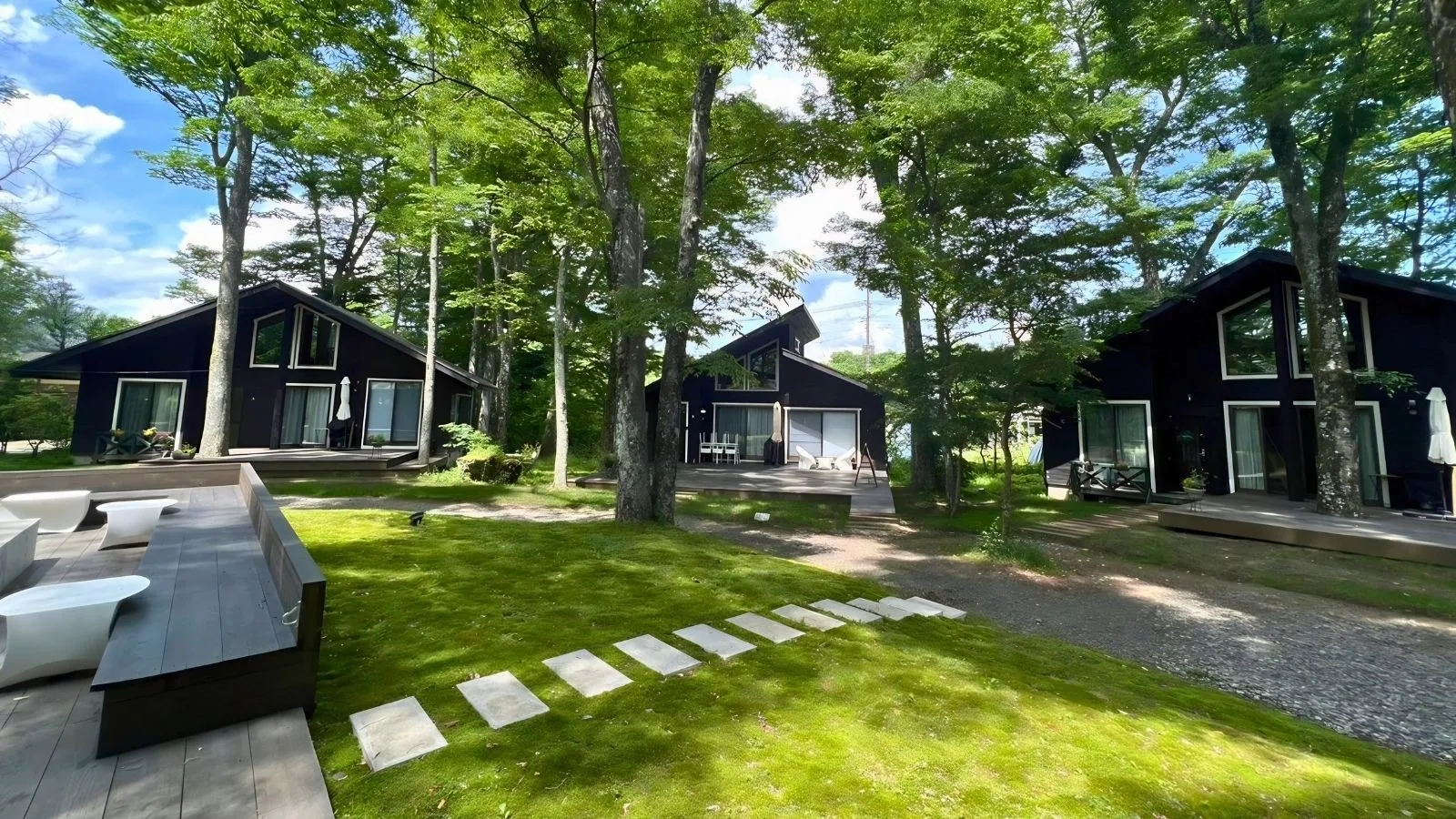
Autumn Cottages and Glamping
No one else to worry about, at your children's own pace. Areas with self-catering villas, cottages, and glamping, from north to south
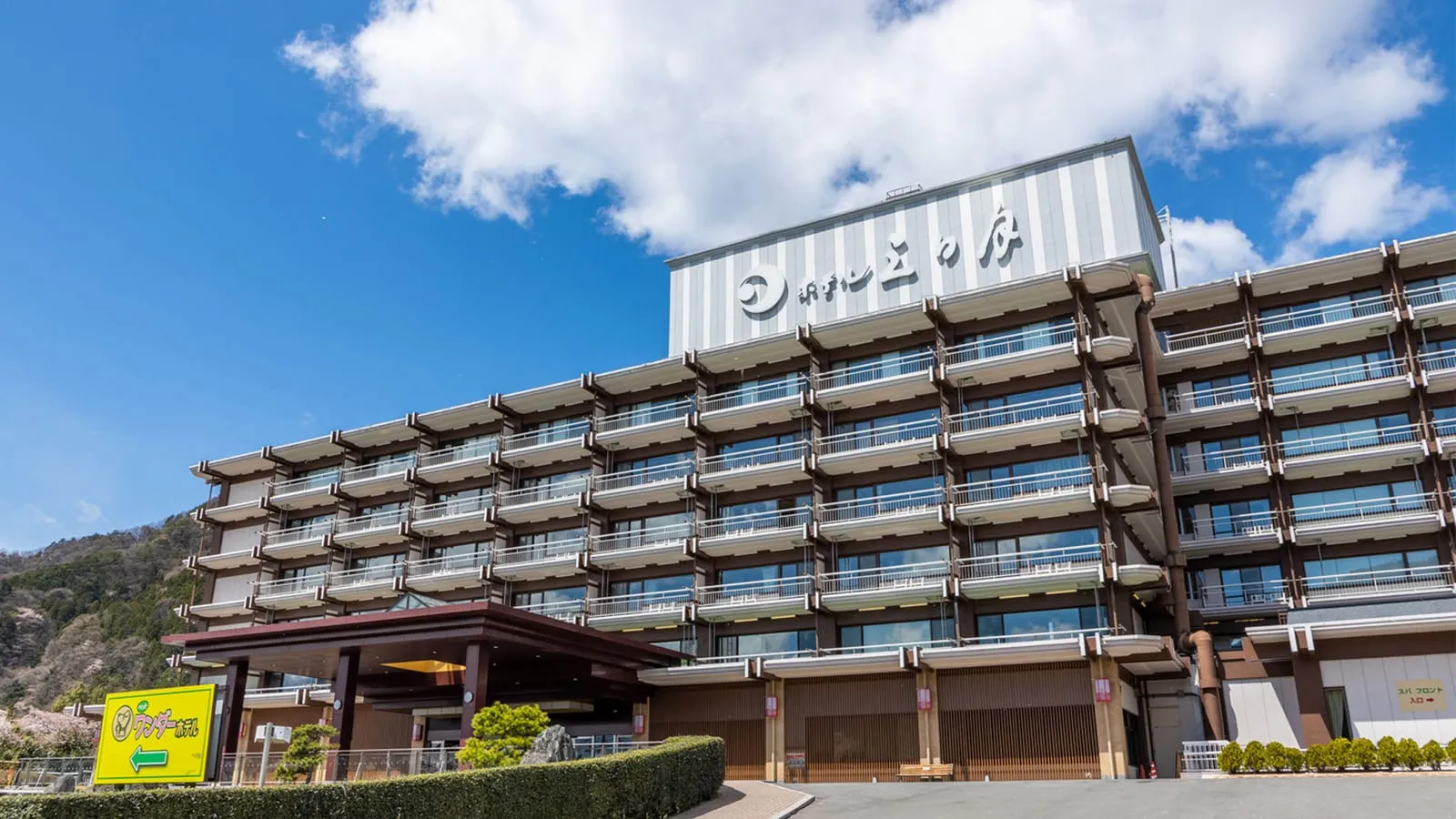
Autumn Leaves With Kids
Peak color timing, plus hotels in autumn leaf areas you can manage with a baby or toddler, from Hokkaido to Kyushu
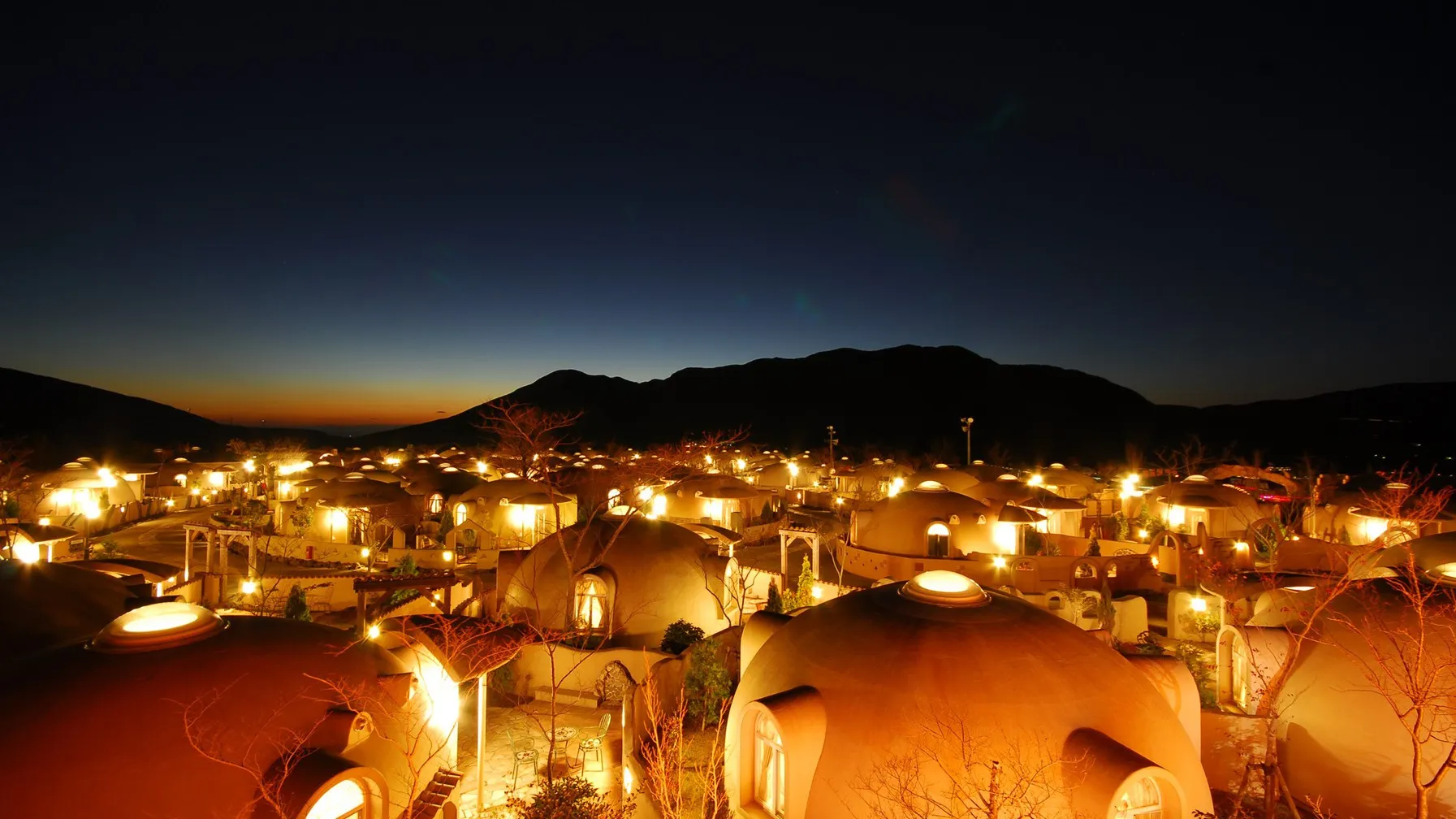
Autumn Farms and Harvest
Hotels with farm activities and animal encounters, plus the areas that make the best base for fruit picking and harvest days, from Hokkaido to Kyushu
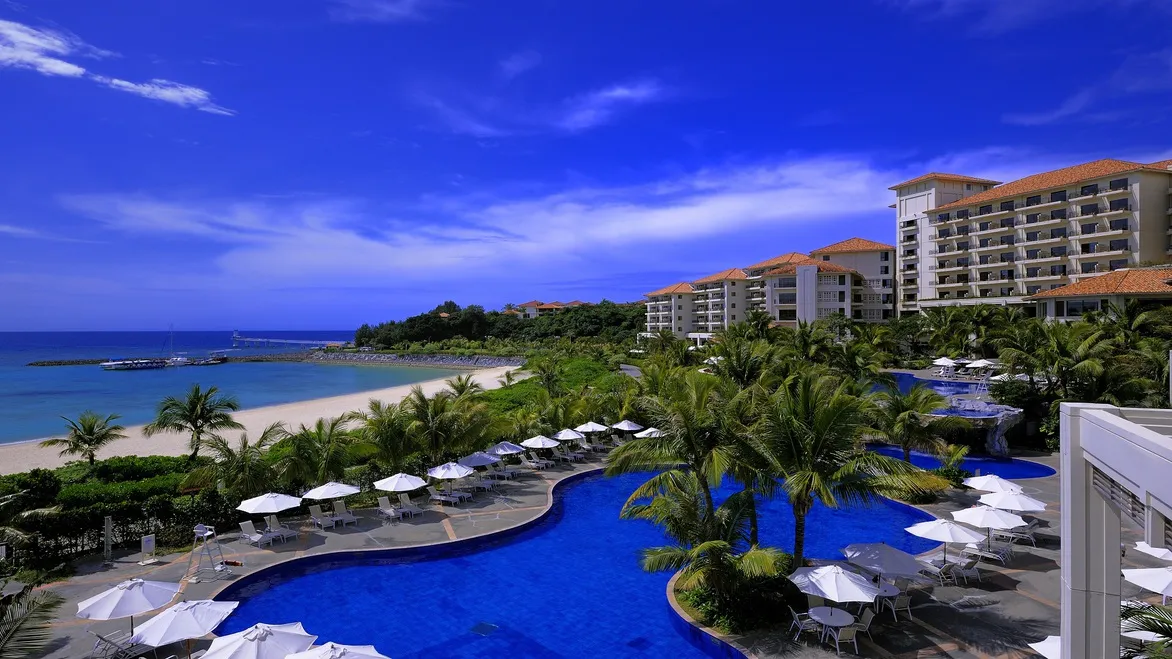
Late-Summer Okinawa Beaches
Fall in Okinawa, Miyakojima, Ishigaki, and Amami, once the crowds and the heat have eased. Stays within walking distance of a beach, or with a kids' pool
Autumn Highland Play
In the season that is neither hot nor cold, find hotels where kids can run around outside. Highland areas with outdoor play areas and adventure courses, from north to south