
How to Choose a Family Hotel in Japan: 5 Age-First Checks

This site uses affiliate links; we may earn a commission on bookings.
When choosing where to stay with a child, are you deciding based on the phrase "has a kids' room" alone? That approach can actually backfire more often than you'd think. Even when a listing says "kids' room available, " it's not unusual for the reality to be just a standard Western-style room with a few stuffed animals scattered around.
This article organizes the five things you shouldn't skip when choosing a family hotel. We'll look at five areas: room safety, meals, the bath, play areas, and rental equipment. The common trick across all five is to look at each one starting from your child's age.
Find properties with a kids' room
Find properties with a kids' room
On Kids Stay, you can narrow your search from the start to only properties with a kids' room or playroom. Just pick the area and the number of guests.
hotelOur pick
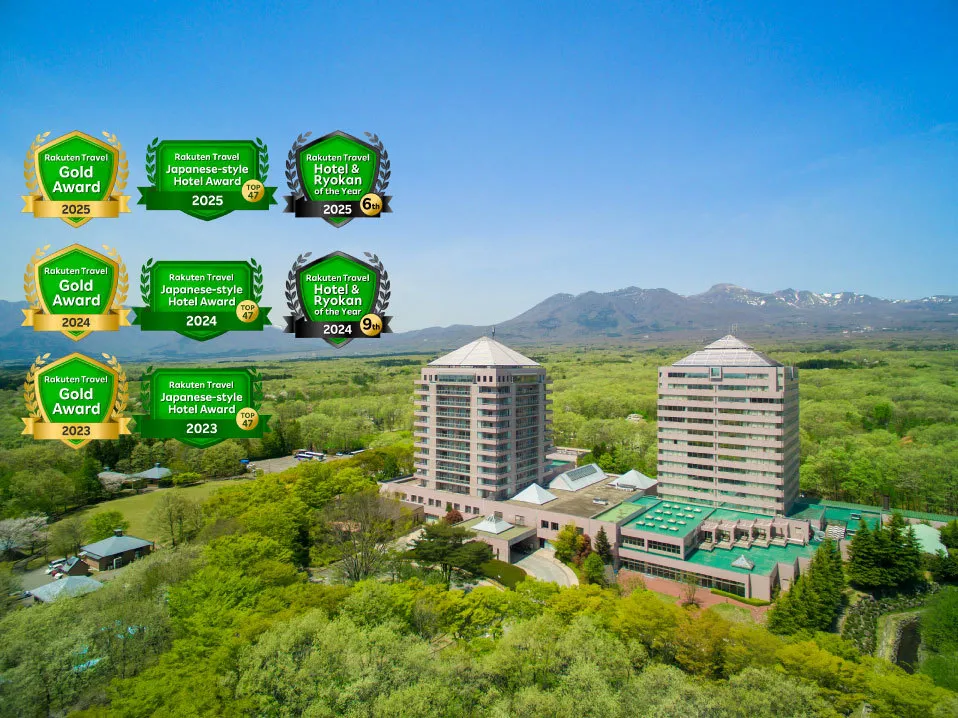
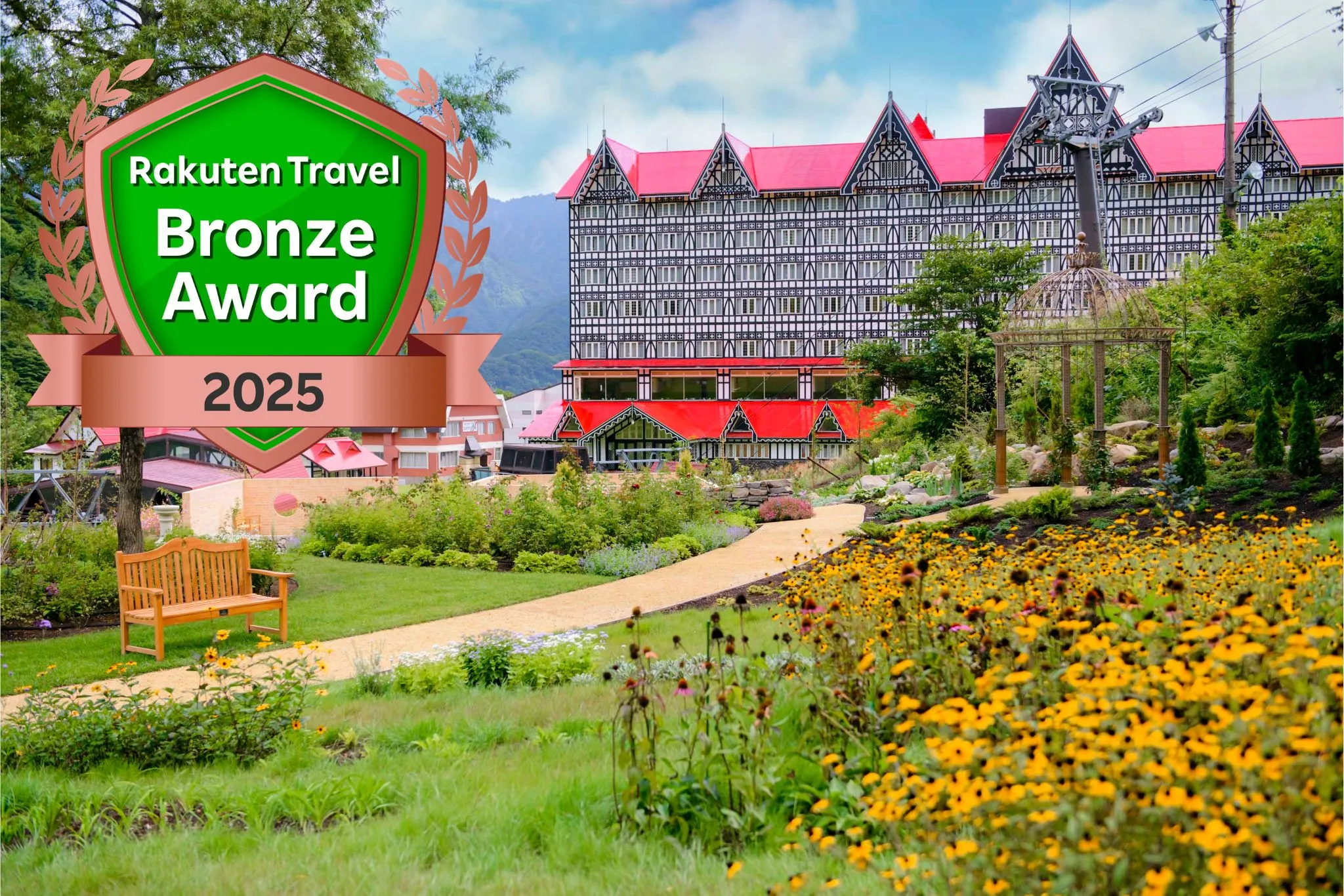
An all-weather amusement hotel spread across the foothills of the Yatsugatake mountains. "Mori no 8" on the first basement floor has a Kids Mountain area for preschoolers and a tricycle circuit for elementary schoolers and up, so kids can play all day whatever the weather.
menu_bookContentsexpand_more
- 1. Check the room's safety design starting from your child's age
- 2. Confirm the meal setup by age in months
- 3. For the bath and hot spring, confirm the "3-and-under rule" first
- 4. Check whether the in-house play area lets you stay fully entertained indoors
- 5. Calculate how much you can go hands-free using rental equipment
- A 30-minute checklist you can run before booking
- Summary
- Frequently Asked Questions
1. Check the room's safety design starting from your child's age
Even under the same phrase "has a kids' room, " the substance varies completely from hotel to hotel. A baby room designed for a crawling-stage infant and a kids' room where ages 3 through elementary school can run around are aimed at completely different ages to begin with. So the first thing to do isn't comparing equipment lists; it's working out what your own child's age actually needs.
For example, the rooms at Grand Mercure Nasu Highlands Resort & Spa are a no-shoes setup, with flooring you can walk on in socks. In a room where furniture corners have guards, you don't have to keep telling a running child "careful, that's dangerous!" That difference changes the quality of a trip more than you'd expect. Meanwhile, some properties labeled a "kids' room" turn out to be nothing more than a standard Western-style room with a few stuffed animals added. Seeing such a wide gap in reality behind the same wording is exactly the trap in choosing a family hotel.
Check these 3 safety points from the room photos
- Can you go without shoes? From the crawling stage through the first steps, this is what matters most. In a room where you keep your shoes on, you end up carrying your child around constantly, which wears parents out fast. Whether there's a tatami or hardwood-floor room is worth confirming on the official site. Tatami rooms are quietly strong here too: a fall onto tatami is cushioned, which can make it feel safer than a bed.
Beyond that, how corners are handled and the height of the bed are easy to overlook. The stage when a child is pulling up to stand is when head-bump accidents happen most, and a kids-oriented room usually has this addressed from the start. You could bring your own corner guards, but a room that's already set up for it is overwhelmingly easier. For co-sleeping, a low bed 30cm high or lower keeps the damage minimal even if a child does fall off, and saves you from checking your child's position over and over during the night. Properties like Hotel Green Plaza Karuizawa, which offer rooms designed with low beds, give real peace of mind on this point.
Think of "baby rooms" and "kids' rooms" as two separate things
More family resorts these days offer a baby room for ages 0-3 and a separate kids' room for age 3 and up as distinct offerings. For example, the baby room at Grand Mercure Awaji Island Resort & Spa comes stocked with a bottle sterilizer, a thermometer, a microwave, and a diaper trash bin, letting families with a young baby cut down dramatically on what they pack.
This is where thinking by age pays off. For families with a baby aged 0-2, choosing a facility specializing in a fully-equipped baby room tends to bring more satisfaction than a heavily themed kids' room. Conversely, once a child is past age 3 and can play independently, a kids' room with play equipment and a strong theme starts to gain value. Even at the same property, the "right room" shifts depending on your child's age.
Two easy pitfalls to watch for are curtain cords and outlet placement. A cord hanging down to the floor is a strangulation risk, and a low-placed outlet invites a child to stick a finger in. Few properties handle both perfectly, so bringing along one outlet cover of your own can save you a scare on-site.
Don't go by the phrase "has a kids' room." Confirm from the room photos whether the safety design actually fits your child's age.
hotelProperties with tatami rooms, low beds, and bed guards
Five properties where the room itself solves the fall risk: Japanese-style and Japanese-Western rooms, low beds, and bed guards you can borrow

Hotel Emion Tokyo Bay
Hotel Epinard Nasu
RIHGA Royal Hotel Kyoto
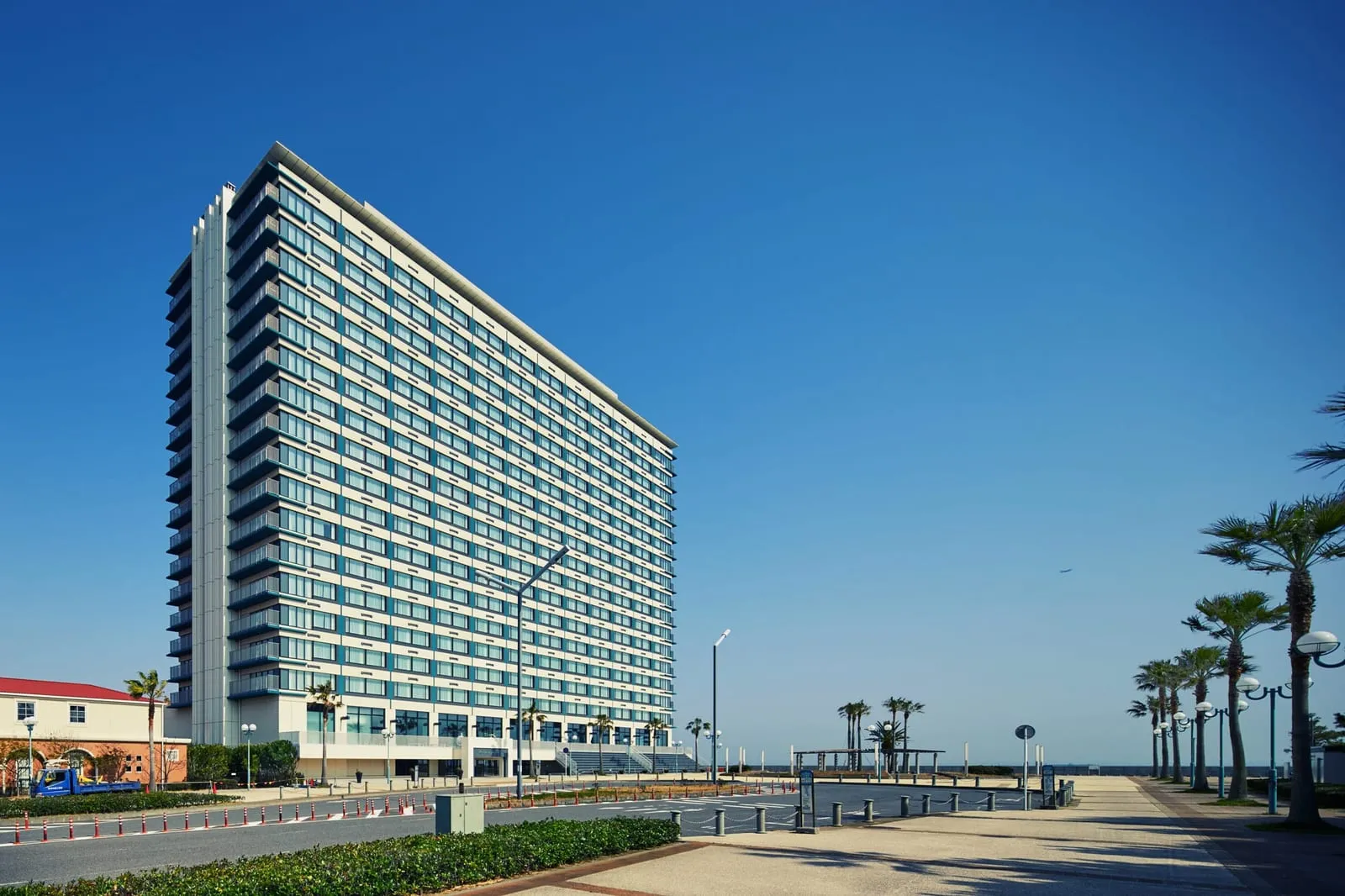
Grand Nikko Tokyo Bay Maihama
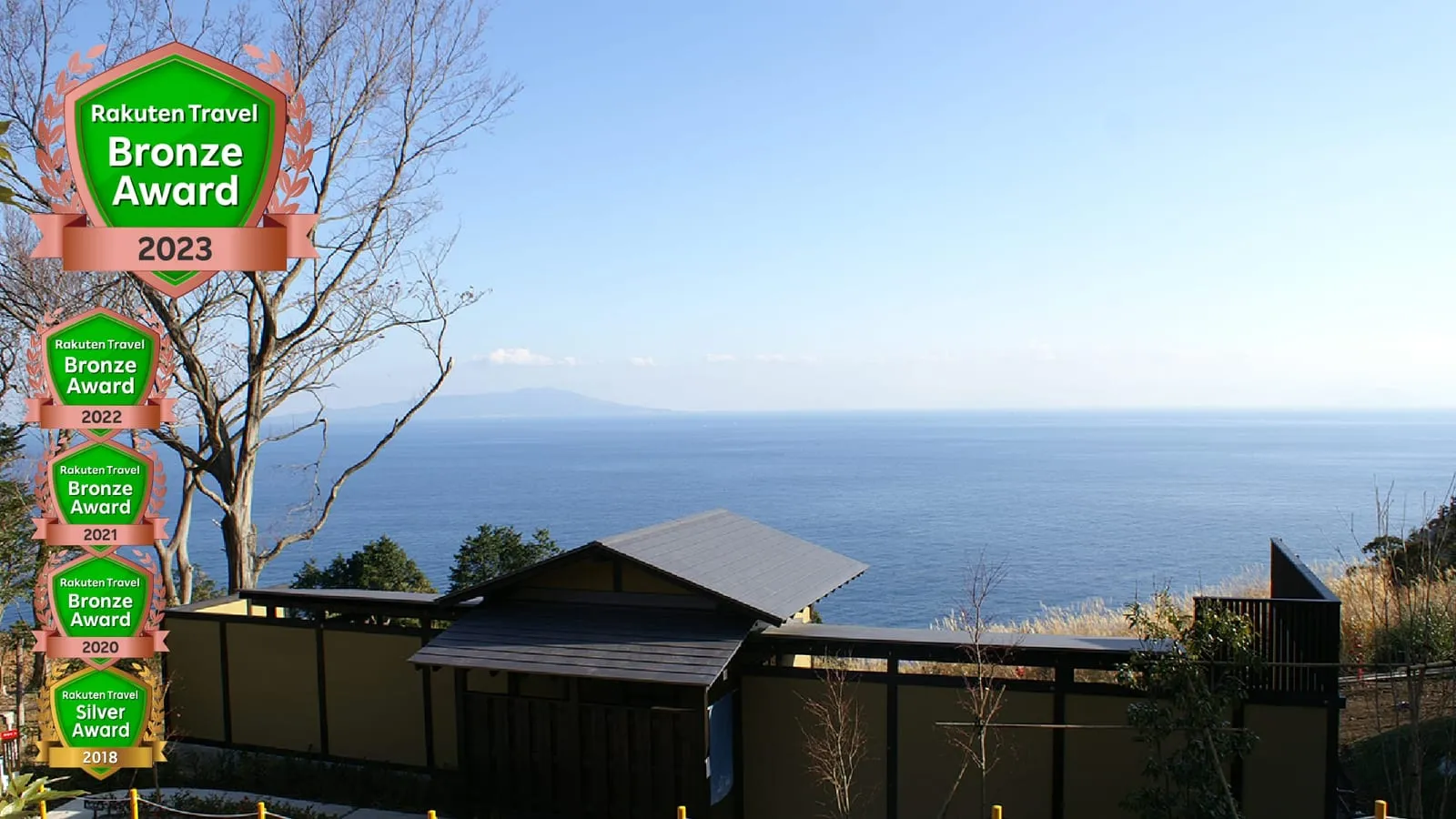
Oyado Fugetsumuben
2. Confirm the meal setup by age in months
Meals are where trouble tends to crop up most on a family trip. Even when a listing says "kids' menu available, " it's not unusual for the reality to be a single fixed kids' plate with no other option. If your child has an allergy, this can become a genuinely serious problem.
As a general pattern, properties with buffets that label allergens on each individual dish tend to have a more serious approach to feeding kids. Displaying that kind of labeling requires solid kitchen-side management to begin with, so whether it's there or not is a signal of how seriously a property takes this.
Check meals in this order
First, look at baby food service. Whether they serve food matched to your child's age in months changes both how much you pack and your peace of mind. At a property like Angel Grandia Echigo-Nakazato, which serves warm baby food split by stage (early, mid, and late), you don't need to bring your own. Next, allergy accommodation. Having ingredient labels at a buffet gives parents the reassurance of choosing with their own eyes. Finally, whether they can warm baby food. Properties with a microwave on each floor or in the dining area are the easiest to deal with; if there isn't one, it's worth asking at booking time whether the front desk can help.
Another thing that goes over well is a dedicated kids' buffet. At a property like Hotel Epinard Nasu, where the kids' buffet is set at a child's own eye level, the fun of grabbing food themselves makes mealtimes dramatically easier.
Crowding at the dining venue also affects satisfaction
This is easy to overlook, but the reservation system and peak crowding times at the dining venue genuinely affect how satisfied you'll feel. Reviews often mention things like "our kid's mood fell apart waiting in line for dinner" or "we couldn't get a table at breakfast during the peak rush."
The fix is simple. One option is to shift dinner to an earlier time slot (5:30-6:00 pm), which alone avoids a lot of the crowding. The other is to choose a property that offers in-room dining or a private dining room. With no need to worry about a tantrum bothering other guests, parents can actually focus on the meal too. Properties with a private-room option, like Musubi no Yado Airinkan, are especially reassuring for families with a child around age 3.
One more thing: with popular all-inclusive plans, taking "everything's included" too literally can leave you surprised. What's included tends to center on the buffet and light snacks and drinks in the lounge, while popular activities or special menu items often cost extra. The trick is to confirm what's included and what's an add-on before booking.
travel_exploreSearch by meal needs, area by area
See properties with allergy support or baby food service, sorted by the areas mentioned in this article
Find properties with baby food and allergy support
Find properties with baby food and allergy support
We've pre-selected properties that serve baby food matched to your child's age in months and take allergy questions in advance. Just add the area you want to visit to narrow it down
3. For the bath and hot spring, confirm the "3-and-under rule" first
The bathing environment is an easy blind spot at hot spring properties. Even if a listing says "has a hot spring, " it may not be usable with a young child. Rules like children still in diapers can't use the communal bath turn up at more properties than you'd expect. It's a hygiene-management decision, and finding out about it for the first time on-site, having booked without knowing, can be genuinely inconvenient.
That said, properties that advertise themselves as baby-welcoming tend, in the majority of cases, to allow children not yet potty-trained. Properties split in completely opposite directions on whether children age 3 and under are allowed, so this is one point that's worth confirming without fail before booking. You can also search for such properties through our list of properties where kids in diapers can get in the bath.
Check the bathing environment in this order
What matters most for families is whether a private or family bath is available. In a communal bath, being mindful of the people around you makes it hard to fully relax. Musubi no Yado Airinkan, mentioned earlier under meals, has multiple private baths where a family can soak on their own, undisturbed. If you go all the way up to an in-room bath or a room with its own open-air bath, you get complete privacy, so even children age 3 and under can use it without any issue. It costs more, but it's especially well-suited to a first trip with a young baby.
On top of that, how usable the changing area is tends to make a real difference too. Without a baby bed or baby chair there, just getting changed becomes a struggle. And even if they exist, a narrow aisle can get in other guests' way, so it's worth checking the size of the changing area as well. At a property like Hoshino Resorts Aomoriya, where the communal bath includes a baby chair and a baby mat, bathing solo with a child becomes much less of a challenge.
As a general pattern for spotting this, properties with a private bath, an in-room bath, or an in-room hot spring are often designed to work for children age 3 and under as well. Conversely, some long-established hot spring inns explicitly state "children age 3 and under cannot use the communal bath, " so a phone call to confirm before booking is the safest route. As a side note, how courteous the staff sound on the phone often turns out to be a good preview of how the staff will be on-site.
Even a property with "a hot spring" may not allow children not yet potty-trained. Confirming this before booking is essential.
4. Check whether the in-house play area lets you stay fully entertained indoors
On a family trip, which tends to be weather-dependent, the in-house play area has an outsized effect on satisfaction. A property where the whole day can run entirely inside the building turns out to be a more powerful asset for family travel than you'd expect.
At a property like Minakami Kogen Hotel 200, which has a spacious kids' space, a child can play for hours even on a rainy day. On the other hand, some properties limit the kids' space's operating hours, so it's worth checking the target age and hours in advance.
For play areas, check age, hours, and weather resilience
Even where a kids' space exists, it's sometimes limited to age 3 and up, with nothing for ages 0-2. A facility with zones split by age is more reassuring. Operating hours matter too: being usable before check-in or after checkout makes it easier to work around your child's routine. And what really boosts weather resilience is an indoor pool. Chateraise Gateaux Kingdom Sapporo has a large indoor pool, letting kids play in the water even in winter. A toddler pool around 30cm deep gives peace of mind even for a small child who can't swim yet. If you're searching specifically around indoor play areas, our list of properties with a kids' room or playroom is a useful shortcut.
A property that lets you "cycle" helps parents the most
One thing not to overlook is the value of having the play area and the lounge close together, in the same building. While a child is absorbed in the play area, parents can take a breather in the lounge. Once the child gets bored, they can head straight back to the room, swap gear, and go play again. At a property where this "cycle" actually works, how exhausted the parents end up is dramatically different.
In contrast, a property built around heading out to local sights always comes with the ongoing burden of moving around, changing clothes, and managing a child's mood. For a lot of families, the first two or three years of traveling with kids taught them that choosing a fully self-contained property is overwhelmingly easier than chasing sightseeing spots.
Whether the whole day can run entirely inside the building, even in rain, has a huge effect on how satisfied you feel about a family trip.
auto_awesomePick a property where kids can play indoors all day
Collections of properties with play areas kids love, and properties where you can spend the whole stay inside, from check-in to checkout
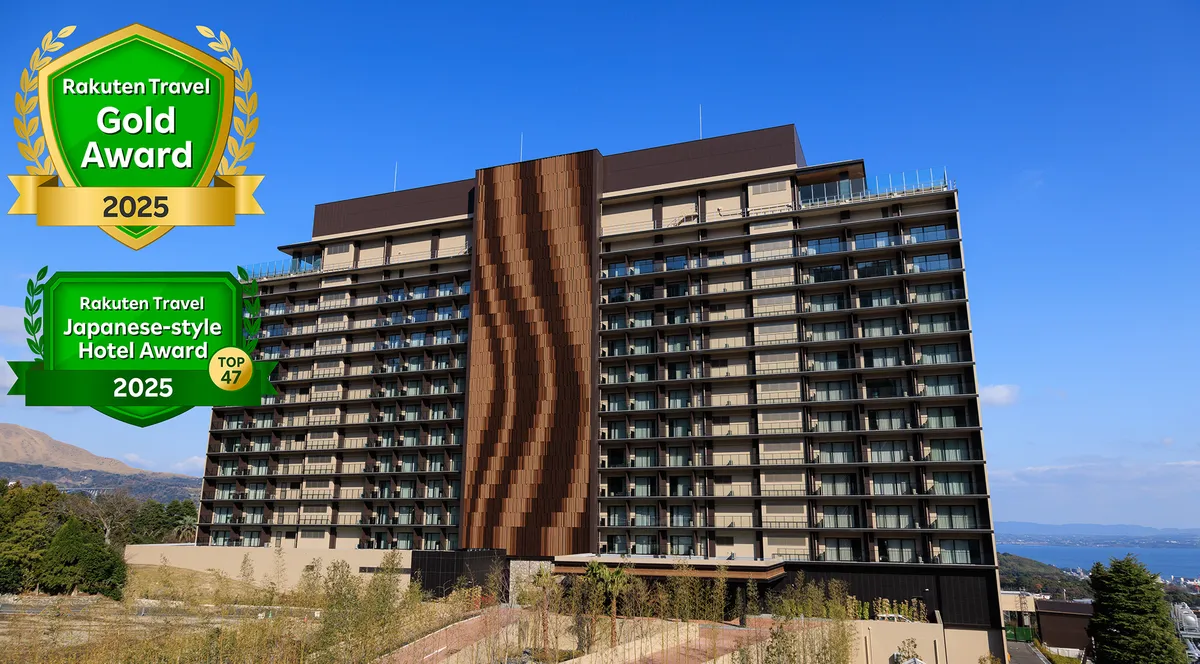
Hotels Kids Love
Water slides, indoor adventure playgrounds, even themed rooms. Hotels where children get to be the main character, chosen from our confirmed amenity data and sorted by area across Japan
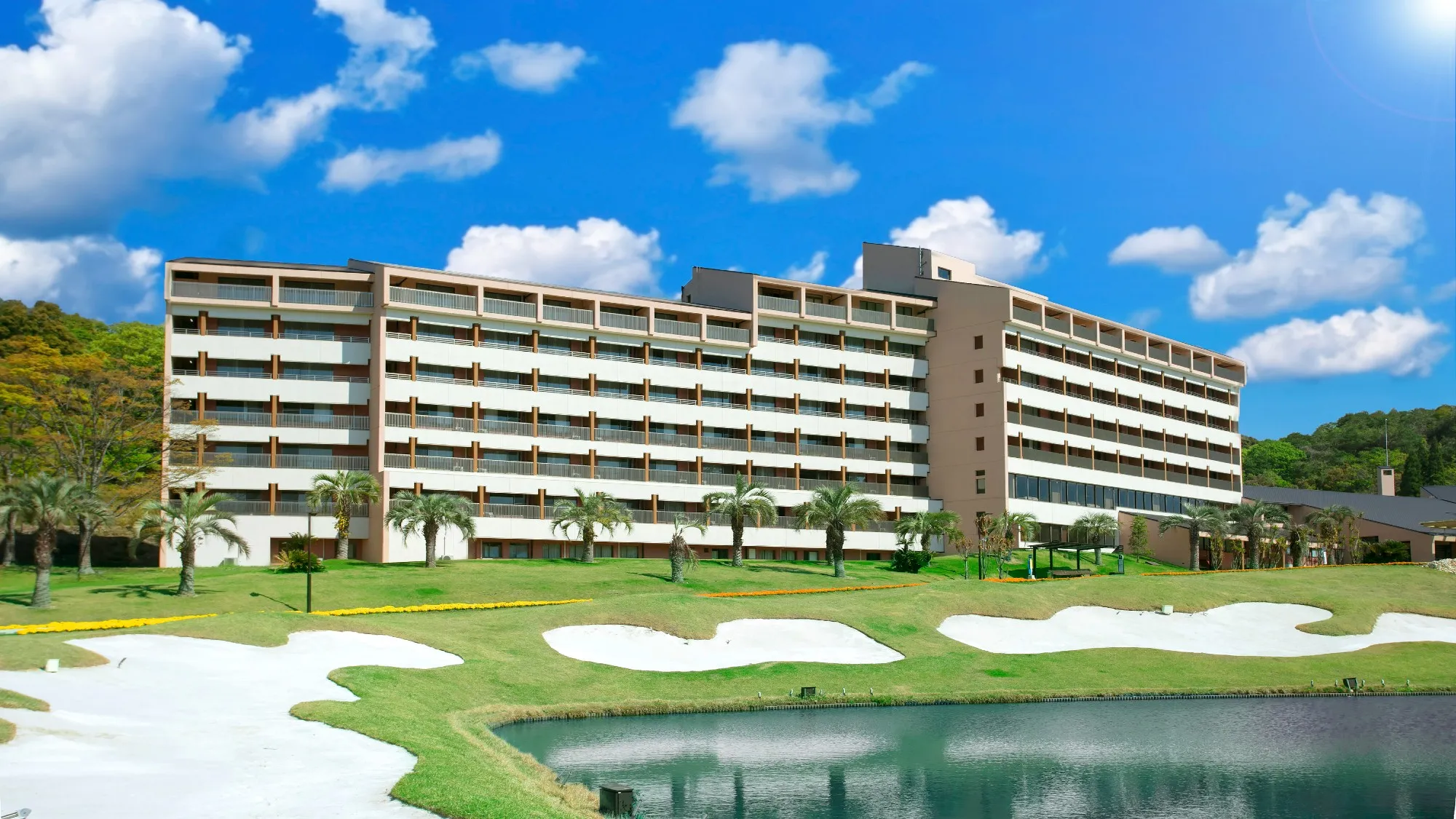
Hotels You Never Have to Leave
Rain or blazing heat, zero sightseeing, everyone still happy. Hotels with the pool, the play area, the baths and the meals all under one roof, for a trip where you never go out
5. Calculate how much you can go hands-free using rental equipment
Left unchecked, a family trip's luggage balloons out of control. That's exactly why a property with a strong rental equipment lineup can dramatically cut down what you pack. Checking the rental list in advance and only bringing what's missing can easily cut your luggage in half or more.
Rental equipment worth checking
The first thing to lock down at the same time as booking is a crib and bed guard. These are limited in number during busy periods, so the trick is to call and request them at the time of booking; leaving it until the last minute can mean they're already taken. A quietly effective item is a diaper trash bin: an odor-blocking type makes a huge difference to how comfortable the room feels; without one, you'll end up relying on ziplock bags instead. During the nursing stage, having a bottle sterilizer and formula-prep pot on hand alone dramatically lightens your luggage, and having 70°C hot water always available at the front desk makes nighttime feedings much smoother too. At a spacious resort, a rental stroller for getting around the grounds is handy as well.
Hotel Epinard Nasu, mentioned earlier under meals, also has an extremely strong rental lineup, enough that you can travel nearly hands-free. It has a crib, a toilet training seat, a step stool, a stroller, a bottle-washing set, and even a diaper trash bin, and you can also ask the staff to sterilize bottles you bring from home in the microwave. City hotels and older ryokan (traditional Japanese inns), on the other hand, tend to offer limited rentals, so the less a property explicitly markets itself as family-friendly, the more essential it is to check the rental list in advance.
Split things into "bring yourself" and "rent"
Relying entirely on rentals is a problem if the item happens to be out of stock. Here's a rough way to divide things up. Always bring yourself: diapers, a change of clothes, a favorite toy, medicine, and a thermometer. These are items you can't substitute if the property happens to be out. Rent if available: a crib, bed guard, baby bath, toilet training seat, or stroller, all bulky items you can source locally instead. Either is fine: baby soap, unless your child has sensitive skin, in which case bring your own. This split lets you manage both how much you carry and the risk of running into an out-of-stock item. For the full picture of what to pack, our packing checklist for family trips by age is a handy reference.
Cribs and bed guards run out fast during busy periods. Secure them by phone at the same time you book.
hotelProperties with a full set of rental equipment
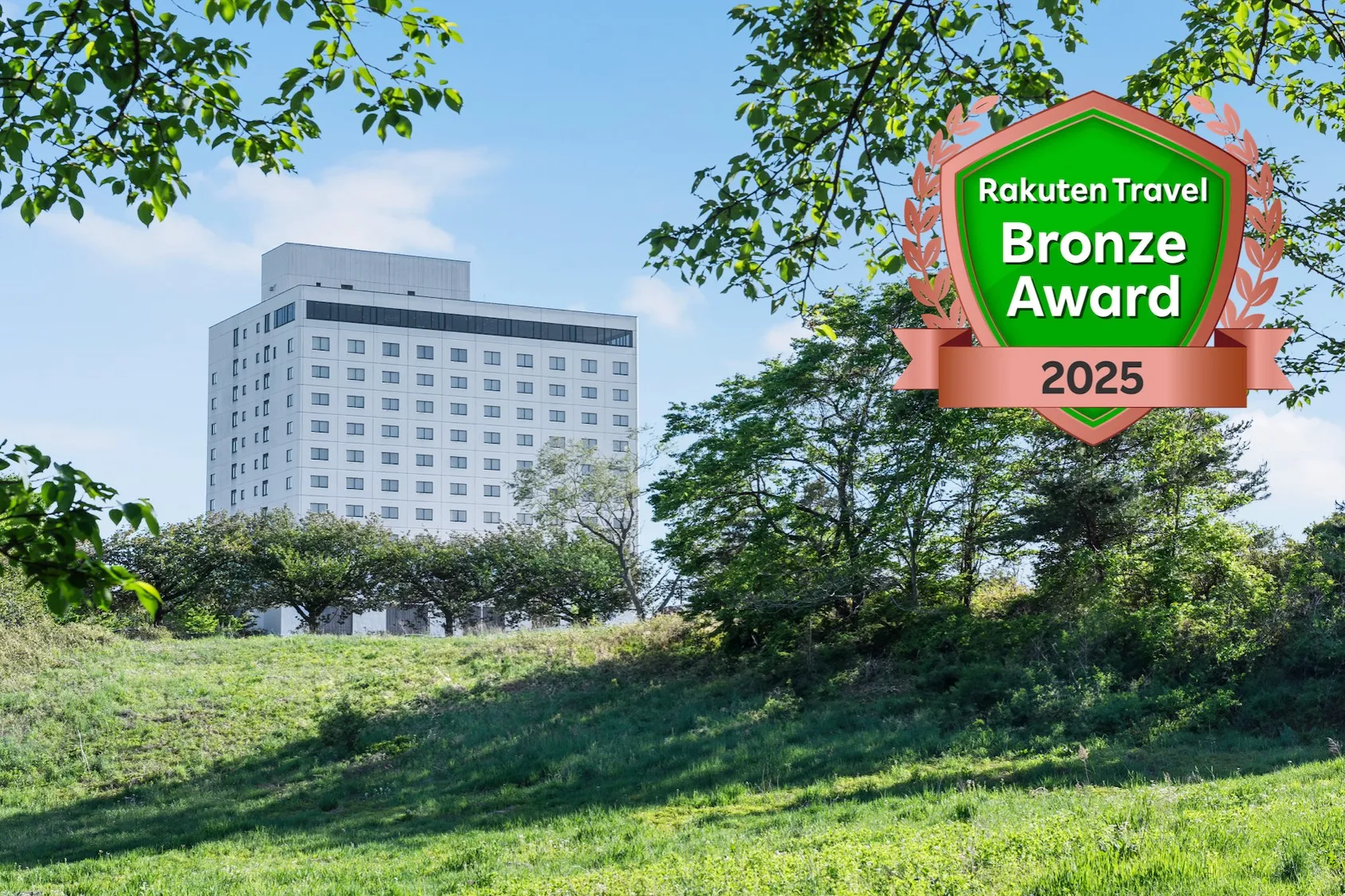
Five properties certified as Welcome Baby stays (a Japanese baby-friendly certification) where we've confirmed a crib in the room, a baby bed in the changing area, and even a formula-prep pot
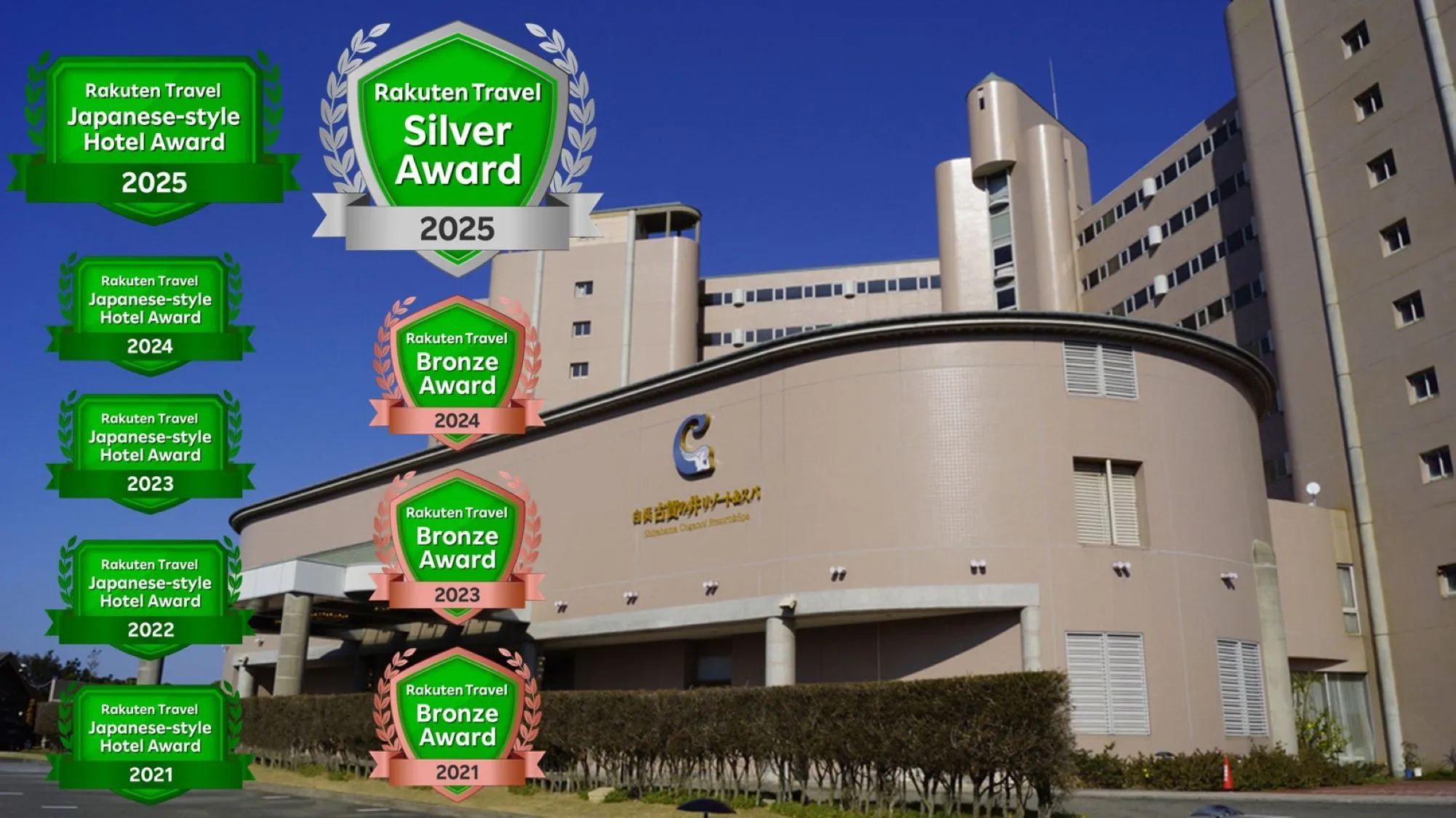
Shirahama Coganoi Resort & Spa
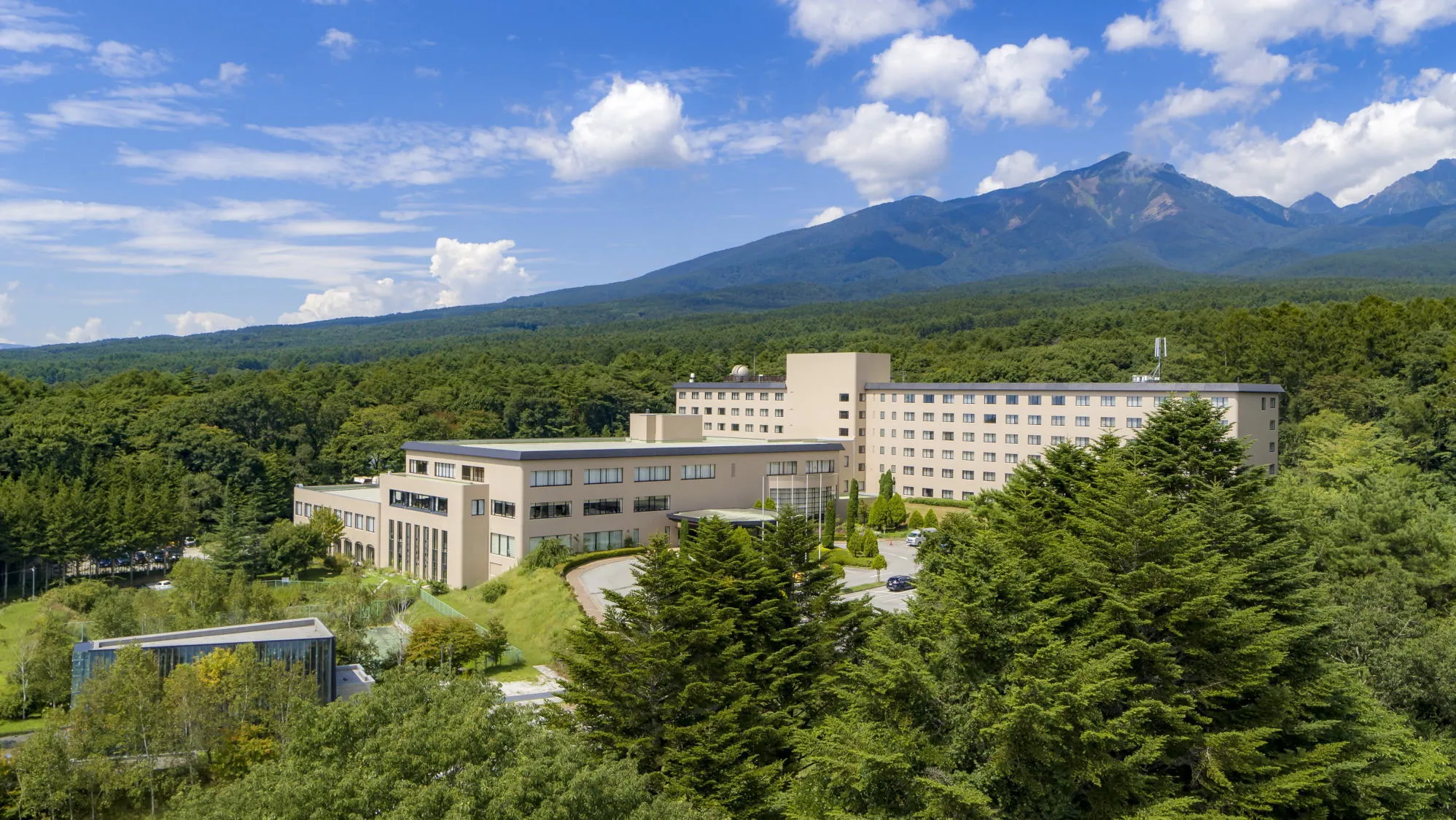
Grand Mercure Yatsugatake Resort & Spa
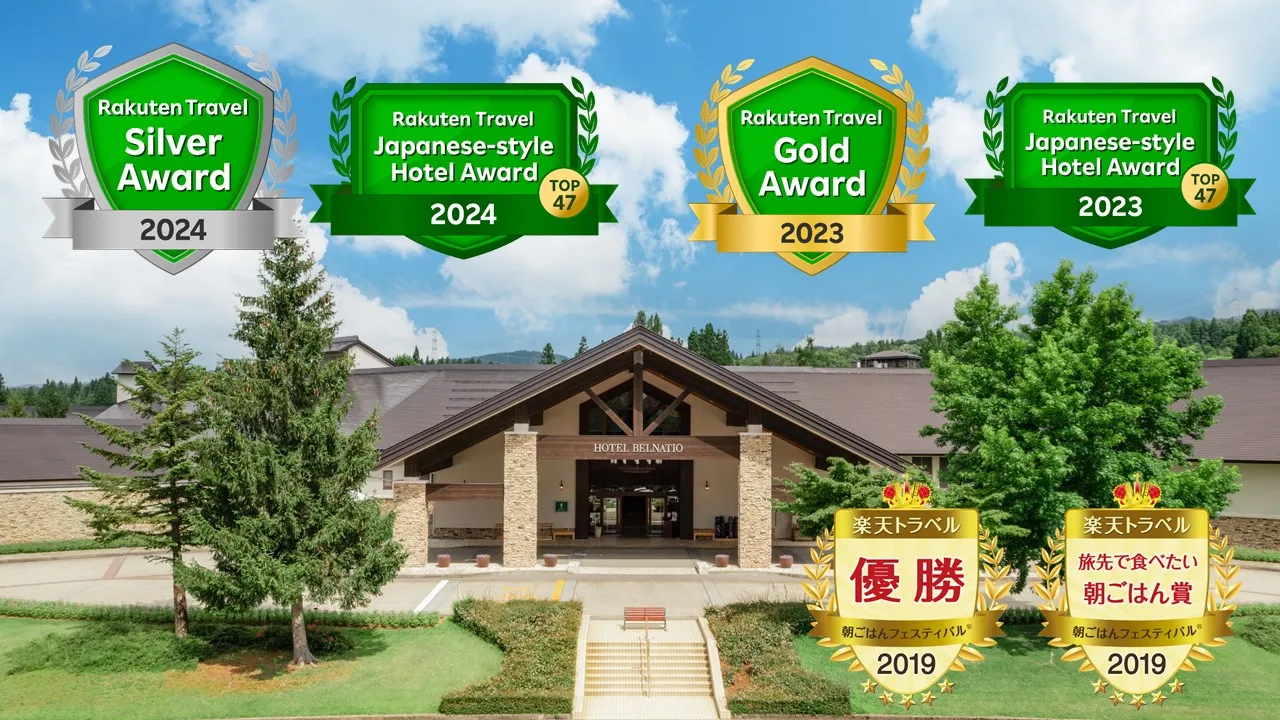
Atema Kogen Resort Belnatio
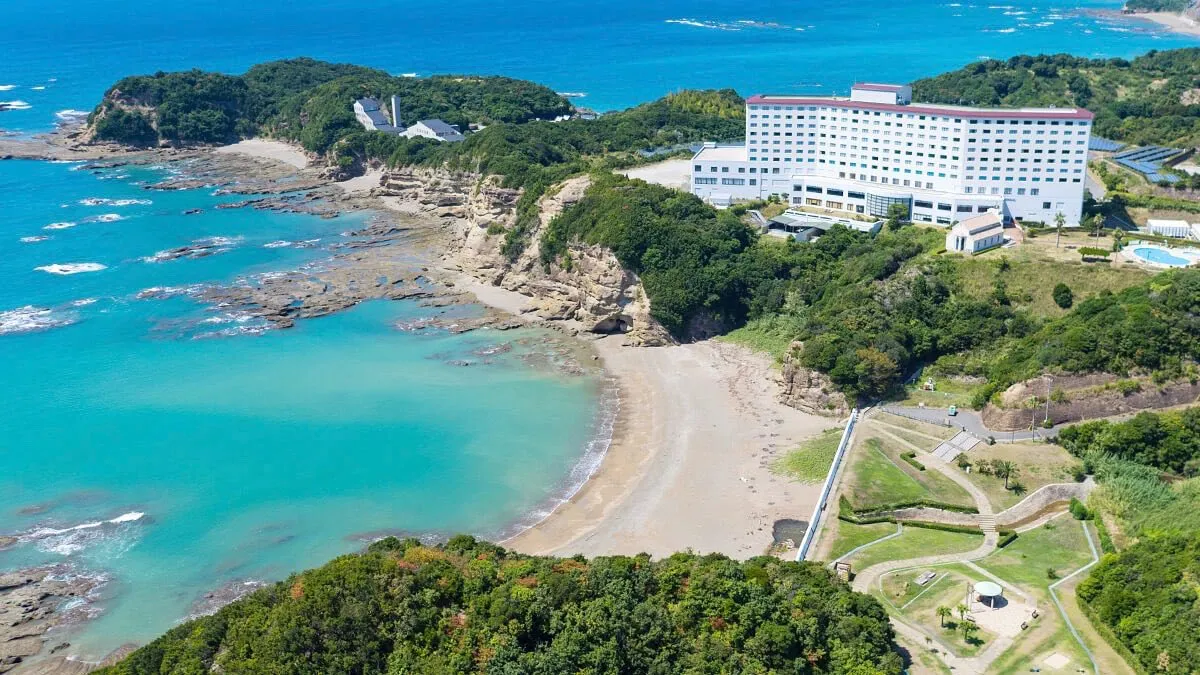
Grand Mercure Wakayama Minabe Resort & Spa
Grand Mercure Nasu Highlands Resort & Spa
A 30-minute checklist you can run before booking
Checking all five points from scratch every single time is a hassle, so it helps to turn it into an order you can run through in 30 minutes before booking.
The order to check on the official site
Start with the room types page on the official site and confirm from the photos whether it's no-shoes, what the baby room/kids' room specs look like, and whether there's a low bed. Next, check the dining page for baby food, a kids' menu, allergy accommodation, and whether a private dining room exists. Then check the bath page for a private bath and the "3-and-under rule."
After that, check the in-house facilities page for the kids' space and pool's target age and hours, and finally, check the rental equipment page to list what you don't need to pack.
The items left to confirm by phone
Once you've covered all of this on the official site, calling to confirm only what's left unclear is the most efficient approach. If a Japanese-language phone call feels daunting, an email or a message through your booking site does the same job. How the staff handle your inquiry is also a signal of the property's overall atmosphere.
articleMore on how to choose


Summary
Choosing a family hotel isn't just about whether it "has a kids' room." The trick is to look at all five axes, room safety, meals, the bath, the play area, and rental equipment, starting from your child's age. Even at the same property, the right room changes with your child's age in months, and whether the whole day can run inside the building makes a world of difference to how exhausted the parents end up. Confirm the reality through the official site and reviews, then clear up whatever's left by phone. That small amount of extra effort makes a clear difference to how satisfied you'll be with the trip. Start by revisiting your next trip's candidates through these five axes.
Frequently Asked Questions
From how many months old can a baby stay at a hotel?
A. From 3 months old is commonly cited as a general guideline. Before that, a baby's health tends to be less stable, so it's a good idea to plan around the one-month checkup and the vaccination schedule. Choosing a property that specializes in a fully-equipped baby room lightens the burden even for a first-ever trip.
Can a child not yet potty-trained still use the hot spring?
A. This splits in completely opposite directions depending on the property. Properties that advertise themselves as baby-welcoming allow children not yet potty-trained in the majority of cases, but some adult-oriented properties and long-established inns state that "children not yet potty-trained cannot use the communal bath." A property with a private or in-room bath works regardless of age, so if you're unsure, calling to confirm before booking is the safest route.
With kids, is a hotel or a traditional ryokan better?
A. Broadly speaking, the pattern is that families with a baby aged 0-2 tend to do better at a resort hotel with standardized facilities, while for age 3 and up, a ryokan's experience value also becomes a real option. Hotels tend to have abundant rental equipment and an easier layout to move around in, while ryokan offer the reassurance of tatami rooms and a stronger choice of private baths. We dig into this comparison in more detail in Hotel or ryokan with kids? A comparison guide.
Find properties with a kids' room
Find properties with a kids' room
Related articles


Seasonal collections
Winter Break With Kids
Travel in the first or second half of winter break and skip the New Year crush. Choose by snow play, hot springs, the warm south, or city playgrounds
Christmas With Kids in Japan
Book December weekends early. Three ways to spend it: city hotels, dinner-included resorts, or snow and hot springs
Autumn Leaves With Kids
Peak color timing, plus hotels in autumn leaf areas you can manage with a baby or toddler, from Hokkaido to Kyushu
Autumn Highland Play
In the season that is neither hot nor cold, find hotels where kids can run around outside. Highland areas with outdoor play areas and adventure courses, from north to south
Winter Onsen With Kids
Winter onsen towns from north to south, where an in-room bath, a reservable private bath and meals in your room mean you never have to go out
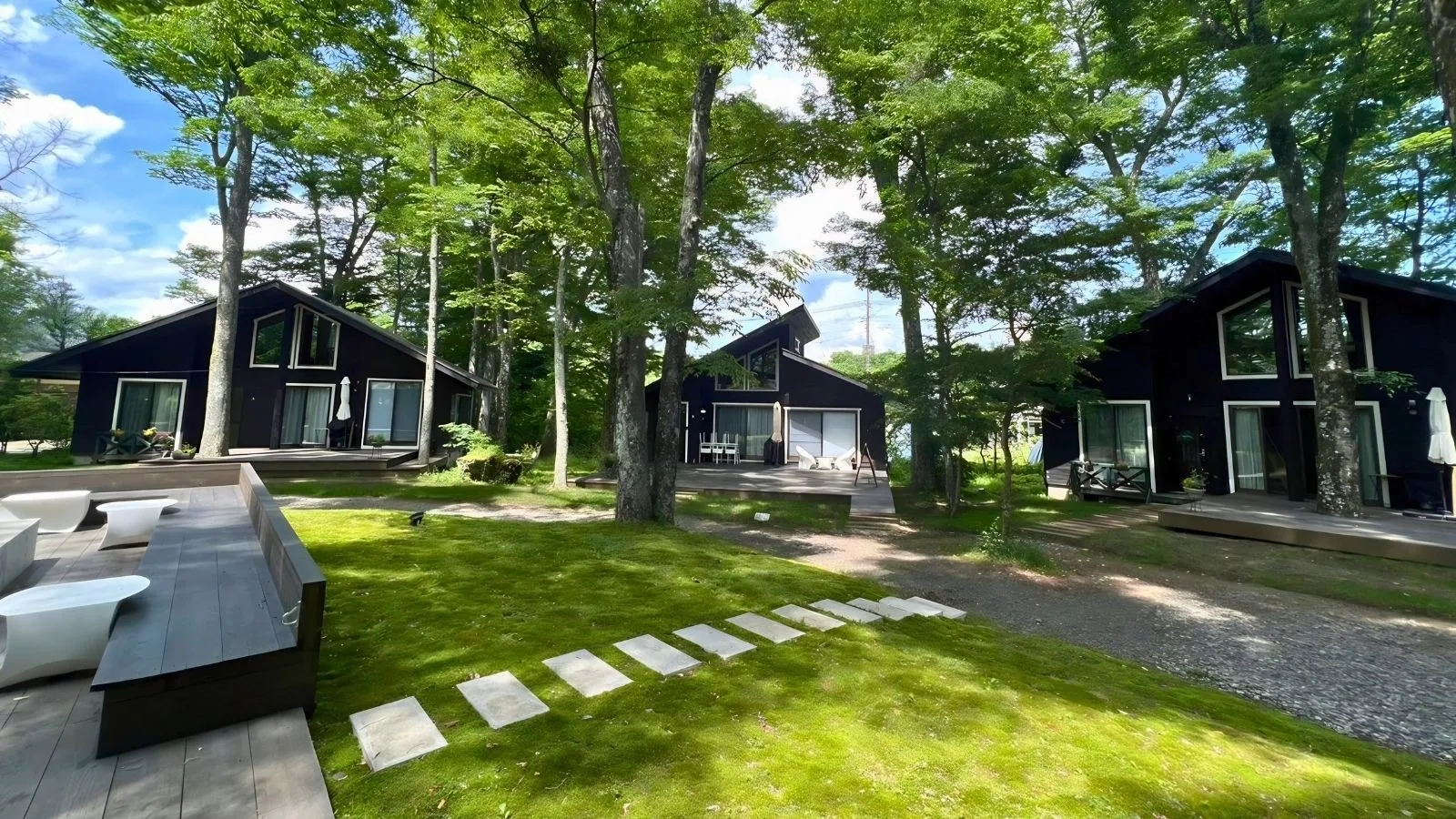
Autumn Cottages and Glamping
No one else to worry about, at your children's own pace. Areas with self-catering villas, cottages, and glamping, from north to south