
Golden Week in Japan With Kids: How to Beat the Crowds

This site uses affiliate links; we may earn a commission on bookings.
Yes, you can absolutely travel around Japan with kids during Golden Week, but the trip you get depends almost entirely on which days you pick and how early you book. Golden Week is a cluster of national holidays in late April and early May when a large share of the country takes the same days off at the same time. In 2026 it opens with Showa Day on Wednesday, April 29, followed by two ordinary weekdays, and the main run is the five days off from Saturday, May 2 through Wednesday, May 6. The three days from May 3 to May 5 are the crunch: peak highway traffic, packed sightseeing spots, and the highest hotel prices of the season all land there.
If your travel dates are locked in by school at home, plan around those three days rather than through them. If you have any flexibility, the two bookend days have more hotel availability, and demand drops sharply from May 6 onward. And whichever you choose, family friendly hotels in Japan want more lead time than you might expect.

Find hotels with a kids' room
Find hotels with a kids' room
On Kids Stay, you can search only hotels with a kids' room right from the start. Just choose an area and the number of guests.
hotelOur pick
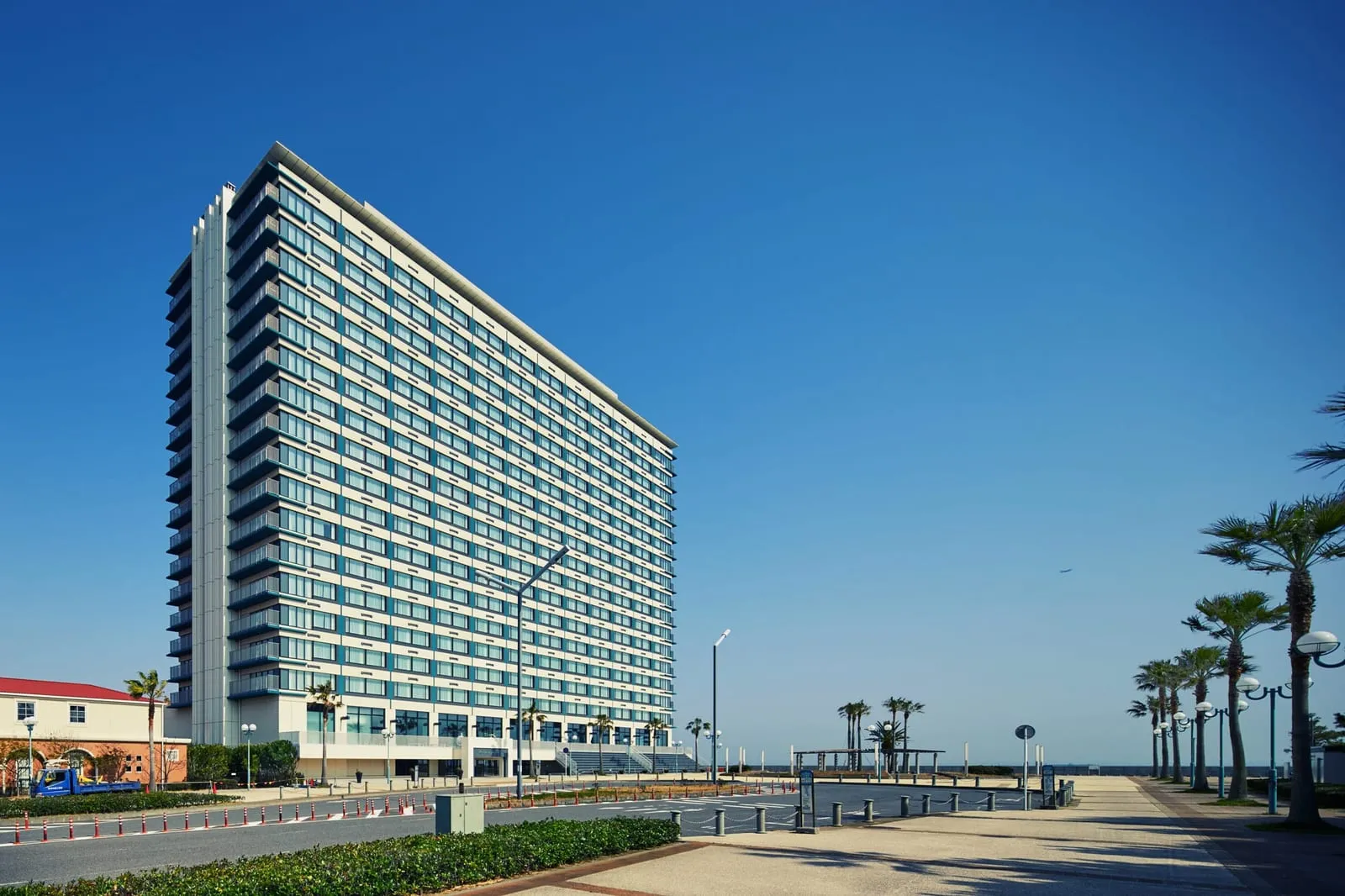
A city hotel about a 1 minute walk from Shiomi Station on the JR Keiyo Line, with a large communal bath reserved for hotel guests. Its kids' room, stocked with toys and beanbag cushions, is free to use from 6:30 a.m. to 9:00 p.m.

menu_bookContentsexpand_more
- What Golden Week Is, and Which Days Actually Get Crowded
- Book 3 to 4 Months Ahead, and Read the Cancellation Policy
- Trains, Cars, and Getting Anywhere During Golden Week
- Choosing a Hotel for a Week When Everything Outside Is Packed
- Where to Go, and How Far to Go
- Age by Age: What to Get Right
- Your Planning Order, Start to Finish
- FAQ
What Golden Week Is, and Which Days Actually Get Crowded
Golden Week isn't one holiday. It's several national holidays falling close together, and because most of Japan travels in the same window, demand concentrates into a handful of days rather than spreading evenly across the break.
The 2026 calendar at a glance
In 2026, Golden Week opens with Showa Day on Wednesday, April 29. April 30 and May 1 are regular weekdays, and the main run is the five consecutive days off from Saturday, May 2 through Wednesday, May 6, which is a substitute holiday. Within that stretch, May 3, May 4, and May 5 (Constitution Memorial Day, Greenery Day, and Children's Day) are the busiest of all. Highway traffic peaks, popular sightseeing areas fill up, and hotel rates climb, all inside those three days.
One related thing worth knowing if you're considering late March instead: Japanese schools are on spring break from roughly late March into early April, and preschools and daycares often run their break through the first week of April. Demand from families with babies and toddlers rises noticeably in that window, so family focused hotels are busier then too.
The two days most visitors overlook
The first day of Golden Week, April 29, and the last day, May 6, both tend to have more hotel availability than the middle. If you want to be in Japan during the holidays but not inside the worst of it, building your itinerary around those two bookend days gives you far more room to move.
The crowds reset faster than you'd think
The day or two around May 5 is the absolute peak, but demand drops off sharply after May 6. Many people assume the crush continues until around May 10. In practice, things reset almost immediately once Golden Week ends. Japanese guest reviews repeatedly mention that everywhere had availability once they traveled the day after Children's Day, and that sightseeing after checkout went smoothly. If you can shift your Japan trip so it starts on May 6, you get far lighter crowds.
The quiet window between the breaks
From mid to late April, in the stretch after Japanese spring break ends and before Golden Week begins, sightseeing areas are comparatively calm and hotel prices settle back down. For families with babies and toddlers who aren't tied to a school calendar, this window is often easier to book and less crowded.
Later days in a long break tend to be busier than earlier ones, during both Golden Week and Japanese spring break. Traveling in the first half gives you more hotel options.
Book 3 to 4 Months Ahead, and Read the Cancellation Policy
You already know you should book early. The harder question is how early. For a family friendly hotel over Golden Week, start looking 3 to 4 months ahead.
How fast the family rooms disappear
Alongside summer vacation, Golden Week is one of the two busiest family travel seasons in Japan, and hotels that tick every family box fill fastest: baby friendly certification, a dedicated kids' space, buffet style meals. It's common to see Japanese guest reviews saying that by the end of March, the plan they wanted had only one room left. Hotels next to theme parks fill even earlier, and the official park hotels can be fully booked six months before Golden Week.
Catching a cancellation, and what it costs you in effort
The one to two weeks right before Golden Week is when cancellations start appearing. Cancellations for reasons like a child running a fever cluster in exactly these family heavy seasons, so watching for a freed up room is a legitimate strategy.
That said, waiting on a cancellation at one specific hotel in one specific area takes real effort. It's more realistic to turn on watchlist or favorites alerts on whichever booking site you're using, or to keep the trip itself flexible while you wait for something to open.
Booking 3 to 4 months out is ideal. If you haven't settled on one hotel, it's easier to narrow to three or four candidates around the two month mark and check them all in one sitting.
Early bird rates versus staying flexible
Early bird plans discount more deeply, but they usually come with steeper cancellation fees. Families with young children cancel on short notice more often than most travelers, so always check whether the plan still allows free cancellation close to the stay. Plenty of reviews describe locking in an early rate and then getting badly stung by a last minute cancellation.
Some hotels set up plans with free cancellation up to 30 days before, or changes allowed until the day before. Get into the habit of filtering by cancellation policy when you search, or reading the terms on the plan's own page before you commit. For a long haul international trip, a slightly higher flexible rate is often the better buy.
For more on timing, see our complete guide to the best time to book a family trip.
Trains, Cars, and Getting Anywhere During Golden Week
The third thing to plan is how and when you move. Traveling with kids is several times more stressful than traveling as adults, and a long Golden Week traffic jam is exactly the kind of thing a child remembers as the worst part of the trip.
Shinkansen seats go on sale exactly one month ahead
For routes that are impractical by car, or corridors where holiday traffic is worst, the shinkansen (bullet train) is usually the better call with kids. Osaka to Kyoto to Nara, Tokyo to Hakone and Izu, and Tokyo toward Sendai are all routes where the train saves families meaningful time.
Reserved seats go on sale at 10:00 a.m. exactly one month before the travel date, and during Golden Week a popular departure can sell out that same morning. Set an alarm for 10:00 a.m. Japan time one month before each of your travel days. Japanese reviews frequently mention being glad they acted first thing on the morning tickets opened.
One practical note for visiting families: holiday trains and platforms get very crowded, and a bulky stroller is hard to manage in that crush, so a compact folding stroller or a carrier makes the day much easier.
If you're driving, departure time decides everything
Holiday traffic runs in predictable directions. Outbound (from the cities toward tourist areas) is worst from 8:00 to 10:00 a.m., while inbound (back toward the cities) peaks around 3:00 to 5:00 p.m.
For outbound driving, leaving during the 6:00 a.m. hour or waiting until after noon usually lets you skip the worst of the jam.
Family travel reports consistently describe leaving at 5:00 or 6:00 a.m. and finding the expressway clear. With younger children, an early start works especially well because they fall back asleep in the car, and eating breakfast on the road is a pattern many families rely on.
Plan the breaks before you hit the jam
When driving with kids, a break every 1 to 1.5 hours is the target. Once you're inside a long jam you lose the ability to stop at all, so plan a service area or parking area stop before the congested stretch rather than after it.
Which stop you pick matters too. The large service areas on Japanese expressways often have a kids' corner where children can move properly, and families make deliberate use of them: let the kids run for 30 minutes before the slow section, and they frequently nap through it. Other practical habits that come up again and again: avoid mountain routes if your child gets carsick, keep drinks out of the back seat because spills are miserable in a packed car, and work backward from arriving before dark.
Choosing a Hotel for a Week When Everything Outside Is Packed
Because rooms fill fast, you'll often be choosing from whatever is still available. Knowing the few things you shouldn't compromise on makes that choice much faster.
In house play space beats room size
It's easy to assume a bigger room is what matters. In practice, where your child can play inside the building shapes how the stay feels far more often. Being stuck in one room builds stress for kids and parents alike.
A hotel with a kids' room, an indoor play area, or a pool is valuable precisely because it lets a child move freely inside a safe boundary no matter the weather. Highly rated reviews from families often say the child practically lived in the kids' room and the parents finally got to rest. Low rated ones say the opposite: the room was spacious but there was nothing to do beyond the beds. The difference is less about the hardware than about how much of the day the child can actually fill on site.
That matters more than usual during Golden Week, since the later days of the holiday have trended rainier in recent years. A hotel where a whole day can happen indoors is real insurance.
Room size mostly affects comfort at bedtime. For daytime, prioritize how much of the building your child is allowed to use.
For the fundamentals, see 5 points to check so you don't regret your family hotel choice.
Check in and dinner times save the day you lose to traffic
Holiday travel runs long, and late arrivals are routine. Even at a hotel with check in from 4:00 p.m., holiday traffic pushing your actual arrival to 7:00 p.m. is completely normal. Reviews suggest hotels are often flexible when guests call ahead about a delay, but confirm the dinner service start and end times before you book, because a fixed early dinner seating and a 7:00 p.m. arrival do not mix. Buffet style hotels tend to be more forgiving on timing, which is why families rate them well during the holidays.
Which facility you actually need depends on your child's age
Searching for a hot spring, a pool, and a kids' room all at once leaves you with too many filters and nothing to book. Decide the priority first:
- Ages 0 to 1: a baby bath, a crib, and a diaper changing space matter more than an onsen
- Ages 2 to 3: indoor play facilities directly prevent the evening meltdown
- Ages 4 to 6: an outdoor play area or a small pool makes the afternoon easy
- Elementary school age: activities and hands on programs are what lift the whole trip
If an onsen (natural hot spring bath) is on your list, note that the main baths are usually shared and used without swimwear. That's why families with babies specifically look for a private or family bath, and check how the hotel handles children who aren't potty trained yet.
Where to Go, and How Far to Go
At the destination stage, you'll go wrong less often by working backward from your family's realistic travel time limit and the one thing you actually want to do, rather than asking which region is generally kid friendly.
Close to the big cities
The younger your child, the more travel time translates directly into comfort. Around greater Tokyo, Hakone, Izu, Nasu, Nikko, and the Boso area are the classic family destinations, and the expressways heading to all of them are exactly where holiday traffic concentrates. One quirk of Golden Week is that the nearest destinations get the most competition: anything within a two to three hour drive of Tokyo is fiercely contested. Yamanashi, and specifically the Fuji Five Lakes area, stays relatively reachable from central Tokyo while offering a wide range of hotel types, which is why families keep choosing it.
Kansai, Hokuriku, and going all the way south
In Kansai, Arima Onsen, Nanki Shirahama, and Mie (around Ise Shima and Suzuka) are the established family picks for the holidays. Hokuriku, meaning Ishikawa and Fukui, has seen demand rise since the shinkansen extension improved access, and it's expected to be busy again during Golden Week 2026. Kyushu and Okinawa are a long trip from Tokyo or Osaka, and Okinawa means a flight, but their resort facilities are better developed than the distance suggests, which suits the approach of going far once rather than moving constantly.
What the trip's purpose changes
| Purpose | What to look for in the hotel |
|---|---|
| Beach | Convenient changing rooms and showers, and a place to rinse off sand and salt water |
| Mountains and highlands | Insect protection on hand, and rental cold weather gear for kids |
| Next to a theme park | Early check in or late check out, and a room where a tired child can nap |
| Hot spring inn | A private or family bath, and a policy for children not yet potty trained |
One base, or two
On a long holiday stay, say five nights and six days, it's tempting to string together two or three destinations. But the younger the child, the more consistently families report that settling into one or two places wins. Travel posts from parents of children age three and under repeatedly say that moving every day exhausted the parents more than the kids, and that the child smiled more when they wrung everything out of a single place.
Age by Age: What to Get Right
Most of the disappointment families report about holiday trips traces back to a hotel or an itinerary that didn't match the child's age. A short age specific checklist before you book makes the plan concrete.
Ages 0 to 1: short travel and good baby gear
At this age the real question is whether the parents can rest. Ease of feeding and diaper changes, and whether the baby has a workable sleep setup at night, drive how the stay goes. Highly rated reviews from families with babies mention a sturdy crib, soundproofing good enough that night crying wasn't a worry, and front desk staff bringing a bottle sterilizing kit right away when asked.
Travel time matters just as much. What counts at this age is being able to stop when it's time to feed, which on the expressway means planning a break every two hours. Reviews are blunt about it: long distance travel is rough on a baby, and the years families kept it to one or two hours were far easier. For a first holiday trip with a baby, keeping travel under two hours each way is a realistic design rule.
Our complete guide to your baby's first hotel stay covers what to pack and what to confirm.
Ages 2 to 4: somewhere to burn energy, and flexible meals
This is the stage where a child wants to do far more than they can manage yet, and that frustration surfaces during long travel and long meals. What this age needs from a hotel is somewhere on site to burn energy: a playroom, a wide lawn, a sandbox, small play equipment. With those, a child is often satisfied without a single outside attraction.
On food, whether there's a kids' menu and whether allergies can be accommodated decides how tense mealtimes are. Buffet style dining rates especially well with this age group, both because it's easy to find something the child will actually eat and because nobody is watching the clock. Reviews from parents of two to four year olds mention exactly that relief again and again.
For ages 2 to 4, judge a hotel by asking whether you could spend an entire rainy day there without leaving the property.
Elementary school age: the experience is the trip
By elementary school, stamina, curiosity, and opinions all grow at once, and the requests multiply. Here, satisfaction depends less on the hotel's facilities and more on the hands on programs it offers or can arrange. Fishing, horseback riding, farm work, craft workshops, and night hikes are the kinds of things that make a child call the trip genuinely fun. Reviews from parents of school age kids keep landing on the same point: what stuck was the thing the child saw through themselves.
Your Planning Order, Start to Finish
Work in this sequence and the trip mostly plans itself: dates, then booking, then transportation, then the hotel, then the area, then a final age check.
The two decisions that matter most are locking your dates before your destination, and starting the hotel search 3 to 4 months out. Simply designing your schedule around May 3 to May 5 changes your options, your prices, and how much of each day you spend moving. After that, prioritize a hotel where your child can play indoors over one with a bigger room, and narrow by the facilities their age will actually use.
FAQ
When should we book a hotel for a Golden Week trip with kids?
Start looking 3 to 4 months out, so around January or February, for the popular family friendly hotels. Some properties open bookings roughly six months ahead, around November, and theme park official hotels can be full that far in advance, so narrow your destination and shortlist early. For Japanese spring break in late March and early April, which is less concentrated than Golden Week, options often remain two to three months out.
Is it worth visiting Japan during Golden Week at all?
Yes, if you shape the trip around it. The pressure is concentrated in May 3 to May 5, so book the bookend days of April 29 and May 6, or start your trip once the holidays end and the crowds reset. Pair that with a hotel where a whole day can happen on site, and the holiday week is very manageable.
Hotels look expensive that week. How do we get better value?
Simply avoiding May 3 to May 5 can bring prices down by 30 to 40 percent. All inclusive hotels, where meals, drinks, and activities are bundled, are also worth a look for families, since the extras that normally pile up are already covered.
If we're driving, what's the best departure time to avoid traffic?
Heading out of the cities, leaving during the 6:00 a.m. hour is the most reliable way to stay ahead of the jam, and after noon is the next best window. Many families leave while the kids are still asleep and eat breakfast at a service area. Coming back toward the cities, avoid the 3:00 to 5:00 p.m. peak.
How do we get shinkansen seats during the holidays?
Reserved seats go on sale at 10:00 a.m. exactly one month before the travel date, and holiday departures can sell out that morning. Book at that moment for each travel day rather than waiting until you arrive in Japan.
Find hotels with a kids' room
Find hotels with a kids' room
Related articles



Seasonal collections
Christmas With Kids in Japan
Book December weekends early. Three ways to spend it: city hotels, dinner-included resorts, or snow and hot springs
Winter Break With Kids
Travel in the first or second half of winter break and skip the New Year crush. Choose by snow play, hot springs, the warm south, or city playgrounds
Autumn Highland Play
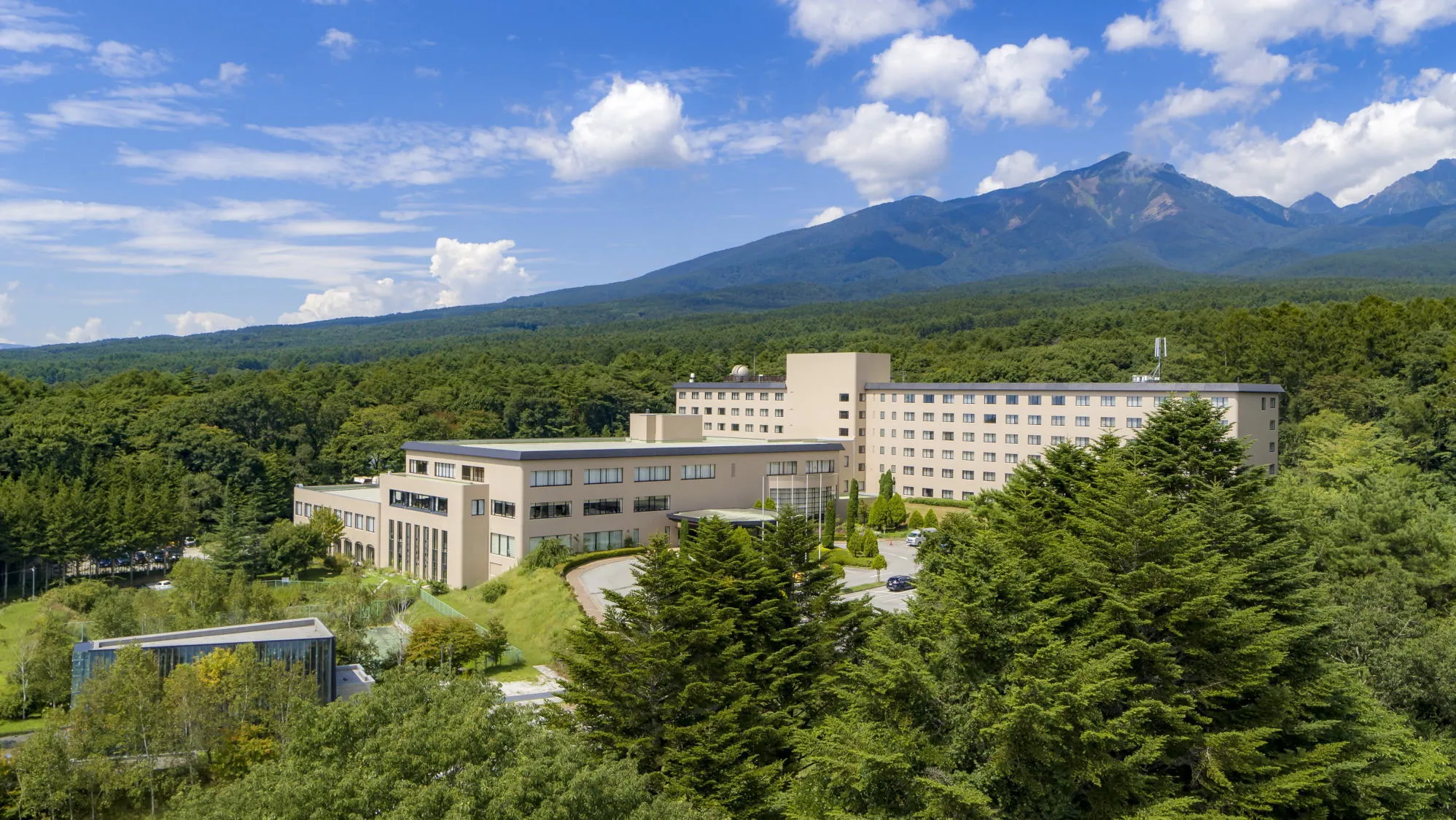
In the season that is neither hot nor cold, find hotels where kids can run around outside. Highland areas with outdoor play areas and adventure courses, from north to south
Winter Onsen With Kids
Winter onsen towns from north to south, where an in-room bath, a reservable private bath and meals in your room mean you never have to go out
Autumn Leaves With Kids
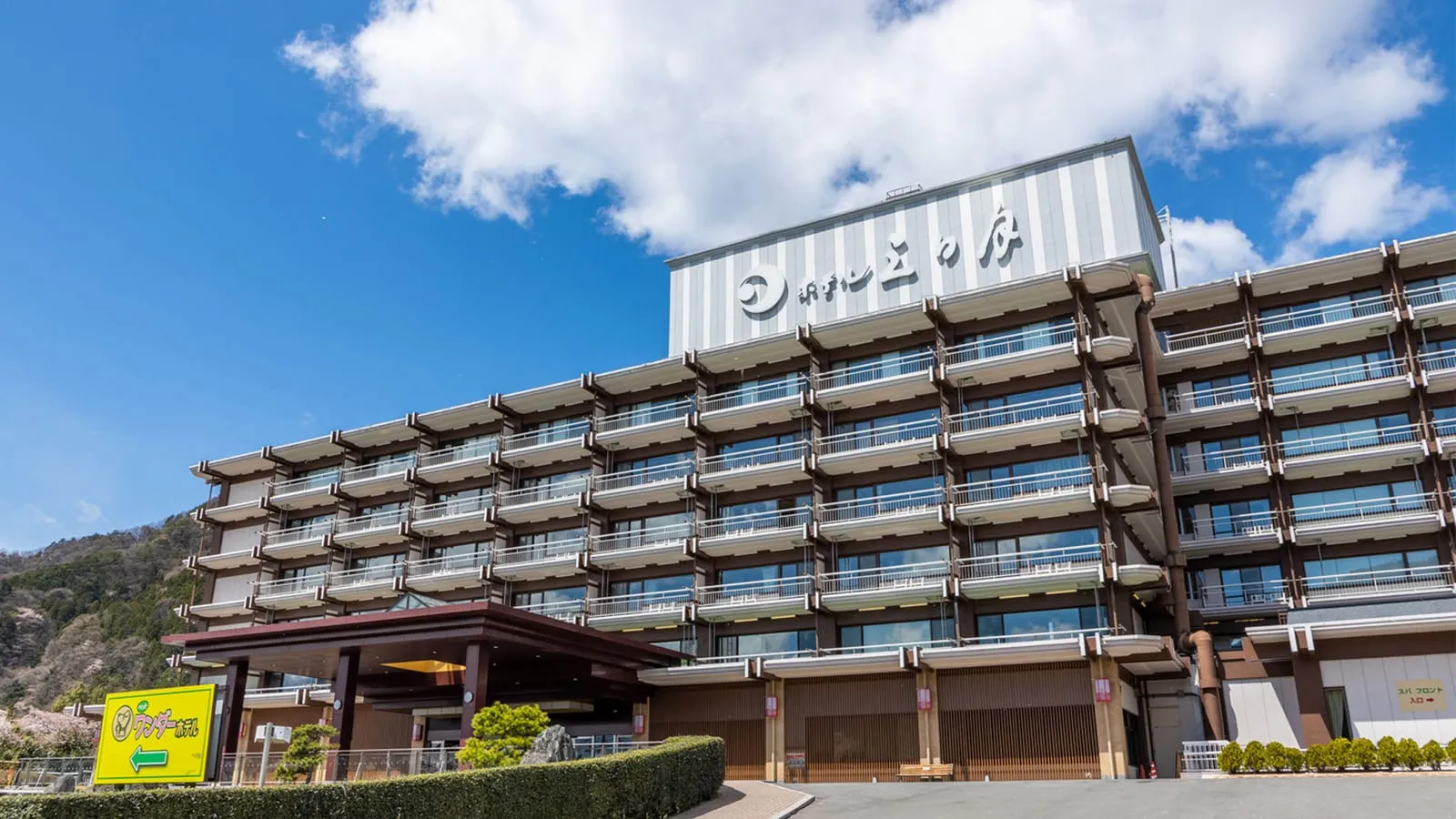
Peak color timing, plus hotels in autumn leaf areas you can manage with a baby or toddler, from Hokkaido to Kyushu
Autumn Farms and Harvest
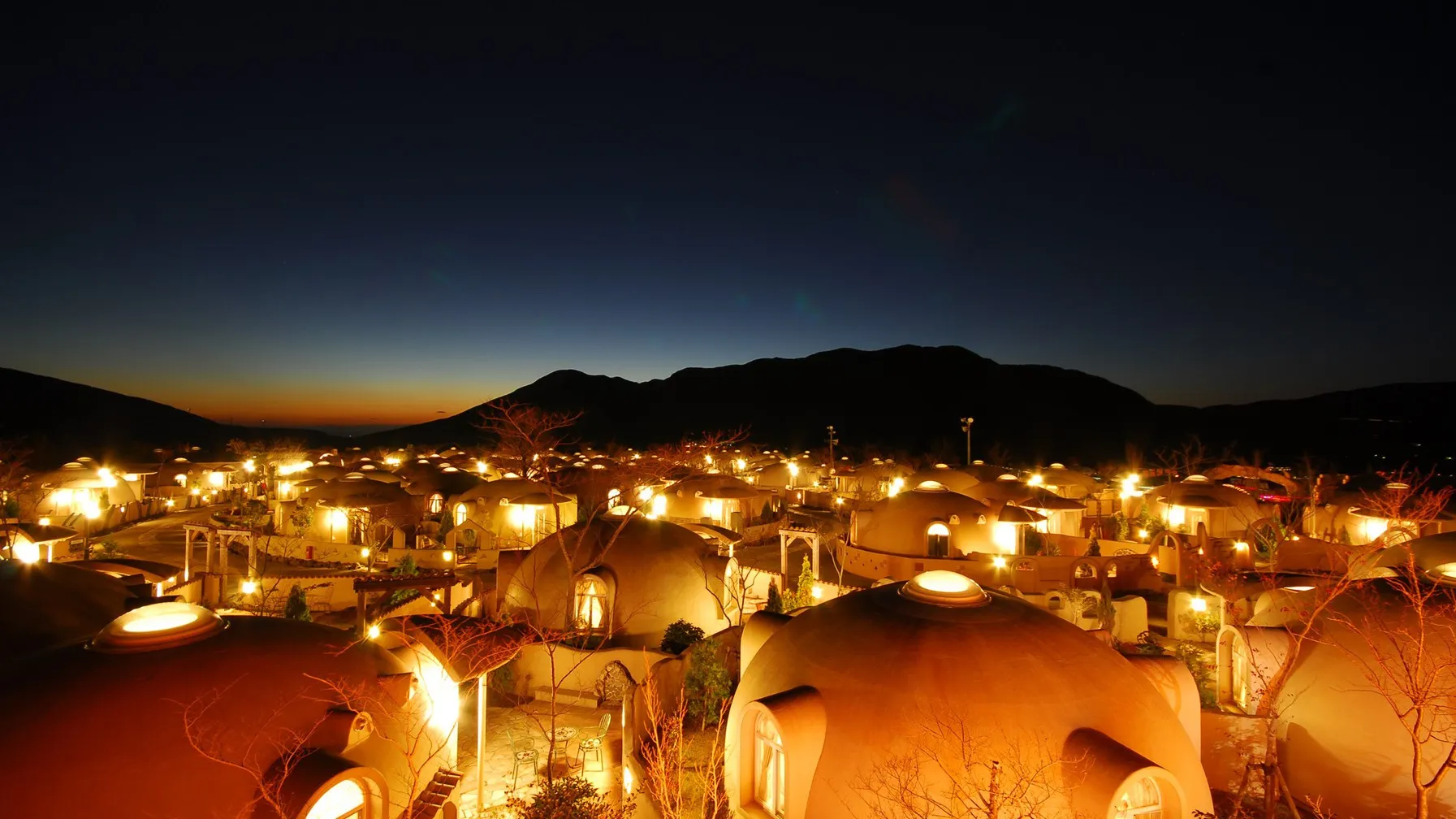
Hotels with farm activities and animal encounters, plus the areas that make the best base for fruit picking and harvest days, from Hokkaido to Kyushu