
Baby Food in Japan: Where to Buy It and What to Pack

This site uses affiliate links; we may earn a commission on bookings.
Note: Counts such as "more than 500 properties" come from the facility data of hotels listed on Kids Stay (as of September 2026, not the total number of hotels in Japan)
Yes, you can buy baby food in Japan, but not in the places most visitors walk past every day. Baby specialty stores, large supermarkets, and many drugstores carry a full shelf of it; convenience stores, station kiosks, and souvenir shops at tourist sites almost never do. That single fact decides how heavy your suitcase needs to be.
The working rule is simple. Pack enough pouches to cover your travel days plus two spares, then subtract whatever your hotel can feed or warm up for you, and plan one shopping stop once you are in a city or a suburb. This guide covers where the shelves actually are, how many meals to carry, what changes by age, what to do when your baby refuses to eat in a strange room, and how to find the hotels that serve baby food themselves.
Where to buy baby food in Japan
The stores that stock it
Baby food in Japan lives in four kinds of stores. Baby specialty chains such as Nishimatsuya, Akachan Honpo, and Babies R Us carry the widest selection, usually a whole aisle of pouches, cups, jars, and snacks. Large supermarkets, Aeon being the easiest name to spot on a map, have a reliable baby corner. Drugstores sell it too, though the range varies a lot from branch to branch, so treat a drugstore as a top up rather than a main shop. In all of them, the age in months the food is designed for is shown as a numeral on the front of the package, so you can shop by that number with very little Japanese.
The places that will disappoint you
Convenience stores, the small shops at train stations, and the stores in tourist districts essentially never stock baby food. This surprises visitors, because Japanese convenience stores are famous for stocking everything else. Assume that the 24 hour store on the corner of your hotel block can sell you water, yogurt, bananas, and plain rice, but not a single pouch for a seven month old.
Where local shopping does not work at all
The stores that carry baby food are mostly suburban, sitting on wide roads with parking lots. That means buying as you go works in and around cities, and fails in exactly the places families love to visit. On small islands, in onsen towns, and at mountain resorts, do not plan on buying baby food locally. Carry everything you need for those legs of the trip.
One thing to do before you fly
Open a map app while you are still at home, search Nishimatsuya or Aeon near each place you will sleep, and note the closest one. It takes two minutes and it removes the worst kind of on the day decision, the one you make while holding a hungry baby.
Baby stores, big supermarkets, and drugstores yes. Convenience stores, station kiosks, islands, onsen towns, and mountain resorts no.
How many meals to pack
The formula
The base number is meals for the number of nights you are away, plus two spares. For one night away with a baby eating three meals a day, that is lunch and dinner on day one plus breakfast and lunch on day two, so four meals, plus two spares, so six. From that number you subtract whatever the hotel provides, which is where the counts later in this guide come in.
Why the two spares are not optional
On the road, food gets dropped, a pouch gets opened and then rejected, and a delayed train turns three meals into four. Spares look excessive right up until the moment one of those three things happens. They are never wasted either, since anything unopened goes back into normal life the week you get home.
Pouches beat jars on the road
For travel days, use pouches or cup style meals that can be eaten straight from the package, ideally the ones sold with a spoon attached. Jars are heavy, they break, and once opened they cannot be carried around. Use pouches for moving days and whatever you like for hotel meals, and the packing math gets much simpler. Disposable spoons and disposable bibs belong in the same bag.
A one night trip, meal by meal
This is the formula turned into a real itinerary, for a baby on three meals a day at around nine months.
| Meal | Source |
|---|---|
| Day 1 lunch, in transit | 1 pouch from home |
| Day 1 dinner, at the hotel | Hotel baby food, or 1 pouch from home |
| Day 2 breakfast, at the hotel | Plain rice with rice seasoning brought from home, or 1 pouch from home |
| Day 2 lunch, in transit | 1 pouch from home |
That is two meals minimum plus two spares, four pouches in total. If the hotel serves baby food, four pouches is the entire food section of your luggage. Snacks and drinks sit outside this count, and you want extra of both for long travel days.
Two nights, three days
Add a full middle day and you are carrying five meals minimum plus two spares, seven in total. This is the point where shopping in Japan starts to pay off. Buy on your first afternoon, near your first hotel, for day two onward, and the bag you carry through the airport is half as heavy. Look at your itinerary first and find the day that has a store stop in it.
One night away means about four pouches. From two nights up, build a shopping stop into the plan and cut the load in half.
Feeding on the shinkansen, on planes, and in cars
Where your baby eats is decided by how you are traveling that day.
Shinkansen
You can feed a baby at your seat, which makes the bullet train the easiest way to move at mealtime. If your travel window overlaps a meal, keep a ready to eat pouch, a disposable bib, and wet wipes within reach rather than in the overhead rack. Treat the multipurpose room and the vestibules as places to calm a crying child, not as a dining room, and plan to eat at the seat.
Planes
Seat belt signs, ear pressure on the way up and down, and the person sitting next to you all make eating in the air harder than eating on a train. On a short flight, the calmest plan is simply not to feed your baby on board, and to eat in the arrivals hall or a food court instead. Keep a separate snack or drink for the ear pressure at takeoff and landing, and do not count that as a meal.
Cars
A rental car gives you the most freedom, but feeding a child while the car is moving carries a choking risk in a car seat, so the rule is to stop and eat. Build meals into your rest stops. Japanese expressway service areas often have a baby room, and picking the larger ones out on a map before you set off means you are not making that call with a screaming toddler in the back.
What to buy by age
5 to 6 months
At the very start of solids, babies usually eat once a day and in small amounts, so this is the lightest stage to travel with. Powdered foods that you mix with hot water are light, but they need water and a bowl, so ready to use jars or pouches labeled for this age are easier on a trip. A few days of store bought food at this stage has essentially no effect on how solids progress.
7 to 11 months
Meals go up to two or three a day and this is the heaviest stage for luggage. Build around pouches, and treat one rule as non negotiable: test the exact brand and flavor at home before you leave. If finger foods have started, bring a disposable bib and wipes for every meal. Snacks such as rice crackers double as a distraction on long transfers, so count them separately and bring extra.
12 to 18 months
Your child is starting to eat small portions from adult plates and moving toward toddler food. This is where the hotel does the heavy lifting: a hotel with a toddler menu can cover both dinner and breakfast. Since udon, plain rice, and miso soup exist in almost every hotel in Japan, you can usually get by with two or three insurance meals plus a shaker of rice seasoning.
When your baby refuses to eat in Japan
This is the fear behind most searches about baby food and travel, so here it is head on.
Test it before you leave
Feed the travel brand at home a few days out. It is the single most effective thing you can do, and if your child rejects it, you still have time to switch brands while you are at home.
Fall back on plain carbohydrates
White rice with a sprinkle of rice seasoning brought from home, udon, bread, banana. Babies who turn down a pouch will usually still eat this group. The bowl of plain rice at a Japanese inn breakfast is your strongest ally here, and it is served at almost every ryokan in the country.
Suspect the room, not the flavor
Refusing food away from home is usually about excitement, tiredness, an unfamiliar chair, or unfamiliar dishes, not taste. One skipped meal is not a crisis as long as fluids are going in, and holding that thought is what keeps a parent calm on day two.
Try the temperature
Some children reject a room temperature pouch and accept the same food warm. Many hotels will heat it for you, which is the second condition in the search below.
Test the travel brand at home once before you leave. When it fails, the backup is a plain carbohydrate plus a familiar seasoning from home.
Hotels that serve or warm up baby food
This is where hotel choice takes weight out of your bag.
The numbers on Kids Stay
- More than 210 hotels serve baby food themselves, either prepared to match your baby's age in months or offered as a small child's portion at dinner
- More than 290 hotels will warm up the baby food you bring with you
- More than 750 hotels have a toddler meal on the menu
Tell them your baby's age when you book
At a hotel that serves baby food, you only carry meals for travel days and your two spares. At a hotel that warms food up, a child who refuses room temperature pouches is covered. Both appear in the meals section of each hotel page, so check before you book, and always tell them your baby's age in months when you reserve, because what the kitchen can prepare depends on it.
hotelHotels known for baby food
Five popular choices for families with a baby. Hotels with a buffet and a kids corner are well represented in this group
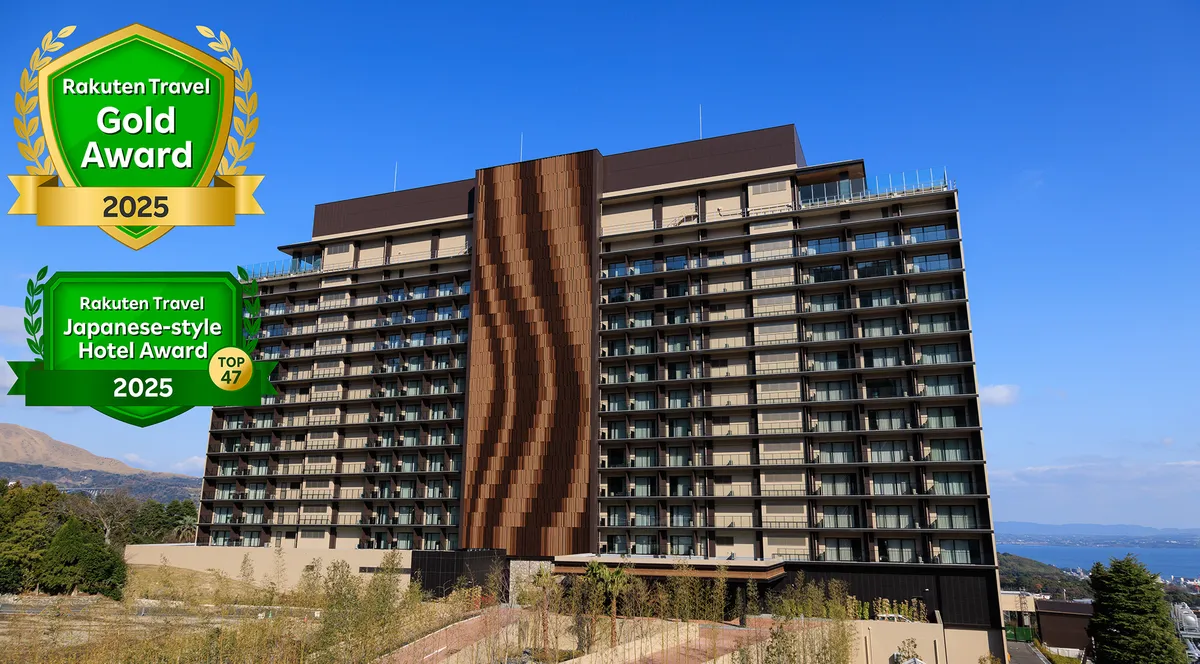
Suginoi Hotel
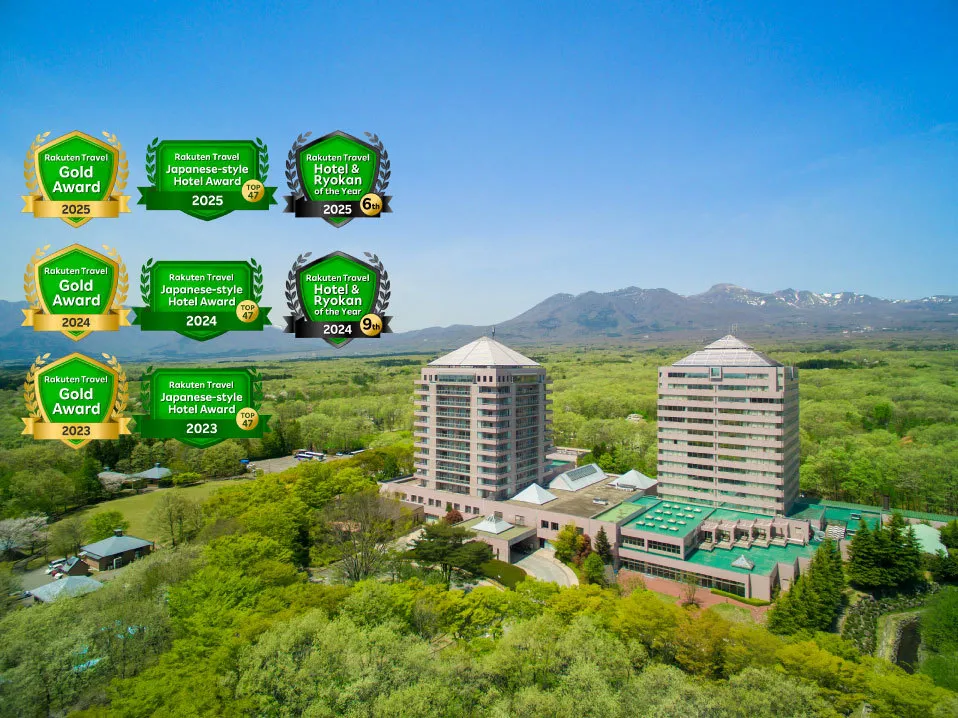
Hotel Epinard Nasu
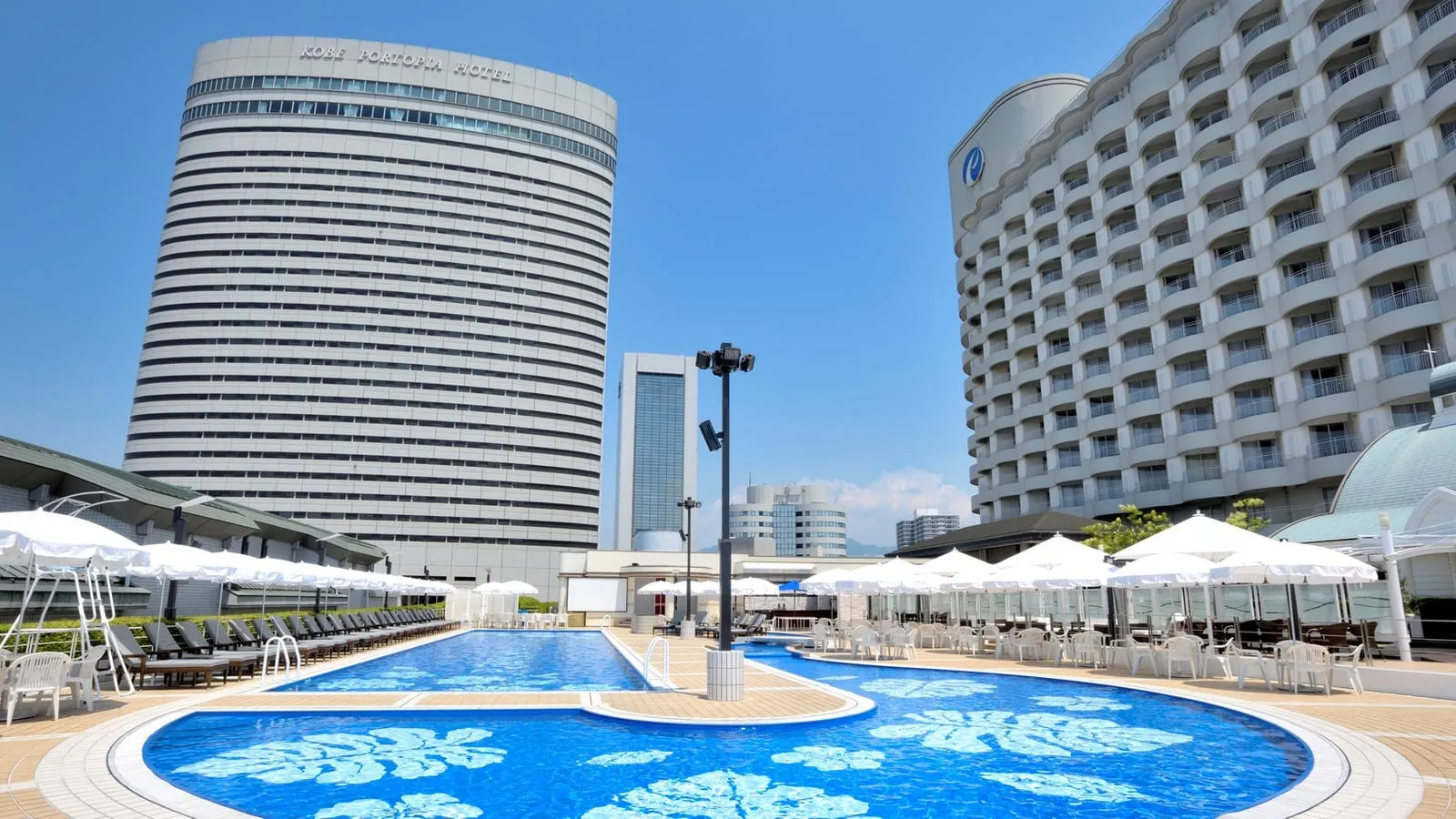
Kobe Portopia Hotel
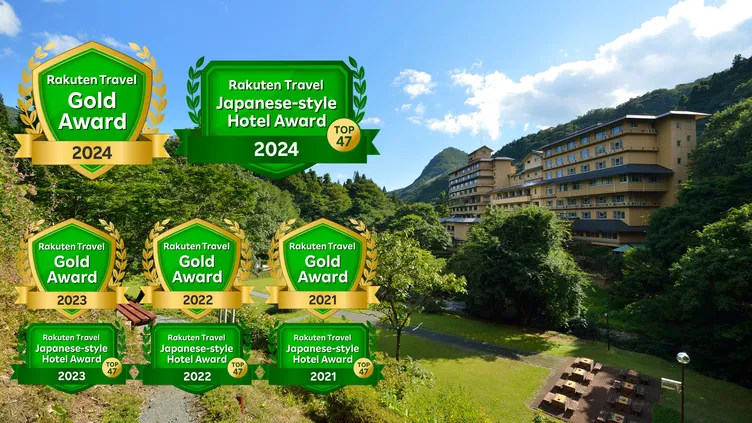
Musubino Yado Airinkan
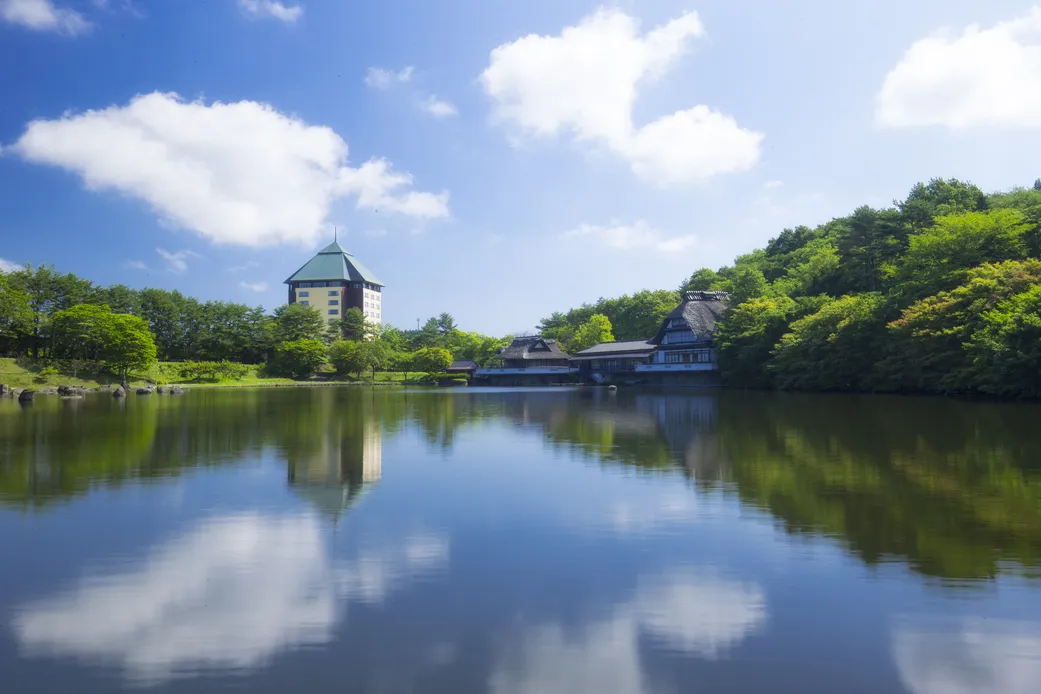
Hoshino Resorts Aomoriya
Search for hotels that handle baby food
Search for hotels that handle baby food
Narrow a destination down to hotels that serve baby food or warm up what you bring
Putting it together
The answer to how much baby food to bring to Japan is nights times meals per day, plus two spares, minus what your hotel can do. Guard against refusals with a test run at home and a plain carbohydrate backup. And if you book a hotel that serves baby food, most of this arithmetic disappears before you even start packing.
For the wider question of choosing a hotel around meals, see choosing a hotel that gets baby and kids meals right. For everything else that goes in the suitcase by age, see the packing list for traveling with children.
FAQ
Is it fine to feed only store bought baby food for the whole trip?
For a trip of a few days, completely fine. Commercial baby food is formulated for the age band on the package, and there is no reason to feel guilty about skipping home cooking. For the same reason, a travel day that knocks the feeding rhythm out of shape for 24 hours is not a problem as long as your child is drinking and in reasonable spirits. Eating at all is the priority while traveling, and normal rhythm returns when you get home. Trying to cook from scratch in a hotel room actually raises the risk, because storage and reheating are harder to control.
Can I bring baby food on a plane to Japan?
On domestic flights within Japan there is no issue. On international flights, food for infants is generally treated as exempt from liquid restrictions, but the expected quantity is what your child needs during the flight, so anything beyond that belongs in checked baggage. Some airlines can also prepare a baby meal if you request it in advance, depending on your child's age.
How do I get hot water for formula in Japan?
Nearly every hotel will provide hot water for making up formula, whether from a kettle in the room or at the front desk. While you are moving, use the hot water points at stations, expressway service areas, and airports, or carry ready to drink liquid formula, which is the surest option. Liquid formula suits travel so well that many families use powder at home and switch to liquid for trips.
My child is 18 months, past baby food but not ready for adult meals. What now?
This is the most awkward stage to equip for. The answer is a three layer plan: the hotel's toddler menu, small portions taken from your own plate, and a familiar seasoning from home. With more than 750 hotels offering a toddler menu, dinner is usually solved. At a breakfast buffet, plain rice, udon, banana, and yogurt are the reliable things to share. Carrying one or two shelf stable toddler meals covers the days when you eat out repeatedly.
What about traveling with a food allergy?
Beyond checking the allergen labeling on commercial baby food, be aware that hotels differ enormously in what they can do, both in preparing food without specific ingredients and in how far ahead they need to know. Choose from the list of hotels with allergy support and confirm the declaration deadline, which is commonly a set number of days before arrival.
Related articles


Seasonal collections
Autumn Leaves With Kids
Peak color timing, plus hotels in autumn leaf areas you can manage with a baby or toddler, from Hokkaido to Kyushu
Autumn Farms and Harvest
Hotels with farm activities and animal encounters, plus the areas that make the best base for fruit picking and harvest days, from Hokkaido to Kyushu
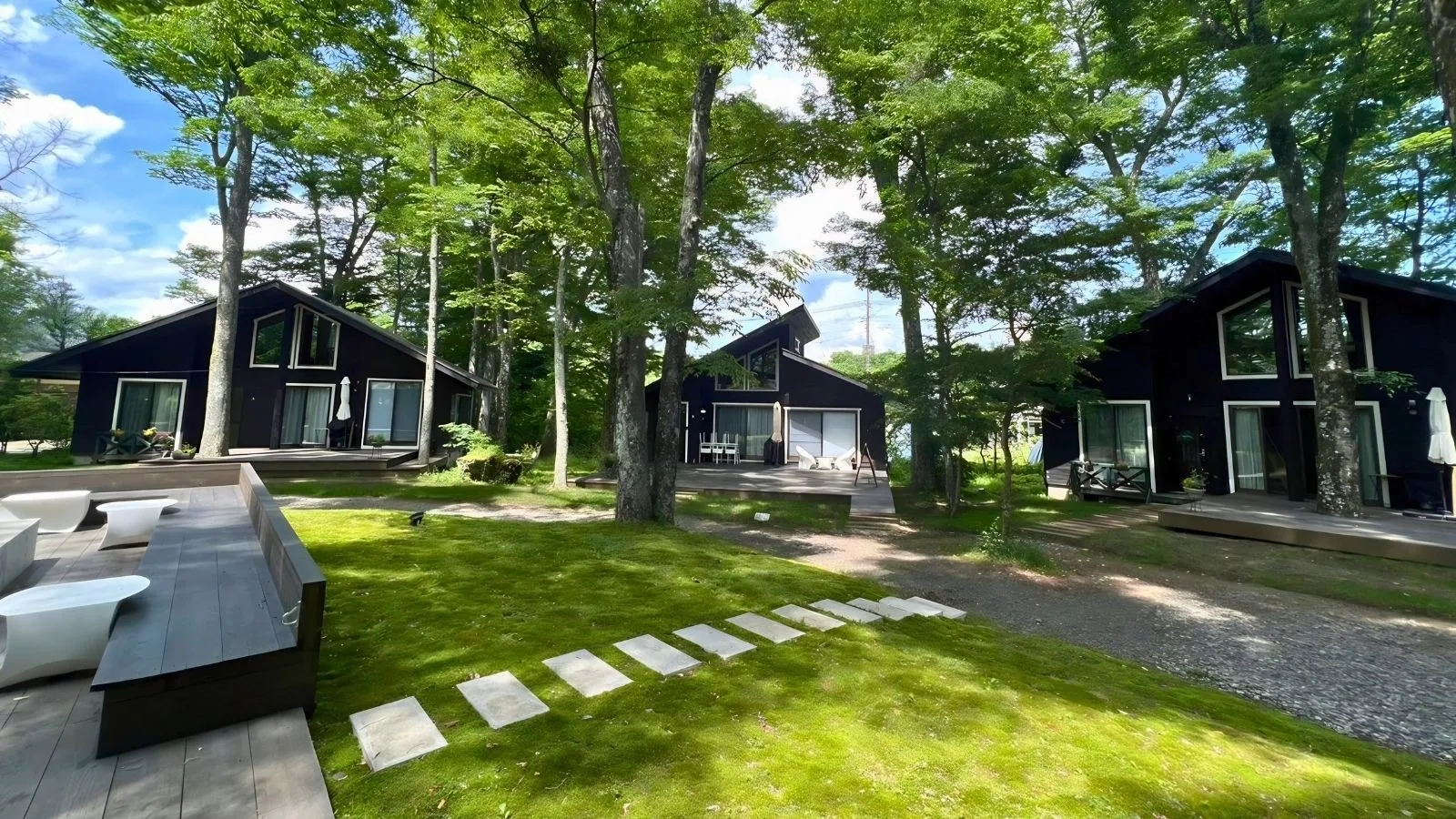
Autumn Cottages and Glamping
No one else to worry about, at your children's own pace. Areas with self-catering villas, cottages, and glamping, from north to south
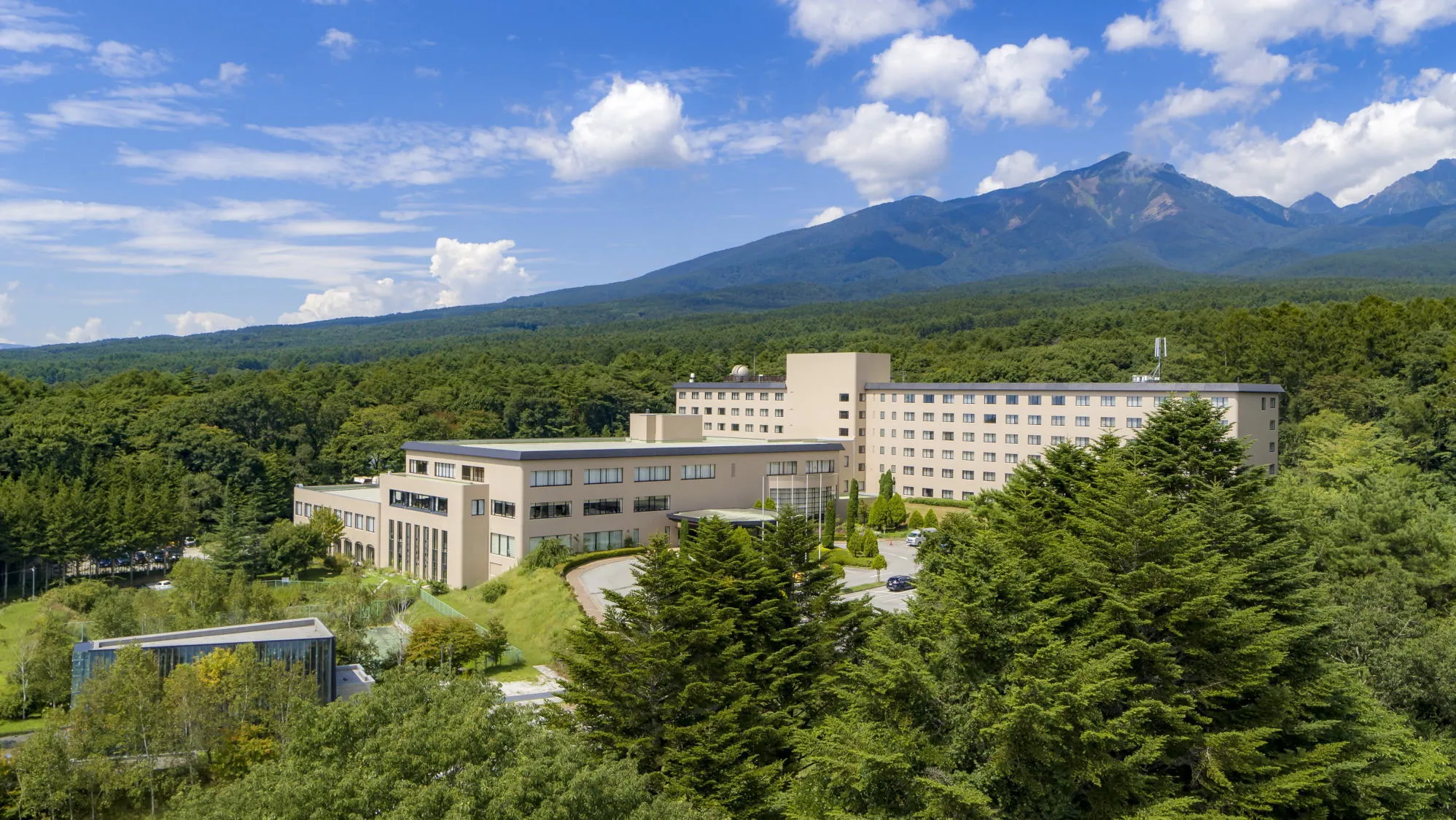
Autumn Highland Play
In the season that is neither hot nor cold, find hotels where kids can run around outside. Highland areas with outdoor play areas and adventure courses, from north to south
Autumn Long Weekends With Kids
Skip the crowds and traffic with hotels where short travel and on-site or nearby fun are enough. Four ways to spend it: highlands, hot springs, the sea, or a large resort
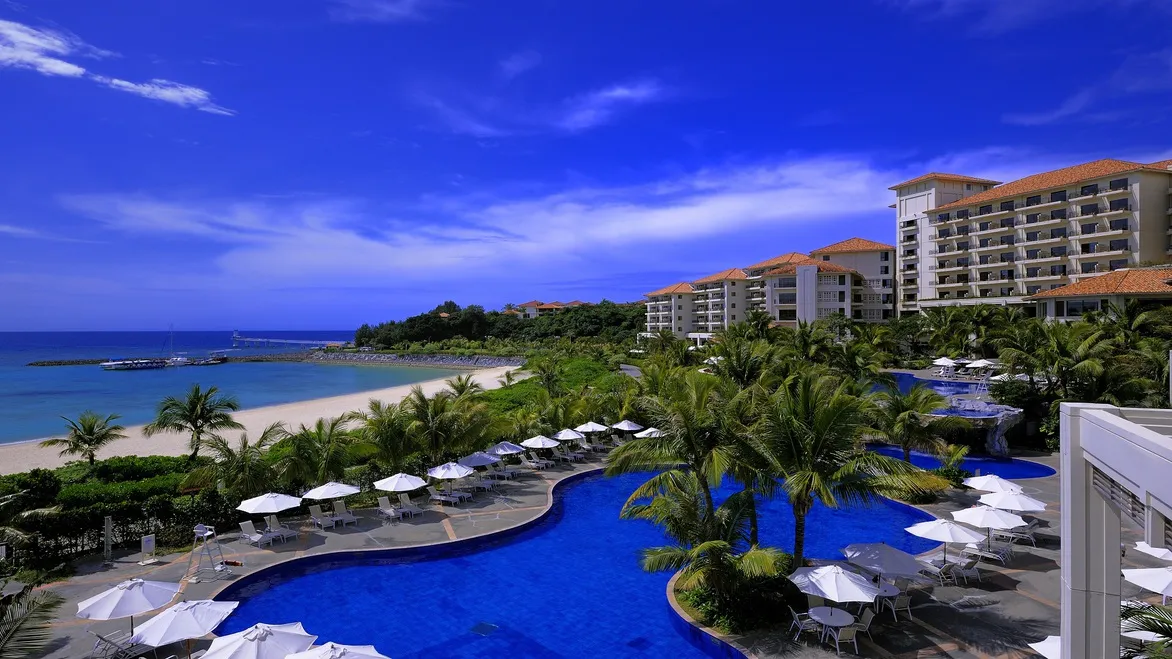
Late-Summer Okinawa Beaches
Fall in Okinawa, Miyakojima, Ishigaki, and Amami, once the crowds and the heat have eased. Stays within walking distance of a beach, or with a kids' pool