
Tokyo Disneyland With a Toddler: What to Pack in Japan

This site uses affiliate links; we may earn a commission on bookings.
The short version: bring a full day of diapers and baby food, a power bank for every adult who carries a phone, one change of clothes, and snacks small enough to hand out while you wait in line. You do not have to haul a stroller across Tokyo, because both parks rent one for ¥1,000 a day, and while a suitcase will not get through the gate at all, a packed adult lunch can be carried in but not eaten inside the park. Tokyo Disneyland and Tokyo DisneySea are outdoor parks where families spend ten hours or more on their feet, so the right bag looks nothing like the one you pack for a normal day of sightseeing in Japan.
This guide starts with the park rules and the things you can rent or find on site, then builds the bag: the basics for every age, the extras for babies and for children aged 3 to 6, and what changes in summer, winter, and rain. Everything here is about Tokyo Disney Resort specifically, so you can leave the guesswork at home.
Before you pack: gate rules, strollers, and Baby Centers
Every guest goes through a bag check at the entrance. Anything on the prohibited list has to go back to a locker or be left behind, which is a miserable way to start a family day. Two categories matter for parents: food and drink, and large items.
Food and drink at the gate
| Allowed inside | Not allowed inside |
|---|---|
| Water bottles and plastic drink bottles, with no limit on quantity | Cans, glass bottles, alcohol |
| Baby food, allergy friendly meals, small children's snacks | Adult meals such as bento, rice balls, and sandwiches (you may carry them, but they cannot be eaten in the park; there is a picnic area outside the gates) |
| Strollers that push from behind and have a wheel lock | Suitcases and rolling luggage |
| Sun umbrellas, folding chairs, power banks | Tripods, drones, carts, tricycles |
Water bottles and plastic bottles come in with no limit on how many, and baby food and allergy friendly meals are allowed too. That combination solves most of the problem: you can carry enough water for the whole family on a hot day, and your baby can eat the food they already know instead of trying something new in a theme park. Adult food is the opposite, so plan on eating lunch inside the park. Suitcases are a hard no, which means dropping your luggage at your hotel or a coin locker before you get anywhere near the turnstiles. Rules do change, so check the official Tokyo Disney Resort site again before you fly.
Rent a stroller or bring your own
Both parks rent strollers for ¥1,000 a day, tax included. The counter is in World Bazaar at Tokyo Disneyland and in Mediterranean Harbor at Tokyo DisneySea, signed as Stroller and Wheelchair Rental. Your child needs to be at least 7 months old, 100 cm or shorter, 15 kg or lighter, and able to sit up on their own. There is one model, a light reclining stroller, and it comes with nothing attached: no hooks and no cup holder. On busy days the rental can run out.
So how do you choose? If your child cannot sit up steadily on their own, or is past 2 and close to 15 kg, bring your own. If you are riding the train out from central Tokyo, a light folding stroller is worth the trouble and doubles as a souvenir cart on the way back. Families arriving by car or taxi, or travelling as light as possible, will be fine with the rental. Just pack two small things anyway: a set of stroller hooks and a blanket clip. With those, a rental behaves almost exactly like your own.
Stroller rental is ¥1,000 a day, one reclining model only, no hooks, and it can run out on crowded days.
What the Baby Centers offer, and what changed in 2026
Each park has a Baby Center for nursing, diaper changes, and feeding. You can wheel a stroller straight in. There is hot water at 70°C or above for making up formula and a microwave, so a microwave safe container means you can warm baby food. Changing tables are also fitted in restrooms across both parks, in men's and women's rooms alike.
Two catches are worth knowing before you pack. First, the Baby Center at Tokyo DisneySea is closed from May 12 to October 2, 2026. If your DisneySea day falls in that window, do not plan around hot water or a microwave: carry ready to drink liquid formula and baby food that is fine at room temperature. Second, baby supplies are no longer sold at the Baby Centers, and since 2026 they are stocked at a small number of shops inside the parks instead, kept behind the counter so you have to ask a cast member. In Tokyo Disneyland, the Brave Little Tailor Shop behind Cinderella Castle is one of them. If you plan to buy diapers when you run low, you will spend real time walking to find them. Carry a full day with you instead.
The core bag every family carries
Start with what goes in the bag regardless of your child's age. The general kit for travelling in Japan with kids lives in our packing list by age; this list is only the things that earn their place on a day spent outdoors, standing in lines, and walking a lot.
- Tickets (on the phone) and a power bank
- Water bottles or plastic bottles for everyone
- Hats, ideally with a neck flap for children
- Wet wipes, twice as many as you think, and plastic bags in three sizes
- One full change of clothes, which covers fountains, spills, and sweat
- Snacks in small portions
- Plasters, any regular medication, and your insurance details
- A thin blanket for naps, evening chill, and parade waits
- A small picnic mat to sit on while you wait
One power bank per adult
The most underrated item is the power bank. At Tokyo Disney Resort your tickets, wait times, Premier Access purchases, restaurant orders, and photos all live in the app. If you enter at 9 a.m. and your phone dies at 4 p.m., you lose the park itself, not just the photos. One shared battery for the family is not enough; count one per adult carrying a phone.
Snacks small enough to hand out in line
Snacks are the other quiet hero, and the trick is portioning. Whether a child holds together through a 30 minute queue usually comes down to whether a parent can produce something from a pocket. Split a few kinds into small bags so your child gets to choose, because choosing buys more time than the snack itself.
Under 3: bottles, baby food, and a full day of diapers
Babies mean the biggest bag of your trip, but the park rules trim it more than you would expect. If this is also your first hotel stay with a baby in Japan, read our first hotel stay with a baby guide alongside this one.
Make the day self contained
- Ready to drink liquid formula in cartons, or stick powder plus a bottle
- Baby food, in a microwave safe container if you want it warm
- Disposable bibs and a spoon
- Your usual daily count of diapers plus three spares, wipes, and odor sealing bags
- A baby carrier, since you will lift your baby out of the stroller for many queues
Liquid formula in cartons is the easiest option because it needs no hot water and can be given in a line or on a bench. Powder is fine too, since the Baby Centers keep water at 70°C or above, but that means walking back to a Baby Center every time. Two or three cartons in the bag buy a lot of freedom. Test any brand your baby has not had before once at home, well before the trip, so the park is not the place you discover they refuse it.
On diapers, do not rely on buying them inside. As noted above, since 2026 supplies moved to a handful of in park shops and are kept behind the counter. Pack your usual day plus three spares, which also covers the train ride back.
Small stroller accessories decide your afternoon
- Stroller hooks, which fit a rental as well as your own
- A blanket clip, so nothing blows away
- A cooling seat pad in summer, a footmuff or blanket in winter
- Something to mark your stroller, such as a ribbon or luggage tag
Stroller parking at Tokyo Disney Resort means rows of dozens of identical rental strollers. You get a name tag at the rental counter, but a bright ribbon is what lets you spot yours from twenty paces. Hooks matter for the same practical reason: a rental has nowhere to hang a souvenir bag, a jacket, or a water bottle, and by mid afternoon you will be carrying all three.
A rental stroller has nothing attached. Bring hooks and a visible marker and it works like your own.
Ages 3 to 6: staying together, waiting, and height limits
Once your child walks, queues, and waits for parades, the bag gets lighter but the planning gets heavier. The three things to prepare for are losing sight of each other, long waits, and the moment their legs give out.
Two layers for a lost child
- A wrist strap or harness for crowded areas
- An ID tag with your contact details, tucked inside clothing or in a backpack
- Brightly colored clothing or a hat that stands out in a crowd
- A full length photo of your child taken that morning
The riskiest moments are the minute a parade ends and the inside of a busy shop, where hands come apart instantly. Around age 3, holding hands is still a habit in progress, so a wrist strap is the first layer. The second layer is the photo: if you do get separated, showing a cast member exactly what your child is wearing today is far faster and calmer than describing it in a language you may not share.
Waiting, and running out of steam
- A small picnic mat or folding chair for rope drop and parade waits
- A small toy or sticker book for hands in a queue
- Spare socks, plus spare sandals in summer, because fountains happen
- A carrier or hip seat for the evening walk back
Even a confident 4 or 5 year old will hit a wall after the evening parade. The age just past strollers is exactly when a hip seat earns its place, because it decides whether the walk back to the hotel is pleasant or grim.
One more thing to do before you fly. Measure your child's height at home, because attractions have height limits, including 81 cm, 90 cm, and 102 cm. A child right on the boundary can be measured at the entrance and turned away, which is a hard thing to explain in the moment. Knowing the number in advance lets you say in advance which rides are for this trip and which are for next time.
Summer, winter, and rain in a park on the water
Tokyo Disney Resort sits on Tokyo Bay, and much of the queuing happens without a roof. The same family packs a noticeably different bag in August, in January, and on a wet day.
Summer: plan the rest, not just the gear
- A hat with a neck flap and sunscreen for reapplying
- A cooling towel and a small handheld fan that clips to the stroller
- Salt tablets or salted candy
- Body wipes and a second change of clothes
- A cooling seat pad for the stroller
Heat radiates off the pavement, and a stroller sits far closer to it than an adult's head, so your baby is hotter than you are. A cooling pad and a clip on fan visibly reduce the fussing. Gear alone will not carry you through a Japanese summer afternoon, though. Rest before your child gets hot, not after. Save the hottest hours for indoor attractions or a sit down restaurant, or head back to your room if you are staying nearby.
Winter: pack for the sea wind after dark
- Thin blankets, layered rather than one thick one
- Gloves, a warm hat, and a neck warmer
- Stick on heat pads, placed on the outside of clothing for children to avoid low temperature burns
- A stroller footmuff or cover
A mild afternoon says nothing about the evening. Tokyo DisneySea in particular sits right on the water and cools fast, and waiting for a nighttime show is the coldest you will be all day. Heavy blankets slide off small laps, so two thin ones layered are easier to manage. Choose jackets your family can take off and put back on, and stash them in the stroller basket.
If you are visiting during the Christmas season, expect longer waits for the evening parade. Pack warmer than you would for an ordinary winter day: add one extra blanket to the layers, bring spare heat pads, and fit a footmuff to the stroller.
Rain: ponchos, not umbrellas
- A child's rain poncho, which goes over a stroller seat too
- A rain jacket or compact umbrella for adults
- A large bin bag to drop a whole backpack into during rides
- Zip bags to waterproof phones, tickets, and power banks
- A towel and spare socks
You cannot open an umbrella while standing in a queue. For children a poncho is the only sensible answer because it leaves both hands free, and a hooded one replaces a hat. A proper stroller rain cover is ideal, but a generously sized poncho draped over the seat does the job. Adults do better in a rain jacket too, for the same reason: hands free to carry a tired child.
Stay in Maihama and carry half as much
If the lists above still feel like too much, the most effective fix is not a smaller bag. It is where you sleep.
Lighter mornings and easier evenings
Stay in Maihama or Urayasu, next to the parks, and you leave in the morning with one day of diapers and a change of clothes, go back to the room at nap time, and carry souvenirs and a sleeping child straight back to the room. The suitcase rule stops mattering entirely, because your suitcase never leaves the hotel.
Go back to the room for the nap
For families with a baby or toddler, this changes the shape of the whole day. Going back to the room after lunch for a nap and returning to the park in the late afternoon is the single biggest upgrade to a Disney day with a small child. It is close to impossible from central Tokyo and easy from Maihama. The official hotels include rooms with cribs on request and rooms large enough for a child to share a parent's bed, plus indoor pools and kids' spaces for the hours you are not in the park.
Hotels in Maihama and Urayasu
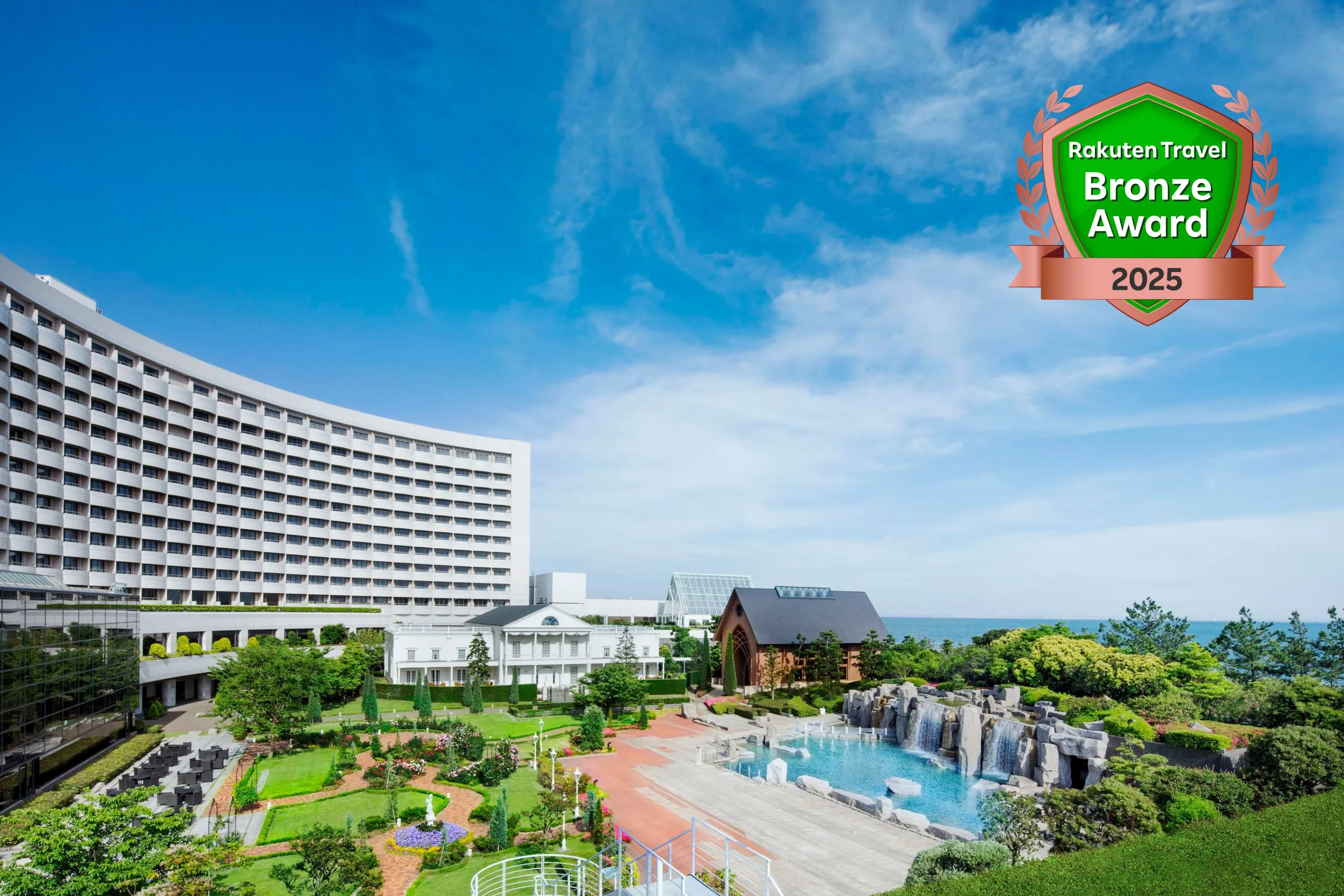
Sheraton Grande Tokyo Bay is a good example on the official hotel side. Hilton Tokyo Bay, Hotel Okura Tokyo Bay, and the Shin Urayasu hotels with free shuttle buses to the parks can all be compared from the area list below. Cribs, co-sleeping policies, and other family facilities are listed only where we have confirmed them on each hotel page.
hotelFamily hotels near Tokyo Disney Resort
Close enough to go back for a nap, in Maihama and Urayasu. Family facilities are confirmed on each hotel page
The night before checklist
Read this from top to bottom the evening before. Skip any line that does not apply to your child's age or the season.
- Tickets in the app, phones, power bank for each adult
- Water bottles for everyone
- Hats and sunscreen in summer; gloves, warm hat, and heat pads in winter
- Wet wipes, plastic bags, zip bags
- One change of clothes, spare socks, spare sandals in summer
- Portioned snacks
- Plasters, regular medication, insurance details
- Thin blanket, small picnic mat or folding chair
- Liquid formula and bottle, baby food, bib, spoon (under 3)
- A day of diapers plus three spares, wipes, odor sealing bags (under 3)
- Baby carrier or hip seat
- Stroller if you are bringing one, plus hooks, blanket clip, and a marker
- Wrist strap, ID tag, morning full length photo (age 3 and up)
- Cooling towel, handheld fan, cooling pad, salt tablets (summer)
- Child's poncho, adult rain jacket, large bin bag (rain in the forecast)
- Your child's height, measured at home
- Bags split into what stays at the hotel and what goes into the park
That last line does the most work. Separating the park bag from the hotel bag the night before removes the whole morning routine of unpacking to find one item, which with a toddler is worth more than any single piece of gear. If you are still building the rhythm of travelling with a 1, 2, or 3 year old, our toddler travel tips cover naps and pacing in more detail.
FAQ
Can I bring baby food and formula into Tokyo Disneyland?
Yes. Baby food and allergy friendly meals are allowed through the bag check, and the Baby Centers have hot water at 70°C or above for formula plus a microwave. Bring baby food in a microwave safe container if you want to warm it. Note that the Tokyo DisneySea Baby Center is closed from May 12 to October 2, 2026, so pack liquid formula and room temperature food for a DisneySea day in that window.
Should I rent a stroller or bring my own?
Rent if your child is at least 7 months old, 100 cm or shorter, 15 kg or lighter, and sits up unassisted. Rental is ¥1,000 a day at World Bazaar in Tokyo Disneyland and Mediterranean Harbor in Tokyo DisneySea. Bring your own if your child cannot sit up steadily or is close to 15 kg, or if you want a stroller for the rest of your trip in Japan. Either way, pack hooks and a marker, because the rental model has no accessories.
Can I buy diapers inside the park?
Yes, but not easily. Sales at the Baby Centers ended at the end of December 2025, and since 2026 baby supplies are stocked at a few shops inside the parks, kept behind the counter so you need to ask a cast member. Bring your usual day of diapers plus three spares rather than planning a shopping trip mid day.
Can I take a suitcase into the park?
No. Suitcases and rolling luggage are not permitted. Leave yours at your hotel if you are staying in Maihama or Urayasu, or use the coin lockers around the park entrances if you are visiting on a day trip.
What can we do about the height limits?
Several attractions have height limits, including 81 cm, 90 cm, and 102 cm. Measure your child at home so you know which side of each line they fall on, and talk through the plan before you arrive so a refusal at the entrance is not a surprise.
Related articles


Seasonal collections
Autumn Leaves With Kids
Peak color timing, plus hotels in autumn leaf areas you can manage with a baby or toddler, from Hokkaido to Kyushu
Autumn Farms and Harvest
Hotels with farm activities and animal encounters, plus the areas that make the best base for fruit picking and harvest days, from Hokkaido to Kyushu
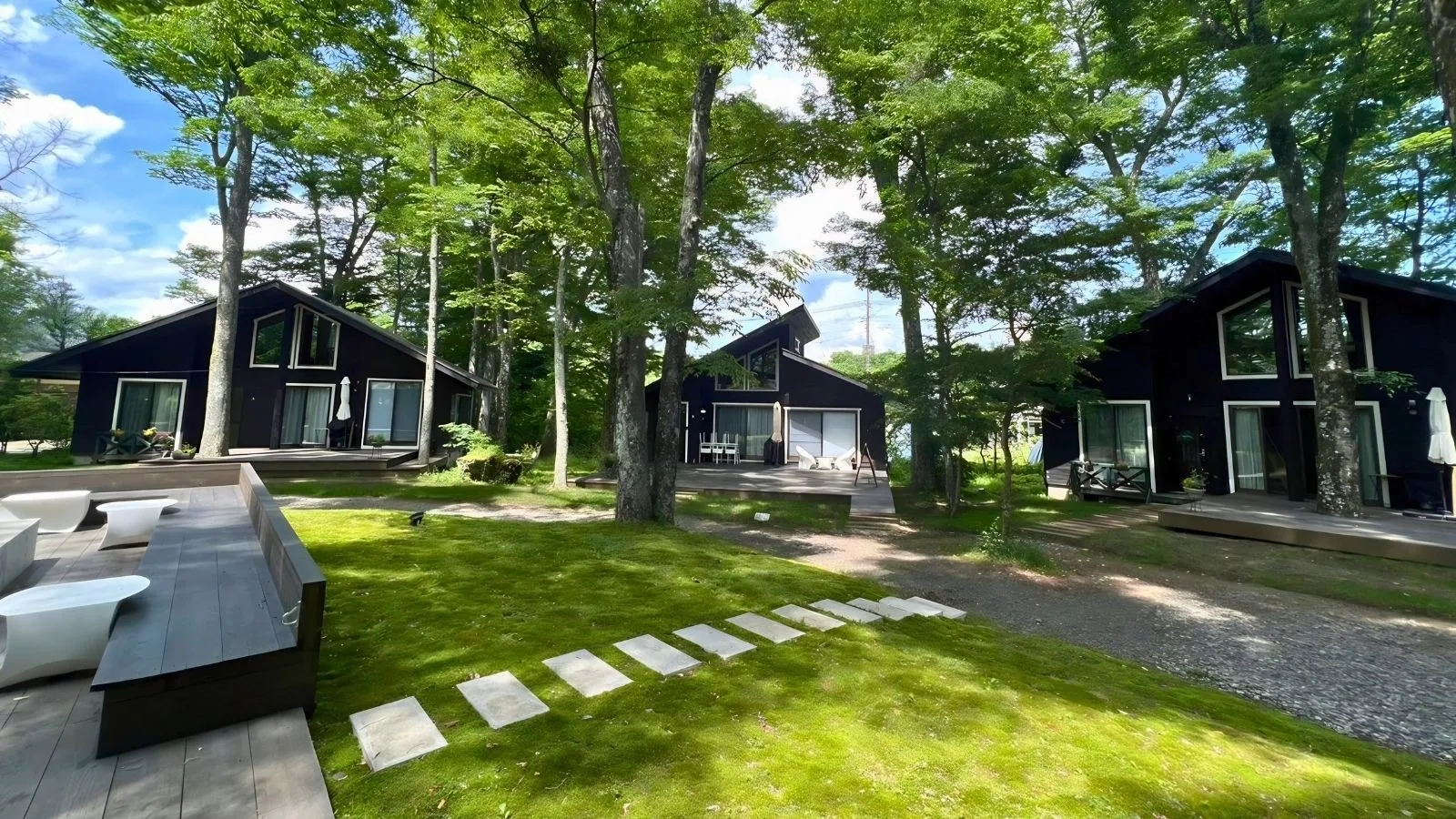
Autumn Cottages and Glamping
No one else to worry about, at your children's own pace. Areas with self-catering villas, cottages, and glamping, from north to south
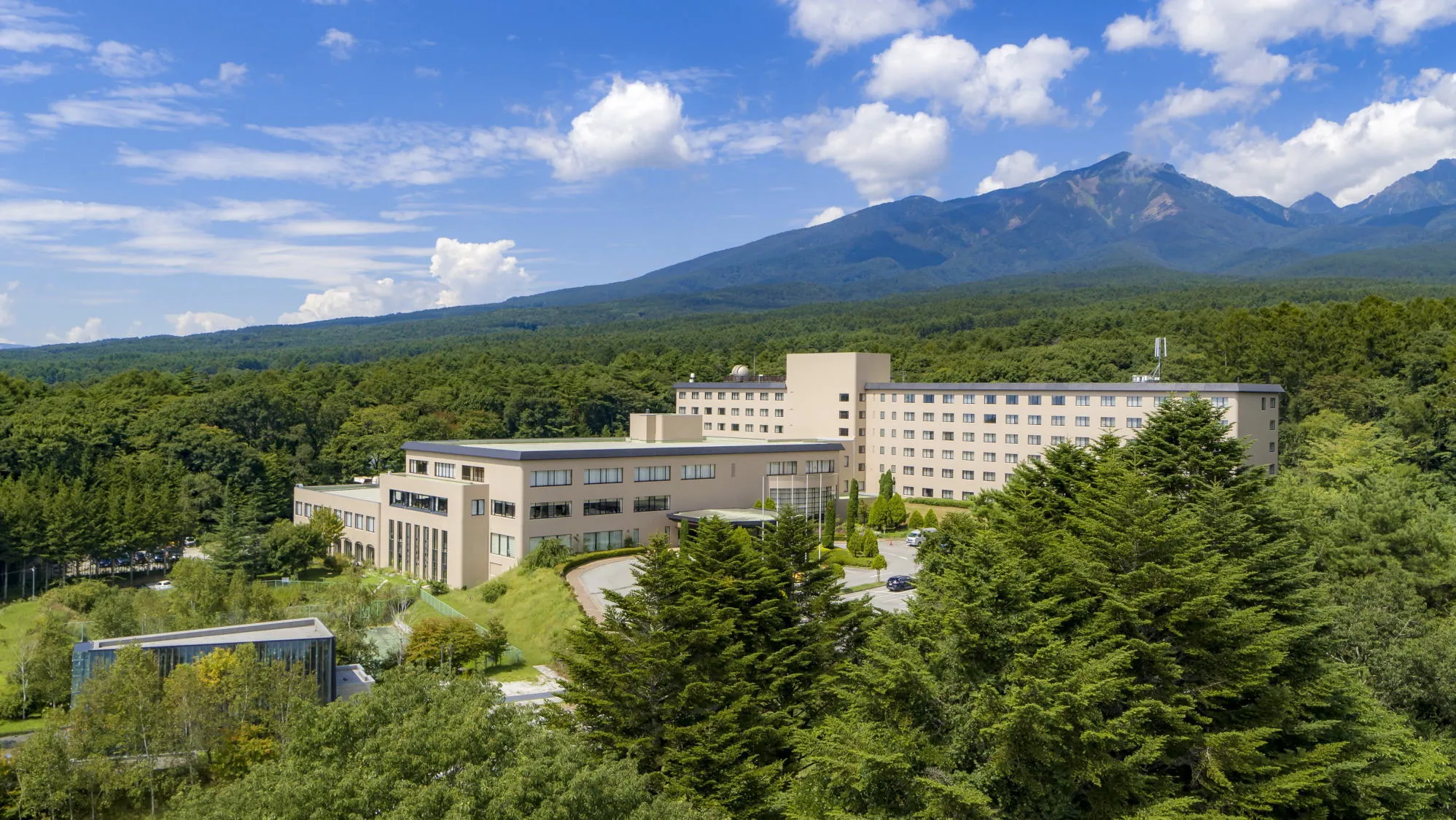
Autumn Highland Play
In the season that is neither hot nor cold, find hotels where kids can run around outside. Highland areas with outdoor play areas and adventure courses, from north to south
Autumn Long Weekends With Kids
Skip the crowds and traffic with hotels where short travel and on-site or nearby fun are enough. Four ways to spend it: highlands, hot springs, the sea, or a large resort
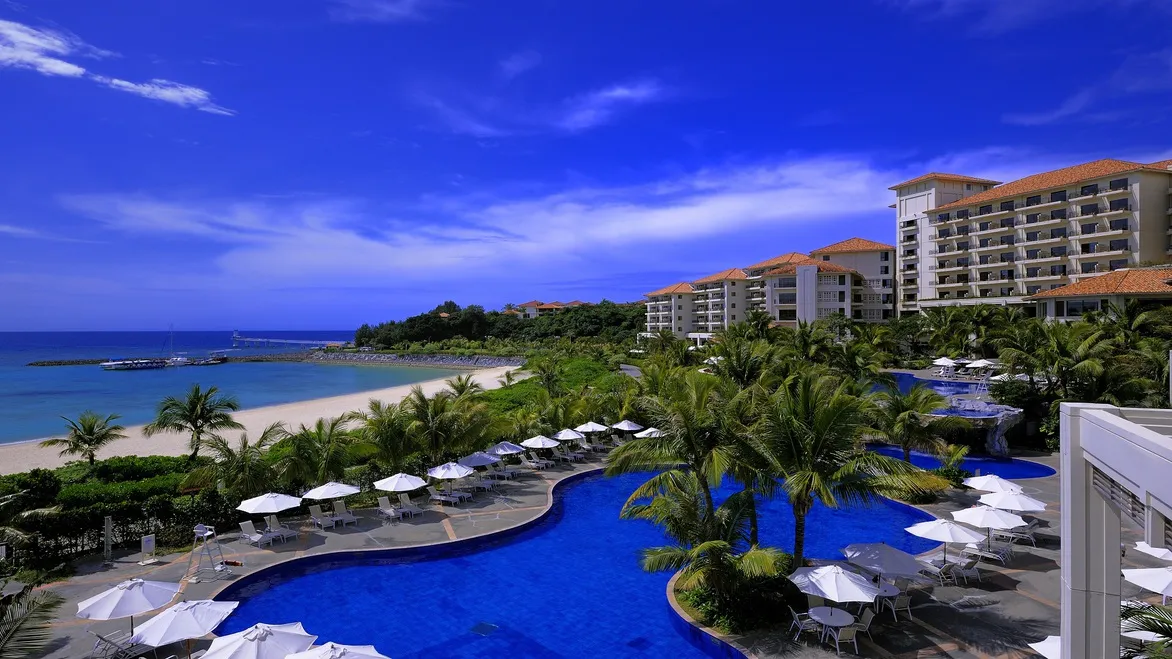
Late-Summer Okinawa Beaches
Fall in Okinawa, Miyakojima, Ishigaki, and Amami, once the crowds and the heat have eased. Stays within walking distance of a beach, or with a kids' pool