
All 12 Grand Mercure Properties Compared for Families: Which One Fits Yours?

This site uses affiliate links; we may earn a commission on bookings.
Note: Counts such as "more than 500 properties" come from the facility data of hotels listed on Kids Stay (as of September 2026, not the total number of hotels in Japan)
You hear that Grand Mercure is great for families, start looking into it, and then stall out because there are simply too many properties. Under the same brand name, some have an enormous indoor play area inside the building, while others are city hotels with no pool and no communal bath. On top of that, the rules for children's rates differ property by property, so the same family can see a difference of several thousand yen for the children alone. Here we've rearranged all 12 properties so you can narrow them down by three things: your child's age, the season you're traveling, and how you're getting there.
hotelOur pick
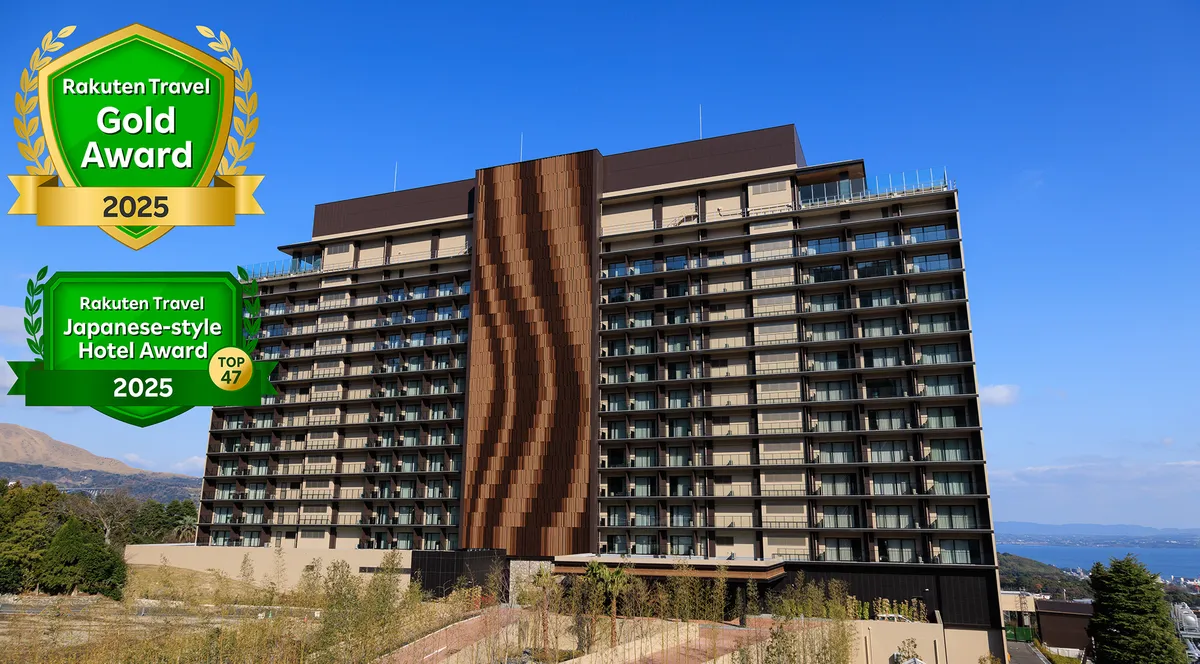
A hilltop all-inclusive resort overlooking Beppu Bay, where dinner, breakfast, lounge drinks, and the hot spring are all included in the room rate. Co-sleeping is free for children below elementary school age, and there's a nursing room plus baby gear to borrow.
menu_bookContentsexpand_more
- The 12 properties split into play-area, water-play, and sightseeing-base types
- Your top pick changes with your child's age
- Children's rates and co-sleeping rules differ completely by property
- For pools and communal baths, potty training changes the shortlist
- Narrow it to one on location and crowding
- Summary
- Frequently Asked Questions
The 12 properties split into play-area, water-play, and sightseeing-base types
According to the data listed on Kids Stay (as of September 2026), there are 12 Grand Mercure properties in Japan. Lining all 12 up side by side, what determines how usable they are for families is what there is to do inside the building. More than differences in views or food, this is where they first split into three big groups.
The flagship of the water-play type is Grand Mercure Okinawa Cape Zanpa Resort. The pool is open for swimming year-round, and during the April to October swimming season Zanpa Beach right in front of the hotel joins in, which makes it the lead option when you're thinking about a family stay in Okinawa.
All-inclusive service is the only thing every property shares
Eleven of the 12 properties are all-inclusive, with dinner, breakfast, lounge drinks and light snacks, and some activities included in the room rate. The official sites describe it as being able to enjoy your stay however the mood takes you, and being able to leave your wallet in the room is the brand's shared calling card.
But that's just about the only thing they share. The remaining property, Sapporo Odori Park, has no hot spring, no communal bath, no reservable private bath, and no indoor or outdoor pool. It does have a free lounge and a breakfast buffet. It's designed as a city hotel, so booking it expecting a resort will leave a different impression.
Competing commentary articles also note that while there are common threads in the brand's direction, the actual impression of a stay varies with location, the size of the building, the state of renovations, and whether there's a hot spring or a lounge. That matches what we found lining up all 12.
There's one more shared trait that quietly matters for families: 11 properties, all but Sapporo Odori Park, offer a Japanese-style or Japanese-Western room. During the crawling and pulling-up-to-stand stage, just having a tatami room where you don't have to worry about a fall from the bed changes how the night feels. Nasu Kogen, Yatsugatake, Ise-Shima, Beppu Bay, Okinawa Cape Zanpa, and Lake Biwa also have rooms with low beds or tatami beds close to the floor, and the fact that most properties let you choose between laying out futons or a low bed is a strong point even compared with other resort brands.
Rearranged by type, they fall into three groups
Rearranged by in-house facilities, they look like this:
| Property | Area | Type | Key facility for families |
|---|---|---|---|
| Yatsugatake | Hokuto, Yamanashi | Play-area type | "Mori no 8" indoor play area and bouldering. No pool |
| Nasu Kogen | Nasu, Tochigi | Play-area type | Indoor and outdoor play areas, summer garden pool |
| Awaji Island | Minami-Awaji, Hyogo | Play-area type | Roughly 460-square-meter kids' lounge, age-based rooms |
| Minami-Boso | Tomiura, Chiba | Play-area type | Five play spots in the building, summer garden pool |
| Okinawa Cape Zanpa | Yomitan, Okinawa | Water-play type | Four year-round pools and three slides, beach right out front |
| Wakayama Minabe | Minabe, Wakayama | Water-play type | Summer kids' pool 35cm deep, beach next door |
| Beppu Bay | Hiji, Oita | Water-play type | Summer pool from 35cm deep, Hello Kitty room |
| Ise-Shima | Shima, Mie | Water-play type | Summer day and night pool, wood-themed kids' space |
| Lake Hamana | Hamamatsu, Shizuoka | Water-play type | Summer kids' pool 40cm deep, hot spring from its own source |
| Lake Biwa | Nagahama, Shiga | Sightseeing-base type | Roughly 10 minutes on foot from Nagahama Station, summer pool |
| Nara Kashihara | Kashihara, Nara | Sightseeing-base type | Roughly 1 minute on foot from Kashiharajingu-mae Station, hot spring communal bath |
| Sapporo Odori Park | Sapporo, Hokkaido | Sightseeing-base type | Roughly 3 minutes on foot to Odori Park. No bath, no pool |
The strength of the play-area type is that you can spend a whole day inside regardless of the weather, while the water-play type is the kind where the value depends on whether it's summer or whether it's Okinawa. The sightseeing-base type suits trips where you use the hotel as a base and head out. Even at the same price point, these three types make for completely different trips.
hotelThree properties with large indoor play areas
The type where you can spend all day inside, even in the rain
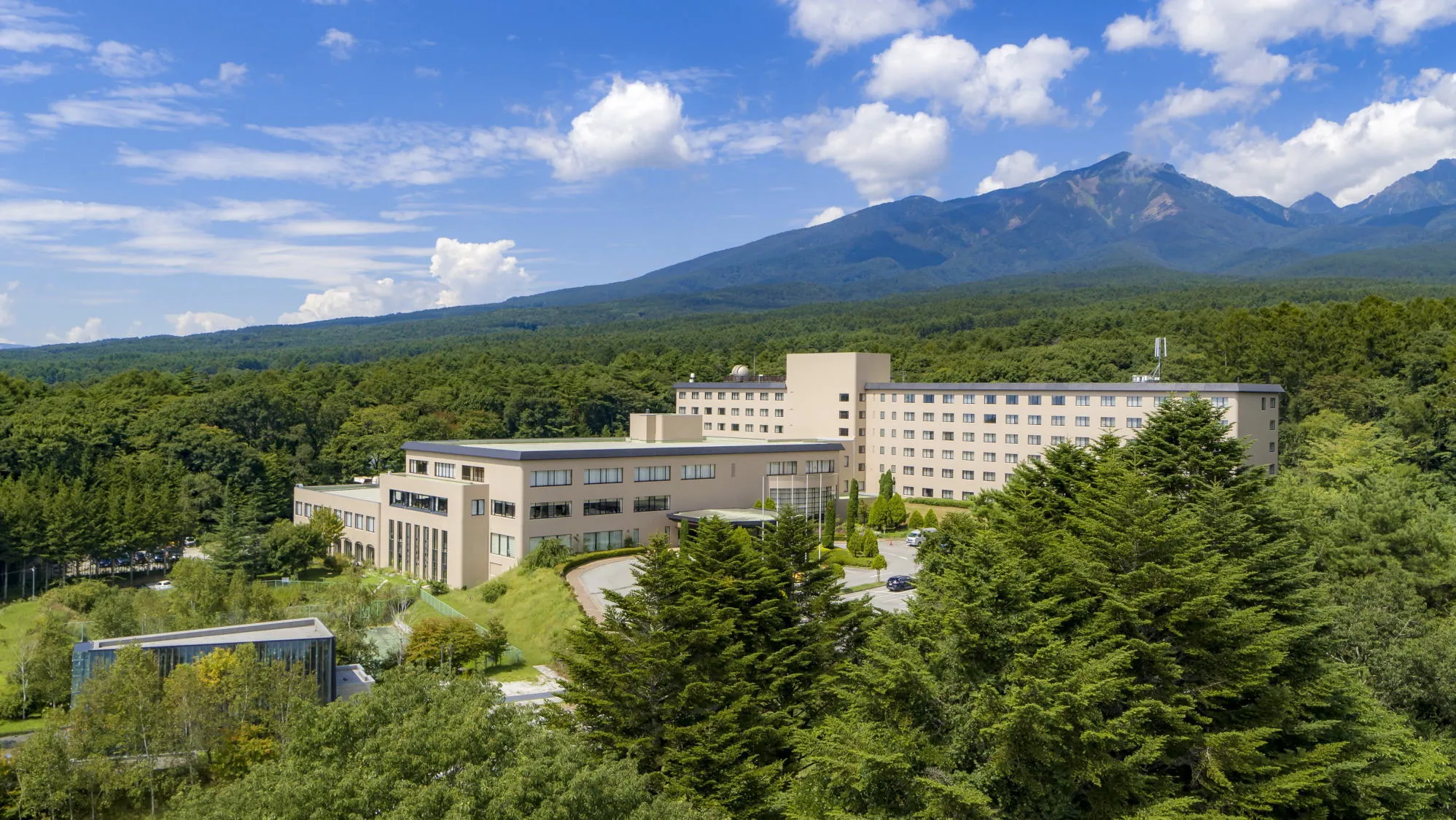
Grand Mercure Yatsugatake Resort & Spa
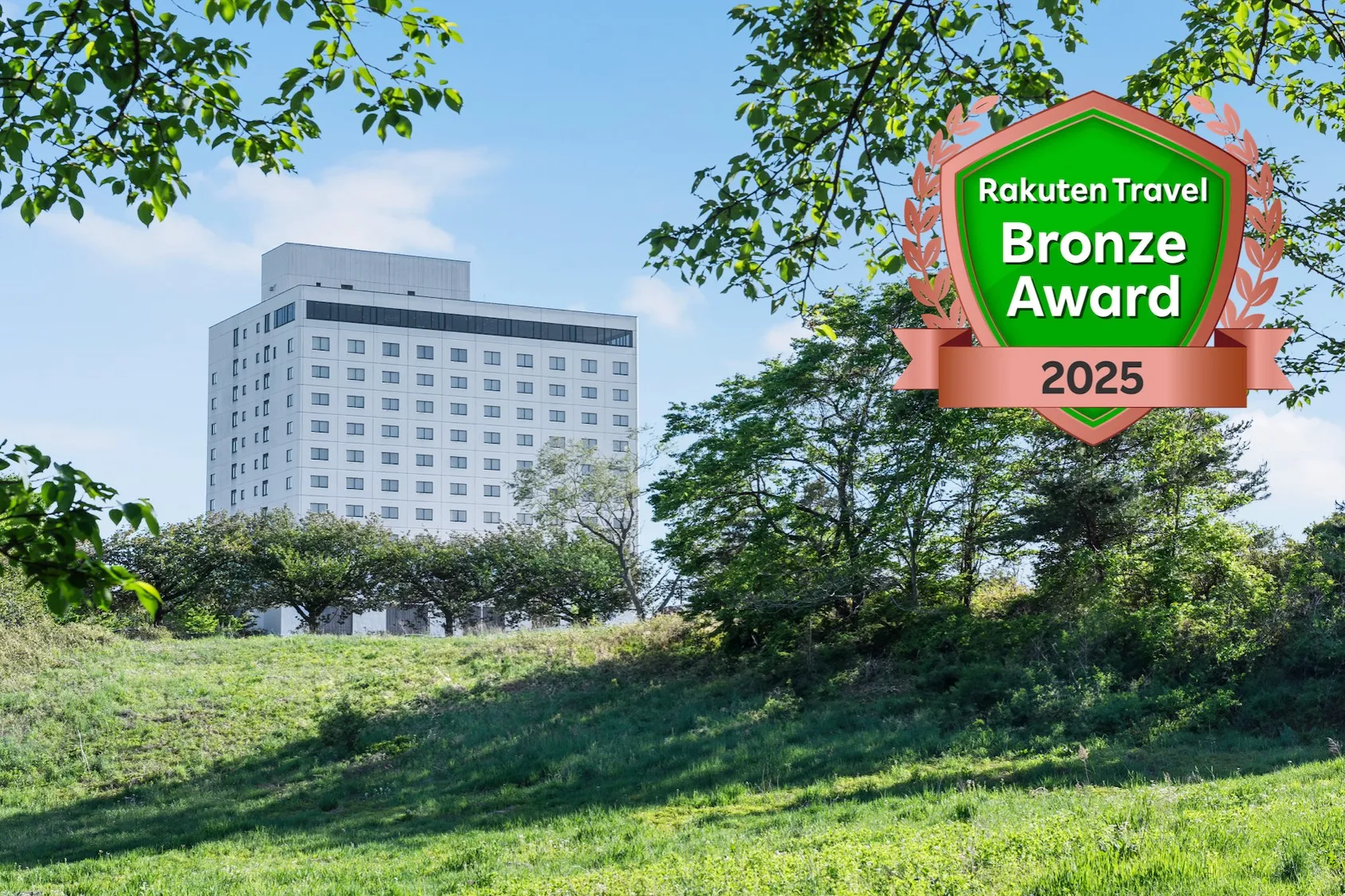
Grand Mercure Nasu Highlands Resort & Spa
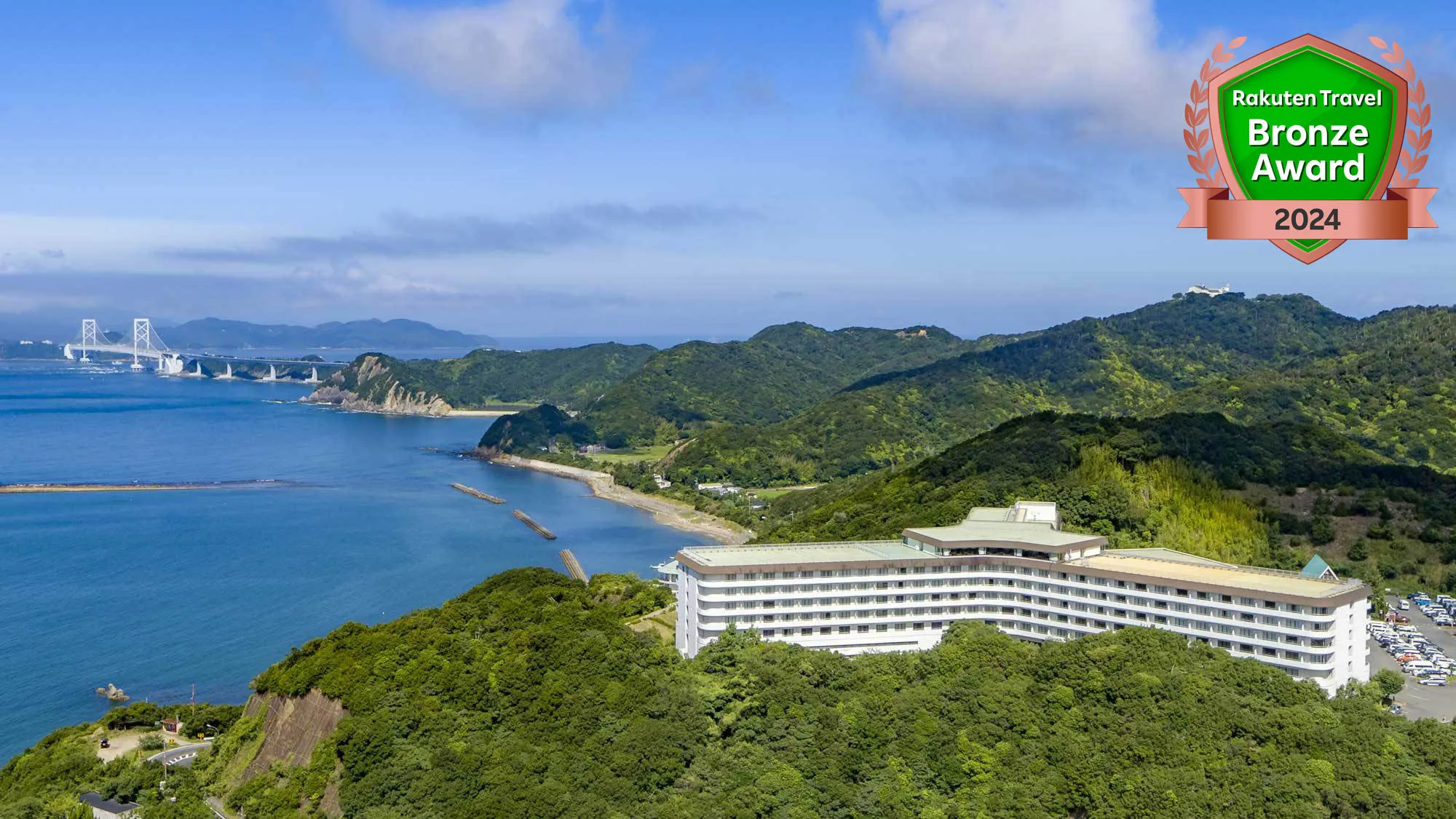
Grand Mercure Awaji Island Resort & Spa
Rakuten Travel ratings sit between 3.9 and 4.2 across the board
Looking at Rakuten Travel overall ratings as of September 2026, the 12 properties all fall within a range of 3.95 to 4.23, so the scores don't create any real ranking. Review counts run from 2,000 to 5,700 each, which is plenty as a sample.
By category, food is where differences show, with Sapporo Odori Park at 4.38, Nara Kashihara at 4.37, and Awaji Island at 4.33 leading the field. Facility ratings, on the other hand, range from 3.79 to 4.16, and you can read that as uneven renovation work from the former hotels showing up in the facility scores. A competing personal blog also flagged that some rooms still show their age in the bathroom fixtures, so it's worth choosing a renovated room plan.
Getting a sense of where each property sits on price also helps narrow things down. Going by actual Rakuten Travel rates (per person with two adults in one room, as a guide as of September 2026), the most affordable are Nara Kashihara and Lake Biwa, from around ¥10,000, with Sapporo Odori Park and Wakayama Minabe in the mid ¥10,000s, Nasu Kogen in the ¥20,000s, and Awaji Island and Okinawa Cape Zanpa from the ¥30,000s to ¥40,000 and above. Minami-Boso, Yatsugatake, Ise-Shima, and Beppu Bay didn't have comparable actual rates available on the same basis, so they're left out here. Even within one brand, rates differ by more than a factor of three.
Choose among the 12 not by which scores higher, but by which type fits your trip: play-area, water-play, or sightseeing base.
Your top pick changes with your child's age
Once you know the type, the next step is to apply your child's age. The same property can flip from a top pick to a poor fit between a baby under 1 and a six-year-old, so settling this first is the fast route.
For ages 0-2, the bath and the baby food decide it
If you're traveling with a child around the age of first steps, what to look at isn't play equipment but the bath and the food. Four properties are certified as Welcome Baby accommodations by the Miki House Child-Rearing Research Institute: Nasu Kogen, Minami-Boso, Yatsugatake, and Wakayama Minabe. Certification is sometimes granted on a per-room basis, so you'll want to confirm whether the room you're booking is covered.
As for baby food, 9 properties offer it. Minami-Boso in particular serves four stages, for 5, 7, 9, and 12 months, in the restaurant, and Ise-Shima has two types, from 5 months and from 10 months. Wakayama Minabe places free retort-pouch baby food for 9 months and up in the room rather than serving it in the restaurant, so the younger the child, the more "can we avoid making baby food?" changes the shortlist.
Allergen labeling at the buffet varies too. Yatsugatake labels ingredient use for 9 items: egg, milk, wheat, buckwheat, peanut, shrimp, crab, walnut, and cashew. Okinawa Cape Zanpa and Nara Kashihara label 8 items using pictograms and similar markers. Nara Kashihara also notes that you can consult the restaurant staff on the day about the possibility of trace contamination. If you're traveling with a child with allergies, the level of detail in the labeling is worth checking before you book.
The rooms themselves are worth a look too: Nasu Kogen has animal-themed rooms with beds pushed together Hollywood-style, plus baby rooms exclusively for ages 0-3. Awaji Island offers baby rooms and kids' rooms split by age, with the baby room side built around a no-shoes bed space fitted with bed rails and toys. With a baby, choosing right down to the room type name keeps you from going wrong.
In Rakuten Travel reviews, one guest at Lake Hamana noted being able to move around the dining area with a tray on a cart even while traveling with a one-year-old. Sapporo Odori Park has a post saying that crib rentals were available and reassuring even with a baby who was pulling up to stand, so baby-friendliness itself holds up even at a city hotel.
hotelThree properties to consider with a child aged 0-2
Welcome Baby certified, with a deep lineup of baby gear to borrow
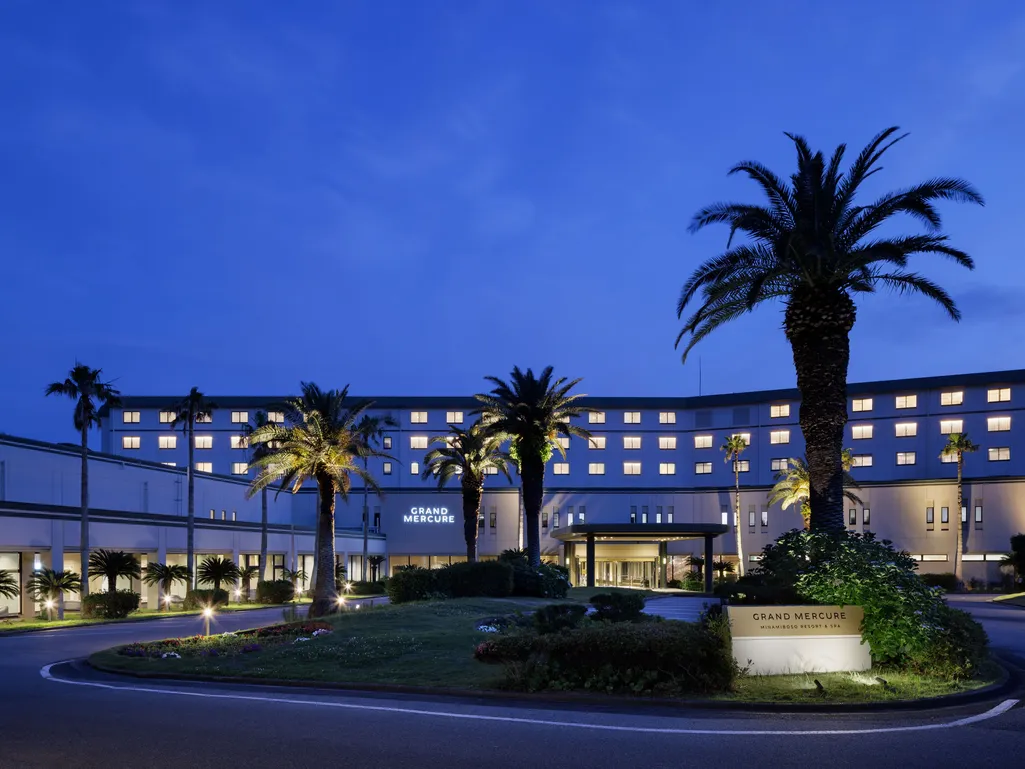
Grand Mercure Minamiboso Resort & Spa
Grand Mercure Nasu Highlands Resort & Spa
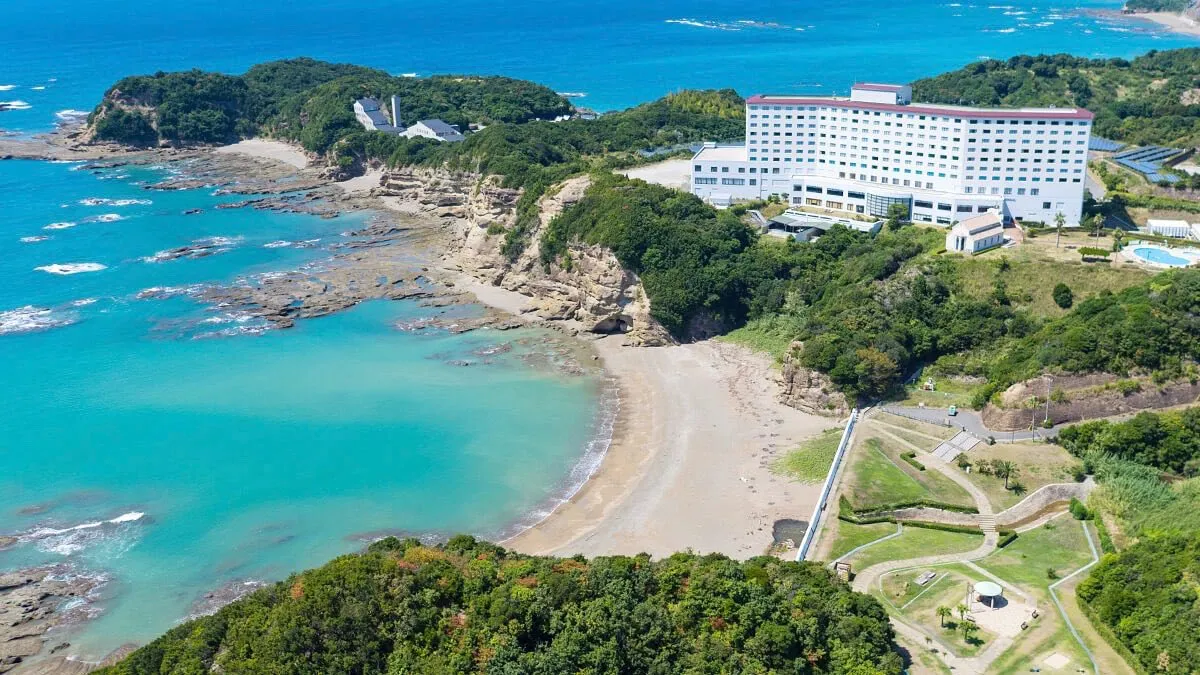
Grand Mercure Wakayama Minabe Resort & Spa
For ages 3-5, how well the indoor play area is built decides it
Once a child can run around on their own, the floor area of the in-house play space translates directly into how satisfying the stay is. Yatsugatake's "Mori no 8" is an all-weather play area with kids' athletic features like an ant-nest tower, bouldering, and plasma cars, plus a Kids Mountain area for preschoolers. The Forest Lounge on the 3rd floor also has a wooden ball pool, and the fact that it's open from 7 a.m. to 8 p.m. (closed from 1 p.m. to 2 p.m.) really helps. Awaji Island's "Shichifuku" kids' lounge is roughly 460 square meters and open from 3 p.m. to 8 p.m., and Nasu Kogen has a kids' zone for ages 2 to 6 in addition to its indoor play area.
Rakuten Travel reviews suggest that Yatsugatake's enormous kids' space and stargazing are popular with families. Whether or not there's an indoor play area can decide an entire rainy overnight stay. How to choose a hotel with a play space is covered in How to choose a hotel with a kids' space inside.
Minami-Boso has five play spots throughout the building, and the indoor play space on the 1st floor is usable both before check-in and after checkout. The areas are divided by slides and educational toys, so being able to separate where an older and a younger child play is practical too. Ise-Shima's wood-themed kids' space "Matoya no Mori" is built with timber from Mie Prefecture and has a completely flat floor, designed so even a child just starting to walk is less likely to trip.
Lake Hamana and Sapporo Odori Park, on the other hand, have no indoor play area. These two are properties you'd choose for a trip where sightseeing and dining outside take the lead. That said, Lake Hamana has mölkky and boccia on its lawn, and Sapporo Odori Park runs summer-holiday festival events, so a property without a play area doesn't necessarily mean bored kids.
For elementary schoolers, the scale of the water play and activities decides it
As stamina builds, in-house play equipment stops being enough. The top pick for families with elementary schoolers is Okinawa Cape Zanpa, where four pools and three water slides are open year-round. The water obstacle course at Zanpa Beach in front of the hotel operates from April to October with age and height requirements, so if you have a younger child too, expect stretches where they can't all play together.
Okinawa Cape Zanpa's pool splits into four: the kid-oriented "Warabaa Pool" at 0.25m deep, the flower-shaped large pool at 23m to 30m across and roughly 1.25m deep, and a roughly 128m lazy river with a heated section. The fourth is an adults-only area limited to age 18 and up, so three are open to families. Because which areas you can enter is split by age, the practical approach is for the adults to divide up and take the younger and older children to different spots.
If you're going in summer, Beppu Bay's pool ranges from 35cm to 110cm deep, so siblings of different ages can stay in the same pool. Lake Biwa's is 25 meters long and 50cm to 110cm deep, suited to the age when kids are practicing swimming.
Choosing by hands-on programs is another approach. Awaji Island's party blower (fukimodoshi) craft, Minami-Boso's peanut and sweet potato harvesting, Nara Kashihara's tatami coaster making and woodworking, Lake Biwa's rainbow trout fishing and grilling: having experiences you can only have in that region available inside the hotel is a real strength of this brand.
Ages 0-2: the bath and baby food. Ages 3-5: the indoor play area. Elementary schoolers: the scale of the pool. What to look at changes with age.
Children's rates and co-sleeping rules differ completely by property
This is the part comparison articles most often skip, and it's the part that hits your bill directly. Within the same brand, properties where ages 0-2 are entirely free sit alongside properties that charge a facility fee even for co-sleeping.
Properties where ages 0-2 are free, and properties that charge a facility fee
Lining up co-sleeping rules based on the official site guidance:
| Property | Co-sleeping, ages 0-2 | Ages 3 through preschool |
|---|---|---|
| Ise-Shima | Up to 2 children ages 0-6 free for both room and meals (official bookings only) | Likewise free through age 6 |
| Nara Kashihara | Up to 2 children ages 0-6 free for both room and meals (official bookings only) | Likewise free through age 6 |
| Lake Biwa | Free for both room and meals | With bedding, same as an adult; without bedding, meals only |
| Beppu Bay | Co-sleeping free (1 child per adult) | Book by selecting "meals only" |
| Lake Hamana | Free with no meals and no futon | ¥1,997 each for breakfast and dinner |
| Yatsugatake | ¥1,100 facility fee with no meals and no futon | With a futon, same as an adult |
| Nasu Kogen | ¥3,300 facility fee with no meals and no futon | Choose "with futon" or "no meals, no futon" |
| Minami-Boso | A facility fee applies for infants | ¥1,980 breakfast, ¥1,980 dinner |
| Awaji Island | Co-sleeping for up to 1 child per adult | Same treatment. Elementary school age and up pay adult rates |
| Okinawa Cape Zanpa | Co-sleeping allowed. No dedicated amenities or loungewear | Same treatment |
| Sapporo Odori Park | Preschoolers may co-sleep. Crib is ¥1,100 per night | ¥1,997 breakfast buffet |
| Wakayama Minabe | Some plans set elementary school age and under as free | Varies by plan |
The amounts are a guide based on official guidance as of September 2026 and change with the plan and the season. Even so, the fact that a property charging ¥0 and one charging ¥3,300 sit within the same brand is worth knowing before you book.
From age 3 through preschool, it branches on "with futon" and "with meals"
Past age 3, the rate is determined by the combination of whether they use a futon and whether they eat. Most properties are set up so that choosing the futon option makes the rate the same as an adult's, while no futon with meals lands in the low thousands of yen.
Lake Hamana, for example, charges children age 3 through preschool ¥1,997 for breakfast and ¥1,997 for dinner. Minami-Boso charges ¥1,980 for breakfast and ¥1,980 for dinner, and you can also add them on the day. On Japanese booking sites, the option is often labeled something like "young child (with meals, no futon), " and getting this wrong means paying the difference on arrival. How to read the children's categories on each booking site is covered in How Rakuten Travel's children's rate categories work and how to choose.
The "up to 2 children ages 0-6 free" at Ise-Shima and Nara Kashihara is a perk limited to bookings through the official site, so going through a booking site won't get you the same terms. For families traveling with two preschoolers, booking these two properties officially pays off the most.
Rakuten Travel reviews mention that Wakayama Minabe has plans where elementary school age and under stay free, but that's a per-plan condition. Since it isn't a year-round rule, you need to check on the booking screen whether the plan qualifies. Points earned on a booking site versus free children on an official booking: which comes out ahead flips depending on how many children you have, so families with two preschoolers should pull up the official site rate at least once to compare.
Elementary schoolers pay adult rates everywhere
At all 12 properties, elementary schoolers were charged adult rates on standard plans (Wakayama Minabe's free-for-elementary-and-under is a per-plan exception). At Awaji Island, elementary school age and up can't co-sleep at all and pay adult rates, and at Sapporo Odori Park the breakfast buffet is ¥3,872 for elementary schoolers, the same as adults.
In other words, only families with preschoolers can choose a property based on price differences. If your family is all elementary schoolers, you can set the rate concerns aside and decide purely on the scale of the play areas and pools.
For pools and communal baths, potty training changes the shortlist
Whether you're going in summer, and whether your child is potty-trained. These two move the shortlist significantly. It's also worth knowing up front that three properties have no pool at all.
Okinawa Cape Zanpa is the only year-round swim
Here are the pool operating periods and the shallowest depth at each property:
| Property | Pool operation | Shallowest depth | Use with swim diapers |
|---|---|---|---|
| Okinawa Cape Zanpa | Year-round | 25cm | Usable with swim pants on |
| Ise-Shima | Summer | 30cm | Not stated officially |
| Awaji Island | Summer (weekends only in September) | Roughly 30cm | Allowed |
| Wakayama Minabe | Summer | 35cm | Allowed |
| Beppu Bay | Summer | 35cm | Allowed |
| Lake Hamana | Summer | 40cm | Not stated officially |
| Minami-Boso | Summer | Not stated officially (there is a shallow kids' area) | Allowed |
| Lake Biwa | Summer (mid-July to late September) | 50cm | Allowed |
| Nasu Kogen | Summer (mid-July to end of August, plus September's holiday weekends) | Not stated officially | Allowed |
| Yatsugatake | No pool | - | - |
| Nara Kashihara | No pool | - | - |
| Sapporo Odori Park | No pool | - | - |
If the pool is your reason for going outside of summer, Okinawa Cape Zanpa is the only option. Put another way, for any other season the natural move is to choose from the play-area or sightseeing-base types.
Summer pools are included in the room rate at every property, usable at no extra charge. Operating periods change year to year, so if you're planning around 2026 dates, check the official site before booking.
Properties where swim diapers are allowed in the pool
Seven properties officially state that children who aren't potty-trained can use the pool if they wear swim diapers (swim pants): Nasu Kogen, Minami-Boso, Wakayama Minabe, Awaji Island, Beppu Bay, Lake Biwa, and Okinawa Cape Zanpa. Awaji Island adds the conditions that elementary school age and under must be accompanied by a guardian, and for age 10 and under the guardian must be in the water too.
For Ise-Shima and Lake Hamana, we couldn't find official statements about pool use by children who aren't potty-trained. Where there's no official statement, don't go on "it's probably fine": call and confirm before booking.
hotelThree properties where water play takes the lead
Shallow kids' pools that can be used with swim diapers
Grand Mercure Awaji Island Resort & Spa
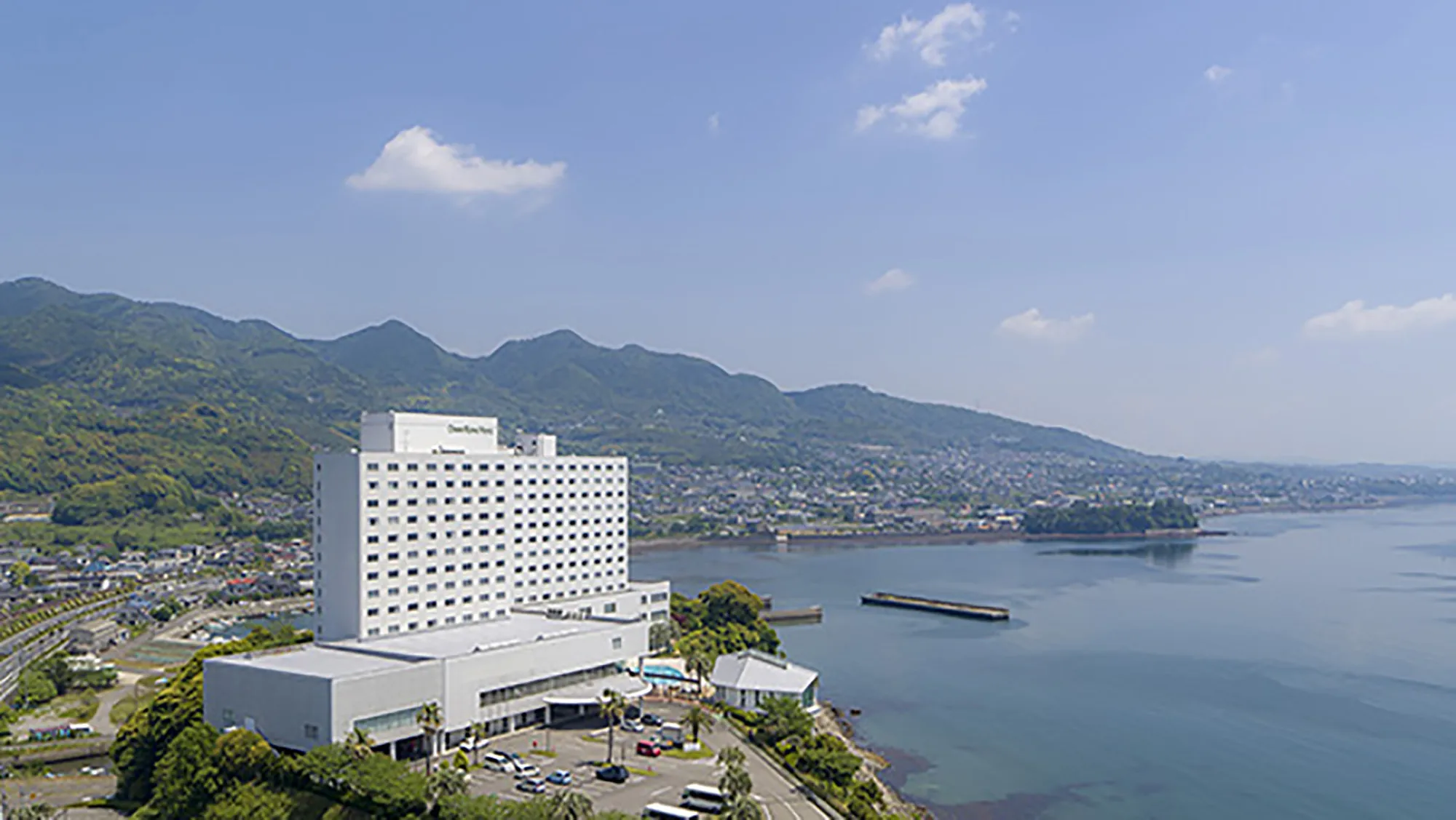
Grand Mercure Beppu Bay Resort & Spa
Grand Mercure Wakayama Minabe Resort & Spa
Two properties explicitly state there's no age limit for the bath, and one states use from age 0
The communal bath is a different story. Of the 12 properties, Nasu Kogen and Yatsugatake explicitly state that they set no age limit on bathing for children who aren't potty-trained, and Minami-Boso states that the bath can be used from age 0. Nasu Kogen's official FAQ answers that there are no particular restrictions, though age 1 and up is recommended, and baby baths are placed inside the bathing area. Yatsugatake has baby baths in the communal bath area and a baby bed in the changing room as well.
| Property | Bath | Changing room baby bed | Bath use by children not potty-trained |
|---|---|---|---|
| Nasu Kogen | Hot spring communal bath | Yes | Explicitly no age limit |
| Yatsugatake | Hot spring communal bath | Yes | Explicitly no age limit |
| Minami-Boso | Communal bath (hot spring in the open-air bath only) | Yes (plus a playpen and changing table on the women's side) | States it can be used from age 0 |
| Wakayama Minabe | Communal bath (hot spring in the open-air bath only) | Yes | Not stated |
| Awaji Island | Hot spring communal bath | Yes | Guests are directed to the in-room bath. A baby bath or baby bath chair is required when using the communal bath |
| Lake Biwa | Hot spring communal bath | Yes | Not stated |
| Lake Hamana | Hot spring communal bath | Yes | Not stated |
| Ise-Shima | Hot spring communal bath | Not stated | Not stated |
| Beppu Bay | Hot spring communal bath | Not stated | Not stated |
| Nara Kashihara | Hot spring communal bath | Not stated (baby soap and a child's stool are available) | Not stated |
| Okinawa Cape Zanpa | Communal bath (not a hot spring) | Not stated | Asks that infants in diapers refrain |
| Sapporo Odori Park | No bath | - | - |
At Okinawa Cape Zanpa, children in diapers skip the bath and play in the pool instead. If "getting in the bath together" is the point of the trip, the shortlist narrows to Nasu Kogen, Yatsugatake, and Minami-Boso. How to find properties you can bathe at with a child who isn't potty-trained is covered in Hotels where you can enter the hot spring or communal bath with a child who isn't potty-trained.
Nine properties have a pool, and only Okinawa is year-round. Only two, Nasu Kogen and Yatsugatake, explicitly state no age limit for the bath.
Narrow it to one on location and crowding
By this point you should be down to about two properties. The last step is deciding on how you'll get there and when you'll go. The travel burden with kids can matter more in practice than differences in in-house facilities.
Properties you drive to, and properties within walking distance of a station
Of the 12 properties, three are within walking distance of a station: Nara Kashihara (roughly 1 minute on foot from Kintetsu Kashiharajingu-mae Station), Lake Biwa (roughly 10 minutes on foot from Nagahama Station), and Sapporo Odori Park (roughly 3 minutes on foot from Nishi 11-chome subway station). If you're taking the train with a stroller and a lot of luggage, these three are effectively your options.
The other 9 assume a car, though some have shuttle buses. Yatsugatake runs a scheduled service from Kai-Oizumi Station, Ise-Shima has a scheduled shuttle roughly 15 minutes from Kintetsu Ugata Station with no reservation needed, and Minami-Boso has a free shuttle by advance reservation. For Awaji Island, you'll want to check the official site for whether a shuttle is offered. If you're traveling by bullet train or plane, whether there's a shuttle decides the shortlist.
If you're flying, the distance from the airport is also a factor. Okinawa Cape Zanpa is reached by car from Naha Airport (check the official site for the travel time), and Beppu Bay is roughly 30 minutes from Oita Airport. The younger the child, the more a long drive after arrival eats into day one. If your flight lands late, either pick a property near the airport or plan on day one being nothing but travel.
Parking is paid at three properties, and confirmed free at three
If you're driving, parking is worth checking too. Beppu Bay has 240 spaces, Minami-Boso 150, and Yatsugatake 175, all free. For Nasu Kogen, Wakayama Minabe, Awaji Island, Lake Hamana, and Ise-Shima, it's safest to check both the fee and the number of spaces on the official site.
Three charge: Lake Biwa at ¥500 per car per night (with in-and-out privileges during your stay), Sapporo Odori Park at ¥1,500 per car per night, and Nara Kashihara with 74 paid spaces. The closer to a station, the more likely parking is paid, which is a straightforward enough relationship.
Buffets and elevators get crowded over long weekends
One thing that comes up repeatedly in Rakuten Travel reviews is crowding. Lake Biwa has a comment about the communal bath being so crowded that the guest gave up and switched to the in-room bath, and Lake Hamana has a note that elevator waits run long in peak season, which is a burden for families with small children and for older guests. Okinawa Cape Zanpa also draws comments about stress from short-staffing and elevator shortages over long holiday weekends.
Nara Kashihara has a comment that the communal bath has few washing stations and can involve waiting your turn, and Minami-Boso has notes about buffet waits when it's busy, which suggests crowding tracks with the time of day rather than the size of the property.
A competing personal blog also flagged the pattern that the 3 p.m. hour when the lounge opens and the 5:30 p.m. window when the dinner buffet starts are the busiest, so shifting your timing by an hour helps. Because all-inclusive is structured so that everyone goes to the same place at the same time, crowding isn't a facility problem, it's a scheduling problem. With kids, taking the earlier dinner slot and pushing the bath later alone changes how it feels.
travel_exploreSee properties with the same conditions in the areas of these three resorts
Lists of properties in each area, filtered by kids' rooms and all-inclusive service
Search family hotels by condition
Search family hotels by condition
Runs a search with all-inclusive and indoor play area already selected.
Summary
Grand Mercure has 12 properties, and all-inclusive service is the only thing they all share. For ages 0-2, look at the bath and baby food; for ages 3-5, the indoor play area; for elementary schoolers, the scale of the pool. Work through it in that order and the shortlist narrows naturally. On rates, watch out for how differently the same brand handles things, from "up to 2 children ages 0-6 free" at Ise-Shima and Nara Kashihara to the ¥3,300 facility fee at Nasu Kogen. If you want a pool outside of summer, Okinawa Cape Zanpa is the starting point; if you want to get in the bath with a child who isn't potty-trained, Nasu Kogen or Yatsugatake. Decide on the age and the season first, then check the children's rate conditions on the official sites of the two properties that caught your eye.
auto_awesomeSee similar types of properties together
Collections of large all-inclusive resorts and properties with pools and play areas.
All-Inclusive Family Onsen Resorts
Buffets, all-inclusive plans, hot springs, and kids' play areas under one roof: resorts where you never need to go out, sorted by type
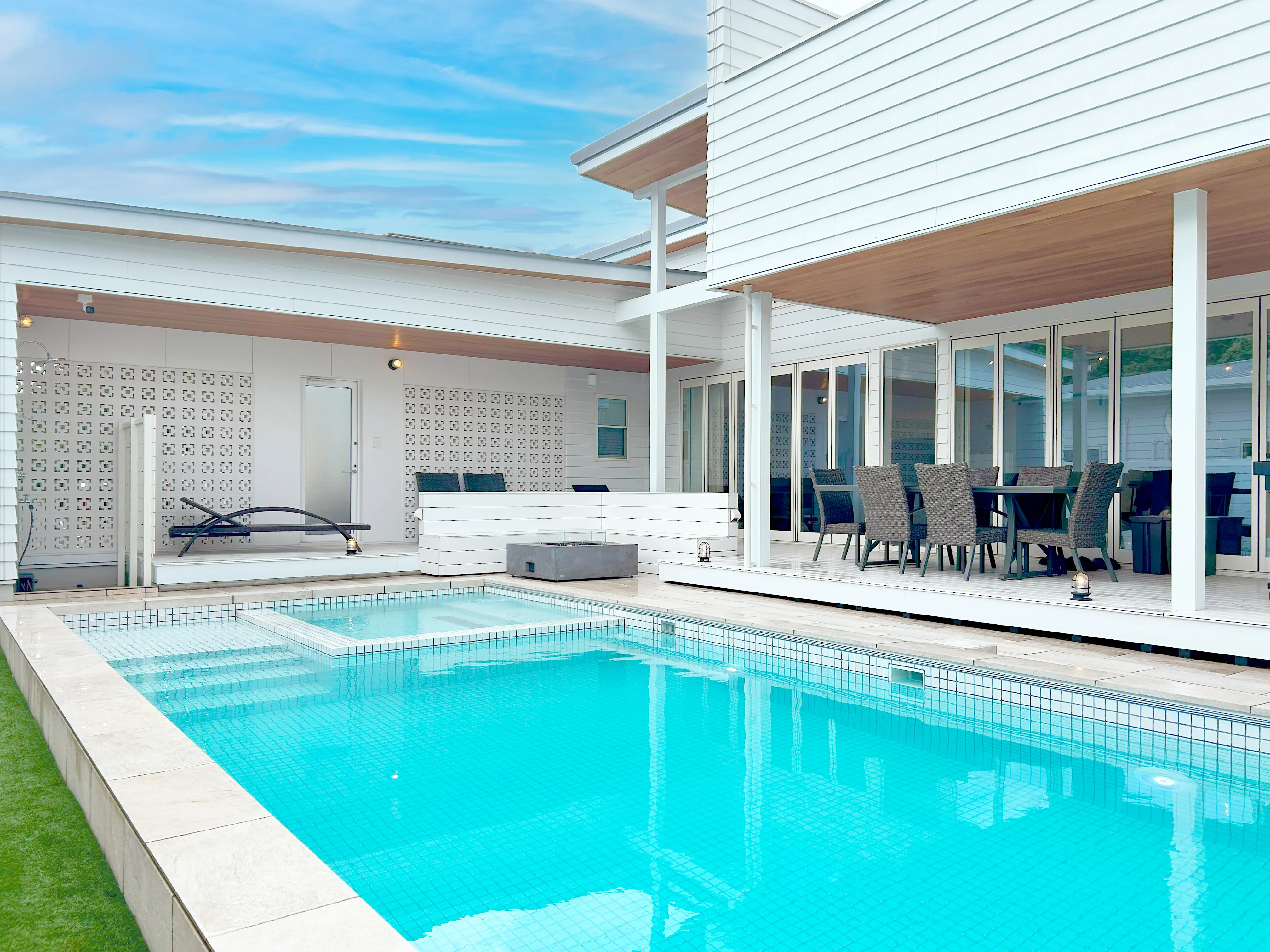
Pool Hotels With Kids
From year-round indoor heated pools to tropical garden pools, with verified data on which pools welcome children still in diapers
Hotels Kids Love
Water slides, indoor adventure playgrounds, even themed rooms. Hotels where children get to be the main character, chosen from our confirmed amenity data and sorted by area across Japan
articleRead next
A stay review of Grand Mercure Nasu Kogen, plus comparison articles covering other brands.


Frequently Asked Questions
What's the difference between Grand Mercure and Mercure?
They're different brands within the same hotel group, with Grand Mercure positioned higher. It's designed around enjoying the stay itself, centered on all-inclusive resort properties. Mercure is a mostly midscale brand that works well as a base for sightseeing or business travel, and it's said to have far more locations worldwide. If you want a family stay that's self-contained within the hotel, Grand Mercure is the more likely candidate.
Is anything not included in the all-inclusive plan?
What's included is dinner, breakfast, lounge drinks and light snacks, and the hot spring plus some activities. Official sites note that the coin laundry, paid game corner, massages, and tours outside the hotel are billed separately. Summer pools are included in the room rate at most properties, but additional orders like an anniversary cake are billed separately. As long as you're eating, drinking, and relaxing normally within the hotel, it's designed so no extra payment comes up.
How do I sign a co-sleeping child up for meals?
Generally you select from categories like "with meals, no futon" or "no meals, no futon" when booking. For ages 0-2, opting out of both meals and a futon means free or a facility fee only, while for age 3 and up the presence of meals changes the total by several thousand yen. Some properties like Minami-Boso and Lake Hamana let you add meals on the day, but they may be fully booked, so if there's a chance your child will eat, it's safer to include it when you book.
Can we stay with a baby under 1?
All 12 properties accept guests from age 0. Most have diaper bins and humidifier rentals, and crib rentals are available at half of them, 6 properties. The Welcome Baby certified properties, Nasu Kogen, Minami-Boso, Yatsugatake, and Wakayama Minabe, go as far as baby baths and formula warming pots. Note, though, that Awaji Island has no cribs and only lends bed rails, and Sapporo Odori Park's crib is a paid reservation at ¥1,100 per night. Rental items are limited in number, so it's safest to reserve them when you book.
Search family hotels by condition
Search family hotels by condition
Related articles


Seasonal collections
Christmas With Kids in Japan
Book December weekends early. Three ways to spend it: city hotels, dinner-included resorts, or snow and hot springs
Winter Break With Kids
Travel in the first or second half of winter break and skip the New Year crush. Choose by snow play, hot springs, the warm south, or city playgrounds
Autumn Farms and Harvest
Hotels with farm activities and animal encounters, plus the areas that make the best base for fruit picking and harvest days, from Hokkaido to Kyushu
Autumn Highland Play
In the season that is neither hot nor cold, find hotels where kids can run around outside. Highland areas with outdoor play areas and adventure courses, from north to south
Autumn Leaves With Kids
Peak color timing, plus hotels in autumn leaf areas you can manage with a baby or toddler, from Hokkaido to Kyushu
Autumn Cottages and Glamping
No one else to worry about, at your children's own pace. Areas with self-catering villas, cottages, and glamping, from north to south