
Japan Hotel Pools With Kids: Swim Diaper and Height Rules

This site uses affiliate links; we may earn a commission on bookings.
If your child is not yet potty trained, here is the short answer: many hotel pools in Japan will not let them into the water at all, and most of the ones that do will keep them in a shallow kids' area only. A swim diaper is not a universal pass, because the policy is set property by property and is often not stated clearly on the booking pages. The other rule that surprises visiting families is that slides are governed by height, not age: most water slides in Japan require a rider to be at least 115cm tall, which a three year old almost never reaches.
This guide walks through the three numbers that decide whether a Japanese hotel pool actually works for your family: the diaper policy, the slide height limit, and the water depth in centimeters. The property specs below come from real hotels.
Find hotels with a shallow kids' pool
Find hotels with a shallow kids' pool
On Kids Stay you can filter from the start for hotels with a shallow children's pool. Just choose an area and the number of guests.
hotelA stay we recommend
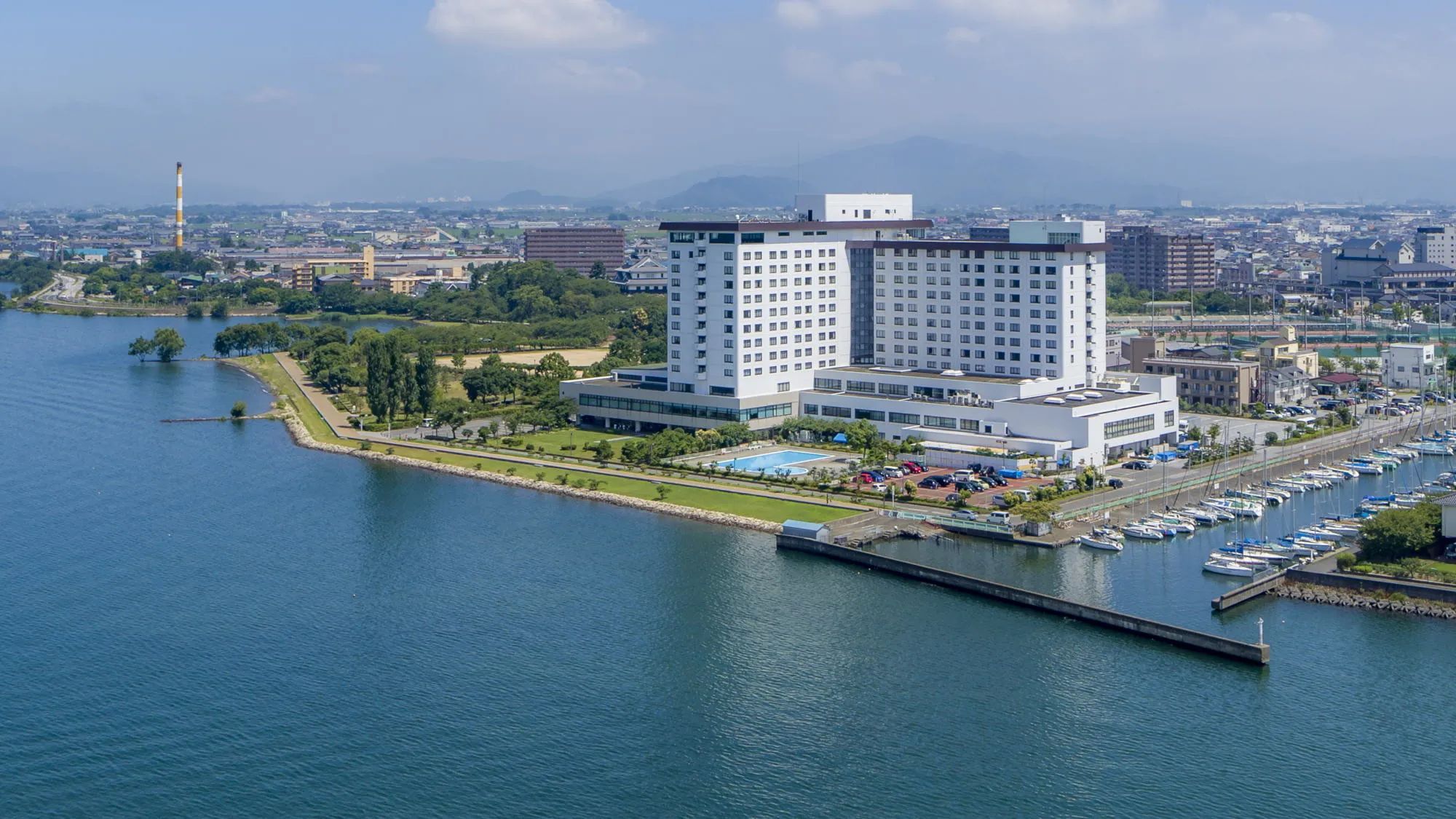
A lakeside resort on Lake Biwa in Nagahama, Shiga. It has a children's pool that toddlers can use as long as they wear a swimsuit, and swim diapers are accepted.
menu_bookContentsexpand_more
Swim diaper rules: the three patterns you will meet
The single most overlooked detail when choosing a pool in Japan is whether children who are not yet potty trained are allowed in the water at all. Families do sometimes learn this only at the front desk, and for a trip planned around the pool, that one missed line can undo the whole day. Hotel pools in Japan fall into three patterns, and the one that limits diapers to the kids' area is the most common.
- Swim diaper plus swimsuit is fine. Common at kid oriented resorts. Grand Mercure Minami Boso, for example, keeps a separate shallow kids' area, so it is clear exactly where a child in diapers can play, which makes the booking decision easy.
- No diapers at all. Common at hygiene focused, full scale pools, where even the children's section is off limits to a child who is not potty trained.
- Kids' area only, adult pool not allowed. The middle ground, and in practice the pattern you will meet most often.
What a swim diaper does and does not do
A swim diaper is designed to contain solid waste for a limited time, and most products still let urine through. That is why pools assume frequent changes rather than treating the diaper as a seal. Plan on five or more spares per child, and change in the changing room rather than poolside. Swim diapers are sold at drugstores and baby goods stores across Japan if you run out, and packages are sized by body weight in kilograms rather than by age, so it helps to know your child's weight before you shop.
How to confirm before you book
Hotels that officially state their pool welcomes children still in diapers are gathered in the pools that allow swim diapers list. When the official page says nothing, ask directly. If you are not confident in Japanese, a short written message through the booking platform or the hotel's contact form usually works better than a phone call. Ask three things:
1. What is the depth of the children's pool? 2. Are children who are not yet potty trained allowed in? 3. How are swim diapers handled, and in which pool?
Those three answers tell you almost everything about how family friendly the property really is.
Water slide height limits: 115cm is the usual bar
Booking specifically for the water slide and then finding your child is too short to ride is a quietly common disappointment. Most slides in Japan have a height requirement, and it is rarely posted anywhere prominent on the official site, let alone on the English pages.
Real specs make the range clear. Nesta Resort Kobe runs six different slides in summer, but the main ones require 115cm or taller, and even the slide at its shallow kids' pool starts at 102cm. Renaissance Resort Okinawa has outdoor pools, and inside its indoor pool there is a loop slide 5 meters high and 15 meters long, so the thrill is available regardless of the weather. Hotel Zuiho at Sendai Akiu Onsen has an all weather indoor heated pool with a slide that children as young as three can ride with a parent, which is one of the rare setups where a small child can actually join in.
When your kids are years apart
If your children are a few years apart, look for a property where the older one can ride while the younger one plays in the shallows. Ryugujo Spa Hotel Mikazuki Ryugutei has a year round indoor aqua park that houses both a slide and a children's area at its garden pool, so the split is easy to arrange without one child waiting on the other.
Hotels with a slide can be compared through the hotels with a water slide list. Requirements differ property by property, so measure your child before the trip and check that number against the specific slide, not against a general age guideline.
Booking for the slide? Match your child's current height in centimeters against the property's stated limit before you pay.
Water depth is the number to look for
The phrase "kids' pool" tells you nothing on its own. Plenty of official pages say only that, without listing the depth, and the depth in centimeters is what completely changes how much fun a child has. The classic failure is arriving, seeing that your child cannot stand up in the water, and reworking the afternoon on the spot.
| Depth | Suited to age | How kids play | Parental involvement |
|---|---|---|---|
| 15 to 25cm | 0 to 2 | Sitting and splashing, crawling | Watch constantly, right beside them |
| 30 to 50cm | 2 to 4 | Standing and walking, water guns | Watch within about 1 meter |
| 60 to 80cm | 4 to 6 | Crouching, practicing submerging | Watch from the poolside |
| 1 to 1.2m | 6 and up | Floats, practicing swimming | Swim alongside in the water |
Around age 3, roughly 50cm is the sweet spot
At about 50cm a three year old can stand, walk, get back up alone after a fall, and try dipping their face in. That feeling of handling it themselves is what builds confidence in the water. At 25cm it is often too shallow to hold their interest, and at 80cm many children get scared because they cannot touch the bottom.
Check whether the kids' zone is physically separate
An easy detail to miss is whether the adult and children's areas share the same water. When they do, small children end up splashing next to adults swimming laps, and the waves and spray bring on tears more often than you would think. Renaissance Resort Okinawa keeps an independent kids' zone 50cm deep in both its indoor and outdoor pools, and that separation is genuinely reassuring. The larger the resort, the more worth checking this is.
Properties with a shallow children's pool are gathered in the hotels with a shallow kids' pool list. Whatever else you compare, a clearly stated depth is the strongest signal that a hotel has thought about young children.
Indoor, outdoor, or year round
It is easy to assume that a summer trip means an outdoor pool, but with young children outdoor is not automatically the right call. A Japanese midsummer afternoon means retreating to the shade every 30 minutes, and both children and parents end up drained.
| Type | Operating season | Heat risk | Weather impact | Best suited to |
|---|---|---|---|---|
| Outdoor pool | June to September only | High, direct sun | May close for rain | Ages 4 and up, summer only |
| Indoor pool | Year round or summer | Low | None | Preschoolers, any season |
| Year round outdoor, subtropical | Year round | Moderate | Cool in winter | Okinawa trips |
For preschoolers, an indoor pool is overwhelmingly easier: climate controlled, no UV exposure, and immune to a rainy forecast. For all weather reliability, the huge indoor pool at Chateraise Gateaux Kingdom Sapporo and the indoor heated pool at the center of Hotel Reoma no Mori, which is free for guests and open all year, are both dependable choices.
Fitting a pool into a Japan itinerary
If your Japan trip includes three or four nights in one region during summer, build in one property with an indoor option so a rainy day does not erase the highlight of the week. If you are visiting in winter or spring and still want swimming, Okinawa resorts where a swimsuit works year round are the realistic answer. For any pool focused trip outside summer, make year round operation a filter from the start rather than something you check later.
Around the pool: changing rooms, distance, and packing
Focus only on the pool itself and the rest of the stay can quietly wear you down. Without a baby bed in the changing room, changing a one year old becomes far more of a workout than it sounds, and laying a baby on the floor is not something you want to do.
The details worth checking before booking are the baby bed in the changing room, whether there is a warm shower, whether there is resting space poolside, and the route from your room to the pool. Distance from the room matters more than it looks: carrying a soaking three year old back and forth through elevators and corridors is a real load.
What to bring
Two swimsuits per child so you are not stuck with a damp one the next day, thick bath towels, plenty of plastic bags for wet items, and sunscreen plus a rash guard for outdoor pools.
At an all inclusive resort, poolside drinks and snacks are included in the rate, which lightens your bag and removes the running cost of a long afternoon. Being able to stay poolside for hours without watching the bill makes it much easier to take breaks at a small child's pace.
If you are traveling with a baby under one, a hotel with a good onsen (hot spring baths, entered without swimsuits) or a well equipped indoor kids' space usually delivers more than a pool does.
Safety habits and when to book
One reality worth stating plainly: water accidents are not zero even in 30cm of water. A child can fall, end up face down, and be unable to get back up alone. The assumption that shallow means safe is the dangerous part.
The rules are simple and do not change with depth. Never take your eyes off your child, and save the phone for after they are out. Ease them in feet first. Take a break every 30 minutes. Skip the pool entirely if there is fever or diarrhea.
Booking timing for a Japan summer
Popular pool hotels are close to fully booked for the summer window by March or April. Obon, the mid August holiday period around August 10 to 16, is one of the busiest stretches of the Japanese travel year, and in some years even a February booking is already too late for it. Many properties also discount 10 to 20 percent for early booking, so acting early helps the budget as well as the calendar. If your trip depends on the pool, book by March.
FAQ
Can a baby in diapers use a hotel pool in Japan?
Sometimes, but not everywhere. Many properties do not allow babies under six months in the water at all, and after that a swim diaper and a parent accompanying the child are the usual conditions. Even where swim diapers are accepted, it commonly means the children's area only and not the adult pool. Real enjoyment tends to start around 18 months, so for a baby under one, a hotel with a good onsen or kids' space is often the better booking.
Are swim diapers enough on their own?
Not as a guarantee. The policy is set by each property, and most swim diaper products still let urine through, so pools assume frequent changes. Bring five or more spares per child and confirm the property's rule in writing before you book.
What height do kids need for a water slide in Japan?
It is usually height rather than age, with 115cm or taller as the common bar. Some properties run a kids' slide from 102cm, such as Nesta Resort Kobe, and a few allow riders from age three with a parent, such as Hotel Zuiho at Sendai Akiu Onsen. Measure your child before the trip and check the specific slide.
Indoor or outdoor, which is better with young children?
Age decides it. Indoor for three and under, with outdoor becoming an option from four. At three and under, heat and sun exposure take a heavy toll, and indoor pools leave both children and parents less tired. Once you add the risk of rain, a property with an indoor option is the most flexible booking.
What if the hotel does not list the water depth?
Ask before booking. "Has a kids' pool" can turn out to mean an awkward 80cm that a three year old cannot stand in. The three questions of depth, diaper policy, and swim diaper handling give you a clear read on how well the property handles small children.
Find hotels with a shallow kids' pool
Find hotels with a shallow kids' pool
Related articles


Seasonal collections
Late-Summer Okinawa Beaches
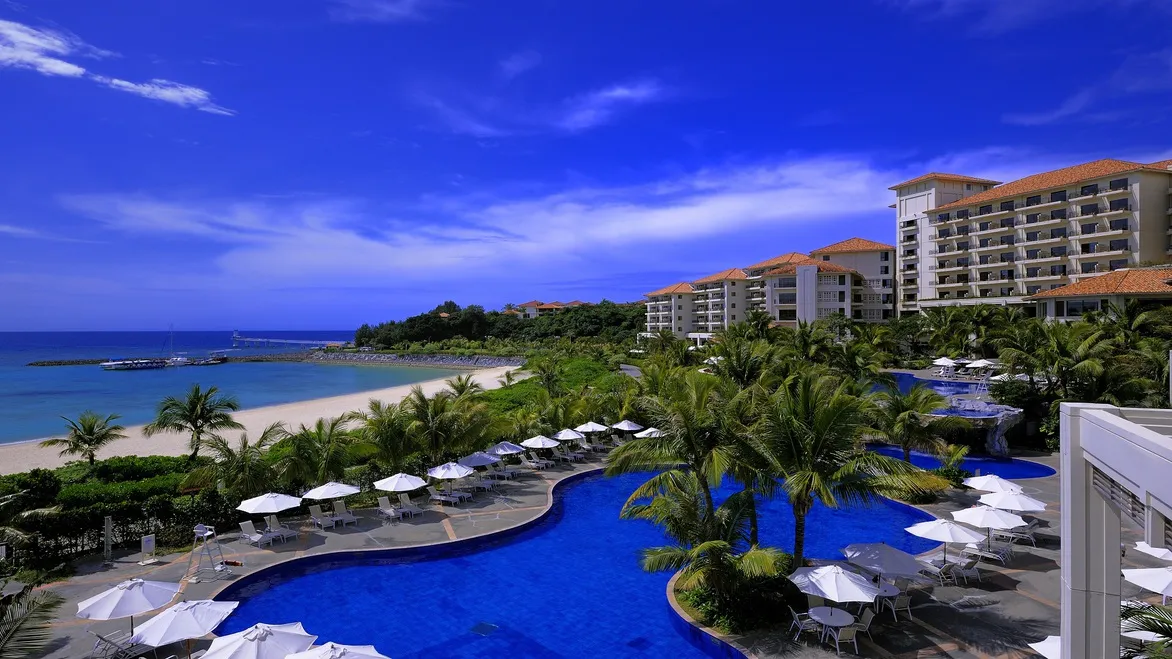
Fall in Okinawa, Miyakojima, Ishigaki, and Amami, once the crowds and the heat have eased. Stays within walking distance of a beach, or with a kids' pool
Winter Onsen With Kids
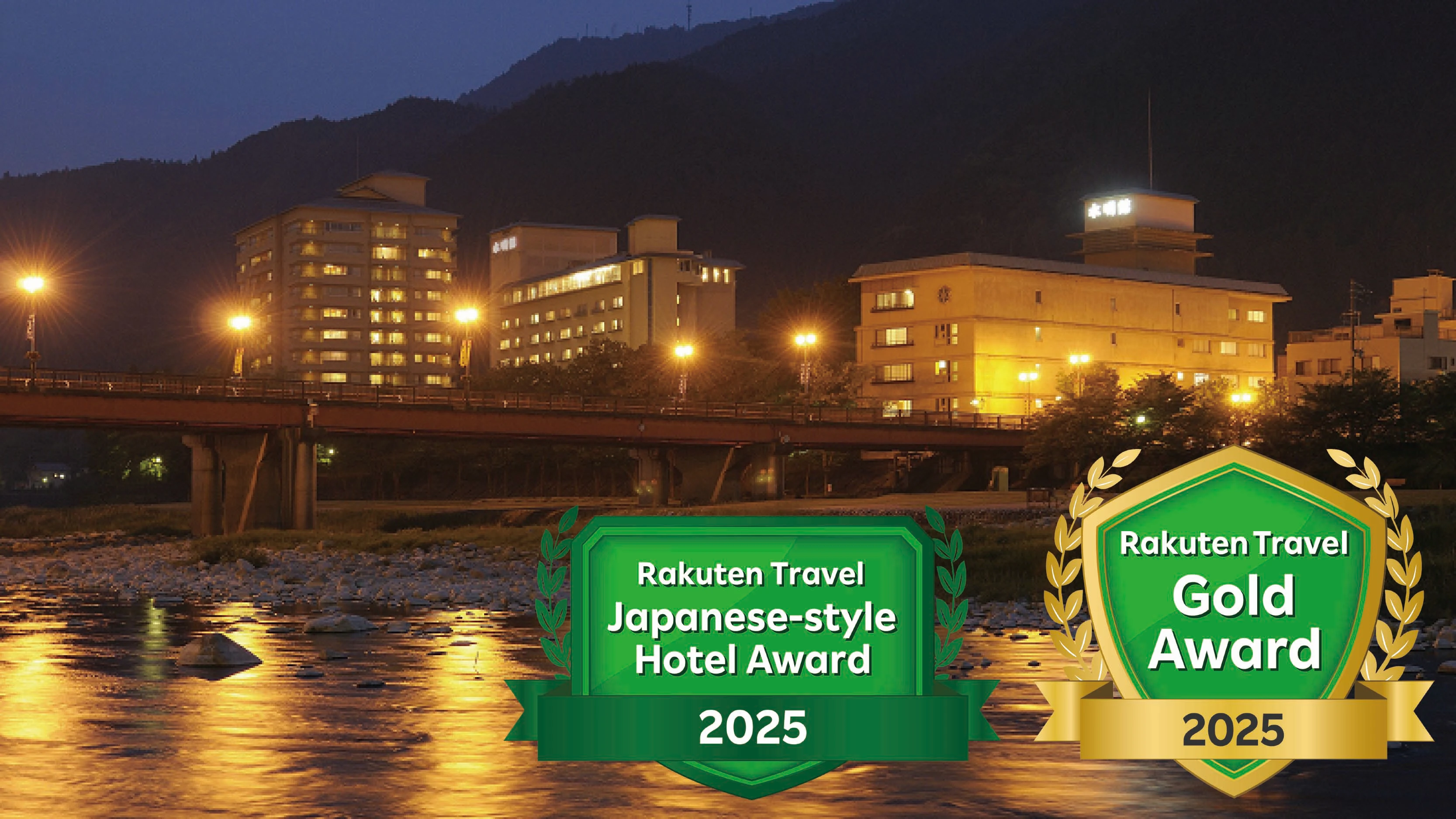
Winter onsen towns from north to south, where an in-room bath, a reservable private bath and meals in your room mean you never have to go out
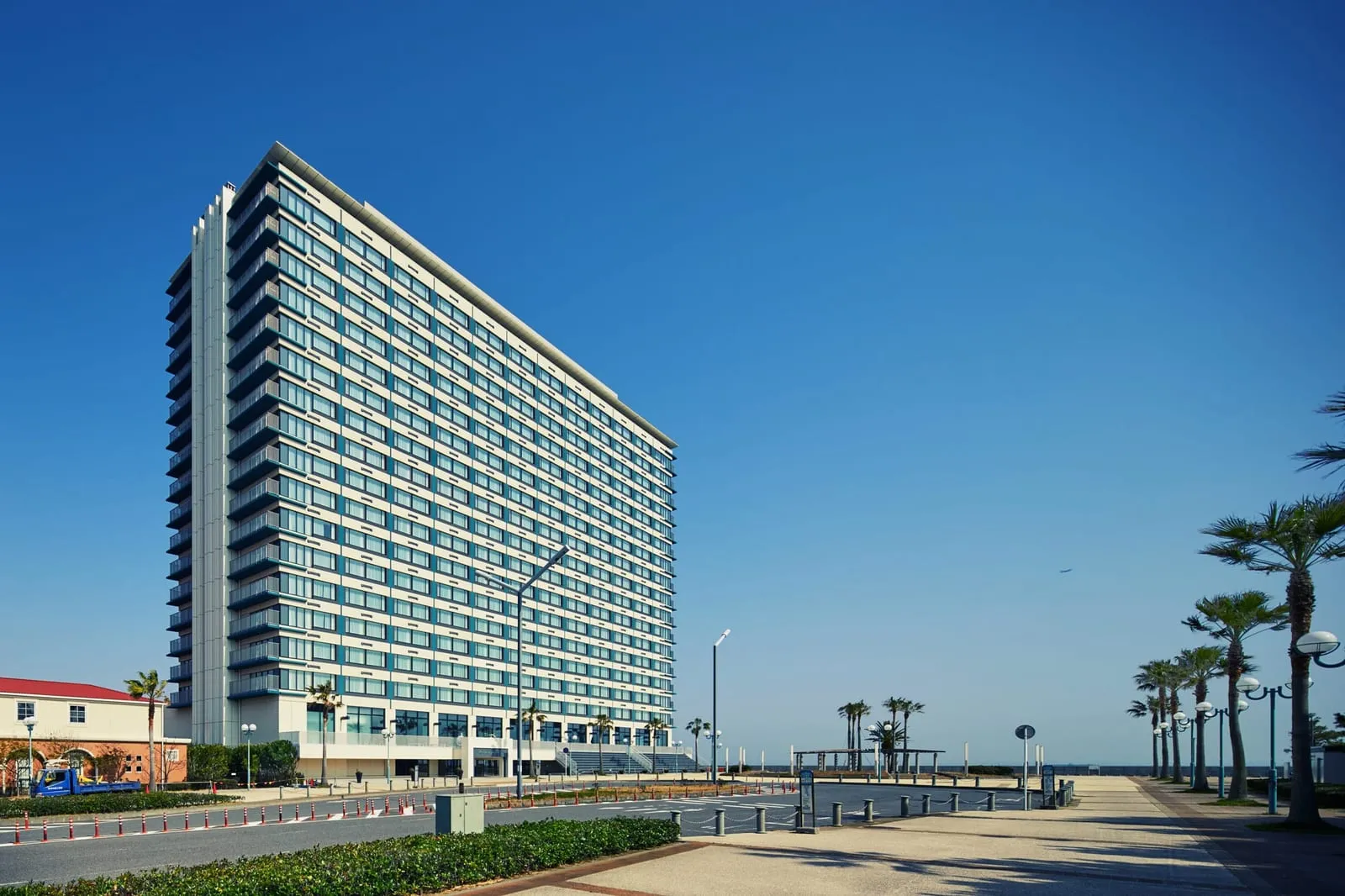
Christmas With Kids in Japan
Book December weekends early. Three ways to spend it: city hotels, dinner-included resorts, or snow and hot springs
Winter Break With Kids
Travel in the first or second half of winter break and skip the New Year crush. Choose by snow play, hot springs, the warm south, or city playgrounds
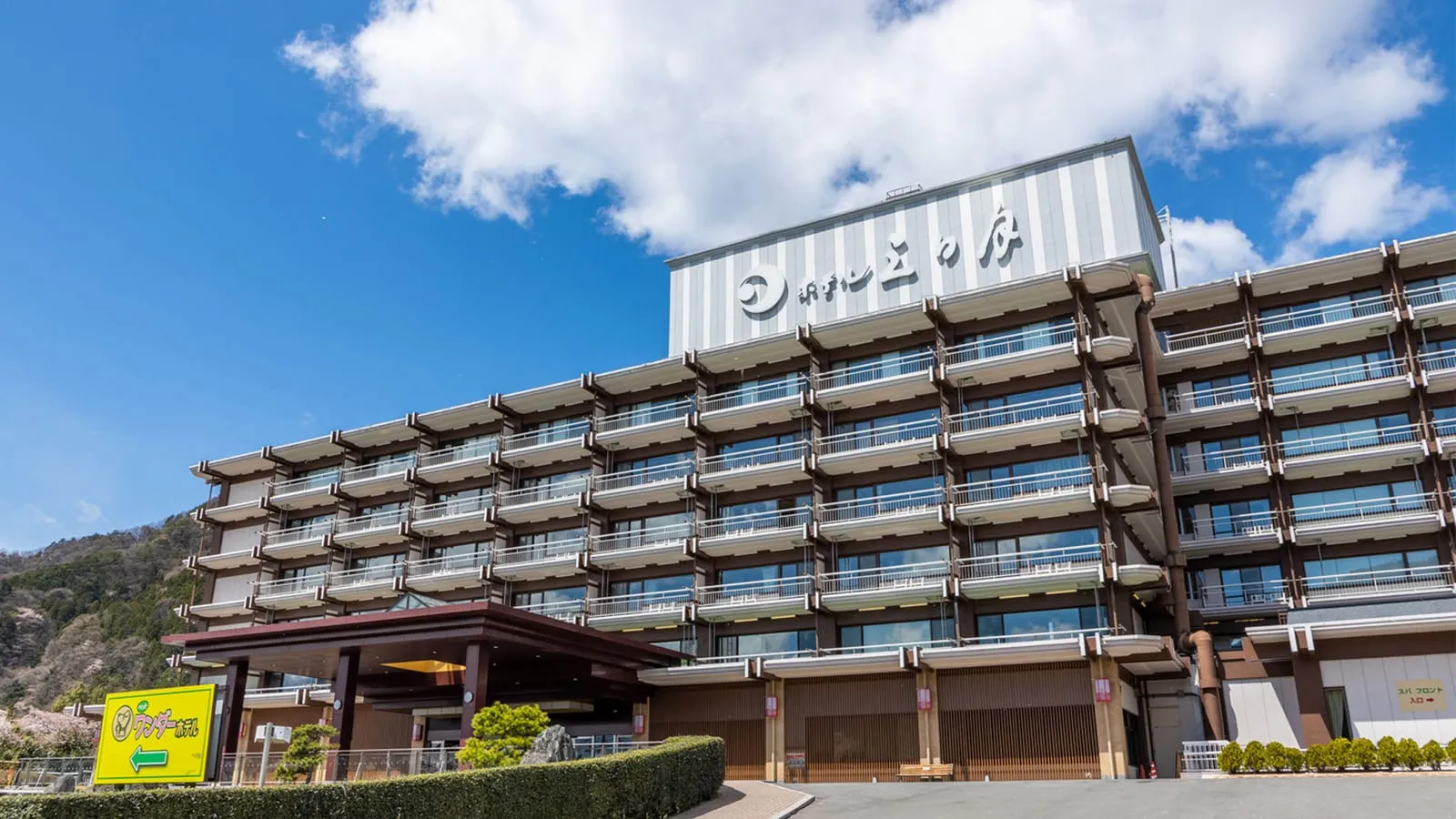
Autumn Leaves With Kids
Peak color timing, plus hotels in autumn leaf areas you can manage with a baby or toddler, from Hokkaido to Kyushu
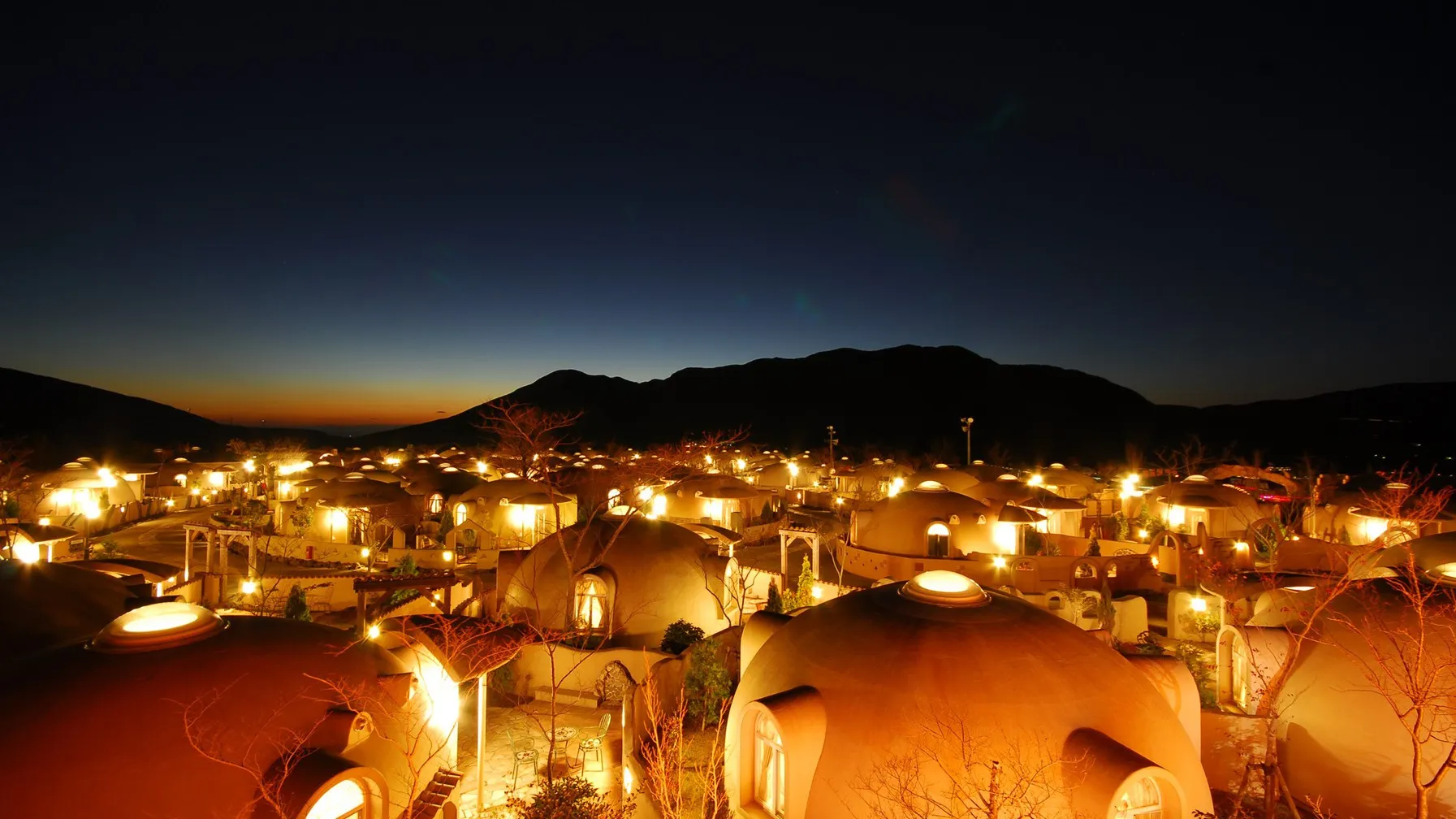
Autumn Farms and Harvest
Hotels with farm activities and animal encounters, plus the areas that make the best base for fruit picking and harvest days, from Hokkaido to Kyushu