
How to Pick a Rainy-Day Hotel for Kids in Japan

This site uses affiliate links; we may earn a commission on bookings.
You open the forecast three days before departure, and every single day of the trip shows a rain cloud. That moment genuinely deflates parents traveling with kids. If it were just adults, you could curl up with a book at a café and call it a day, but small children don't work that way. Pent-up energy turns into a meltdown in the car, and "let's just stay home since it's raining" isn't an option when you're away from home. Still, the difference between a miserable rainy trip and a perfectly fine one comes down almost entirely to which hotel you picked. This article breaks down how to spot a hotel that can absorb a rainy day indoors, and how to make the most of one once you're there.

Find hotels where kids can play indoors all day
Find hotels where kids can play indoors all day
With Kids Stay, you can search only hotels with a kids' room or playroom right from the start. Just pick an area and the number of guests.
hotelOur pick
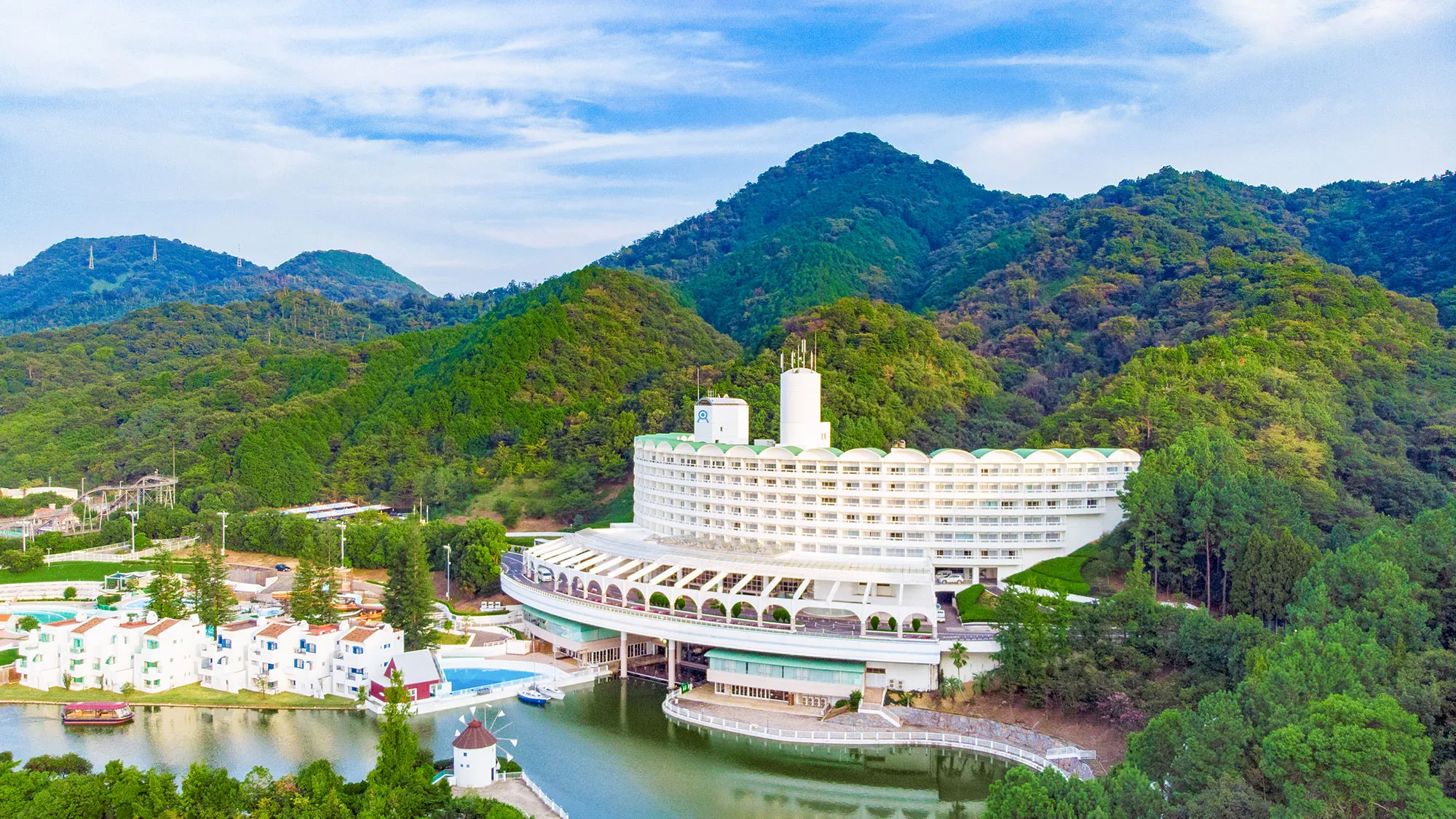
A hot-spring hotel in Marugame, Kagawa, right next to the NEW Reoma World theme park. At the heart of the building are an all-weather indoor heated pool (free) and a kids' corner, so kids can play year-round, even on rainy or cold days.
menu_bookContentsexpand_more
- A Rain-Proof Hotel Is 90% About the Facilities Page
- Indoor Pools: Year-Round vs. Seasonal Makes All the Difference
- Kids' Spaces and Activity Programs Work Best Together
- The Ultimate Option: A Hotel Where the Whole Building Is a Playground
- Once You've Booked, the Day-Of Routine Makes the Difference
- Frequently Asked Questions About Choosing a Rainy-Day Hotel
- Conclusion
A Rain-Proof Hotel Is 90% About the Facilities Page
When you open a hotel's official website, skip past the rooms and dining pages first and go straight to the "facilities" page. If that page is thin, the hotel might be wonderful in good weather but will leave you stuck the moment it rains. Deciding your evaluation criteria ahead of time makes comparing hotels much easier.
Check How Many Indoor Activities Run in Parallel
What actually works on a rainy day is a hotel designed so kids don't get bored over three or four straight hours. One indoor pool alone isn't enough. After two hours in the pool, what's there to do in the gap before dinner? If there's nothing, you end up wandering the lobby and getting in the staff's way. A good rule of thumb: look for a hotel that covers at least two of these three categories, "active" (indoor pool, bouldering, ball pit), "calm" (picture books, a corner of educational toys), and "hands-on" (reservation-based crafts or baking). Honestly, few hotels nail all three, so "active + calm" or "active + hands-on" is the realistic target.
Does the Hotel Spell Out a "Rainy-Day Program"?
Check whether the activity list mentions an alternative for "in case of rain" or "in case of bad weather." This is the litmus test for a rain-proof hotel. Hotels built around outdoor activities tend to simply say "we appreciate your understanding" when it rains, whereas hotels that plan for rain spell out a dedicated wet-weather program right on their official site. To avoid being told on the day, "the outdoor adventure course is closed due to rain, " with nowhere to turn, checking the rain-day policy before you book is essential.
Is There a Covered Walkway Between Buildings?
A surprisingly easy detail to miss is whether the path from the guest-room building to the large communal bath, restaurant, and kids' facilities is covered. Because resort hotels tend to sit on large grounds, it's common for the walkway between buildings to run outdoors. Carrying a child while holding an umbrella between buildings in the rain is far more exhausting than it sounds. Simply asking at check-in, "Is there any point where I'd need to step outside to get around the property?" can change how smoothly your day goes.
Whether a hotel covers at least two of the "active, calm, hands-on" categories is what separates rain-proof hotels from the rest.
| Check Item | Where to Look | Passing Standard |
|---|---|---|
| Indoor pool | Official "Facilities" page | Open year-round + has a kids' pool |
| Kids' space | Official "For Kids" page | Open before breakfast and after dinner |
| Activity programs | Official "Activities" page | Explicitly offers a rainy-day version |
| Covered walkways | Property map | Guest rooms to bath are fully indoors |
Just saving these four items as a note on your phone will sharpen how you compare hotels.
Indoor Pools: Year-Round vs. Seasonal Makes All the Difference
An indoor pool really is your strongest card on a rainy day. But "has an indoor pool" can mean two very different things: a genuine year-round facility, or a summer-only pool that won't help you at all on a rainy day in another season. Misreading this is a fast way to end up disappointed once you arrive.
On Rainy Days in Okinawa, Stay at a Hotel With a Year-Round Indoor Pool
Okinawa brings to mind sunny skies and blue ocean, but there are clearly times of year when rain can easily throw off your plans. Generally, May and June are the rainy season, and from summer into fall, typhoons can knock out the beach and outdoor activities for an entire day. Family trips are hard to reschedule, so it's reassuring to build a plan that doesn't hinge on the weather that day.
That's where it pays to choose, from the start, a hotel with a year-round indoor pool or a large hot-spring bathing facility. Many Okinawa hotels showcase their outdoor pools or beaches, so even "has a pool" can turn out to mean outdoor only. If you confirm before booking that the pool is indoors and open year-round, the kids can play to their heart's content inside on a rainy day, so even if your sightseeing plans fall apart, the trip itself doesn't.
Start your search with the list of family-friendly hotels in Okinawa, and if you're planning a little one's first time in a pool, narrowing that list down by the shallow kids' pool condition is the quickest route. That said, some hotels with a shallow kids' pool only have it outdoors, so after filtering, check the official site for whether it's indoors and when it operates. That way you won't misread "year-round vs. seasonal."
Winter in Okinawa brings plenty of days that are too chilly for the ocean, which makes indoor pools and bathing facilities even more valuable. If you're planning a winter visit, take a look at our winter Okinawa with kids feature as well, to make comparing hotels easier.
Year-Round Pools (Peace of Mind Regardless of Season)
An indoor pool that's heated and open even in winter erases not just rain risk but seasonal risk altogether. Hoshino Resorts RISONARE Yatsugatake's year-round indoor pool, "Il Mare", has a wave pool that generates waves up to 1.2 meters high once an hour, plus a 40cm-deep ball pit and kids' area; children not yet potty-trained can join if they wear a swim diaper under their swimsuit. The catch with year-round pools is that they close for maintenance, for things like changing the water. Check the official closure dates before you book, or you risk arriving to find "closed this week" waiting for you.
Seasonal Pools Might Not Help You on a Rainy Day at All
One easy detail to overlook: even an indoor pool can have a set operating season. Hoshino Resorts Tomamu The Tower's indoor pool, "Minamina Beach, " is a great example. It has one of Japan's largest wave pools plus a 30cm-deep kids' pool, along with free diapers, a nursing area, and even baby cots, but it operates in a winter season (December 1 to early April of the following year) and a summer season (late April to November 1), closing for facility maintenance in between, in April and November. In other words, you can't count on it if your trip overlaps a closure period. "Indoor" doesn't automatically mean "year-round, " so make it a habit to check the operating dates before you book.
Hotel Epinard Nasu's indoor heated pool has three zones: a 25-meter pool, a 60cm-deep pool, and a 30cm-deep pool, and even babies under one can use it in a swim diaper. That said, the official site doesn't state whether it operates year-round, so it's worth confirming the operating dates for this hotel too before you set out.
Spa/Onsen-Style Pools (A Full Day for the Whole Family)
Facilities with a swimsuit-required spa zone ("Bade Zone") or an onsen pool run warmer than a standard pool, so you're less likely to get cold even after a long soak. Izu Atagawa Onsen Hotel Katara RESORT & SPA's all-weather, all-season pool uses natural hot-spring water at around 33°C and includes a 50-60cm-deep kids' corner. Its official site explicitly states that children not yet potty-trained can use it in a swim diaper. It's a setup that lets you spend an entire rainy day, morning to evening, without ever leaving the building.
| Type | Strength | Watch out for |
|---|---|---|
| Year-round | Usable in any season | Maintenance closures |
| Seasonal | Often large-scale facilities | Unusable during winter rain |
| Spa/onsen-style | Less likely to get cold | Crowding in swimsuit-required areas |
One more thing: whether swim diapers are allowed genuinely varies hotel by hotel. Some are fine with "swim diaper plus swimsuit, " while others are strict and require children to be potty-trained and age two or older. If you're traveling with a child who isn't potty-trained yet, checking this before you book is essential. Searching by the pools that allow swim diapers condition can cut down a lot of the guesswork.
Even "has an indoor pool" can mean summer-only, so confirm the operating season and maintenance closure dates before you book.
Kids' Spaces and Activity Programs Work Best Together
An indoor pool is flashy and catches your attention, but the true star of a rainy day is the combination of a kids' space and activity programs. You can only spend two or three hours at most in a pool in a day, but a kids' space has the advantage of being available to return to again and again from morning to night. It's not unusual for kids to cycle through "pool, then a snack, then the kids' room, then back again before dinner" several times in one day.
Does It Open Before Breakfast and Stay Open After Dinner?
How good a kids' space is often comes down to whether it's open around 7am and stays open past 8pm. A free 30 minutes before breakfast lets parents focus on getting ready, and letting kids burn off energy after dinner can dramatically improve how easily they fall asleep. On the flip side, a space limited to daytime hours like "10am-5pm" leaves mornings and evenings with nothing to do on a rainy day.
Age-Separated Zones
It's genuinely dangerous to have upper-elementary kids running around right next to a 3-year-old sitting in a ball pit. Facilities with zones split into ages 0-2, 3-6, and elementary-school-and-up offer a completely different level of safety and focus. Hoshino Resorts RISONARE Atami has a kids' room with an ocean-view ball pit and a climbing wall, plus a giant climbing wall called "Oyako no Kitakabe" (Parent-and-Child North Face), so kids have a choice of places to play. It's worth checking the official site to see whether the spaces are divided by age.
Activities: Can You Join Same-Day, and Can You Take It Home?
Activity programs come in two types: same-day sign-up and advance reservation, and it's the former that saves you on a rainy day. Even if the forecast is wrong and it suddenly rains, a same-day program lets you sign up at the front desk that morning. On top of that, activities where kids make something they can take home, like a pinecone ornament or a small pottery dish, feel more worthwhile because "the thing we made on that trip" keeps coming up in conversation long after you've checked out. Resort-style hotels tend to have the richest activity lineups. At Grand Mercure Awajishima Resort & Spa, a hands-on workshop for making "fukimodoshi" party blowers, of which Awaji Island produces about 80% of Japan's domestic output, is included in the room rate.
Here's a pre-booking checklist for kids' spaces:
- Does it open before breakfast and stay open after dinner?
- Are age zones physically separated?
- Up to what age is a parent required to accompany their child?
- Do you need to bring socks, or can you buy them at the shop?
- Is photography allowed?
- Is there a rotation system when it gets crowded?
For anything not covered on the official site, hotels are usually happy to answer if you contact them directly before booking. One quick call or email can make a huge difference in how confident you feel on the day. If you're searching for a hotel with plenty to do indoors, filtering by hotels with a kids' room or playroom is the quickest shortcut.
Whether a kids' space is open before breakfast and after dinner makes a huge difference in its value on a rainy day.
The Ultimate Option: A Hotel Where the Whole Building Is a Playground
If you want a guarantee that a rainy day will be "100% fine, " a hotel where the entire building functions like a theme park is your ultimate option. At this level, you don't even need to step outside, and your whole stay can play out entirely indoors. Hotels built this way, where you could go two full days without ever leaving the building and still not run out of things to do, genuinely exist around Japan.
Standout Examples of Theme-Park-Style Hotels
A prime example is Island Nagasaki (Iojima, Nagasaki). Along with "Ark Land Spa, " a spa theme park you enjoy in a swimsuit, it has "KUJIRA DOME, " a 25-meter all-weather dome with a 200,000-ball ball pit. Oedo Onsen Monogatari Hotel Reoma no Mori pairs an all-weather indoor heated pool with an in-house kids' corner, and it's part of a larger complex with a theme park right next door. Nara Plaza Hotel (Nara Kenko Land) is famous for its roughly 1,000-square-meter indoor inflatable-play theme park, "Hashagi Kids, " complete with a giant slide and a ball pit deep enough to disappear into. Shirakaba Resort Ikenotaira Hotel has an indoor heated pool plus a bath called "Warabe no Yu" where kids can stay in swim diapers, meaning even a family with a baby can spend a full day indoors. You can browse hotels like these together via the hotels with a large spa or water park list.
The Indoor Route and the Minimum Requirements
When choosing a hotel like this, it's reassuring to check on the official site how the play areas and facilities inside the building connect to one another. Whether a hotel has planned for rainy days tends to come through in how its site is structured. They also pair extremely well with all-inclusive hotels, where you can use the facilities to your heart's content without worrying about extra charges on a day you never step outside.
Here are the minimum requirements for a hotel where you can spend a full day without leaving the building.
| Requirement | Why |
|---|---|
| Indoor pool or large kids' facility | The core outlet for burning off energy |
| 2-3 dining venues | Three meals in the same spot gets old |
| An in-house shop or convenience store | For rain gear and snacks |
| Large communal bath | An in-room bath alone gets boring |
| Covered walkways | Avoids the stress of going back and forth between buildings |
How the Season Changes the Way You Use the Building
Which hotel makes sense also shifts a bit by season. For winter rain, a combination of onsen bathing and indoor hot-water facilities keeps everyone warm and comfortable; for summer, an indoor pool paired with an air-conditioned kids' space is ideal for cooling off.
If you plan to spend a full day indoors, check things down to the number of dining venues and whether there's an in-house shop.
Once You've Booked, the Day-Of Routine Makes the Difference
Even a perfectly chosen hotel won't stop kids from getting bored if the day itself is unstructured. Conversely, even an ordinary hotel can turn into an enjoyable rainy day with the right approach. Here are a few small tricks that make an outsized difference.
Alternate Active and Calm in 90-Minute Blocks
The most reliable go-to is alternating "active, then calm, then active, then calm" in 90-minute blocks. A child's attention span tends to run out around 90 minutes, so avoid keeping them in the same spot for more than two hours straight. Ninety minutes in the kids' space after breakfast, a break in the room, 90 minutes at an afternoon activity, 90 minutes at the pool before dinner, and picture books in the evening, and that alone fills a rainy day completely. Telling your child the schedule out loud ahead of time gives them a sense of what's coming, which tends to keep their mood more stable.
Pack a Rainy Day Kit
One more tip: if rain is in the forecast, pack a "rainy day kit." Playing cards or UNO, a paper craft kit, a favorite picture book, a drawing set, and a tablet loaded with offline videos. That alone turns time cooped up in the room from "boring" into "special downtime." For help putting the kit together, see the packing checklist for family travel with kids.
Recheck Availability Right Before You Go
One last insight: hotels with a rainy forecast tend to see a higher cancellation rate, so checking the official site again about a week before departure can turn up a room that was sold out. Conversely, if you're torn over the weather, choosing a hotel with a lenient cancellation policy takes a lot of the pressure off.
Frequently Asked Questions About Choosing a Rainy-Day Hotel
Is an indoor pool alone enough to handle a rainy day?
Often, no. You can only stay in the pool for two or three hours at most, leaving gaps before and after. Pool plus a kids' space, or pool plus an activity program, is the realistic combination, because hotels relying on the pool alone tend to leave you stuck in the gap before dinner.
If a hotel "has an indoor pool, " can I use it during winter rain?
Not necessarily: some indoor pools only operate in summer, so always check the operating dates. If you're counting on a pool during winter rain or sleet, it's safer to choose a hotel with a year-round heated pool or an onsen pool/Bade Zone.
Traveling with a baby aged 0 or 1, what do we need to comfortably stay indoors on a rainy day?
Babies don't really complain of being bored the way older kids do, so this is actually manageable. Three things are enough for a relaxed stay: a Japanese-style room or a spacious Western-style room, a bathroom where baby baths are allowed, and a restaurant that serves baby food. If anything, a rainy day is easier on parents, since there's no risk of having to take a baby outdoors.
If rain is forecast, should I cancel my existing reservation for a rain-ready hotel?
We don't recommend changing a reservation within three days of your stay. You're likely to incur a cancellation fee, and it's harder to book your preferred room elsewhere on short notice. It's more practical to shift your plan for the day toward indoor activities and research nearby indoor facilities such as aquariums, museums, and shopping complexes instead.
Can I trust a hotel that simply says "rainy days are fine"?
It's important to break marketing copy down into specifics rather than taking it at face value. "Plenty of indoor facilities" alone tells you nothing, so check whether the site gives concrete details: the size of the indoor pool, the square footage of the kids' space, the number of activity programs on offer. A hotel that only offers vague promotional language carries a higher risk of disappointing you once you arrive.
auto_awesomePick a hotel where kids can play indoors all day, even in the rain
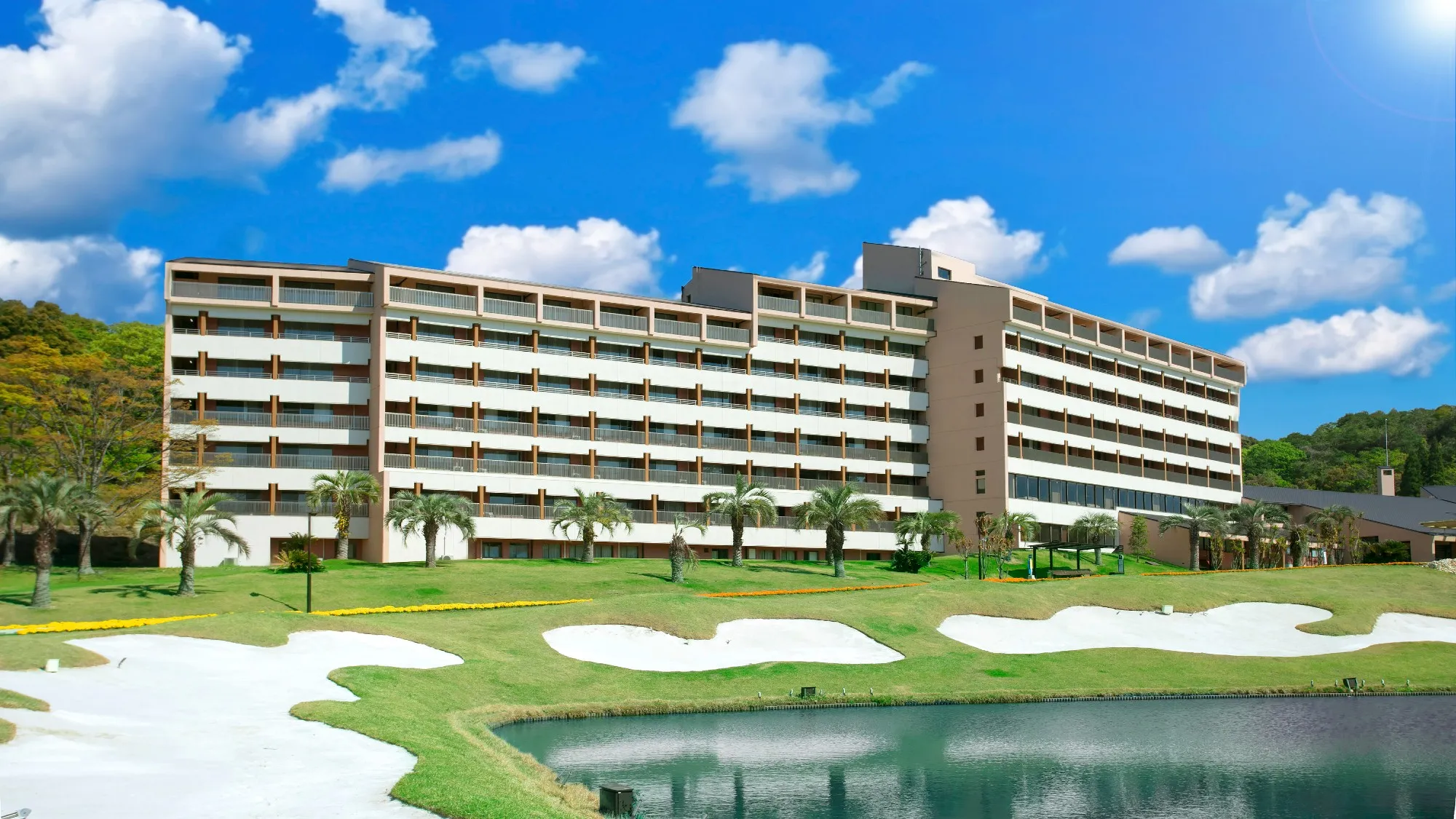
Hotels You Never Have to Leave
Rain or blazing heat, zero sightseeing, everyone still happy. Hotels with the pool, the play area, the baths and the meals all under one roof, for a trip where you never go out
Winter Pools and Spas With Kids
Hotels with indoor heated pools, large bathing complexes and water parks, from Hokkaido to Kyushu and Okinawa
Conclusion
A family trip on a rainy day is decided almost entirely at the hotel-booking stage. The operating dates of the indoor pool, the hours of the kids' space, whether activity programs account for rain, and covered walkways between buildings. Get these four things right, and checking the forecast will rarely deflate you again. You might even start thinking, "we got lucky, since the rain means we get to make full use of the facilities." Any hotel can deliver a fun sunny day, but a fun rainy day is a real test of a hotel's underlying strength. For your next trip, try making "can we still enjoy ourselves if it rains?" your first criterion, rather than assuming good weather.
Find hotels where kids can play indoors all day
Find hotels where kids can play indoors all day
Related articles


Seasonal collections
Winter Break With Kids
Travel in the first or second half of winter break and skip the New Year crush. Choose by snow play, hot springs, the warm south, or city playgrounds
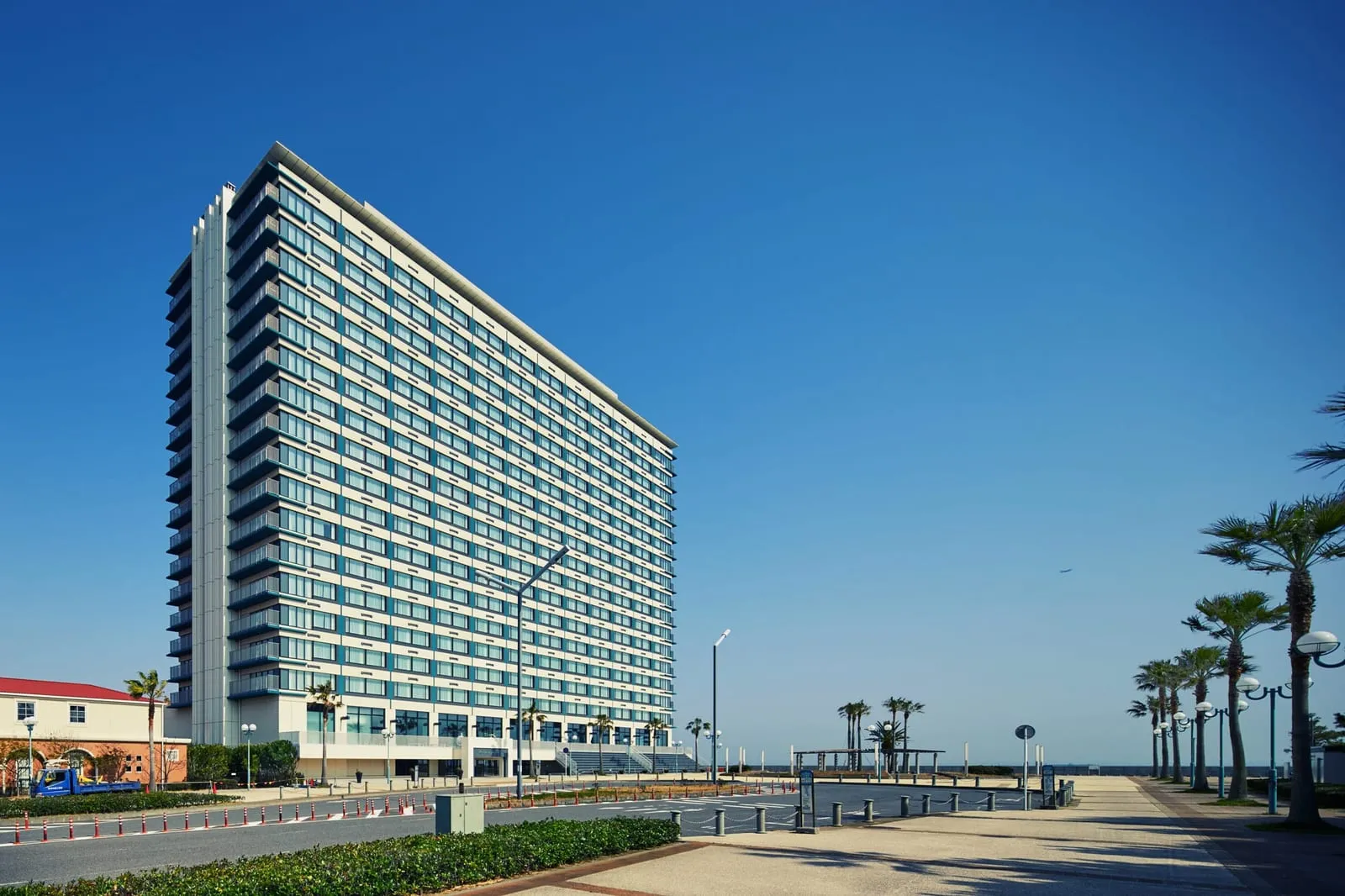
Christmas With Kids in Japan
Book December weekends early. Three ways to spend it: city hotels, dinner-included resorts, or snow and hot springs
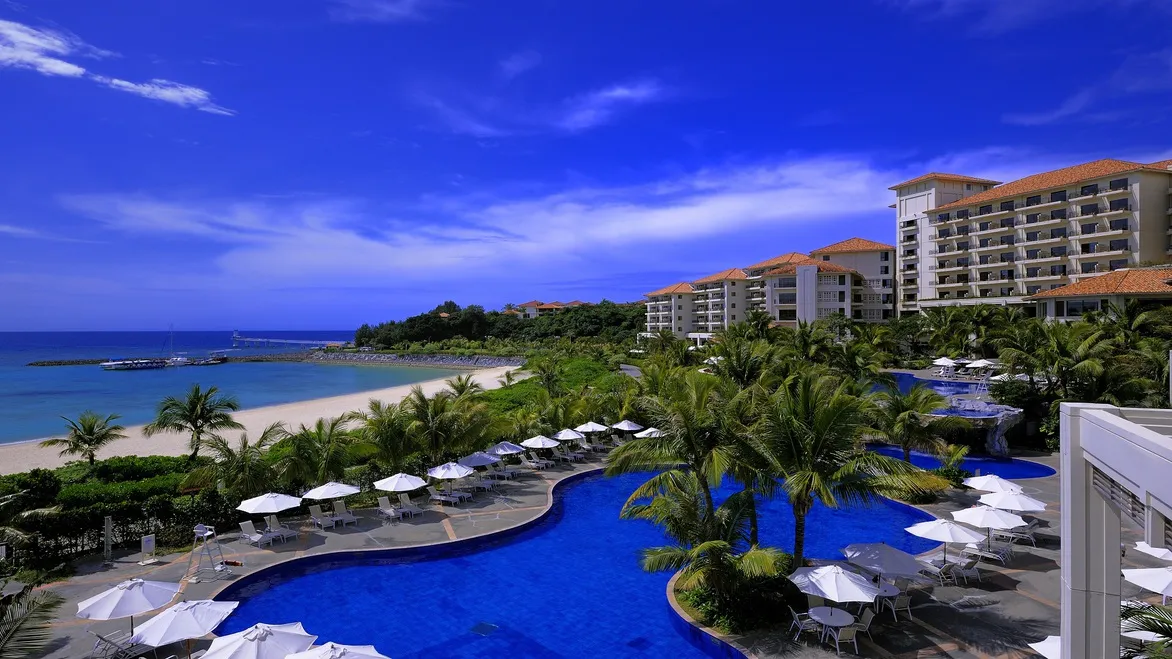
Late-Summer Okinawa Beaches
Fall in Okinawa, Miyakojima, Ishigaki, and Amami, once the crowds and the heat have eased. Stays within walking distance of a beach, or with a kids' pool
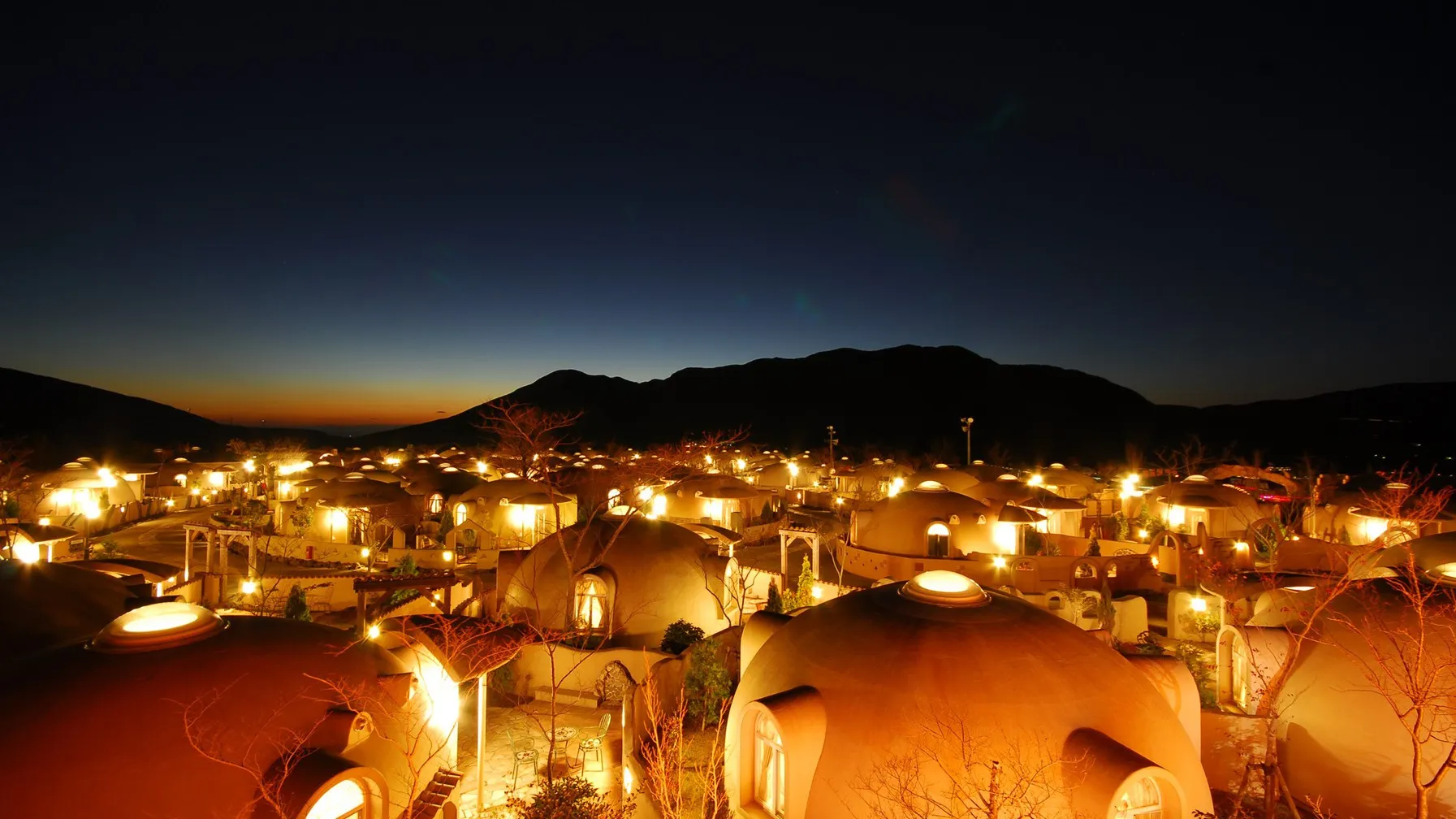
Autumn Farms and Harvest
Hotels with farm activities and animal encounters, plus the areas that make the best base for fruit picking and harvest days, from Hokkaido to Kyushu
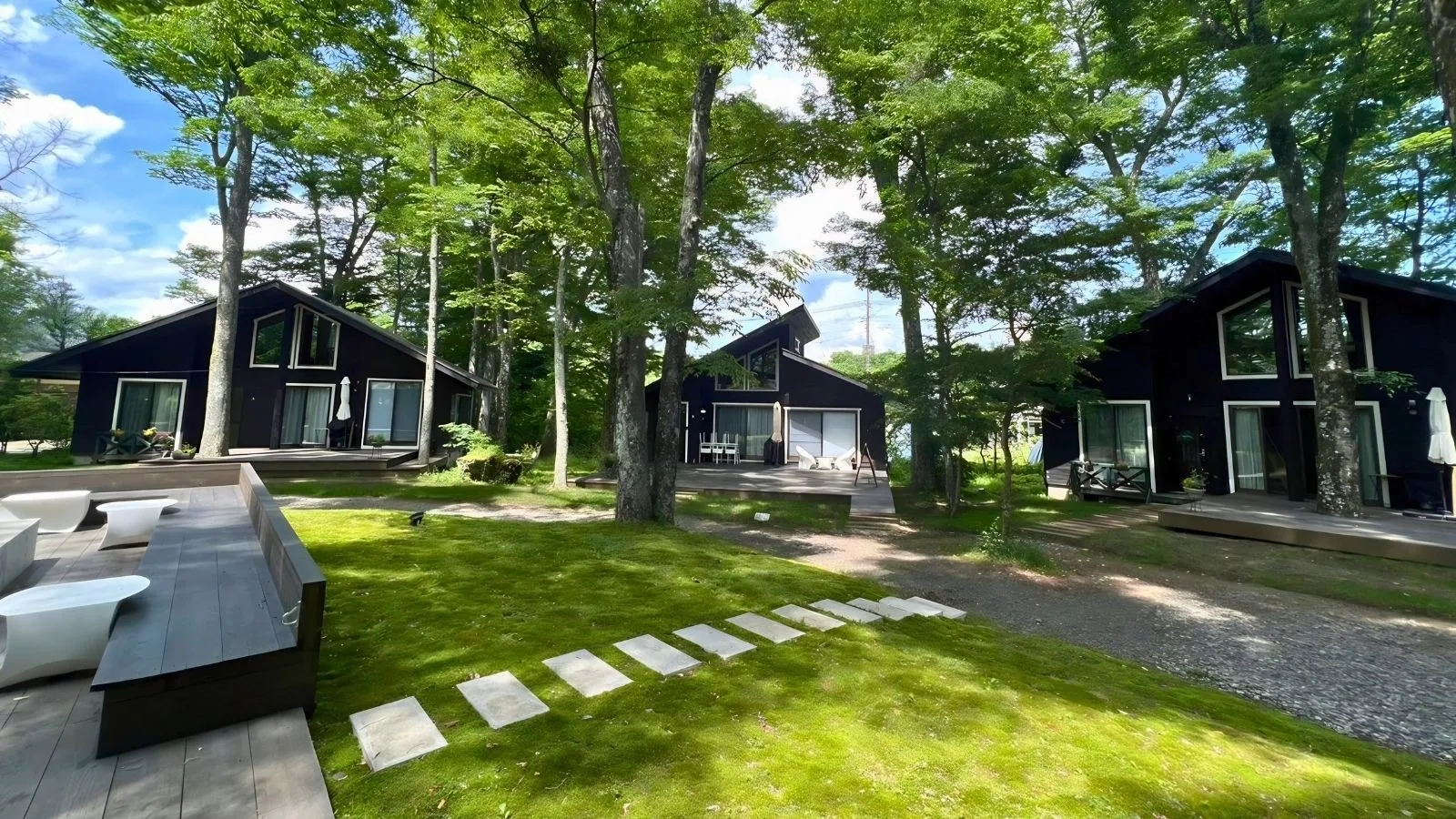
Autumn Cottages and Glamping
No one else to worry about, at your children's own pace. Areas with self-catering villas, cottages, and glamping, from north to south
Autumn Highland Play
In the season that is neither hot nor cold, find hotels where kids can run around outside. Highland areas with outdoor play areas and adventure courses, from north to south