

Spot
Family-friendly hotels near Nakasendo Highway
Information checked on 2026-10-17. Hours, admission and facilities can change; please confirm on the official site before you go.
About Nakasendo Highway
The Nakasendo was one of the Five Routes (Gokaido), the main highways developed during the Edo period (1603-1868). It linked Nihonbashi in Edo (now Tokyo) with Sanjo Ohashi Bridge in Kyoto by an inland route. It passes through seven prefectures, from Tokyo to Kyoto. Along the way, post towns (the rest stops where travelers once lodged) and stretches of the old road are relatively well preserved, and two in Nagano Prefecture, Tsumago-juku and Narai-juku, are designated Important Preservation Districts for Groups of Traditional Buildings. In some places, such as Warabi-juku in Saitama Prefecture, old post town houses still stand and you can stroll the streets. Former post towns also have local history museums.
Hotels closest to Nakasendo Highway (10, nearest first)
Only 0 Kids Stay hotels sit within 15 km of Nakasendo Highway, so here are the 10 closest ones by distance.
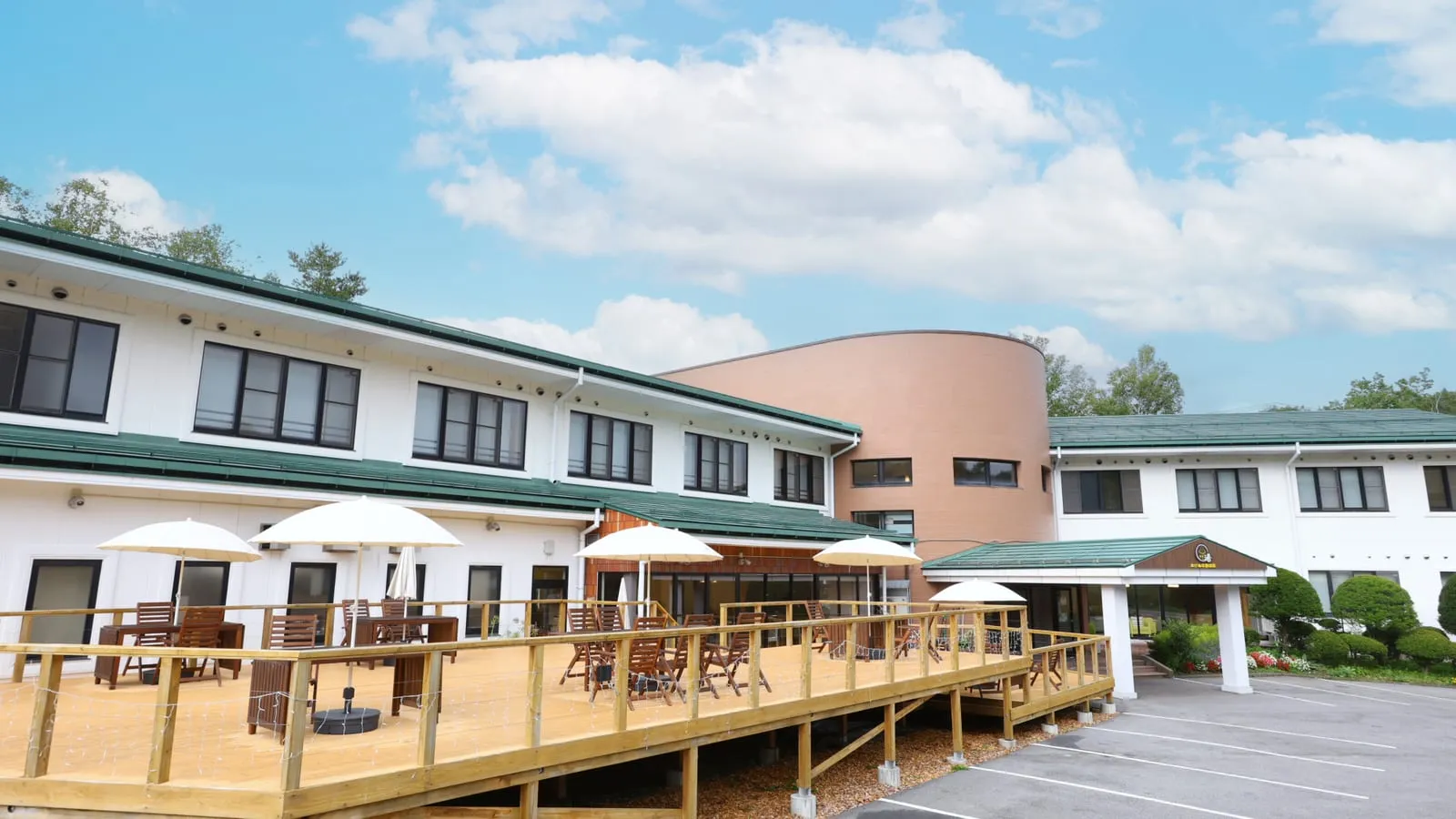
Hotel Kiso Onsen Kogane no Yu / Glamping ONTAKE
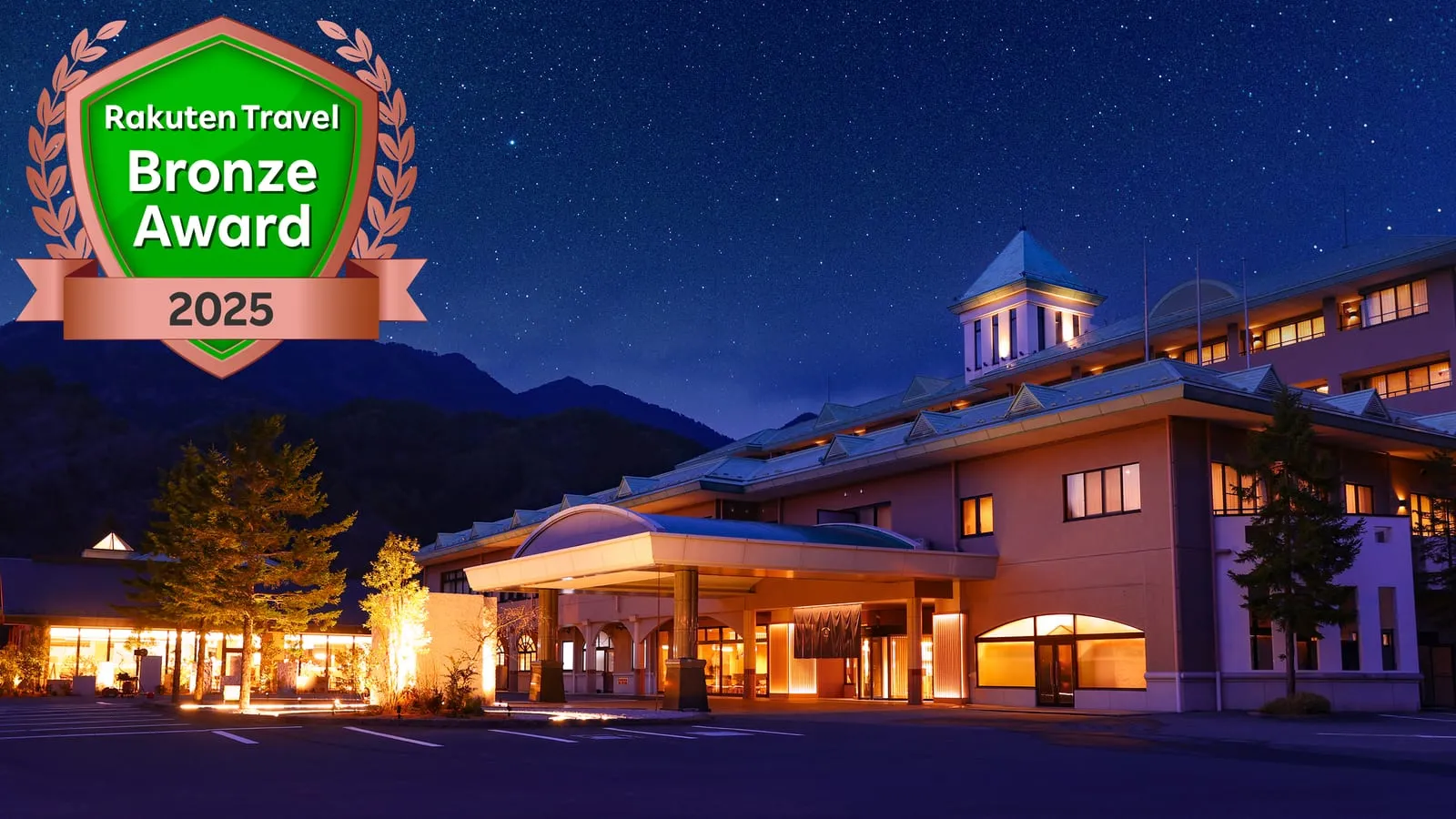
TAOYA Kisoji
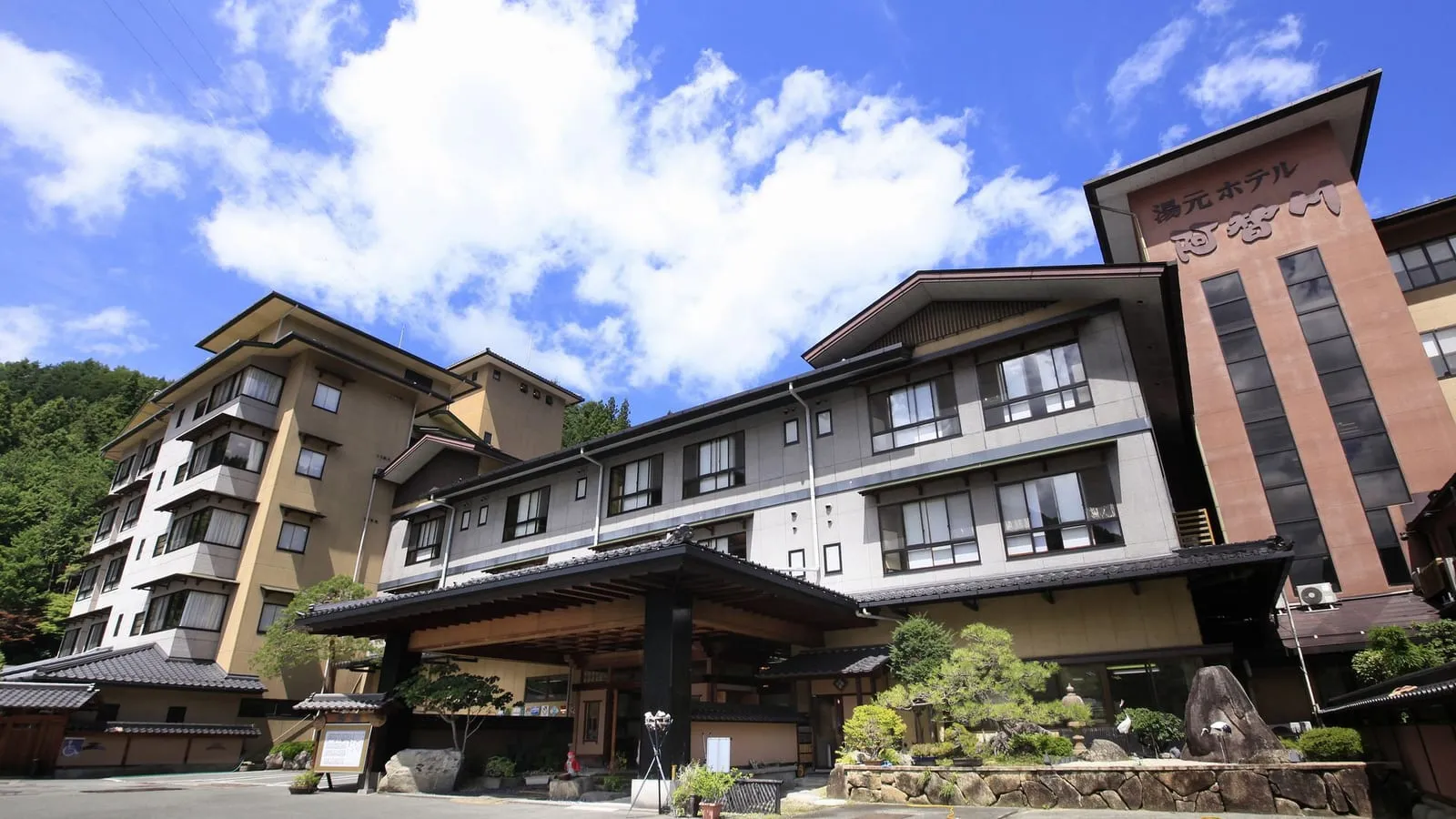
Hirugami Onsen Yumoto Hotel Achigawa
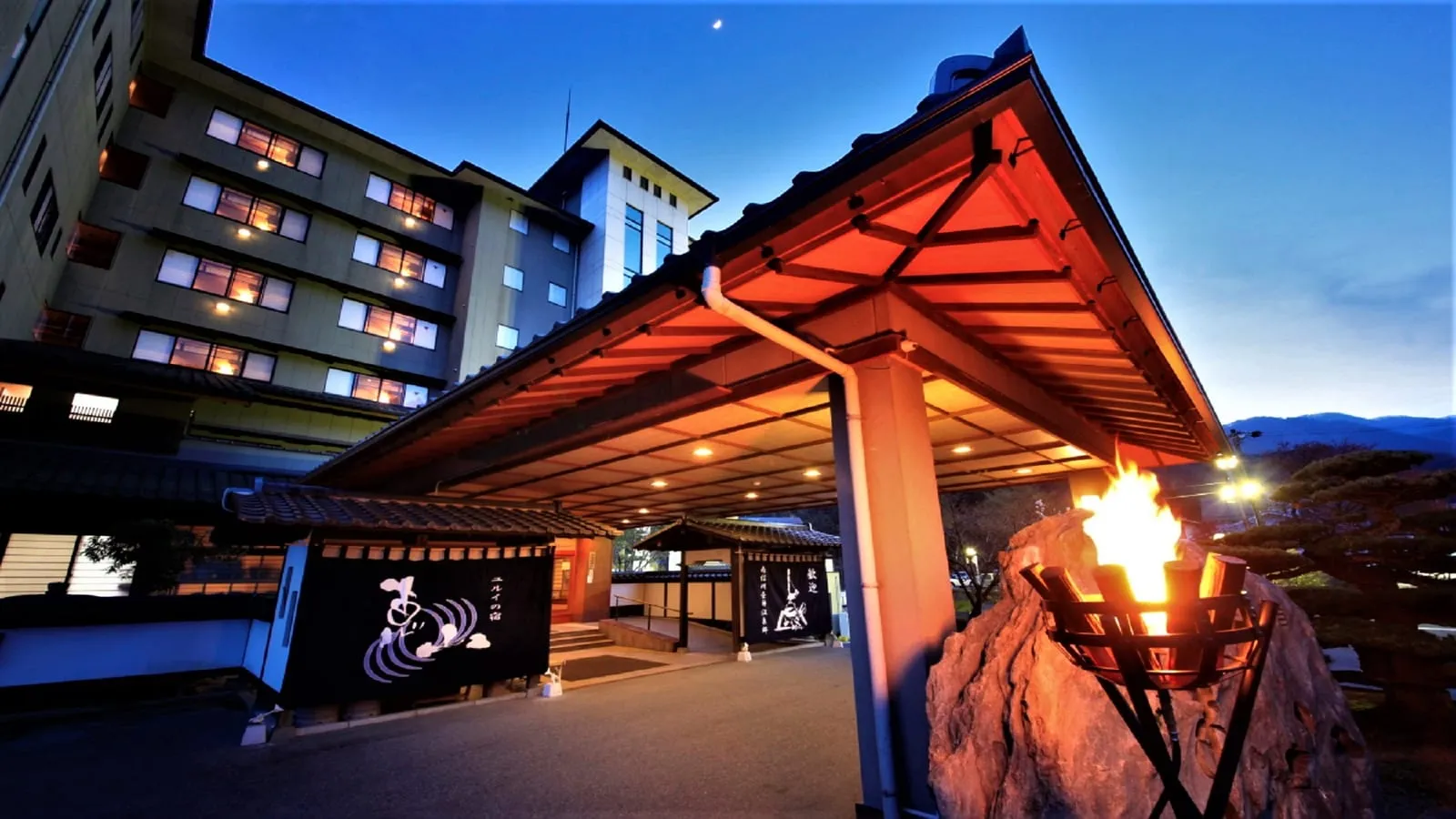
Hirugami Onsen Yurui no Yado Keizan
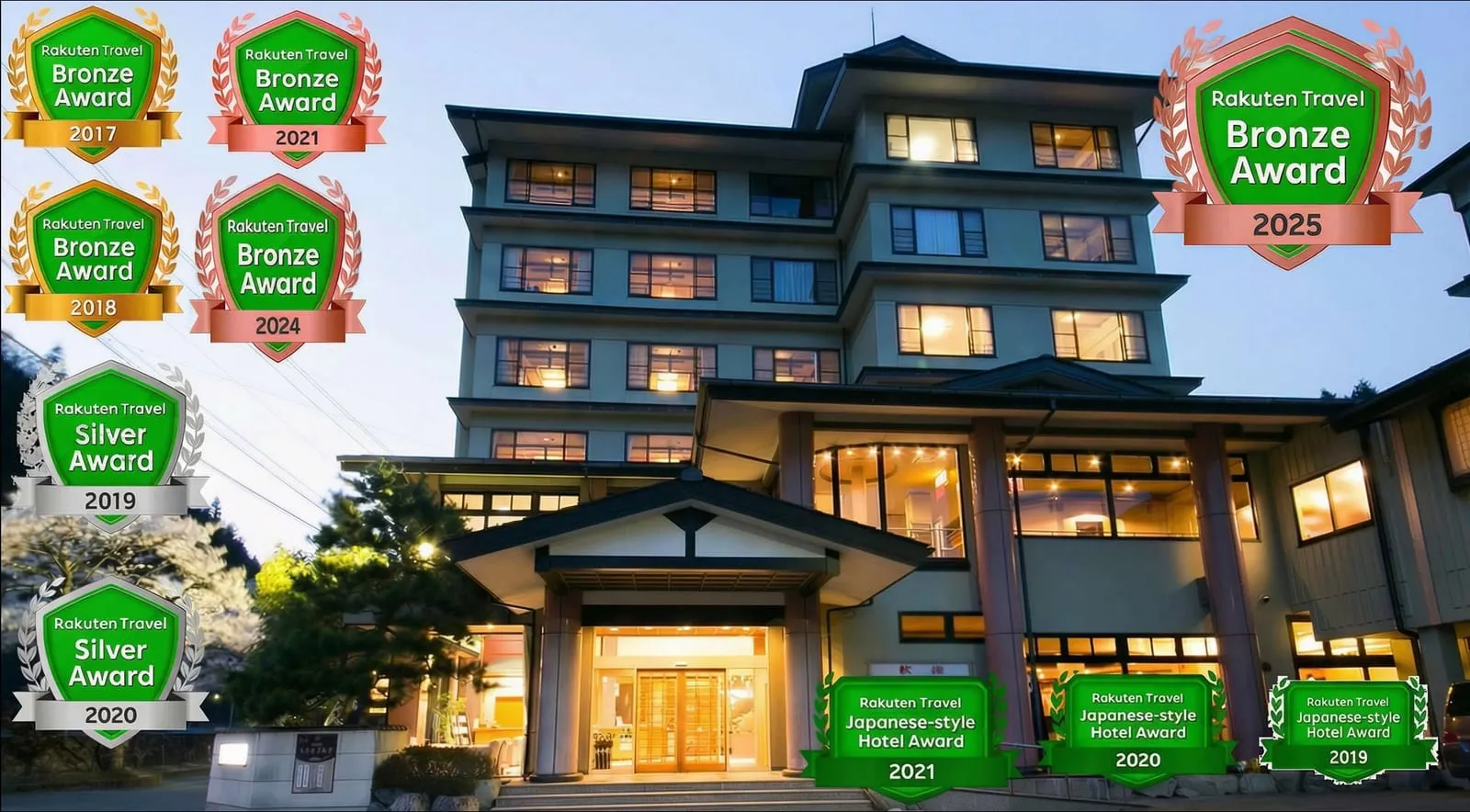
Hirugami Onsen Yura no Yado Seifuen
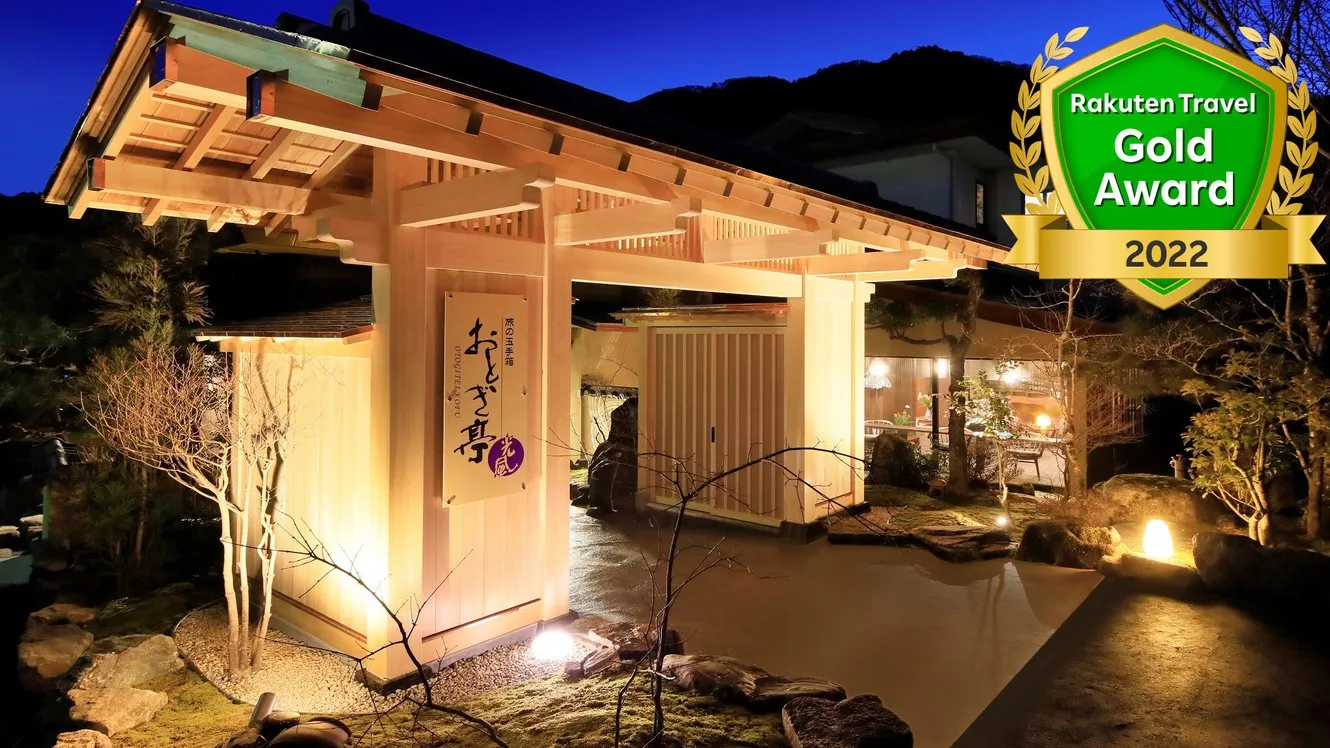
Hirugami Onsen Otogitei Kofu
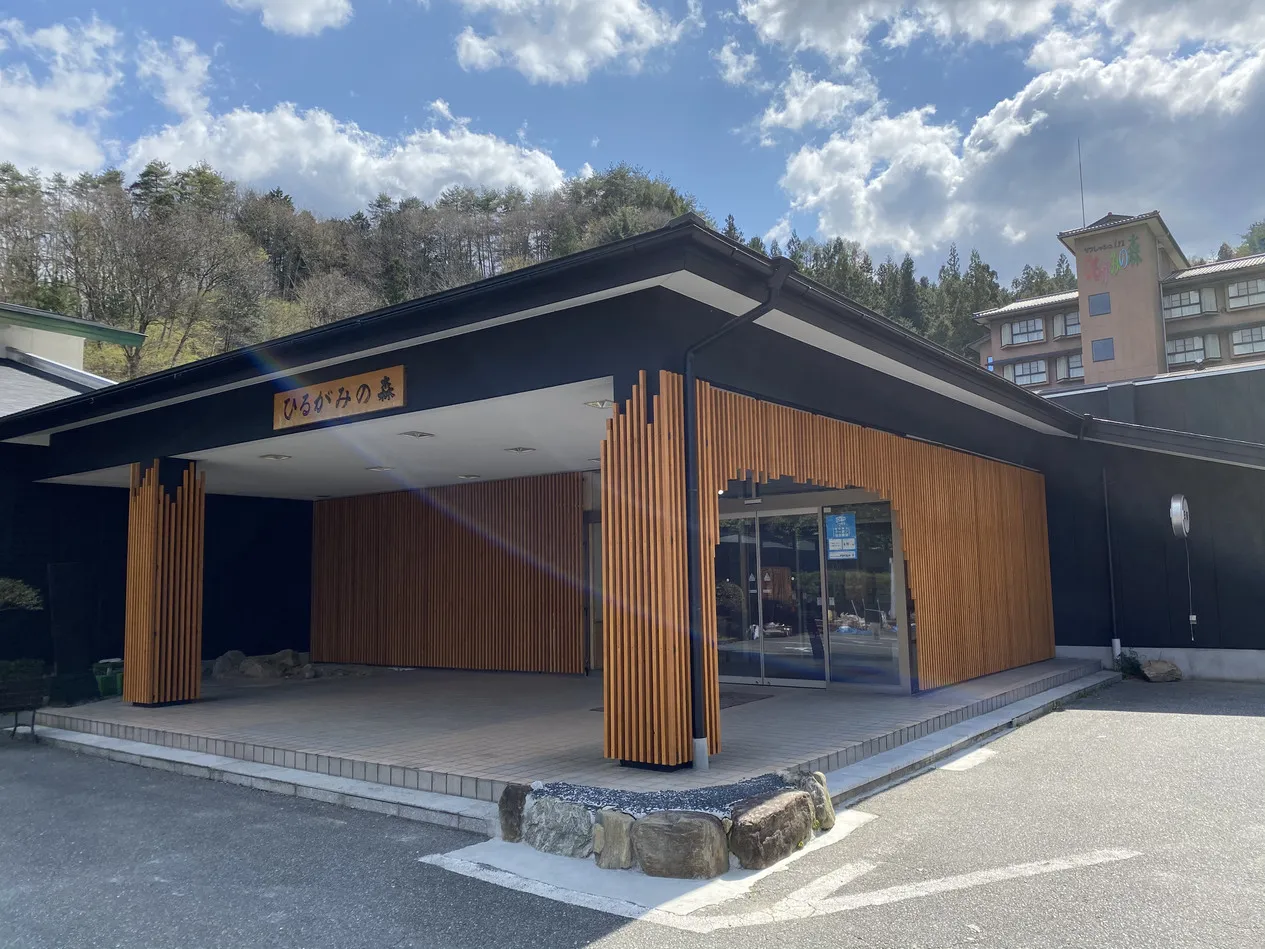
Hirugami Onsen Hotel Hirugami no Mori
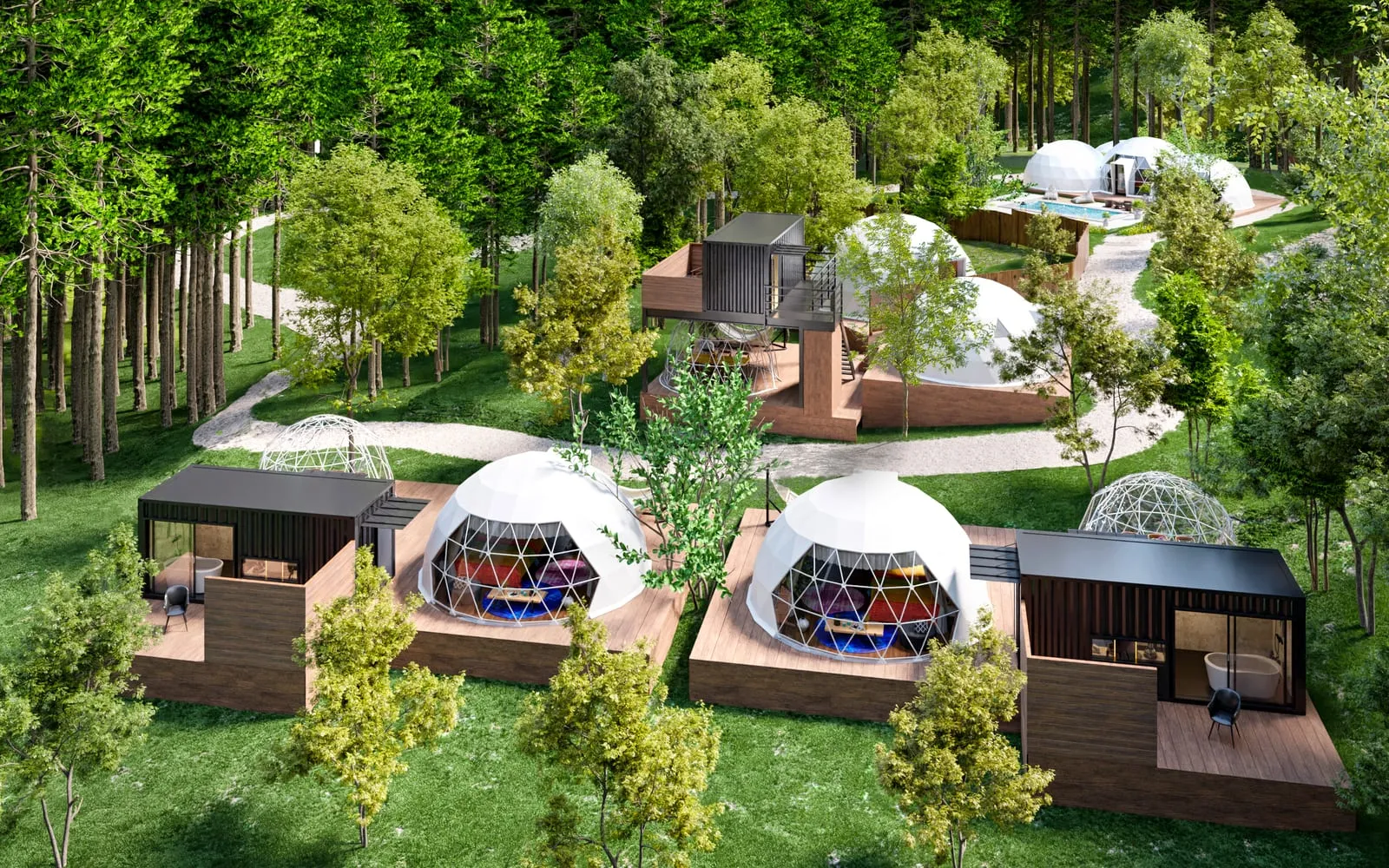
Nakatsugawa Glamping Morinosora
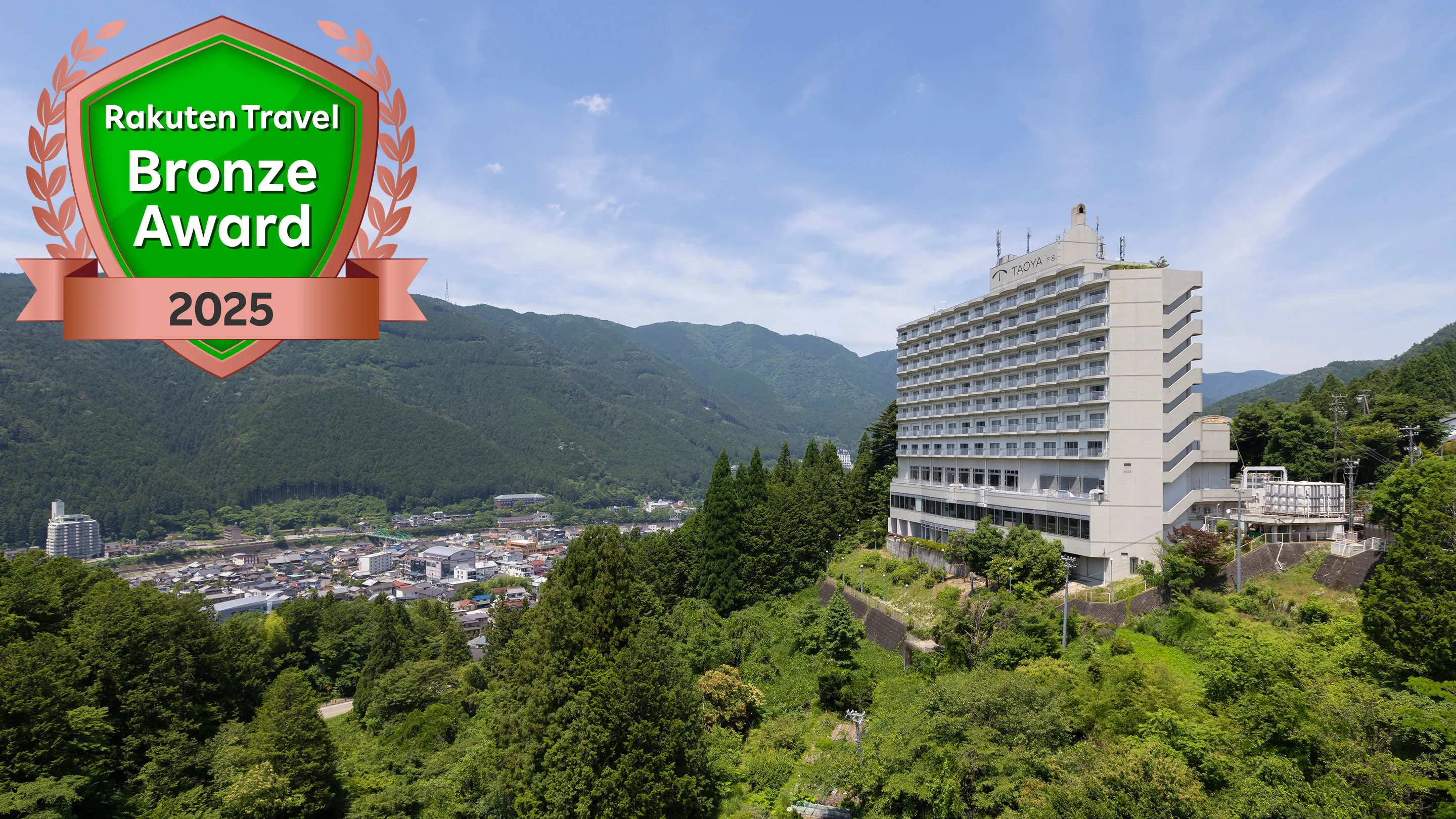
TAOYA Gero

Gero Onsen Suihouen
Other attractions near Nakasendo Highway
Areas near Nakasendo Highway
Seasonal picks for Kiso

Snow Play and Ski Areas
Ski-in hotels and stays with snow play grounds, sorted by region across Hokkaido, Tohoku, Shinetsu, and the areas near Tokyo
Winter Vacation With Kids
Plan around the New Year rush: snow play, hot springs, warm southern islands, or indoor city fun, for the first or second half of the break
Ski-in Ski-out Hotels With Kids
Your room is just minutes from the slopes. Verified ski-in ski-out stays for families, from Hokkaido to the Shinetsu region, so you're not worn out by kids and gear
Travel tips
On the Kiso Road section of the Nakasendo, nature walking trails are being developed on Magome Pass, between Tsumago-juku and Magome-juku, and on Torii Pass, between Narai-juku and Yabuhara-juku. Each post town has a local history museum, so you can work one in as a stop between walks. In Magome-juku, the Toson Memorial Museum stands on the site of the birthplace of the writer Shimazaki Toson.
Best season
In the Edo period, the Nakasendo had many steep mountain stretches, and because it runs inland, winters were harsh and the road was said to be hard to travel when snow fell. Since a visit mostly means walking outdoors through post towns and over passes, you will need to prepare for the cold and snow if you go in winter.
Getting there
Please check the official site for directions.
Access and basic information
| languageOfficial site | https://www.pref.saitama.lg.jp/b0102/osanpo/nakasendouwarabijyuku.html |
|---|
Map
The map is provided by Google Maps. Loading it sends your IP address to Google, which may set cookies. It is loaded only when you choose to.
FAQ
What are Tsumago-juku and Narai-juku famous for?
expand_more
Both are post towns in Nagano Prefecture and are designated Important Preservation Districts for Groups of Traditional Buildings. Tsumago-juku was designated in 1976 and Narai-juku in 1978, and they are especially well known for the preservation of Nakasendo post towns.
Are there mountain pass trails you can walk?
expand_more
Nature walking trails are being developed on Magome Pass, between Tsumago-juku and Magome-juku, and on Torii Pass, between Narai-juku and Yabuhara-juku. Torii Pass is also part of the Central Divide, which separates the water systems flowing to the Sea of Japan and to the Pacific Ocean.
Where can we learn about the history of the post towns?
expand_more
In Warabi-juku in Saitama Prefecture, the Warabi City Museum of History and Folklore has an exhibit recreating what the Nakasendo looked like in those days. Magome-juku has the Toson Memorial Museum.
Are there family-friendly lodgings nearby?
expand_more
Hotel Kiso Onsen Kogane no Yu / Glamping ONTAKE offers stays in detached rooms, cottages, and glamping (luxury camping) accommodations, with a kids' meal menu and in-room baths. TAOYA Kisoji offers baby food (weaning meals).